Last Updated on November 25, 2025 by
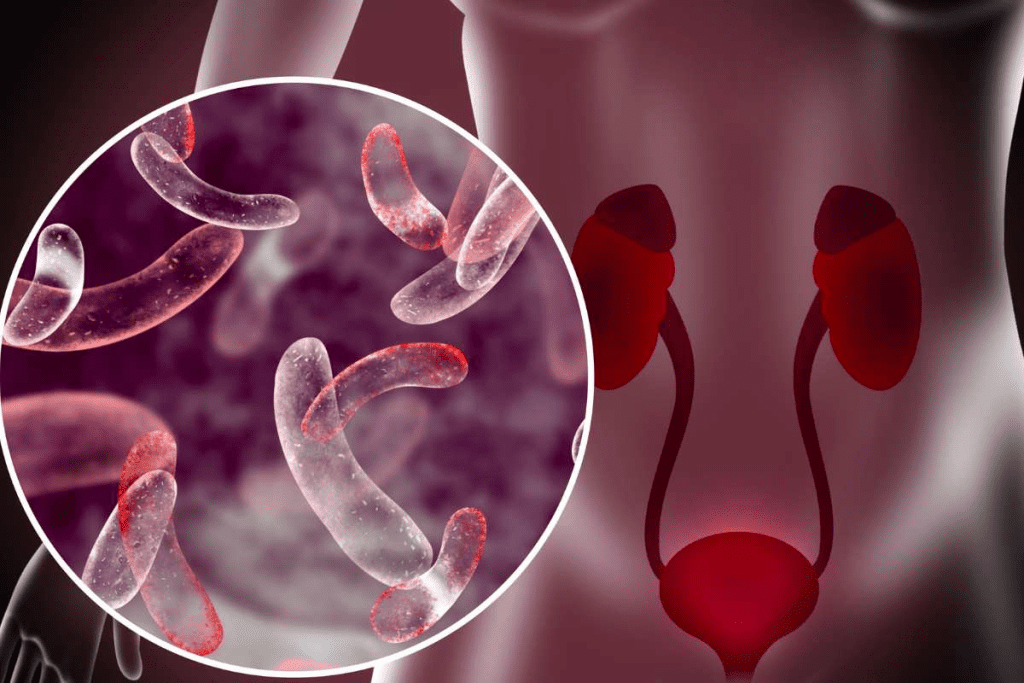
Peyronie’s disease is a condition where scar tissue forms in the penis. This can cause it to curve, hurt, and sometimes make it hard to get an erection. If the scar tissue builds up too much, it can block the urethra. This can make it hard to pee and sometimes even cause urinary retention.
We will look at the symptoms, risk factors, and treatment options for Peyronie’s disease. We will also talk about how it can affect urination.
Men with Peyronie’s disease might have trouble peeing. They might notice their stream is off, their flow is weak, or they can’t empty their bladder fully. In some cases, it can even lead to urinary retention. It’s important to understand how Peyronie’s disease can affect urination to manage and treat it properly.
Key Takeaways
- Peyronie’s disease can cause urinary retention and other urological complications.
- The condition is characterized by the formation of fibrous scar tissue in the penis.
- Severe cases can obstruct the urethra, impeding urination.
- Men with Peyronie’s disease may experience a range of urinary symptoms.
- Understanding the link between Peyronie’s disease and urinary issues is key for effective management and treatment.
What Is Peyronie’s Disease and Who Does It Affect?
Peyronie’s disease is a condition that affects men, causing penile curvature or pain during erections. We will look into what it is and how common it is. We will also see how it impacts the penis.
Definition and Prevalence Statistics
Peyronie’s disease is marked by the growth of fibrous scar tissue, called plaques, in the penis. It affects about 3“9% of men. Most cases happen between ages 55“60.
The plaques can cause the penis to curve, lead to pain, and sometimes make it hard to get an erection.
Formation of Fibrous Plaques in the Penis
The plaques in Peyronie’s disease form because of abnormal healing of micro-tears in the penis. This leads to scar tissue buildup. As a result, the penis can bend or curve.
The exact reason for Peyronie’s disease is not known. But it’s thought to be caused by genetics, environment, and lifestyle.
Important things about Peyronie’s disease include:
- Formation of fibrous plaques
- Penile curvature or bending
- Pain during erections
- Erectile dysfunction
The Anatomy of Urinary Function and How Peyronie’s Disease Affects It
To understand Peyronie’s disease’s impact on urine flow, we must first know the urinary tract’s normal structure in men. This system is key for removing waste and extra fluids from our bodies.
Normal Urinary Tract Anatomy in Men
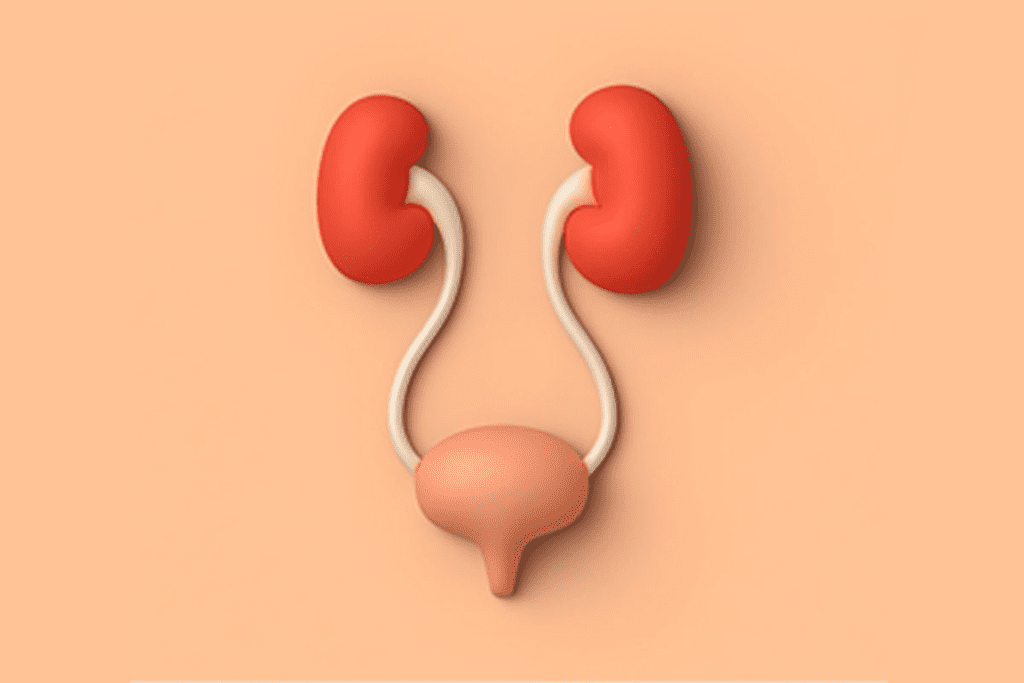
The urinary system in men includes the kidneys, bladder, and urethra. The kidneys filter waste and excess fluids, creating urine that goes to the bladder through the ureters. The bladder holds the urine until it’s released through the urethra.
The urethra in men is longer than in women. It goes through the prostate gland and the penis. Knowing this is important because Peyronie’s disease affects the penis. This can impact the urethra and how we urinate.
How Penile Plaques Can Obstruct Urine Flow
Peyronie’s disease causes fibrous plaques in the penis’s tunica albuginea. These plaques can make the penis curve or bend, causing pain during erections. They can also block the urethra, stopping urine from flowing properly.
When the urethra is blocked, it can cause urine to stay in the bladder. This is called urinary retention. It’s very uncomfortable and can lead to more serious problems if not treated. The blockage can be from the plaque itself or from the penis’s shape affecting the urethra.
The effects of Peyronie’s disease on urine flow are complex. They involve physical blockages from plaques and changes in urine flow due to penis curvature. Understanding these aspects is key to managing the condition well.
5 Ways a Curved Penis from Peyronie’s Disease Can Cause Urinary Problems
Peyronie’s disease can make the penis curve, leading to urinary issues. We’ll look at how this affects urine flow.
Direct Urethral Narrowing from Plaques
Fibrous plaques in the penis are a big worry with Peyronie’s disease. These plaques can narrow the urethra. This narrowing blocks urine flow, causing many urinary problems.
Altered Urinary Stream Direction
A curved penis changes how urine flows. This can cause urinary spraying or dribbling. It makes keeping clean hard and can irritate the skin.
Difficulty Initiating Urination
The curve and plaques from Peyronie’s disease make starting to pee hard. This is called difficulty initiating urination or hesitancy. It’s frustrating and can lead to more issues if not fixed.
Incomplete Bladder Emptying
The blockage from the curved penis can also cause incomplete bladder emptying. Not emptying the bladder fully can lead to infections and other problems.
It’s important to know these issues to manage Peyronie’s disease well. If you’re having these problems, see a doctor for help.
Risk Factors That Worsen Urinary Symptoms in Peyronie’s Disease
It’s important to know what makes urinary symptoms worse in Peyronie’s disease. Some health issues can make symptoms more severe. It’s key to tackle these problems quickly.
Diabetes: Present in Up to 30% of Cases
Diabetes is a big risk factor for Peyronie’s disease. Research shows up to 30% of men with Peyronie’s also have diabetes. Diabetes can cause neuropathy and vascular complications, making urinary symptoms worse.
“Diabetes mellitus can harm the urinary system in many ways,” research says. This includes causing neuropathy that can lead to urinary retention.
Hypertension and Cardiovascular Conditions
Hypertension and heart conditions also increase the risk of worse urinary symptoms. These can cause vascular damage and affect blood flow. It’s important to manage these conditions well.
Obesity and Its Impact on Symptom Severity
Being overweight can also make urinary symptoms worse. Extra weight can strain the pelvic floor muscles, leading to urinary retention. Health experts say losing weight can help ease these symptoms.
Previous Pelvic or Urological Surgeries
Men who have had pelvic or urological surgeries are at higher risk. Such surgeries can cause scar tissue formation and affect urine flow. Knowing about past surgeries is important for managing Peyronie’s disease.
IMAGE TO BE CORRECTED
Healthcare providers can create better treatment plans by knowing these risk factors. Men with Peyronie’s disease should talk about their health with their doctor. This helps get the best results.
Diagnosing Urinary Retention Related to Peyronie’s Disease
To diagnose urinary retention linked to Peyronie’s disease, we use physical exams, imaging studies, and urodynamic tests. These methods help us fully grasp the condition and its effects on the patient.
Physical Examination Techniques
In the physical exam, we look for penile curvature and plaques from Peyronie’s disease. We visually check and touch the penis to see how much it curves and if there are any hard plaques. This helps us figure out how these issues might cause urinary retention.
Specialized Imaging Studies
Ultrasound is key in diagnosing the condition. It shows us the plaque’s details and how it affects the urethra. This info is critical for planning the right treatment.
Urodynamic Testing to Measure Flow Obstruction
Urodynamic testing measures how much the plaque blocks urine flow. It shows us how bad the urinary retention is. This helps us make a treatment plan that fits the patient’s needs.
By using all these diagnostic tools, we get a full picture of the patient’s situation. Then, we can make a treatment plan that tackles both Peyronie’s disease and urinary retention.
Treatment Options for Managing Both Peyronie’s Disease and Urinary Symptoms
Managing Peyronie’s disease and its urinary symptoms needs a detailed plan. This plan should cover both physical and emotional aspects. Every patient is different, so treatments must be customized.
Non-Surgical Approaches
Non-surgical treatments are often the first step. They include:
- Medications like pentoxifylline and verapamil to reduce penile curvature and symptoms.
- Penile traction therapy, a non-invasive method to straighten the penis over time.
- Shockwave therapy, believed to improve blood flow and reduce plaque size.
These methods can help manage symptoms and improve life quality. But, results can vary among patients.
Surgical Interventions
For severe cases or when non-surgical treatments fail, surgery may be needed. Surgical options include:
- Penile plication, a procedure to correct penile curvature by folding the tunica albuginea.
- Grafting procedures, removing the plaque and replacing it with a graft to restore flexibility.
- Penile prosthesis implantation, addressing curvature and erectile dysfunction.
Surgery can offer significant relief for severe Peyronie’s disease. It improves both penile curvature and urinary function.
Comprehensive Management Strategies
A complete management strategy combines non-surgical and surgical treatments. We tailor plans to each patient’s needs. This includes addressing both Peyronie’s disease and urinary symptoms.
Effective management also includes lifestyle changes and support for emotional and psychological impacts.
By using a multi-faceted treatment approach, we can better help men with Peyronie’s disease. This improves their physical health and quality of life.
Conclusion
Peyronie’s disease can really affect men’s health, causing issues like urinary retention. Knowing about the disease, its risks, and treatments helps men manage their symptoms better. This improves their overall quality of life.
We talked about how Peyronie’s disease can affect urination, the factors that make symptoms worse, and the treatments available. These range from non-surgical methods to surgery. It’s important for men with symptoms to get medical help quickly to handle these issues well.
Managing Peyronie’s disease and urinary retention well needs a full plan. By looking into treatment options and understanding the disease, men can handle their health better. This way, they can lessen the disease’s impact on their daily life.
FAQ
What is Peyronie’s disease?
Peyronie’s disease is a condition where scar tissue forms in the penis. This leads to curvature, pain, and sometimes trouble getting an erection.
How does Peyronie’s disease affect urinary function?
The scar tissue can block the urethra. This causes trouble starting to pee, not fully emptying the bladder, and holding urine.
What are the risk factors that worsen urinary symptoms in Peyronie’s disease?
Diabetes, high blood pressure, heart issues, being overweight, and past surgeries can make urinary problems worse.
How is urinary retention related to Peyronie’s disease diagnosed?
Doctors use physical exams, ultrasound, and urodynamic tests. These help find out if the plaque is blocking urine flow.
What are the treatment options for managing Peyronie’s disease and urinary symptoms?
Treatments include medicines, penile traction, and surgery. Surgery can fix the curve and help with urine flow problems.
Can a curved penis cause urinary problems?
Yes, a curved penis can cause urine issues. This includes a narrow urethra, trouble starting to pee, and not emptying the bladder fully.
At what age is Peyronie’s disease most common?
Peyronie’s disease usually affects men in their mid-50s to early 60s.
What is the impact of diabetes on Peyronie’s disease?
Diabetes can make Peyronie’s disease worse. It can also increase urinary symptoms.
How does obesity affect Peyronie’s disease symptoms?
Being overweight can make urinary symptoms in Peyronie’s disease worse.
REFERENCES
- Perimenis, P., Athanasopoulos, A., Gyftopoulos, K., Katsenis, G., & Barbalias, G. (2001). Peyronie’s disease: Epidemiology and clinical presentation of 134 cases. International Urology and Nephrology, 32(6), 691‘694. https://link.springer.com/article/10.1023/A:1014485204205
- Case‘control study: Risk factors include urethral procedures. “A case‘control study on risk factors for Peyronie’s disease. (1998). Journal of Urology / Andrologic & Surgical Outpatient Units, Policlinico Gemelli, Rome. (Details as above) PubMed