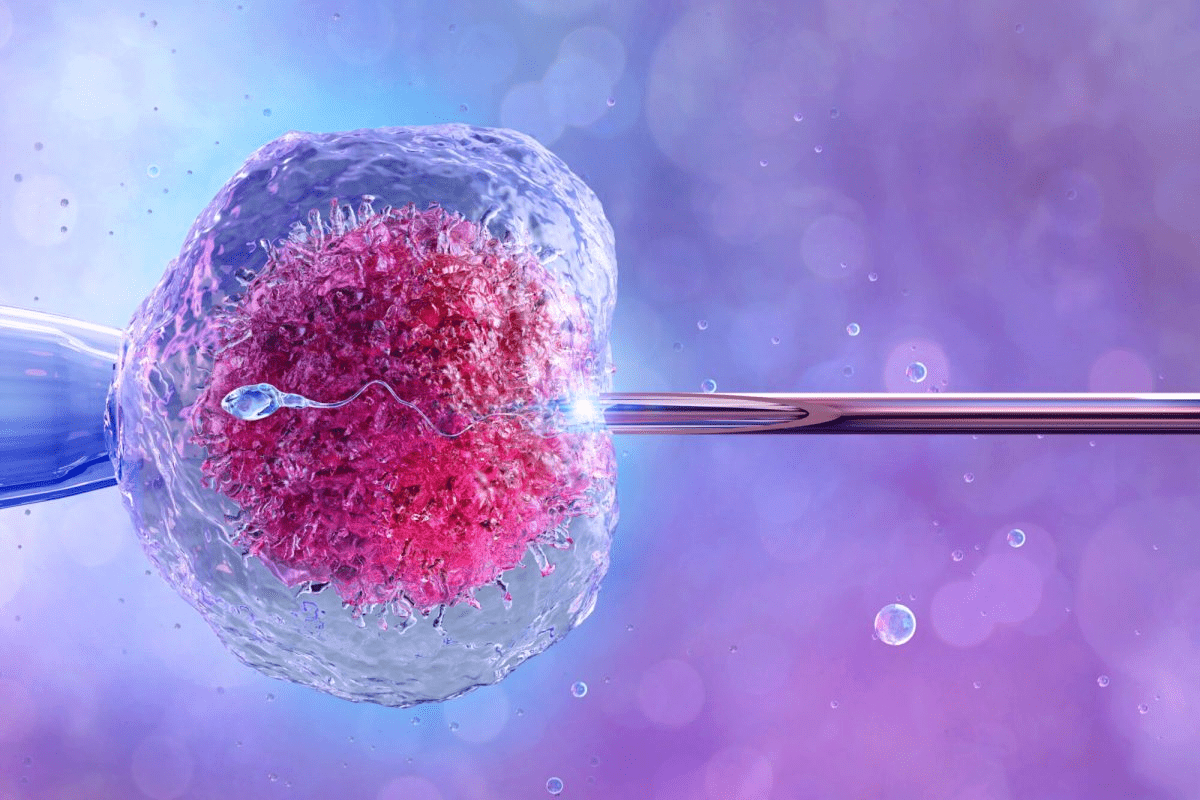

Preimplantation Genetic Testing for Aneuploidies (PGT-A) is a new technology in IVF. It checks embryos for chromosomal issues. This helps find euploid embryos with the best genetic makeup for a successful pregnancy. Guide to the meaning and significance of receiving a pgt euploid (chromosomally normal) embryo result.
At Liv Hospital, we use this tech to help patients make smart choices about their fertility. Studies show that embryos checked on day 5 and 6 have high implantation rates. This means they have a good chance of leading to a pregnancy.
Learning about PGT euploid testing can greatly boost your chances of a successful pregnancy. It also lowers the risk of miscarriage. Our team offers caring, personalized care. We use the latest genetic testing and expert advice to help you.
Key Takeaways
- PGT-A is a genetic testing technology used to identify chromosomal abnormalities in IVF embryos.
- Euploid embryos have the correct number of chromosomes, increasing the chances of successful implantation.
- PGT euploid testing can significantly reduce the risk of miscarriage.
- Liv Hospital combines advanced genetic testing with compassionate, personalized care.
- Sustained implantation rates for euploid blastocysts are significantly higher.
The Fundamentals of Reproductive Genetics

Reproductive genetics is key to understanding how chromosomes affect embryo development. It’s vital for grasping the complexities of human reproduction and what influences embryo growth.
Chromosomes are like threads that carry genetic info needed for embryo development. Each human cell should have 46 chromosomes, in 23 pairs. These chromosomes are essential for determining an individual’s traits and are critical for embryo development.
The Journey from Egg to Embryo
The journey from egg to embryo is complex, with many stages. It starts with fertilization, where a sperm meets an egg, creating a zygote. This happens in the fallopian tube and is a key step in embryo development.
Knowing how long it takes for sperm to fertilize an egg is important. It usually takes about 24 hours after ovulation. But, sperm can live up to five days in the female reproductive tract, while an egg is only viable for 12-24 hours.
“The process of fertilization is highly complex and involves a series of intricacies that lead to zygote formation.”
Chromosomal Basics in Human Reproduction
Chromosomal abnormalities can greatly affect embryo development and are a common reason for implantation failure and miscarriages. Knowing about chromosomes and their role in reproduction is key to understanding PGT euploid testing benefits.
Chromosomal Condition | Description | Impact on Embryo |
Euploid | Normal number of chromosomes (46) | Healthy development chance |
Aneuploid | Abnormal number of chromosomes | Higher risk of implantation failure or miscarriage |
PGT euploid testing identifies embryos with the right chromosome number, boosting pregnancy success chances. By grasping reproductive genetics basics, we see why this testing is vital in fertility treatments.
What is PGT Euploid Testing?
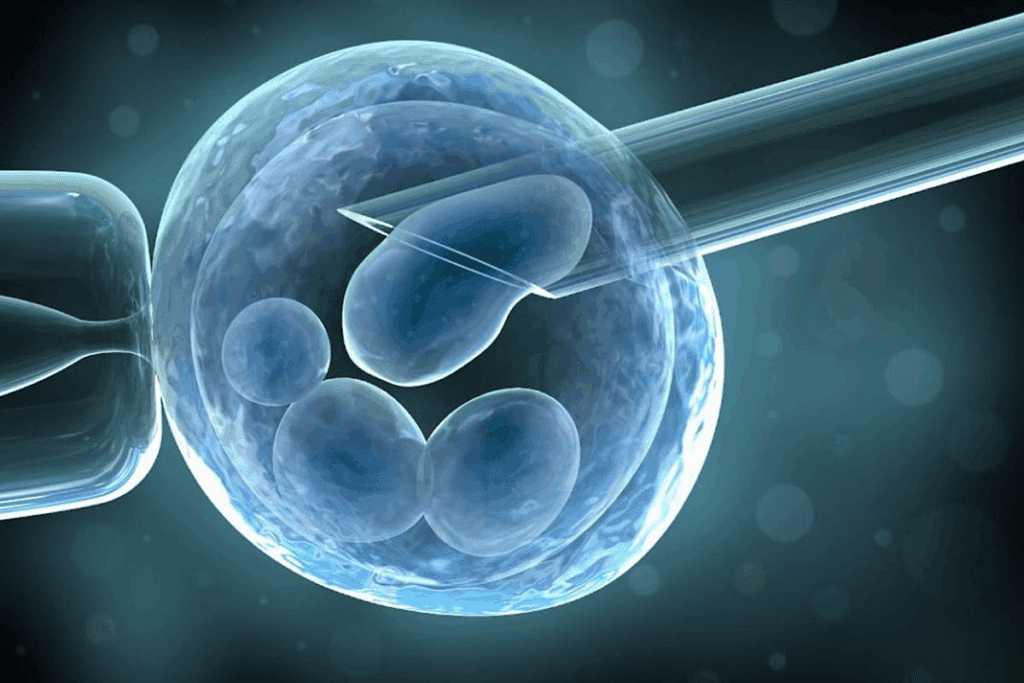
PGT euploid testing, also known as PGT-A, is a detailed screening of embryos during IVF. It checks for chromosomal issues. This is key to picking embryos with the right number of chromosomes, boosting the chance of a successful pregnancy.
Definition and Purpose
PGT-A looks for aneuploidies, or abnormal chromosome numbers, in embryos. Its main goal is to pick euploid embryos for transfer. This greatly improves the chances of a successful pregnancy.
Choosing chromosomally normal embryos through PGT-A lowers the risk of miscarriage and failed implantation. These are common problems linked to chromosomal issues.
The main benefits of PGT-A are:
- Higher implantation rates
- Lower risk of miscarriage
- Better selection of viable embryos for transfer
Evolution of Preimplantation Genetic Testing
Preimplantation Genetic Testing (PGT) has grown a lot over time. It started to find genetic disorders and now includes PGT-A, PGT-M, and PGT-SR. These advancements are thanks to better genetic analysis and the need for more detailed screening.
Different Types of PGT (PGT-A, PGT-M, PGT-SR)
There are many types of PGT, each tackling different genetic issues:
- PGT-A (Preimplantation Genetic Testing for Aneuploidy): Checks embryos for chromosomal problems, picking euploid embryos for transfer.
- PGT-M (Preimplantation Genetic Testing for Monogenic/Single Gene Defects): Finds specific genetic disorders caused by single gene mutations.
- PGT-SR (Preimplantation Genetic Testing for Structural Rearrangements): Finds embryos with structural chromosomal rearrangements, like translocations.
Knowing about these PGT types is key for those going through IVF. It helps them make better choices about their reproductive journey.
Understanding Euploid vs. Aneuploid Embryos
Knowing the difference between euploid and aneuploid embryos is key to IVF success. The number of chromosomes in an embryo affects its chance of implanting and growing into a baby.
What Makes an Embryo Euploid?
An embryo is euploid if it has the right number of chromosomes. Humans should have 46 chromosomes, in 23 pairs. Euploid embryos are more likely to implant and grow into a healthy baby.
Euploid embryos are more likely to lead to a successful pregnancy. They have the right number of chromosomes, which is vital for growth.
Common Chromosomal Abnormalities
Aneuploid embryos have the wrong number of chromosomes. This can cause implantation failure, miscarriage, or developmental problems. Common issues include:
- Trisomy (having an extra chromosome)
- Monosomy (missing a chromosome)
- Polyploidy (having more than two sets of chromosomes)
These problems are a big reason for IVF failure and early pregnancy loss. About 50% of early pregnancy losses are due to aneuploid embryos.
Impact on Implantation and Pregnancy
The difference between euploid and aneuploid embryos greatly affects implantation and pregnancy success. Euploid embryos are more likely to implant and lead to a healthy pregnancy.
Embryo Type | Implantation Potentia | Pregnancy Outcome |
Euploid | Higher | Healthy pregnancy |
Aneuploid | Lower | Miscarriage or developmental issues |
By checking the chromosomal status of embryos through PGT euploid testing, we can boost IVF success. This lets us choose the healthiest embryos for transfer, improving pregnancy chances.
The Complete PGT Euploid Testing Process
PGT euploid testing is now key for many couples trying to have a baby. It starts with IVF and goes through embryo development, biopsy, and lab analysis.
IVF and Embryo Development Timeline
The first step is IVF (In Vitro Fertilization). Eggs are taken and mixed with sperm in a lab. Then, the embryos grow for 5-6 days.
It usually takes 24 hours for fertilization to happen. How long it takes for sperm to fertilize an egg can vary. But, it usually happens in a few hours. The embryo grows and reaches the blastocyst stage by day 5 or 6.
Day | Embryo Development Stage |
1 | Fertilization |
3 | Cleavage Stage |
5-6 | Blastocyst Stage |
Embryo Biopsy Techniques
When embryos are at the blastocyst stage, a biopsy is done. A few cells are taken from the trophectoderm for testing. This is a key step for PGT euploid testing.
Laboratory Analysis and Reporting
The cells are then analyzed in a lab. They use Next-Generation Sequencing (NGS) to check the embryo’s chromosomes. The results show if the embryo is healthy or not.
The whole PGT euploid testing process takes a few weeks. Knowing this helps couples make better choices for their IVF journey.
Next-Generation Sequencing: The Technology Behind PGT
Next-generation sequencing (NGS) has changed reproductive genetics. It allows for precise chromosome analysis in PGT euploid testing. This advanced tech gives us a better look at embryo chromosomes.
How NGS Works for Chromosome Analysis
NGS is a strong tool for chromosome analysis. It helps us count chromosome numbers and spot mosaicism better. The steps include:
- DNA extraction from the embryo biopsy
- Library preparation for sequencing
- Massively parallel sequencing to generate millions of reads
- Bioinformatic analysis to interpret the sequencing data
This detailed look helps us find chromosomal issues. These issues could affect embryo health and pregnancy success.
Advantages Over Previous Technologies
NGS beats older tech like array comparative genomic hybridization (aCGH) in many ways:
- Higher Resolution: NGS spots smaller chromosomal problems.
- Detection of Mosaicism: It finds cells with different chromosomal content.
- Comprehensive Analysis: NGS gives a detailed view of chromosomes.
These benefits make NGS key for modern PGT euploid testing. It helps us pick the healthiest embryos for transfer.
Interpreting PGT Euploid Test Results
Understanding PGT euploid test results is key to making smart choices in your IVF journey. When you get your results, it’s important to know what they mean for your embryos’ health and chances of success.
Understanding Your Test Report
Your PGT euploid test report will show if each embryo is euploid (normal) or aneuploid (abnormal). A euploid embryo has 46 chromosomes, which is the right number.
Key components of your test report may include:
- Embryo identification number
- Chromosomal analysis results
- Interpretation of euploid, aneuploid, or mosaic status
- Recommendations for transfer or further testing
It’s vital to discuss your report with your fertility specialist. They can help you understand what the results mean for you.
Embryo Mosaicism: The Gray Area
Some embryos are mosaic, meaning they have both normal and abnormal cells. Mosaic embryos are tricky to interpret because their chances of success are uncertain.
“Mosaic embryos represent a gray area in PGT-A results, as their ability to implant and develop is less clear than euploid or aneuploid embryos.”
Scientists are studying mosaic embryos to learn more about their chances of success. Your fertility specialist can guide you based on the latest research and your situation.
Decision-Making After Testing
After getting your PGT euploid test results, you’ll need to decide which embryos to transfer. Consider factors like:
Embryo Status | Recommended Action | Success Probability |
Euploid | Transfer | High |
Aneuploid | Not recommended for transfer | Low |
Mosaic | Consult with fertility specialist | Variable |
Knowing how long implantation takes is also important. It usually happens 6-10 days after fertilization.
By carefully thinking about your PGT euploid test results and talking to your fertility specialist, you can make choices that increase your chances of a successful IVF outcome.
Success Rates and Clinical Outcomes
PGT euploid testing’s success is seen in its high success rates and outcomes. It helps identify embryos that are more likely to lead to a successful pregnancy. This is because it focuses on finding embryos with the right number of chromosomes.
Studies show that embryos with the right number of chromosomes have a much higher chance of implanting. For example, embryos checked on day 5 or 6 have implantation rates of 68.9% and 66.8%, respectively. This highlights the importance of PGT euploid testing in finding the best embryos for implantation.
Implantation Rates by Embryo Age and Quality
Implantation rates are key to measuring PGT euploid testing’s success. The age and quality of the embryo greatly affect these rates. Euploid embryos, regardless of age, have better implantation rates than aneuploid ones.
“The use of PGT euploid testing has been a game-changer in the field of reproductive medicine, allowing us to select embryos with the highest chance of implantation and successful pregnancy.” This is very important for people of advanced maternal age, as they face a higher risk of aneuploidy.
Pregnancy and Live Birth Statistics
Pregnancy and live birth rates after PGT euploid testing are promising. Choosing euploid embryos has greatly improved these outcomes. Studies show high pregnancy and live birth rates among those using PGT euploid testing, compared to those not using it.
PGT euploid testing not only boosts implantation rates but also live birth rates. This is a big deal for those undergoing fertility treatments, as it directly affects their chances of a successful pregnancy.
Factors Affecting Success Beyond Euploidy
Euploidy is key, but not the only factor in IVF success. Other factors like embryo quality, uterine receptivity, and individual health also matter. Understanding these factors is vital for improving success rates with PGT euploid testing.
Healthcare providers can tailor treatment plans by considering these factors and PGT euploid testing insights. This holistic approach is essential for achieving the best fertility treatment outcomes.
Who Should Consider PGT Euploid Testing?
PGT euploid testing is a hope for many wanting a successful pregnancy. It’s a cutting-edge genetic test that helps those with fertility issues.
It’s recommended for certain groups. Let’s dive into who they are.
Advanced Maternal Age (>35 years)
Women over 35 face higher risks of aneuploidy. This can lead to miscarriage or failed implantation. PGT euploid testing can greatly increase the chances of a successful pregnancy by finding healthy embryos.
Recurrent Pregnancy Loss History
Those with a history of miscarriages can benefit from PGT euploid testing. It finds healthy embryos, lowering the risk of miscarriage. Recurrent loss can be emotionally draining, and this test offers a way to overcome it.
Previous Failed IVF Cycles
Those who’ve had failed IVF cycles may find PGT euploid testing helpful. It ensures only healthy embryos are transferred, boosting IVF success. It can also uncover issues from past failures.
Other Medical Indications
Other medical reasons may also suggest PGT euploid testing. These include:
- Known chromosomal abnormalities in one or both partners
- Family history of genetic disorders
- Previous history of aneuploid conceptions
Talking to a fertility specialist is key to see if PGT euploid testing is right for you.
Understanding who can benefit from PGT euploid testing helps make informed choices. It offers insights and boosts the chances of a successful pregnancy for those facing fertility challenges.
Limitations, Risks, and Ethical Considerations
PGT euploid testing has changed reproductive genetics a lot. But, we must know its limits and risks. Understanding these is key for making smart choices.
Potential Risks to Embryos
One big worry is the risk to embryos during biopsy. The risk is small, but there’s a chance of damage. This could hurt the embryo’s chance to grow.
Risks Associated with Embryo Biopsy
- Damage to the embryo during the biopsy procedure
- Potential impact on embryo viability
- Risk of misdiagnosis due to mosaicism
Test Accuracy and False Results
PGT euploid testing is very accurate. But, it’s not perfect. Mosaicism can cause wrong test results.
Factor | Impact on Test Accuracy |
Mosaicism | Can lead to misdiagnosis if not properly identified |
Biopsy Technique | Affects the quality of the sample and test accuracy |
Laboratory Analysis | Variability in analysis techniques can impact results |
Cost and Insurance Coverage
PGT euploid testing is expensive. Insurance coverage varies a lot. Knowing the cost is important for those thinking about it.
Ethical Debates in Embryo Selection
PGT euploid testing brings up big ethical questions. Choosing which embryos to use or not is very complex. It involves personal, ethical, and religious views.
Key Ethical Considerations
- The moral status of embryos
- The implications of selecting embryos based on genetic criteria
- Access to PGT euploid testing and equity in healthcare
As we deal with PGT euploid testing, we must think about these ethical issues. They affect patients and society a lot.
Conclusion: Making Informed Decisions About PGT Euploid Testing
PGT euploid testing has changed the game in reproductive genetics. It gives people trying IVF a better shot at a successful pregnancy. By learning about PGT euploid testing, we can make smart choices about our reproductive plans.
IVF is a complex process. It starts with a sperm fertilizing an egg in just a few hours. PGT-A, a type of PGT euploid testing, helps find healthy embryos. This increases the chances of a successful pregnancy.
Using PGT euploid testing can greatly improve IVF success rates. Now, we can make better choices for our IVF journey. We can consider the latest in reproductive genetics.
FAQ
What is PGT euploid testing, and how does it work?
PGT euploid testing is a tool used in IVF to check embryos for problems. It looks at a small sample of cells from the embryo. This helps find embryos with the right number of chromosomes, boosting the chance of a successful pregnancy.
How long does it take for sperm to fertilize an egg?
Sperm can fertilize an egg within 24 hours after ovulation. Sperm can live inside the female body for up to 5 days. An egg, on the other hand, is only viable for 12-24 hours.
What is the difference between euploid and aneuploid embryos?
Euploid embryos have the right number of chromosomes, which is key for healthy growth. Aneuploid embryos have the wrong number of chromosomes, leading to problems with implantation and miscarriage.
How is PGT euploid testing performed?
PGT euploid testing involves several steps. These include IVF, growing the embryo, taking a biopsy, and analyzing it with next-generation sequencing (NGS) technology.
What are the benefits of PGT euploid testing?
PGT euploid testing can greatly increase the chances of a successful pregnancy. It’s very helpful for people over 35, those who have had miscarriages, or failed IVF cycles.
Who should consider PGT euploid testing?
People over 35, those with a history of miscarriages, or failed IVF cycles should consider it. Medical reasons might also apply.
What are the limitations and risks associated with PGT euploid testing?
While it has many benefits, PGT euploid testing has its limits. It can pose risks to embryos and may not always be 100% accurate. The cost and insurance coverage can also vary.
How do I interpret PGT euploid test results?
To understand PGT euploid test results, you need to know what they mean. It’s important to talk to a healthcare professional. They can help you make the best decision about which embryo to transfer.
What is the role of next-generation sequencing in PGT euploid testing?
Next-generation sequencing (NGS) is a key technology in PGT euploid testing. It allows for detailed analysis of chromosomes. This helps identify embryos with the right number of chromosomes.
How does PGT euploid testing impact IVF success rates?
PGT euploid testing can greatly improve IVF success rates. It helps identify embryos with the right chromosomes. This increases the chances of a successful pregnancy.
References
National Center for Biotechnology Information. Evidence-Based Medical Guidance. Retrieved from https://pmc.ncbi.nlm.nih.gov/articles/PMC10914495/