Last Updated on November 27, 2025 by Ugurkan Demir
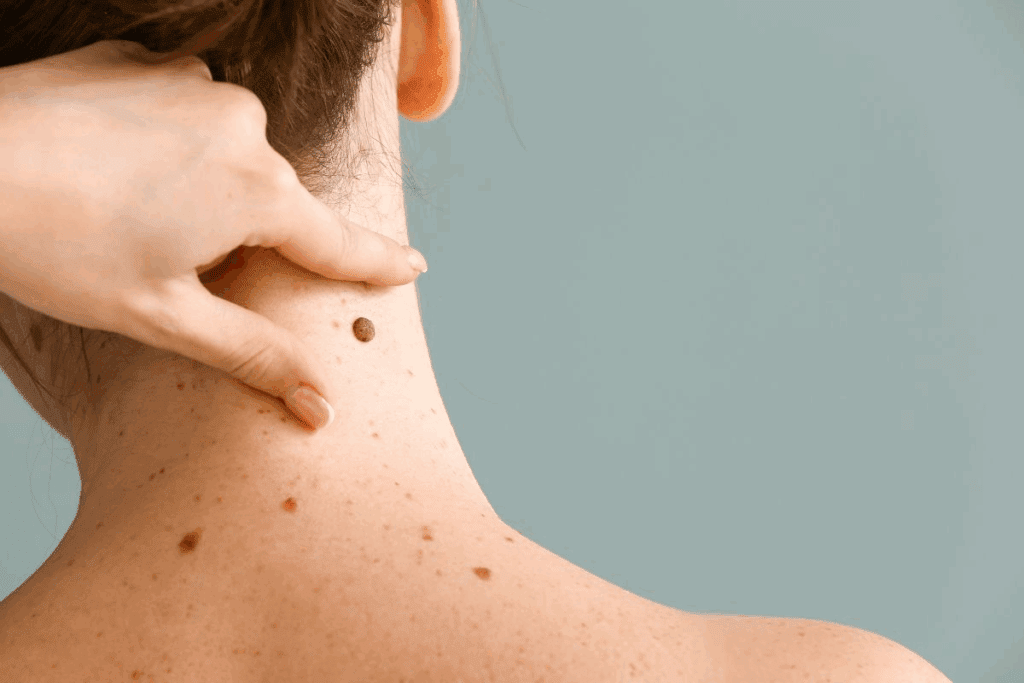
Skin cancer is the most common cancer in adults worldwide. The main types are basal cell carcinoma, melanoma, and squamous cell carcinoma.
Early detection is key for the best results and survival rates. At Liv Hospital, we offer top-notch dermatology care. We focus on accurate diagnoses and effective treatments.
It’s important to spot skin cancer early, like on the nose, ears, legs, and face. Our guide will show you how to recognize warning signs through pictures.
Key Takeaways
- Understand the three main types of skin cancer: basal cell carcinoma, melanoma, and squamous cell carcinoma.
- Learn to recognize early signs of skin cancer on common problem areas.
- Discover the importance of early detection for optimal outcomes.
- Explore clinical photography to identify warning signs.
- Benefit from Liv Hospital’s internationally competitive expertise and patient-centered care.
Understanding Skin Cancer: The Most Common Cancer in Adults
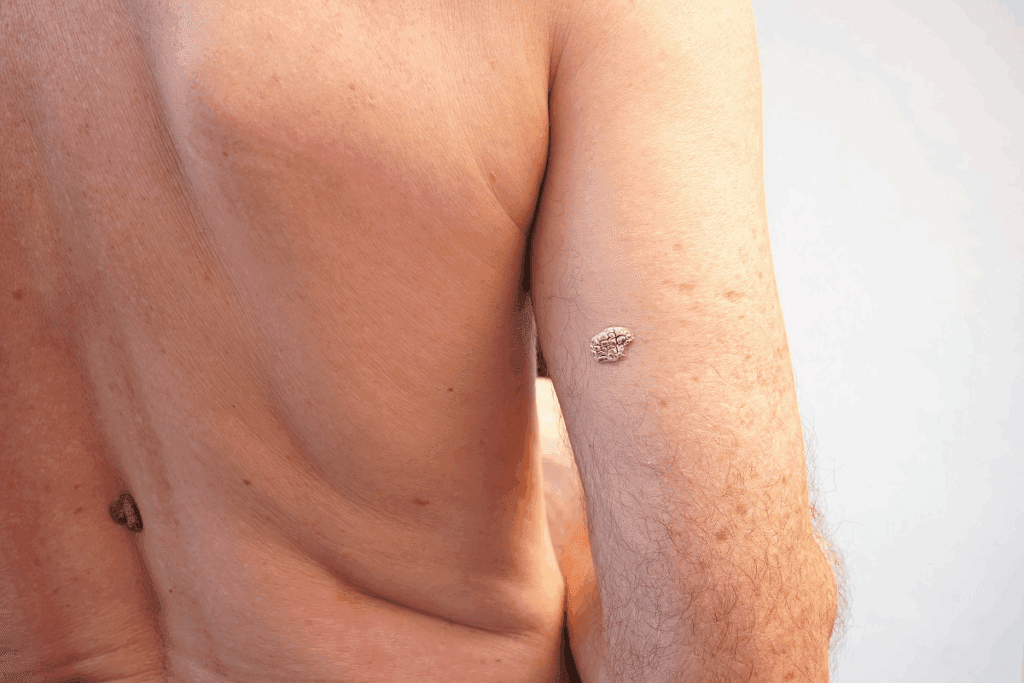
Skin cancer is a big deal for adults. It’s a health issue that worries millions of people every year.
Key Statistics on Skin Cancer Prevalence
In the United States, about 5.4 million people get basal and squamous cell skin cancers every year. This means around 3.3 million people are affected annually. It shows how common skin cancer is.
The numbers on skin cancer prevalence tell us we need to spread the word. With so many cases, knowing the risks and protecting ourselves is key.
The Importance of Early Detection
Early detection is key to beating skin cancer. If caught early, treatment works well, and outcomes are better. Early detection can save lives.
Knowing the skin cancer statistics and the value of early detection helps us fight it. Regular checks and self-exams are important for finding and treating skin cancer.
The Three Main Types of Skin Cancer Explained

Knowing the different types of skin cancer is key for early detection and treatment. We’ll look at Basal Cell Carcinoma (BCC), Squamous Cell Carcinoma (SCC), and Melanoma. Each has its own traits and risks.
Basal Cell Carcinoma (BCC)
Basal Cell Carcinoma is the most common skin cancer, making up about 80% of cases. It often shows up on sun-exposed areas like the face, ears, and neck. BCC grows slowly and rarely spreads, but can cause damage if not treated.
The symptoms of BCC include:
- A shiny bump or nodule
- A pink or red patch on the skin
- An open sore that doesn’t heal
Squamous Cell Carcinoma (SCC)
Squamous Cell Carcinoma is the second most common skin cancer. It also shows up on sun-exposed areas but is more likely to spread than BCC. SCC can start from pre-cancerous lesions called actinic keratoses.
Common signs of SCC include:
- A firm, red nodule
- A scaly or crusted patch on the skin
- An ulcer that doesn’t heal
Melanoma
Melanoma is the most dangerous skin cancer because it can spread to other organs. It comes from melanocytes, the cells that give skin color. Catching it early is vital for treatment.
The warning signs of Melanoma can be remembered using the ABCDE rule:
- A – Asymmetry
- B – Border irregularity
- C – Color variation
- D – Diameter increase
- E – Evolving shape or size
To summarize the key differences and characteristics of these three types of skin cancer, refer to the table below:
| Type of Skin Cancer | Common Locations | Growth Rate | Potential to Spread |
| Basal Cell Carcinoma (BCC) | Face, ears, neck | Slow | Rare |
| Squamous Cell Carcinoma (SCC) | Sun-exposed areas | Variable | Possible |
| Melanoma | Anywhere on the body | Variable | High |
By understanding these differences, we can better identify and manage skin cancer. This improves patient outcomes.
Photos of BCC: Identifying Basal Cell Carcinoma
Basal cell carcinoma (BCC) is the most common skin cancer. Knowing how it looks is key to catching it early. It often shows up on sun-exposed areas like the face, nose, and ears. Spotting BCC early is vital for treatment and to avoid bigger problems.
Common Characteristics of BCC
BCC looks like a shiny bump or nodule on the skin. It can be pink, red, or white. It might also be a flat, scaly patch that’s flesh-colored or brown. These spots can bleed or ooze and might turn into sores that don’t heal.
Some common features of BCC include:
- A shiny or pearly appearance
- A firm, painless nodule
- Bleeding or oozing from the lesion
- A flat, scaly area that is slow to heal
Visual Examples of BCC on Different Body Parts
BCC can show up in many places, and how it looks can change. Let’s look at some examples:
For example, BCC on the nose is often a small, shiny bump. On the face, it might look like a flat, scaly patch. Knowing these signs is important for catching it early.
| Location | Common Appearance |
| Nose | Small, shiny bump |
| Face | Flat, scaly patch |
| Ears | Firm, painless nodule |
As shown, BCC looks different on different parts of the body. Knowing these differences helps spot BCC early.
“Early detection of basal cell carcinoma significantly improves treatment outcomes. Regular self-examinations and professional check-ups are essential for identifying BCC in its early stages.”
Recognizing Squamous Cell Carcinoma Through Images
Squamous cell carcinoma makes up about 20% of skin cancer cases. It starts in the squamous cells of the skin’s middle and outer layers. We’ll show you how to spot SCC through images and what to look for.
Distinctive Features of SCC
SCC looks like a firm, rough, or scaly patch on the skin. It might also look like a wart or an open sore that won’t heal. Early detection is key because SCC can grow fast and spread if not treated.
Common signs of SCC include:
- A scaly patch or growth that doesn’t go away
- A firm, rough area on the skin
- An open sore that doesn’t heal in a few weeks
Visual Guide to SCC Identification
To spot SCC, look for lesions or growths that are:
| Characteristic | Description |
| Location | Usually found on sun-exposed areas like the ears, face, and hands |
| Appearance | Looks like a red, firm patch or a scaly growth |
| Texture | Can be rough or wart-like |
The Skin Cancer Foundation says SCC is serious and needs quick medical attention.
“Early detection and treatment can significantly improve outcomes for patients with SCC.”
If you see any unusual skin changes, see a dermatologist. Early action can greatly improve SCC treatment.
Melanoma Photos: The Most Dangerous Skin Cancer
Melanoma is the most dangerous skin cancer. Knowing how it looks is key to catching it early. It’s rare, making up only 1% of cases, but it’s responsible for most deaths. Spotting it early can greatly improve your chances of survival.
The ABCDE Rule for Melanoma Identification
The ABCDE rule helps spot cancerous moles. It stands for Asymmetry, Border, Color, Diameter, and Evolving. This rule can tell you if a mole might be melanoma.
- Asymmetry: One half of the mole doesn’t match the other half.
- Border: The edges are irregular, ragged, or blurred.
- Color: The color is not uniform and may include shades of black, brown, or even patches of red, white, or blue.
- Diameter: The mole is larger than 6mm (about the size of a pencil eraser).
- Evolving: The mole is changing in size, shape, or color.
Medical Expert, a dermatologist, once said,
“The ABCDE rule is a simple yet effective tool for identifying potentially dangerous moles. It’s vital for patients to know these signs and see a dermatologist if they spot anything odd.”
Visual Examples of Melanoma
These pictures show melanoma at different stages and on various body parts. They show how it can look different.
By learning from these images and using the ABCDE rule, you can better spot melanoma early. Remember, catching it early is the best way to treat it.
Key Takeaways:
- Melanoma is dangerous and needs to be caught early.
- The ABCDE rule helps find cancerous moles.
- Looking at examples helps recognize melanoma’s many looks.
Skin Cancer on the Nose: Photo Gallery and Warning Signs
The nose is very exposed to the sun, making it a high-risk area for skin cancer. It’s on our face, so it gets a lot of sun. This increases the chance of getting basal cell carcinoma (BCC), squamous cell carcinoma (SCC), and melanoma.
Why the Nose is a Common Site for Skin Cancer
The nose gets a lot of sun, which is a big risk for skin cancer. Sunlight and tanning beds can cause damage. Prolonged sun exposure without protection can harm the skin and raise the risk of cancer.
Several factors make the nose prone to skin cancer:
- Prolonged exposure to UV radiation
- Fair skin that burns easily
- History of sunburns
- Family history of skin cancer
Nose Skin Cancer Photos: BCC, SCC, and Melanoma
It’s important to know what skin cancer looks like on the nose. We have a photo gallery to help you spot BCC, SCC, and melanoma.
Here are some visual examples:
- BCC on the Nose: Looks like a small, shiny bump or a pink patch.
- SCC on the Nose: Appears as a firm, red nodule or a scaly patch that doesn’t heal.
- Melanoma on the Nose: Looks like a new or changing mole, following the ABCDE rule (Asymmetry, Border irregularity, Color variation, Diameter increase, Evolving).
Sores on Nose That Won’t Heal: Pictures and Explanations
Sores on the nose that don’t heal could be skin cancer. It’s important to watch for any persistent sores or skin changes. If you notice a sore that bleeds, crusts, or doesn’t heal within a few weeks, see a dermatologist.
Look out for sores with these signs:
- Persistent bleeding or oozing
- Crusting or scabbing that doesn’t heal
- Changes in size, shape, or color
Early detection is key to treating skin cancer effectively. Regular self-exams and yearly dermatologist visits can help a lot.
Skin Cancer on Ears: Visual Identification Guide
Spotting skin cancer on the ears early is key to successful treatment. The ears are sensitive and get a lot of sun, making them prone to skin cancer.
Recognizing BCC and SCC on the Ears
Basal Cell Carcinoma (BCC) and Squamous Cell Carcinoma (SCC) are common on the ears. BCC looks like a shiny bump or a flat, flesh-colored spot. SCC might be a firm, red nodule or a scaly growth.
Watch for any new or changing spots on your ears. If you see something odd, see a dermatologist right away.
Melanoma on the Ear Pictures
Melanoma is the most serious skin cancer and can show up on the ears. It looks like a new or changing mole. Use the ABCDE rule to spot it: Asymmetry, Border irregularity, Color variation, Diameter increase, and Evolving shape.
Keep an eye on any moles on your ears that seem off. If you’re worried, get medical help.
Why Ears Are Vulnerable to Skin Cancer
The ears are at high risk for skin cancer because of the sun. The skin there is thin and often not covered, making it vulnerable to UV damage.
Prevention is key: Use sunscreen, wear hats, and stay in the shade to lower your risk of ear skin cancer.
Do regular self-checks and see a dermatologist yearly. This helps catch and treat skin cancer early.
Skin Cancer on Legs and Arms: Photo Examples
It’s important to know about skin cancer on the legs and arms for early treatment. These areas are often exposed to the sun, making them prone to skin cancer. Basal cell carcinoma (BCC), squamous cell carcinoma (SCC), and melanoma are common types found here.
Images of Skin Cancer on Lower Legs
Skin cancer on the lower legs can be hard to spot because of other skin issues. But, knowing the signs is key. Look for unusual moles, sores that don’t heal, or changes in skin texture.
Common signs include:
- New or changing moles
- Sores that bleed or don’t heal
- Red or pink patches
The American Cancer Society says early detection is key for effective treatment. Regular self-examination and professional check-ups can significantly improve outcomes.
Skin Cancer on Elbow Photos
The elbow area is also prone to skin cancer due to sun exposure. Photos of skin cancer on the elbow can help spot issues. Look for lesions or growths that are unusual or changing.
“Prevention and early detection are the best defenses against skin cancer,” says a leading dermatologist. Regularly inspecting your skin and using protective measures can significantly reduce the risk.
Hand Cancer Pictures and Warning Signs
Skin cancer on the hands is less common but a concern. Hand cancer pictures can help identify skin cancers. Be on the lookout for new or changing growths, mainly on sun-exposed areas.
Warning signs on the hands include:
- Unusual dark spots or moles
- Sores that don’t heal
- Changes in skin texture or color
Regularly checking your hands and seeking medical attention for any suspicious changes can lead to early detection and treatment.
Uncommon Locations: Breast and Other Areas
Skin cancer can happen in places you might not expect, like the breast. Most skin cancers appear on sun-exposed areas. But, it’s important to know it can also occur in less common spots.
Pictures of Basal Cell Carcinoma on Breast
Basal cell carcinoma (BCC) is the most common skin cancer. It’s rare on the breast but knowing what to look for is key. BCC on the breast looks like a slow-growing, painless spot. Early detection is key for effective treatment.
- Look for lesions that are shiny or pink
- Check for sores that don’t heal
- Be aware of any changes in the skin texture
Recognizing Skin Cancer in Less Common Sites
Skin cancer can show up in places like the breast, ears, and other sun-protected areas. It’s important to watch for any changes in these spots.
- Monitor for new or changing moles
- Be aware of any unusual skin growths
- Consult a dermatologist if you notice anything suspicious
By staying informed and watching for changes, we can catch skin cancer early. This is true even in uncommon places.
Pigmented Basal Cell Carcinoma and Other Variants
Pigmented basal cell carcinoma (BCC) is a type of skin cancer. It can be hard to tell apart from melanoma because of its color. BCC is the most common skin cancer, but its pigmented form can be tricky to spot.
Pigmented BCC: Photos and Identification Tips
Pigmented BCC looks like a dark spot on the skin. It can be blue or black and shiny. It might look like melanoma because of its color and shine. Look for these signs:
- A growing dark spot
- A shiny or clear look
- Ulcers or crusts on the spot
To tell if it’s pigmented BCC, look closely at the spot. Dermoscopic examination helps see more details. This can help tell it apart from melanoma.
How to Distinguish from Melanoma
It’s important to tell pigmented BCC from melanoma right. Pigmented BCC is usually less serious, but wrong guesses can cause delays. Here’s what to look for:
| Characteristics | Pigmented BCC | Melanoma |
| Growth Pattern | Slowly growing, often with a rolled edge | Rapid growth, irregular borders |
| Pigmentation | Uniform pigmentation, may have blue-gray ovoid nests | Variable pigmentation, often with asymmetry |
| Dermoscopic Features | Presence of arborizing vessels, spoke-wheel areas | Atypical vascular pattern, irregular streaks |
Knowing these differences helps make the right diagnosis. If unsure, a biopsy is the best way to find out what it is.
Risk Factors and Prevention Strategies
Knowing the risk factors for skin cancer is key to preventing it. We’ll cover the main factors that raise your risk. We’ll also share ways to prevent it.
Who is Most at Risk for Skin Cancer
Some people are more likely to get skin cancer. This is because of certain risk factors. These include:
- Fair skin: People with fair skin, light hair, and light eyes are more likely to get skin damage from UV radiation.
- History of sunburns: Those who had severe sunburns, often when they were young, are at higher risk.
- Family history: If your family has a history of skin cancer, you’re more likely to get it too.
- Prolonged UV exposure: People who spend a lot of time outside, like construction workers or athletes, are at higher risk.
Knowing these risk factors is the first step to preventing skin cancer.
Effective Prevention Methods
Preventing skin cancer requires lifestyle changes and protective measures. Some effective methods include:
- Using sunscreen: Use broad-spectrum sunscreen with a Sun Protection Factor (SPF) of 30 or higher every day, even on cloudy days.
- Wearing protective clothing: Wear clothes that cover your skin, like long-sleeved shirts and pants. Also, wear a wide-brimmed hat to protect your face and neck.
- Seeking shade: Try to stay in the shade, as much as possible, during peak sun hours (10 am to 4 pm).
- Avoiding tanning beds: Tanning beds give off UV radiation, which increases your risk of skin cancer.
By following these habits, you can lower your risk of getting skin cancer.
Regular Self-Examination Techniques
Regular self-examination is important for early detection. Here’s how to do it:
- Examine your skin: Look for new or changing moles. Use the ABCDE rule (Asymmetry, Border, Color, Diameter, Evolving).
- Check hard-to-see areas: Use mirrors or ask someone to check areas you can’t see, like your back.
- Take note of changes: Keep track of any changes in your skin. If you notice anything suspicious, see a dermatologist.
Regular self-examinations, along with professional check-ups, can help catch skin cancer early.
Conclusion: Early Detection Saves Lives
We’ve looked at the different types of skin cancer, like basal cell carcinoma and melanoma. We’ve also shown pictures to help you spot them. Finding skin cancer early is key to surviving it.
Knowing the signs and taking steps to prevent it can lower your risk. This means checking your skin regularly and watching for any changes.
It’s important for everyone to check their skin and get help if they see something odd. By doing this, we can catch skin cancer early and save lives.
Let’s all spread the word about skin cancer and how to find it early. This way, we can help more people survive it. We need to keep learning and teaching others about how to prevent skin cancer.
FAQ
What are the most common types of skin cancer?
The main types of skin cancer are basal cell carcinoma (BCC), squamous cell carcinoma (SCC), and melanoma.
How can I identify basal cell carcinoma?
Basal cell carcinoma looks like a shiny bump or a pink patch. It usually shows up on sun-exposed areas. See our photos of BCC to learn more.
What are the warning signs of melanoma?
Melanoma can be spotted using the ABCDE rule. Look for Asymmetry, Border irregularity, Color variation, Diameter increase, and Evolving shape. Check our melanoma photos for examples.
Why is early detection of skin cancer important?
Finding skin cancer early can greatly improve treatment success. We talk about why early detection matters and share skin cancer statistics.
Can skin cancer occur on uncommon areas of the body?
Yes, skin cancer can happen in less common places like the breast. See our section on uncommon locations for pictures and tips.
How can I differentiate pigmented basal cell carcinoma from melanoma?
Pigmented BCC has a defined border and different colors. Check our photos and tips for identifying pigmented BCC.
What are the risk factors for skin cancer?
Risk factors include UV radiation, fair skin, family history, and previous skin cancer. We discuss these risks and prevention strategies.
How can I perform a self-examination for skin cancer?
Self-examination involves checking for new or changing lesions. Use a mirror for hard-to-see areas and remember the ABCDE rule for melanoma. We share self-examination techniques.
Are there any specific areas of the body more prone to skin cancer?
Yes, sun-exposed areas like the nose, ears, and legs are more at risk. See our sections on skin cancer on the nose, ears, and legs for more information.
What are the distinctive features of squamous cell carcinoma?
Squamous cell carcinoma is a firm, red nodule or a flat sore with a scaly crust. Check our images of SCC for more details.
References
World Health Organization. (2025). 7 Skin Cancer Photos Recognize BCC Melanoma. Retrieved from https://www.who.int/uv/health/uv_radiation/en/