Last Updated on October 31, 2025 by
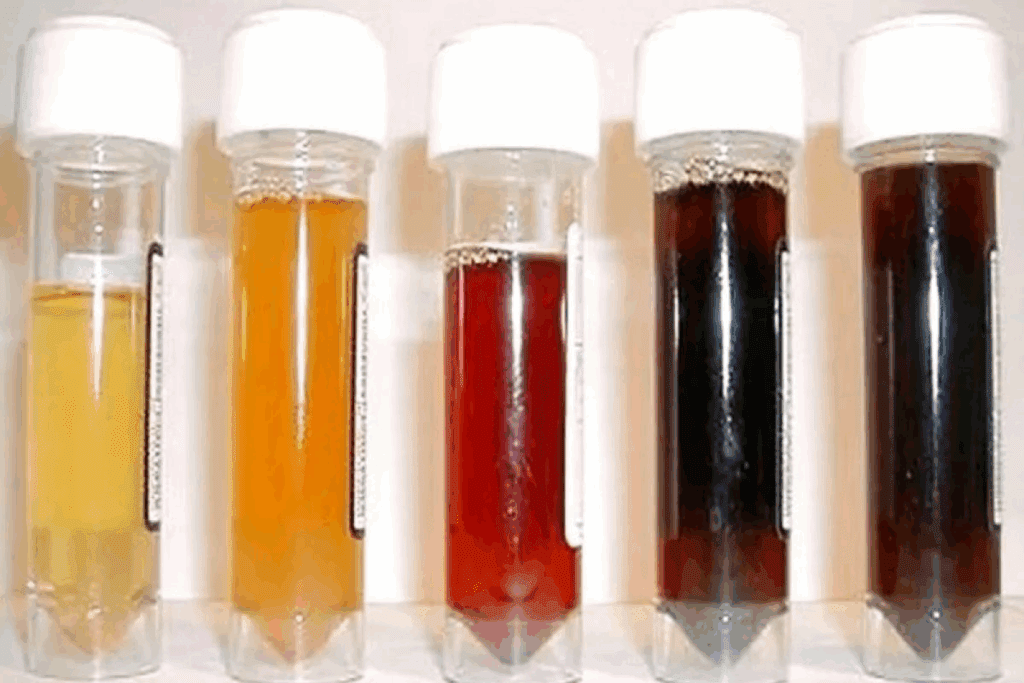
Knowing about urine color such as pink pee is key to understanding your health. Urine colors can change based on your health, habits, and some medical conditions. They can also change after eating certain foods.
Usually, healthy urine color is pale yellow to amber. This shows you’re well-hydrated and your body is working right. But, if your urine color changes, it might mean there’s a health issue.
At Liv Hospital, we offer reliable, patient-focused help. We help you understand what different urine colors mean. This way, you can spot health problems early and know when to see a doctor.
Key Takeaways
- Urine color can indicate overall health and hydration status.
- A healthy urine color typically ranges from pale yellow to amber.
- Changes in urine color can signal possible health issues.
- Certain foods and medical conditions can change urine color.
- Understanding urine color variations is key for early health problem detection.
The Science Behind Urine Color
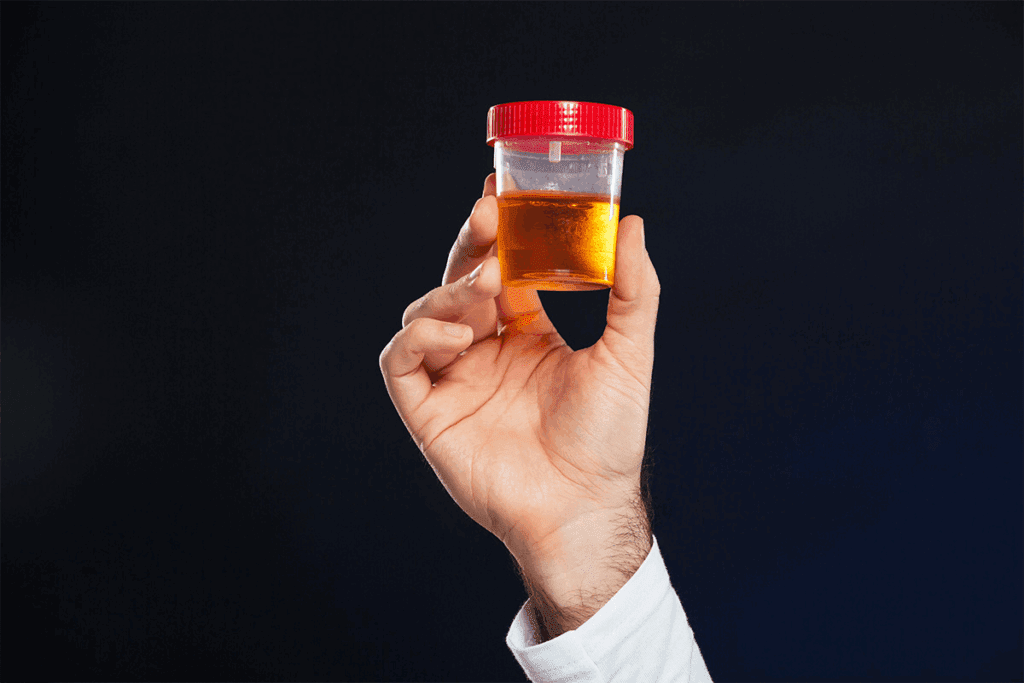
The color of our urine tells us a lot about our health. It’s made by the kidneys filtering out extra water and waste. Many things can change urine color, like how much we drink, what we eat, or if our liver or kidneys are working right.
How Urochrome Creates Normal Urine Color
Healthy urine is usually pale yellow to amber. This color comes from urochrome, made when the body breaks down hemoglobin. Urochrome is a result of processing bilirubin, which comes from breaking down red blood cells. The liver helps turn bilirubin into something we can pee out.
Urine color depends on how much urochrome we make and how hydrated we are. Drinking enough water makes urine light. Not drinking enough makes it darker.
Factors That Influence Urine Color
Many things can change urine color, showing different health signs. Some important factors include:
- Hydration levels: Drinking enough water makes urine light. Not drinking enough makes it darker.
- Medications: Some medicines can change urine color. Antibiotics and laxatives can make it darker or turn it yellow or orange.
- Dietary choices: What we eat can also change urine color. Beets can make urine pink or red, and asparagus can make it greenish and smell bad.
- Liver and kidney function: Problems with the liver or kidneys can also change urine color. Liver diseases can make urine darker because of too much bilirubin.
Knowing about these factors helps us understand changes in urine color. It can tell us about our health and help find problems early.
Pale Yellow to Straw-Colored Urine: The Gold Standard of Health
Pale yellow to straw-colored urine is the best sign of health. It shows we are drinking enough water and our body is working well. Let’s dive into why this color is important and what it tells us about staying hydrated.
What Light Yellow Urine Indicates About Hydration
Light yellow urine means we’re drinking enough water. When we’re hydrated, our kidneys work well, and our urine is dilute and pale. This is because our body gets rid of waste easily, making our urine pale yellow or straw-colored.
If our urine is dark or thick, it’s a clue we need to drink more. Dehydration can cause headaches and even kidney stones. It’s important to drink enough water to avoid these problems.
Optimal Hydration Levels for Healthy Urine
How much water should we drink? It depends on our age, sex, weight, and how active we are. Adults usually need at least eight glasses of water a day. But, some people might need more or less based on their body.
Conditions like diabetes insipidus and diabetes mellitus can change how much and what color our urine is. For example, people with diabetes might see changes in urine color because of glucose. Knowing about these conditions helps us understand why staying hydrated is key.
Dark Yellow to Amber Urine: Understanding Dehydration
Seeing dark yellow or amber urine makes us think about our hydration and health. The color of our urine shows how well we’re hydrated. It can also warn us of health problems early on.
Concentrated Urine and Its Effects on the Body
Not drinking enough water makes our urine darker. This is because there’s more waste than water. Dark yellow or amber urine often means we’re mildly dehydrated. Drinking more water can make our urine less concentrated, which is better for our health.
Having concentrated urine can harm us in many ways. It can make our blood volume go down, making our kidneys work harder. This can cause tiredness, headaches, and feeling dizzy. Also, it might raise the chance of getting kidney stones because of the higher mineral levels.
“Adequate hydration is key for keeping our body fluids balanced. This is vital for our kidneys to work right and stay healthy.”
Kidney Stone Risk Associated with Dark Urine
Dark yellow or amber urine can also mean a higher risk of kidney stones. Kidney stones form when minerals in the urine get too concentrated. Dehydration is a big risk factor for kidney stones because it makes urine less, letting minerals concentrate and form stones.
To lower this risk, we should drink enough water to keep our urine light yellow. This shows we’re well-hydrated and keeps minerals from forming stones. We can also change our diet and take medicine to prevent stones.
Knowing why our urine is dark yellow to amber helps us stay healthy. By spotting dehydration signs and acting on them, we can avoid health problems like kidney stones.
Pink Pee: Causes of Reddish Urine
Urine that looks pink or red might mean you have a health issue or ate something that changed your urine color. Seeing a change in urine color can be scary. But knowing why it happens can help you decide if you need to see a doctor.
Blood in Urine (Hematuria): Medical Causes
Blood in your urine, or hematuria, is something to worry about. It could mean you have a urinary tract infection (UTI), kidney stones, or even bladder or kidney cancer. Hematuria needs a doctor’s check-up to find out why and how to treat it.
There are two kinds of blood in urine: microscopic and gross. UTIs and kidney stones can cause both. If you see blood in your urine, you should see a doctor right away. It could mean you have a serious health problem.
“Hematuria is a symptom, not a diagnosis. It necessitates further investigation to identify the underlying cause, which could range from benign conditions to more serious diseases.”
Foods and Medications That Can Turn Urine Pink or Red
Not all pink or red urine is a health problem. Some foods and medicines can change urine color without harm. Beets, berries, and rhubarb can make urine pink or red because of their colors. Some antibiotics and laxatives can also change urine color.
It’s important to know if your urine color change is from food or medicine or if it’s a health issue. If you’re worried about your urine color, think about what you’ve eaten or taken recently. But if the color doesn’t go away or you have other symptoms, you should talk to a doctor.
- Beets and berries can cause urine to appear pink or red.
- Certain medications can alter urine color.
- If concerned, review recent diet and medication changes.
Orange Urine: Between Yellow and Red
Seeing orange urine can be scary, but knowing why it happens can help you relax. Orange urine often means you’re dehydrated. It can also hint at liver or bile duct problems. We’ll look at why orange urine happens, from dehydration to serious health issues.
Dehydration vs. Liver and Bile Duct Issues
Dehydration is a big reason for orange urine. When we don’t drink enough water, our urine gets more concentrated and might turn orange. But, orange urine can also mean liver or bile duct problems. The liver makes bile, which helps with digestion. Issues with the liver or bile duct can change urine color.
Liver and bile duct issues that may cause orange urine include:
- Liver disease
- Bile duct obstruction
- Hepatitis
Medications and Foods That Cause Orange Urine
Some medicines and foods can also make urine orange. For example, certain antibiotics and chemotherapy drugs can change urine color. Eating foods high in beta-carotene, like carrots, can also make urine orange or reddish.
Some common culprits include:
- Rifampin, an antibiotic used to treat tuberculosis
- Certain chemotherapy medications
- Foods rich in beta-carotene, like carrots and sweet potatoes
Knowing why your urine is orange is key to figuring out what to do next. If you’re worried about your urine color, talking to a doctor is a good idea.
Brown or Dark Urine: When to Be Concerned
Brown or dark urine often means something is wrong and needs checking. The color of urine can show how healthy we are. Changes to brown or dark urine can mean different health problems.
Severe Dehydration and Dark Brown Urine
Severe dehydration is a common reason for dark brown urine. When we don’t drink enough water, our urine gets darker. Dehydration can happen from not drinking enough, sweating too much, or being sick.
Drinking more water is key to fixing dehydration. It helps our body get back to normal and makes urine color right again.
Liver Disease, Medications, and Other Causes
Brown or dark urine can also mean liver disease or bile duct problems. Liver issues like hepatitis or cirrhosis can make urine yellow because of bilirubin. Some medicines, like laxatives or antibiotics, can also change urine color.
Eating certain foods, like fava beans or rhubarb, can also make urine darker. It’s important to know why urine might change color and see a doctor if it keeps happening or if you have other symptoms.
A doctor can find out why urine is brown or dark and suggest the right treatment.
- Key factors to consider with brown or dark urine:
- Severe dehydration
- Liver disease or bile duct issues
- Certain medications
- Consumption of specific foods
Knowing why urine color changes can help us stay healthy. It’s also important to see a doctor if we notice any unusual changes.
Bright Yellow or Neon Urine: The Vitamin Effect
Urine that glows bright yellow or neon often means you have too many B vitamins. This can be interesting but also worrying if you notice your urine color changing. We’ll look into how B vitamins, supplements, and bright yellow or neon urine are connected.
B Vitamins and Fluorescent Urine
B vitamins, like riboflavin (B2) and pyridoxine (B6), can make urine bright yellow or neon if you take too much. Riboflavin, in particular, is fluorescent and can change urine color even at moderate doses.
When we eat B vitamins, our body uses what it needs and gets rid of the rest in our urine. This is usually safe and shows our body is working on the vitamins.
Supplements That Alter Urine Color
Other than B vitamins, some supplements can also change urine color. For example, certain multivitamins, vitamin B complex supplements, and some herbal supplements can do this.
Even though these changes might scare you, they’re usually not a big deal. But if the changes keep happening or you have other symptoms, you should see a doctor.
| Supplement/Vitamin | Effect on Urine Color |
| Riboflavin (B2) | Bright Yellow/Neon |
| Pyridoxine (B6) | Bright Yellow |
| Multivitamins | Varies (often bright yellow) |
| Herbal Supplements | Varies (can cause various colors) |
“Changes in urine color can be a useful indicator of our body’s internal state. While bright yellow urine is often related to vitamin supplements, it’s important to watch for any lasting changes.”
Medical Expert, Nephrologist
Unusual Colors: Green, Blue, and Purple Urine
Seeing green, blue, or purple urine is not normal and needs to be checked out. Most people know urine is usually yellow. But these colors can be scary and might mean you have a health issue or are taking certain medicines.
Rare Medical Conditions and Pigment Changes
Some rare health problems can change urine color. For example, familial benign hypercalcemia can make urine blue because of too much calcium. Porphyria can turn urine purple or reddish-brown because of heme production problems.
Blue diaper syndrome is a rare genetic disorder. It makes urine turn blue because of a buildup of indican. These rare conditions show why it’s key to see a doctor if your urine looks different.
Medications That Cause Unusual Urine Colors
Some medicines can change urine color to green, blue, or purple. For instance, some antibiotics and antidepressants can do this. Below is a list of common medicines that might change urine color.
| Medication | Possible Urine Color Change |
| Propofol (anesthetic) | Green |
| Methylene blue (used to treat methemoglobinemia) | Blue or green |
| Certain antidepressants (e.g., amitriptyline) | Purple or blue |
| Rifampicin (antibiotic) | Red or orange |
If you see your urine changing color, talk to a doctor. It could mean you have a health problem that needs help.
When to See a Doctor About Your Urine Color
Changes in urine color can sometimes be normal. But, some changes might mean you need to see a doctor right away. These changes can show health issues, from dehydration to serious diseases.
Warning Signs That Require Immediate Medical Attention
Some urine color changes need quick medical check-ups. These include:
- Bloody or cloudy urine: Seeing blood or cloudiness means you might have infections, kidney stones, or other serious issues.
- Persistent dark urine: If your urine stays dark yellow or amber, even when you drink a lot, it could mean liver problems or other health issues.
- Painful urination: Feeling pain or discomfort while you pee, along with color changes, might mean you have a urinary tract infection or something else.
If you notice any of these signs, seeing a doctor is very important. They can help figure out what’s wrong and how to fix it.
Diagnostic Tests Your Doctor May Order
Your doctor might do several tests to find out why your urine color changed. These tests include:
| Test | Purpose |
| Urinalysis | Looks at your urine’s physical and chemical makeup to find any problems. |
| Blood Tests | Checks for signs of infection, inflammation, or organ problems. |
| Imaging Tests (e.g., Ultrasound, CT Scan) | Shows pictures of your urinary tract and kidneys to find any structural issues or problems. |
These tests help doctors find out why your urine color changed. Then, they can suggest the right treatment.
Knowing why your urine color changes and when to see a doctor is key to staying healthy. If you’re worried about your urine color, talk to a healthcare professional right away.
Monitoring Urine Color: Tips for Daily Health Tracking
Watching your urine color is a simple way to track your health every day. It helps you see if you’re drinking enough water and how well you’re doing overall. This habit can help you drink the right amount of water and spot health problems early.
Hydration Strategies Based on Urine Color
Changing how much water you drink based on urine color can keep you hydrated. Here are some tips:
- If your urine is pale yellow or straw-colored, you’re likely well-hydrated.
- If it’s dark yellow or amber, drink more water to avoid dehydration.
- Clear urine means you might be drinking too much; drink less.
Tips for staying hydrated:
- Drink water all day long.
- Check your urine color to see if you’re drinking enough.
- Drink more or less water based on how active you are and the weather.
Using Urine Color Charts for Health Assessment
Urine color charts are great for checking your hydration and health. They show different urine colors and what they mean for your hydration.
How to use urine color charts:
- Learn what each color means.
- Compare your urine color to the chart often.
- Drink more or less water based on what the chart says.
By watching your urine color every day, you can stay healthy and catch problems early.
Conclusion: Understanding Your Body’s Signals
Knowing your urine color is key to understanding your health. It helps us spot changes that might mean something’s off. This way, we can catch health problems early.
Watching your urine color can tell you a lot. For example, dark yellow or amber might mean you’re dehydrated. On the other hand, pink or red could mean there’s blood or you’ve eaten something that affects your urine.
By keeping an eye on your urine color, you can take care of your health better. It’s a simple way to stay on top of your well-being. And if you notice something odd, you can get help right away.
As we’ve learned, knowing about urine color is important for staying healthy. By combining this with a healthy lifestyle and regular doctor visits, we can keep our bodies in top shape. This way, we can catch any health issues before they get worse.
FAQ
What is considered a healthy urine color?
Healthy urine is usually pale yellow to amber. This shows you’re drinking enough water and your body is working right.
What does pale yellow or straw-colored urine indicate?
If your urine is pale yellow or straw-colored, it means you’re drinking enough water. This is a good sign of health.
What does dark yellow or amber urine mean?
Dark yellow or amber urine means you might be dehydrated. It’s concentrated, which can lead to health problems like kidney stones.
Why is my urine orange in color?
Orange urine can come from not drinking enough water, some medicines, or what you eat. It might also mean liver or bile duct problems. If you’re worried, talk to a doctor.
What causes pink or reddish urine?
Pink or reddish urine can be from food or medicine. Or, it could be a sign of something more serious like blood in your urine. Always check with a doctor if you’re concerned.
Can certain vitamins or supplements change urine color?
Yes, some vitamins and supplements, like B vitamins, can make your urine bright yellow or neon. Knowing how they affect urine color can help you understand changes.
What does brown or dark urine signify?
Brown or dark urine might mean you’re very dehydrated, have liver disease, or are taking certain medicines. If your urine stays dark, see a doctor right away.
Are there any unusual urine colors that I should be concerned about?
Yes, colors like green, blue, or purple can mean you have a medical issue or are taking certain medicines. If you see these colors, talk to a doctor.
How can I monitor my urine color effectively?
Use urine color charts to check if you’re drinking enough water. Keeping an eye on your urine color can help you stay healthy.
When should I see a doctor about my urine color?
See a doctor if your urine is bloody, cloudy, or keeps changing color. They might do tests to find out why your urine color is different.
References
National Center for Biotechnology Information. (2025). What Do Different Urine Colors Mean and When. Retrieved from https://pmc.ncbi.nlm.nih.gov/articles/PMC12066962/)