Last Updated on December 1, 2025 by Bilal Hasdemir
pluripotent vs multipotent
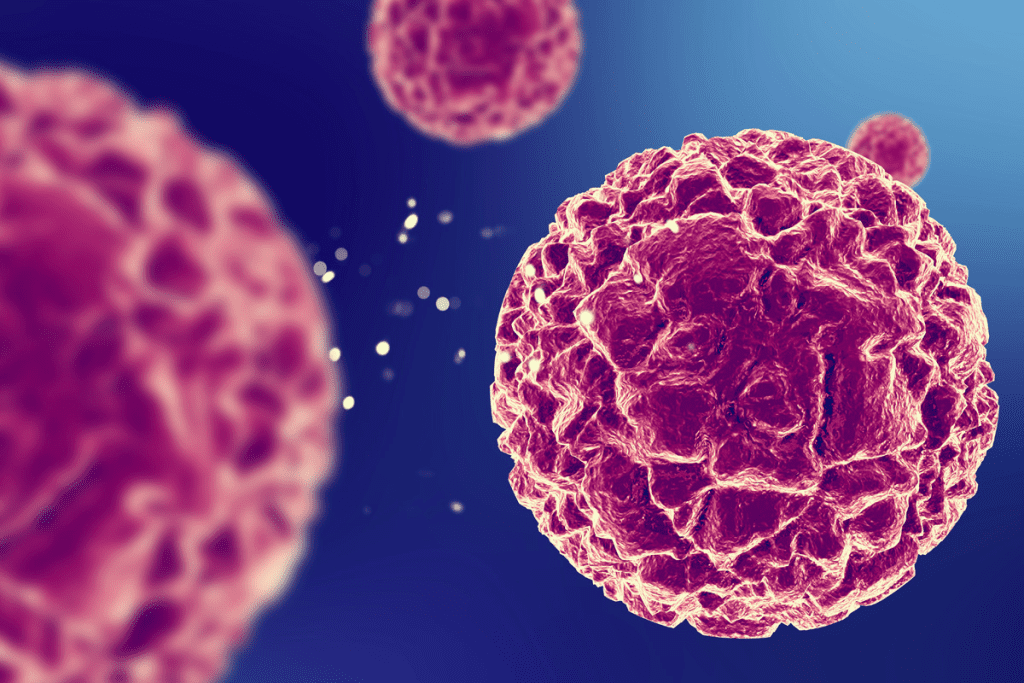
Stem cells can turn into many different cell types. Their ability to do so is called potency. Did you know that stem cells can be categorized into different types based on their potency? There are totipotent, pluripotent, and multipotent stem cells, each with its own powers.
The idea of stem cell potency is key to understanding their use in medicine. Totipotent stem cells can become any cell type. Pluripotent stem cells can differentiate into all somatic cell types in the body. But, multipotent stem cells can only turn into a few cell types, limiting their use.
Key Takeaways
- Stem cells are categorized based on their potency.
- The hierarchy of cell potency includes totipotent, pluripotent, and multipotent stem cells.
- Understanding stem cell potency is key for medical research and therapy.
- Pluripotent stem cells can become more types of cells than multipotent ones.
- The potency of stem cells shows how they can be used in medicine.
Understanding Stem Cell Potency
Stem cell potency is key for medical research and treatments. It shows how well stem cells can change into different cell types. This is vital for their use in medicine.
The Concept of Cellular Potency
Cellular potency shows how well a cell can change into other types. It’s very important in stem cell research. Totipotency, pluripotency, and multipotency describe different levels of this ability.
Totipotent cells can change into all cell types, including placenta cells. Pluripotent cells can change into almost any cell type but not all. Multipotent cells can only change into a few cell types within a specific group.
Why Potency Matters in Stem Cell Research
The potency of stem cells is key for their use in research and treatments. Cells with higher potency, like pluripotent ones, are more versatile. They can change into many cell types, which is great for fixing damaged tissues.
Knowing the potency of stem cells also helps with their safety. For example, pluripotent cells can sometimes form tumors if not controlled. So, managing their potency is very important for safe use in treatments.
The Hierarchy of Stem Cell Classifications
Stem cells are sorted by their potency into different groups: totipotent, pluripotent, multipotent, and unipotent. This order shows how powerful each type is, with totipotent being the most and unipotent the least.
- Totipotent stem cells can change into all cell types, including extraembryonic tissues.
- Pluripotent stem cells can change into almost any cell type in the body.
- Multipotent stem cells can change into several cell types within a specific group or tissue.
- Unipotent stem cells can only change into one cell type.
This order helps us understand the strengths and limits of each stem cell type in research and treatments.
What Are Pluripotent Stem Cells?
Pluripotent stem cells can turn into almost any cell in the human body. This makes them very useful for research and could help in new treatments.
Definition and Characteristics
These stem cells can grow and change into many cell types. They are key for growth and fixing damaged tissues. They can keep growing forever and stay flexible under the right conditions.
Sources of Pluripotent Stem Cells
There are two main types of pluripotent stem cells. One comes from early embryos, and the other is made from adult cells. This variety makes them useful for many studies and treatments.
Embryonic Stem Cells as Pluripotent Cells
Embryonic stem cells come from early embryos. They can turn into all three main cell layers. This ability makes them perfect for studying human development and for fixing damaged tissues.
Induced Pluripotent Stem Cells (iPSCs)
Induced pluripotent stem cells are made by changing adult cells into a stem cell state. This breakthrough means we can make cells that match a patient’s own, which could prevent immune reactions.
iPSCs also help in creating disease models and finding new medicines. By changing cells from people with certain diseases, scientists can study the disease closely. This helps in understanding the disease better and finding new treatments.
What Are Multipotent Stem Cells?
Multipotent stem cells can turn into many cell types. This makes them key for fixing and keeping tissues healthy. They can become different cell types but only within certain groups or tissues.
Definition and Characteristics
Multipotent stem cells can grow themselves and turn into various cell types. They live in adult bodies and help keep tissues balanced and fix injuries. They can only turn into a few types of cells compared to others, but they’re very useful.
Mesenchymal stem cells are a type. They can become bone, cartilage, and fat cells. This helps fix and grow these tissues.
Common Sources of Multipotent Stem Cells
These stem cells come from adult tissues like bone marrow, fat, and umbilical cord blood. These places have lots of stem cells ready for use in treatments.
A leading researcher says, “Finding and growing these stem cells from adult tissues has opened new doors for fixing and growing tissues.”
“Using adult stem cells for treatments has shown a lot of promise, mainly in fixing and growing tissues.”
Adult Stem Cells as Multipotent Cells
Adult stem cells live in specific tissues. They help keep tissues healthy and fix them by turning into needed cells.
- Bone marrow-derived stem cells
- Adipose-derived stem cells
- Neural stem cells
Tissue-Specific Multipotent Stem Cells
These stem cells are made for specific tissues or organs. For example, bone marrow stem cells can make all blood cells. Neural stem cells can make brain cells.
These stem cells are great for specific treatments because they can fix or replace damaged tissues.
Totipotent Stem Cells: The Most Potent Type
totipotent stem cells
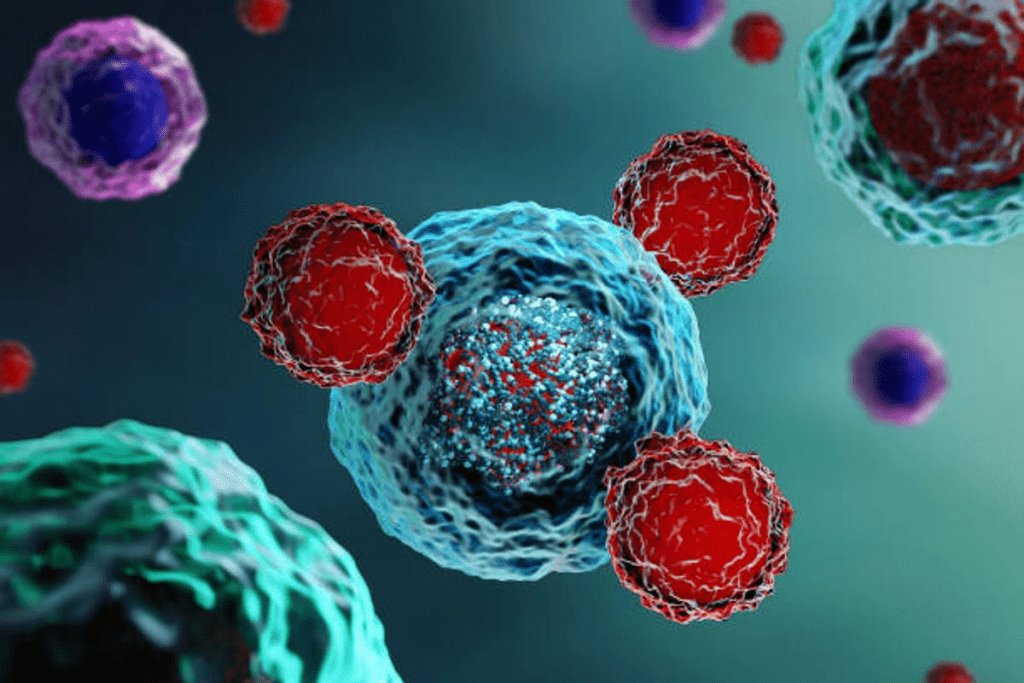
Totipotent stem cells are the most powerful in stem cell science. They can turn into any cell in the body, including those in the embryo and extraembryonic tissues. This makes them key for studying early development.
Definition and Unique Properties
Totipotency means a single cell can grow into all cell types in an organism. This includes cells in the embryo and those in the placenta and other tissues. Totipotent stem cells are found in the zygote and early embryo stages.
These cells are special because they can become all cell types, both in the embryo and outside it. This is different from pluripotent cells, which can only become embryonic cells. Knowing the difference helps us understand early development.
Natural Occurrence of Totipotent Cells
Totipotent cells naturally appear in the early stages of embryo development. After fertilization, the zygote divides into a group of cells called the morula. These cells can become any cell type in the body.
As the embryo grows, these cells start to become more specific. The totipotent state is short-lived, lasting just a few days after fertilization.
Developmental Timeline of Totipotency
The timeline of totipotency is tied to early embryo development. Totipotency is at its peak in the zygote and early embryo stages. It then shifts to pluripotency and multipotency as development advances.
| Developmental Stage | Cell Potency | Characteristics |
| Zygote | Totipotent | Ability to form all cell types, including extraembryonic tissues |
| Morula | Totipotent | Cluster of cells with the ability to develop into any cell type |
| Blastocyst | Pluripotent (inner cell mass) | Cells can form all embryonic tissues, but not extraembryonic tissues |
Understanding totipotency’s timeline is vital for stem cell researchers. It sheds light on early development and the uses of totipotent cells in regenerative medicine.
Pluripotent vs Multipotent: Key Differences
Pluripotent and multipotent stem cells have unique traits that affect their roles in growth and healing. Knowing these differences is key to using them in medicine.
Differentiation Ability Comparison
The main difference is in how they can change into different cell types. Pluripotent stem cells can turn into any cell type in the body. They can become cells from all three germ layers: ectoderm, endoderm, and mesoderm. On the other hand, multipotent stem cells can only change into specific cell types within a certain lineage or tissue.
For example, pluripotent stem cells can become nerve cells, muscle cells, and more. Multipotent stem cells, like those in blood, can only make blood cells like red and white blood cells.
| Characteristics | Pluripotent Stem Cells | Multipotent Stem Cells |
| Differentiation Ability | Can differentiate into any cell type | Limited to specific cell lineage |
| Examples | Embryonic stem cells, Induced Pluripotent Stem Cells (iPSCs) | Hematopoietic stem cells, Mesenchymal stem cells |
Developmental Origin Differences
Where they come from is another big difference. Pluripotent stem cells come from early embryos or are made from adult cells. Multipotent stem cells are found in adult tissues and help fix and grow tissues.
Accessibility and Isolation Methods
Getting to pluripotent and multipotent stem cells is different. Pluripotent stem cells are hard to get and need special conditions. Multipotent stem cells are easier to find in adult tissues like bone marrow.
Genetic and Epigenetic Profiles
The genes and how they are turned on or off also differ. Pluripotent stem cells have open genes and specific gene patterns for wide changes. Multipotent stem cells have more limited gene patterns for their specific types.
Knowing these differences helps choose the right stem cells for treatments and research in healing.
The Advantages of Pluripotent Stem Cells
pluripotent stem cells in drug discovery
Pluripotent stem cells have changed the game in research and medicine. They can turn into almost any cell in the body. This makes them super useful for many medical uses.
Broader Differentiation Capabilities
These cells can become many different types of cells. They can become cells from the ectoderm, mesoderm, and endoderm. This is a big plus for fixing and replacing tissues.
Key differentiation capabilities include:
- Ability to form cells of all three germ layers
- Potential to generate cells for various organ systems
- Capacity for self-renewal, maintaining a stable population
Applications in Regenerative Medicine
Pluripotent stem cells are key in regenerative medicine. They can turn into many cell types. This helps in making new treatments to fix or replace damaged tissues.
| Application | Description | Potential Benefits |
| Tissue Repair | Using differentiated cells to repair damaged tissues | Improved organ function, reduced morbidity |
| Organ Regeneration | Generating functional organs for transplantation | Reduced organ shortage, improved transplant outcomes |
| Cell Therapy | Administering cells to treat diseases | Targeted treatment, reduced side effects |
Disease Modeling
Pluripotent stem cells are also great for studying diseases. They can turn into cells that match certain diseases. This helps scientists understand diseases better and find new treatments.
Disease modeling applications include:
- Studying genetic disorders
- Modeling complex diseases like cancer and neurodegenerative disorders
- Testing drug efficacy and toxicity
Drug Discovery
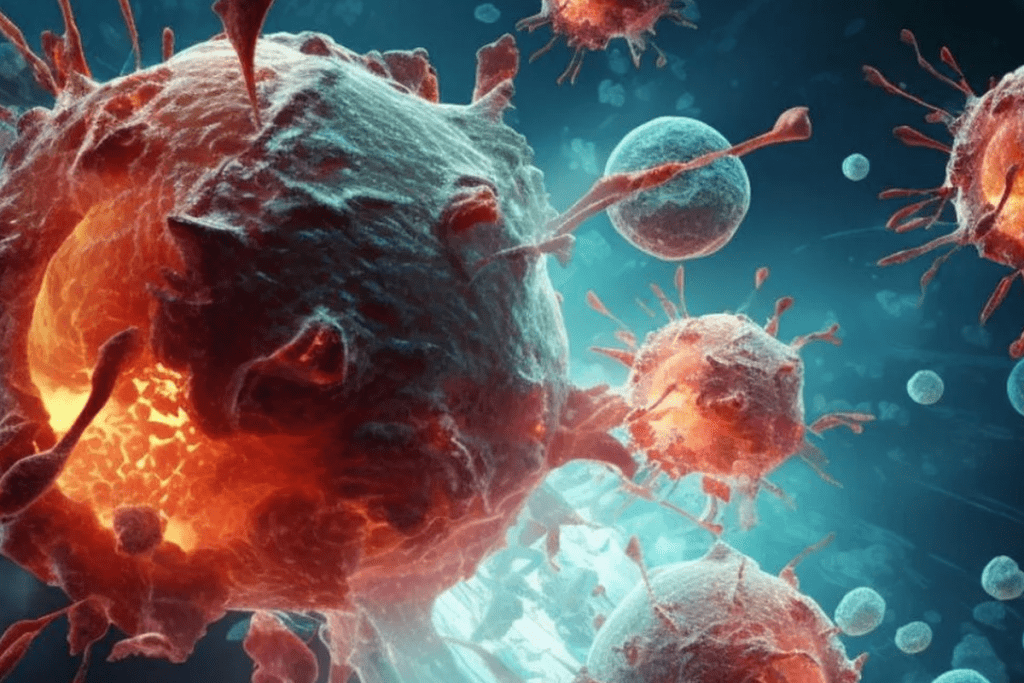
Pluripotent stem cells have changed drug discovery. They provide cells for testing drugs. This makes it easier to see how well drugs work and if they are safe.
Using these cells helps find new drugs faster and cheaper. It also makes new treatments safer and more effective.
The Advantages of Multipotent Stem Cells
Multipotent stem cells have many benefits for medical research and treatments. Their special traits help advance stem cell therapy. This makes them very useful.
Tissue-Specific Specialization
One big plus of multipotent stem cells is their tissue-specific specialization. They can turn into specific cell types in certain tissues. For example, mesenchymal stem cells can become bone, cartilage, or fat cells.
This ability means treatments can be more focused and might have fewer side effects.
Reduced Tumor Formation Risk
Multipotent stem cells are less likely to cause tumors than pluripotent stem cells. They can only turn into a few cell types, which lowers the chance of teratomas. This makes them safer for use in treatments.
Easier Clinical Translation
Using multipotent stem cells in treatments is simpler than using pluripotent stem cells. They are more specific and have a lower risk of tumors. Also, they can come from adult tissues, which is less controversial than using embryonic stem cells.
Current Therapeutic Applications
Multipotent stem cells are already helping in many treatments. For instance, hematopoietic stem cells are used in bone marrow transplants for blood disorders. Mesenchymal stem cells are being studied for treating heart diseases, autoimmune issues, and bone injuries.
| Therapeutic Application | Stem Cell Type | Condition Treated |
| Bone Marrow Transplant | Hematopoietic Stem Cells | Blood Cancers, Blood Disorders |
| Orthopedic Repair | Mesenchymal Stem Cells | Joint Pain, Cartilage Damage |
| Cardiovascular Therapy | Mesenchymal Stem Cells | Heart Disease, Cardiac Repair |
In summary, multipotent stem cells are great for medicine because of their specialization, lower tumor risk, and easier use in treatments. They are already helping with many health issues.
Clinical Applications: Where Each Type Excels
stem cells clinical applications
Stem cells have changed the game in regenerative medicine. Both pluripotent and multipotent cells are key in treating diseases and injuries. Their versatility opens new doors for medical treatments.
Pluripotent Stem Cells in Clinical Trials
Pluripotent stem cells, like embryonic and induced pluripotent stem cells (iPSCs), are being tested in trials. They can turn into any cell type, making them great for complex conditions.
Trials are looking into pluripotent stem cells for many uses. For example, they might help with Parkinson’s, heart damage, and spinal cord injuries.
A trial is using stem cell-derived cells for age-related macular degeneration. This shows their promise in treating diseases.
Multipotent Stem Cells in Current Therapies
Multipotent stem cells, like mesenchymal stem cells (MSCs), are used in therapies. They can turn into several cell types, making them good for fixing tissues.
They’re used in bone marrow transplants, treating graft-versus-host disease, and repairing cartilage. MSCs are even used in knee osteoarthritis treatments to grow new cartilage.
Organ and Tissue Regeneration Approaches
Both types of stem cells are being studied for growing organs and tissues. This could solve the organ shortage problem.
Researchers are working on making functional organs with stem cells and biomaterials. They’re also creating specific cells for transplants and making organoids for testing drugs.
The table below shows how pluripotent and multipotent stem cells differ in treatments:
| Characteristics | Pluripotent Stem Cells | Multipotent Stem Cells |
| Disease Treatment Capability | Wide range, including degenerative diseases | Limited to specific lineages |
| Current Use in Medicine | Mostly in trials | Used in various therapies |
| Regenerative Ability | High, can form any cell type | Moderate, specific cell types |
Future Therapeutic Directions
As research grows, we’ll see more uses for stem cells. Future plans include personalized medicine with iPSCs, combining stem cells, and making stem cell products for more uses.
Stem cell research and technology will keep improving. This will open up new hopes for treating many medical conditions.
Ethical and Practical Considerations
As stem cell research grows, we must think about the ethics and challenges. The debate over embryonic stem cells is intense. It’s because of the ethical issues with their origin and use.
Ethical Issues with Embryonic Pluripotent Cells
Embryonic pluripotent cells come from human embryos. This raises big questions about the embryo’s moral status. It’s a complex debate about the benefits of stem cell research versus respecting early human life.
Some say the benefits of these cells are worth it. Others prefer using induced pluripotent stem cells (iPSCs) to avoid controversy. Legal and cultural views on embryo use in research add to the complexity.
Practical Challenges in Cell Culture
There are big practical hurdles in working with stem cells. Keeping them in a lab requires special conditions. This includes the right growth factors and environment.
Working with stem cells is hard and expensive. There’s a risk of contamination or genetic changes. Improving cell culture techniques is key to moving stem cell research forward.
| Challenge | Description | Potential Solution |
| Maintaining Pluripotency | Ensuring stem cells remain pluripotent in culture | Optimized culture media and growth factors |
| Risk of Contamination | Avoiding contamination during cell culture | Strict sterile techniques and regular monitoring |
| Genetic Stability | Preventing genetic drift or mutations | Regular genetic screening and controlled passage |
Regulatory Landscape for Different Cell Types
The rules for stem cell research and therapy vary worldwide. Rules cover different stem cell types, like embryonic, induced pluripotent, and adult stem cells.
In the U.S., there are strict rules on using embryonic stem cells. State laws also differ. Knowing these rules is critical for researchers and doctors.
The complex rules show the need for constant talks between researchers, policymakers, and the public. This ensures stem cell research is done right and watched closely.
Emerging Technologies Changing the Potency Paradigm
The field of stem cell research is changing fast. New technologies are changing how we see cellular potency. These advances are not just improving our understanding of stem cells. They are also opening new doors for treatments.
Direct Reprogramming Techniques
Direct reprogramming is a big step in stem cell research. It lets scientists change one cell type into another without going through a pluripotent state. This method avoids the risks of turning cells into a pluripotent state.
Key applications of direct reprogramming include:
- Creating functional neurons for neurodegenerative disease treatment
- Turning fibroblasts into cardiomyocytes for heart repair
- Making insulin-producing beta cells for diabetes treatment
Transdifferentiation Approaches
Transdifferentiation is a special kind of direct reprogramming. It changes one differentiated cell type into another. This method is promising for regenerative medicine, as it can create needed cells without going through a pluripotent state.
Recent studies have shown the promise of transdifferentiation in many areas, including:
- Changing fibroblasts to myocytes for muscle repair
- Turning endothelial cells to smooth muscle cells for vascular repair
CRISPR and Genetic Modification of Stem Cells
The CRISPR-Cas9 system has changed genetic engineering. It lets scientists make precise changes to stem cell genomes. This technology is important for both research and treatments.
| Application | Description | Potential Benefit |
| Disease modeling | Genetic modification of stem cells to model human diseases | Better understanding of disease mechanisms |
| Gene therapy | Correction of genetic mutations in stem cells | Treatment of genetic disorders |
| Enhanced differentiation | Genetic modification to improve directed differentiation | More efficient generation of therapeutic cell types |
Organoid Development from Different Stem Cell Types
Organoid technology is a powerful tool for studying development and disease. Organoids can come from both pluripotent and multipotent stem cells. They give insights into organ development and function.
- More accurate modeling of human organ development and disease
- Potential for personalized medicine through patient-specific organoids
- High-throughput screening for drug discovery and toxicity testing
As these technologies keep evolving, they will likely change our understanding of stem cell potency. They will also impact regenerative medicine a lot.
Conclusion: Is One Really Better Than the Other?
The debate between pluripotent and multipotent stem cells focuses on their abilities and uses. Pluripotent stem cells can turn into many cell types, making them key for fixing damaged tissues and studying diseases. On the other hand, multipotent stem cells specialize in certain tissues, which lowers the chance of tumors and makes them easier to use in treatments.
Choosing between pluripotent and multipotent stem cells depends on what you need. Pluripotent stem cells are promising for treating many diseases. But, multipotent stem cells are already helping in some treatments. The right choice depends on the goal and the patient’s needs.
In summary, knowing about stem cell potency is key for improving stem cell research and treatments. By understanding the strengths and weaknesses of both types, scientists can create better treatments. This will help advance regenerative medicine.
FAQ
What is the difference between totipotent, pluripotent, and multipotent stem cells?
Totipotent stem cells can become any cell type, including placental cells. Pluripotent stem cells can become any cell type, except placental cells. Multipotent stem cells can become several cell types, but only within a specific group.
What are the characteristics of pluripotent stem cells?
Pluripotent stem cells can turn into any cell type, except placental cells. They come from embryonic stem cells or induced pluripotent stem cells (iPSCs).
What are the sources of multipotent stem cells?
Multipotent stem cells come from adult tissues like bone marrow or fat. They can also be found in specific areas, like the skin or gut.
What is the developmental timeline of totipotency?
Totipotency is seen in the earliest stages of an embryo, right after fertilization. As the embryo grows, this ability fades away.
How do pluripotent and multipotent stem cells differ in their differentiation ability?
Pluripotent stem cells can turn into more types of cells than multipotent stem cells. Multipotent stem cells are limited to specific cell types within a certain group.
What are the advantages of using pluripotent stem cells in regenerative medicine?
Pluripotent stem cells can become many types of cells. This makes them good for many regenerative medicine uses.
What are the benefits of using multipotent stem cells in therapy?
Multipotent stem cells are less likely to cause tumors. They are also easier to use in treatments because they specialize in certain tissues.
What are the ethical considerations associated with embryonic pluripotent stem cells?
Using embryonic pluripotent stem cells is controversial. This is because embryos are destroyed during the process of getting these cells.
How are emerging technologies changing the field of stem cell research?
New technologies like direct reprogramming and CRISPR are changing stem cell research. They give scientists new ways to control stem cell development.
What are the clinical applications of pluripotent and multipotent stem cells?
Both types of stem cells have uses in medicine. Pluripotent stem cells are used in studying diseases and finding new treatments. Multipotent stem cells are used in current treatments.
References
- Wang, A. Y. L., et al. (2025). Pluripotent Stem Cells: Recent Advances and Emerging Applications. Frontiers in Cell and Developmental Biology.