When a child has an appendectomy, their body faces a big challenge. A well-planned diet is key to their recovery. It helps lower the chance of problems and aids in healing. Parents may find it challenging to determine the most suitable foods for their child’s recovery after surgery.Post-Appendectomy Diet for KidsWhat Calms Down Appendicitis? Complete Guide to Relief for Appendicitis Symptoms
Post-surgery, the right food is vital for healing. A balanced diet full of important vitamins and minerals is essential. It greatly affects their health and well-being during this important time.
Key Takeaways
- A post-appendectomy diet is vital for a child’s recovery, aiding in healing and reducing complications.
- Pediatric nutrition advice stresses the need for a balanced diet rich in vitamins and minerals.
- Nutritional guidelines post-op ensure a smooth recovery by meeting the child’s nutritional needs.
- A well-planned diet can greatly lower the risk of post-surgical complications.
- Parents are very important in managing their child’s diet after an appendectomy, supporting their health.
Understanding Appendectomy Recovery
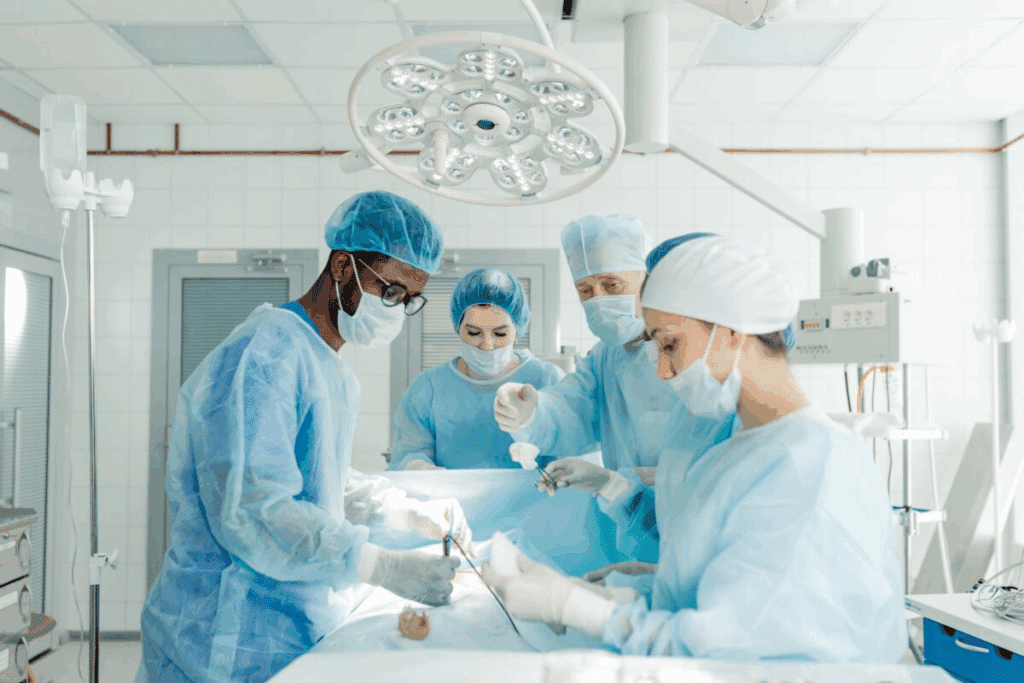
Knowing how to recover after an appendectomy is key for a smooth healing. An appendectomy is a surgery to remove the appendix. It’s often needed because of appendicitis.
Recovering from an appendectomy can be tough, both physically and emotionally, for kids. It’s important to understand the care needed for a successful recovery.
What is an Appendectomy?
An appendectomy is a surgery to take out the appendix. This small, tube-like part is attached to the large intestine. It’s done when the appendix gets inflamed or infected, known as appendicitis.
The surgery involves a small cut in the belly to remove the appendix. Sometimes, it’s done laparoscopically. This means using small cuts and a camera to guide the tools.
| Type of Surgery | Description | Recovery Time |
| Open Appendectomy | Involves a single, larger incision to access the appendix. | Typically longer, around 4-6 weeks. |
| Laparoscopic Appendectomy | Uses several small incisions and a camera to remove the appendix. | Generally shorter, around 2-4 weeks. |
Importance of Recovery Post-Surgery
The recovery after an appendectomy is critical for healing well and avoiding problems. It’s important to stick to a special diet, watch for infection signs, and follow doctor’s orders.
Good recovery care means managing pain, staying hydrated, and slowly introducing foods to avoid upset stomachs. By following these steps, parents can help their kids recover better and lower the chance of complications.
Initial Dietary Restrictions After Surgery
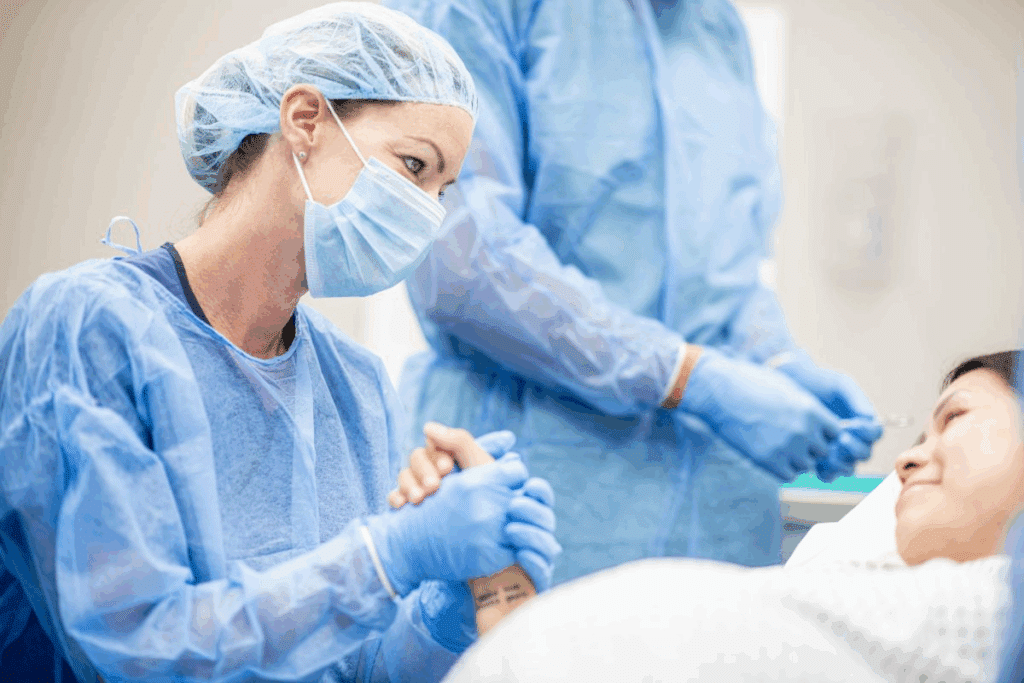
Knowing what to eat and avoid after an appendectomy is key for a smooth recovery. Right after surgery, your child’s diet is very important for healing. It’s important to watch what they eat to avoid any problems.
Foods to Avoid Immediately
After an appendectomy, some foods are best avoided. These include:
- Spicy foods: Can irritate the stomach and cause discomfort.
- Heavy meals: Large or rich meals can be difficult to digest.
- High-fiber foods: While fiber is important, high-fiber foods can be challenging for the digestive system immediately after surgery.
- Dairy products (for some children): Depending on their tolerance, dairy might need to be limited or avoided initially.
Starting with a bland diet is best to avoid nausea or vomiting.
Hydration Needs Post-Surgery
Drinking enough water is key after surgery. It helps with healing and prevents dehydration. We suggest:
- Plenty of water: Encourage your child to drink water regularly.
- Clear broths: Can be an alternative or addition to water, providing essential salts.
- Electrolyte-rich beverages: Can help maintain electrolyte balance, if your child is experiencing vomiting or diarrhea.
| Fluid Type | Benefits | Precautions |
| Water | Essential for hydration, helps in digestion | Should be consumed regularly |
| Clear Broths | Provides salts, easy to digest | Avoid if too salty or if your child is on a sodium-restricted diet |
| Electrolyte-rich Beverages | Helps maintain electrolyte balance | Use as needed, specially in cases of vomiting or diarrhea |
Recommended Foods for Kids After Surgery
The right foods are key for kids to heal after appendix surgery. A diet full of essential nutrients helps them recover and regain strength. We suggest choosing foods that are easy on the stomach and packed with healing nutrients.
Soft Foods and Their Benefits
Soft foods are perfect for kids after surgery because they’re easy to digest. This reduces the chance of stomach problems. Good choices include bananas, applesauce, and yogurt. These foods are gentle and full of important nutrients. Soft foods recommendations also include pureed fruits and veggies, which can be added slowly to check for tolerance.
Bananas are full of potassium, a mineral that’s lost after surgery. Applesauce is rich in fiber and easy to digest. Yogurt has probiotics, which keep the gut healthy. Adding these foods to your child’s diet can really help them heal.
Nutrient-Rich Options for Healing
It’s also important to add nutrient-rich options for healing to your child’s diet. Foods high in protein, vitamins, and minerals are very helpful. Protein helps fix tissues, while vitamins and minerals boost health and the immune system.
“Nutrition is a critical component of the recovery process. Ensuring that kids receive a balanced diet after surgery can significantly impact their healing and overall well-being.”
Some foods to promote healing include lean meats and a variety of fruits and veggies. These provide important vitamins and minerals. Whole grains like brown rice and whole-wheat bread are also good, as they offer fiber and nutrients. A balanced diet of these foods can help your child recover well.
By choosing soft, nutrient-rich foods, you can help your child heal more comfortably and effectively after appendix surgery.
Introducing Solid Foods
Starting solid foods after surgery needs careful planning for a smooth recovery. As your child gets better, you might wonder when to add more solid foods to their diet.
When to Transition to Solid Foods
The right time to start solid foods depends on your child’s recovery and health. Usually, wait until they can handle liquids without feeling sick. This might take 2-3 days, but it can differ.
Pay attention to your child’s body signals and don’t rush. Start with small amounts of soft foods to avoid discomfort and problems.
Safe Solid Foods for Kids
Choosing the right solid foods is key. Opt for foods that are easy on the stomach. Some good options include:
- Plain toast or crackers
- Plain rice or oatmeal
- Mashed bananas or applesauce
- Boiled vegetables like carrots or green beans
These foods are usually easy to digest and help your child move towards a regular diet.
| Food | Benefits | Precautions |
| Plain Toast/Crackers | Easily digestible, provides carbohydrates for energy | Avoid adding butter or heavy spreads initially |
| Mashed Bananas/Applesauce | Rich in fiber, easy on the stomach | Start with small amounts to monitor tolerance |
| Boiled Vegetables | Rich in vitamins and minerals, gentle on the digestive system | Ensure they are well-cooked and soft |
Nutritional Guidelines for Post-Appendectomy Diet
Nutritional guidelines are key for kids recovering from an appendectomy. A good diet aids in healing, lowers the chance of complications, and boosts health. We’ll look at the main nutrients important during this time.
Importance of Protein in Recovery
Protein is essential for healing after an appendectomy. It aids in tissue repair and regeneration. So, it’s important to eat foods high in protein like lean meats, fish, eggs, and dairy.
For kids who don’t eat meat or have special diets, beans, lentils, and tofu are great protein sources. Getting enough protein can reduce infection risk and speed up recovery. Always talk to a healthcare provider or nutritionist to figure out how much protein your child needs.
Role of Fiber in Digestive Health
Fiber is vital for digestive health after surgery. It helps avoid constipation, a common problem after an appendectomy, by keeping bowel movements regular. Foods high in fiber include fruits, vegetables, whole grains, and legumes.
- Fruits like bananas and apples are not only easy to digest but also rich in fiber.
- Vegetables such as carrots and broccoli are beneficial when cooked properly to aid digestion.
- Whole grains like brown rice and oatmeal are gentle on the digestive system.
Eating these foods can keep your child’s digestive system healthy. But, start with small amounts of fiber-rich foods to avoid any discomfort or digestive problems.
Hydration and Its Importance
Keeping your child well-hydrated is vital after an appendectomy. It helps their body heal, keeps fluids balanced, and prevents issues like constipation or urinary tract infections.
Recommended Fluids After Surgery
It’s important to replace lost fluids and electrolytes after surgery. Here are some good choices:
- Water: It’s the best drink for staying hydrated because it’s easy to absorb and doesn’t have calories or sugars.
- Clear broths: Chicken or vegetable broth can give your child the salts and electrolytes they need.
- Electrolyte-rich beverages: Drinks like Pedialyte help replace lost electrolytes.
- Herbal teas: Caffeine-free herbal teas, like chamomile or peppermint, can be calming.
Stay away from caffeinated or carbonated drinks. They can upset your child’s stomach or cause discomfort.
Signs of Dehydration to Watch For
It’s important to watch for signs of dehydration. Look out for:
- Dry mouth or lips
- Dark yellow or brown urine
- Decreased urine output
- Fatigue or lethargy
- Dizziness or lightheadedness
If you see any of these signs, talk to your healthcare provider right away.
To help your child stay hydrated, offer fluids often, even if they don’t want to drink. You can also try giving them ice chips or popsicles made from good fluids.
| Fluid Type | Benefits | Precautions |
| Water | Excellent hydration, calorie-free | May not provide electrolytes |
| Clear Broths | Provides salts and electrolytes | May contain high sodium levels |
| Electrolyte-rich Beverages | Replaces lost electrolytes | Some may contain sugars |
| Herbal Teas | Soothing, caffeine-free | May not be as effective for electrolyte replacement |
Tips for Managing Appetite Changes
Managing appetite changes in kids after surgery is key for their recovery. It can be tough for parents to handle their child’s changing appetite and nutritional needs. Here, we offer helpful tips and strategies to deal with these changes well.
Coping with Nausea Post-Surgery
Nausea is common after surgery, like an appendectomy. To fight nausea, try giving small, frequent meals to keep your child’s stomach steady. Start with bland foods like crackers, toast, or plain rice.
It’s also important to keep your child hydrated. Encourage them to drink clear fluids like water, clear broth, or electrolyte-rich drinks like coconut water or sports drinks. Stay away from caffeinated or carbonated drinks that can upset the stomach.
Encouraging Eating in Young Kids
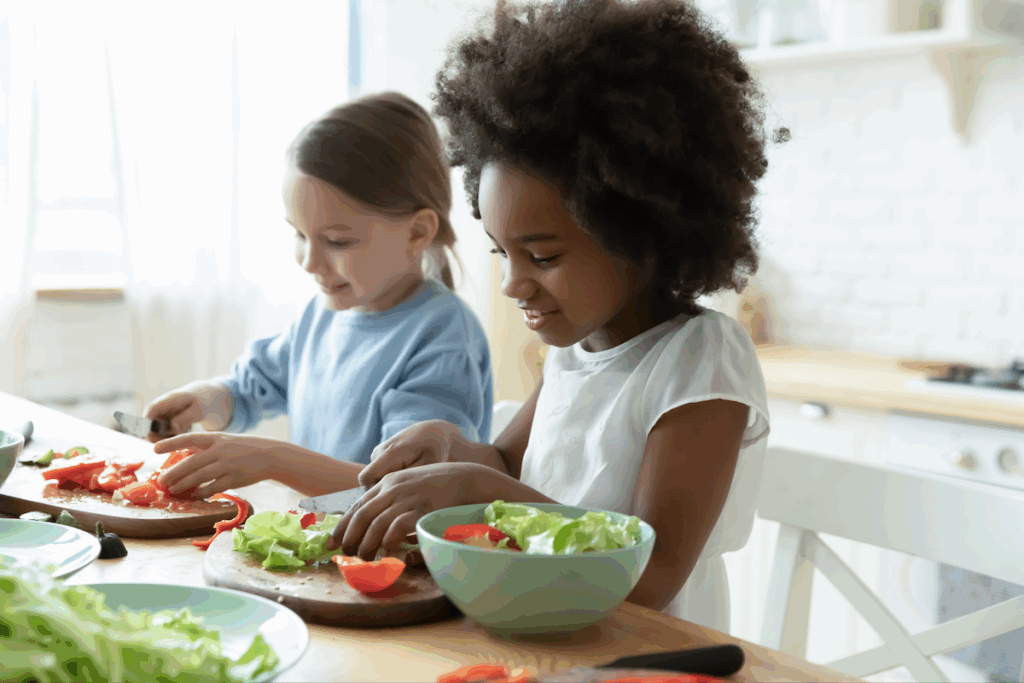
Getting young kids to eat after surgery can be tough. Make mealtime fun by using colorful plates and utensils. Start with their favorite foods, even if they’re not the healthiest.
Involve your child in meal planning and preparation. Let them help with simple tasks like washing veggies or mixing ingredients. This can make them more eager to eat.
| Tips | Benefits |
| Offer small, frequent meals | Helps manage nausea and prevents overwhelming the stomach |
| Stick to bland foods initially | Eases digestion and reduces the risk of stomach upset |
| Encourage hydration with clear fluids | Replenishes lost fluids and electrolytes |
| Make mealtime fun and engaging | Encourages eating and creates a positive atmosphere |
Meal Planning for Recovery
Creating a thoughtful meal plan is key for a child’s recovery after an appendectomy. It’s important to make sure they eat a balanced diet. This helps their health and aids in healing. We’ll look at meal planning tips, including sample meals and how to balance food groups for nutrition.
Sample Meal Ideas for Kids
When planning meals for kids after appendix surgery, focus on foods that are both nutritious and easy to digest. Here are some ideas:
- Breakfast: Oatmeal with banana and honey, scrambled eggs with toast
- Lunch: Chicken soup with crackers, mashed potatoes with steamed vegetables
- Dinner: Mashed chicken with rice, steamed broccoli
- Snacks: Apple sauce, yogurt, smoothies made with favorite fruits
These meals are not only good for health but also gentle on the stomach during recovery.
“Nutrition plays a vital role in the recovery process. Ensuring that children receive a balanced diet can significantly impact their healing and overall well-being.”
Nutrition Expert
Balancing Food Groups for Nutrition
It’s important to balance different food groups to ensure the child gets all needed nutrients. Here are some tips:
| Food Group | Examples | Benefits |
| Proteins | Chicken, fish, eggs, beans | Supports healing and muscle growth |
| Fruits and Vegetables | Apples, bananas, carrots, broccoli | Rich in vitamins, minerals, and fiber |
| Whole Grains | Brown rice, whole wheat bread, oats | Provides energy and fiber |
| Dairy | Milk, yogurt, cheese | Supports bone health and provides calcium |
By mixing foods from different groups, parents can help their child get a diet that supports recovery and health.
Monitoring for Complications
After an appendectomy, it’s important to watch for complications. Most kids get better quickly. But knowing the signs of trouble can help you act fast if needed.
Signs of Infection to Monitor
Infection is a possible issue after an appendectomy. Look out for these signs:
- Fever: A temperature over 100.4°F (38°C) might mean infection.
- Increased Pain: If your child’s pain gets worse, it could be a sign of trouble.
- Redness or Swelling: Watch the surgical area for any redness, swelling, or discharge.
- Abdominal Tenderness: If the belly stays sore or hurts a lot, it’s a worry.
When to Contact a Healthcare Provider
If you see any of these signs, call your healthcare provider:
- Severe Symptoms: Severe belly pain, vomiting, or high fever.
- Signs of Dehydration: Too much thirst, dark pee, or not peeing enough.
- Wound Issues: Redness, swelling, or discharge from the surgery area.
Here’s a quick guide on what to watch for and when to get help:
| Signs to Monitor | Action to Take |
| Fever above 100.4°F (38°C) | Contact healthcare provider if it lasts |
| Increased pain or belly tenderness | See a doctor if it’s really bad |
| Redness, swelling, or discharge at the surgery site | Call the healthcare provider right away |
Importance of Follow-Up Care
Recovering from an appendectomy is more than just the surgery. It also includes careful follow-up care. As a parent, making sure your child gets the right follow-up care is key for their health and happiness.
Recovery Progress Monitoring
At follow-up appointments, your child’s healthcare provider will check on their recovery. They look for any signs of complications or infection. These visits are important for talking about any worries you have and for changing your child’s care plan if needed.
Some key things to expect during these visits include:
- Checking the surgical site for signs of infection or complications
- Monitoring your child’s overall health and recovery progress
- Discussing any concerns or questions you may have
| Aspect of Care | What to Expect | Why It’s Important |
| Surgical Site Check | Your doctor will examine the surgical site. | To identify any signs of infection early. |
| Recovery Progress | Monitoring your child’s overall health. | To ensure a smooth recovery. |
| Dietary Advice | Guidance on appropriate foods post-surgery. | To support healing and digestive health. |
Addressing Dietary Concerns
Talking about any dietary worries with your healthcare provider is important. They can give advice on the best foods for your child’s recovery. They can also help with any dietary challenges.
Tips for Communicating Dietary Concerns:
- Keep a food diary to track what your child eats and any reactions.
- Be open about any challenges you’re facing with your child’s diet.
- Ask for recommendations on suitable foods and meal plans.
Long-Term Dietary Considerations
After an appendectomy, it’s key to adjust your diet for better digestion. Eating high-fiber foods helps keep your digestive system healthy.
Nutritional Adjustments
As you heal, eat foods rich in nutrients for your overall health. Start adding different foods to your diet slowly. Make sure you get all the nutrients you need.
Promoting Digestive Health
Keeping your digestive system healthy is important long-term. Add foods high in fiber like fruits, veggies, and whole grains to your meals. Also, drink lots of water to stay hydrated.
By making these changes and focusing on digestive health, you can easily move back to a normal, healthy diet.
FAQ
What should my child eat after appendix surgery?
Start with soft foods like bananas, applesauce, and yogurt. Avoid heavy, spicy, or hard foods.
How long does it take to recover from appendix surgery?
Recovery time varies. Most kids can get back to normal in a few weeks. Always follow your healthcare provider’s advice.
Why is hydration important after surgery?
Drinking enough water is key for recovery. It helps prevent dehydration and aids in healing. Encourage your child to drink water, clear broths, or electrolyte-rich drinks.
What are the signs of dehydration in children after surgery?
Look for dry mouth, fewer wet diapers, sunken eyes, and lethargy. If you see these signs, call your child’s healthcare provider.
When can my child start eating solid foods again?
Start with small amounts of soft foods. Kids can usually eat solid foods a few days after surgery. But, it depends on how they’re recovering.
What nutrients are essential for recovery after appendix surgery?
Protein helps with tissue repair, and fiber keeps the digestive system healthy. Include lean meats, fish, eggs, fruits, veggies, and whole grains in their diet.
How can I manage changes in appetite after surgery?
Changes in appetite are common. Offer small meals often and choose nutrient-rich foods. If nausea lasts, talk to your child’s healthcare provider.
What are the signs of possible complications after appendix surgery?
Watch for fever, increased pain, or redness around the incision. If you see unusual symptoms, call your child’s healthcare provider right away.
How can I ensure my child is getting a balanced diet during recovery?
Plan meals carefully to ensure a balanced diet. Include foods from all food groups. You might want to get advice from a healthcare provider or a registered dietitian.
What are the long-term dietary considerations after appendix surgery?
Keep the digestive system healthy with a balanced diet. Include fruits, veggies, whole grains, and lean proteins. Avoid foods that can upset the stomach.
References
National Center for Biotechnology Information. Evidence-Based Medical Insight. Retrieved from https://pubmed.ncbi.nlm.nih.gov/32667042/