Last Updated on November 26, 2025 by Bilal Hasdemir
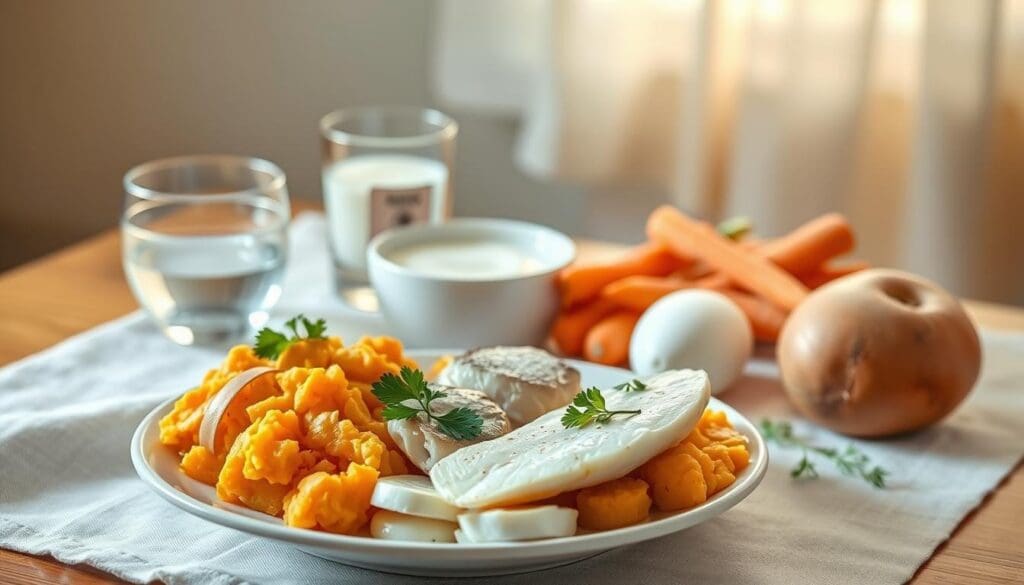
After colon resection surgery, it’s key to eat foods rich in nutrients. This helps your body heal and reduces stomach pain. A good diet is vital for your recovery.
Experts say to start with soft foods and slowly add more fiber over 2 to 6 weeks. At Liv Hospital, our team focuses on a gentle digestive approach. We suggest foods that are easy to digest and full of nutrients to help you get stronger.Get 15 of the best foods for your post colectomy diet. Learn what to eat after your colon resection for a fast, smooth recovery.
Key Takeaways
- Eat nutrient-rich foods that are gentle on the digestive system.
- Start with a liquid or soft diet and gradually introduce higher fiber foods.
- Focus on easy-to-digest foods to promote healing and minimize discomfort.
- A well-planned diet is crucial for a smooth recovery after colon resection surgery.
- Gradually introduce new foods over 2 to 6 weeks.
Understanding Colectomy and Recovery Process
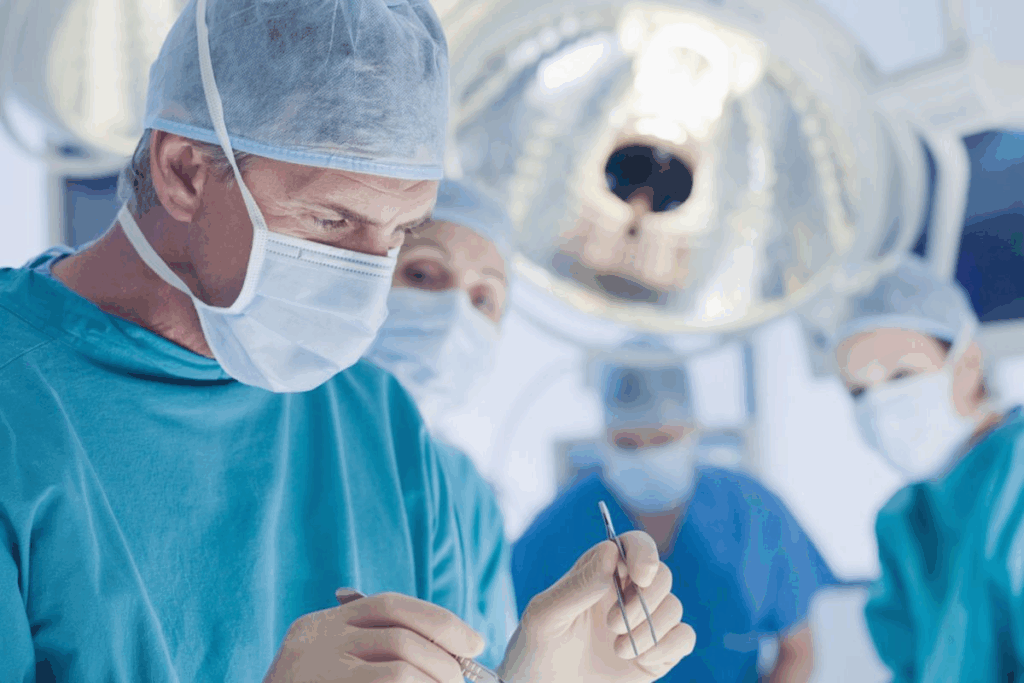
A colectomy, or colon resection, is a surgery to remove part or all of the colon. It’s done to treat issues like colon cancer, diverticulitis, or inflammatory bowel disease. Knowing about this surgery and its effects on the body is key for those preparing for it.
What is a Colectomy Procedure?
A colectomy involves removing part or all of the colon. The surgery’s scope depends on the condition being treated. Surgeons might remove just the diseased part or the whole colon.
After removing the colon, the surgeon tries to reconnect the remaining parts. This helps restore normal bowel function. The procedure’s details can vary based on the patient’s health and the surgeon’s method.
In some cases, a temporary or permanent ostomy might be needed. This involves diverting a part of the intestine to an opening in the abdomen. It allows waste to exit the body.
How Surgery Affects Digestion
The colectomy procedure greatly impacts digestion. Removing part or all of the colon changes how the body absorbs nutrients. Patients may experience bowel changes like diarrhea or constipation as their body adjusts.
The colon is key for absorbing water and electrolytes. After surgery, patients might need to adjust their diet. They might need to drink more water to prevent dehydration.
| Digestive Changes | Potential Effects | Dietary Adjustments |
| Reduced Water Absorption | Increased risk of dehydration | Increase fluid intake |
| Altered Bowel Habits | Diarrhea or constipation | Eat smaller, more frequent meals |
| Nutrient Absorption | Potential for malnutrition | Ensure balanced diet, consider supplements |
Understanding these digestive changes and making the right diet choices can help manage health after surgery. It’s important to follow the diet advice from healthcare professionals. This helps in recovery and reduces complications.
Why Your Post Colectomy Diet Matters
A proper diet after colectomy surgery is very important. It helps your body heal and get strong again. Your body needs the right nutrients to recover well.

Promoting Healing and Recovery
Eating right after surgery is key for healing. Foods full of nutrients help fix tissues and get your body working right again. Choose foods that are easy to digest and packed with proteins, vitamins, and minerals.
Preventing Complications
Eating well can lower the chance of post-surgical complications. Stay away from foods that upset your stomach. Instead, eat foods that are easy on your digestive system. This helps avoid problems like diarrhea or constipation. Good nutrition also boosts your immune system, fighting off infections.
Supporting Nutritional Status
After colon surgery, your body might have trouble absorbing nutrients. A good diet helps you get the nutrients you need. This is key for keeping your energy up, supporting healing, and feeling good while you recover.
In short, a well-thought-out diet after surgery is crucial for a good recovery. By eating the right foods, you can heal better and avoid complications.
Dietary Progression After Colon Resection
Knowing the stages of diet after colon resection helps your healing. Your digestive system needs time to heal. A gradual diet helps avoid complications and supports recovery.
Clear Liquid Diet Phase
The first step is a clear liquid diet. It starts right after surgery and lasts a few days. These liquids are easy to digest and keep you hydrated. Examples include:
- Water
- Clear broths
- Electrolyte-rich beverages like sports drinks
- Clear fruit juices without pulp
- Gelatin
Full Liquid Diet Phase
When you can handle clear liquids, move to a full liquid diet. This includes all clear liquids and thicker ones like:
- Milk
- Thinned soups
- Pureed fruits and vegetables
- Protein supplements
This phase adds more calories and nutrients for healing.
Soft Diet Phase
Next, you’ll move to a soft diet. This diet includes foods that are easy on your digestive system. Examples are:
- Mashed potatoes
- Soft-cooked pasta
- Ripe fruits
- Cooked vegetables
Transitioning to Regular Foods
Finally, you can add solid foods to your diet. Start with small amounts and watch how your body reacts. Avoid foods that are hard to digest, like those high in fiber, spicy, or fatty.
Listen to your body and don’t rush. If you feel uncomfortable or have other symptoms, slow down your diet.
Nutritional Principles for Optimal Recovery
After a colectomy, it’s important to follow the right nutritional principles for a smooth recovery. What you eat and choose can greatly affect your body’s healing and strength.
Small, Frequent Meals
Eating small, frequent meals is key for managing digestive issues after colon surgery. This method offers several benefits:
- Reduces strain on the digestive system
- Helps maintain energy levels
- Supports overall nutritional intake
By eating this way, patients can better handle symptoms like bloating and discomfort. This makes the recovery process more comfortable.
Hydration Guidelines
Staying hydrated is crucial for health, especially after surgery. Drinking enough fluids helps in:
- Preventing constipation
- Supporting wound healing
- Maintaining electrolyte balance
We suggest drinking at least 8-10 glasses of fluid daily. Adjust this based on your needs and activity level.
Balancing Macronutrients
A balanced diet with the right mix of macronutrients is essential for recovery. This includes:
| Macronutrient | Role in Recovery | Food Sources |
| Proteins | Tissue repair and healing | Lean meats, fish, eggs, dairy |
| Carbohydrates | Energy provision | White rice, potatoes, white bread |
| Fats | Nutrient absorption and energy | Nuts, seeds, olive oil |
By balancing these macronutrients, you support your body’s healing and maintain health during recovery.
Gentle Carbohydrates for Your Post Colectomy Diet
After a colectomy, it’s key to pick carbs that are easy on your stomach. These carbs give you energy without upsetting your digestive system. Stick to carbs that are easy to digest during your recovery.
1. White Rice
White rice is a top choice for post-colectomy diets. It’s low in fiber, which means it’s gentle on your stomach. Try it plain or with a bit of salt for flavor.
2. Potatoes Without Skin
Potatoes without skin are another good option. The skin can be hard to digest. So, removing it makes potatoes better for your diet. Boiled or mashed potatoes are great in meals.
3. White Bread and Pasta
White bread and pasta are also good choices. They’re easy to digest and give you energy. Choose plain white bread and pasta to keep your meals easy on your stomach.
Adding these gentle carbs to your diet can help with your recovery. Eat small meals often and drink plenty of water to help heal.
Soft Fruits That Support Healing
After a colectomy, adding soft fruits to your diet can help a lot. These fruits are easy on your stomach and full of nutrients that help you heal. Here are some soft fruits that are good for you and easy to digest.
Ripe Bananas
Ripe bananas are great after colon surgery. They’re soft and packed with potassium, which is key for staying healthy. Ripe bananas also have carbs that your body can easily use for energy.
Applesauce
Applesauce is another good choice for healing after a colectomy. It’s soft and has antioxidants. Make sure to pick unsweetened applesauce to avoid too much sugar. It’s easy to add to your meals for a nutritious boost.
Canned Fruits in Light Syrup
Canned fruits in light syrup are also a good option. They’re soft and sweet without too much sugar. It’s better to choose light syrup over heavy syrup to keep sugar levels down. They’re handy when fresh fruits are hard to find or hard to digest.
These soft fruits offer many benefits:
- They’re easy to digest, which is good for your stomach
- They’re full of nutrients like potassium and antioxidants
- They give your body carbs that are easy to use for energy
- They can be used in many ways, like snacks or desserts
Adding these soft fruits to your diet after a colectomy can help you heal and stay healthy. Always talk to your doctor or a nutritionist to make sure your diet is right for you.
Protein Sources for Tissue Repair
After a colectomy, your body needs enough protein to heal. You can get this from gentle, easy-to-digest foods. Protein is key for fixing and growing new tissues. Choose lean proteins that are easy on your stomach while you recover.
Lean Poultry
Chicken and turkey are top picks for protein after a colectomy. They’re full of protein and easy to digest if cooked right. Try removing the skin and use steaming or boiling to ease digestion.
“Lean poultry is a staple in many recovery diets due to its high protein content and low fat,” says a registered dietitian. “It’s essential to prepare it in a way that’s easy to digest, such as steaming or boiling.”
Mild Fish Varieties
Cod and tilapia are mild fish that are good for protein after a colectomy. They’re low in fat and high in protein. This makes them perfect for those who want to support their recovery without upsetting their stomach.
Eggs
Eggs are a great protein source that’s easy to digest. You can cook them in many ways to fit your taste and diet. Boiled or poached eggs are especially gentle on your stomach and can be a good choice after a colectomy.
Key Benefits of Eggs:
- High-quality protein
- Easy to digest when cooked properly
- Versatile preparation methods
Adding these protein sources to your diet can help your body heal faster. This makes your recovery after colon resection surgery smoother.
Well-Cooked Vegetables for Essential Nutrients
Well-cooked vegetables are key for recovery after surgery. They offer vital nutrients that are easy to digest. This is important after colon surgery.
Cooking veggies until they’re soft helps them digest better. It also keeps their nutrients. We suggest adding these cooked veggies to your diet.
10. Soft Cooked Carrots
Soft cooked carrots are full of vitamin A. This vitamin helps with healing and keeps your immune system strong. Just boil or steam carrots until they’re soft, then mash or chop them.
11. Spinach Puree
Spinach puree is packed with iron and minerals. Cooking spinach and blending it makes it easy to eat. It’s gentle on your stomach.
12. Peeled Zucchini
Peeled zucchini is a soft option for those recovering. It’s low in fiber, which is good for your stomach. Just cook it until it’s tender and serve.
The table below shows the nutrients in these veggies. It highlights their vitamins and minerals.
| Vegetable | Key Nutrients | Benefits |
| Soft Cooked Carrots | Vitamin A, Fiber | Supports healing, immune function |
| Spinach Puree | Iron, Vitamins A & K | Boosts iron levels, supports bone health |
| Peeled Zucchini | Vitamin C, Potassium | Aids in hydration, supports heart health |
Eating these cooked veggies can help your recovery. They provide important nutrients and are easy on your stomach.
Dairy and Alternatives for Digestive Health
After a colectomy, the right dairy and alternatives can help your digestive health. Choose options that are easy on your stomach and full of nutrients.
Yogurt with Live Cultures
Yogurt with live cultures is great for your gut. It has probiotics that keep your gut healthy, which is key during recovery. Stick to plain, unflavored yogurt to avoid sugars.
Low-Fat Cottage Cheese
Low-fat cottage cheese is also good. It’s packed with protein for healing and is soft to digest. You can eat it alone or with fruit for taste.
Plant-Based Milk Alternatives
If you can’t do dairy or prefer not to, plant-based milk alternatives are a good choice. Options like almond, soy, and oat milk are available. Make sure to pick ones fortified with calcium and vitamins for nutrition.
Adding these to your diet? Watch how your body reacts. If you feel bad or have stomach issues, talk to your doctor. They can help you adjust your diet.
Foods to Avoid After Colon Resection
After colon resection surgery, it’s important to watch what you eat. This helps your body heal right and avoids problems. We’ll tell you which foods to skip during this time.
High-Fiber Foods
High-fiber foods are good for your gut, but hard to digest after surgery. Foods like whole grains, raw veggies, and some fruits can upset your stomach. They might make you feel gassy, bloated, or uncomfortable.
Examples of high-fiber foods to limit or avoid:
- Whole grain bread and pasta
- Raw or steamed broccoli and other cruciferous vegetables
- Berries and other fruits with skins or seeds
- Legumes like beans and lentils
Spicy and Fatty Foods
Spicy and fatty foods can upset your stomach after surgery. Spicy foods might cause heartburn or irritation. Fatty foods can slow digestion and make you feel sick or uncomfortable.
Examples of spicy and fatty foods to avoid:
- Spicy curries or dishes with hot peppers
- Fatty meats like sausage or bacon
- Rich, creamy sauces
- Fried foods
Gas-Producing Foods
Some foods make gas, which can be a problem after surgery. These foods can make you feel bloated, uncomfortable, and gassy.
Examples of gas-producing foods to limit:
- Cabbage and other cruciferous vegetables
- Onions and garlic
- Carbonated beverages
- Dairy products for those who are lactose intolerant
Staying away from these foods can help you avoid problems and support your recovery after surgery.
Long-Term Diet After Colon Resection
After a colon resection, patients face a new diet that helps them stay healthy. We talked about diet changes early on. Now, we’ll look at long-term diet plans that keep patients healthy.
Gradually Reintroducing Fiber
Adding fiber back into the diet is key. At first, a low-fiber diet helps the digestive system. But as recovery goes on, fiber-rich foods are vital for regular bowel movements and colon health.
Start with small amounts of soluble fiber in foods like oatmeal, bananas, and applesauce. Then, add more fiber from whole grains, veggies, and fruits. It’s important to increase fiber slowly to help the digestive system adjust.
Monitoring Individual Tolerance
Everyone reacts differently to food after a colon resection. It’s important to watch how your body reacts to different foods. Keeping a food diary helps track what you eat and any symptoms that follow.
By paying attention to how your body reacts, you can avoid foods that cause problems. This tailored approach is crucial for long-term health.
Nutritional Supplements When Needed
Some patients might need nutritional supplements. After a colon resection, the body might not absorb nutrients as well. Talk to a healthcare provider or dietitian to see if you need supplements.
Supplements like vitamin B12, iron, and calcium might be recommended. They help prevent deficiencies and support health.
Working with Healthcare Providers
Working with healthcare providers is key for managing diet after a colon resection. Regular check-ups and advice from a dietitian are very helpful.
Together, you and your healthcare team can create a diet plan that meets your needs. This plan should be flexible to change as you recover and adapt.
| Dietary Component | Short-Term Focus | Long-Term Considerations |
| Fiber Intake | Low-fiber diet | Gradual increase in fiber |
| Food Tolerance | Avoiding trigger foods | Monitoring and adjusting based on tolerance |
| Nutritional Supplements | As needed based on deficiency | Ongoing assessment for continued need |
| Healthcare Guidance | Frequent follow-ups | Regular check-ins for long-term planning |
Conclusion
A well-planned diet is key for recovery and long-term health after a colectomy. We’ve outlined the essential dietary recommendations to help you heal and stay well-nourished.
Following a post colectomy diet with gentle carbs, soft fruits, and protein can help a lot. It also includes well-cooked veggies and dairy or alternatives. These dietary recommendations after colon resection help with healing, prevent problems, and keep your nutrition up.
As you move through different diet phases, from clear liquids to regular foods, listen to your body. Gradually adding fiber and watching how you feel is important. Also, think about taking nutritional supplements if needed.
By following these guidelines and working with your healthcare team, you can improve your recovery and stay healthy long-term. A well-managed diet after a colectomy is a big part of your care plan. It helps you get the best results.
FAQ
What is a post-colectomy diet, and why is it important?
A post-colectomy diet is a special diet after colon surgery. It focuses on foods that are easy on your stomach. This diet helps your body heal, reduces discomfort, and keeps you well-nourished.
What can I eat after colon resection surgery?
First, you’ll eat only clear liquids. Then, you’ll move to full liquids, soft foods, and regular foods. Good foods include white rice, potatoes, and soft fruits. Also, lean proteins and cooked veggies are great.
How long does it take to recover from a colectomy, and how does diet play a role?
Recovery time varies. A good diet is key. It helps with digestion, prevents problems, and keeps you healthy. Your diet will change slowly, focusing on staying hydrated and getting the right nutrients.
What are some good protein sources after a colectomy?
Great protein sources are lean chicken, fish, and eggs. These help fix tissues and aid in healing.
Are there specific foods I should avoid after colon resection?
Yes, avoid high-fiber, spicy, and fatty foods. Also, foods that make gas can be hard on your stomach during recovery.
Can I consume dairy products after a colectomy?
Yes, you can have yogurt and low-fat cottage cheese. They’re good for your stomach. You can also try plant-based milks.
How do I manage my diet in the long term after colon resection?
Slowly add fiber back into your diet. Watch how your body reacts to different foods. If needed, take supplements. Work with your doctors to create a diet plan that’s right for you.
What are the benefits of following a post-colectomy diet?
Following this diet helps you recover well. It lowers the chance of complications and supports your health long-term. It helps manage digestion and ensures you get the nutrients you need.
How can I stay hydrated after a colectomy?
Drinking lots of fluids is key. Drink water, clear broths, and electrolyte-rich drinks. Your doctor will tell you how much to drink.
What role do healthcare providers play in managing my post-colectomy diet?
Doctors are very important. They guide your diet, suggest foods, and help with any issues during recovery.
References
Garg, P. (2018). Anal Fistula: What Do We Know? World Journal of Gastroenterology, 24(46), 5201-5212. https://www.ncbi.nlm.nih.gov/pmc/articles/PMC6289547/