Last Updated on November 26, 2025 by Bilal Hasdemir
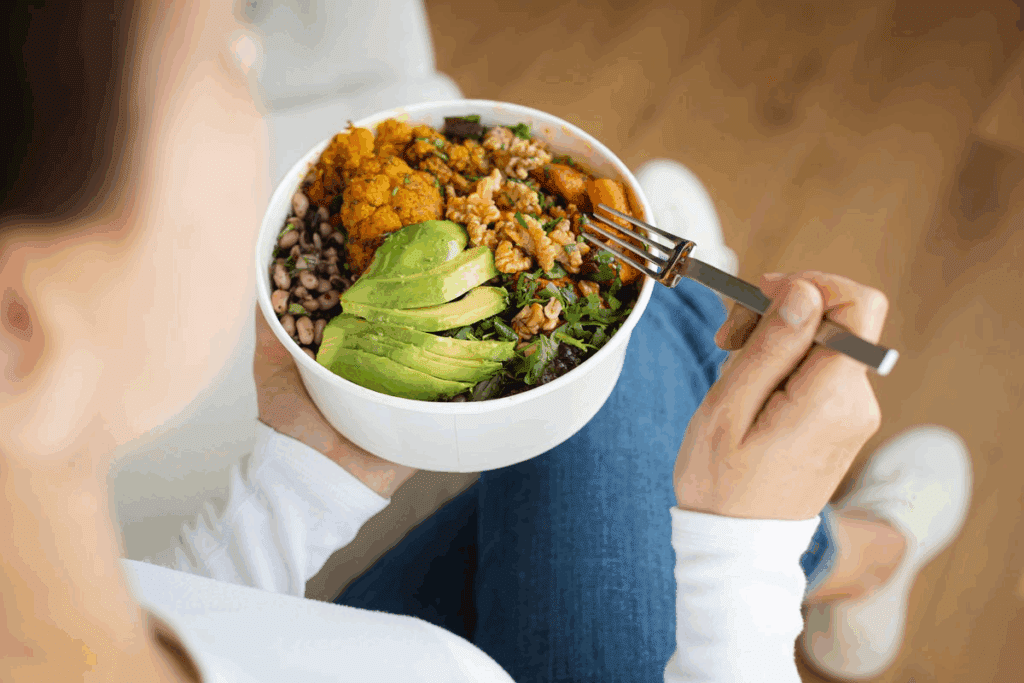
A successful gastric sleeve journey needs careful planning and sticking to a good diet before and after surgery.Get 7 essential steps for your post op sleeve diet. This guide covers pre- and post-surgery tips for your best success.
At Liv Hospital, we help our patients with key steps for a smooth recovery. Studies show that following pre- and post-operative dietary protocols lowers surgery risks and boosts weight loss.
Understanding the role of a pre- and post-surgery diet helps patients get ready for their journey.
Key Takeaways
- Following pre- and post-operative diets is key to successful weight loss.
- A well-planned diet before and after surgery lowers surgery risks.
- A gastric sleeve pre-surgery diet gets the body ready for surgery.
- A sleeve gastrectomy pre op diet is vital for a smooth recovery.
- Post-operative dietary care is important for long-term success.
Understanding Gastric Sleeve Surgery and Its Impact on Digestion

Sleeve gastrectomy is a surgery that helps with weight loss and changes digestion. It removes a big part of the stomach, leaving a narrow sleeve. Knowing how it affects digestion is key for those getting ready for it.
How Sleeve Gastrectomy Changes Your Stomach
The surgery makes the stomach much smaller. This changes how you eat and digest food. With a smaller stomach, you feel full faster and eat smaller meals. This helps cut down on calories.
It also removes the part of the stomach that makes ghrelin, a hunger hormone. This can lead to eating less.
After surgery, digestion changes. You need to choose your food wisely to stay healthy and avoid problems.
Why Dietary Compliance Determines Long-Term Success
Following a diet is key to success with gastric sleeve surgery. Sticking to the diet helps you lose weight and keep it off. The diet is made to meet your nutritional needs with your new stomach.
Those who stick to the diet tend to lose more weight and face fewer problems. Remember, these dietary changes are for life, not just after surgery.
Research on Diet Adherence and Weight Loss Outcomes
Many studies show that diet adherence is vital for weight loss after gastric sleeve surgery. Research shows that those who stick to the diet lose more weight and have fewer issues. A study found that those who followed the diet well lost more weight than those who didn’t.
Knowing how important diet adherence is can motivate you to make healthy lifestyle changes. It’s not just about the surgery. It’s about living a healthier life with a balanced diet and exercise.
The Importance of Pre-Surgery Diet for Reducing Surgical Risks
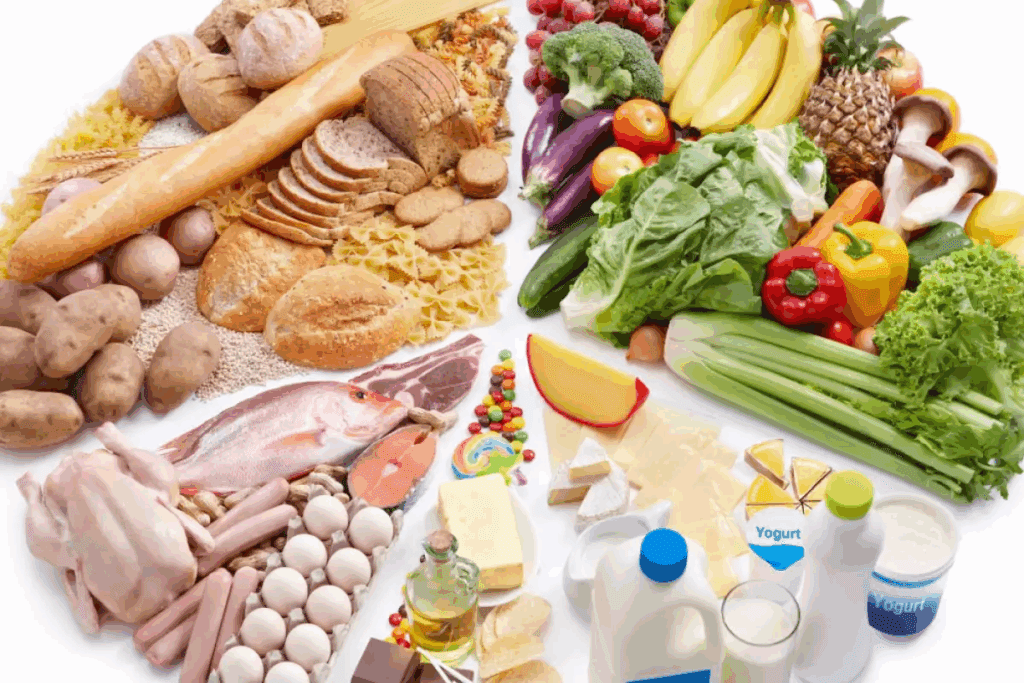
Changing your diet before surgery is key for those getting a gastric sleeve. A good diet gets your body ready and boosts surgery success.
Liver Shrinking Diet: Purpose and Benefits
The liver-shrinking diet is a big part of pre-surgery prep. It makes the liver smaller. This is important because it helps surgeons work better and more safely.
Key elements of the pre-surgery diet include:
- Avoiding refined carbohydrates and sugars
- Consuming at least 60 grams of protein per day
- Staying well-hydrated
Following these diet tips helps a lot with surgery success.
Reducing Surgical Complications Through Proper Preparation
Getting ready for surgery is very important. It helps avoid problems during and after surgery. A good diet makes your body ready.
“A well-planned pre-operative diet is essential for reducing surgical risks and ensuring a smooth recovery.”
Research shows that sticking to the diet leads to fewer problems and better weight loss.
| Pre-Surgery Diet Component | Benefit |
| Liver Shrinking Diet | Reduces liver size for a clearer operating field |
| High Protein Intake | Supports overall health and minimizes muscle loss |
| Hydration | Essential for overall bodily functions and recovery |
Mental Preparation for Post-Surgery Lifestyle Changes
Getting your mind ready for surgery is just as important as your body. Knowing what changes come after surgery helps mentally prepare you.
By working on both physical and mental prep, you’ll find it easier to adjust to your new life after surgery. This makes sure you get the most out of your gastric sleeve surgery.
Step 1: Starting Your Gastric Sleeve Pre-Surgery Diet
Getting ready for gastric sleeve surgery is more than just the surgery. It starts with your diet before surgery. A good gastric sleeve pre-surgery diet helps lower surgery risks and makes recovery smoother.
The 2-3 Week Timeline Before Surgery
We suggest starting your pre-VSG diet 2-3 weeks before surgery. This time is key for getting your body ready for the surgery and the lifestyle changes that follow.
Low-Calorie, High-Protein Nutritional Goals
Focus on low-calorie and high-protein foods during this time. Aim to shrink your liver and reduce stomach fat. This makes surgery safer and easier.
| Nutritional Element | Recommended Intake |
| Calories | 1,000 – 1,200 calories/day |
| Protein | 60 – 80 grams/day |
| Fat | Less than 30% of total calories |
Foods to Eliminate and Acceptable Alternatives
To meet your diet goals, know which foods to skip and what to eat instead. Avoid foods high in sugar, fat, and processed ingredients.
- Avoid: Sugary drinks, fried foods, processed snacks
- Choose: Lean proteins, vegetables, fruits, and whole grains
Sample Meal Plan for Pre-VSG Diet
Here’s a meal plan to help you follow your pre-VSG diet:
| Meal | Sample Foods |
| Breakfast | Greek yogurt with berries and almonds |
| Lunch | Grilled chicken breast with quinoa and steamed vegetables |
| Dinner | Baked salmon with brown rice and roasted vegetables |
| Snacks | Carrot sticks with hummus, protein shakes |
Step 2: Maximizing Protein Intake in Your Pre-Op Diet
In the weeks before your gastric sleeve surgery, eating enough protein is key. It helps keep your muscles strong, aids in healing, and keeps you healthy.
Meeting the 60g Daily Protein Requirement
We suggest eating at least 60 grams of protein each day. You can do this by adding protein-rich foods to your meals and snacks. Aim to include a source of protein in every meal to hit this goal.
High-protein foods include lean meats, fish, eggs, dairy, and plant-based options like beans and tofu. We’ll look at these in more detail below.
Best Lean Protein Sources for Liver Shrinking
Lean proteins are great for your pre-op diet because they’re low in fat but high in nutrients. Some top choices are:
- Chicken breast
- Turkey
- Fish (such as salmon and tilapia)
- Eggs
- Low-fat dairy products (like Greek yogurt and cottage cheese)
- Legumes (including lentils and chickpeas)
- Tofu and other soy products
Protein Supplements and Shakes Recommendations
Protein supplements and shakes can also help increase your protein intake. When picking a supplement, look for ones that are:
- Low in sugar and fat
- High in protein (at least 20 grams per serving)
- Made from reputable manufacturers
Recommended brands include Optimum Nutrition and Isopure. Always talk to your healthcare provider before adding new supplements.
Tracking Your Protein Consumption Effectively
To make sure you’re getting enough protein, tracking your intake is helpful. Use a food diary or apps like MyFitnessPal to log your protein. Here’s a simple table to help plan your protein:
| Meal | Food | Protein Content (g) |
| Breakfast | Greek yogurt with almonds | 20 |
| Lunch | Grilled chicken breast | 35 |
| Snack | Protein shake | 25 |
| Dinner | Baked salmon | 30 |
| Total | 110 |
By focusing on protein and tracking it, you can support your health and prepare for surgery.
Step 3: Transitioning to Liquid-Only Diet Before Surgery
In the days before your surgery, it’s key to eat only liquids. This diet helps lower risks and makes surgery smoother.
Final Week Preparation: Clear and Full Liquids
Before your gastric sleeve surgery, you’ll eat only liquids. Start with clear liquids like water and clear broths. Then, move to full liquids like protein shakes and milk.
“A liquid diet reduces risks by emptying your stomach and intestines.”
Maintaining Nutrition While on Liquids Only
It’s important to keep getting enough nutrients on a liquid diet. Drink high-protein liquids and electrolyte-rich drinks. Protein shakes are a good source of protein.
- Choose protein shakes with at least 15-20 grams of protein per serving.
- Opt for electrolyte-rich beverages to prevent dehydration.
- Consider adding clear broths to your diet for essential salts.
Hydration Strategies and Electrolyte Balance
Drinking enough water is key during this time. Drink at least 64 ounces a day. If your urine is pale yellow or clear, you’re hydrated. Electrolyte balance is also important; sports drinks or coconut water can help.
Managing Hunger During the Liquid Phase
It can be hard to manage hunger on a liquid diet. Try drinking slowly and sipping on protein shakes. Electrolyte-rich drinks can also help. Stay busy and avoid thinking about food.
By sticking to your liquid diet, you’ll be ready for your surgery. This diet is a big step towards a healthier life.
Step 4: The First 48 Hours After Surgery – 48 Hours
The first 48 hours after gastric sleeve surgery are key to a good recovery. We manage pain, prevent dehydration, and help the stomach heal.
Hospital Diet Guidelines Immediately Post-Surgery
Right after surgery, we follow a special diet to avoid problems and aid healing. The diet starts with clear liquids.
Clear Liquids are important in the first 48 hours because they’re gentle on the stomach. You can have water, clear broths, and drinks with lots of electrolytes, like sports drinks.
Acceptable Clear Liquids and Portion Sizes
It’s important to only have the recommended clear liquids and amounts. This helps avoid upsetting the stomach. You should sip on:
- Water
- Clear broth
- Electrolyte drinks
- Herbal tea (without caffeine)
Drink small amounts, about 1-2 ounces at a time. This helps prevent discomfort and other issues.
| Liquid | Recommended Amount |
| Water | 1 oz every 15-30 minutes |
| Clear Broth | 1-2 oz per hour |
| Electrolyte Drink | 1 oz every 30 minutes |
Sipping Techniques to Prevent Complications
To avoid nausea, vomiting, and dehydration, sip liquids slowly and carefully. Here’s how:
- Sip slowly, don’t gulp
- Don’t drink too much at once
- Use a straw to control the flow
Signs of Dehydration to Monitor
Dehydration is a serious issue that needs quick attention. Watch for signs like:
- Dark urine or less urine
- Dizziness or feeling lightheaded
- Feeling very thirsty
- Dry mouth
Step 5: Days 3-14 – The Post Op Sleeve Diet Full Liquids Phase
The full liquids phase is from days 3-14 after gastric sleeve surgery. It’s a key part of recovery. We add more substantial liquids to give essential nutrients and help the body heal.
Transitioning from Clear to Full Liquids
Switching from clear to full liquids must be done slowly. This avoids discomfort and complications. We start with thin, protein-rich liquids and move to thicker ones gradually.
Guidelines for Transition:
- Start with thin protein shakes and make them thicker over time.
- Add broths and clear soups.
- Include plain yogurt and smooth soups.
Protein Shake Guidelines and Recommendations
Protein shakes are key in the full liquid diet. They help with healing and keeping muscle mass. Choose shakes low in sugar and high in protein.
| Protein Shake Type | Protein Content | Sugar Content |
| Whey Protein | 20-30 grams | 0-5 grams |
| Casein Protein | 20-30 grams | 0-5 grams |
| Plant-Based Protein | 15-25 grams | 0-5 grams |
Incorporating Broths, Yogurts, and Smooth Soups
We also add broths, yogurts, and smooth soups to the diet. They add variety and ensure we get many nutrients.
Nutritional Benefits:
- Broths give essential electrolytes.
- Yogurts are good for gut health with probiotics.
- Smooth soups are rich in vitamins and minerals.
Vitamin and Mineral Supplementation
It’s important to get enough vitamins and minerals during the full liquids phase. Supplements can help fill any gaps.
Recommended Supplements:
- Multivitamin
- Calcium
- Vitamin D
- Vitamin B12
By following these guidelines and eating a variety of full liquids, we support our nutritional needs and recovery during this important time.
Step 6: Weeks 3-4 – Progressing to Pureed Foods
Starting pureed foods is a big step in our gastric sleeve diet from weeks 3-4. We focus on foods that are rich in nutrients and easy on our stomachs. Pureed foods help us move from liquid diets to thicker textures, aiding in our recovery and nutrition.
Appropriate Food Consistency and Preparation Methods
Pureed foods need to be smooth and creamy, without lumps. We can use blenders or food processors to make them. It’s key to cook foods until they’re soft before blending for a smooth texture.
We start with small amounts of food and add more as our stomach gets used to it. Adding broth or water helps get the right consistency.
High-Protein Pureed Food Options
High-protein foods are important for keeping muscle mass and health. Good choices include:
- Pureed chicken or turkey breast
- Blended fish with vegetables
- Pureed beans and legumes
- Protein-rich soups
We can also add protein shakes or pureed foods like Greek yogurt or cottage cheese to our diet.
Foods to Avoid During the Pureed Phase
It’s important to stay away from hard-to-digest foods during this phase. Avoid:
- High-fiber foods that can cause gas or bloating
- Spicy or acidic foods that may irritate the stomach
- Foods with seeds or tough textures that can be challenging to puree
Staying away from these foods helps avoid complications and makes the transition to solid foods smoother.
Portion Control and Eating Techniques
Controlling portions is key during the pureed phase. Eating small, frequent meals helps our stomach. It’s also important to eat slowly and enjoy our food, listening to our body’s hunger and fullness signals.
Using a baby spoon or a small spoon helps us eat at a slower pace and avoid overeating. Being mindful of how we eat helps us develop good habits for long-term weight loss and health.
Step 7: Weeks 5-8 – Soft Foods to Regular Textures
Weeks 5-8 are a big step in your post-op sleeve diet. You can now try soft foods and move to regular textures. It’s important to keep making progress and watch your body’s needs.
Introducing Soft, Moist Proteins and Vegetables
You can start adding soft, moist proteins like cooked chicken, fish, and eggs. Also, add well-cooked veggies. These should be tender and easy to chew. Make sure to cook veggies until they’re soft to avoid digestive problems.
Transitioning to Normal Food Textures
Switching to regular textures should happen slowly. Start with slightly firmer foods and watch how your body reacts. If you feel uncomfortable, slow down. Listening to your body and adjusting your diet is key to a smooth transition.
When Can I Eat Ice Cream After Gastric Sleeve?
Ice cream is hard after gastric sleeve surgery because of its sugar and fat. Content: It’s best to avoid high-calorie, high-sugar foods like ice cream until you’re fully transitioned, usually around 8 weeks. When you do eat ice cream, pick low-sugar options and eat it in small amounts.
Recognizing and Managing Food Intolerances
As you try new foods, watch for signs of intolerance like bloating or discomfort. If you notice these symptoms, find and avoid the problem food. Keeping a food diary helps track your tolerance and manage any issues.
By weeks 5-8, you’ll be enjoying a wider variety of foods and getting closer to eating normally. This time is about adjusting and learning, focusing on staying balanced and healthy.
Long-Term Nutrition Plan for Sustained Weight Loss
For lasting weight loss after gastric sleeve surgery, a good nutrition plan is key. It’s important to live a healthy lifestyle that supports your overall well-being.
Creating a Sustainable High-Protein, Low-Carb Lifestyle
To keep losing weight, focus on a high-protein, low-carb diet full of nutrients. Choose foods wisely to meet your nutritional needs and avoid high-calorie, high-carb foods.
Include lean protein sources like poultry, fish, and legumes in your diet. They provide essential protein, help you feel full, and support your health.
Lifelong Vitamin and Mineral Supplementation
After gastric sleeve surgery, you might need lifelong vitamin and mineral supplements to avoid deficiencies. Work with your healthcare provider to find the right supplements for you.
It’s important to check your nutritional levels regularly. This might include blood tests and talks with a dietitian or healthcare provider.
Preventing Weight Regain Through Mindful Eating
Mindful eating helps prevent weight gain after gastric sleeve surgery. Paying attention to your hunger and fullness can help you eat healthier and avoid overeating.
Try eating slowly, enjoying your food, and avoiding distractions while you eat. This can lead to a more balanced and sustainable eating habit.
Regular Nutritional Follow-ups and Assessments
Regular visits with your healthcare provider are key to tracking your progress and adjusting your nutrition plan as needed. These visits can catch any problems early and help you stay on track with your weight loss goals.
By sticking to a balanced diet, taking the right supplements, and practicing mindful eating, you can achieve lasting weight loss and better health.
Conclusion: Embracing Your New Relationship with Food
Gastric sleeve surgery is more than a surgery; it’s a start to a new life. Learning to eat differently is key to losing weight and staying healthy. This change is vital for long-term success.
We’ve talked about the importance of a good diet before surgery and the steps after. These steps help make recovery easier and set you up for success in the long run.
For the best results, eat a lot of protein and keep your diet balanced. It’s important to stick to your diet plan and go to follow-up appointments. Also, don’t hesitate to ask for help when you need it.
This approach not only helps you lose weight but also improves your overall health and happiness. It’s a big step towards a better life after surgery.
FAQ
What is the purpose of the pre-surgery diet for gastric sleeve surgery?
The pre-surgery diet helps shrink the liver. This makes surgery safer and easier. It also prepares patients for diet changes after surgery.
How long before surgery should I start the pre-surgery diet?
Start the diet 2-3 weeks before surgery. This gives your body time to adjust.
What foods should I avoid during the pre-surgery diet?
Avoid foods high in sugar, fat, and calories. Also, skip foods that are hard to digest.
How much protein should I consume during the pre-op diet?
Aim for at least 60g of protein daily. This supports liver shrinking and health.
What is the liquid-only diet before surgery, and why is it necessary?
The liquid-only diet is followed in the last week before surgery. It reduces risks during and after surgery.
What are acceptable clear liquids during the post-op sleeve diet?
Clear liquids like water, clear broths, and sports drinks are okay.
When can I progress to full liquids after gastric sleeve surgery?
Move to full liquids 2-3 days after surgery. Wait until you can handle clear liquids without trouble.
How do I manage hunger during the liquid phase of the post-op sleeve diet?
Stay hydrated and drink electrolyte-rich beverages. Sip clear liquids slowly to manage hunger.
When can I eat ice cream after gastric sleeve surgery?
Avoid ice cream and high-sugar, high-fat foods for weeks after surgery. Timing depends on your progress and tolerance.
What is the importance of vitamin and mineral supplementation after gastric sleeve surgery?
Vitamin and mineral supplements are key to preventing deficiencies and maintaining health after surgery.
How do I transition to pureed foods after gastric sleeve surgery?
Start pureed foods 2-4 weeks after surgery. Foods should be smooth and blended.
What are some high-protein pureed food options?
Choose blended lean meats, fish, eggs, and dairy. Protein shakes are also good options.
How do I prevent weight regain after gastric sleeve surgery?
Stay committed to a healthy, high-protein, low-carb diet. Regular check-ups with your healthcare provider are also important.
Reference:
Dagan, S. S., Goldenshluger, A., Globus, I., Schweiger, C., Kessler, Y., Sandbank, G., & Goitein, D. (2017). Nutritional recommendations for adult bariatric surgery patients: Clinical practice. Frontiers in Endocrinology.https://pmc.ncbi.nlm.nih.gov/articles/PMC5347111/