

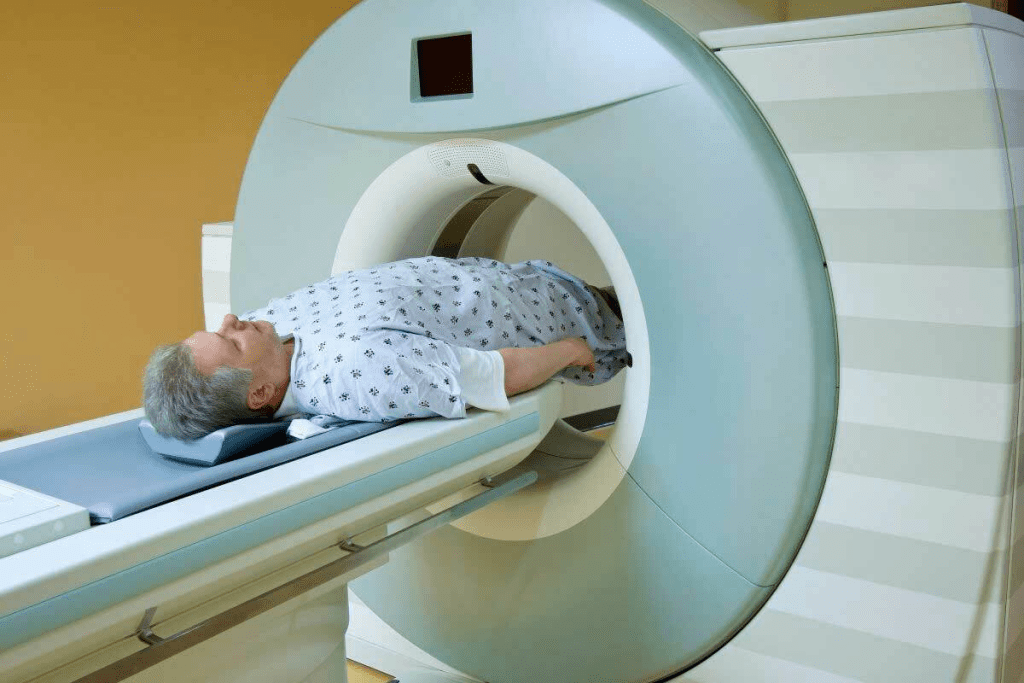
After a PET scan, it is important to follow certain safety measures for both yourself and those around you. The procedure uses a mildly radioactive tracer, which remains in your body for a short period and requires specific post PET scan precautions. According to Cancer Research UK, patients should avoid close contact with pregnant women, babies, and young children for at least six hours after the scan to limit radiation exposure. It’s also recommended to drink plenty of water to help flush the radioactive tracer from your system more quickly. At Liv Hospital, we emphasize these guidelines as they are vital for ensuring patient safety and public health. We also remind patients that if sedation was used during the procedure, they should not drive, operate heavy machinery, or make legally binding decisions for the next 24 hours. Following these post PET scan precautions helps protect loved ones while allowing patients to recover safely and comfortably.
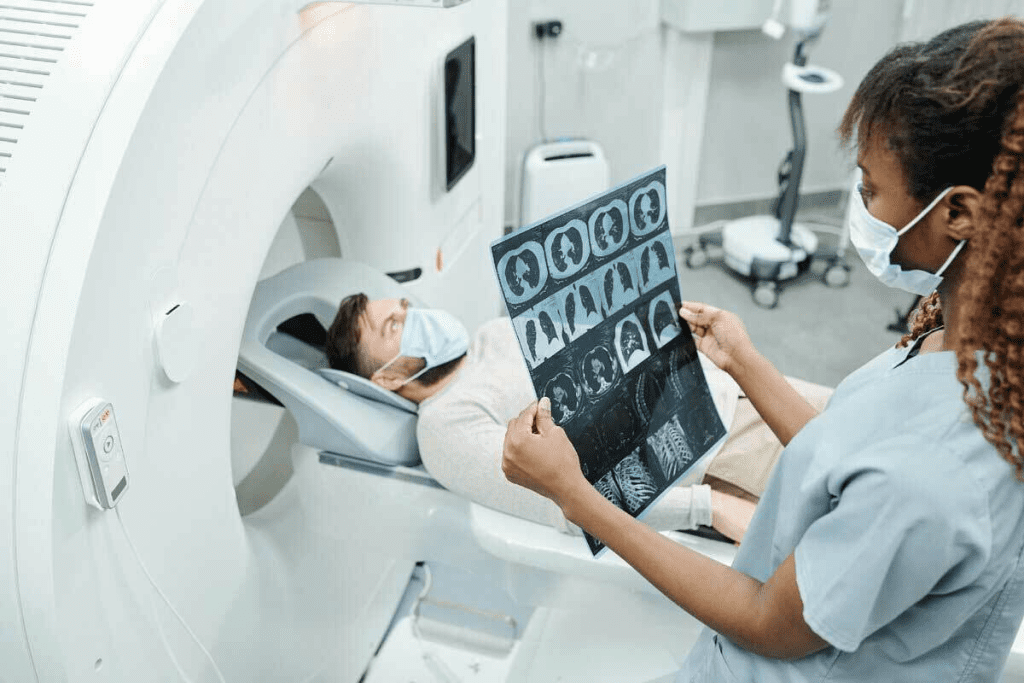
PET scans use radioactive tracers, making aftercare key to the process. A PET scan helps doctors find and manage health issues like cancer and brain disorders.
PET scans detect energy from a radioactive tracer injected into the body. This tracer goes to areas with lots of activity, like tumors. The PET scanner then picks up signals from the tracer, showing detailed images of the body’s inside.
Radioactive tracers, like Fluorodeoxyglucose (FDG), are vital in PET scans. They are taken up by cells, mainly those that use a lot of glucose. This helps spot problems, like cancer.
The tracers in PET scans have a short half-life, usually under two hours. This means the radiation goes away fast, reducing exposure. But, it’s important to follow aftercare to get rid of any leftover radiation safely.
Some important aftercare steps include:
Knowing how PET scans work and the need for aftercare helps patients stay safe and recover well.
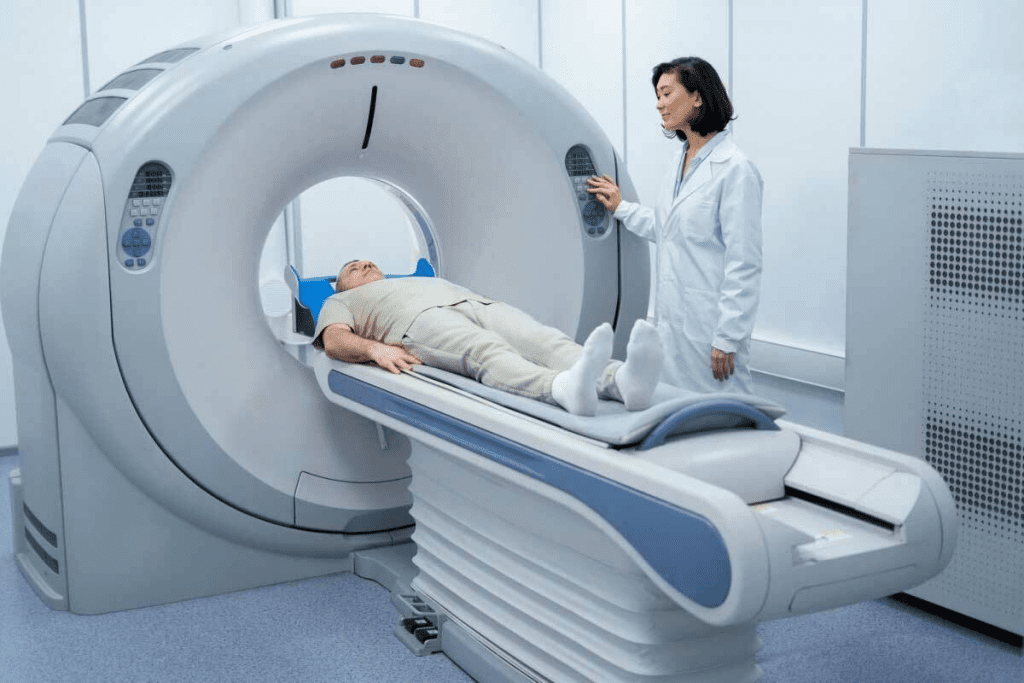
To keep you safe and help you recover well, there are important precautions after a PET scan. These steps are to lower risks and ensure a healthy outcome.
It’s best to stay away from pregnant women and young kids for a few hours after a PET scan. Doctors usually say up to 8 hours. This keeps them safe from the radioactive tracer.
Drinking lots of water is key after a PET scan. It helps get rid of the radioactive tracer from your body. Drink more water for at least 24 hours after the scan.
Don’t do hard activities or exercise for a while after the scan. This lets your body heal and avoids side effects. How long you need to rest depends on your health and the scan type.
Some people might have reactions to the PET scan, like allergies to the tracer. Watch your health after the scan and tell your doctor if you notice anything odd. This helps catch and treat any problems early.
By taking these PET scan precautions after, you can lower risks and help the scan work well.
After a PET scan, staying hydrated is key. It helps your body get rid of the radioactive tracer. Drinking water reduces side effects.
Drinking lots of water after a PET scan helps get rid of the radioactive tracer faster. The tracer used in PET scans breaks down quickly. But, drinking water makes sure it leaves your body quickly too.
Experts say to drink at least 6-8 glasses of water in 24 hours after a PET scan. This ensures the tracer is removed from your body well.
| Time Frame | Recommended Fluid Intake |
| First 6 hours | Drink at least 2-3 glasses of water |
| Next 18 hours | Continue to drink 4-5 glasses of water |
Clear or pale yellow urine means you’re drinking enough water. Dark yellow urine or feeling dizzy or dry mouth means you need more water.
By staying hydrated after a PET scan, you help your body recover well. This also reduces risks from the scan.
After a PET scan, it’s key to know about social distancing. This helps keep others safe from radiation. People like pregnant women and young kids are extra vulnerable.
Stay away from young kids and pregnant women for at least 8 hours after your scan.
Keeping a safe distance from others is important. The exact distance depends on the tracer’s dose. But, it’s best to keep a good distance from those who might be more affected by radiation.
Household members need to be careful, too. If they’re pregnant or under 18, keep them away. Sleeping in separate rooms and avoiding close contact for a few hours helps a lot. These steps protect them and follow the scan’s aftercare rules.
By following these social distancing tips, you can greatly lower the risk of radiation exposure. This makes a safer space for everyone around you.
Patients who get sedation during a PET scan need to be careful after the procedure. Sedation helps them relax, which is important if they can’t stay calm. This section will cover the steps to stay safe if you’ve had sedation.
First, make sure you have a safe way home. Don’t drive yourself if you’ve had sedation because you might be too sleepy. A trusted adult should drive you home.
Don’t drive or use heavy machinery for at least 24 hours after sedation. Sedation can make you slower to react and less able to make good decisions. Wait until the sedation is gone before you start driving again.
Be careful about any medicines you take after sedation. Always follow what your doctor says about taking medicine. If you notice any strange side effects, call your doctor right away.
By taking these steps, you can stay safe after a PET scan with sedation. Always talk to a doctor if you have any worries or questions about what to do after sedation.
After a PET scan, knowing about side effects is key. PET scans are mostly safe, but radioactive tracers can cause reactions.
Most people do fine with PET scans. But some might feel mild discomfort at the injection site, fatigue, or headaches. Drinking plenty of water and following care tips can help.
Some might have an allergic reaction to the tracer. Look out for rash, itching, difficulty breathing, or swelling. If you see these signs, get help fast.
If you feel off after your scan, know when to call your doctor. Contact them for severe pain, persistent vomiting, or allergy signs. They can help with side effects and keep you safe.
Being aware and careful can help you deal with side effects. This way, you can recover well after your PET scan.
Knowing when to go back to normal activities after a PET scan is key for safety. After a PET scan, patients want to get back to their usual life. But, it’s important to follow certain rules to stay safe and avoid risks.
In the first 6-8 hours after the PET scan, patients need to be careful. Here’s what to do:
In the 24 hours after, you can start doing more things but be careful. Important things to remember are:
| Activity | Guideline |
| Driving | Wait until you’re fully awake and alert before driving. |
| Exercise | Don’t do hard exercise; start with light activities when you can. |
| Work | Go back to work when your doctor says it’s okay, thinking about how hard your job is. |
When you start going back to work and exercise, listen to your body.
By sticking to these guidelines, patients can safely get back to their daily activities after a PET scan. This helps avoid risks and makes recovery smoother.
PET scans have many benefits that make the precautions needed worth it. These benefits are key in diagnosing and treating different health issues.
PET scans are known for their diagnostic precision and early detection of problems. This is very important in cancer treatment, where catching it early can greatly improve results.
PET scans can look at metabolic activity in the body. This gives important information about how organs and tissues work.
The info from PET scans is key in planning treatment. It helps doctors create treatment plans that fit each patient’s needs.
The benefits of PET scans, like their precision and metabolic activity assessment, make the precautions needed worth it. Understanding these benefits helps patients see the value of PET scans in their care.
PET scans are a key tool for doctors, but they come with risks. One major concern is radiation exposure. These scans use tiny amounts of radioactive tracers to help diagnose and treat health issues.
The radiation from a PET scan is usually low. But, the dose can change based on the procedure and the tracer amount used.
Effective Dose is a way to measure the radiation from a PET scan. It depends on the tracer dose and how sensitive the organs are.
To understand PET scan radiation better, compare it to daily sources. We get radiation from space, radon in our homes, and even some foods.
| Source | Effective Dose (mSv) |
| PET Scan (Typical) | 7-10 |
| Cosmic Radiation (1 year) | 0.3-1.0 |
| Chest X-ray | 0.1 |
Research is ongoing to understand PET scan safety over time. We know the immediate risks, but long-term effects are less clear.
It’s reassuring to note that PET scans help diagnose and manage serious conditions. For most patients, the benefits outweigh the risks.
Knowing the risks of PET scans, like radiation, is key to informed healthcare choices. By comparing these risks to daily sources and looking at long-term safety, patients can see the value of PET scans in their care.
Patients with certain health issues or on specific meds need special care after a PET scan. This ensures their safety and the scan’s accuracy.
Diabetic patients should stick to their usual diabetes care after a PET scan, unless told differently by their doctor. Keeping an eye on blood sugar levels is key, as fasting for scans can impact them.
Those with kidney problems should be careful. Their kidneys might struggle to clear the PET scan’s tracer. Drinking plenty of water is important to help flush it out, and they should follow their doctor’s advice on fluids.
Some meds can affect the PET scan or the tracer. It’s important for patients to tell their doctor about all meds, including over-the-counter ones and supplements. This way, they can get advice on any needed changes.
Elderly patients might need extra help after a PET scan, like if they live alone or have trouble moving. Having someone to go home with them and stay for a few hours can be really helpful.
After a PET scan, it’s key to follow the aftercare instructions. This ensures your safety and gets the most out of the scan. Proper hydration, keeping a safe distance from others, and watching for side effects are important steps.
Following these steps helps reduce risks and makes sure the scan results are right. Your healthcare provider might have extra advice based on your health and history. Always listen to their specific instructions.
In short, taking care of yourself after a PET scan is vital. By focusing on your safety and following the right precautions, you’ll get the best results from your scan.
After a PET scan, avoid close contact with pregnant women, kids, and those with weak immune systems. Drink lots of water to get rid of the radioactive tracer from your body.
Keep a safe distance from vulnerable people for at least 24 hours after the scan.
Clear or pale yellow urine and regular urination are signs you’re hydrated. Drink 8-10 glasses of water in 24 hours after the scan.
No, don’t drive or use heavy machinery if you got sedation. Have someone drive you home and avoid using machinery for 24 hours.
You might feel mild discomfort at the injection site. Rarely, you could have an allergic reaction like hives or trouble breathing. If you have unusual symptoms, call your doctor.
You can usually go back to normal activities in 24 hours. But, avoid hard exercise and heavy lifting for 24 hours.
PET scans use radiation, but it’s generally safe compared to other imaging tests. The benefits of a PET scan are often worth the risks for diagnosis.
Yes, if you have diabetes or kidney issues, you need extra care. Tell your doctor about your condition to get proper instructions.
PET scans are precise, can find problems early, and show metabolic activity. They’re great for planning treatment and tracking disease.
Drinking water helps remove the radioactive tracer from your body. This reduces risk to others and lessens side effects.
Elderly patients need extra care after a PET scan, due to health issues or medications. Talk to your doctor for personalized aftercare advice.
