Last Updated on November 27, 2025 by Bilal Hasdemir
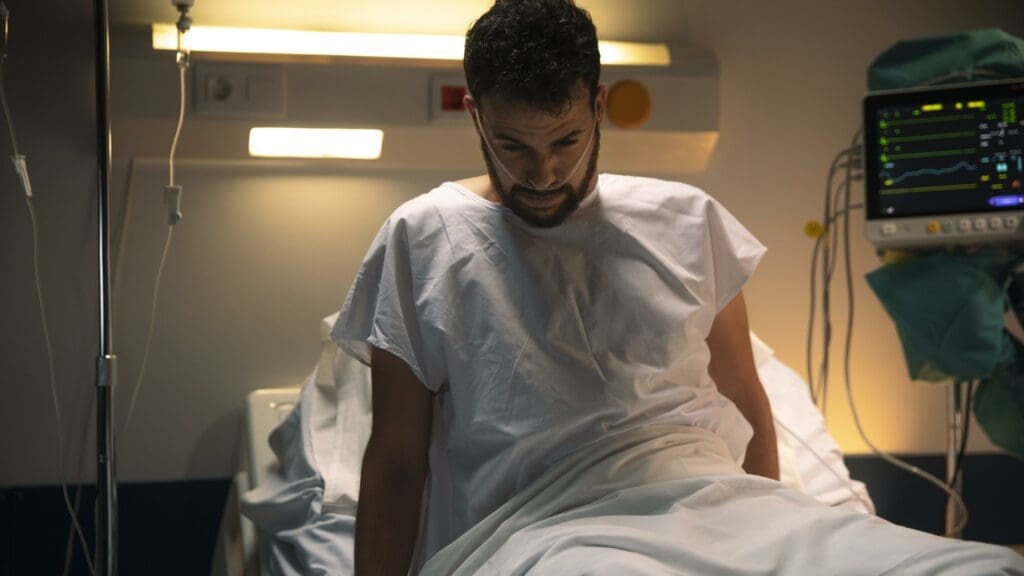
Having prostate cancer surgery is a big worry for many. At Liv Hospital, we know how important it is to give each patient the care they need. We guide them every step of the way through their recovery journey.
The time it takes to recover depends on the surgery type. We give our patients the key facts about recovery times, possible side effects, and healing milestones. This way, they get the best care possible.
We want to make sure our patients know they’re in good hands. We give them all the details about what to expect after prostate surgery.
Key Takeaways
- Understanding the average recovery time for different types of prostatectomy surgeries.
- The importance of individualized recovery protocols for optimal healing.
- Insights into possible complications and post-surgery care.
- Practical milestones to track progress during the recovery journey.
- The role of complete support in the recovery process.
Understanding Different Types of Prostate Surgery and Their Recovery Timelines

It’s important for patients to know about the different prostate surgery methods. The type of surgery affects how long it takes to recover. We’ll look at the different surgeries and what patients can expect.
Robotic-Assisted Prostatectomy: 2-3 Week Recovery
Robotic-assisted prostatectomy is a less invasive surgery. It has smaller cuts, less blood loss, and fewer risks. Advantages of Minimally Invasive Techniques include:
- Less post-operative pain
- Shorter hospital stays
- Quicker return to normal activities
Typical Milestones in Recovery
Patients usually see big improvements in 2-3 weeks. For more info, visit UC Davis Health’s Robotic Surgery FAQs.
Open Prostatectomy: Up to 8 Weeks for Full Recovery
Open prostatectomy needs a bigger cut and is more invasive. It’s used for more complex cases.
Why Recovery Takes Longer
The bigger cut and more tissue damage mean a longer recovery. Patients need time to get back to normal.
Managing Extended Recovery Expectations
Patients should have realistic hopes and follow care instructions well. This helps avoid complications.
Laparoscopic Prostatectomy: Middle-Ground Recovery
Laparoscopic prostatectomy is between robotic and open surgeries in recovery time. It uses small cuts for instruments.
Knowing about the different prostate surgeries and their recovery times helps patients prepare. It lets them make better choices for their care.
The Immediate Post-Operative Period: Hospital Stay and Early Recovery
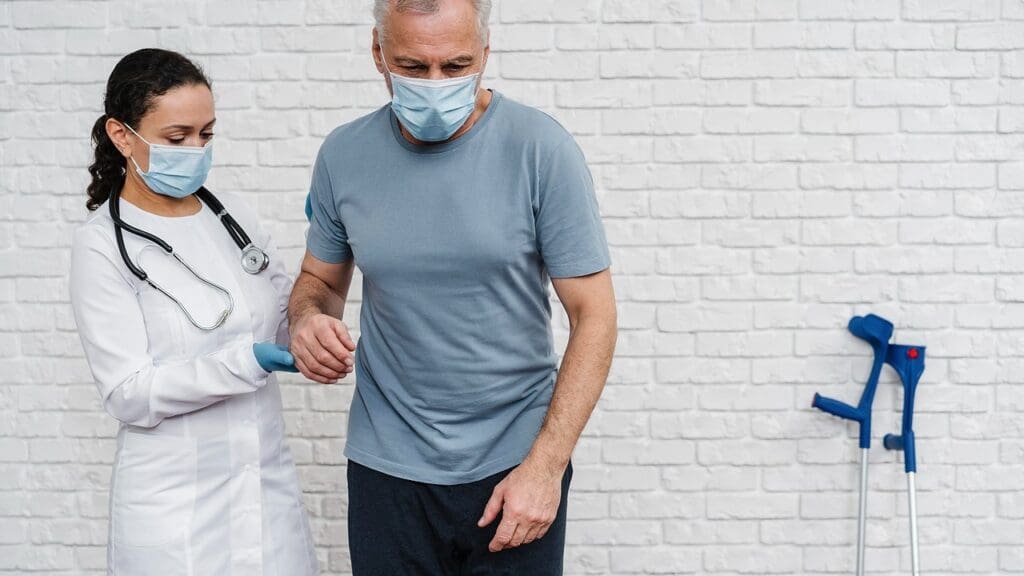
Knowing what to expect right after prostate surgery is key to a smooth recovery. The time right after surgery is critical for healing and getting back to normal.
Same-Day Discharge vs. Two-Night Hospital Stays
The time you spend in the hospital after prostate surgery can differ a lot. Some might go home the same day, while others need to stay for two nights. This depends on the surgery type and your health.
What Determines Your Length of Stay
Several things decide if you can go home right away or need to stay longer. These include your health, the surgery’s complexity, and how quickly you recover.
| Factor | Same-Day Discharge | Two-Night Stay |
|---|---|---|
| Surgery Type | Robotic-assisted prostatectomy | Open prostatectomy |
| Patient Health | Generally healthy | Pre-existing conditions |
| Recovery Progress | Stable vital signs | Requires close monitoring |
Pain Management Protocols After Surgery
Managing pain well after prostate surgery is very important. We use a mix of medicines and other methods to help you feel less pain and recover better.
Initial Mobility Guidelines and Activity Restrictions
It’s important to balance rest with gentle movement after surgery. We give you initial mobility guidelines and activity restrictions to help you recover smoothly.
Living With a Urinary Catheter During Post Prostatectomy Recovery
Urinary catheters are key in the healing process after prostate surgery. They can be a new and uncomfortable experience for many. We get that.
Why Catheters Are Necessary for 1-2 Weeks
A urinary catheter is needed for 1-2 weeks after surgery. It helps the urethra heal, avoiding leaks or blockages. We make sure the catheter is secure and managed well for a smooth recovery.
Catheter Care and Management at Home
Keeping the catheter clean is vital to avoid infections and stay comfortable. We tell patients to wash the catheter and the area it enters with soap and water gently. This is part of a strict hygiene routine.
Preventing Infections and Complications
To lower infection risks, we suggest:
- Drink lots of fluids to clean the urinary system
- Avoid heavy lifting or bending to prevent catheter strain
- Watch for infection signs like fever, chills, or unusual discharge
By sticking to these tips, patients can greatly reduce complication risks.
Preparing for Catheter Removal
After 1-2 weeks, the catheter is removed in a simple visit. We explain what to expect and guide on care after removal. This includes exercises to help regain bladder control.
We’re dedicated to helping our patients through their recovery. We ensure they have the info and care needed to manage their catheter well.
Managing Urinary Function After Catheter Removal
Removing the urinary catheter after prostate surgery is a big step in recovery. Many patients struggle with managing their urine after this. We’ll help you understand how long it takes to get better, the role of pelvic floor exercises, and how to handle incontinence.
Timeline for Regaining Continence
It can take weeks or months to get back to normal. Everyone recovers at their own pace. It’s normal to leak a bit, at least in the first weeks.
What’s Normal vs. When to Be Concerned
Some incontinence is okay, but too much or lasting too long is not. If you leak a lot for more than a few months, see your doctor.
Pelvic Floor Exercises for Improved Control
Kegel exercises are key to getting better bladder control. Doing them regularly can really help.
- Start with short contractions and gradually increase duration.
- Practice regularly, ideally 3 sets a day.
- Combine with other exercises like squats and lunges for overall pelvic floor strength.
Incontinence Products and Management Strategies
There are many products to help with incontinence, like absorbent pads and adult diapers. Choosing the right one depends on how bad the incontinence is and what you prefer. Talk to a healthcare professional to find the best option for you.
Knowing the recovery timeline, doing pelvic floor exercises, and using the right products can help you manage your urine after catheter removal. This way, you can regain confidence in your daily life.
Sexual Function and Intimacy After Prostate Removal
Removing the prostate gland can affect a man’s sex life. We’re here to help you understand this. Prostatectomy is a lifesaving surgery but can change sex life. How much it changes varies from person to person.
Realistic Expectations for Sexual Recovery
Recovering from prostatectomy surgery depends on many things. This includes the surgery type and your health. Nerve-sparing procedures can lead to better sex function. It’s important to have realistic hopes and know recovery times vary.
Nerve-Sparing vs. Standard Procedures
Nerve-sparing prostatectomy tries to keep nerves around the prostate. These nerves are key for sex. Studies show nerve-sparing patients often have better sex recovery than those with standard procedures.
Treatment Options for Erectile Dysfunction
If you have erectile dysfunction after prostatectomy, there are treatments. These include medicines, vacuum devices, and implants. Our team will help find the best treatment for you.
Communication With Your Partner During Recovery
Talking openly with your partner is key during recovery. Sharing your feelings and hopes can strengthen your bond. We offer support to help you and your partner through this time.
Returning to Work and Daily Activities Post Prostatectomy
After prostate surgery, getting back to daily life and work is a big step. The time it takes varies based on the surgery type and the patient’s health.
Timeline Based on Surgery Type (2-6 Weeks)
The recovery time for prostate surgery can be 2 to 6 weeks. This depends on whether it was robotic-assisted, laparoscopic, or open surgery. Patients who had robotic-assisted surgery usually recover faster than those with open surgery.
Desk Jobs vs. Physical Labor Considerations
People with desk jobs might go back to work in 2-3 weeks if they’re recovering well. But, those with jobs that require a lot of physical effort might need 4-6 weeks. It’s best to talk to your doctor about your job to figure out when you can go back.
Driving Restrictions After Surgery
It’s not safe to drive right after prostate surgery. You should wait until you’re off pain meds and can move and react quickly, usually in 1-2 weeks. Always check with your doctor for specific advice.
Gradual Resumption of Household Responsibilities
Start doing light household tasks as you feel comfortable. Start with easy tasks and then do harder ones. This helps you avoid pushing yourself too hard.
Knowing the recovery time and following your doctor’s advice helps you safely get back to work and daily life. This makes your recovery smoother and more effective.
Physical Exercise and Fitness During Recovery
Physical activity is key in the recovery journey. It helps patients regain strength and vitality after prostate surgery. We’ll guide you on when to start different exercises and how to create a progressive routine.
When It’s Safe to Resume Different Types of Exercise
The time to start exercising varies. It depends on the surgery type and how fast you recover. Usually, patients can walk a few days to a week after surgery. But, more intense exercises like weightlifting or high-impact aerobics may wait a few weeks.
Recommended Activities and Those to Avoid
Start with low-impact exercises early on. Walking is great for blood circulation and avoiding complications. Other good options include gentle stretching and yoga. Avoid heavy lifting, bending, and high-impact exercises that can harm the pelvic area.
Walking and Low-Impact Exercise Benefits
- Improves circulation and reduces the risk of blood clots
- Enhances overall physical and mental well-being
- Supports the healing process by promoting gentle movement
Building a Progressive Exercise Routine
Begin with short, easy sessions and slowly increase them. Always listen to your body and don’t rush. Talk to your healthcare provider to create a routine that fits your recovery needs.
Nutrition and Dietary Considerations for Optimal Healing
Nutrition plays a big role in healing after prostate surgery. It affects how well you recover and how well you can urinate. Eating a balanced diet with all the right nutrients helps your body heal. Drinking enough water is also key for keeping your urinary system healthy.
Foods That Support Recovery and Reduce Inflammation
Eating foods that fight inflammation can help you heal faster. These foods include:
- Fatty Fish: They have omega-3 fatty acids, which are good for reducing swelling.
- Berries: They are full of antioxidants that fight off stress in your body.
- Nuts and Seeds: They are rich in healthy fats and antioxidants.
- Leafy Greens: They are packed with vitamins and minerals that boost your health.
Hydration and Its Impact on Urinary Function
Drinking enough water is very important after surgery. It helps keep your urinary system clean and lowers the chance of infections.
Managing Common Digestive Issues After Surgery
Some people might have trouble with their digestion after prostate surgery. Changing what you eat can help make these problems better.
Dealing with Constipation and Dietary Adjustments
Eating more fiber can help with constipation. Foods like whole grains, fruits, and veggies are great for this. Also, drinking plenty of water helps soften your stool and keeps your bowel movements regular.
| Food Group | Examples | Benefits |
|---|---|---|
| Fruits | Berries, citrus fruits | High in vitamins and antioxidants |
| Vegetables | Leafy greens, broccoli | Rich in fiber and essential nutrients |
| Proteins | Lean meats, fish | Supports healing and overall health |
Individualized Recovery Protocols and Follow-Up Care
Every patient’s journey after prostate surgery is unique. At Liv Hospital, we tailor our care to meet each patient’s needs. This ensures the best possible outcomes for everyone.
PSA Testing Schedule After Prostatectomy
Prostate-Specific Antigen (PSA) testing is key in follow-up care after prostate surgery. We suggest a PSA testing schedule to watch for recurrence signs. PSA levels are checked every 3-6 months for the first few years, then annually. This can change based on individual risk factors and surgery specifics.
Signs of Possible Complications to Watch For
Most patients recover well, but it’s important to know about possible complications. Look out for increasing pain, fever, or urinary difficulties. If you notice these symptoms, contact your healthcare provider right away. Early action can greatly improve your outcome.
Liv Hospital’s Approach to Post-Surgical Care
At Liv Hospital, we’re dedicated to top-notch post-surgical care. Our team creates individualized recovery protocols for each patient. We focus on both medical care and overall well-being.
International Standards and 5-Star Healthcare Tourism
Liv Hospital is known for its international standards in healthcare. Our facilities and services cater to patients worldwide, providing a 5-star experience in healthcare tourism. We’re committed to exceptional service and outcomes from the start to follow-up care.
Conclusion: Embracing Your Recovery Journey After Prostate Surgery
Recovering from prostate surgery is a journey that’s different for everyone. It needs patience, understanding, and support. We’ve talked about the types of surgery, managing urine issues, and getting back to sexual health.
Recovery times vary, with some getting back to normal in 3 to 5 weeks. But, full recovery might take longer. It’s important to know the challenges, like dealing with a catheter, getting back to normal with urine, and overcoming erectile issues.
Following your doctor’s advice and using support systems helps a lot. We suggest staying informed, following your recovery plan, and asking for help when you need it. This way, you can make your recovery smoother.
FAQ
What is the typical recovery time for prostate surgery?
Recovery time depends on the surgery type. Robotic-assisted prostatectomy takes 2-3 weeks. Open prostatectomy can take up to 8 weeks.
How long will I need to stay in the hospital after prostate surgery?
Stay in the hospital varies. It can be same-day discharge or a two-night stay, based on surgery type and individual factors.
What pain management strategies are used after prostate surgery?
We use many pain management methods. This includes medication and other strategies tailored to each patient’s needs.
How do I care for my urinary catheter at home?
We guide you on catheter care at home. This includes hygiene and watching for issues to ensure a smooth recovery.
When can I expect to regain urinary continence after catheter removal?
Regaining continence varies. Most patients see big improvements a few weeks to months after catheter removal. Pelvic floor exercises help.
What are the realistic expectations for sexual recovery after prostate removal?
Sexual recovery takes time. Nerve-sparing procedures can help. We discuss erectile dysfunction treatment and the importance of talking with your partner.
When can I return to work and daily activities after prostate surgery?
Return to work and daily activities varies. It depends on surgery type and job requirements, usually 2-6 weeks.
What types of exercise are recommended during recovery, and when can I start?
Start with low-impact exercises like walking. We guide on when to start different exercises and what to avoid during recovery.
How does nutrition impact the recovery process after prostate surgery?
A balanced diet supports healing and health. We offer dietary advice and tips for managing digestive issues during recovery.
What follow-up care is necessary after prostatectomy?
Follow-up care is key. This includes PSA testing and monitoring for complications. We ensure individualized care and follow international standards.
How long does it take to recover from prostate removal surgery?
Recovery from prostate removal surgery varies. Most patients return to normal activities in a few weeks to months.
What can I expect during the recovery from prostate cancer surgery?
Recovery from prostate cancer surgery includes discomfort, urinary incontinence, and sexual function changes. Our team helps manage these effects.
References
- Cancer Research UK : https://www.cancerresearchuk.org/about-cancer/prostate-cancer/treatment/surgery/after-surgery
- UC Davis Health (Prostatectomy FAQs) : https://health.ucdavis.edu/urology/specialties/robotic_surgery/prostatectomy_FAQs.html
- MyHealth.Alberta.ca : https://myhealth.alberta.ca/Health/aftercareinformation/pages/conditions.aspx?hwid=ud2576
- Mount Sinai : https://www.mountsinai.org/care/urology/services/robotic-surgery/da-vinci/after-surgery
- UC Davis Health (Prostate Cancer Surgery Recovery) : https://health.ucdavis.edu/urology/specialties/male_infertility_and_sexual_dysfunction/Male-Reproductive-Sexual-Health/prostate_cancer_surgery_recovery.html