Last Updated on November 4, 2025 by mcelik
Did you know that nearly 80% of patients experience some discomfort after herniated disc surgery? This highlights how common postoperative pain after herniated disc surgery can be. At our institution, we understand that surgery can be intimidating, and many patients worry about what recovery will feel like.
We aim to help you understand what to expect during healing. Effective pain management strategies are crucial for a smooth recovery. In this article, we’ll discuss typical levels of postoperative pain after herniated disc surgery and share tips for achieving relief and improving comfort.
Key Takeaways
- Understanding the typical pain levels after herniated disc surgery.
- Exploring effective pain management strategies.
- Learning tips for a smooth and comfortable recovery.
- Discovering the role of physical therapy in post-surgical care.
- The importance of lifestyle changes in managing post-surgical discomfort.
Understanding Herniated Disc Surgery
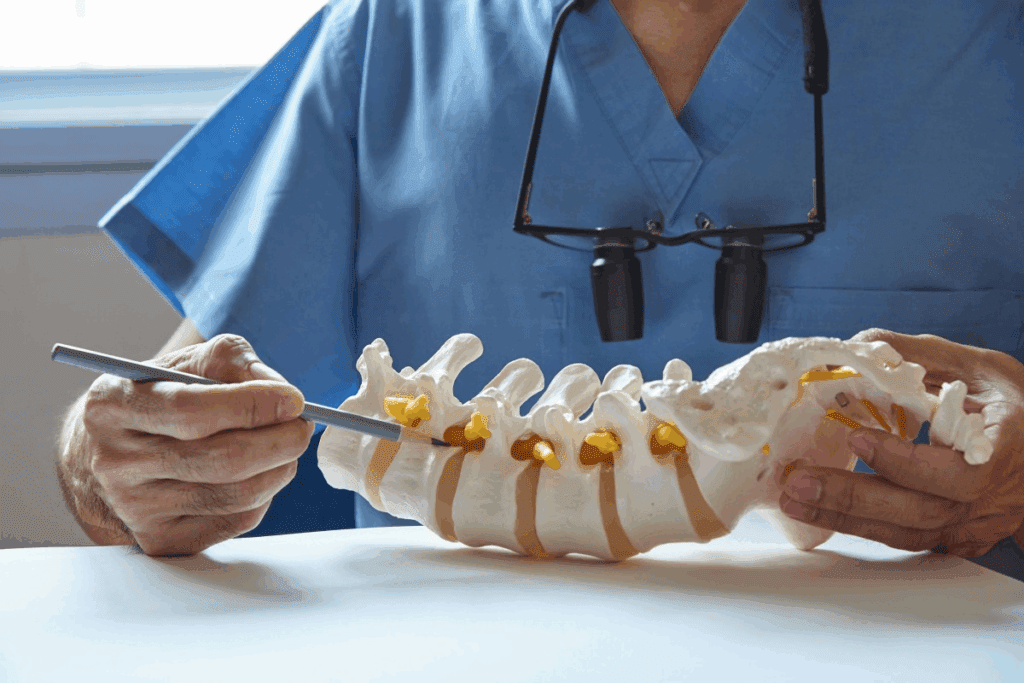
Herniated disc surgery, also known as microdiscectomy in some cases, is done to ease pressure on spinal nerves. This is due to a herniated disc. We will look into the different parts of this surgery to help patients know what to expect.
Common Types of Herniated Disc Procedures
There are several ways to treat a herniated disc surgically. The most common are microdiscectomy, a minimally invasive method, and open discectomy, a more traditional one.
- Microdiscectomy: This involves removing the herniated part of the disc through a small cut.
- Open Discectomy: This requires a bigger cut to access and remove the herniated disc material.
What Happens During Surgery
During herniated disc surgery, the surgeon makes a cut in the back to get to the affected disc. The surgeon then removes the herniated material to ease pressure on the spinal nerves. The details can change based on whether a microdiscectomy or open discectomy is done.
Why Pain Occurs After Surgery
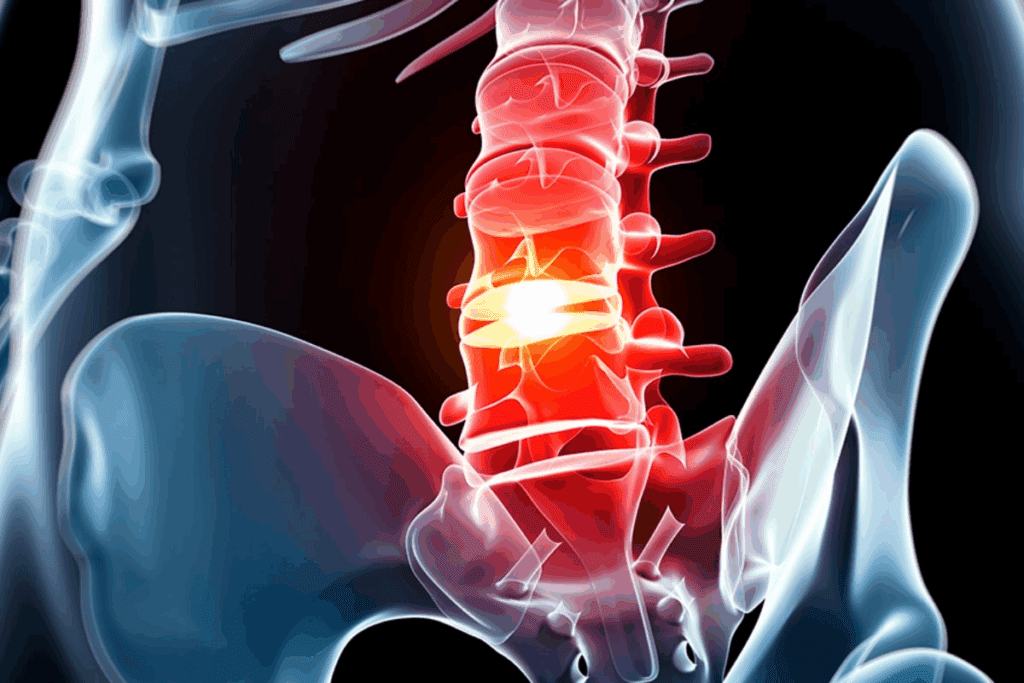
Postoperative pain comes from the body’s reaction to the surgery. Factors that affect pain levels include the surgery’s extent, individual pain tolerance, and the success of pain management strategies. Knowing these can help manage expectations and recovery.
| Surgical Approach | Description | Recovery Time |
| Microdiscectomy | Minimally invasive procedure to remove herniated disc material | Typically 2-4 weeks |
| Open Discectomy | Traditional surgery with a larger incision to access the disc | Typically 6-12 weeks |
Effective surgical pain management strategies are key for a smooth recovery. These can include medication, physical therapy, and other non-invasive methods. Knowing the recovery timeline and possible herniated disc surgery complications can also help patients prepare for their recovery journey.
Postoperative Pain After Herniated Disc Surgery
Understanding pain in the first 24-48 hours after herniated disc surgery is key. During this time, patients are watched closely in the hospital. Their pain is managed using set protocols.
First 24-48 Hours Pain Experience
The first few days after surgery can bring different levels of pain. This pain can vary from mild to severe. Effective pain management is vital to ease discomfort and aid in recovery.
Every patient feels pain differently. Our healthcare team works with each patient to understand their pain. They then adjust treatments to meet their needs.
Hospital Pain Management Protocol
Hospitals have set pain management plans to help patients. These plans include a mix of medications and other treatments. They are tailored to each patient’s specific needs.
Our pain management strategy includes:
- Assessing pain levels regularly
- Administering pain medication as needed
- Using alternative methods such as ice or heat therapy
- Encouraging patients to report their pain levels
Differences Between Surgical Approaches
The type of surgery can affect postoperative pain. For example, minimally invasive procedures may cause less pain than traditional surgery.
We talk to our patients about the pain differences between surgeries. This helps manage their expectations and plan their pain management.
Pain Levels During the First Week of Recovery
The first week after herniated disc surgery is tough, with different pain levels. Knowing what pain to expect and what affects it can help. This knowledge makes recovery better.
Typical Pain Patterns
In the first week, patients feel pain at the incision site, muscle spasms, and nerve healing. The pain is strong at first but gets better as the body heals. The surgery type affects how soon pain improves.
Factors That Influence Pain Intensity
Many things can change how much pain you feel in the first week. These include:
- The type of surgical procedure performed
- Individual pain tolerance
- Adherence to pain management protocols
- Overall health and physical condition
Following your doctor’s advice and doing physical therapy helps manage pain. A patient said, “By sticking to my medication and therapy, I felt better in a few days.”
Managing Expectations vs. Reality
It’s key to manage what you expect during recovery. Some feel better right after surgery, while others take longer. Recovery is a slow process, and pain can change.
As we say, “getting ready for recovery is as important as the surgery.” Knowing what affects pain and following a pain plan helps patients recover better.
Microdiscectomy Pain Levels Compared to Other Procedures

Looking at pain after microdiscectomy compared to other surgeries helps patients know what to expect. Microdiscectomy is a less invasive surgery. It’s often compared to the more traditional open surgery.
Minimally Invasive vs. Traditional Approaches
Microdiscectomy uses smaller cuts and causes less damage than traditional surgery. This can lead to different levels of pain after surgery. Research shows that microdiscectomy patients often feel less pain and recover faster than those with traditional surgery.
The less damage from microdiscectomy means less muscle spasm and less need for pain meds after surgery. But everyone’s pain experience is different.
Recovery Timeline Variations
Recovery time for microdiscectomy is usually shorter than for traditional back surgery. While traditional surgery might need a hospital stay, microdiscectomy is often done as an outpatient procedure. This means patients can go home the same day.
People usually get back to light activities faster after a microdiscectomy, within days to a week. Traditional back surgery recovery can take weeks or even months.
Patient-Reported Pain Differences
Pain levels after microdiscectomy are often lower than with traditional surgery. This is because microdiscectomy has smaller cuts and less tissue disruption.
But, it’s important to remember that pain is personal and can vary. It depends on many things, like how much pain you can handle, the surgery’s extent, and any complications.
Types of Pain You May Experience
Herniated disc surgery can cause several types of pain. This includes discomfort at the incision site, nerve healing pain, and muscle spasms. Knowing about these can help manage pain and make recovery smoother.
Incision Site Discomfort
Discomfort at the incision site is a common pain after herniated disc surgery. This pain comes from the incision and the body’s healing response. The pain’s severity can vary based on the incision’s size and location.
To handle this discomfort, patients should follow a proper wound care routine. They might also be given pain medications. It’s important to watch the incision for signs of infection, like redness, swelling, or increased pain.
Nerve Healing Pain and Sensations
Nerve healing pain, or neuropathic pain, can happen as nerves around the surgery site heal. This pain might feel sharp, shooting, or burning. It’s a sign that nerves are regenerating, which is a good part of recovery.
The nerve healing process can be likened to the rewiring of electrical circuits. It’s a complex process that can sometimes manifest as pain or unusual sensations.
Managing nerve healing pain often involves medication, like gabapentin, and alternative therapies. This can include acupuncture or physical therapy.
Muscle Spasms and Back Stiffness
Muscle spasms and back stiffness are common after herniated disc surgery. These symptoms happen because the muscles around the spine are disturbed during surgery. Muscle spasms can be intense and may limit movement.
To ease muscle spasms and back stiffness, patients are advised to do gentle stretching exercises and physical therapy. Heat or cold therapy can also help.
Leg Pain After Surgery
Leg pain after herniated disc surgery can be a continuation of preoperative symptoms or a new issue. This pain usually relates to nerve roots affected by the herniated disc. In some cases, leg pain can persist or develop anew due to nerve irritation or inflammation.
| Type of Pain | Causes | Management Strategies |
| Incision Site Discomfort | Surgical incision, healing process | Wound care, pain medications |
| Nerve Healing Pain | Nerve regeneration | Medications (e.g., gabapentin), alternative therapies |
| Muscle Spasms and Back Stiffness | Muscle disturbance during surgery, healing response | Gentle stretching, physical therapy, heat/cold therapy |
| Leg Pain | Nerve root irritation, inflammation | Physical therapy, pain management medications |
It’s key for patients to talk about their pain with their healthcare providers. This helps create a tailored pain management plan. Understanding the types of pain after herniated disc surgery can help patients navigate their recovery better.
Managing Surgical Incision Pain
After surgery, managing pain is key. Good wound care, comfortable sitting, and rest are important. They help make your recovery smoother.
Wound Care Techniques
Keeping the wound clean is essential. Follow your doctor’s advice for dressing changes. Watch for signs of infection like redness or swelling.
Key wound care practices include:
- Gently clean the area with mild soap and water
- Follow your doctor’s dressing change instructions
- Watch for signs of infection
Position Adjustments for Comfort
Changing how you sit can help. Use pillows for back and leg support. Find a balance between rest and movement.
| Position | Benefits |
| Lying on back with pillows under knees | Reduces strain on the lower back |
| Sitting with lumbar support | Maintains spinal alignment and reduces pressure on the incision site |
| Alternating between lying down and sitting | Prevents stiffness and promotes circulation |
Dealing with Postoperative Fatigue
Managing fatigue is important for recovery. Pace yourself, take breaks, and rest. This helps your body heal.
Strategies for managing fatigue include:
- Limit strenuous activities in the initial recovery period
- Engage in gentle, low-energy activities like reading or listening to music
- Establish a balanced routine that includes rest and gradual increases in activity
Medication Strategies for Pain Relief
It’s key to know about different pain relief meds for herniated disc surgery. Good pain management helps you recover smoothly and feel less pain after surgery.
Prescription Pain Medications
After herniated disc surgery, you might need prescription pain meds. These can be mild or strong opioids, based on your pain level.
Common Prescription Pain Medications:
- Oxycodone
- Hydrocodone
- Morphine
Over-the-Counter Options
For mild to moderate pain, over-the-counter (OTC) meds work well. These include acetaminophen and ibuprofen.
Benefits of OTC Medications:
- Easily found
- Less chance of addiction than opioids
- Good for mild pain
Safe NSAIDs Usage After Spinal Surgery
NSAIDs help with pain but need careful use after spinal surgery. They can increase bleeding risk and affect bone healing.
| NSAID Type | Usage Considerations |
| Ibuprofen | Often used, but may raise bleeding risk |
| Naproxen | Lasts longer, but has similar bleeding risks as ibuprofen |
Opioid Use and Tapering Schedule
Opioids are strong pain relievers that might be given for severe pain. But, they can lead to addiction, so it’s important to taper off them slowly.
Tapering Schedule Guidelines:
- Slowly cut down the dosage over time
- Watch your pain and adjust as needed
- Look into other pain relief options
Knowing about different pain relief meds helps patients manage their pain better after herniated disc surgery. This improves their recovery experience.
Non-Medication Pain Management Approaches
There are many ways to manage pain without medication after herniated disc surgery. These methods can be used along with the pain meds your doctor gave you. They help you feel better and recover faster.
Heat and Ice Therapy Protocols
Heat and ice therapy are simple but effective for managing pain after surgery. Ice therapy is used first to reduce swelling and numb the pain. You should use ice packs for 15-20 minutes, several times a day.
When the swelling goes down, heat therapy can help relax muscles and improve blood flow. This promotes healing.
Here are some important guidelines for using heat or ice therapy:
- Always wrap ice packs or heat pads in a towel to avoid direct skin contact.
- Limit application to 15-20 minutes at a time.
- Allow skin to return to normal temperature between applications.
- Monitor skin for any adverse reactions.
Relaxation and Breathing Techniques
Relaxation and breathing techniques can greatly reduce stress and pain. Techniques like deep breathing exercises, progressive muscle relaxation, and guided imagery can calm your mind and body. This can make you feel less pain.
To practice deep breathing, follow these steps:
- Find a comfortable position, either sitting or lying down.
- Inhale slowly through your nose, filling your lungs completely.
- Hold your breath for a few seconds.
- Exhale slowly through your mouth, emptying your lungs completely.
- Repeat for several minutes, focusing on the rhythm of your breath.
Gentle Movement Strategies
Gentle movement is key to preventing stiffness and promoting circulation. This can help reduce pain. Gentle stretching and mobilization exercises, as recommended by your healthcare provider or physical therapist, can help maintain flexibility and strength.
Here are some tips for gentle movement:
- Start with slow, gentle movements, gradually increasing range and intensity.
- Avoid any movement that causes sharp pain or discomfort.
- Focus on controlled, smooth motions, not jerky or bouncy movements.
Physical Therapy’s Role in Pain Reduction
After herniated disc surgery, physical therapy is key to feeling better. It helps manage pain, improve movement, and strengthen back muscles. This supports the recovery process.
Initiating Physical Therapy
We suggest starting physical therapy a few weeks after surgery. This timing depends on the surgeon’s advice and the patient’s health.
Rehabilitation Exercises for Recovery
Physical therapists create special exercise plans for each patient. These plans include stretches, strengthening exercises, and aerobic activities. They help improve flexibility, support the spine, and boost overall health.
Addressing Different Pain Sources
Physical therapy tackles different pain types, like discomfort from the incision, nerve pain, and muscle spasms. Techniques like manual therapy, heat and cold, and electrical stimulation are used to manage these pains.
Progression of Physical Activity
As patients get better, physical therapists make exercises more challenging. This helps achieve full recovery, improves function, and lowers the chance of future problems.
Timeline for Pain Improvement
Knowing the recovery timeline is key after herniated disc surgery. Everyone recovers differently, but there are general guidelines. These can help patients know what to expect during their recovery.
Weeks 1-2: What to Expect
The first two weeks after surgery are the toughest. Patients usually feel a lot of pain and discomfort. It’s important to follow the doctor’s advice on pain management and to slowly start moving more.
- Rest and limited activity are key in the first week.
- Pain medication helps manage the discomfort.
- Slowly moving around helps prevent stiffness.
Weeks 3-6: Transitional Phase
By weeks 3-6, pain starts to lessen, and movement gets better. This is a critical time for rehabilitation. Patients can start gentle exercises and slowly get back to their daily routines.
Key milestones during this phase include:
- Increasing mobility and reducing pain.
- Starting physical therapy to strengthen back muscles.
- Gradually returning to light activities.
Months 2-6: Long-term Recovery
The long-term recovery from herniated disc surgery can take months. Most patients see a decrease in pain and better function. It’s important to keep up with physical therapy and follow the doctor’s advice on activity levels.
“Most patients see significant pain relief and functional recovery within 2-6 months after surgery,” say spinal surgery experts.
Return to Daily Activities Milestones
Getting back to daily activities is a big step in recovery. Patients should slowly increase their activity, avoiding heavy lifting and bending until the doctor says it’s okay.
Typical return to activity milestones include:
- Starting with light household chores in 4-6 weeks.
- Driving and short trips in 2-4 weeks.
- Increasing exercise and physical activity over 2-3 months.
Activity Restrictions to Prevent Pain Flare-ups
It’s important to follow activity restrictions after herniated disc surgery to avoid pain flare-ups. Some activities can make your pain worse. Knowing what to avoid can help your recovery.
Sitting and Driving Limitations
Sitting for too long can strain your back and increase pain. It’s good to stand and stretch often when sitting for a while.
- Limit sitting to 30-45 minutes at a time.
- Take a 5-10 minute break to stand, stretch, or walk around.
- Avoid driving for more than 30 minutes without stopping.
Lifting and Bending Precautions
Lifting heavy things and bending can harm your recovery. It’s important to avoid these or do them carefully.
- Avoid lifting objects heavier than 5-10 pounds.
- Use proper lifting techniques: bend at the knees, keep the object close to your body, and lift with your legs.
- Minimize bending at the waist; instead, squat or kneel when necessary.
Return to Work Considerations
When to go back to work depends on your job and how fast you recover. Always talk to your healthcare provider about your return to work plan.
- If your job involves heavy lifting or bending, you may need to modify your duties or take additional time off.
- For desk jobs, consider ergonomic adjustments to your workspace to reduce strain.
Exercise Modifications
Doing gentle exercises is good during recovery. But some activities might need to be changed or avoided to prevent pain flare-ups.
- Avoid high-impact exercises like running or jumping.
- Modify exercises that involve heavy lifting, bending, or twisting.
- Focus on low-impact activities like walking, swimming, or gentle stretching.
By following these activity restrictions and guidelines, you can lower the chance of pain flare-ups. This helps your recovery go smoothly.
When Pain May Indicate Complications
Some pain is normal after herniated disc surgery. But certain symptoms could mean serious problems. It’s key to know these warning signs to get help fast.
Warning Signs to Watch For
Patients should watch for unusual symptoms after surgery. These could be signs of complications. Look out for:
- Severe or worsening pain that doesn’t get better with medicine
- Numbness or weakness in the legs or arms that gets worse
- Loss of bladder or bowel control, a serious emergency
- Fever over 101.5°F (38.6°C)
- Redness, swelling, or discharge from the surgical area
When to Contact Your Surgeon
If you notice any of these, call your surgeon right away:
- Having trouble walking or staying balanced
- More pain or numbness in your legs or arms
- Signs of infection, like fever or redness around the surgery site
Your surgeon can tell if your symptoms are normal or need urgent care.
Potential Complications and Their Symptoms
Though rare, complications can happen after herniated disc surgery. Knowing about these issues can help spot them early.
| Complication | Symptoms |
| Infection | Fever, redness, swelling, or discharge from the surgical site |
| Nerve Damage | Persistent numbness, tingling, or weakness in the legs or arms |
| Blood Clot | Swelling, pain, or warmth in the legs |
| Recurrent Disc Herniation | Return of preoperative symptoms, such as pain or numbness |
Knowing about these complications and their signs can help ensure a safe recovery from herniated disc surgery.
Patient Experiences: Real Pain Stories and Recovery
Real patient stories give a unique look at recovering from herniated disc surgery. They share their challenges and successes, helping others understand what to expect.
Success Stories and Typical Recoveries
Many patients see big improvements after herniated disc surgery. For example, some say their pain drops a lot in the first few weeks. This lets them slowly get back to their usual activities.
Key aspects of successful recoveries include:
- Following post-surgery instructions
- Using effective pain management
- Going to physical therapy
Challenging Recovery Experiences
Not every recovery is easy. Some patients face tough times or take longer to heal. For instance, some might deal with ongoing pain or numbness that needs extra medical help.
It’s important to know that tough recoveries happen. There are resources to help manage these issues.
| Recovery Aspect | Typical Experience | Challenging Experience |
| Pain Levels | Gradual decrease within weeks | Prolonged or increased pain |
| Return to Activities | Resumption within 6-12 weeks | Delayed return due to complications |
Lessons Learned from Past Patients
Patients who’ve had herniated disc surgery share important lessons. They say setting realistic goals, staying positive, and asking for help are key. These tips can help others prepare for their own recovery.
Coping with Postoperative Discomfort
Dealing with pain after surgery is a big part of recovery. Patients find many ways to help, like:
- Following the doctor’s pain medication advice
- Doing gentle exercises and stretches
- Trying relaxation methods like deep breathing or meditation
Learning from others who’ve had herniated disc surgery helps prepare for the recovery journey. It shows what to expect and how to cope with challenges.
Preparing Mentally for Post-Surgery Pain
Getting ready mentally for post-surgery pain is key to recovery. Understanding the mental prep needed for herniated disc surgery is important. It can greatly affect our recovery journey.
Setting Realistic Expectations
It’s important to set realistic expectations. We should know that some pain is normal after surgery. By knowing this, we can mentally prepare better.
Realistic expectations help lower anxiety and stress. These are big factors in managing pain.
Psychological Techniques for Pain Management
There are many ways to manage post-surgery pain mentally. Mindfulness, meditation, and deep breathing exercises can help. These methods calm the mind and body, making recovery smoother.
Support Systems and Their Importance
A strong support system is essential. Family, friends, and support groups offer emotional support and help. A good support system boosts our mental strength, helping us deal with pain better.
Communicating Effectively with Your Healthcare Team
Talking well with our healthcare team is vital. We should be able to share our pain levels, worries, and questions. Open communication helps us get the right care and support we need.
Conclusion
Understanding postoperative pain after herniated disc surgery is key for managing pain and a smooth recovery. Recognizing the types of pain and using the right pain management strategies helps patients on their recovery path.
The recovery time can vary, but knowing what to expect helps manage pain better. It’s important to use a mix of medication, non-medication methods, and physical therapy for pain management.
By using these strategies and being aware of possible complications, patients can reduce discomfort. A well-planned recovery process is vital for managing pain after herniated disc surgery. This way, patients can get back to their daily activities with little discomfort.
FAQ.
What is the typical pain experience during the first 24-48 hours after herniated disc surgery?
The first 24-48 hours can be quite uncomfortable. You might feel pain ranging from moderate to severe. Our hospital has special pain management plans to help you feel better during this time.
How do different surgical approaches affect postoperative pain?
Procedures like microdiscectomy often cause less pain after surgery. This is because they damage less tissue and muscle. Traditional open surgery might lead to more pain.
What types of pain can I expect after herniated disc surgery?
You might feel pain at the incision site, nerve healing pain, muscle spasms, back stiffness, and leg pain. Knowing about these types of pain helps you manage your expectations. It also helps you work with your healthcare team to find the best pain management plan.
How can I manage surgical incision pain?
Taking care of your wound, adjusting your position for comfort, and using pain medication can help. Our team will teach you how to care for your wound and manage your pain.
What medication strategies are available for pain relief after herniated disc surgery?
We offer different pain medications, including prescription and over-the-counter options. Our team will help you find the right pain management plan. This includes advice on safe use of NSAIDs and how to taper off opioids.
Are there non-medication approaches to managing postoperative pain?
Yes, you can use heat and ice therapy, relaxation techniques, and gentle movements to manage pain. These methods can be used along with medication for better pain relief.
When should I start physical therapy after herniated disc surgery?
Physical therapy usually starts a few weeks after surgery. It’s important for reducing pain, helping with rehabilitation, and speeding up recovery.
What is the typical timeline for pain improvement after herniated disc surgery?
Pain levels usually drop a lot in the first two weeks. You might feel some discomfort from weeks 3-6. But you can expect to get back to your daily activities in 2-6 months.
What activity restrictions should I follow to prevent pain flare-ups?
To avoid pain flare-ups, follow the activity restrictions we give you. This includes limits on sitting, driving, lifting, bending, and exercising. Our team will guide you on what activities are safe and when you can return to work.
When should I contact my surgeon regarding postoperative pain?
If you have severe pain, numbness, tingling, or other unusual symptoms, call your surgeon right away. We’ll talk about what signs to watch for and possible complications.
How can I prepare mentally for post-surgery pain?
Setting realistic expectations and using psychological techniques can help you mentally prepare for pain. Having a strong support system and talking openly with your healthcare team are also key to managing pain
References
Sulaiman, W. I., Chen, H., Peng, Y., & Wu, Y. (2021). Analysis of long-term results of lumbar discectomy with and without annular repair: a retrospective cohort. Journal of Orthopaedic Surgery and Research, 16(1), 303. https://www.ncbi.nlm.nih.gov/pmc/articles/PMC9421207/