Last Updated on November 25, 2025 by
Many people worry about urinary flow, which gets worse with age. Urinary hesitancy makes it hard to start or keep a steady stream. This can happen for many reasons.

Things like an enlarged prostate, infections, and some brain disorders can cause it. New medical breakthroughs and simple life changes can help. They can make your urinary function better, improve your life, and lessen annoying symptoms.
Studies show that small surgeries and simple changes can really help with urination and bladder health.
Key Takeaways
- Urinary hesitancy affects people of all ages and occurs in both sexes.
- An enlarged prostate is a common cause of urinary hesitancy in older men.
- Minimally invasive procedures can improve urinary flow.
- Lifestyle changes can also enhance urination and overall bladder health.
- Various factors, including infections and neurological disorders, can cause urinary hesitancy.
Understanding Normal Urinary Flow and When to Be Concerned
The way you pee can tell a lot about your health. Knowing what’s normal is key to spotting problems early.
What Constitutes Healthy Urination Patterns
How often you pee can differ, but most adults do it 4 to 7 times a day. Your pee should be pale yellow to clear, showing you’re drinking enough water. Drinking enough water helps keep your pee clear and your bladder healthy.
Also, your pee should flow smoothly without stops. Trouble starting or keeping the flow going might mean something’s wrong.
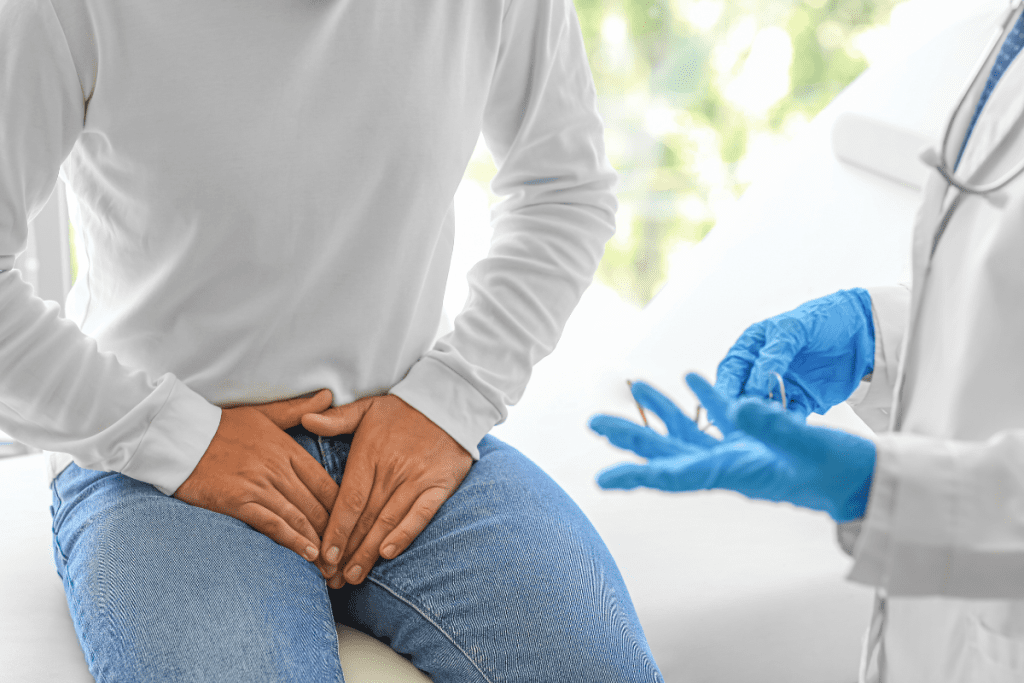
Warning Signs of Compromised Urinary Flow
Some signs show your pee flow might be off. Look out for trouble starting or keeping the pee flowing, weak pee flow, or dribbling. If you see these, it’s time to talk to a doctor.
- Difficulty starting to pee
- Weak or broken flow
- Dribbling at the end
- Needing to pee a lot
When to Seek Medical Attention
If you notice any of these signs, see a doctor. They can find out why and suggest how to fix it. Catching problems early can help a lot.
Also, if your pee habits change a lot, like peeing more or pee color changes, see a doctor. It’s better to be safe than sorry.
Common Medical Conditions That Affect How You Pee
Urination is a vital bodily function that can be affected by numerous medical conditions. Understanding these conditions is key to identifying urinary issues and seeking medical care.
Benign Prostatic Hyperplasia (BPH)
Benign Prostatic Hyperplasia (BPH) is a common condition in older men. It causes the prostate gland to grow, pressing against the urethra. This can lead to urinary hesitancy, weak urine flow, and frequent urination, often at night. If you’re wondering why I’m peeing so much, BPH might be the reason.

Urinary Tract Infections
Urinary tract infections (UTIs) happen when bacteria enter the urinary tract. They cause burning or pain during urination, frequent urination, and abdominal pain. If not treated, UTIs can lead to serious complications. It’s important to see a doctor if symptoms don’t go away.
Prostate Conditions
Prostate conditions can affect urination. Prostatitis, or inflammation of the prostate, causes painful urination and frequent urination. Prostate cancer can also impact urination if the tumor grows large enough. Knowing about these prostate conditions is important for urinary health.
Neurological Disorders Affecting Urination
Neurological disorders like Parkinson’s disease and multiple sclerosis can disrupt bladder control. They can cause urinary incontinence or retention by disrupting brain-bladder signals. Managing these conditions often requires a team effort that includes urological care.
In conclusion, many medical conditions can affect how you pee. Recognizing symptoms and understanding causes are key steps in seeking medical care and improving urinary health.
Try These Minimally Invasive Procedures for Significant Improvement
There are new ways to improve urinary flow that are less invasive. These methods offer relief with fewer side effects than old surgeries.
The UroLift System: 44% Improvement in Peak Flow Rate
The UroLift System is a great example. It has shown a 44% average improvement in peak urinary flow rate. It works by lifting the prostate tissue, reducing blockage, and improving flow.
Clinical Evidence: Up to 77% Improvement in Maximum Flow Rates
Studies show the UroLift System is very effective. Up to 77% improvement in maximum urinary flow rates is seen two years after treatment. This proves these treatments work well for long-term relief.
Rapid Relief: 86% of Patients Report Improvement Within One Month
Minimally invasive procedures offer quick relief. 86% of patients see an improvement in urinary flow within one month. This makes them a good choice for those looking for fast results.
Other Effective Minimally Invasive Options
There are other options too. Laser therapies and new treatments aim to reduce symptoms and improve urinary health.
Before trying these procedures, talk to a healthcare professional. They can help choose the best treatment for you based on your needs and medical history.
Medications That Can Enhance Your Urinary Flow
Medications are key in managing urinary flow issues. They offer many treatment options. These drugs help ease symptoms of poor urinary flow, improving life quality for those affected.
Alpha Blockers for Relaxing Bladder Muscles
Alpha blockers are often prescribed to relax bladder muscles. This makes it easier to urinate. They help by reducing muscle tone in the bladder neck and prostate.
- Examples of Alpha Blockers: Tamsulosin (Flomax), Alfuzosin (Uroxatral)
- Benefits: Quick action, better urine flow
- Potential Side Effects: Dizziness, low blood pressure when standing
5-Alpha Reductase Inhibitors for Prostate Issues
5-alpha reductase inhibitors treat prostate enlargement. This is a common cause of urinary flow issues in men. These drugs shrink the prostate, easing pressure on the urethra and improving flow.
- Examples: Finasteride (Proscar), Dutasteride (Avodart)
- Benefits: Shrinks prostate, improves urinary symptoms
- Potential Side Effects: Low sex drive, trouble getting an erection
Anticholinergics for Overactive Bladder
Anticholinergics help manage overactive bladder symptoms. They reduce bladder muscle contractions. This increases bladder capacity.
- Examples: Oxybutynin (Ditropan), Tolterodine (Detrol)
- Benefits: Less urgency, frequency, and incontinence
- Potential Side Effects: Dry mouth, constipation, blurred vision
Balancing Benefits and Side Effects
These medications can greatly improve urinary flow and symptoms. But it’s important to weigh their benefits against side effects. Patients should work closely with their healthcare provider to manage side effects and adjust treatment plans as needed.
“The key to successful treatment is finding the right medication and dosage that works best for the individual, minimizing side effects while maximizing symptom relief.”
Optimize Your Hydration for Better Urinary Health
Drinking enough water can really help your urinary health. It’s key to keep your urinary system healthy. Choosing the right drinks can greatly improve your health.
Determining Your Optimal Daily Water Intake
Experts say to drink 8-10 glasses of water a day. But your needs can change based on how active you are, where you live, and your health. For example, athletes or people in hot places might need more water.
To find out how much water you need, think about your activity, where you live, and any health issues. Watch your urine too. If it’s light yellow or clear, you’re probably drinking enough.
Strategic Timing of Fluid Consumption
When you drink water, it matters so. Drinking water all day helps your urinary system stay healthy. Drink more during the day and less at night to avoid waking up to use the bathroom.
Types of Beverages That Promote Healthy Urination
Not all drinks are good for your urinary health. Water is the best because it’s calorie-free and hydrates well. Herbal teas like peppermint or chamomile are good too, as they hydrate without caffeine’s effects.
- Water
- Herbal teas
- Low-sugar fruit juices
Beverages to Limit or Avoid
Some drinks can bother your bladder or make you pee more. Caffeinated drinks like coffee and soda make you pee more. Drinking alcohol can also irritate your bladder and should be limited.
- Caffeinated beverages
- Alcoholic drinks
- Sugary or acidic beverages
Choosing the right drinks can help your urinary health. Pay attention to how your body reacts to different drinks. Adjusting your water intake can keep your urinary system working well.
Dietary Adjustments That Can Improve How Often You Need to Pee
Making changes to what you eat can really help your urinary health. A balanced diet with the right foods can support your bladder and urinary function.
Foods that May Irritate the Bladder
Some foods and drinks can make your bladder feel worse. Here are a few examples:
- Spicy foods: These can irritate your bladder and make things worse.
- Acidic foods: Foods like citrus fruits and tomatoes might be hard for some people.
- Caffeine and alcohol: Both can make you pee more and might irritate your bladder.
Nutrients that Support Urinary Tract Health
Adding certain nutrients to your diet can help your urinary tract. Key ones include:
- Vitamin C: It boosts your immune system and can lessen urinary tract infections.
- Omega-3 fatty acids: These fight inflammation in your urinary tract.
- Adequate fiber: It helps prevent constipation, which can put pressure on your bladder.
Managing Alcohol and Caffeine Consumption
It’s important to control how much alcohol and caffeine you drink. Cutting down or avoiding them can help you pee less often.
Anti-Inflammatory Foods for Urinary Health
Eating foods that fight inflammation can also help your urinary health. Some good ones are:
- Berries: They’re full of antioxidants and anti-inflammatory compounds.
- Leafy greens: They’re rich in vitamins and minerals that support your health.
- Fatty fish: They’re packed with omega-3 fatty acids, which reduce inflammation.
By choosing the right foods and nutrients, you can improve your urinary health. This can also make you pee less often.
Exercise Routines That Strengthen Urinary Function
Exercise routines are key to improving urinary function. Adding specific exercises to your daily routine can boost your urinary health.
Effective Pelvic Floor Exercises
Pelvic floor exercises, like Kegel exercises, are great for urinary control. These exercises help strengthen the muscles that stop urine flow. Doing them regularly can improve bladder control and lower the risk of incontinence.
To do Kegel exercises right, find the muscles that stop urination. Then, contract them for 5-10 seconds and release. Do this 10-15 times, three times a day.
How Regular Physical Activity Improves Urination
Regular exercise boosts urinary health by improving circulation and reducing inflammation. It also promotes overall well-being. Exercise helps manage stress, which is good for urinary health.
Activities like walking, swimming, or cycling are great for heart health. This supports urinary health. Choose exercises you enjoy and can stick with long-term.
Weight Management Strategies for Better Urinary Health
Keeping a healthy weight through diet and exercise can lower the risk of incontinence. Extra weight puts pressure on the bladder and pelvic muscles, causing urinary problems.
Eating well and exercising regularly helps maintain a healthy weight. This supports urinary health and overall well-being.
Yoga Poses That Benefit Bladder Control
Some yoga poses strengthen the pelvic floor muscles and improve flexibility. Poses like the “bridge pose” or “cobra pose” are good for this. They engage the core and pelvic muscles.
Yoga also reduces stress and improves physical and mental health. This indirectly helps urinary health. Adding yoga to your routine offers a holistic way to improve bladder control.
Conclusion: Creating Your Personal Plan for Long-Term Urinary Health
Creating a plan for long-term urinary health is a big job. It needs medical treatments, lifestyle changes, and diet tweaks. Knowing why urinary flow problems happen and what treatments are out there is a good start.
Things like the UroLift System and certain medicines can really help. Drinking enough water, eating right, and exercising can also make a difference. These steps can help you feel better and keep your urinary health strong.
It’s key to talk to doctors to figure out the best treatment for you. Being proactive and well-informed can lead to better health and long-term urinary wellness.
FAQ
Why am I peeing so much?
There are many reasons you might pee a lot. Medical issues like Benign Prostatic Hyperplasia (BPH) and urinary tract infections can cause it. So can neurological disorders. It’s best to talk to a doctor to find out why.
How can I make myself pee?
If you’re having trouble peeing, try relaxing in a warm bath. Or use the double voiding technique. Wait a few minutes after you finish, then try again. But if it keeps happening, you should see a doctor.
How many times should you pee a day?
Adults usually pee 4-7 times in 24 hours. But how often you pee can change based on how much you drink and your health.
What is considered normal urinary flow?
Your pee should be pale yellow to clear. If it’s hard to start or keep peeing, or if your flow is weak, it’s a sign of a problem.
What are the benefits of pelvic floor exercises?
Doing Kegel exercises can make your muscles stronger. This helps you control your pee better and improves your urinary health.
How can I improve my urinary health through diet?
Eating foods that help your urinary tract is good. Vitamin C and omega-3 fatty acids are good for you. Also, watch what you drink. Avoid things that might irritate your bladder, like too much sugar or spice.
What is the optimal daily water intake for urinary health?
Drinking 8-10 glasses of water a day is a good rule. But how much you need can change based on your age, sex, and how active you are.
Can certain beverages affect my urinary health?
Yes, drinks like caffeine and alcohol can bother your bladder. But water and herbal teas are better for you.
Are there any minimally invasive procedures that can improve urinary flow?
Yes, there are. The UroLift System, for example, can really help. It can make your pee flow up to 77% better.
What medications can help manage urinary flow?
Some medicines can help. Alpha blockers, 5-alpha reductase inhibitors, and anticholinergics can relax your bladder muscles. They can also treat prostate problems and help with an overactive bladder.
References
- Chin, P. T. K., Woo, H. H., & Gilling, P. (2021). An update on the outcomes of patients treated with UroLift for lower urinary tract symptoms due to benign prostatic hyperplasia. Asian Journal of Urology. https://pmc.ncbi.nlm.nih.gov/articles/PMC8205643/