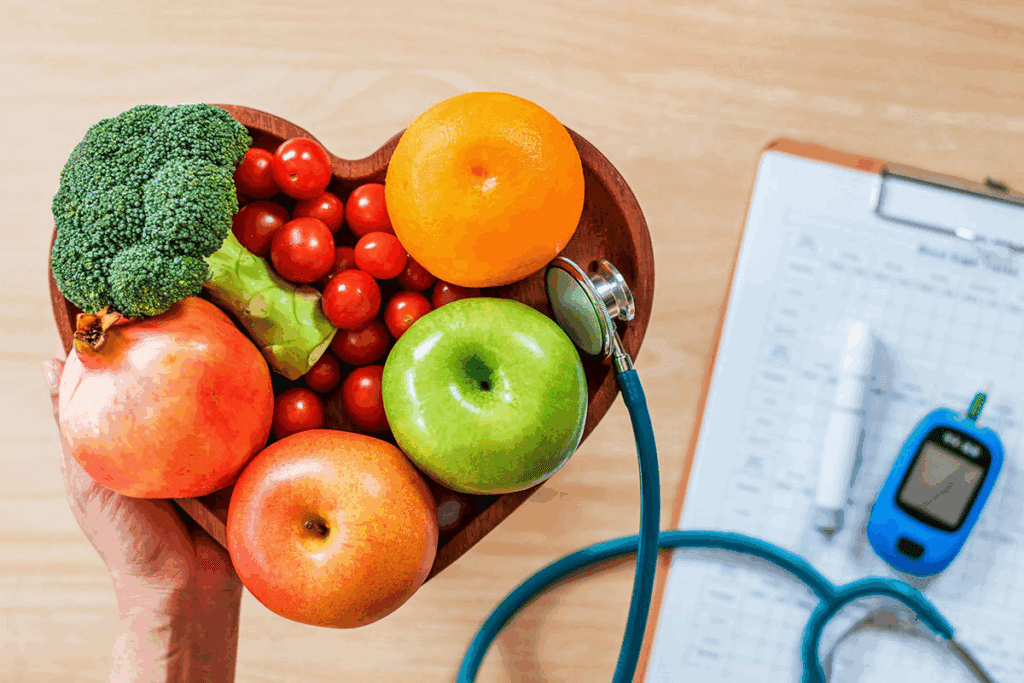
More than 1 in 3 American adults now live with prediabetes. This number is rising fast worldwide. It’s key to make smart food choices to stop this disease.
The CDC says eating right is key to keep blood sugar levels healthy. By choosing the right foods, you can manage your condition and feel better. Our guide will give you the essential dietary insights and tips to handle prediabetes well.
Discover 15 amazing best foods for a pre diabetes diet. Learn how to eat to lower your A1C and reverse your prediabetes diagnosis quickly.
Key Takeaways
- Understanding the role of diet in managing prediabetes
- Identifying the best foods to include in your diet
- Learning how to make healthy food choices to prevent type 2 diabetes
- Discovering the importance of strategic dietary planning
- Exploring the connection between food and blood sugar control
What You Need to Know About Prediabetes
Understanding prediabetes is key to keeping your health in check and avoiding diabetes. Prediabetes means your blood sugar is higher than normal but not diabetes level. It’s a sign you might get type 2 diabetes, heart disease, or stroke later.
The Rising Prevalence in America
In the U.S., the number of people with prediabetes is growing fast. By 2021, 97.6 million adults aged 18 or older had it. This is about 1 in 3 adults, making it a big health worry.
Factors like being overweight, not moving much, and eating too much processed food and sugar play a part. We see more cases in different groups, showing we need to act fast. Catching it early and acting can lower your chance of getting type 2 diabetes.
How Blood Sugar Levels Affect Your Health
High blood sugar is bad for your health. In prediabetes, your cells don’t take glucose well. So, your pancreas makes more insulin, leading to health problems.
Long-term high blood sugar can harm your organs and systems. It raises the risk of cardiovascular disease, kidney damage, and nerve damage. It’s vital to control your blood sugar with diet and exercise to avoid these issues.
The Science Behind an Effective Pre Diabetes Diet
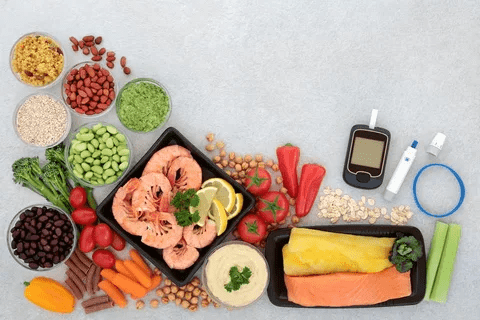
Understanding the science of a pre-diabetes diet is key to managing blood sugar. We must choose our foods wisely to avoid
How Food Choices Impact Blood Glucose
The foods we eat directly affect our blood glucose levels. In a pre diabetes diet, choosing the right foods can make a huge difference. Simple carbs like white bread and sugary snacks raise blood sugar quickly, while complex carbs and fiber in whole grains and veggies help keep blood sugar stable.
Foods with a low glycemic index are essential in a pre diabetes diet because they digest slowly. This leads to a gradual rise in blood sugar, helping manage glucose levels more effectively and reducing the risk of developing type 2 diabetes.
Glycemic Index and Glycemic Load Explained
The glycemic index (GI) shows how fast foods raise blood sugar. Foods are ranked from 0 to 100, with higher values causing quicker spikes. The glycemic load (GL) considers serving size, giving a clearer picture of a food’s blood sugar impact.
In a pre diabetes diet, understanding GI and GL is vital:
- Low GI foods (GI ≤ 55) are best for pre-diabetes and should be eaten regularly.
- Medium GI foods (GI 56–69) can be eaten in moderation.
- High GI foods (GI ≥ 70) should be limited or avoided to maintain stable blood sugar.
The Importance of Nutrient Timing
Nutrient timing plays a crucial role in a pre diabetes diet. Eating smaller, balanced meals throughout the day helps keep blood sugar steady. Pairing carbs with protein and healthy fats also slows digestion and lowers blood glucose impact.
For instance, a balanced breakfast with complex carbs, protein, and healthy fats supports energy and blood sugar control all day—making it a cornerstone of any effective pre diabetes diet plan.
Top 5 Fiber-Rich Foods for Blood Sugar Control
Fiber-rich foods are the backbone of a pre diabetes diet. They slow down sugar absorption and improve insulin sensitivity. Here are the top five foods that can help control blood sugar naturally:
- Leafy Greens (Spinach, Kale, Collards)
Leafy greens are packed with fiber and vitamins. Adding spinach, kale, or collard greens to salads, smoothies, or omelettes makes your pre diabetes diet more nutritious. - Beans and Lentils
Beans and lentils are high in fiber and protein. With their low glycemic index, they fit perfectly into a pre diabetes diet, helping you stay full while stabilizing blood sugar. - Whole Grains (Quinoa, Barley, Oats)
Whole grains like quinoa, barley, and oats are better than refined grains. They provide steady energy and support blood sugar balance, making them an excellent choice for a pre diabetes diet. - Chia and Flax Seeds
Chia and flax seeds are rich in soluble fiber, which slows sugar absorption. Add them to yogurt, oatmeal, or smoothies for a quick pre diabetes diet fiber boost.
| Food | Fiber Content (per serving) | Benefits for Blood Sugar Control |
|---|---|---|
| Spinach | 4.3 grams per cup cooked | Rich in fiber and antioxidants |
| Lentils | 15.6 grams per cup cooked | High in fiber and protein, low glycemic index |
| Quinoa | 5.2 grams per cup cooked | Complete protein and rich in fiber |
| Chia Seeds | 10.6 grams per ounce | Rich in soluble fiber, slows sugar absorption |
Eating these fiber-rich foods can greatly help with blood sugar control. Making smart food choices is a proactive way to manage prediabetes and improve health.
5 Protein-Packed Foods That Stabilize Blood Sugar
Protein-rich foods are key in keeping blood sugar stable, which is vital for managing prediabetes. Protein takes longer to digest than carbs. This slows down glucose absorption into the blood, preventing sudden blood sugar spikes.
1. Wild-Caught Fatty Fish (Salmon, Mackerel)
Wild-caught fatty fish are not just high in protein but also in omega-3s. These omega-3s boost insulin sensitivity. Adding salmon and mackerel to your meals can help manage blood sugar.
2. Skinless Poultry (Chicken, Turkey)
Chicken and turkey are lean proteins that are easy to add to your diet. They’re versatile and can be cooked in many ways. This helps keep blood sugar stable by slowing down glucose absorption.
3. Greek Yogurt and Cottage Cheese
Greek yogurt and cottage cheese are great for blood sugar control because they’re high in protein and low in carbs. They also have probiotics, which are good for gut health and insulin sensitivity.
4. Eggs and Egg Whites
Eggs and egg whites are packed with protein and are good for blood sugar stability. Eggs are nutritious and can be cooked in many ways, making them easy to include in a prediabetes diet.
Adding these protein-rich foods to your meals is simple. Here’s a table to help plan your meals:
| Food | Protein Content per Serving | Benefits |
|---|---|---|
| Wild-Caught Salmon | 20 grams per 3 oz serving | Rich in omega-3 fatty acids, improves insulin sensitivity |
| Skinless Chicken Breast | 26 grams per 3 oz serving | Lean protein, versatile preparation methods |
| Greek Yogurt | 20 grams per 1 cup serving | High in protein, contains probiotics for gut health |
| Eggs | 6 grams per large egg | Rich in nutrients, versatile preparation |
By eating these protein-rich foods, you can better manage your blood sugar. A balanced diet, regular exercise, and managing stress are also important for prediabetes management.
5 Healthy Fats That Improve Insulin Sensitivity
Healthy fats are key in managing prediabetes by boosting insulin sensitivity. The right fats help our bodies better control blood sugar. Let’s look at five healthy fats that are great for insulin sensitivity.
Avocados
Avocados are full of monounsaturated fats, which help improve insulin sensitivity. They also have a lot of fiber, which slows down digestion and keeps blood sugar stable. You can easily add avocados to salads or use them as a spread.
Studies show that eating avocados can improve how well our bodies handle glucose. This makes them a great choice for those with prediabetes.
Extra Virgin Olive Oil
Extra virgin olive oil is packed with monounsaturated fats. It also has anti-inflammatory properties that help with insulin sensitivity. Switching to olive oil for cooking is a healthy move, thanks to its many benefits.
- Rich in antioxidants
- Anti-inflammatory properties
- Improves heart health
Nuts (Almonds, Walnuts, Pistachios)
Nuts like almonds, walnuts, and pistachios are full of healthy fats, fiber, and antioxidants. Research shows they can make insulin sensitivity and glucose metabolism better.
Having a handful of nuts as a snack is a healthy choice. It helps control hunger and prevents overeating.
Seeds (Pumpkin, Sunflower)
Seeds like pumpkin and sunflower are rich in healthy fats and antioxidants. They also have magnesium, which is important for glucose metabolism and insulin sensitivity.
Adding seeds to your meals is easy. Just sprinkle them on salads or yogurt.
In conclusion, adding these healthy fats to your diet can greatly improve insulin sensitivity and help manage prediabetes. Making smart choices about fats is a proactive step for our health.
Foods to Avoid When Managing Prediabetes
Managing prediabetes well means choosing the right foods. Foods that help control blood sugar are key. Avoiding foods that raise blood sugar is also important. This helps keep prediabetes in check and lowers the chance of getting type 2 diabetes.
Refined Carbohydrates and White Flour Products
White bread and sugary snacks are bad for blood sugar. They are quickly turned into sugar in the body. Baked goods and pasta made with white flour also raise blood sugar. It’s best to eat less of these foods.
Here are some foods to cut down on:
- White bread
- Sugary snacks
- Baked goods
- Pasta
Sugary Beverages and Hidden Sugar Sources
Soda and sports drinks have a lot of sugar. They can quickly raise blood sugar. Foods and sauces with hidden sugars also add up. Knowing these sources helps manage prediabetes.
Here are some foods to watch out for:
- Soda
- Sports drinks
- Processed foods
- Sauces and condiments
Highly Processed and Fast Foods
Fast and processed foods are bad for blood sugar. They have a lot of bad stuff like sugar and unhealthy fats. Eating less of these foods is good for managing prediabetes.
Here are some foods to avoid:
- Fast food meals
- Processed snacks
- Frozen meals
The table below shows foods to avoid for prediabetes:
| Food Category | Examples | Impact on Blood Sugar |
|---|---|---|
| Refined Carbohydrates | White bread, sugary snacks | Rapid increase in blood sugar |
| Sugary Beverages | Soda, sports drinks | Significant spike in blood sugar |
| Highly Processed Foods | Fast food, processed snacks | Detrimental to blood sugar control |
By watching what you eat, you can manage prediabetes better. This helps avoid serious health problems.
Creating a Balanced Weekly Meal Plan
To keep blood sugar stable, a balanced meal plan is key. A good meal plan ensures the body gets the right nutrients at the right time. This helps manage prediabetes.
Start by learning which foods help control blood glucose. Eating a variety of nutrient-rich foods is important. This helps keep glucose levels steady all day.
Breakfast Options That Won’t Spike Blood Sugar
Breakfast sets the day’s tone. Choose breakfast options high in fiber and protein. Good choices include:
- Oatmeal with nuts and berries
- Greek yogurt with chia seeds and cinnamon
- Scrambled eggs with spinach and whole-grain toast
Lunch and Dinner Ideas for Stable Glucose
For lunch and dinner, pick lean proteins, whole grains, and lots of veggies. Some great options are:
- Grilled chicken salad with mixed greens and citrus vinaigrette
- Quinoa and black bean bowl with roasted veggies
- Baked salmon with sweet potato and steamed broccoli
These meals are tasty and keep glucose levels stable.
Smart Snacking Strategies
Smart snacking stops blood sugar dips and spikes. Choose snacks high in fiber and protein, like:
- Carrot sticks with hummus
- A small apple with almond butter
- Raw nuts and seeds
By using these smart snacking tips, you can manage blood glucose better. This keeps you healthy.
Creating a balanced meal plan takes some effort. But with these tips, you can make a plan that’s both effective and fun.
Practical Tips for Grocery Shopping and Meal Prep
To manage blood sugar, learning to shop and prep meals is key. A good grocery trip is the first step. It ensures we have what we need for healthy meals.
Reading Food Labels for Hidden Sugars
Mastering food label reading is vital for prediabetes control. Hidden sugars are common in packaged foods. So, always check the ingredient list.
Look for terms like “high-fructose corn syrup,” “honey,” “maple syrup,” and “agave nectar.” These are all sugars. On the nutrition label, focus on total carbs and sugar per serving. Choose lower sugar options and be aware of serving sizes to avoid too much sugar.
Batch Cooking for Prediabetes Management
Batch cooking helps manage prediabetes by preparing meals in advance. It keeps us away from processed foods. Cooking in bulk saves time and ensures healthy meals are always ready.
Start with simple recipes like soups, stews, or casseroles. Make a few meals on the weekend. Then, reheat them during the week.
Budget-Friendly Shopping Strategies
Managing prediabetes doesn’t have to cost a lot. There are ways to shop smart without spending a lot. First, plan meals around seasonal produce. It’s often cheaper than out-of-season items.
- Buy in bulk: Items like whole grains, beans, and nuts are cheaper in bulk and reduce waste.
- Shop at discount stores: Look for non-perishable items at discount stores or dollar stores.
- Use coupons: Take advantage of coupons and sales to buy healthy staples at a discount.
Dining Out While Managing Prediabetes
Eating out doesn’t have to ruin your prediabetes plan if you know how to pick the right foods. We get that eating out can be tough with prediabetes. But, with smart strategies, you can keep your blood sugar in check.
Navigating Restaurant Menus
First, when you’re out, start by carefully looking at the menu. Choose dishes with lots of veggies, lean proteins, and whole grains. Stay away from fried, creamy, or oily foods.
Key menu navigation tips:
- Opt for grilled or baked options instead of fried.
- Choose dishes with a variety of colorful vegetables.
- Select whole grain options when available.
- Be mindful of portion sizes and consider sharing a meal.
Smart Ordering Techniques
Ordering wisely is key when you have prediabetes. Here are some tips for healthier choices:
Ask for modifications when needed. For example, ask for sauces or dressings on the side to control what you eat.
Smart ordering tips:
- Request that your meal be prepared without added sugars or excessive salt.
- Choose water or unsweetened beverages instead of sugary drinks.
- Be aware of the cooking methods used in preparing your meal.
Handling Social Eating Situations
Dining out is often a social event, and managing prediabetes can be tough. But, with some planning, you can enjoy meals with friends while keeping your blood sugar stable.
Tips for handling social eating situations:
- Plan ahead by checking the restaurant menu online before you go.
- Eat a small, healthy snack before leaving to avoid overeating.
- Be open with your friends and family about your dietary needs.
By following these tips, you can enjoy dining out while managing your prediabetes. It’s all about making smart choices and being mindful of what you eat.
Lifestyle Factors That Complement Your Diet
Many lifestyle choices can help manage prediabetes. These choices improve how well your body uses insulin and lower blood sugar. They also boost your overall health.
Physical Activity Recommendations
Exercise is key for managing prediabetes. It makes your body better at using insulin, which lowers the risk of type 2 diabetes. Aim for 150 minutes of moderate exercise, 75 minutes of vigorous exercise, or a mix of both each week.
Brisk walking, swimming, and cycling are good for moderate exercise. Running, jumping rope, and boxing are examples of vigorous exercise. Adding strength training two times a week is also good.
| Activity Type | Examples | Benefits |
|---|---|---|
| Aerobic Exercise | Brisk walking, swimming, cycling | Improves cardiovascular health, enhances insulin sensitivity |
| Strength Training | Weight lifting, resistance band exercises | Builds muscle mass, improves glucose uptake |
| High-Intensity Interval Training (HIIT) | Sprints, burpees, jump squats | Enhances insulin sensitivity, improves cardiovascular fitness |
Stress Management Techniques
Stress can hurt your blood sugar and insulin use. It’s important to manage stress well. Meditation, yoga, and deep breathing can help lower stress.
Try other stress-reducing activities like tai chi, progressive muscle relaxation, and mindfulness. Find what works for you and make it part of your daily life.
The Importance of Quality Sleep
Good sleep is essential for managing prediabetes. Bad sleep can mess with insulin and glucose, while good sleep helps control blood sugar. Aim for 7-9 hours of sleep each night.
To sleep better, stick to a sleep schedule, have a calming bedtime routine, and make your bedroom sleep-friendly. Avoid caffeine and screens before bed to sleep better.
By adding these lifestyle habits to your daily life, you can support your diet and better manage prediabetes.
Conclusion: Taking Control of Your Health Through Food Choices
By choosing the right foods, we can manage our health and control prediabetes. This guide shows how eating whole, nutrient-rich foods helps keep blood sugar stable.
We’ve looked at the best foods for managing prediabetes. These include fiber-rich veggies, lean proteins, and healthy fats. Adding these to our diet and avoiding sugary drinks and refined carbs helps improve insulin sensitivity. This reduces the chance of getting type 2 diabetes.
Controlling our health through food is a big step towards feeling our best. A balanced diet, exercise, managing stress, and good sleep all play a part. Together, they help us stay healthy and lower the risk of chronic diseases.
By following these tips, we can make healthy choices every day. This empowers us to support our long-term health goals. It’s all about taking control of our health through the food we eat.
FAQ
What are the best foods for prediabetics?
Prediabetics should eat foods high in fiber like leafy greens and whole grains. Also, choose protein-rich foods such as wild-caught fish and Greek yogurt. Healthy fats from avocados and nuts are good too.
What are the worst foods for prediabetes?
Avoid foods high in refined carbs and sugary drinks. These can raise blood sugar and worsen insulin resistance.
What should I avoid eating if I’m prediabetic?
Prediabetics should limit refined carbs and sugary drinks. Also, avoid processed foods that can harm blood sugar control.
What is a good diet for prediabetes?
Eat whole foods like veggies, fruits, and lean proteins. Focus on healthy fats too. Balance your meals to keep blood sugar stable.
How can I lose weight with prediabetes?
To lose weight, change your diet and increase activity. Eat nutrient-dense foods and control portions. Stay hydrated to help with weight loss.
What is the recommended daily sugar intake for prediabetes?
Women should limit sugar to 25 grams (6 teaspoons) daily. Men should not have more than 36 grams (9 teaspoons). Talk to a healthcare provider for your specific needs.
How can I lower my hemoglobin A1c through diet?
Eat foods high in fiber and protein. Avoid foods that raise blood sugar. Regular exercise and stress management also help lower A1c.
What lifestyle changes can help manage prediabetes?
Make dietary changes and exercise regularly. Manage stress and get enough sleep. Aim for 150 minutes of moderate exercise weekly.
How can I make healthy food choices when dining out?
Choose grilled or baked options when eating out. Avoid fried foods and added sugars. Opt for whole grains and vegetables. Ask for healthier substitutions.
Reference
National Center for Biotechnology Information. Prediabetes Management: Top 15 Foods for Blood Sugar Control. Retrieved from https://www.ncbi.nlm.nih.gov/pmc/articles/PMC7011201/)
https://www.healthline.com/nutrition/pre-diabetes-diet-foods