Last Updated on November 4, 2025 by mcelik
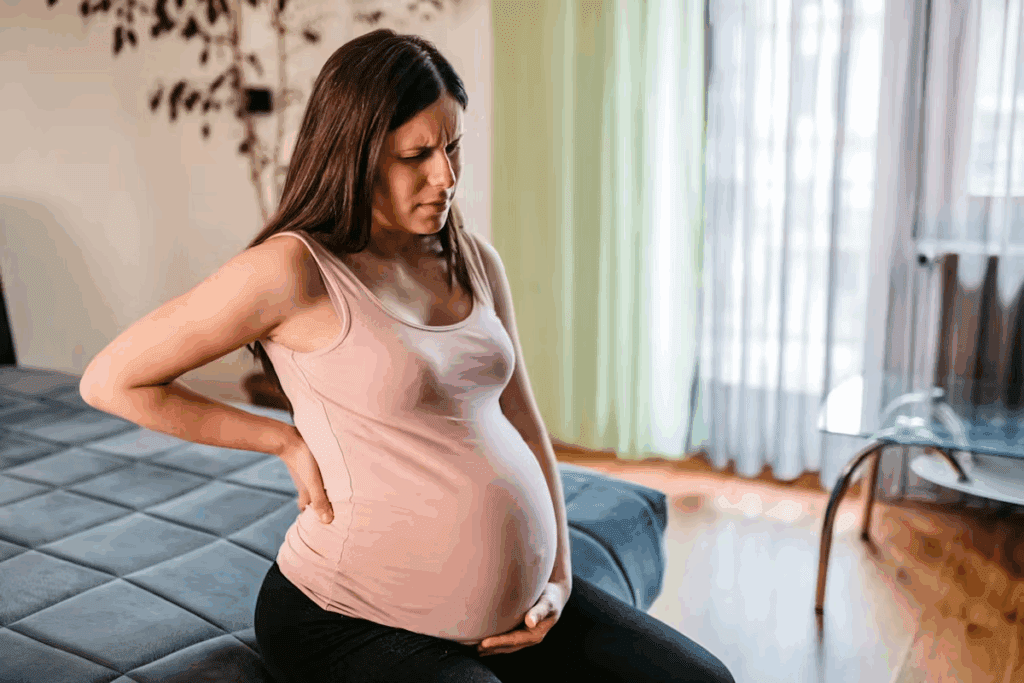
Many expectant mothers worry about how their health might impact their pregnancy. For women with scoliosis, this worry is even bigger.
Did you know scoliosis, a spine curvature issue, affects more than just the back during pregnancy? It’s key to manage scoliosis well for a healthy pregnancy.
Exploring scoliosis and pregnancy is vital. We aim to address your concerns and help you prepare for a healthy pregnancy with scoliosis.
Key Takeaways
- Understanding how scoliosis affects pregnancy.
- Options for pain management, including epidural considerations.
- Importance of prenatal care for women with scoliosis.
- Managing scoliosis symptoms during pregnancy.
- Preparing for a healthy pregnancy with scoliosis.
Understanding Scoliosis and Its Impact on Fertility
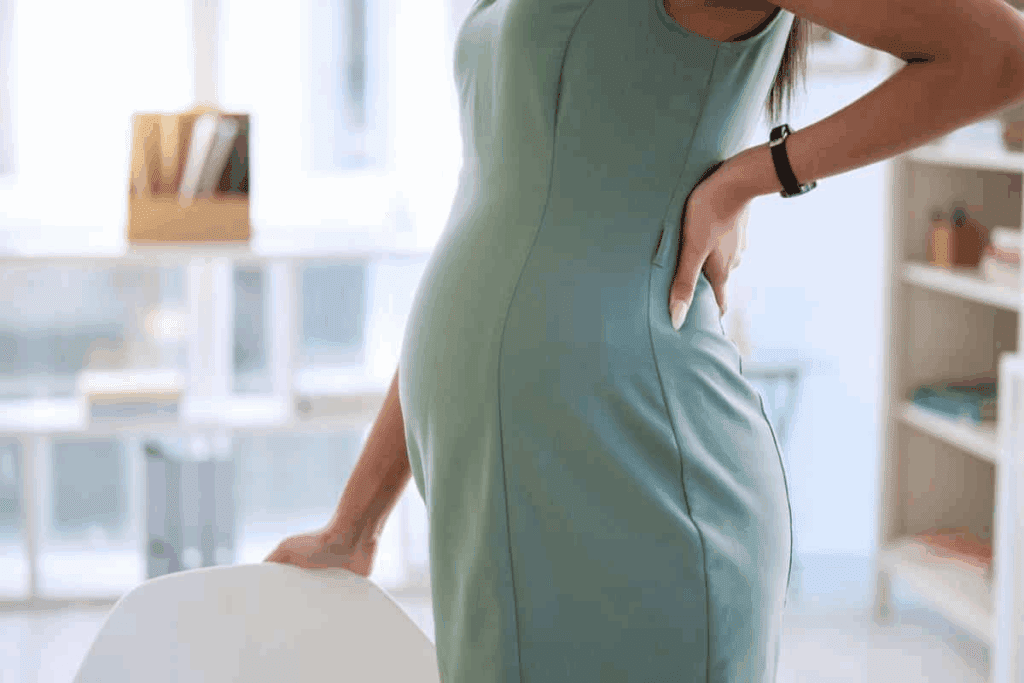
Scoliosis is a complex spinal condition that worries women about its effects on fertility and pregnancy. It causes an abnormal curve in the spine. The impact can vary greatly from person to person.
To understand how scoliosis might affect fertility, we first need to know what it is and how it affects women.
What is Scoliosis and How Common is it Among Women?
Scoliosis is a condition that makes the spine curve abnormally to one side. It’s more common in women than men. Studies show a significant number of people are affected, with women being more likely to have it.
Some key statistics on scoliosis prevalence include:
- About 2-3% of adolescents have scoliosis.
- Girls are more likely to have scoliosis than boys, and their curves are more likely to progress.
- The condition can occur at any age, but it’s most common during puberty.
Does Scoliosis Affect Fertility or Conception?
The question of whether scoliosis affects fertility is complex. Research shows that scoliosis itself does not directly impact fertility. But, a woman’s overall health and well-being can influence her ability to conceive.
Some factors to consider include:
- The severity of the scoliosis: Women with more severe scoliosis may have additional health complications that could affect fertility.
- Associated health conditions: Certain conditions associated with scoliosis might impact fertility.
- Psychological factors: The emotional and psychological impact of living with scoliosis should not be underestimated, as stress and mental health can affect fertility.
In conclusion, while scoliosis may not directly affect fertility, it’s vital for women with scoliosis to maintain overall health and consult with healthcare providers when planning for pregnancy.
The Relationship Between Pregnancy and Spinal Curvature
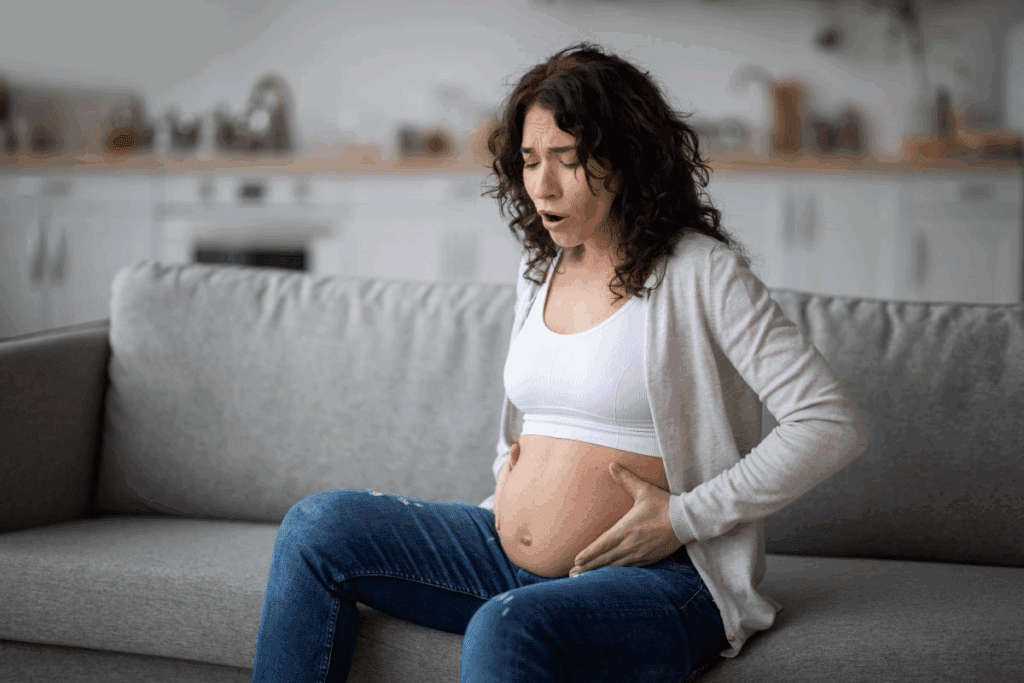
Pregnancy changes a woman’s body in many ways. For those with scoliosis, it’s natural to wonder how these changes might affect their spinal curvature. As the body adjusts to the growing fetus, various physiological changes occur. These changes can impact the spine.
We will explore how these changes influence existing scoliosis. We will also look at whether pregnancy can lead to the development of scoliosis. Lastly, we will discuss how pregnancy-related spinal changes differ from scoliosis.
How Pregnancy Affects Existing Scoliosis
For women with existing scoliosis, pregnancy can present unique challenges. Hormonal changes during pregnancy, like the release of relaxin, can cause ligaments to relax. This relaxation can lead to a slight increase in spinal curvature in some cases. But the extent of this effect varies widely among individuals.
It’s essential for pregnant women with scoliosis to be monitored regularly by their healthcare provider. Regular check-ups can help identify any significant changes in spinal curvature early on. This allows for timely interventions if necessary.
| Factors Influencing Scoliosis During Pregnancy | Description | Potential Impact |
| Hormonal Changes | Release of relaxin causing ligament relaxation | Potential increase in spinal curvature |
| Weight Gain | Additional weight putting stress on the spine | Possible exacerbation of scoliosis symptoms |
| Postural Changes | Shift in center of gravity due to pregnancy | Changes in spinal alignment |
Can Pregnancy Cause Scoliosis?
The question of whether pregnancy can cause scoliosis is complex. While pregnancy itself does not directly cause scoliosis, the physiological changes during pregnancy can reveal or exacerbate underlying spinal issues. In rare cases, pregnancy might unmask a pre-existing scoliosis that was not previously diagnosed.
Pregnancy-Related Spinal Changes vs. Scoliosis
It’s important to differentiate between pregnancy-related spinal changes and scoliosis. Pregnancy can lead to various spinal changes due to the growing belly and shifting posture. But these changes are generally not the same as scoliosis. Pregnancy-related changes are typically more related to the biomechanical adjustments and less about a structural curvature of the spine.
Understanding these differences is key to managing spinal health during pregnancy. While some changes might be temporary and resolve post-pregnancy, scoliosis requires ongoing management.
Pregnant Women with Scoliosis: What to Expect
Pregnancy is a unique journey for every woman, and for those with scoliosis, it’s essential to understand what to expect. Women with scoliosis may face unique challenges as their body undergoes significant changes. We will outline the key considerations and changes associated with each trimester, providing guidance for a healthy pregnancy.
First Trimester Considerations
In the first trimester, women with scoliosis may not see big changes in their spinal condition. But, it’s key to tell your healthcare provider about your scoliosis. Pre-pregnancy scoliosis severity and any previous treatments should be discussed.
Morning sickness and fatigue are common during this time. Keeping a good posture and taking regular breaks can help ease some discomfort.
Second Trimester Changes and Adaptations
As the belly grows, the center of gravity shifts, affecting posture and putting strain on the spine. Women with scoliosis may need to adapt their daily activities and clothing to accommodate their changing body.
Regular check-ups with healthcare providers are vital to monitor both the pregnancy and scoliosis. Some women may need additional support or adjustments to their treatment plan.
Third Trimester Challenges and Solutions
In the third trimester, the growing uterus can cause further changes in posture, potentially worsening scoliosis symptoms. Engaging in gentle exercises and stretches, as recommended by a healthcare provider, can help manage discomfort.
Preparing for motherhood involves considering how to care for a newborn while managing scoliosis. Exploring ergonomic baby care techniques and support devices can be beneficial.
| Trimester | Common Changes | Recommendations |
| First | Morning sickness, fatigue | Maintain good posture, regular breaks |
| Second | Posture changes, strain on spine | Adapt daily activities, monitor scoliosis |
| Third | Exacerbated scoliosis symptoms | Gentle exercises, ergonomic baby care |
Medical Considerations Before Conception
Scoliosis doesn’t have to stop you from getting pregnant. But, it’s important to plan carefully. Women with scoliosis can have a healthy pregnancy. Yet, it’s key to think about medical factors before starting.
Pre-Pregnancy Consultations with Specialists
It’s vital to talk to healthcare experts who know about scoliosis before getting pregnant. These meetings can spot risks and plan how to handle them during pregnancy.
Important topics to cover include:
- The severity of your scoliosis and its possible effects on pregnancy.
- Any past surgeries or treatments for your scoliosis.
- Your overall health and any other health issues you have.
Knowing your specific case, your healthcare team can give you tailored advice for a safe pregnancy.
Preparing Your Body for Pregnancy with Scoliosis
Getting ready for pregnancy means taking steps to stay healthy. For women with scoliosis, this is even more important.
Consider these steps:
- Maintaining a healthy weight: Too much weight can strain your spine.
- Strengthening your core and back muscles: Gentle exercises can improve your posture and ease discomfort during pregnancy.
- Managing any existing pain: Talk to your healthcare provider about safe pain relief options.
By doing these things, you can prepare your body for pregnancy’s changes. This can lower the risk of problems and boost your health.
Also, check your insurance and know the costs for prenatal care and delivery.
Does Scoliosis Get Worse During Pregnancy?
Women with scoliosis often worry about how their spinal curve will change during pregnancy. The link between scoliosis and pregnancy is complex. It involves many factors that can impact the condition’s progression.
Factors That May Influence Progression
Several things can affect if scoliosis gets worse during pregnancy. The severity of scoliosis before pregnancy is key. Women with more severe scoliosis are at higher risk of their curve getting worse.
Other factors include the woman’s age, how many pregnancies she’s had, and any spinal surgeries. It’s vital for women with scoliosis to talk to their healthcare provider. This way, they can understand their specific risk.
Monitoring Spinal Changes Throughout Pregnancy
It’s important to watch for spinal changes in women with scoliosis during pregnancy. Regular visits to healthcare providers can spot any worsening early. Monitoring may include regular X-rays, physical exams, and checking for symptoms or discomfort.
We suggest women with scoliosis work with their healthcare team to create a monitoring plan. This team effort helps address any changes in scoliosis quickly. It reduces the risk of complications during pregnancy and childbirth.
Managing Scoliosis Pain During Pregnancy
Pregnancy can be tough for women with scoliosis, as it affects pain management. The spinal changes can make pain worse. Finding ways to manage pain is key for a comfortable pregnancy.
Safe Pain Relief Options
Choosing safe pain relief is important for both mom and baby. Acetaminophen is often used for mild to moderate pain. Always talk to a doctor before taking any medication.
Physical Therapy Approaches
Physical therapy is vital for scoliosis pain in pregnancy. Gentle exercises and stretches help keep the back flexible and strong. Physical therapists create plans that fit each woman’s needs.
- Strengthening core and back muscles
- Improving posture and flexibility
- Enhancing body mechanics to reduce strain
Supportive Devices and Ergonomic Adjustments
Supportive devices and ergonomic changes also help with scoliosis pain. Supportive bras and maternity belts ease back strain. Adjusting daily activities to avoid overexertion can also help.
| Supportive Device | Benefit |
| Maternity Belt | Reduces strain on the lower back |
| Supportive Bra | Distributes weight more evenly |
Combining safe pain relief, physical therapy, and supportive devices helps manage scoliosis pain in pregnancy. Working with a healthcare provider is key to a good pain management plan.
Scoliosis and Lordosis: Understanding Related Spinal Conditions in Pregnancy
It’s important for pregnant women to know the difference between scoliosis and lordosis. These spinal conditions affect the spine in different ways during pregnancy.
Differentiating Between Scoliosis and Lordosis
Scoliosis causes the spine to curve sideways. Lordosis makes the lower back curve inward too much. Knowing the difference is key for managing these conditions during pregnancy.
- Scoliosis involves a sideways curvature and rotation of the spine.
- Lordosis is marked by an increased inward curvature, often leading to a swayback appearance.
Both conditions can make pregnancy harder. It’s important for pregnant women to know about their spinal health.
How Pregnancy Affects Lordosis
Pregnancy can make lordosis worse because of weight gain and posture changes. As the belly grows, the spine curves inward more.
Managing Multiple Spinal Conditions During Pregnancy
Dealing with scoliosis and lordosis in pregnancy needs a careful plan. This includes:
- Regular check-ups with healthcare providers to monitor spinal changes.
- Physical therapy to strengthen back muscles and improve posture.
- The use of supportive devices to alleviate discomfort.
Women with these conditions should work closely with their healthcare team to get a care plan that fits their needs during pregnancy.
Delivery Options for Women with Scoliosis
Scoliosis doesn’t stop a woman from having a healthy pregnancy. But, it does need special thought when choosing how to deliver. With the right help from their healthcare team, women with scoliosis can have a safe and healthy birth.
Vaginal Birth Considerations and Planning
Vaginal birth is possible for many women with scoliosis. But, the choice depends on several things. These include how severe the scoliosis is, any other health issues, and the health of the mother and baby.
To plan for a vaginal birth, women with scoliosis should:
- Talk to their healthcare provider about their scoliosis to understand any risks.
- Keep an eye on their spinal health during pregnancy.
- Work with a specialist who knows about scoliosis and pregnancy.
When C-Section May Be Recommended for Scoliosis Patients
In some cases, a C-section might be suggested for women with scoliosis. This is more likely if the spine curve is very severe or if there are worries about the baby’s position or the mother’s health.
| Condition | C-Section Recommendation |
| Severe scoliosis (Cobb angle > 40°) | Often recommended due to possible complications. |
| Previous spinal surgery | May be suggested based on the surgery type and spinal stability. |
| Complications during pregnancy | Recommended if there are health concerns for the mother or baby. |
Creating a Flexible Birth Plan with Your Healthcare Team
A flexible birth plan is key for women with scoliosis. It should include:
- Preferences for vaginal birth or C-section.
- Options for pain management.
- Contingency plans for unexpected complications.
Working with a healthcare team can make sure the birth plan fits the individual’s needs.
Understanding delivery options and working with healthcare providers helps women with scoliosis make informed choices. This ensures a safe and healthy delivery.
Can You Get an Epidural with Scoliosis?
Women with scoliosis face a tricky decision about epidurals during labor. Scoliosis, which causes the spine to curve abnormally, can make epidurals hard to administer. We’ll look at the challenges, who can get an epidural, and other ways to manage pain during labor.
Challenges of Administering Epidurals in Women with Scoliosis
Getting an epidural with scoliosis is tricky because of the spine’s shape. The curve makes it hard for doctors to place the epidural catheter correctly. This can increase the risk of problems or make the epidural less effective.
Factors That Determine Epidural Eligibility
Several things decide if a woman with scoliosis can get an epidural. These include how severe the scoliosis is, any past spinal surgeries, and if there’s spinal hardware. An anesthesiologist must carefully check these factors to see if an epidural is possible.
| Factor | Description | Impact on Epidural Eligibility |
| Severity of Scoliosis | Degree of spinal curvature | More severe curvature may complicate epidural placement |
| Previous Spinal Surgeries | History of surgical interventions on the spine | Can affect the anatomy and make epidural placement challenging |
| Presence of Spinal Hardware | Presence of rods, screws, or other hardware in the spine | May interfere with epidural placement or effectiveness |
Alternative Pain Management Techniques During Labor
Women with scoliosis who can’t or don’t want an epidural have other options. These include:
- Breathing exercises and relaxation techniques
- Hydrotherapy
- TENS (Transcutaneous Electrical Nerve Stimulation) units
- Opioid analgesics (under careful medical supervision)
It’s key for women with scoliosis to talk to their healthcare provider about pain management before labor. This way, they can make a birth plan that suits them.
Severe Scoliosis and Pregnancy: Special Considerations
Severe scoliosis and pregnancy together create a complex situation. Women with severe scoliosis face unique challenges during pregnancy. They need careful management and specialized care.
High-Risk Pregnancy Management Protocols
Pregnancy for women with severe scoliosis is considered high-risk. This is because of possible respiratory issues, spinal deformity progression, and back strain. High-risk pregnancy management protocols are key to monitor and address these complications early.
Regular prenatal check-ups with a team of experts are essential. This team includes obstetricians, orthopedic specialists, and sometimes pulmonologists. They work together to create a personalized care plan for the mother.
When Surgery History Complicates Pregnancy
Women who have had scoliosis surgery face extra challenges during pregnancy. Previous spinal surgeries may affect the spine’s flexibility. It’s important for these women to share their surgery history with their healthcare providers.
The presence of surgical hardware or changes in spinal mechanics can complicate pain management and delivery planning. Healthcare providers must consider these factors when developing a care plan. They may need specialists familiar with the patient’s surgical history.
Breathing and Pulmonary Concerns with Severe Scoliosis
Severe scoliosis can cause respiratory complications due to chest cavity deformation. This restricts lung expansion. During pregnancy, the increased oxygen demand and uterus pressure can worsen these issues. Monitoring pulmonary function is critical in managing the pregnancy.
Pulmonary function tests and regular assessments by a pulmonologist are important. They help in early detection of any decline in respiratory function. In some cases, additional oxygen therapy or other respiratory support measures may be needed to ensure the health of both the mother and the baby.
Postpartum Recovery for Women with Scoliosis
The postpartum period for women with scoliosis is complex. It involves physical recovery, breastfeeding, and caring for a newborn. Managing spinal health is also key. It’s important for new mothers with scoliosis to know the challenges and strategies for recovery.
Physical Recovery Challenges and Timeline
Women with scoliosis face extra challenges after childbirth. The postpartum period brings big physical changes. Hormonal shifts, weight changes, and caring for a newborn can strain the spine. It’s vital to watch spinal health closely and notice any pain or curvature changes.
- Be mindful of posture when lifting or carrying the baby to avoid exacerbating spinal curvature.
- Engage in gentle exercises as recommended by healthcare providers to maintain flexibility and strength.
- Consider physical therapy to address any specific postpartum physical challenges or pain.
Breastfeeding and Baby Care Ergonomics
Breastfeeding is great for new mothers, but it needs careful planning for those with scoliosis. Proper ergonomics during feeding can prevent back strain. Using pillows or a breastfeeding support can help maintain a comfortable position and reduce the risk of discomfort or pain.
- Use a nursing pillow to support the baby and reduce strain on your back.
- Experiment with different feeding positions to find one that is comfortable for you.
- Consider enlisting the help of a lactation consultant who can provide personalized advice.
Rebuilding Core Strength After Pregnancy
Rebuilding core strength is key for postpartum recovery, even more so for women with scoliosis. A strong core supports the spine and improves spinal health. Engaging in postpartum physical therapy or a guided exercise program can be highly beneficial.
Some exercises to consider include:
- Pelvic tilts to gently engage the core muscles.
- Gentle planks or modified planks on knees to build core strength.
- Breathing exercises that promote diaphragmatic breathing and core engagement.
By focusing on these areas, women with scoliosis can better navigate postpartum recovery. This ensures a healthier and more comfortable transition into motherhood.
Finding Support: Resources for Pregnant Women with Scoliosis
Pregnancy with scoliosis needs more than just medical help. It also requires a strong support system. Women with scoliosis must manage their condition carefully during pregnancy. The right resources can greatly help.
Experienced Scoliosis Specialists
It’s important to find healthcare providers who know how to handle scoliosis during pregnancy. These experts can give advice and treatment plans that fit your needs. Look for obstetricians and orthopedic specialists who have experience with pregnant women with scoliosis.
When looking for a specialist, ask about their experience with scoliosis patients. Find out how they manage scoliosis during pregnancy and how they work with other healthcare providers.
Support Groups and Online Communities
Support groups and online communities offer emotional support and practical advice. Connecting with others who face similar challenges can be very empowering. It helps reduce feelings of loneliness.
Start by looking at online forums and social media groups for scoliosis and pregnancy. Many organizations also have in-person support groups. These are great places to share experiences and learn from others.
A Multidisciplinary Healthcare Team
Working with a team of healthcare professionals is key for managing scoliosis during pregnancy. This team might include obstetricians, orthopedic specialists, physical therapists, and more. They provide all-around care.
A team approach ensures your health is looked at from every angle. It helps coordinate care better, leading to better outcomes. By using these resources and support systems, pregnant women with scoliosis can navigate their pregnancy journey more smoothly.
Conclusion
Women with scoliosis can have a healthy pregnancy with the right care. We’ve looked at how scoliosis affects pregnancy and why managing it is key.
Good scoliosis care is important before, during, and after pregnancy. Knowing how scoliosis impacts fertility and childbirth helps women prepare for motherhood.
Managing scoliosis during pregnancy needs a team effort. Obstetricians, orthopedic specialists, and others work together. They give women the care they need, from before pregnancy to after giving birth.
Women with scoliosis during pregnancy can have a good experience. With the right management, they can avoid many problems and enjoy their pregnancy.
By focusing on their spinal health and teaming up with healthcare professionals, women with scoliosis can start motherhood with confidence. They know they’re getting the best care.
FAQ
Does scoliosis affect fertility or the ability to conceive?
Scoliosis usually doesn’t affect fertility. But, severe spinal curves might impact health, which could affect getting pregnant.
Can pregnancy cause scoliosis or worsen existing scoliosis?
Pregnancy itself doesn’t cause scoliosis. But, it can make existing spinal curves worse because of body changes and extra spine stress.
What are the key considerations for pregnant women with scoliosis during each trimester?
Each trimester brings its own challenges. In the first trimester, managing morning sickness and keeping a good posture is key. The second trimester means adapting to a changing center of gravity. The third trimester is about getting ready for delivery and managing any discomfort.
How can scoliosis pain be managed during pregnancy?
Safe ways to manage pain include physical therapy, using supportive devices, and making ergonomic changes. You might also consider acupuncture or chiropractic care, but only with your healthcare provider’s advice.
Can women with scoliosis have a vaginal birth, or is a C-section recommended?
Whether to have a vaginal birth or a C-section depends on your scoliosis severity and health. It’s best to create a flexible birth plan with your healthcare team.
Is it possible to get an epidural with scoliosis?
Scoliosis might make getting an epidural tricky, but it’s not a hard no. Your eligibility depends on how severe your scoliosis is and if you’ve had surgeries before.
How does severe scoliosis impact pregnancy, and what are the special considerations?
Severe scoliosis can make pregnancy harder due to breathing and lung issues. High-risk pregnancy care is often needed. Your past surgeries can also affect how your pregnancy is managed.
What are the postpartum recovery challenges for women with scoliosis?
Recovering after giving birth can be tough, with challenges like managing pain and building core strength. It’s also important to make breastfeeding and baby care ergonomic to avoid hurting your spine.
Where can pregnant women with scoliosis find support and resources?
You can find support from scoliosis specialists who know about pregnancy care, support groups, online forums, and a healthcare team that gets scoliosis and pregnancy.
Can pregnancy-related spinal changes be confused with scoliosis?
Yes, changes in the spine during pregnancy, like lordosis, can be mistaken for scoliosis. It’s important to understand the differences and how pregnancy affects these conditions for proper care.
What steps can be taken before conception to prepare for a healthy pregnancy with scoliosis?
Before getting pregnant, see specialists, work on spinal health, and do exercises that prepare your body for a healthier pregnancy.
How often should spinal changes be monitored during pregnancy?
It’s best to check spinal changes often to catch any issues early and manage them quickly.
Are there specific exercises or physical therapy approaches recommended for pregnant women with scoliosis?
Yes, there are gentle exercises and physical therapy plans made just for you to help with pain and keep you flexible.
Reference
1.Drake, M. T., & McElhany, T. (2018). Anesthesia considerations in pregnant women with spinal deformities. Anesthesia & Analgesia, 126(3), 916–924. https://journals.lww.com/anesthesia-analgesia/Fulltext/2018/03000/Anesthetic_Considerations_in_Pregnant_Women_with.26.aspx