Last Updated on December 3, 2025 by Bilal Hasdemir
Prepare House for Chemo Getting your home ready for chemotherapy is key to a safe and comfy space during treatment. Chemotherapy can lead to side effects like tiredness, nausea, and a weak immune system.
To lessen risks and challenges, it’s vital to take precautions and adjust your home. This means keeping it clean and germ-free, lowering infection risks, and making daily tasks easier.
By being proactive, you can make treatment smoother and lower the chance of complications.
Key Takeaways
- Clean and declutter your home to reduce infection risks
- Make daily tasks more manageable with adjustments to your home
- Take precautions to minimize the risk of infection
- Create a comfortable and safe environment for treatment
- Prepare your home in advance to reduce stress during treatment
Understanding Chemotherapy and Its Effects on Home Life

It’s important to know how chemotherapy works to get your home ready. Chemotherapy uses drugs to kill cancer cells. It can affect many parts of a person’s life, including their home.
Chemotherapy is given in different ways, and its effects can change based on the type and how it’s given. The American Cancer Society says, “Chemotherapy is a systemic treatment, meaning it affects the whole body.”
“Chemotherapy is a systemic treatment, meaning it affects the whole body.”
This wide-reaching approach to cancer treatment can cause many side effects. Patients and their families need to be ready for these.
How Chemotherapy Works in the Body
Chemotherapy targets cells that grow fast, like cancer cells. But it can also harm healthy cells that grow quickly, like hair follicles and the digestive tract lining. This can cause hair loss and nausea. The chemotherapy meaning includes the treatment and how the body reacts to it.
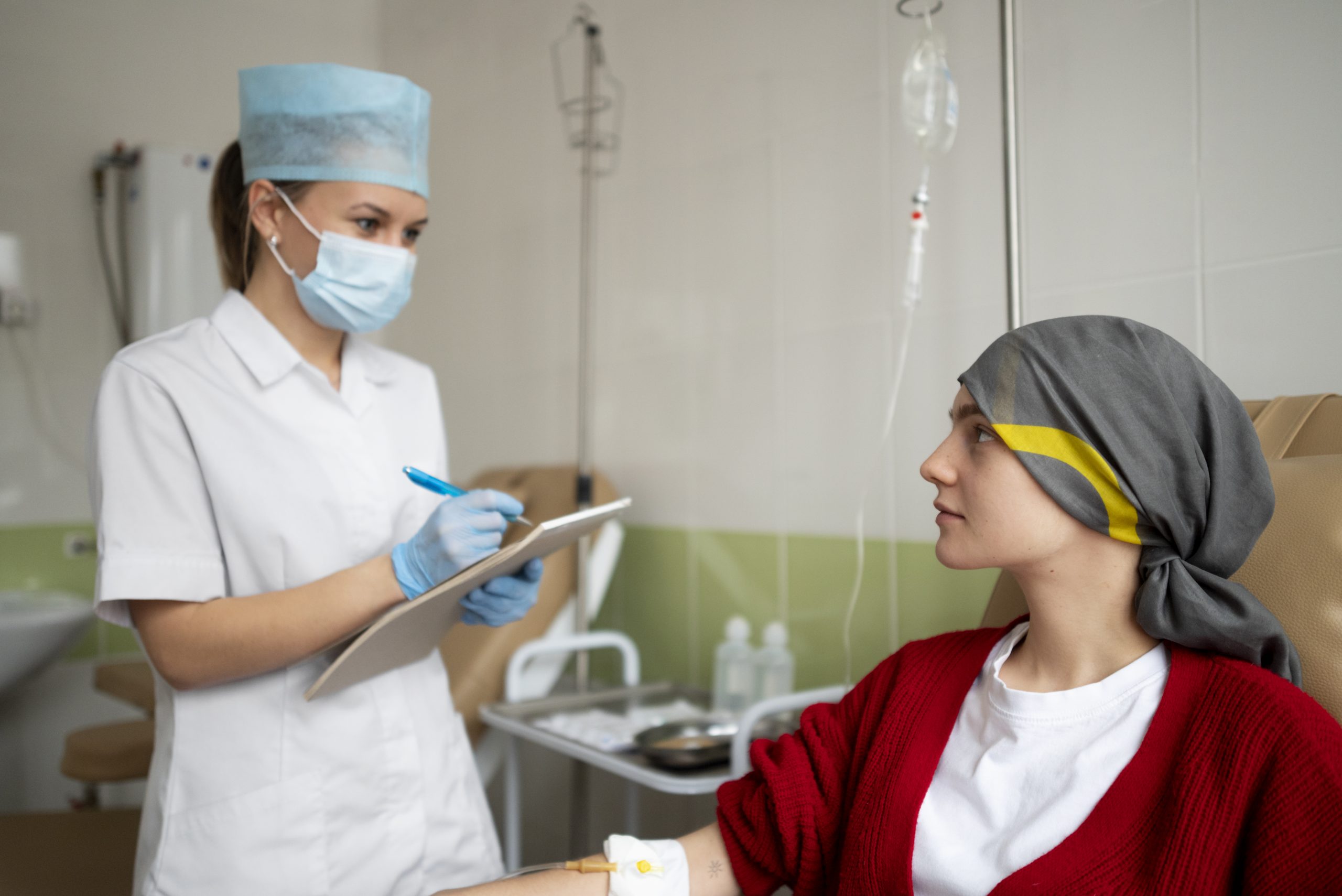
Chemotherapy can be given in different ways. Knowing these methods is important for managing its effects. The National Cancer Institute says chemotherapy can be given through intravenous, oral, and subcutaneous routes.
Different Methods of Chemotherapy Administration
Chemotherapy can be given in different ways, each affecting the patient and their home in different ways.
- Intravenous chemotherapy delivers drugs directly into a vein.
- Oral chemotherapy is taken by mouth, like other pills or liquids.
- Subcutaneous chemotherapy is injected under the skin, not into a vein.
Understanding these methods and their chemotherapy side effects is key for patients to prepare their homes. By knowing what to expect, patients can handle the side effects of chemotherapy better. This helps them keep their living space comfortable.
Preparing for Common Chemo Side Effects at Home
Chemotherapy is a unique journey for everyone. Knowing and preparing for common side effects can make it easier at home. This treatment kills cancer cells but can harm other cells too, like hair and digestive system cells.
Physical Side Effects and Home Accommodations
Common physical side effects include fatigue, nausea, hair loss, and increased risk of infections. To manage these at home:
- Create a comfortable resting area to help alleviate fatigue.
- Prepare anti-nausea remedies and have a plan for managing nausea, such as dietary changes or medication.
- Consider scalp cooling or using gentle hair care products to minimize hair loss discomfort.
- Implement strict hygiene practices to reduce the risk of infections.
Cognitive and Emotional Changes
Chemotherapy can also cause cognitive and emotional changes, known as “chemo brain.” Symptoms include memory problems, difficulty concentrating, and mood swings. To handle these changes:
- Use planners or calendars to keep track of appointments and medication schedules.
- Minimize distractions and create a quiet, organized workspace for tasks that require concentration.
- Engage in stress-reducing activities like meditation, yoga, or reading to help manage emotional changes.
Understanding chemotherapy side effects and adjusting your home can help manage symptoms. This improves quality of life during treatment.
Essential Home Safety Modifications Before Starting Treatment
Making your home safe and easy to move around is key before starting chemotherapy. As treatment goes on, you might feel weaker and less steady. This makes it easier to fall and get hurt. By making a few important changes, you can make your home safer.
Preventing Falls and Accidents
Falls are a big worry during chemotherapy because of side effects like dizziness. To lower this risk, it’s important to clear up tripping spots and make your home safer.
- Clear clutter and secure loose wires to prevent tripping.
- Install handrails in strategic locations, such as bathrooms and stairways.
- Improve lighting throughout your home, especially in areas with stairs or where you walk at night.
Improving Home Accessibility
Improving how easy it is to get around your home also helps a lot during chemotherapy. Think about these changes:
| Modification | Benefit |
| Widening doorways and installing ramps | Eases mobility and access for those with limited strength or using mobility aids. |
| Adjusting countertops and storage | Reduces strain from bending or reaching, making daily tasks more manageable. |
| Installing grab bars in showers and near toilets | Provides additional support and balance, reducing the risk of falls. |
By making these home safety changes, you can make your home a safer and more supportive place during your chemotherapy.
Creating a Clean Environment to Prevent Infections
To keep infections away, it’s key to keep your home clean during chemotherapy. Chemotherapy weakens the immune system, making it easier for infections to spread. A clean home can greatly lower this risk.
Deep Cleaning Protocols Before Treatment Begins
Before starting chemotherapy, deep clean your home to get rid of infection sources. Focus on cleaning all surfaces, but pay extra attention to areas the patient uses a lot.
- Use a disinfectant on high-touch spots like doorknobs, light switches, and countertops.
- Clean and disinfect bathrooms, focusing on the shower, sink, and toilet.
- Vacuum and dust all floors and surfaces, including furniture and blinds.
Deep cleaning before treatment can lower infection risk. Also, wash bedding, towels, and clothes in hot water to kill germs.
Daily Cleaning Routines During Treatment
Keep up with daily cleaning during chemotherapy. This means regularly disinfecting high-touch areas and keeping your space clean.
| Area | Daily Task | Frequency |
| Kitchen Counters | Wipe down with disinfectant | Daily |
| Bathroom Sinks | Clean with soap and water | Daily |
| Doorknobs and Light Switches | Disinfect | Daily |
Wear gloves when cleaning to stop infection spread. By sticking to these daily cleaning routines, you can keep a safe and healthy space for the patient.
Setting Up a Comfortable Recovery Space
Creating a cozy recovery space is key when getting ready for chemo. A well-thought-out area can ease some of the treatment’s discomforts. This helps in a smoother recovery journey.
Bedroom Modifications for Comfort
It’s important to make the bedroom comfy. Here are some tips:
- Get a good mattress and pillows for support.
- Install blackout curtains for a dark, restful space.
- Keep the bedroom cool and comfy.
Also, clear out clutter and make sure the room breathes well. This makes the space more relaxing.
Creating a Restful Atmosphere
Creating a peaceful space is more than just being comfy. It’s also about making the area calm. Here are some ways to do it:
- Choose soothing colors for your bedding and decor.
- Add calming scents like lavender to the room.
- Use white noise machines or earplugs to block out noise.
By making these changes, patients can set up a space that supports their body and mind during chemo.
Healthcare experts say, “A calm and comfy space can really help patients rest and recover.” Making such an environment is vital for managing chemo side effects well.
Bathroom Preparations for Managing Chemo Side Effects
To deal with chemotherapy’s challenges, prepare your bathroom for side effects. Chemotherapy can cause nausea, digestive issues, and increase fall risks due to dizziness or weakness. Simple adjustments can make your bathroom safer and more comfortable.
Accommodating Nausea and Digestive Issues
Chemotherapy often leads to nausea and digestive problems. The bathroom is key to prepare for these issues. Here are some tips:
- Ensure good ventilation to reduce nausea triggered by odors.
- Keep a supply of anti-nausea medications and other essentials within easy reach.
- Install a raised toilet seat to reduce strain on your body.
Installing Safety Features
Safety is critical in the bathroom, more so when chemotherapy can cause dizziness, weakness, or falls. Here are some safety features to consider:
- Grab Bars: Install grab bars near the toilet and in the shower to provide support.
- Non-Slip Mats: Place non-slip mats in the shower and bathtub to prevent slipping.
- Shower Chair: Consider using a shower chair to reduce the risk of falls while bathing.
By making these changes, you can greatly improve bathroom safety and comfort during chemotherapy treatment.
Kitchen Organization for Nutrition During Treatment
A well-planned kitchen is key for those undergoing chemotherapy. It helps keep nutrition levels up and manage treatment side effects.
Food Safety Considerations for Compromised Immunity
Chemotherapy weakens the immune system, making people more prone to foodborne illnesses. Safe food handling practices are a must. This means storing, handling, and preparing food correctly.
- Store food at the right temperatures to stop bacteria from growing.
- Keep raw and cooked foods separate to avoid cross-contamination.
- Always use clean utensils and cutting boards.
Regular cleaning and sanitizing of kitchen surfaces are also important. They help lower infection risks and keep food prep areas safe.
Meal Preparation Strategies
Good meal prep is essential for nutrition during chemotherapy. Preparing meals in advance helps with fatigue, a common side effect. Choose meals that can be easily reheated.
Some strategies include:
- Batch cooking and freezing meals for later.
- Make soups and stews that are easy to digest.
- Keep a supply of healthy snacks.
Organizing your kitchen and using these meal prep tips can ensure you always have nutritious food. This is true even when you’re feeling very tired.
Chemotherapy Precautions for Family Members at Home
Family members can greatly support their loved ones with chemotherapy at home. They can ensure the patient’s comfort and safety. They also protect themselves from chemotherapy risks.
Understanding Exposure Risks
Chemotherapy drugs can leave through urine, sweat, and feces. Family members might get exposed to these. It’s vital to handle contaminated items carefully, like wearing gloves when cleaning.
Patients should use the toilet instead of a bedpan. They should wash their hands well after using the bathroom. Family members should not touch their face or mouth after being near the patient or their fluids.
Special Considerations for Children and Pets
Children and pets might accidentally get exposed because of their curiosity and closeness. It’s important to teach children how to gently interact with the patient and watch them closely.
Pets should stay away from the patient’s fluids. Cleaning areas where the patient spends time can lower exposure risks. Family members should watch their pet’s behavior around the patient to avoid risks.
By knowing the risks and taking precautions, family members can make a safer space for their loved ones with chemotherapy.
Managing Temperature Sensitivity During Chemo Treatment
Changing your home environment can help with temperature sensitivity during chemo. Hot flashes and chills can be uncomfortable. But, you can prepare to feel better.
Adjusting Home Temperature Systems
Start by adjusting your home’s temperature. This means:
- Checking if your heating and cooling systems work well.
- Using a programmable thermostat to keep the temperature steady.
- Thinking about using fans or space heaters in certain rooms.
A study in the Journal of Oncology found that home adjustments help with comfort during chemo. Keeping your home comfortable is key to managing side effects.
| Adjustment | Benefit |
| Programmable Thermostats | Keeps the temperature steady, easing hot flashes and chills. |
| Regular HVAC Maintenance | Makes heating and cooling more efficient, boosting comfort. |
| Using Fans or Space Heaters | Allows for precise temperature control in certain spots. |
Preparing for Hot Flashes and Chills
Hot flashes and chills are common during chemo. Being ready for them can help a lot:
- Wearing layers to adjust to temperature changes easily.
- Having cold compresses or ice packs for hot flashes.
- Using blankets or electric blankets for chills.
Keeping a log of when hot flashes and chills happen can help you prepare better.
“Understanding and preparing for chemo side effects can greatly improve a patient’s quality of life.”
By making these changes and being prepared, patients can manage temperature sensitivity better. This improves their comfort during chemo.
Creating a Low-Stimulation Environment for Fatigue Management
A quiet and calm space is key for those going through chemotherapy. It helps manage fatigue. Making your home environment less stressful is important for rest.
Reducing Noise Disturbances
Noise can really affect how well you rest when you’re getting chemotherapy. To cut down on noise, think about using soundproofing or noise-cancelling headphones. “Lowering noise levels can really help you rest better,” say.
Here are some ways to reduce noise:
- Installing soundproofing materials in walls and ceilings
- Using area rugs to reduce footstep noise
- Placing noise-cancelling headphones in busy spots
Light Management Strategies
Light can also affect how tired you feel. Changing the lighting to make it more relaxing is helpful. Dim red lighting is good because it doesn’t stop melatonin from working.
Here are some ways to manage light:
- Installing dimmer switches to control light levels
- Using blackout curtains to block out outside light
- Employing smart light bulbs that change color temperature
By using these tips, you can make a quieter space. This helps fight off fatigue from chemotherapy. As fatigue management gets more focus, these changes can really boost your life quality.
Preparing a Home Medication Station
Setting up a home medication station is key to keeping prescriptions and emergency info safe and organized. It’s vital for managing chemotherapy treatment at home.
Organizing Prescriptions and Anti-Nausea Medications
A good medication station starts with a clear plan for storing and managing meds. This includes:
- Using a pill organizer to keep track of daily medication
- Storing medications in a cool, dry place away from direct sunlight
- Labeling medications with their names and purposes
For those on chemotherapy, anti-nausea meds are very important. Making sure they’re easy to find and labeled helps manage side effects.
| Medication Type | Purpose | Storage Instructions |
| Anti-nausea medication | To prevent nausea caused by chemotherapy | Store at room temperature, away from moisture |
| Prescription pain relievers | To manage pain associated with treatment | Keep in a locked cabinet to prevent accidental ingestion |
Emergency Contact Information and Medical Documents
Having emergency contact info and medical documents ready is essential. This includes:
- Contact details for the oncologist and other healthcare providers
- A list of medications, including dosages and frequencies
- Any relevant medical history or allergies
An oncologist says, “Having immediate access to a patient’s medical information can be lifesaving in an emergency situation.”
“The key to effective chemotherapy management at home lies in organization and preparedness.” –
- An Oncologist
To make your home medication station even better, consider these tips:
- Keep a list of emergency contact numbers near the station
- Make sure all family members know where the station is and why it’s important
Communication Systems and Support Networks
For patients going through chemotherapy, having a good communication plan and support system is key. They need to set up tech for medical talks and plan visits and support. This helps them get the help they need.
Setting Up Technology for Medical Communications
Good medical talk is very important during chemotherapy. Patients should find safe and reliable ways to talk to their . This includes:
- Patient portals for looking at medical records and talking to
- Video calls for talking to from home
- Mobile apps for keeping up with treatment and side effects
Healthcare experts say, “Technology has changed how patients talk to . It makes managing treatment easier.”
Coordinating Visitor Schedules and Support
It’s important to plan visits and support well. This helps patients get emotional and practical help. This can be done by:
- Planning when visitors come to avoid too much stress
- Getting family and friends to help with things like shopping or cooking
- Starting a support group for emotional help and connection
A good support network can really improve a patient’s life during chemotherapy.
By making strong communication systems and support networks, patients can handle chemotherapy better. As
“A strong support system is not just beneficial, it’s essential for patients undergoing chemotherapy.”
This shows how important a good support system is.
Emotional Preparation of Your Home Environment
Chemotherapy is not just about the body; it affects your mind too. Your home can be a big help during this time. Getting ready emotionally is important to handle treatment’s tough parts.
Creating Positive Spaces
Having a positive home can really help your mood during chemotherapy. It’s about making areas that help you relax and feel good.
- Use calming colors and soft lighting to create a soothing atmosphere.
- Incorporate elements of nature, such as plants or a water feature, to enhance the sense of calm.
- Ensure that your living space is clutter-free and organized, as clutter can contribute to feelings of anxiety.
Positive spaces can be simple, like a cozy reading corner. Or they can be more complex, like a meditation room. The main idea is to have places where you can escape treatment’s stress.
Privacy Considerations
Privacy is also key for emotional health during chemotherapy. Patients may feel many emotions and go through physical changes. Keeping private areas helps with comfort and dignity.
| Privacy Measure | Benefit |
| Creating a private area for rest and recovery | Reduces stress and promotes healing |
| Limiting visitor access to sensitive areas | Maintains patient dignity and comfort |
| Using room dividers or curtains | Creates a sense of separation and personal space |
Thinking about privacy considerations helps make your home a supportive space. It aids in your emotional well-being during chemotherapy.
Preparing for Recovery Periods Between Chemo Treatments
Knowing about the chemotherapy cycle is key to handling recovery times well. Chemotherapy is given in cycles, giving the body time to rest between treatments. This cycle brings physical and emotional hurdles that patients must prepare for.
Understanding the Treatment Cycle
The chemotherapy cycle includes treatments followed by rest periods. The cycle’s length and how often it happens depend on the cancer type, drugs used, and the patient’s health. It’s important for patients to talk to their healthcare team to know their cycle and what to expect during rest times.
During rest times, the body heals and gets stronger. Patients might feel tired, sick to their stomach, or have brain fog. Knowing these effects helps patients and their caregivers get ready and handle them better.
Gradual Activity Planning
Planning activities slowly is important during rest times. Patients should start with easy tasks and slowly do more as they get stronger. This way, they avoid getting too tired and can stay independent.
Tips for Gradual Activity Planning:
- Begin with short, easy activities like short walks or light stretching.
- Slowly add more to your activities based on how you feel.
- Rest when you need to, as too much can make things worse.
- Keep a diary or log to track your activities and energy.
By understanding the treatment cycle and planning activities carefully, patients can better handle chemotherapy’s challenges. They can make the most of their rest periods.
Conclusion: Creating a Supportive Home Throughout the Chemotherapy Journey
Creating a supportive home is key during chemotherapy. By using the tips from this article, you can make your home ready for treatment. This ensures your needs are met during this time.
A supportive home greatly affects the chemotherapy experience. It offers a safe and comfortable space for recovery. Modifying your home, keeping it clean, and managing temperature are all important.
Preparing your home for chemo is not just about physical changes. It’s also about creating a space that supports emotional well-being. This helps individuals face chemotherapy challenges and focus on recovery.
A well-prepared home can greatly impact your chemotherapy journey. It helps you maintain your dignity and independence. By following these tips, you can create a supportive home for your treatment needs.
FAQ
What are the common side effects of chemotherapy that I should prepare for at home?
Side effects include fatigue, nausea, hair loss, and a higher risk of infections. Preparing your home can greatly improve your comfort and recovery.
How can I make my home safer during chemotherapy treatment?
Remove tripping hazards, install handrails, and improve lighting to make your home safer. Also, set up a cozy recovery area with essentials nearby.
What are some tips for maintaining a clean environment to prevent infections during chemotherapy?
Deep clean before treatment and keep up with daily cleaning to avoid infections. Focus on high-touch areas and use a HEPA air purifier to cut down on airborne pathogens.
How can I manage temperature sensitivity during chemotherapy?
Adjust your home’s temperature and use layers or a blanket to stay comfortable. Keep cold compresses or warm drinks ready for hot flashes and chills.
What precautions should family members take when living with someone undergoing chemotherapy?
Family members should know about exposure risks and take steps to prevent infections. They should also watch their own health, considering the needs of children and pets.
How can I create a low-stimulation environment to manage fatigue during chemotherapy?
Use white noise machines or earplugs to reduce noise. Employ light management with blackout curtains or dim red lights. A peaceful space helps conserve energy and fight fatigue.
What are some strategies for meal preparation during chemotherapy?
Meal prep or cook in bulk using nutrient-rich, easy-to-digest foods. Use kitchen tips like labeling and categorizing to make mealtime easier.
How can I emotionally prepare my home environment for chemotherapy?
Add comforting elements like art or sentimental objects. Create a quiet space for rest or meditation to ensure privacy.
What are some tips for preparing for recovery periods between chemotherapy treatments?
Plan gradual activities to save energy. Prepare your home with essentials within reach and create a cozy recovery area.
How is chemotherapy administered, and what are the different methods?
Chemotherapy is given through IV infusion, oral meds, or injections. Knowing how it’s given helps you prepare your home and manage side effects.
What are the signs that chemotherapy is not working as expected, and what should I do?
Look out for increased tumor size, worsening symptoms, or severe side effects. If you see these signs, talk to your healthcare provider about changing your treatment plan.
How long does a typical chemotherapy treatment session last, and how often will I need treatment?
Treatment session length varies by type and method. Treatment frequency also varies, but most get treatment every few weeks. Your healthcare provider can tell you your specific schedule.
Is chemotherapy painful, and are there any measures to manage pain or discomfort?
Chemotherapy itself isn’t usually painful, but some may feel discomfort or pain. Use medication, relaxation techniques, and adjust treatment plans to manage pain or discomfort.