Last Updated on November 4, 2025 by mcelik

prevent disc degeneration
Degenerative disc disease affects millions, causing back pain and discomfort. It’s estimated that up to 80% of adults experience back pain at some point in their lives, with this disease being a major cause.Learn how to prevent disc degeneration and stop degenerative disc disease from worsening.
As we get older, our spinal discs wear down, losing their cushioning. This can lead to chronic pain. But, there are ways to slow this down and keep our spines healthy.
By knowing what causes degenerative disc disease and taking action, we can lower back pain risks. This helps keep our spines in good shape.
Key Takeaways
- Degenerative disc disease is a natural aging process, but its progression can be slowed.
- Maintaining spinal health is crucial for preventing back pain.
- Early intervention is key to mitigating the effects of degenerative disc disease.
- A combination of lifestyle changes and medical treatments can help manage the condition.
- Understanding the causes and risk factors is essential for effective prevention.
Understanding Degenerative Disc Disease

degenerative disc disease
It’s important to know about degenerative disc disease to prevent and treat it. This condition affects the spinal discs, causing back pain and other issues. It happens as we age, but some factors can make it worse.
What Happens to Discs During Degeneration
When discs degenerate, they lose water and flexibility. This makes them less able to cushion the vertebrae. This can lead to a bulge or rupture of the disc, causing pain.
The degeneration process involves changes in the discs’ structure. The discs’ matrix changes, making them less stable. This makes the spine more prone to injury.
Common Causes and Risk Factors
Several factors can lead to degenerative disc disease. These include:
- Genetics: People with a family history of back problems are at higher risk.
- Lifestyle Factors: Smoking, not exercising, and poor posture can speed up degeneration.
- Age: As we get older, our discs naturally lose water and flexibility.
- Occupational Hazards: Jobs that involve heavy lifting, bending, or twisting can increase the risk.
| Risk Factor | Description | Impact on Disc Health |
| Genetics | Family history of back problems | Increased susceptibility to disc degeneration |
| Smoking | Lack of blood supply and oxygen to discs | Accelerated degeneration |
| Age | Natural loss of disc hydration and elasticity | Reduced disc height and increased stiffness |
Recognizing Early Warning Signs
Spotting degenerative disc disease early is key to managing it. Common signs include:
- Persistent back pain that gets worse over time
- Pain that spreads to the arms or legs
- Back stiffness, especially in the morning
- Less flexibility and range of motion
Seeing these signs early can help you get medical help. This can slow down the disease. By knowing the causes, risk factors, and early signs, we can keep our spines healthy and prevent degenerative disc disease.
The Science Behind Disc Degeneration
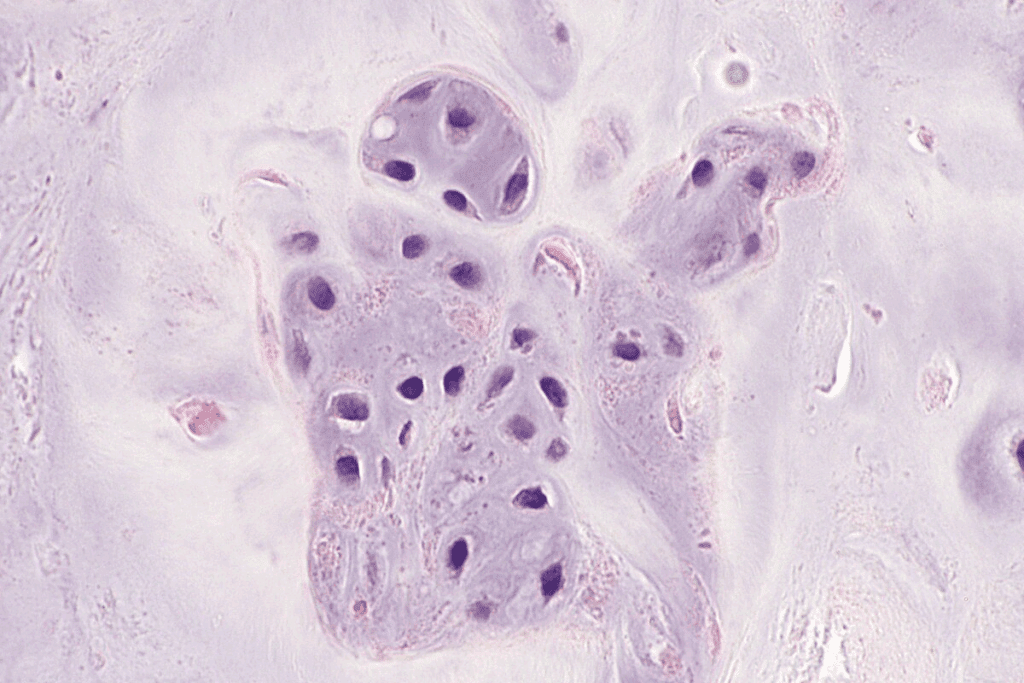
disc degeneration process
Disc degeneration is caused by genetics, lifestyle, and environment. Knowing about it helps us prevent and manage it.
Natural Aging Process vs. Accelerated Degeneration
As we age, our spinal discs change. These changes can lead to degeneration. But, some factors can make this process worse.
Factors contributing to accelerated degeneration include:
- Lifestyle choices such as smoking and lack of exercise
- Environmental factors like heavy lifting or repetitive strain
- Genetic predisposition to disc disease
How Discs Lose Hydration and Elasticity
Spinal discs have a tough outer layer and a soft center. Over time, they lose hydration and elasticity. This makes them less effective at absorbing shock.
The loss of hydration and elasticity can be attributed to:
- Reduced water content in the disc
- Changes in the composition of the disc’s extracellular matrix
- Increased fissures and cracks in the disc’s surface
The Role of Genetics in Disc Health
Genetics are key in disc health. Some genes make us more likely to get disc degeneration. Research has found several genes linked to this risk.
Understanding the genetic factors can help in:
- Identifying individuals at high risk
- Developing targeted prevention strategies
- Informing treatment decisions based on genetic predisposition
By understanding disc degeneration, we can take better care of our spines. This includes making lifestyle changes, using proper body mechanics, and sometimes getting medical help.
Why Early Intervention Matters
degenerative disc disease management
Understanding degenerative disc disease is key to managing it well. This condition affects the spinal discs, causing back pain. Early action is crucial to prevent long-term problems.
The Progressive Nature of Disc Disease
Degenerative disc disease makes the spinal discs wear out over time. Aging, genetics, and lifestyle choices can speed up this process. As the discs lose moisture and flexibility, they can’t cushion the spine as well.
Key factors contributing to the progression of disc disease include:
- Genetic predisposition
- Aging
- Lifestyle factors such as smoking and lack of exercise
- Previous injuries or trauma to the spine
Long-term Consequences of Untreated Degeneration
If not treated, degenerative disc disease can cause serious problems. These include chronic back pain, limited mobility, and a lower quality of life. The table below shows what can happen if the disease is not treated.
| Consequence | Description | Impact on Quality of Life |
| Chronic Back Pain | Persistent pain in the back that can radiate to other areas | Significant discomfort, limited activity |
| Limited Mobility | Reduced ability to move freely due to pain and stiffness | Decreased independence, difficulty performing daily tasks |
| Decreased Quality of Life | Overall reduction in well-being due to chronic pain and limited mobility | Emotional distress, social withdrawal |
Setting Realistic Expectations for Management
Managing degenerative disc disease needs a full plan. This includes lifestyle changes, exercises, and sometimes medical help. It’s important to have realistic goals for managing the disease.
By taking a proactive approach, people can greatly improve their life quality.
We suggest a multi-faceted approach. This includes spine strengthening exercises, good body mechanics, and spinal health maintenance strategies. Working with healthcare professionals can help create a personalized plan to prevent disc degeneration and manage symptoms.
Essential Lifestyle Modifications to Prevent Disc Degeneration
healthy spine habits
To prevent disc degeneration, we need to make several lifestyle changes. Healthy habits and avoiding bad behaviors can greatly reduce the risk. This helps keep our spine healthy.
Smoking Cessation and Its Impact on Disc Health
Smoking is bad for our discs. It cuts off blood flow and oxygen, causing them to age faster. Quitting smoking is key for our disc health. There are many resources to help, like counseling and support groups.
Here are some ways to stop smoking:
- Set a quit date and make a plan
- Find out what triggers you and how to handle it
- Get support from loved ones or a group
- Try nicotine replacement or prescription meds
Alcohol Consumption Guidelines
Too much alcohol can harm our discs by dehydrating us and causing nutrient loss. It’s best to stick to moderate drinking. For women, that’s up to one drink a day. For men, it’s up to two.
To keep our discs healthy, we should watch our alcohol intake. Here’s how:
- Drink in moderation
- Avoid binge drinking to prevent dehydration
- Drink plenty of water to stay hydrated
Stress Management Techniques for Spinal Health
Too much stress can hurt our discs by tightening muscles and causing inflammation. Good stress management can help keep our spine healthy.
Here are some stress-reducing activities:
- Try meditation and mindfulness
- Do yoga or other gentle exercises
- Practice deep breathing and relaxation
- See a mental health professional for help
By making these lifestyle changes, we can prevent disc degeneration. This helps keep our spine strong and functional.
Proper Body Mechanics and Posture Correction
proper posture correction
Good posture is key to keeping our spine and discs healthy. When we stand or sit right, we put less pressure on our discs. This helps prevent them from wearing out too fast. Here, we’ll share tips on keeping your spine straight, lifting safely, and making your daily activities easier on your back.
Maintaining Neutral Spine Alignment
Keeping your spine in a neutral position is important. This means it’s not too curved or bent. Being mindful of your posture every day helps a lot.
- Stand tall: Keep your shoulders back, chest out, and weight evenly distributed on both feet.
- Sit correctly: Make sure your feet are flat on the floor or on a footrest, keep your knees at or below hip level, and maintain a straight back.
- Sleep properly: Use a supportive mattress and pillows to keep your neck and spine in their natural shape.
Proper Lifting Techniques to Protect Your Discs
Lifting heavy things can hurt your spine if you do it wrong. Using the right lifting methods can help avoid injuries to your discs.
- Bend at the knees: Squat down instead of bending at the waist to lift.
- Keep the object close: Hold the object close to your body to reduce back strain.
- Lift with your legs: Lift with your leg muscles instead of your back.
| Lifting Technique | Benefit |
| Bending at the knees | Reduces strain on the lower back |
| Keeping the object close | Minimizes leverage and strain on the spine |
| Lifting with the legs | Utilizes stronger muscle groups, reducing back strain |
Ergonomic Adjustments for Daily Activities
Improving our daily activities can greatly benefit our spine. This includes setting up our workspace, driving, and doing chores in a way that supports our back.
- Workspace setup: Make sure your monitor is at eye level, keyboard is within easy reach, and chair is adjustable to support your back.
- Driving: Adjust your seat to support your lower back, keep your knees at or below hip level, and avoid slouching.
- Household chores: Use ergonomic tools and take regular breaks to avoid prolonged strain.
By making these changes in our daily lives, we can protect our spine and slow down disc disease.
Core Strengthening Exercises for Spinal Support
core strengthening exercises for spine support
Doing core strengthening exercises helps keep your spine stable and healthy. A strong core is key for a healthy spine. It helps your spine handle stress and strain better. We’ll look at the core muscles that protect your discs, safe exercises for beginners, and how to keep training for better spine health.
Essential Core Muscles for Disc Protection
The core muscles are crucial for spine support and disc protection. The main muscles are the transverse abdominis, obliques, and erector spinae. They work together to keep your spine stable, maintain good posture, and lower the risk of disc damage.
Exercising these muscles strengthens your core. This is important for keeping your discs healthy. With a stronger core, you can better support your spine and possibly slow down disc disease.
Safe Strengthening Routines for Beginners
For those new to core exercises, start with gentle routines. Try planks, bridges, and pelvic tilts first. These exercises work your core without straining your spine too much.
- Plank: Hold a plank for 20-30 seconds, keeping your body straight from head to heels.
- Bridge: Lie on your back with knees bent and feet flat, lifting your hips up.
- Pelvic Tilt: Lie on your back with knees bent, tilting your pelvis up and then down.
As you get more comfortable, you can make your exercises harder by doing them longer or more intensely.
Progressive Training for Long-term Spine Health
Once you’ve built a strong core, it’s time to make your exercises more challenging. Try dynamic planks, Russian twists, and superman poses to keep pushing your muscles.
By making your exercises harder, you not only get stronger but also keep your spine healthy for the long term. This helps protect your discs.
Adding core exercises to your routine can greatly help your spinal health. It can also lower the risk of disc disease getting worse. Remember to keep exercising and making your routines more challenging as you get better.
Low-Impact Cardiovascular Activities
low-impact exercise for spine health
Low-impact exercises are gentle and help support spine health. They are great for those with existing conditions. These activities improve heart health without putting too much stress on the spine.
Benefits of Walking for Disc Health
Walking is easy and good for disc health. It boosts blood flow, which is key for spinal discs. Regular walks also strengthen the muscles around the spine, offering better support and stability.
Tips for Walking:
- Maintain a brisk pace to maximize cardiovascular benefits.
- Use proper posture to avoid putting unnecessary strain on your spine.
- Wear comfortable, supportive shoes.
Swimming and Water Therapy Options
Swimming and water therapy are great for easing spinal stress. Water’s buoyancy reduces spine impact, allowing for movement without weight-bearing stress.
Benefits of Swimming:
- Improves flexibility and range of motion.
- Strengthens muscles without high-impact stress.
- Enhances cardiovascular health.
| Activity | Impact on Spine | Cardiovascular Benefit |
| Walking | Low impact, strengthens spinal muscles | High |
| Swimming | Very low impact, improves flexibility | High |
| Stationary Cycling | Low impact, minimal spinal stress | High |
| Elliptical Training | Low impact, simulates running without the impact | High |
Stationary Cycling and Elliptical Training
Stationary cycling and elliptical training are low-impact and effective. They offer a great workout without the stress of running or jumping.
Benefits:
- Improves cardiovascular health.
- Strengthens lower body muscles.
- Can be adjusted to suit different fitness levels.
Adding these low-impact activities to your routine can greatly improve your spinal health. Always talk to a healthcare professional before starting any new exercise program.
Flexibility and Mobility Training
Keeping your spine healthy is key to preventing degenerative disc disease. As we get older, our spines naturally change, affecting their flexibility and mobility. Exercises that boost these areas can greatly improve our life quality and lower spinal-related risks.
Safe Stretching Protocols for Spinal Health
Stretching is vital for spinal flexibility. Done right, it boosts range of motion, cuts stiffness, and aids healing. Start with gentle stretches and increase as you get more flexible and comfortable.
Some safe stretches include:
- Neck stretches to improve flexibility and reduce tension
- Shoulder rolls to ease shoulder stiffness
- Cat-cow stretches to promote spinal flexibility
- Knee to chest stretches to gently stretch the lower back
Always listen to your body and stop if you feel pain or discomfort.
Yoga Poses That Support Disc Health
Yoga is great for overall health, combining physical poses, breathing, and meditation. Certain poses are especially good for disc health, improving flexibility, strengthening muscles, and aligning the spine.
Some beneficial yoga poses include:
| Pose | Benefits |
| Downward-Facing Dog | Stretches the entire back, improves flexibility |
| Cobra Pose | Strengthens back muscles, improves spinal flexibility |
| Child’s Pose | Gently stretches the back, promotes relaxation |
It’s important to practice yoga with a qualified instructor, especially if you’re new.
Pilates for Spine Stabilization
Pilates strengthens the core, improves posture, and boosts flexibility. It’s great for spine stabilization, engaging deep core muscles that support the spine.
Key Pilates exercises for spine stabilization include:
- The Hundred: Strengthens core muscles
- Roll-Up: Promotes spinal flexibility and strength
- Swimming: Strengthens back muscles, improves posture
By adding these exercises to our routine, we can greatly improve our spinal health and lower the risk of degenerative disc disease.
Combining safe stretches, beneficial yoga poses, and Pilates exercises creates a comprehensive program. It supports our spinal health and overall well-being.
“The key to a healthy spine is not just about avoiding injury, but also about maintaining flexibility, strength, and proper alignment through regular exercise and good posture.”
– Spine Health Expert
Proven Strategies to Prevent Disc Degeneration
Understanding daily habits and movement patterns is key to preventing disc degeneration. Simple strategies can greatly reduce the risk of disc problems and keep our spine healthy.
Daily Habits That Protect Disc Integrity
Keeping discs healthy requires good habits. Regular exercise, a balanced diet, and enough water are essential. Exercise strengthens the muscles around the spine. Eating foods that fight inflammation can also help.
Staying away from smoking and drinking less alcohol also helps the spine. Quitting smoking, in particular, boosts health and lowers the risk of disc problems.
Movement Patterns That Reduce Disc Pressure
Using the right lifting techniques is important to lower disc pressure. When lifting, bend at the knees, keep the object close, and lift with your legs. This method reduces back strain.
Good posture and breaks when sitting or standing for long times also help. Using an ergonomic chair or standing desk can make a big difference.
Consistency and Compliance Techniques
Being consistent is crucial in preventing disc degeneration. A routine that includes exercise, healthy eating, and proper lifting is important. Reminders or regular health check-ups can help stick to these habits.
Stress management, like meditation or yoga, also supports spine health. It helps reduce muscle tension and promotes relaxation.
Nutrition and Hydration for Spine Health
Nutrition is key to keeping our spine healthy. It affects our discs and overall spinal health. Eating the right foods can help our discs stay healthy, while bad nutrition can make things worse.
Anti-inflammatory Foods for Disc Health
Eating foods that fight inflammation can help our discs. Omega-3 fatty acids in fish like salmon are great for this. Berries and leafy greens also help by fighting oxidative stress.
Here are some foods that are good for your spine:
- Fatty fish like salmon and mackerel
- Nuts and seeds, such as walnuts and chia seeds
- Olive oil, rich in oleocanthal
- Turmeric, containing curcumin
- Ginger, known for its anti-inflammatory compounds
Essential Nutrients for Spine Maintenance
Some nutrients are super important for our spine. Calcium and vitamin D help our bones, including our vertebrae. Calcium keeps bones strong, and vitamin D helps our body use it. Other key nutrients include:
- Magnesium, which helps regulate calcium metabolism
- Vitamin K, necessary for bone mineralization
- Zinc, important for collagen synthesis and bone health
Getting enough of these nutrients through food or supplements is vital for our spine.
Hydration Strategies for Optimal Disc Function
Keeping our discs hydrated is crucial. They’re mostly water, and staying hydrated keeps them working right. Drinking plenty of water is key, aiming for at least eight glasses a day. Foods like watermelon and cucumbers also help.
To keep your discs hydrated:
- Drink water regularly throughout the day
- Limit diuretic beverages like coffee and alcohol
- Incorporate hydrating foods into your diet
- Monitor urine output to ensure it’s pale yellow, indicating proper hydration
Eating well and staying hydrated can help keep your spine healthy. This can even slow down degenerative disc disease.
Weight Management for Reducing Spinal Stress
Keeping a healthy weight is key to lessening spinal stress and stopping degenerative disc disease from getting worse. Too much weight can add extra pressure on the spine. This can speed up the degeneration process and lead to chronic pain.
Impact of Excess Weight on Spinal Discs
Too much weight, especially around the belly, can really hurt your spine. The extra pressure can make the spinal discs wear out faster. This can cause problems like herniated discs or spinal stenosis. It’s important to know this to find good ways to manage weight.
- Increased Pressure: Too much weight puts more pressure on spinal discs, especially in the lower back.
- Accelerated Degeneration: The extra stress can make the spinal discs degenerate faster.
- Chronic Pain: Being overweight can increase the risk of chronic back pain because of the extra stress on the spine.
Healthy Weight Loss Approaches for Back Pain Sufferers
For people with back pain, losing weight can be hard but it’s often needed to ease spinal stress. Good ways to lose weight include eating right, doing gentle exercises, and managing stress.
- Balanced Diet: Eat a diet full of fruits, veggies, lean proteins, and whole grains to help with weight loss and health.
- Low-Impact Exercise: Do low-impact activities like walking, swimming, or cycling to lose weight without making back pain worse.
- Stress Management: Use techniques like meditation, yoga, or deep breathing to manage stress, which can help with weight gain.
Maintaining Optimal Weight for Long-term Spine Health
Keeping a healthy weight is vital for long-term spine health. It involves eating well, staying active, and keeping an eye on your weight and spine health.
- Consistency: Being consistent with diet and exercise is important to keep weight off and support spine health.
- Regular Check-ups: Regular health check-ups help monitor spine health and adjust weight management plans as needed.
- Spine-Friendly Lifestyle: Living a lifestyle that supports spine health, like good posture, regular exercise, and a balanced diet, is key for long-term spine well-being.
By understanding how too much weight affects spinal discs and using healthy weight loss and maintenance strategies, people can greatly reduce spinal stress. This supports long-term spine health.
Sleep Positioning and Mattress Selection
A good night’s sleep can really help if you have degenerative disc disease. The right sleep position and mattress are key to keeping your spine healthy. We’ll look at the best sleep positions, how to pick the right mattress and pillows, and how to make your sleep space spine-friendly.
Optimal Sleep Positions for Disc Health
Choosing the right sleep position can help ease spine pressure. Here are some positions that are good for your discs:
- Back Sleeping: Use a pillow under your knees to support your spine.
- Side Sleeping: A pillow between your knees helps keep your hips aligned.
- Avoid Stomach Sleeping: This can twist your neck and harm your spine.
Choosing the Right Mattress and Pillows
The right mattress and pillows are crucial for spine support. Here’s what we recommend:
- Mattress Firmness: A medium-firm mattress is best for balance.
- Pillow Support: Choose a pillow that keeps your spine straight, avoiding too many or too few.
Creating a Spine-Friendly Sleep Environment
Your sleep space affects your spine health. Think about these tips:
| Aspect | Recommendation |
| Room Temperature | Keep it cool, around 60-67 degrees Fahrenheit, for better sleep. |
| Lighting | Ensure the room is dark to promote melatonin production. |
| Noise Level | Minimize noise or use white noise machines to create a peaceful environment. |
By following these tips, you can make a sleep space that supports your spine and overall health.
Non-Surgical Medical Interventions
Several non-surgical medical interventions are very effective for managing degenerative disc disease. These methods can help reduce pain, improve function, and enhance life quality for those with this condition.
Physical Therapy Approaches
Physical therapy is key in managing degenerative disc disease. It includes exercises to strengthen muscles, improve flexibility, and correct posture. Physical therapy for spine can lessen pain, promote healing, and stabilize the spine.
Our physical therapists create personalized exercise plans for each patient. These plans may include:
- Core strengthening exercises to support the spine
- Stretching exercises to improve flexibility
- Posture correction techniques to reduce strain on the spine
Pain Management Options
Effective pain management for back pain is vital for degenerative disc disease. There are many pain management options, including medications, lifestyle changes, and interventional procedures. Our healthcare providers help patients create a pain management plan that meets their needs.
| Pain Management Option | Description | Benefits |
| Medications | Over-the-counter pain relievers, muscle relaxants, and oral steroids | Reduces pain and inflammation |
| Lifestyle Modifications | Dietary changes, stress management, and exercise | Promotes overall well-being and reduces pain |
| Interventional Procedures | Nerve blocks, facet injections, and spinal cord stimulation | Provides targeted pain relief |
Injection Therapies and Their Effectiveness
Injection therapies for spine are another effective treatment for degenerative disc disease. These therapies involve injecting medications into specific spine areas to reduce pain and inflammation. Common therapies include corticosteroid injections, facet injections, and nerve blocks.
The success of injection therapies depends on the individual and their condition. Yet, many patients see significant pain relief and function improvement after these treatments.
Alternative and Complementary Therapies
Alternative and complementary therapies are promising for those with disc-related pain. They can help improve spinal health. It’s important to know their benefits and limits.
Acupuncture for Disc-Related Pain
Acupuncture is an ancient method that uses fine needles to treat pain. It may help manage chronic pain, including back pain from discs. Studies show it can reduce pain and improve function in people with degenerative disc disease.
Benefits: Acupuncture can offer pain relief and better function for some. But, its effectiveness varies, and more research is needed to fully understand its benefits for disc degeneration.
Massage Therapy Benefits and Limitations
Massage therapy manipulates soft tissues to relax, reduce pain, and improve function. It can help those with degenerative disc disease by easing muscle tension. While it’s not a cure, it can be a valuable addition to other treatments.
Limitations: Massage therapy’s success depends on the practitioner’s skill and techniques. It may provide temporary relief but doesn’t fix the underlying disc degeneration issues.
Chiropractic Care: Risks and Benefits
Chiropractic care includes spinal manipulation and manual therapies to improve spinal alignment. It may offer pain relief and stiffness relief for some with degenerative disc disease. But, it’s important to be cautious as it can worsen disc problems or cause injuries if not done right.
Risks: Chiropractic care can risk worsening disc herniation or causing spinal injuries. Always consult a healthcare professional before starting to assess benefits and risks.
In conclusion, therapies like acupuncture, massage, and chiropractic care can help with degenerative disc disease. They offer benefits but also have limitations and risks. By adding these therapies to a comprehensive treatment plan, individuals can explore various options to enhance their spinal health and well-being.
Conclusion: Creating Your Personalized Plan to Prevent Disc Degeneration
We’ve looked at many ways to keep your spine healthy. Now, it’s time to make a plan to stop disc degeneration. By using good lifting techniques and exercises, you can lower your risk.
Begin by improving your lifestyle. Do low-impact exercises and stretch regularly. Also, keep a healthy weight and sleep right to help your spine.
Make a routine with exercises that strengthen your core, correct your posture, and manage stress. This proactive approach will help you avoid disc degeneration and stay active.
Follow the tips in this article to start protecting your spine. Begin your journey today for a healthier, pain-free back.
FAQ
What is degenerative disc disease, and how does it affect the spine?
Degenerative disc disease happens when spinal discs lose their moisture and flexibility. This makes them less able to cushion the spine. It can lead to pain, stiffness, and less mobility.
Can degenerative disc disease be prevented or slowed down?
While it’s a natural part of aging, you can slow it down. Keep a healthy weight, exercise often, and stand up straight.
What are the benefits of core strengthening exercises for spinal health?
Core exercises support the spine and lower the risk of disc problems. They improve posture, reduce disc pressure, and make the spine more stable.
How does smoking affect disc health?
Smoking harms discs by cutting off blood and oxygen. This makes them more likely to get damaged and degenerate.
What are some low-impact cardiovascular activities that are beneficial for spinal health?
Walking, swimming, and cycling are good for the spine. They improve blood flow, reduce stiffness, and strengthen muscles that support the spine.
How can I maintain proper body mechanics and posture to protect my spine?
Keep your spine straight, lift right, and make ergonomic changes. These steps can lower the risk of disc problems and ease back pain.
What is the role of nutrition and hydration in maintaining spinal health?
Eating anti-inflammatory foods and staying hydrated supports the spine. It helps keep discs healthy, reduces inflammation, and keeps the spine working well.
How can I manage stress to support spinal health?
Use stress-reducing methods like meditation, deep breathing, and yoga. They help relax muscles, improve posture, and support spinal health.
What are some alternative and complementary therapies that may benefit individuals with disc degeneration?
Acupuncture, massage, and chiropractic care might help with pain, mobility, and relaxation. But results vary from person to person.
How can I create a spine-friendly sleep environment?
Choose the right mattress and pillows, sleep right, and make your sleep area relaxing. This supports spinal health and prevents degeneration.
What are some strategies for maintaining consistency and compliance with spinal health habits?
Set achievable goals, track your progress, and make spinal health a part of your daily life. This keeps you consistent and promotes long-term spinal health.
How can I prevent spine degeneration through regular exercise?
Regular exercise, like core strengthening, flexibility, and low-impact cardio, boosts spinal health. It also lowers the risk of disc problems.
What is the impact of excess weight on spinal stress?
Extra weight increases spinal stress, speeding up disc degeneration and back pain. Managing your weight is key to spinal health.
References
- Escamilla, R. F., Lewis, J. B., & Garrett, W. E. (2018). Core muscle strengthening for the prevention and treatment of low back pain: A systematic review. Journal of Orthopaedic & Sports Physical Therapy, 48(8), 629–641. https://pubmed.ncbi.nlm.nih.gov/30064295/