Last Updated on November 25, 2025 by
Seeing a curve or lump in the penis can be scary. But knowing the cause is key to getting better. Changes in how the penis looks or works might mean Peyronie’s disease.
To figure out if you have Peyronie’s, we start with your medical history. Then, we do a physical check to find any scar tissue. This scar tissue might be why your penis curves.
At times, we might need to use imaging tests to see how bad it is. Knowing how doctors check for Peyronie’s helps you find the right treatment.
Key Takeaways
- Changes in penis shape or function can indicate underlying health issues.
- A combination of patient history and physical examination is critical for diagnosis.
- Imaging tests may be needed to see how severe the condition is.
- Understanding the diagnostic process helps individuals navigate treatment options.
- Effective care starts with a clear diagnosis and a treatment plan made just for you.
What Is Peyronie’s Disease and Who Is Affected
Peyronie’s disease is a condition where scar tissue forms inside the penis. This causes it to curve or bend. It can also lead to pain and trouble getting an erection.
Defining Characteristics and Symptoms
The main sign of Peyronie’s disease is a penis that curves during erections. Some men might notice their penis looks like an hourglass or is shorter. The pain can vary, from severe to none at all.

Prevalence Across Different Demographics
Peyronie’s disease mostly affects men aged 40 to 70. The exact cause is not known, but it often comes from penis injuries. It’s important to treat it with care and medical knowledge.
If you have symptoms like a curved penis or pain, see a doctor. Early treatment can make a big difference.
When to Seek Medical Evaluation for Suspected Peyronie’s
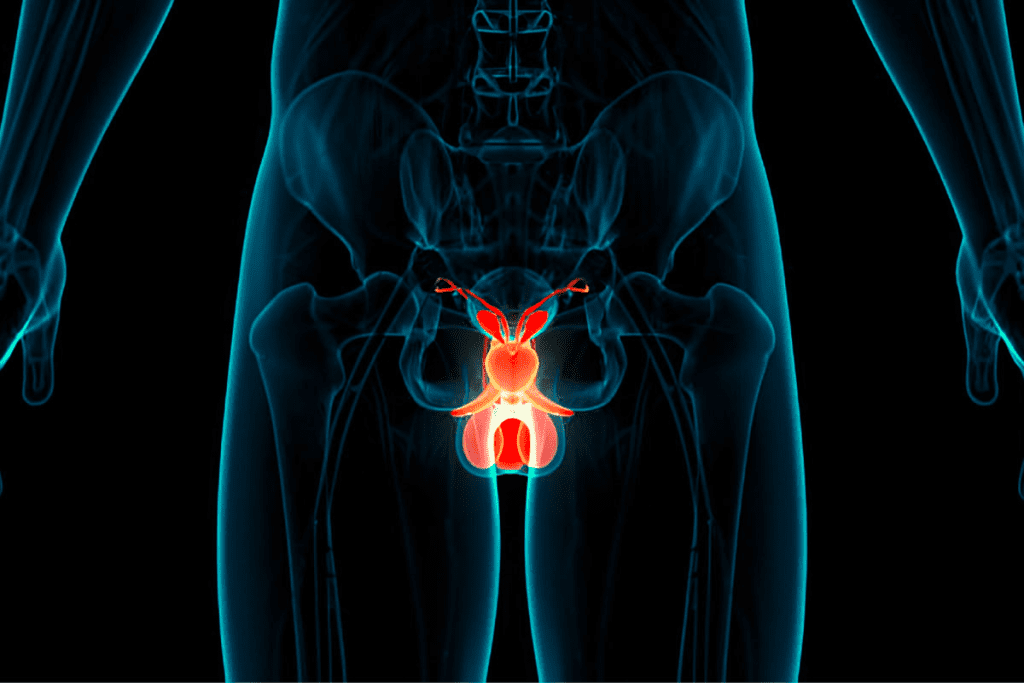
Peyronie’s disease can be a worrying condition. It’s important to know when to see a doctor. If you’re experiencing symptoms that might be Peyronie’s, it’s vital to get medical advice.
Early Warning Signs
There are early signs that might show Peyronie’s disease. These include:
- Noticeable penile curvature or bending
- Pain during erections
- Palpable plaques or induration on the penis
If you notice any of these signs, you should see a doctor. Early diagnosis is key to effective treatment. For more details on what to expect, visit WebMD’s directory on Peyronie’s disease.
Distinguishing from Normal Penile Variation
Not all penile curves or changes are Peyronie’s disease. But, if the curve is big, hurts, or has hard spots, it’s a warning sign. It’s good to know what’s normal for your body and see a doctor if something’s off.
A doctor says, “Early detection and understanding Peyronie’s is key.” This shows how important it is to tell the difference between normal and abnormal.
“The key to managing Peyronie’s disease is early detection and understanding the nature of the condition.”
– Medical Professional
In short, knowing the early signs and when to get medical help is key for men worried about Peyronie’s. If you’re concerned, don’t hesitate to talk to a healthcare professional.
The Diagnostic Process for Peyronie’s Disease
Diagnosing Peyronie’s Disease involves several steps. We start with a detailed initial consultation. This includes understanding the patient’s health, the history of the curvature, and any symptoms.
Initial Consultation and Medical History
We take a detailed medical history at the start. We talk about when symptoms began, how severe the curvature is, and any pain. We also ask about past treatments or conditions, like peroneal nerve issues.
During this first meeting, we look at the patient’s overall health. We check for anything that might be causing the condition. This helps us see how severe the disease is and how it affects the patient’s life.
Physical Examination Techniques
A physical exam is key in diagnosing Peyronie’s Disease. We visually check the degree of curvature and look for scar tissue. We also use palpation to feel for plaque or hardened areas typical of Peyronie’s Disease.
At times, we might use extra tools to get a better look. But usually, we make the diagnosis based on the medical history and physical exam. It’s important to understand the kink meaning in Peyronie’s Disease, as it refers to the penis’s curvature.
By combining a detailed medical history with a thorough physical exam, we can accurately diagnose Peyronie’s Disease. Then, we can talk about the best treatment options with the patient.
Conclusion: After Your Diagnosis
Getting a diagnosis of Peyronie’s disease can be tough. But knowing what it is is the first step to managing it well. We’ve looked at what Peyronie’s disease is, its symptoms, and how doctors diagnose it.
It’s key to work with your healthcare team to find the right treatment. By being proactive, you can get the best results and live better.
If you notice any symptoms or have concerns, see a doctor right away. Early treatment can make a big difference. Talk to a healthcare expert to figure out the best plan for you.
FAQ
What are the common symptoms of Peyronie’s disease?
Peyronie’s disease often causes the penis to curve. It also leads to pain when it gets hard. Men might notice their penis is shorter or narrower.
How is Peyronie’s disease diagnosed?
Doctors use several steps to diagnose Peyronie’s disease. They start with a detailed patient history and physical check-up. They might also use an ultrasound to see the extent of the curve and plaque.
Can Peyronie’s disease be treated without surgery?
Yes, there are non-surgical treatments. These include medicines for pain and curvature, devices to stretch the penis, or injections to dissolve scar tissue. We choose the best treatment for each patient.
Is Peyronie’s disease related to other health conditions?
Research links Peyronie’s disease to health issues like diabetes and high blood pressure. It’s also connected to Dupuytren’s contracture. Knowing this helps us offer better care.
Can lifestyle changes help manage Peyronie’s disease?
Lifestyle changes can’t cure Peyronie’s disease. But eating well and exercising regularly can improve overall health. This might help with treatment, too.
What is the role of Payoneer in treating Peyronie’s disease?
Payoneer has nothing to do with treating Peyronie’s disease. It’s a company that helps with online money transfers. Our focus is on medical care and support.
How does hourglass syndrome relate to Peyronie’s disease?
Hourglass syndrome is linked to Peyronie’s disease. It causes the penis to narrow, looking like an hourglass. This might need special treatment.
References
- Kim, D. S., & Lee, S. W. (2025). Diagnosis and Management of Peyronie’s Disease. World Journal of Men’s Health. https://doi.org/10.5534/WJMH.240200
- Paulis, G., et al. (2024). Clinical Presentation of Peyronie’s Disease. Diagnostics, 14(11), 1125. https://doi.org/10.3390/diagnostics14111125
- Sandean, D. P., et al. (2023). Peyronie Disease. In StatPearls. StatPearls Publishing. https://www.ncbi.nlm.nih.gov/books/NBK560628/
- Verze, P., et al. (2022). The Penile Ultrasound Study: An Unnecessary Exam or Fundamental for Proper Characterization of Peyronie’s Disease? International Journal of Impotence Research, 34(6), 696-702. https://doi.org/10.1038/s41443-021-00473-0