
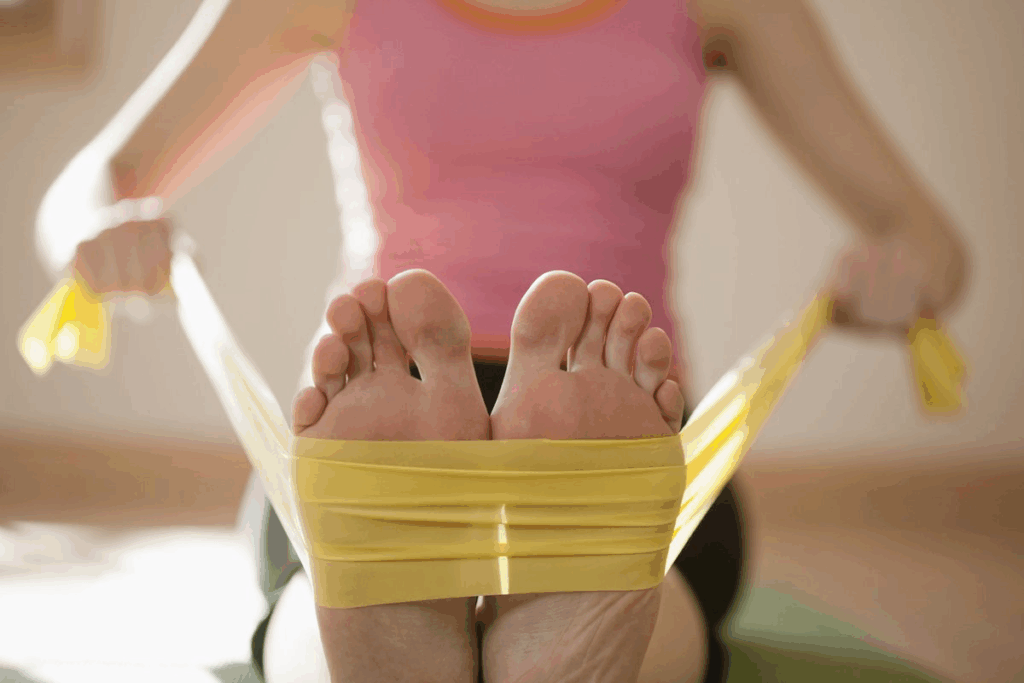
If you’re feeling pain in your lower sciatica area, it might be sciatica. This condition affects many people. The good news is that stretching can help a lot.
At Liv Hospital, we know how hard it is to live with sciatica. It affects your body and mind. We want to help you manage your condition with reliable info.
Studies show that stretching is a top way to ease sciatica pain. In this article, we’ll look at 10 exercises to help you stretch and feel better.
Listing ten targeted back stretches for sciatica designed to gently relieve nerve pressure and muscle spasm.
Key Takeaways
- Stretching can significantly relieve sciatica pain.
- Targeted exercises can help manage sciatica symptoms.
- Liv Hospital provides world-class care for sciatica management.
- Effective stretching can improve mobility and quality of life.
- Our goal is to empower you with knowledge to manage your sciatica.
Understanding Sciatica: Causes and Symptoms

The sciatic nerve is the longest nerve in our body. It’s key for our lower body’s function. When it gets irritated, it can cause a lot of pain. This usually happens when a disk in the back bulges or when there are other spine problems.
What Is the Sciatic Nerve?
The sciatic nerve starts in the lower back, from the lumbar spine (L4-S3), and goes down to the legs. It’s the biggest nerve in us, made from nerve roots from the lumbar and sacral spine. It helps control muscles in the back of the knee and lower leg. It also helps us feel sensations in the back of the thigh, lower leg, and the foot’s bottom.
Common Causes of Sciatic Pain
Sciatic pain, or sciatica, can come from many things. The most common reason is a herniated disk in the lumbar spine. This happens when the disk’s soft center leaks out and bothers the nerve roots nearby. Other reasons include spinal stenosis, where the spinal canal gets smaller, and spondylolisthesis, when a vertebra slips forward over the one below it. Piriformis syndrome, where the piriformis muscle irritates the sciatic nerve, is another common cause.
Recognizing Sciatica Symptoms
Symptoms of sciatica can differ from person to person. Common signs include pain that starts in the lower back and goes down one leg, often below the knee. This pain can be mild or very sharp and painful. Some people might also feel numbness, tingling, or weakness in the leg. In the worst cases, there can be trouble with the bladder or bowel, which is a serious sign that needs quick medical help.
Why Stretching Works for Sciatica Relief

Stretching is proven to help with sciatica. By adding stretching exercises to your day, you can ease pain now and stop it from coming back.
The Science Behind Stretching for Nerve Pain
Stretching makes your hips, lower back, and legs more flexible. This reduces muscle tension that can hurt the sciatic nerve. Pigeon pose and figure-4 stretches are great for easing hip, buttock, and leg pain.
Benefits of Regular Stretching for Sciatica
Stretching regularly can greatly lessen sciatica symptoms. It:
- Makes your body more flexible
- Lessens muscle tightness around the sciatic nerve
- Boosts blood flow to sore spots
By stretching regularly, you can feel these benefits and improve your health.
Stretching vs. Medication for Pain Management
Medicine might help with sciatica pain but it can have side effects. Stretching, on the other hand, is a natural way to fix the problem. It’s a better choice for managing pain over time.
Aspect | Stretching | Medication |
Nature | Non-invasive, natural | Chemical-based |
Side Effects | Minimal to none | Common, varying severity |
Long-term Relief | Yes, with consistent practice | No, often temporary |
Before You Begin: Safety Precautions
To get the most out of your stretching exercises for sciatica, you must first learn about the necessary safety precautions. Stretching can be very helpful for relieving sciatica symptoms. But, it’s important to be careful to avoid making things worse.
Dealing with sciatica can be tough, and knowing your body’s limits is key. Some conditions might mean you need to change or skip certain stretches. Knowing this helps you create a safe and effective stretching routine for you.
When to Avoid Stretching
There are times when stretching might not be good, or you might need to change it. For example, if you’re in a lot of pain, have recently hurt your back, or have conditions like osteoporosis or a herniated disk, talk to a doctor first.
It’s also key to listen to your body and stop if you feel sharp pain or discomfort while stretching. Ignoring your body’s signals can lead to further injury, making your sciatica symptoms worse.
Proper Form Guidelines
Keeping proper form is vital for safe and effective stretching. Move slowly and smoothly into the stretch, avoid bouncing, and don’t push too far.
Proper breathing techniques are also key; breathe naturally and don’t hold your breath. If you’re new to stretching, consider getting help from a qualified instructor or physical therapist to learn the right form and technique.
Equipment You May Need
While many stretches don’t need equipment, having a few basics can help. A comfortable, non-slip yoga mat can offer stability and cushioning. A stretching strap or towel can help you stretch deeper safely.
Also, wearing comfortable, loose-fitting clothing lets you move freely, making your stretches more effective.
Back Stretches for Sciatica: Foundation Exercises
Back stretches are key for those with sciatica, helping to ease pain. They focus on the lower back to reduce pressure on the sciatic nerve. Our aim is to lessen inflammation and muscle spasms around the nerve, aiding in its healing.
We’ll guide you through two important back stretches to start your relief journey. These stretches are easy yet effective, ideal for daily use.
1. Knee-to-Chest Stretch
The knee-to-chest stretch is a simple yet effective exercise for relieving tension in the lower back. To perform this stretch:
- Lie on your back with your knees bent and feet flat on the floor.
- Gently bring one knee towards your chest, holding onto your knee with your hand.
- Hold the stretch for 20-30 seconds, feeling the relaxation in your lower back.
- Return to the starting position and repeat with the other knee.
This stretch helps to reduce muscle spasm and promote flexibility in the lower back, providing relief from sciatica symptoms.
2. Spinal Twist Stretch
The spinal twist stretch is another beneficial exercise for alleviating sciatica pain. Here’s how to do it:
- Lie on your back with your knees bent and feet flat on the floor.
- Slowly lower your knees to one side, keeping your shoulders on the ground.
- Hold the stretch for 20-30 seconds, feeling the stretch in your lower back and hips.
- Return to the starting position and repeat on the other side.
This stretch can help improve flexibility and reduce tension in the spine and surrounding muscles.
To further illustrate the benefits of these stretches, let’s examine a comparison of their effects:
Stretch | Primary Benefit | Secondary Benefit |
Knee-to-Chest | Reduces lower back tension | Improves flexibility |
Spinal Twist | Relieves sciatica pain | Enhances spinal flexibility |
By adding these back stretches to your daily routine, you can manage your sciatica better. This will improve your overall quality of life.
Hip and Buttock Stretches for Sciatic Relief
The hips and buttocks are key areas to focus on when managing sciatica through stretching exercises. Tight muscles in these regions can put additional pressure on the sciatic nerve, exacerbating pain and discomfort. By incorporating specific stretches into your routine, you can help alleviate this tension and promote relief.
Pigeon Pose
The Pigeon Pose is a highly effective stretch for the piriformis muscle. This muscle runs from the base of the spine to the top of the thigh bone. When tight or inflamed, it can irritate the sciatic nerve, causing pain.
To perform the Pigeon Pose, start on your hands and knees. Bring one knee forward and place your foot on the other knee, keeping your shin parallel to the front of your mat. Slowly lower your hips towards the ground, stretching the back leg and glute. Hold for 30 seconds and switch sides.
Figure-4 Stretch
The Figure-4 Stretch targets the piriformis and gluteal muscles. To begin, lie on your back with your knees bent and feet flat on the floor. Cross one foot over the opposite knee, forming a “4” shape. Grasp the thigh of the bottom leg and gently pull it towards your chest.
You should feel a stretch in the back of your leg and buttock. Hold for 30 seconds before switching sides.
Seated Hip Stretch
The Seated Hip Stretch is another effective exercise for loosening tight hip and buttock muscles. Sit on the floor with your legs straight out in front of you. Cross one leg over the other, placing your foot beside your opposite knee.
Twist your torso to the side, using your arm to gently press against your knee for a deeper stretch. Hold for 30 seconds and then switch sides.
By incorporating these stretches into your daily routine, you can help reduce muscle tension in your hips and buttocks, potentially reducing sciatic pain. Consistency is key, so we recommend setting aside a few minutes each day to practice these exercises.
Hamstring and Leg Stretches for Sciatica
Tight hamstrings can make sciatica symptoms worse. It’s important to stretch your hamstrings and legs every day. These areas are connected to your lower back, and tightness can cause pain.
Stretching these areas can help ease the pressure on your sciatic nerve. It also improves how well you can move.
6. Seated Hamstring Stretch
The seated hamstring stretch is easy and doesn’t need any equipment. Sit in a chair with one leg straight out in front. Bend forward towards that foot until you feel your hamstrings stretch.
This stretch makes your hamstring muscles longer. It helps reduce the tension on your sciatic nerve.
7. Standing Hamstring Stretch
The standing hamstring stretch is great for easing sciatica symptoms. Stand with your feet shoulder-width apart. Lean forward at the hips, keeping your knees straight.
This stretch loosens your hamstring muscles. It helps reduce tension in your lower back and sciatic nerve.
8. Calf and Ankle Stretch
Tight calf muscles can make sciatica pain worse by changing how you walk. The calf and ankle stretch helps with this. Stand facing a wall with one hand on the wall for balance.
Step one foot back about a foot and a half, keeping your heel on the ground. Bend the front knee and lean forward. Stretch your calf and ankle.
Stretch | Primary Benefit | Secondary Benefit |
Seated Hamstring Stretch | Lengthens hamstring muscles | Reduces tension on sciatic nerve |
Standing Hamstring Stretch | Loosens hamstring muscles | Relieves lower back tension |
Calf and Ankle Stretch | Stretches calf muscles | Improves ankle mobility |
Advanced Techniques for Chronic Sciatica
For those with chronic sciatica, advanced stretching can help a lot. Chronic sciatica makes everyday tasks hard and lowers your quality of life. These advanced methods aim to target the sciatic nerve more effectively, giving deeper relief.
Basic stretches are good for sciatica, but advanced techniques are better for chronic cases. These exercises do more than just ease pain. They also boost flexibility and strength.
Sciatic Nerve Flossing
Sciatic nerve flossing is a special technique that moves the sciatic nerve gently. It helps cut down on irritation and swelling, aiding in healing. Here’s how to do it:
- Sit on the edge of a chair with your feet flat on the floor.
- Slowly tilt your pelvis forward and backward, repeating the motion several times.
- As you tilt, keep your back straight and your core tight.
“Nerve flossing is a game-changer for many chronic sciatica sufferers,” says Medical Expert, a leading pain management expert. “It’s a simple yet effective technique that can be done anywhere.”
Cobra Pose
The Cobra Pose is another advanced stretch for chronic sciatica. It strengthens the back and opens the chest, improving posture and easing sciatic nerve pressure.
To do the Cobra Pose:
- Lie on your stomach with your hands under your shoulders.
- Slowly press your palms into the floor, straightening your arms and lifting your chest.
- Keep your shoulders down and away from your ears, engaging your core.
It’s important to listen to your body and stop if you feel sharp pain. Being consistent is key in managing chronic sciatica.
Adding these advanced techniques to your routine can help you use less medication. It can also improve your life quality. Always talk to a healthcare professional before starting any new exercise.
Creating a Daily Stretching Routine for Sciatica
To get the most out of stretching for sciatica, make stretching a daily habit. Being consistent is key to managing sciatica symptoms. A daily stretching routine can help ease pain and boost flexibility.
Set aside a few minutes each day for stretching. This can greatly reduce sciatica pain. Try to stretch in the morning and evening to stay flexible and reduce pain all day.
Morning Stretching Sequence
Begin your day with gentle stretches to loosen tight muscles and prevent stiffness. A morning routine might include:
- Gentle neck stretches to improve flexibility
- Shoulder rolls to reduce tension
- Lower back stretches to prepare for the day
Evening Relief Routine
In the evening, focus on stretches that help you relax and prepare for sleep. An effective evening routine might include:
- Hamstring stretches to release tension
- Hip flexor stretches to improve mobility
- Calf stretches to reduce lower leg tension
Sample Evening Stretching Routine:
Stretch | Duration | Repetitions |
Seated Hamstring Stretch | 30 seconds | 3 times each leg |
Pigeon Pose | 1 minute | 2 times each leg |
Calf Stretch | 30 seconds | 3 times each leg |
Tracking Your Progress
It’s important to track your stretching progress. You can do this by:
- Maintaining a stretching journal to record your daily stretches and any changes in your symptoms
- Using a mobile app to track your stretching routine and receive reminders
- Regularly assessing your pain levels and flexibility to adjust your routine as needed
By following these steps and sticking to a daily stretching routine, you can manage your sciatica symptoms better. This will improve your overall quality of life.
Conclusion
Understanding sciatica and using stretching exercises daily can help manage your condition. Sciatica can make sleeping and daily activities hard. But, the right stretches can ease your pain and help you sleep better.
We’ve looked at different stretches to find relief for sciatica. Adding these stretches to your daily routine can lessen nerve pain. We’re here to help you manage your sciatica every step of the way.
Sticking to a stretching routine is important for lasting relief. We suggest making these exercises a regular part of your day. This way, you can control your sciatica and feel better overall.
FAQ
What is the best way to loosen a tight sciatic nerve?
To loosen a tight sciatic nerve, try hamstring and hip stretches. Gentle yoga poses can also help.
How can I relieve sciatic pain through stretching?
Stretching regularly can ease sciatic pain. Focus on exercises for your lower back, hips, and hamstrings.
What are some effective stretches for low back pain with sciatica?
Knee-to-chest stretches, spinal twists, and pelvic tilts can help with low back pain. They reduce pressure on the sciatic nerve.
Can stretching exercises help with sciatica hip pain?
Yes, stretching can help with sciatica hip pain. Try pigeon pose, figure-4 stretches, and seated hip stretches to ease tension.
How often should I stretch to manage sciatica?
Stretching regularly is key to managing sciatica. Aim to stretch daily as part of your routine.
Are there any specific stretches for a pinched sciatic nerve?
Yes, sciatic nerve flossing and cobra pose can help with a pinched nerve. They relieve pressure.
What precautions should I take before starting a stretching routine for sciatica?
Always talk to a healthcare professional before starting any new exercise, including stretching for sciatica. This is important if you have health conditions.
Can I do these stretches if I have chronic sciatica?
Yes, but start slowly and gently. Sciatic nerve flossing might be better for chronic cases. Always check with a healthcare professional first.
How can I track my progress with stretching exercises for sciatica?
Keep a journal of your stretching routine. Note any changes in pain or mobility to track your progress.
References
No suitable reference found.
What is the best way to loosen a tight sciatic nerve?
To loosen a tight sciatic nerve, try hamstring and hip stretches. Gentle yoga poses can also help.
How can I relieve sciatic pain through stretching?
Stretching regularly can ease sciatic pain. Focus on exercises for your lower back, hips, and hamstrings.
What are some effective stretches for low back pain with sciatica?
Knee-to-chest stretches, spinal twists, and pelvic tilts can help with low back pain. They reduce pressure on the sciatic nerve.
Can stretching exercises help with sciatica hip pain?
Yes, stretching can help with sciatica hip pain. Try pigeon pose, figure-4 stretches, and seated hip stretches to ease tension.
How often should I stretch to manage sciatica?
Stretching regularly is key to managing sciatica. Aim to stretch daily as part of your routine.
Are there any specific stretches for a pinched sciatic nerve?
Yes, sciatic nerve flossing and cobra pose can help with a pinched nerve. They relieve pressure.
What precautions should I take before starting a stretching routine for sciatica?
Always talk to a healthcare professional before starting any new exercise, including stretching for sciatica. This is important if you have health conditions.
Can I do these stretches if I have chronic sciatica?
Yes, but start slowly and gently. Sciatic nerve flossing might be better for chronic cases. Always check with a healthcare professional first.
How can I track my progress with stretching exercises for sciatica?
Keep a journal of your stretching routine. Note any changes in pain or mobility to track your progress.