


Addressing whether does arthritis hurt every day and how this chronic pain condition often leads to muscle weakness and aches.
Arthritis is a group of over 100 conditions that affect joints and the tissues around them. It impacts 53.2 million people in the U.S. alone. Living with arthritis can be tough because it affects not just the joints but also the muscles.
Rheumatoid arthritis is an autoimmune disease that causes inflammation and pain in the joints. It can also affect other parts of the body. At Liv Hospital, we focus on managing arthritis in a complete way. We address both joint inflammation and its effects on the body to help patients improve their quality of life.
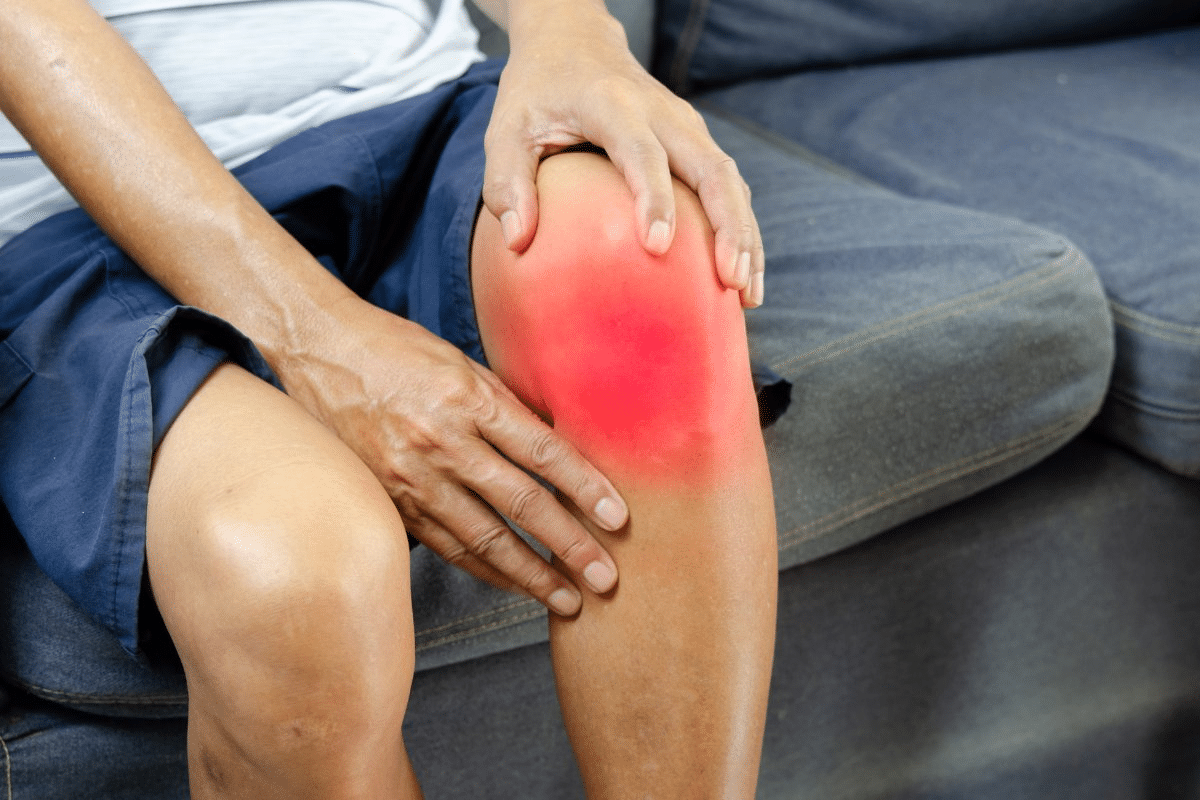
Arthritis is more than just joint pain. It’s a term for over 100 different rheumatic diseases. These diseases affect not just joints but also muscles, cartilage, and ligaments. Knowing how complex arthritis is helps in managing its symptoms better.
Arthritis includes many conditions, like osteoarthritis and rheumatoid arthritis. Osteoarthritis causes cartilage breakdown in joints, leading to pain and stiffness. Rheumatoid arthritis, an autoimmune disease, causes joint inflammation and can affect other body tissues too.
Research shows rheumatoid arthritis can affect the whole body, not just joints. It can attack organs and tissues. This makes it a systemic disease.
Arthritis symptoms vary from person to person. While joint pain is common, many also experience muscle pain and weakness. Studies confirm that arthritis can cause muscle aches due to inflammation and immune responses.
Arthritis affects millions of people worldwide. It’s a leading cause of disability. Among those with joint pain, 45% experience symptoms daily, 26% about half the days, and 19% less often.
Arthritis’s impact on daily life is significant. It affects not just physical abilities but also mental health. This highlights the need for effective management strategies.
These strategies should address joint pain, muscle pain and weakness, and other symptoms. Understanding arthritis’s full scope helps healthcare providers offer better support.

It’s important to know how arthritis pain changes from day to day. Arthritis is a big reason for pain and disability, affecting many people. Whether arthritis hurts every day depends on the type, how active the disease is, and the person’s health.
Studies have given us a better understanding of arthritis pain. They show that many patients keep feeling pain, even with treatment. For example, 38.4% of those with rheumatoid arthritis have pain that’s not well managed, even with new treatments.
Research has looked into how often and how bad arthritis pain is. It used reports from patients and doctor checks to learn about pain. The main finding is that pain is a big problem for many, affecting their life quality a lot.
“Pain is a major symptom in arthritis, and it greatly affects patients’ lives,” research says. The pain’s frequency and strength can differ a lot, even among those with the same arthritis.
Many things can change how arthritis pain feels from day to day. These include how active the disease is, other health issues, mental health, and lifestyle. When the disease is more active, patients often feel more pain.
Age, gender, and overall health also play a role in how pain is felt and reported. For example, older people might feel more pain because of long-term joint damage.
Key factors influencing daily pain patterns include:
Knowing these factors helps doctors create better treatment plans. These plans aim to reduce inflammation, pain, and other symptoms. This can greatly improve the life of people with arthritis.
Arthritis is not just one condition but a group of diseases with different pain types. The most common ones are osteoarthritis and rheumatoid arthritis. Each has its own pain patterns and how it affects the body.
Osteoarthritis (OA) happens when joints wear out, causing pain and stiffness. This usually affects the hands, knees, hips, and spine. The pain is often a dull ache that gets worse with movement and better with rest.
Key characteristics of OA pain include:
Rheumatoid arthritis (RA) is an autoimmune disease causing joint inflammation. This leads to pain, swelling, and can damage joints severely. Unlike OA, RA often causes pain in both sides of the body and can have systemic symptoms like fatigue and fever.
Characteristics of RA pain include:
|
Arthritis Type |
Pain Characteristics |
Commonly Affected Joints |
|---|---|---|
|
Osteoarthritis |
Dull ache, worse with activity |
Hands, knees, hips, spine |
|
Rheumatoid Arthritis |
Sharp pain, symmetric, with morning stiffness |
Hands, feet, wrists, knees |
Knowing the pain patterns of each arthritis type is key to managing it well. OA is mainly about joint wear and tear. But RA involves inflammation that can affect the whole body.
Both OA and RA can really impact a person’s life. They can affect joints and even cause muscle pain and other symptoms. Understanding these differences helps tailor treatments to meet each patient’s needs.
Arthritis is more than just joint pain. It affects many parts of a person’s health. It’s a complex condition that impacts different bodily systems.
Arthritis, like rheumatoid arthritis, is a systemic disease. It causes inflammation and pain in many parts of the body. This inflammation is not just in the joints but can also affect other tissues and organs.
Systemic Effects of Arthritis:
Studies show that people with arthritis are more likely to have other health problems. This highlights the need for care that looks at the whole person, not just the joints.
Inflammation is a major cause of the systemic effects in arthritis. Chronic inflammation can cause symptoms like fatigue, fever, and general feeling of being unwell. It also causes joint pain.
|
Inflammatory Marker |
Normal Level |
Elevated Level in Arthritis |
|---|---|---|
|
C-reactive Protein (CRP) |
<1.0 mg/dL |
Often >10 mg/dL |
|
Erythrocyte Sedimentation Rate (ESR) |
0-15 mm/hr |
Often >30 mm/hr |
The table shows common inflammatory markers that are high in people with arthritis, like rheumatoid arthritis. These markers show how much inflammation is happening and help doctors decide on treatment.
It’s important to understand that arthritis is a systemic condition. This knowledge helps in creating treatment plans that improve overall health, not just joint symptoms.
By seeing the wide impact of arthritis, doctors can give better care. This improves the lives of those with this condition.
Arthritis and muscle pain are closely linked. Arthritis affects not just joints but also the muscles around them. This can cause pain and discomfort.
“Arthritis can cause significant muscle pain and weakness, which can be just as debilitating as the joint pain itself,” says a leading rheumatologist. This shows why it’s key to understand the muscle-joint connection in arthritis patients.
Some arthritis types, like rheumatoid arthritis, directly harm muscle tissue. This inflammation can cause muscle pain and weakness. It makes simple tasks hard to do.
Arthritis can also cause secondary muscle problems. Joint issues can change how we move. This can lead to muscle imbalances.
For example, knee osteoarthritis might make someone change their walk to avoid pain. This can strain muscles in the back or hip. This can result in additional muscle pain and discomfort.
“The interplay between joint and muscle pain in arthritis is complex. Treating one often requires addressing the other.”
It’s important to understand these connections. This helps create treatment plans that tackle both joint and muscle symptoms.
Arthritis and muscle pain are closely linked, with many patients feeling muscle weakness, spasms, and tension. Arthritis not only causes joint pain but also affects muscles and physical function. We will look at common muscle symptoms in arthritis patients and how to tell them apart from other causes.
Muscle weakness is common in arthritis patients, often seen in those with rheumatoid arthritis. Research shows that rheumatoid arthritis can lead to muscle weakness and atrophy due to inflammation and joint damage. This weakness can make daily activities and mobility harder.
A study found that patients with rheumatoid arthritis had more muscle weakness than healthy people. Muscle atrophy, or muscle wasting, can also happen in arthritis patients. It’s caused by inflammation, reduced mobility, and the disease itself. Treating muscle weakness and atrophy is key to keeping functional ability and quality of life.
Muscle spasms and tension are common in arthritis patients. These symptoms come from the body’s reaction to joint inflammation and damage. Muscle spasms can be painful and limit mobility. Tension in muscles around affected joints can also cause discomfort and stiffness.
Managing muscle spasms and tension is important for reducing pain and improving mobility. This can include physical therapy, exercises, and relaxation techniques.
Telling muscle pain from arthritis apart from other causes can be hard. Arthritis-related muscle pain is often linked with joint pain and stiffness. Other conditions might cause more localized muscle pain. A detailed medical check-up is needed to find the cause of muscle symptoms.
Arthritis mainly affects joints but can also impact muscles. Understanding how arthritis affects muscles is key to managing it effectively.
|
Symptom |
Arthritis-Related |
Other Causes |
|---|---|---|
|
Muscle Weakness |
Common in rheumatoid arthritis due to inflammation |
Can be caused by neurological conditions or muscle diseases |
|
Muscle Spasms |
Often associated with joint inflammation and damage |
Can result from overuse, dehydration, or mineral deficiencies |
|
Muscle Tension |
Can be related to joint stiffness and pain |
May be caused by stress, poor posture, or other musculoskeletal issues |
A medical expert notes, “Understanding the complex relationship between arthritis and muscle symptoms is vital for effective treatment. It’s important to address both joint and muscle health.”
“The relationship between arthritis and muscle symptoms is multifaceted, requiring a holistic approach to management.”
It’s important to know why arthritis pain changes. This pain is complex, influenced by many factors. Exploring these reasons helps us manage it better.
Arthritis has ups and downs, with flares and calm periods. Flares mean more inflammation and pain. For example, weather changes, stress, or some meds can trigger flares in rheumatoid arthritis.
Flares can really affect a person’s life. Effective management means treating symptoms and avoiding triggers.
How we feel pain can vary a lot. Pain perception is shaped by genes, mind state, and culture. Stress and anxiety can make pain worse, creating a tough cycle.
Our lifestyle also plays a part. Eating right, exercising, and sleeping well can help. A diet full of anti-inflammatory foods, exercise that fits you, and enough sleep are key.
Understanding these factors helps us manage arthritis pain better. Knowing about disease activity and personal factors leads to better treatment. This can greatly improve life for those with arthritis.
It’s important to understand how arthritis pain works to manage it well. Arthritis is over 100 different conditions that cause pain, stiffness, and swelling in joints. People with arthritis feel pain in different ways, from constant to occasional.
Arthritis pain can be different for everyone. Some feel continuous pain that changes in intensity. Others have intermittent pain that comes and goes.
Research shows that rheumatoid arthritis can cause both kinds of pain. This depends on how active the disease is and the person’s health.
A study in the Journal of Rheumatology found that people with rheumatoid arthritis have different pain patterns. Some feel pain all the time, while others have it come and go. This shows how complex arthritis pain can be and why everyone needs a unique plan to manage it.
“Pain is a complex and multifaceted experience that is influenced by a variety of factors, including disease activity, psychological state, and coping mechanisms.” – Medical Expert, Rheumatologist
Several things can tell us if arthritis pain will last. Disease activity is a big one, as more inflammation means more pain. Individual factors like age, health, and mood also play a role in how we feel pain.
|
Predictors |
Description |
Impact on Pain |
|---|---|---|
|
Disease Activity |
Level of inflammation and joint damage |
Higher disease activity correlates with more severe pain |
|
Age |
Patient’s age |
Older patients may experience more persistent pain |
|
Psychological State |
Presence of anxiety, depression, or stress |
Negative psychological states can exacerbate pain perception |
Knowing these predictors helps doctors create better treatment plans. They can focus on reducing inflammation and helping with muscle symptoms and other pain factors.
By understanding different pain patterns and what makes pain last, patients and doctors can work better together. This can improve life for those with arthritis.
To ease arthritis-related muscle pain, it’s key to know the different ways to manage it. This includes exercises, medicines, and physical therapy. These methods can greatly improve life for those with arthritis.
Exercises aimed at specific areas are vital for managing arthritis muscle pain. They help strengthen muscles, improve flexibility, and lessen pain. Some good exercises include:
Many medicines can help with both joint and muscle pain from arthritis. These include:
Physical therapy is a big help in managing arthritis muscle pain. Physical therapists create custom exercise plans to boost muscle strength, flexibility, and function. They also teach how to stand and move right to avoid muscle strain.
By using these methods in a full plan, people with arthritis can manage their muscle pain better. This can greatly improve their life quality.
Living with arthritis can be tough. It affects not just the joints but also how well you live. Arthritis causes pain, stiffness, and swelling in the joints. This makes simple tasks hard to do.
Understanding how arthritis affects daily life is key. It can make it hard to do everyday things. This can hurt a person’s independence and happiness.
Arthritis can make it hard to do things because of joint pain and muscle weakness. Even simple tasks like getting dressed or cooking can be tough. Research shows that rheumatoid arthritis can make it hard to do things and can hurt a person’s quality of life.
Common activity limitations include:
These challenges can change based on the type and severity of arthritis. They also depend on a person’s age and health.
Chronic arthritis pain can deeply affect a person’s mind. It can cause anxiety and depression. The pain and discomfort can make a person feel frustrated, hopeless, and alone. It’s important to deal with these mental effects to improve overall well-being.
“The psychological impact of chronic pain should not be underestimated. It’s essential to consider the mental health aspects when managing arthritis.”
Managing arthritis well means taking care of both the body and mind. By tackling the physical and mental challenges, people with arthritis can live better lives. They can stay independent and happy.
Recent studies have greatly improved our understanding of arthritis. It affects not just joints but also muscles. This new knowledge helps us see how arthritis impacts our overall health.
Arthritis is now seen as more than just a joint problem. It’s a complex issue that affects both joints and muscles. This new view is leading to better treatments.
New treatments are being developed to tackle both joint and muscle symptoms. These therapies aim to help patients with arthritis pain and muscle issues.
Biologic medications are leading this change. They work by reducing inflammation in the body. This can help with both joint damage and muscle pain.
There’s also a focus on personalized medicine for arthritis. By looking at genetic and molecular markers, doctors can create treatments just for each patient. This could lead to better results for those with joint and muscle problems.
Research is uncovering the link between arthritis and muscle health. It shows how joint inflammation can affect muscle function and vice versa.
A key discovery is that arthritis can cause muscle pain. This happens not just through inflammation but also through changes in how we move and muscle weakness. Knowing this helps doctors create better treatment plans for both joint and muscle issues.
Studies also show that exercise and physical therapy are key in managing arthritis pain and muscle symptoms. The right exercises can help keep muscles strong and flexible. This can reduce the impact of arthritis on our muscles and joints.
As we learn more about the connection between arthritis and muscles, we’ll see more effective treatments. This offers hope for those living with arthritis and muscle pain.
Arthritis can really change how we live, making us wonder if it hurts every day and if it affects our muscles. We’ve looked into how different types of arthritis cause different levels of pain and muscle issues. It’s important to know that arthritis is more than just joint pain; it affects the whole body.
Studies show that with the right care, people with arthritis can feel better and live better lives. It’s all about managing the muscle pain that comes with it. By doing exercises, taking medicine, and going to physical therapy, people can lessen their pain.
Even though arthritis can be painful, it doesn’t have to be constant. Things like how active the disease is, flares, and how we feel pain can change how much it hurts. By understanding these things and using good management strategies, we can learn to live well with arthritis.
By managing arthritis in a complete way, we can lessen its effect on our daily lives and overall health. This approach helps people stay independent and enjoy life, even with arthritis.
Arthritis pain varies from person to person. Some feel pain every day, while others have it less often. Things like how active the disease is, how each person feels pain, and how well treatments work can change how often pain happens.
Yes, arthritis can harm muscles. The inflammation and damage to joints can cause muscle weakness, thinning, and spasms. Some types of arthritis, like rheumatoid arthritis, can directly harm muscle tissue.
People with arthritis might feel muscle weakness, thinning, spasms, and tightness. These issues come from joint inflammation, damage, or limited movement. In some cases, muscle pain is a main symptom, like in rheumatoid arthritis.
Arthritis pain can change a lot. Things like how active the disease is, flares, and how each person feels pain can affect it. Flares, in particular, can make pain and stiffness worse.
Yes, arthritis can lead to muscle aches. The inflammation and damage to joints can cause muscle pain and stiffness. Sometimes, muscle aches are the main symptom of arthritis.
Managing arthritis-related muscle pain needs a few steps. This includes exercises, medicines, and physical therapy. Gentle exercises like yoga or swimming help keep muscles strong and flexible. Medicines like NSAIDs or corticosteroids can also help reduce inflammation and pain.
Arthritis can really affect daily life and quality of life. It can limit activities, cause pain, and stiffness. Chronic pain can also affect the mind, leading to anxiety and depression. Managing arthritis symptoms well is key to feeling good overall.
Yes, new treatments are being developed. They aim to reduce inflammation, pain, and joint damage. These treatments also aim to help with muscle symptoms.
Yes, arthritis can affect more than just the joints. The chronic inflammation from arthritis can raise the risk of other health problems. These include heart disease, osteoporosis, and depression. Managing arthritis well is important for overall health.
