

Living with gout or high uric acid levels can really hurt your life. It causes a lot of pain, swelling, and can even harm your kidneys. Allopurinol is a special medicine that helps a lot with these problems. Explaining the mechanism of how allopurinol works (inhibiting xanthine oxidase) and the time needed to lower uric acid.
It’s very important to know how allopurinol works. It’s a xanthine oxidase inhibitor. This means it stops the body from making too much uric acid. It does this by blocking an enzyme that turns hypoxanthine and xanthine into uric acid. This is why it’s so good at treating gout, preventing some kidney stones, and helping with high uric acid levels in cancer patients.
Knowing how allopurinol lowers uric acid levels helps us see its benefits and when we can feel better. This is key for patients to know what to expect. It also helps doctors give better care.
Allopurinol is a key drug for those with gout and some kidney stones. It helps manage high uric acid levels in the blood.
Allopurinol is a medication for gout and kidney stones. It lowers uric acid production in the body. This stops the formation of crystals that cause pain and stones.
Allopurinol is mainly for treating high uric acid levels in gout patients. It also prevents kidney stones in those with high uric acid in their urine. It’s used for some cancers and chemotherapy, as these increase uric acid levels.
Allopurinol was made in the 1950s. It’s a key treatment for gout and related issues. Its creation was a big step in managing hyperuricemia, helping patients control uric acid levels.
It’s important to know how allopurinol and alcohol interact. Drinking too much can affect how well allopurinol works and its safety.
As for is allopurinol safe, it’s usually okay when taken right. But, it can cause side effects, from mild to serious. Common issues include rash, stomach problems, and liver test changes. Rare but serious side effects include severe skin reactions and hypersensitivity.
Knowing how allopurinol works helps patients understand its benefits and risks. It blocks an enzyme that makes uric acid, lowering levels. This prevents gout attacks and stone formation.
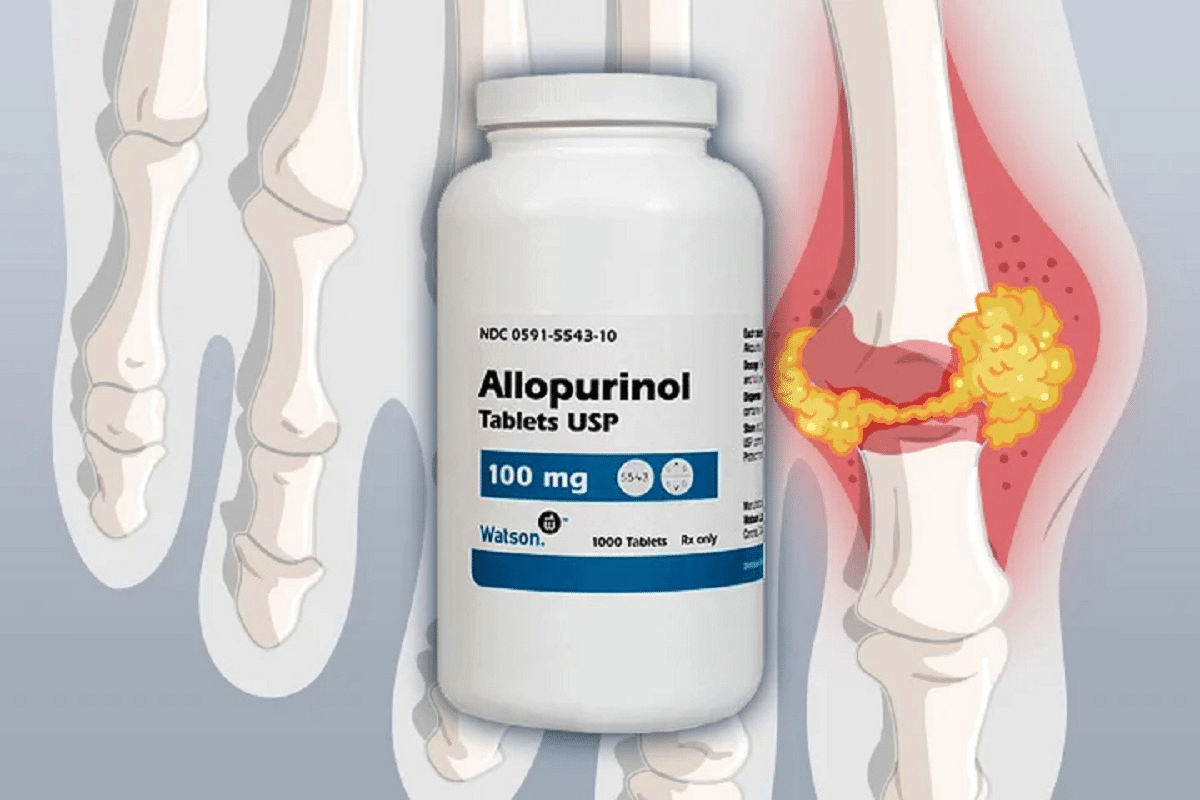
Allopurinol is effective in managing gout and kidney stones. It works by reducing uric acid levels and preventing complications.
Allopurinol targets the enzyme xanthine oxidase. This enzyme is key in making uric acid. We’ll dive into this process next.
The xanthine oxidase inhibition is key to allopurinol’s action. It blocks this enzyme, which turns hypoxanthine to xanthine and then to uric acid. This blockage cuts down uric acid production.
By stopping xanthine oxidase, allopurinol lowers uric acid. This is vital to stop urate crystals in joints and kidneys. It helps manage gout and prevent kidney stones.
Allopurinol also stops crystals from forming. Lower uric acid levels mean fewer crystals in joints and kidneys. This is key for managing gout and preventing kidney stones.
To sum up, allopurinol works by blocking xanthine oxidase. This leads to less uric acid and stops crystals. Understanding this is key to seeing how allopurinol helps with gout and kidney stones.
Allopurinol’s path through the body is complex. It involves absorption, distribution, and metabolism. Understanding this journey helps us see how it works to manage gout.
Allopurinol is quickly absorbed into the blood after being taken orally. This fast absorption is key to its effectiveness. Studies show it reaches its peak in the blood within 1-3 hours. It then spreads to different parts of the body.
Allopurinol doesn’t stay in tissues for long. This means it’s always ready to work. Its main job is to lower uric acid levels.
After being absorbed, allopurinol is changed in the liver into oxypurinol. This change happens fast, usually in two hours. Oxypurinol is the main part of allopurinol that works to lower uric acid.
Oxypurinol blocks the enzyme that makes uric acid. This helps keep uric acid levels down in the body.
Knowing how long allopurinol and oxypurinol last in your system is key. Oxypurinol’s half-life is about 15 hours. It takes a few days for it to reach steady levels.
For people with normal kidneys, oxypurinol is slowly removed over days. But those with kidney issues might need to adjust their doses. This is to avoid too much buildup and possible harm.
Knowing how long Allopurinol takes to work is key for managing treatment expectations. It starts to lower uric acid levels in a few days. But, it may take months to see the full benefits.
When you start taking Allopurinol, you might see changes in the first few days. Allopurinol starts to block xanthine oxidase, an enzyme that makes uric acid. This begins to lower uric acid levels in your body. But, you might not feel the full benefits right away.
Some people might get gout flares in the first days. This is because uric acid levels change quickly. We’ll talk about how to handle these flares later.
As time goes on, usually weeks to months, Allopurinol’s effects get stronger. Uric acid levels keep going down, and gout attacks happen less often. People start to feel better, with less joint pain and swelling.
It’s important to stick to your treatment plan and keep up with doctor’s visits. This helps track your progress.
Over the long term, Allopurinol works well for chronic gout and preventing kidney stones. With ongoing use, uric acid levels stay low, and gout attacks become less frequent.
Long-term benefits include:
One study found, “Long-term therapy with Allopurinol is effective in reducing serum urate levels and preventing gouty attacks.”
By knowing how Allopurinol works over time, patients can better plan and work with their doctors for the best results.
Gout patients starting allopurinol may face an initial flare-up. This can be upsetting, but knowing why it happens and how to handle it can help a lot. It’s key to understanding and managing this reaction for better treatment results.
Starting allopurinol can lead to a sudden drop in uric acid levels. This can cause gout attacks because the change irritates the joints. It’s a tough time for patients, and being ready for it is important.
To tackle the initial flare, we suggest a few steps:
While initial flares are common, some situations need immediate doctor’s attention. Severe gout attacks that don’t get better with usual treatments or concerns about symptoms should prompt a call to your healthcare provider. They can adjust your treatment, offer advice, and provide reassurance during this tough time.
Understanding the risk of an initial flare and knowing how to manage it can help patients get through the early stages of allopurinol treatment better. We’re here to support you every step of the way, ensuring you get the care and guidance you need to manage your gout well.
Allopurinol lowers uric acid production, which helps prevent kidney stones. This is great for people who have had uric acid stones before.
Allopurinol stops xanthine oxidase, an enzyme that makes uric acid. This lowers uric acid in urine, making it less likely for stones to form.
Key benefits of allopurinol in kidney stone prevention include:
Allopurinol’s effect on preventing kidney stones isn’t quick. It takes several months to a year or more of treatment to see a big difference.
Factors influencing the effectiveness timeline include:
Even though allopurinol is usually safe, it’s important to watch kidney function. This is more important for people with kidney disease. Regular blood tests can check how well the kidneys are working and if allopurinol is causing any problems.
Key aspects to monitor include:
It’s important to know how alcohol affects allopurinol treatment. Allopurinol helps manage gout and high uric acid levels. But, alcohol can change how well it works.
Alcohol can raise uric acid levels, making allopurinol less effective. This can reduce its ability to manage gout or prevent kidney stones.
Increased Risk of Side Effects: Drinking alcohol with allopurinol can also lead to more side effects. It can make some medications more sedative and worsen liver problems.
For those on allopurinol, drinking in moderation is best. Aim for no more than one drink a day for women and two for men. But, always talk to your doctor for advice tailored to you.
Ignoring the interaction between allopurinol and alcohol can cause problems. It can make the medication less effective, increase side effects, and worsen gout or kidney stones.
It’s essential to be mindful of your alcohol consumption when taking allopurinol. This way, you can get the most out of your treatment and stay healthy.
It’s important to know about allopurinol’s safety before starting it. This medication is usually safe for treating gout and high uric acid levels. But, like all drugs, it can have side effects, from mild to severe.
Most people do well on allopurinol, but some may face common side effects. These include:
These side effects are usually mild and may go away on their own. But, if they don’t get better or get worse, talk to your doctor.
Even though rare, allopurinol can cause serious problems. These include:
“Allopurinol hypersensitivity syndrome is a rare but potentially life-threatening condition that requires immediate medical attention,” as noted in medical literature. If you notice any unusual symptoms, get medical help right away.
For most, allopurinol is safe for long-term use with regular check-ups. Regular visits to your doctor can catch any issues early. It’s also good to have liver and kidney tests to check for any problems.
Drowsiness is a known side effect of allopurinol, but not everyone gets it. If you feel sleepy, don’t drive or use heavy machinery until you know how it affects you. Usually, the sleepiness goes away as your body gets used to the medication.
In summary, allopurinol is usually safe and works well. But, knowing its side effects and talking to your doctor is important for safe treatment.
Understanding allopurinol’s impact on the liver is key when considering treatment. This drug, used for gout and high uric acid levels, can affect liver function.
Allopurinol may lead to liver enzyme elevations in some, showing possible liver stress or injury. This happens due to how the drug is metabolized and its effects on liver cells.
Liver enzyme elevations are checked through blood tests. These tests look at enzymes like ALT and AST, which show liver health.
It’s important to regularly check liver function in patients on allopurinol for a long time. Blood tests are used to monitor liver enzyme levels and overall liver health.
|
Liver Function Test |
Normal Range |
Significance |
|---|---|---|
|
Alanine Transaminase (ALT) |
0-40 U/L |
Elevated levels may indicate liver damage |
|
Aspartate Transaminase (AST) |
0-40 U/L |
High levels can signify liver injury or disease |
Patients on allopurinol should watch for signs of liver problems. These include jaundice, dark urine, severe fatigue, and abdominal pain.
If these symptoms appear, it’s vital to see a healthcare provider right away. While allopurinol liver effects are rare, staying alert and monitoring regularly can help prevent issues.
Allopurinol is a key medication for managing high uric acid levels. It helps improve the quality of life for those affected. With the right care and monitoring, patients can manage their condition well.
Understanding how allopurinol works and its benefits is important. It’s also key to watch kidney function and know about side effects. A complete approach, including lifestyle changes and sticking to treatment, is needed to live well with allopurinol.
Managing gout and preventing kidney stones are main goals of allopurinol treatment. With the right help and support, people can lower the risk of complications. Working closely with healthcare providers helps patients get the best treatment and health outcomes.
Allopurinol is used to treat gout and high uric acid levels. It reduces uric acid production in the body. This prevents uric acid crystals that cause gout attacks and kidney stones.
Allopurinol’s effects can vary. You might see initial results in a few days. But, it can take weeks to months to see the full benefits.
It’s best to limit or avoid alcohol with allopurinol. Alcohol can raise uric acid levels and counteract the drug’s effects. Mixing alcohol with allopurinol may also increase side effects.
Allopurinol reduces uric acid in the urine. This lowers the chance of uric acid stones. You can see its effect on preventing kidney stones in a few months.
Yes, allopurinol is safe for long-term use if taken as directed. Regular checks on kidney and liver function are important for safe treatment.
Allopurinol doesn’t usually cause drowsiness. But, reactions to medications can vary. Some people might feel tired or experience other side effects that affect alertness.
Allopurinol is quickly metabolized. But, its active metabolite, oxypurinol, stays in the body for weeks after stopping the medication.
Yes, allopurinol can trigger initial gout flares. This is a temporary effect. Starting with a low dose and gradually increasing it, or using anti-inflammatory medications, can help manage these flares.
Allopurinol can affect liver function in some people. It’s important to monitor liver function tests during treatment, specially when starting or changing the dose.
Common side effects include rash, stomach upset, and changes in liver function tests. Rare but serious side effects can occur. Patients should watch for severe skin reactions or liver problems.
National Center for Biotechnology Information. Allopurinol Dosing: Guidelines, Monitoring, and Side Effects. Retrieved from https://www.ncbi.nlm.nih.gov/pmc/articles/PMC3845316/
