

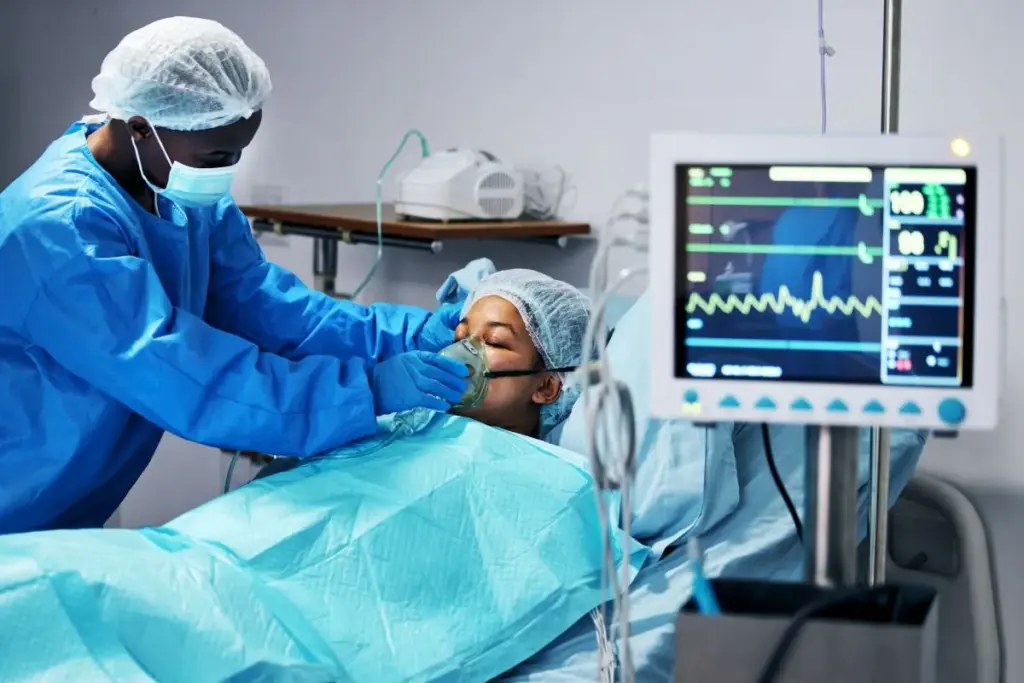
Knowing how long radioembolization lasts is key for those getting ready for it. The complexity of the procedure and the patient’s situation can affect the time needed.Detailing the preparation and in-room time, providing the typical radioembolization duration.
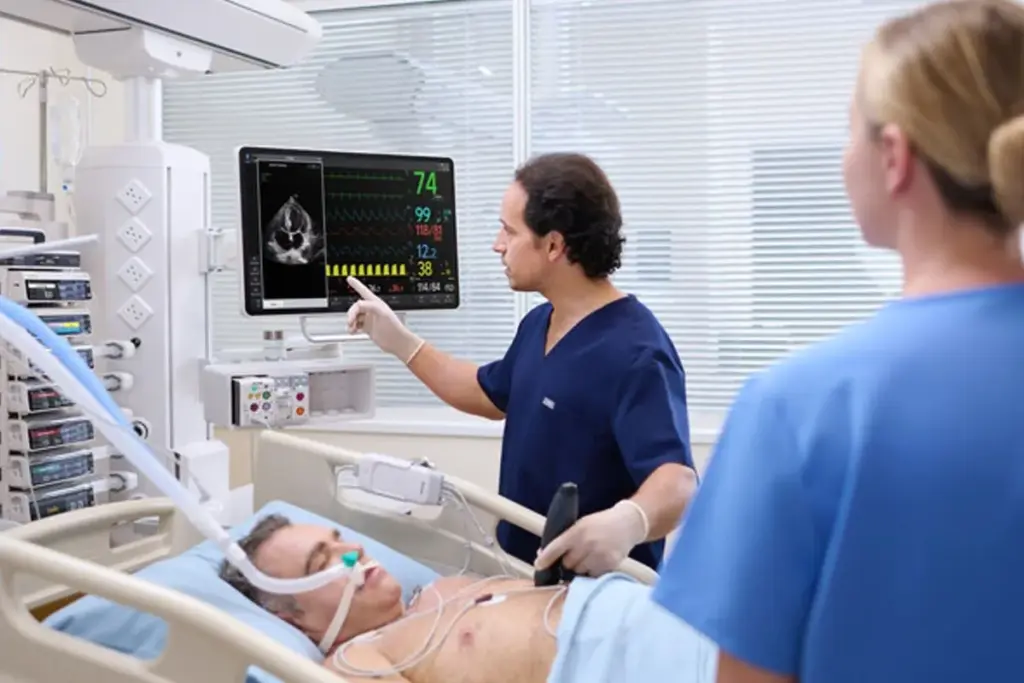
Radioembolization is a key treatment for liver cancer. It’s a less invasive option. This method targets cancer cells directly, with little harm to healthy tissue.
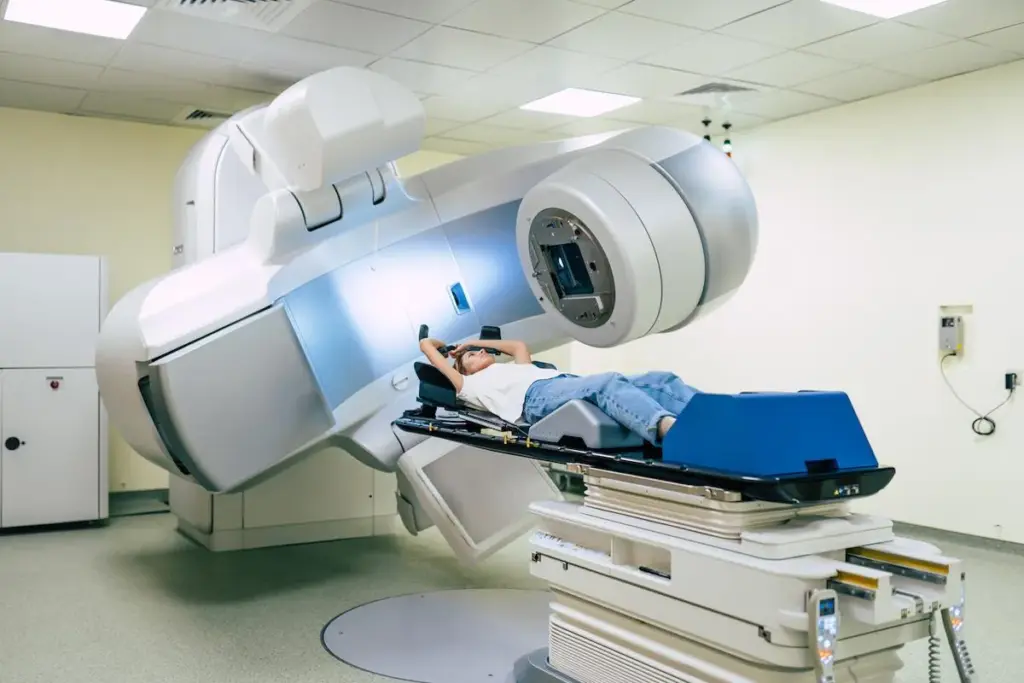
Radioembolization combines internal radiation therapy and embolization. It sends radioactive beads to tumors through the blood. This blocks the tumor’s blood supply and delivers radiation right to the tumor.
The main goal is to treat cancers in or spreading to the liver. It aims to shrink tumors, ease symptoms, and improve patient results.
There are two main radioembolization procedures:
Both methods are effective against liver tumors. The choice depends on the cancer type, tumor details, and patient health.
Radioembolization has several stages, from getting ready to recovering after treatment. It’s a detailed process with each step taking its own time.
The whole radioembolization process starts with a first meeting and ends with recovery. The Y-90 treatment releases radiation for about 10 to 14 days after it’s done, as studies show.
Treatment phases include checking the patient, doing angiography, and the Y90 treatment itself. Each part has its own time and adds to the total treatment time.
Many things can change how long radioembolization takes. These include the patient’s health, the tumor’s size and where it is, and the type of treatment.
Patient-specific factors like liver health and other health issues can also play a role. The skill of the medical team and the technology used also matter.
The radiation bead therapy is customized for each patient. Knowing these details helps plan and set expectations for the treatment time.
The pre-procedure evaluation period is key in getting patients ready for radioembolization treatment. It includes several important steps for a successful procedure.
The first step is the initial consultation. Here, the patient’s medical history is reviewed and a physical exam is done. It’s also a chance for the patient to talk about their concerns and learn about the treatment.
Diagnostic imaging is very important in this phase. Tests like CT scans and MRI help see the liver’s shape and the tumor’s details. These images are used to plan the treatment.
Before the Y-90 RE procedure, an arteriogram is done. It maps the arteries and blood flow in the abdomen. This is key for finding the best treatment approach.
Laboratory tests check the patient’s overall health and liver function. These include blood counts, liver function tests, and other assessments.
|
Laboratory Test |
Purpose |
|---|---|
|
Blood Counts |
To assess overall health and detect any abnormalities |
|
Liver Function Tests |
To evaluate the liver’s condition and its ability to tolerate the treatment |
|
Other Assessments |
To check for any other health issues that may impact the treatment |
These steps help ensure that patients are well-prepared for radioembolization. This makes the treatment safer and more effective.
Angiography mapping is key in finding the hepatic artery and its branches. This is vital for the success of radioembolization treatment.
The main goal of angiography mapping is to map out the hepatic artery and its branches. This is important for delivering Y-90 beads to the tumor site accurately. It helps target the radiation to the tumor, reducing harm to healthy tissue.
The time needed for angiography mapping varies. It can take from 1 to 2 hours. The complexity of the patient’s blood vessels and the procedure’s needs can affect the time.
Recovery from angiography mapping is usually fast. Most patients can go back to normal activities in a few hours. Some might feel minor side effects like bruising or discomfort at the catheter site.
|
Procedure |
Duration |
Recovery Time |
|---|---|---|
|
Angiography Mapping |
1-2 hours |
A few hours |
Key Considerations
The success of radioembolization depends a lot on the treatment planning phase. This is where dosimetry calculations are key. The goal is to give the tumor the right amount of radiation. This makes the treatment work better and reduces side effects.
Dosimetry calculations are vital in the treatment planning phase. They figure out how much radioactive material is needed. Getting this right is key to radioembolization’s success, as it affects how much radiation the tumor gets.
These calculations consider many things. Like the tumor’s size and where it is, and the patient’s health. This info helps create a treatment plan that’s just right for the patient.
A team of experts works together during the treatment planning phase. This team includes interventional radiologists, nuclear medicine physicians, medical physicists, and oncologists. Each brings their own skills to the table to make a good treatment plan.
Working together, they can make the treatment fit the patient’s needs. This teamwork increases the chances of a good outcome.
|
Team Member |
Role in Treatment Planning |
|---|---|
|
Interventional Radiologist |
Performs the radioembolization procedure and ensures accurate delivery of the radioactive dose. |
|
Nuclear Medicine Physician |
Provides expertise on the radioactive material used and its handling. |
|
Medical Physicist |
Conducts dosimetry calculations to determine the optimal radiation dose. |
|
Oncologist |
Assesses the patient’s overall condition and recommends the most appropriate treatment approach. |
On the day of the radioembolization procedure, patients must follow specific instructions to ensure a smooth treatment process.
Before arriving at the hospital, patients receive detailed pre-procedure instructions. These are to prepare them for the outpatient embolization. They include guidelines on medications to avoid, fasting requirements, and arrival time.
Medications: Patients are told which medications to continue or stop before the procedure. This is important for a safe microsphere infusion.
Fasting: They are given instructions on fasting to ensure their safety during the procedure.
|
Pre-Procedure Instruction |
Description |
|---|---|
|
Medication Management |
Guidelines on which medications to take or avoid before the procedure. |
|
Fasting Requirements |
Instructions on whether to fast before the procedure and for how long. |
|
Arrival Time |
Specific arrival time to allow for preparation before the microsphere infusion. |
Upon arrival at the hospital, patients are directed to the appropriate department. There, they will undergo preparation for the radioembolization treatment.
The preparation involves setting up the necessary equipment. It also ensures the patient is ready for the procedure. This includes administering any necessary anesthesia and preparing the patient for the microsphere infusion.
By following these instructions and hospital protocols, patients can help ensure a successful treatment day.
Knowing how long the Y90 treatment takes is key for patients. This process includes steps like giving anesthesia, injecting into the hepatic artery, and adding microspheres.
The Y90 treatment starts with anesthesia to keep patients comfortable. Doctors choose the right anesthesia based on the patient’s health and past medical history. Good anesthesia helps reduce pain and worry.
The hepatic artery injection is a key part of the Y90 treatment. It involves putting Y90 beads into the hepatic artery, guided by X-rays. This step must be precise to target the tumor correctly. It requires skilled interventional radiologists to navigate the hepatic artery.
The time it takes to infuse microspheres is also important. This time can change based on the tumor size, the number of beads needed, and the patient’s blood vessels. The team watches closely to make sure the beads are placed right and safely.
The Y90 treatment usually lasts between 1 to 3 hours. The exact time depends on the case’s complexity, the patient’s health, and the team’s experience. Knowing this helps patients prepare and understand what to expect.
Radioembolization’s success depends on delivering Radiation Bead Therapy to liver tumors accurately. This involves several key steps. These steps ensure Y90 beads are placed precisely in the tumor’s blood vessels.
The Y90 bead placement technique is complex and requires careful planning. The beads are made to stay in the tumor’s blood vessels. This delivers a high dose of radiation right to the tumor. It’s vital for targeting liver tumors effectively and protecting healthy tissue nearby.
Timing is very important in Radiation Bead Therapy. The radiation dose must be calculated carefully for the best results. The length of radiation exposure depends on the tumor’s size, location, and the patient’s health.
The table below shows important factors for radiation dose timing in Radiation Bead Therapy:
|
Factor |
Description |
Impact on Timing |
|---|---|---|
|
Tumor Size |
Larger tumors may require adjusted dosing |
May require longer exposure |
|
Tumor Location |
Location affects blood flow and bead distribution |
Influences the timing of radiation exposure |
|
Patient Health |
Overall health impacts tolerance to radiation |
Affects the dosage and timing of treatment |
Healthcare professionals can improve Radiation Bead Therapy delivery by considering these factors. This makes liver cancer embolization treatments more effective.
Getting liver tumors right is key to radioembolization success. This is done with advanced methods that make sure Y-90 beads reach the tumor accurately.
Selective internal radiation techniques are used to hit liver tumors right on. They send Y-90 beads straight to the tumor via the hepatic arteries. This keeps healthy tissue safe. This careful method makes treatment more effective and cuts down on side effects.
Selective internal radiation therapy (SIRT) lets more radiation get to the tumor. It’s great for tumors that can’t be removed or haven’t responded to other treatments.
It’s vital to make sure Y-90 beads are in the right spot. Angiography and SPECT scans help with this. These scans check if the Y-90 beads are in the tumor as they should be.
The table below shows the main points about liver tumor targeting precision:
|
Technique |
Description |
Benefits |
|---|---|---|
|
Selective Internal Radiation Therapy (SIRT) |
Delivers Y-90 beads directly to the liver tumor through the hepatic arteries. |
Minimizes exposure to healthy tissue, enhances treatment effectiveness. |
|
Angiography |
Imaging technique used to visualize the hepatic arteries and confirm Y-90 bead placement. |
Ensures accurate delivery of Y-90 beads to the tumor site. |
|
SPECT Scans |
Imaging modality used to verify the correct positioning of Y-90 beads within the tumor. |
Provides real-time feedback on the distribution of Y-90 beads. |
The time right after the procedure is very important. Patients are watched closely in the recovery area. This is when any quick problems or bad reactions to the treatment are found.
Patients usually stay in the recovery room for a few hours after radioembolization. How long they stay can change based on how they react to the treatment and the rules of the treatment center. It’s key to watch them closely to catch any issues fast.
In the recovery room, patients’ vital signs are watched closely. This means checking their blood pressure, heart rate, and oxygen levels. Nurses and healthcare professionals also look for any signs of pain or other problems. They want to make sure the patient is okay before they leave or move to a hospital room.
Watching patients during this time helps see how well they did with the procedure. If any problems or concerns are found, they can be dealt with right away. This helps make the treatment better for the patient.
It’s important for patients to know about hospital stay needs after radioembolization. Whether a patient goes home the same day or stays in the hospital depends on several things. These include the patient’s health, how complex the procedure is, and any risks or complications.
Y-90 radioembolization (RE) is often done as an outpatient procedure. But, some patients might need to stay in the hospital. Studies show that the choice between outpatient and inpatient care depends on the patient’s condition and the doctor’s judgment. Outpatient embolization is usually chosen for simple procedures and stable patients.
Several factors decide if a patient can go home or needs to stay in the hospital. These include:
|
Consideration |
Outpatient |
Inpatient |
|---|---|---|
|
Procedure Complexity |
Uncomplicated |
Complex or high-risk |
|
Patient Health |
Stable, few comorbidities |
Unstable or multiple comorbidities |
|
Recovery Needs |
Minimal monitoring required |
Close monitoring necessary |
For outpatient embolization, discharge is usually quick. Patients are watched for a few hours to check for any immediate issues. If they’re okay, they go home with care instructions.
“Most patients can safely go home the same day as their radioembolization, if they meet certain criteria.”
If a patient needs to stay in the hospital, how long they stay varies. It depends on how well they recover and if they need ongoing medical care. Patients are usually discharged when they’re stable and can take care of themselves at home.
Knowing what to expect after radioembolization is key for patients. The recovery includes managing side effects and watching for complications.
The first 24 hours are critical. Patients stay in the hospital to watch for immediate issues. Common side effects are fatigue, nausea, and stomach pain, which doctors treat with meds.
In the first week, patients might feel tired and a bit uncomfortable. It’s vital to follow the doctor’s advice to handle these feelings. Rest and drinking plenty of water are important for healing.
Recovery times vary. Some get better in weeks, while others take months. Regular check-ups with the doctor are important to track progress.
Recovery might mean making some lifestyle changes. The table below gives some general recovery tips.
|
Recovery Stage |
Common Symptoms |
Management Strategies |
|---|---|---|
|
First 24 Hours |
Fatigue, Nausea, Abdominal Pain |
Hospital Monitoring, Medication |
|
First Week |
Continued Fatigue, Discomfort |
Rest, Hydration, Post-Procedure Instructions |
|
Complete Recovery |
Varies by Patient |
Follow-Up Care, Lifestyle Adjustments |
It’s important to know about the possible problems with radioembolization. This helps set realistic expectations and understand how long recovery might take. Radioembolization is mostly safe but can have some risks.
Complications can be split into common side effects and rare but serious issues. Common side effects are usually mild and include fatigue, nausea, and stomach pain. These can often be managed with medicine and care.
Common side effects of radioembolization may include:
These side effects are usually short-lived and go away within a few days to weeks after treatment.
But, rare serious problems can happen too. These include liver damage, radiation exposure to others, and allergic reactions. These can make recovery longer and might need extra medical help.
Recent studies show that Y-90 RE can lead to liver damage, radiation exposure, and allergic reactions. Handling these complications well is key to a smoother recovery.
|
Complication |
Frequency |
Impact on Recovery |
|---|---|---|
|
Liver Damage |
Rare |
Significant |
|
Radiation Exposure |
Rare |
Variable |
|
Allergic Reactions |
Uncommon |
Moderate |
It’s vital to manage these complications well to lessen their effect on recovery. This might mean extra treatments, closer watch, and changes to after-care.
The follow-up schedule after treatment is key. It includes imaging studies and clinical checks to see how the patient is doing.
Imaging follow-up is very important. Patients have imaging tests at set times to check if the treatment is working.
Common Imaging Modalities Used:
How often these tests are done can change. But usually, patients have them at 1, 3, and 6 months after treatment. They might have more tests later if needed.
|
Time Post-Treatment |
Imaging Modality |
Purpose |
|---|---|---|
|
1 Month |
CT or MRI |
Initial assessment of tumor response |
|
3 Months |
PET or CT |
Evaluation of metabolic activity and tumor size |
|
6 Months |
MRI or CT |
Continued assessment of treatment response |
Clinical evaluations go hand in hand with imaging tests. They help doctors understand the patient’s health fully. These include:
Clinical evaluations help healthcare providers to adjust treatment plans as necessary and address any concerns or complications that may arise.
By combining imaging follow-up with clinical evaluations, healthcare providers can gain a thorough understanding of how well the radioembolization treatment is working and make informed decisions about future care.
Knowing how long radioembolization for liver cancer lasts is key for patients. The whole process, from first meeting to getting better, has many steps. Each step takes different amounts of time, based on the person’s situation.
First, patients go through a detailed check-up. Then, they have an angiography to map out the treatment area. Next, they plan the treatment and do the Y90 procedure. How long each part takes depends on the tumor’s size, the patient’s health, and the treatment methods used.
After the treatment, patients usually stay in the hospital for watching. Then, they need time to recover, which can be weeks. Knowing about possible problems and how they affect treatment time is important for setting realistic hopes.
Regular check-ups are vital to see if the treatment is working and to talk about any worries. By understanding how long radioembolization takes and what to expect, patients can get ready for their treatment. This helps them make smart choices about their health care.
Radioembolization is a treatment for liver cancer. It involves injecting radioactive beads into the hepatic artery. The whole process usually takes about 1-2 hours.
The radiation from the Y-90 beads can last up to 11-14 days after the treatment.
Angiography mapping helps find the blood vessels that feed the tumor. It makes sure the Y-90 beads go to the right place.
The angiography mapping usually takes 1-2 hours to finish.
Side effects like fatigue, nausea, and abdominal pain are common. They are usually mild and don’t last long.
Recovery time varies, but most people can get back to normal in 1-2 weeks.
Follow-up checks are needed every 3-6 months. They help track how well the treatment is working.
Yes, it can be done without staying overnight. But some cases might need hospital care.
The dose is figured out using special calculations. These consider the tumor size, location, and the patient’s health.
Risks include radiation exposure, liver damage, and allergic reactions. But these are rare.
The beads are injected into the hepatic artery through a catheter. Imaging guides the process.
Discharge times vary, but most patients go home the same day or within 24 hours.
National Center for Biotechnology Information. Evidence-Based Medical Insight. Retrieved from https://www.ncbi.nlm.nih.gov/pmc/articles/PMC5124387/

Your Comparison List (you must select at least 2 packages)
