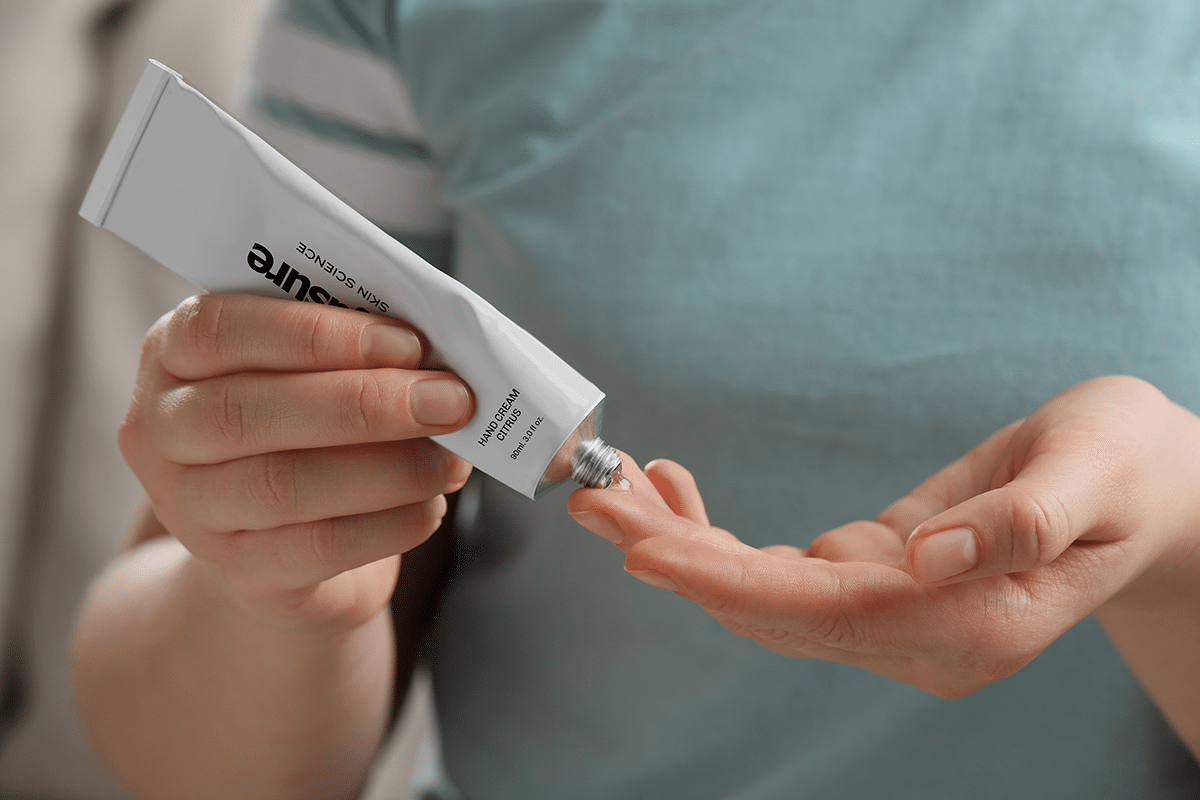
Listing the five best options answering what is the best topical cream for arthritis pain relief, based on efficacy and mechanism.
Millions of Americans fight arthritis every day. They look for pain relief without the side effects of pills. Topical creams and gels are a new hope. They target pain right where it hurts.
The Medical organization says these creams work by going through the skin. They’re great for joints near the surface, like hands and knees. Dealing with arthritis is tough, and finding the right relief is key.
In this article, we’ll look at the 5 top topical creams for arthritis pain relief. We’ll give you a detailed guide to help you manage your symptoms better.
Key Takeaways
- Topical creams offer targeted pain relief for arthritis sufferers.
- They are best for joints close to the skin surface.
- Our guide explores the 5 best topical creams for arthritis pain relief.
- We provide a detailed overview to help manage arthritis symptoms.
- Topical treatments can reduce the risk of side effects from pills.
Understanding Arthritis and Its Impact

It’s important to know how common and impactful arthritis is. This condition affects not just our quality of life but also our wallets.
The Prevalence of Arthritis in America
Over 53 million Americans live with arthritis. This makes it a big health issue in the U.S. The Merck Manual Professional Version says osteoarthritis is a common cause of pain and disability for millions.
Arthritis doesn’t just hit older people. It can make everyday tasks hard for anyone. This affects how well we live our lives.
“Arthritis is a major cause of disability, with significant implications for healthcare systems and economies worldwide.”
Economic and Quality of Life Burden
Arthritis costs the U.S. about $300 billion each year. This includes medical bills and lost work time. We need better ways to manage arthritis pain.
|
Category |
Cost |
Impact |
|---|---|---|
|
Medical Costs |
$150 billion |
Direct healthcare expenses |
|
Lost Wages |
$150 billion |
Indirect costs due to disability |
Arthritis also hurts our quality of life. People with it often feel pain, stiffness, and can’t move as well. Topical pain relief, like arthritis pain relief topical creams, can help manage these symptoms.
How Topical Pain Relief Works for Arthritis
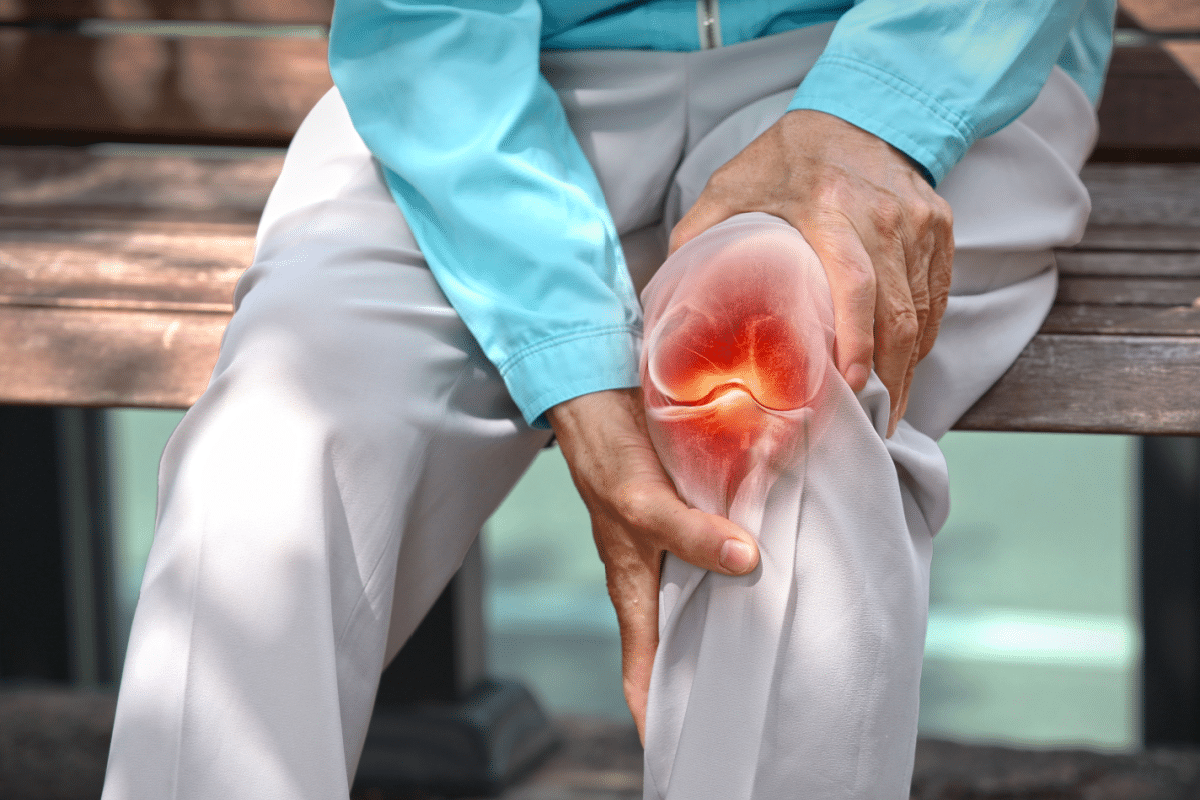
Recent advancements in topical pain relief have brought new hope to those with arthritis. Topical painkillers are now a top choice for many. They deliver relief right to the affected area.
Targeted Relief vs. Systemic Medications
Topical pain relief targets the affected joints directly. It provides targeted relief without affecting other organs much. This is different from systemic medications, which spread through the blood and can cause more side effects.
The Arthritis Foundation says topical NSAIDs are safer for the stomach than oral ones. This makes them a good choice for those wanting to avoid systemic side effects.
- Direct application to the affected area
- Reduced risk of systemic side effects
- Potential for lower dosage compared to oral medications
The Science Behind Topical Absorption
The success of topical pain relief ointments for arthritis depends on how well they penetrate the skin. The science behind this involves the product’s formula. This includes the active ingredients and substances that help them get through the skin.
Studies show that some formulas can improve how well active ingredients, like NSAIDs, get into the joints. This targeted method helps with pain relief in the area. It often has fewer side effects than treatments that go through the whole body.
- Formulation plays a key role in skin penetration
- Active ingredients are absorbed into the underlying tissues
- Localized relief with potentially fewer side effects
Understanding how topical pain relief works helps people with arthritis make better choices. Topical painkillers are a valuable tool for managing pain and improving life quality.
Types of Active Ingredients in Arthritis Creams
Arthritis creams have active ingredients from different categories. Each type works in its own way to help with arthritis pain. These ingredients are key to how well the cream works.
NSAIDs (Diclofenac, Ibuprofen)
Nonsteroidal anti-inflammatory drugs (NSAIDs) are found in many arthritis creams. They help by cutting down inflammation and pain. Diclofenac and ibuprofen are two well-known NSAIDs used in creams.
Diclofenac is known for its strong anti-inflammatory effects. It’s often used in creams and gels to relieve arthritis pain.
Counterirritants (Menthol, Camphor)
Counterirritants are also in arthritis creams. They work by creating a sensation that takes your mind off the pain. Menthol and camphor are common counterirritants.
Menthol gives a cooling feeling that can ease pain. Camphor has a mild irritant effect that can help lower pain perception.
Anesthetics (Lidocaine)
Anesthetics like lidocaine are in some creams to numb the skin and tissues. This provides temporary pain relief. Lidocaine is great for localized pain.
Lidocaine blocks nerve signals, which reduces pain feeling.
Capsaicin-Based Products
Capsaicin, from chili peppers, is in some creams. It works by taking away a chemical that sends pain signals. Capsaicin-based products can give a lot of pain relief, but might feel burning at first.
|
Active Ingredient Category |
Examples |
Mechanism of Action |
|---|---|---|
|
NSAIDs |
Diclofenac, Ibuprofen |
Reduce inflammation and pain |
|
Counterirritants |
Menthol, Camphor |
Create a distracting sensation to alleviate pain |
|
Anesthetics |
Lidocaine |
Block nerve signal transmission to reduce pain |
|
Capsaicin-Based |
Capsaicin |
Deplete nerve cells of substance P to reduce pain signals |
What Is the Best Topical Cream for Arthritis?
Finding the best topical cream for arthritis is a personal journey. It’s about understanding what works for you. What helps one person might not work for another.
Clinical Evidence for Effectiveness
Studies have found that some creams can really help with arthritis pain. Topical NSAIDs, like diclofenac, have been proven to reduce pain. They work by cutting down inflammation right where it hurts.
Some important results from research include:
- Diclofenac gel has been shown to help with osteoarthritis pain.
- Topical NSAIDs are safer than oral ones, with fewer stomach problems.
- The best cream for you can depend on the ingredient and your skin type.
Factors That Determine “Best” for Individual Needs
Several things can help decide the best cream for arthritis. These include:
- The type of arthritis: Different types need different treatments.
- The severity of pain: More pain might need stronger creams or more use.
- Skin type: People with sensitive skin might prefer creams with aloe vera.
- Other health conditions: Certain health issues, like kidney disease, can influence your choice.
By thinking about these factors and looking at the research, you can choose the best cream for your arthritis pain.
Voltaren Arthritis Pain Gel (Diclofenac Sodium)
Voltaren Arthritis Pain Gel is a topical NSAID known for its effectiveness in treating arthritis pain. It’s designed to penetrate deep into the skin and joints. This helps reduce pain and stiffness caused by arthritis.
Product Overview
Voltaren Arthritis Pain Gel is a nonsteroidal anti-inflammatory drug (NSAID) applied directly to the skin. Its active ingredient, diclofenac sodium, reduces substances that cause pain and inflammation in the body.
Pros
Voltaren is known for its ability to manage arthritis pain effectively. Its key benefits include:
- Targeted relief: Voltaren gel is applied directly to the affected area, providing localized pain relief.
- Reduced systemic side effects: As a topical treatment, it may have fewer systemic side effects compared to oral NSAIDs.
- Fast absorption: The gel formulation allows for quick absorption into the skin.
Cons
While Voltaren Arthritis Pain Gel is generally well-tolerated, there are some drawbacks to consider:
- Skin irritation: Some users may experience skin irritation, such as redness or itching, at the application site.
- Cost: Voltaren can be more expensive than some other topical pain relief options.
- Prescription required: In some formulations, a prescription is needed, which may be a barrier for some users.
Features
Voltaren Arthritis Pain Gel is a popular choice for those with arthritis pain due to its features:
|
Feature |
Description |
Benefit |
|---|---|---|
|
Diclofenac Sodium |
Active ingredient that reduces pain and inflammation |
Effective pain relief |
|
Topical Application |
Applied directly to the skin over the affected joint |
Localized relief with fewer systemic side effects |
|
Gel Formulation |
Easy to apply and absorbs quickly into the skin |
Fast and convenient |
Biofreeze Professional Pain Relief Gel
For those with arthritis pain, Biofreeze Professional Pain Relief Gel is a good choice. It’s a gel that cools the skin and helps with arthritis symptoms.
Product Overview
Biofreeze Professional Pain Relief Gel is made to give fast pain relief. It has menthol, which makes the skin cool. This helps take your mind off the pain. It’s part of the Biofreeze line, known for top-notch pain relief.
Pros
The Biofreeze Professional Pain Relief Gel has many benefits:
- Fast Acting: It works quickly to ease pain.
- Cooling Sensation: The menthol gives a cool feeling that soothes.
- Professional Grade: It’s made for professionals, showing it’s very effective.
Cons
But, there are some things to think about:
- Temporary Relief: It might not last long to keep the pain away.
- Skin Sensitivity: Some people might get skin irritation or be sensitive to menthol.
Features
Biofreeze Professional Pain Relief Gel has key features:
|
Feature |
Description |
|---|---|
|
Active Ingredient |
Menthol (a counterirritant) |
|
Application |
Topical gel for direct application to the affected area |
|
Effect |
Cooling sensation to distract from pain |
Knowing about Biofreeze Professional Pain Relief Gel helps those with arthritis choose better for their pain.
Salonpas Lidocaine Pain Relief Patch
The Salonpas Lidocaine Pain Relief Patch is a great choice for managing arthritis pain. It uses lidocaine to numb the pain in the affected area.
Product Overview
This patch is made to give localized pain relief. The Medical organization says lidocaine numbs the area, reducing pain. It’s a non-invasive way to manage arthritis pain.
“Topical anesthetics like lidocaine are effective for relieving pain locally without the systemic side effects associated with oral medications.”
Medical organization
Pros
The Salonpas Lidocaine Pain Relief Patch has many benefits. Some key advantages include:
- Efficient pain relief: It targets the pain effectively.
- Easy to use: Simple to apply and can be worn under clothes.
- Non-invasive: It doesn’t require injections or pills.
Cons
There are some downsides to consider:
- Skin irritation: Some may get skin irritation or allergic reactions.
- Limited duration: It may need to be replaced often to work well.
Features
The Salonpas Lidocaine Pain Relief Patch has some great features:
|
Feature |
Description |
|---|---|
|
Lidocaine Content |
4% lidocaine for effective pain relief |
|
Patch Size |
Available in various sizes to fit different areas of the body |
|
Adhesive |
Gentle on skin yet secure enough to stay in place |
Knowing the features and benefits of the Salonpas Lidocaine Pain Relief Patch helps make informed choices for managing arthritis pain.
Aspercreme Lidocaine with Aloe
Aspercreme Lidocaine with Aloe combines lidocaine and aloe vera for pain relief. It’s a cream that works fast and also takes care of your skin.
Product Overview
Aspercreme Lidocaine with Aloe is a cream for pain. It has lidocaine to numb pain and aloe vera to soothe the skin. It’s great for arthritis pain, muscle aches, and minor pains. The aloe vera also moisturizes and calms the skin, perfect for those with skin irritation.
Pros
- Dual-action formula: Offers pain relief and skin care.
- Fast-acting: Lidocaine numbs pain quickly.
- Soothing aloe vera: Moisturizes and calms the skin, reducing irritation.
- Easy to apply: Absorbs quickly into the skin.
Cons
- May not be suitable for everyone: People with skin conditions or allergies should talk to a doctor first.
- Temporary relief: Pain relief is temporary and may need to be reapplied.
Features
Aspercreme Lidocaine with Aloe has a lidocaine-based formula for numbing pain. It also has aloe vera for skin soothing and moisturizing. It comes in various sizes to meet different needs.
When thinking about Aspercreme Lidocaine with Aloe for arthritis pain, consider its benefits and drawbacks. Its dual-action approach makes it a good choice for pain relief and skin care.
Penetrex Pain Relief Therapy
Penetrex Pain Relief Therapy is made to tackle pain at its root. It’s a topical solution that has caught attention for its special formula. This formula aims to give full pain relief to those with arthritis.
Overview
Penetrex Pain Relief Therapy is a cream that mixes natural ingredients to fight pain and swelling. It’s designed to be simple to use and quickly absorbed by the skin. This gives fast pain relief.
Arthritis pain can really hurt, affecting more than just the joints. It can change your whole life. Penetrex aims to be more than just a pain reliever. It’s a full solution for managing arthritis symptoms.
Pros
The good things about Penetrex Pain Relief Therapy are:
- Natural Ingredients: It uses natural ingredients, which means less risk of harsh side effects found in some medicines.
- Fast Absorption: Penetrex cream goes into the skin fast, giving quick relief from pain and swelling.
- Effective Pain Relief: People say it really helps with arthritis pain, making it easier to do daily tasks.
Cons
Even though Penetrex has many benefits, there are some things to think about:
- Skin Sensitivity: Some people might have skin reactions or allergies to certain ingredients in the product.
- Cost: Penetrex might cost more than other pain relief creams, depending on size and where you buy it.
Features
Penetrex Pain Relief Therapy has some standout features:
|
Feature |
Description |
|---|---|
|
Unique Formula |
A mix of natural ingredients aimed at fighting pain and swelling. |
|
Fast Absorption |
It quickly goes into the skin to offer quick relief. |
|
Natural Ingredients |
It’s made with ingredients that are less likely to cause harsh side effects. |
Knowing about Penetrex’s features and benefits helps people with arthritis make better choices for managing their pain.
Best Practices for Applying Topical Arthritis Treatments
To get the most out of topical arthritis treatments, it’s key to know how to apply them right. Doing so can really help manage arthritis pain better.
Preparation and Application Techniques
Make sure your skin is clean and dry before applying topical treatments. Wash the area with soap and water, then dry it well. This helps the treatment soak in better.
Warm the product by rubbing it between your hands before applying. This makes it easier to spread and absorb into your skin.
Application Technique: Massage the treatment into your skin until it’s fully absorbed. Don’t press too hard, as it can irritate your skin. But don’t apply too little, or it might not work well.
Frequency and Dosage Considerations
It’s important to follow the product’s instructions on how much to use and how often. Using too much can cause side effects. Using too little might not help enough. The Arthritis Foundation advises sticking to the recommended amount and talking to a healthcare provider if you’re unsure.
- Read and follow the product label carefully.
- Do not exceed the recommended dose.
- If you’re using multiple products, ensure you’re not duplicating active ingredients.
Combining with Other Pain Management Strategies
Topical treatments can be part of a bigger plan to manage pain. Using them with physical therapy, exercise, and oral medications (with a healthcare provider’s advice) can help more.
It’s essential to keep a pain diary to track how well your treatment and other strategies work. This helps you and your healthcare provider make better choices for your treatment plan.
By following these best practices, people with arthritis can get the most out of topical treatments. This might help them use less oral pain medication and improve their life quality.
Potential Side Effects and Safety Considerations
Using topical creams for arthritis pain relief is common. But, it’s important to know about possible side effects and safety tips. These creams are usually safe, but there are things to remember for safe and effective use.
Common Side Effects to Watch For
Topical arthritis creams can cause skin irritation, redness, and itching. Some people might have allergic reactions, like rashes or hives. The Medical organization says some creams can irritate the skin and cause other side effects.
To avoid side effects, always follow the instructions and do a patch test first. If you have a bad reaction, stop using it and talk to a doctor.
Drug Interactions and Contraindications
Topical creams can interact with other drugs, like blood thinners and diabetes meds. Some ingredients, like NSAIDs, can get into your blood and affect other meds.
Some people should be careful with these creams. If you have sensitive skin or allergies, start with a small test area. Pregnant or breastfeeding women should talk to their doctor before trying new creams.
Safe Usage Guidelines
To use these creams safely, always follow the instructions and the right amount. Don’t apply them to open wounds or broken skin to avoid side effects.
- Read and follow the product label carefully.
- Perform a patch test before using a new cream.
- Consult a healthcare professional if you have any underlying medical conditions or take other medications.
- Monitor your skin for any signs of irritation or allergic reactions.
Knowing about side effects and following safe use tips can help you manage arthritis pain with topical creams.
When to Consult a Doctor About Arthritis Pain
Managing arthritis pain is more than just using creams and gels. Sometimes, you need to see a doctor. Topical treatments can help a lot, but there are times when you need medical help.
Signs Topical Treatments Aren’t Sufficient
If your arthritis pain doesn’t get better or gets worse, see a doctor. Signs that topical treatments aren’t enough include:
- Increased pain intensity
- Reduced mobility
- Lack of improvement over time
A doctor can check your condition and change your treatment plan if needed.
Indications of Worsening Arthritis
Arthritis can get worse, showing signs like more joint stiffness, swelling, or redness. If you see these symptoms, seeing a healthcare provider is key to stop it from getting worse.
Integrating Topicals into a Comprehensive Treatment Plan
Arthritis treatment often includes many things like medicines, lifestyle changes, and other therapies. Topical treatments are a good part of this plan. They help with pain without the side effects of pills.
|
Treatment Component |
Purpose |
Benefits |
|---|---|---|
|
Topical Creams/Gels |
Localized pain relief |
Minimal systemic side effects |
|
Oral Medications |
Systemic pain relief and inflammation reduction |
Effective for widespread pain |
|
Lifestyle Changes |
Improving joint health and overall well-being |
Enhances treatment efficacy and quality of life |
Using topical treatments as part of a full plan helps manage arthritis better. It can make life better for people with arthritis.
Conclusion: Finding Your Ideal Arthritis Pain Relief Solution
Finding the right arthritis pain relief is a personal journey. It may involve trying different topical creams. We suggest working with healthcare professionals to find what works best for you.
The Medical organization says it’s key to work with healthcare pros for the best pain relief. Mixing topical treatments with other methods can help manage arthritis pain well.
When looking at creams like Voltaren Arthritis Pain Gel, Biofreeze Professional Pain Relief Gel, and Aspercreme Lidocaine with Aloe, remember results can differ. Always talk to a healthcare professional to find the best treatment for you.
Being proactive and informed can greatly improve your life with arthritis. We’re here to help you find the right pain relief solution. This way, you can keep living your life to the fullest.
FAQ
What are the best topical creams for arthritis pain relief?
Topical creams like Voltaren Arthritis Pain Gel and Biofreeze Professional Pain Relief Gel are great. Also, Salonpas Lidocaine Pain Relief Patch, Aspercreme Lidocaine with Aloe, and Penetrex Pain Relief Therapy are good options. They have different ingredients like NSAIDs, anesthetics, and capsaicin.
How do topical pain relief creams work for arthritis?
These creams deliver medicine right to the pain spot. This reduces side effects because they’re absorbed through the skin. They offer targeted relief.
What are the active ingredients in arthritis creams?
Arthritis creams have ingredients like NSAIDs (diclofenac, ibuprofen) and counterirritants (menthol, camphor). They also have anesthetics (lidocaine) and capsaicin. Each type works differently to relieve pain.
Are there any side effects associated with topical arthritis creams?
Topical creams are usually safe but can cause side effects. These include skin irritation, itching, and redness. Always follow the instructions and talk to a doctor if you have any bad reactions.
Can I use topical creams in combination with other pain management strategies?
Yes, you can use topical creams with other pain relief methods. This includes oral meds, physical therapy, and lifestyle changes. Talk to a doctor to find the best mix for you.
How do I choose the best topical cream for my arthritis pain?
Pick a cream based on your arthritis type, pain level, and what you can tolerate. Look at clinical studies and read reviews to help decide.
What is the difference between topical NSAIDs and anesthetic creams?
Topical NSAIDs, like Voltaren, cut down inflammation. Anesthetic creams, like lidocaine, numb the skin to ease pain. Choose based on your specific pain needs.
Can topical creams provide long-term relief for arthritis pain?
Topical creams can offer effective pain relief. But, how long they work depends on the person and the product. Always work with a doctor for a full treatment plan.
Are there any contraindications for using topical arthritis creams?
Some people, like those with sensitive skin or allergies, should be careful with topical creams. Always check with a doctor before trying a new product, even if you have other health issues or take meds.
How should I apply topical creams for arthritis pain relief?
To get the most from topical creams, clean and dry the area first. Use the right amount and massage it in gently. Follow the product’s application instructions.
References
Government Health Resource. Evidence-Based Medical Guidance. Retrieved from https://www.cochranelibrary.com/cdsr/doi/10.1002/14651858.CD007400.pub3/full



 Departments
 Related Videos
 Our Doctors
 News
News