Did you know that angiography is the most common interventional radiology procedure? It’s a key tool for seeing inside blood vessels. It helps diagnose vascular conditions that affect millions globally.
We count on interventional radiology procedures to find and treat vascular diseases. Angiography is a big part of this. It lets doctors look inside blood vessels.
Knowing about angiography and other common IR procedures is key. It’s important for doctors and patients looking for top-notch care.
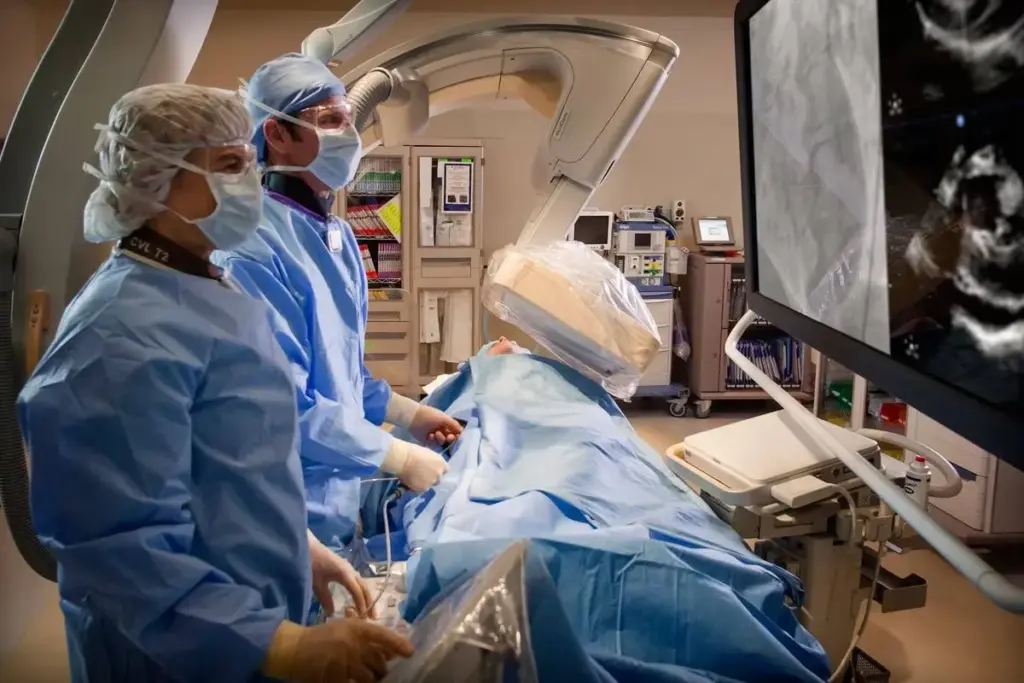
Interventional radiology has grown a lot from its start to now. We’ve seen big changes in this field. It has become a key part of medicine, using minimally invasive solutions for many health issues.
Interventional radiology uses image-guided procedures to help diagnose and treat health problems. It focuses on using minimally invasive techniques to treat without open surgery. This method helps patients recover faster and lowers the chance of complications.
The main ideas of interventional radiology are precision, using small access points, and doing procedures under imaging. These ideas help doctors target the right area without harming other parts.
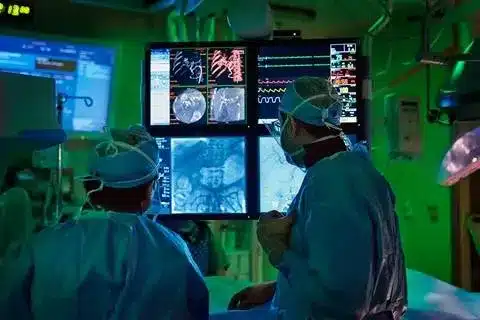
The history of interventional radiology is one of constant improvement. It started with the discovery of X-rays by Wilhelm Conrad Röntgen in 1895. This discovery led to the creation of image-guided treatments.
As technology got better, so did the tools and methods for interventional radiologists. Now, we have many image-guided procedures like angiography and biopsies. These advancements have made interventional radiology a key part of healthcare today.
Angiography is a key part of interventional radiology. It helps in both finding and treating vascular problems. Its use shows how important it is for precise treatments.
Angiography is used a lot because it’s vital for diagnosing and treating vascular diseases. As more people get older, more vascular diseases like PAD and CAD appear. This increases the need for angiography.
Studies show angiography is used in over 70% of vascular treatments. This shows its big role in healthcare today.
Key Factors Contributing to Angiography’s Prominence:
Angiography is used for both finding and treating problems. It gives clear images of blood vessels. This helps doctors spot blockages and other issues. It also helps guide treatments like angioplasty and stenting.
|
Application |
Description |
|---|---|
|
Diagnostic |
Provides detailed imaging of blood vessels to identify abnormalities |
|
Therapeutic |
Guides interventions such as angioplasty and stenting |
The technology for angiography has improved a lot. Modern systems give high-quality images and have features like digital subtraction angiography (DSA). The tools include angiography suites with fluoroscopy units and injectors for contrast media.
We use the latest angiography systems. They give us clear images. This helps us diagnose and treat vascular conditions well.
Key Equipment:
Interventional radiology is leading the way in medical innovation. It uses image-guided interventions to treat complex diseases. This makes IR a key part of modern healthcare, providing treatments that diagnose and treat diseases.
IR procedures fall into three main categories: vascular, non-vascular, and specialized treatments. Vascular interventions, like angiography and stenting, treat vascular diseases. Non-vascular interventions, such as biliary drainage, treat other conditions.
We group these procedures by their use, technology, and the diseases they address. This helps us see the wide range of roles IR procedures play in patient care.
Choosing an IR procedure depends on several factors. These include the patient’s medical history, the disease type, and the procedure’s risks and benefits. We use these factors to find the best treatment for each patient.
For example, in peripheral arterial disease, angioplasty and stenting are often chosen over surgery. They are less invasive and lead to quicker recovery. For some tumors, ablation techniques are preferred over surgery.
Looking at statistical data helps us understand IR procedures’ prevalence and impact. The table below shows the frequency of various IR procedures in the United States.
|
Procedure Type |
Number Performed Annually |
Primary Indications |
|---|---|---|
|
Angiography |
Over 1 million |
Coronary artery disease, peripheral arterial disease |
|
Angioplasty/Stenting |
Around 600,000 |
Coronary artery disease, carotid artery stenosis |
|
Tumor Ablation |
Approximately 50,000 |
Liver cancer, kidney tumors, other malignancies |
|
Uterine Fibroid Embolization |
Over 20,000 |
Uterine fibroids |
The data shows IR procedures’ significant role in managing medical conditions. As technology advances, we can expect more improvements in interventional radiology.
Vascular interventions have changed how we treat heart diseases. Angioplasty and stenting lead the way. They offer new, less invasive ways to treat patients instead of surgery.
Peripheral arterial disease (PAD) narrows or blocks arteries in the legs. Angioplasty and stenting help manage PAD. They improve blood flow and reduce symptoms like leg pain.
Angioplasty uses a balloon to widen the artery. Stenting places a stent to keep it open. These methods greatly improve life for PAD patients.
Angioplasty and stenting are key for coronary and carotid artery diseases. They help the heart and prevent heart attacks in CAD.
In carotid artery disease, stenting prevents strokes by clearing blockages. These treatments are often part of a broader plan to manage heart risks.
Arterial embolization is a key method in interventional radiology. It’s used to treat many medical issues by stopping blood flow to certain areas or lesions.
This technique involves putting embolic agents into arteries to block blood flow. It’s great for managing uterine fibroids, tumors, and injuries.
Uterine fibroid embolization (UFE) is a top choice for treating uterine fibroids. We inject embolic material into the uterine arteries. This makes fibroids smaller and relieves symptoms.
UFE has many benefits:
Tumor embolization is a way to treat tumors by cutting off their blood supply. It can be used alone or with other treatments like chemotherapy or surgery.
|
Tumor Type |
Embolization Benefits |
|---|---|
|
Liver Cancer |
Reduces tumor size, alleviates symptoms |
|
Kidney Tumors |
Controls bleeding, reduces tumor burden |
In emergencies, arterial embolization can save lives. It stops severe bleeding that other methods can’t handle.
We use arterial embolization in emergencies to:
Arterial embolization has changed how we treat vascular conditions. It improves patient results and cuts down on recovery times.
Venous ablation and interventions have changed how we treat venous conditions. These methods are less invasive, leading to quicker recovery times and better results. We’ll look into venous ablation and interventions, including their uses and benefits.
Varicose veins are enlarged, twisted veins in the legs. Venous ablation uses heat or laser to seal off the vein. It’s done under local anesthesia and works well, reducing symptoms and improving looks.
Other treatments for varicose veins include sclerotherapy and vein stripping. Sclerotherapy injects a solution into the vein, while vein stripping is a more invasive surgery. The right treatment depends on the severity, patient preference, and doctor’s advice.
Deep vein thrombosis (DVT) is a serious condition where a blood clot forms in a deep vein, usually in the legs. Managing DVT involves using anticoagulation therapy to stop the clot from growing and to lower the risk of pulmonary embolism. Sometimes, more aggressive treatments like thrombolysis or thrombectomy are needed.
Interventional radiology is key in managing DVT, providing minimally invasive ways to improve blood flow. We work with patients to find the best treatment based on their needs and condition.
Inferior vena cava (IVC) filters are used for patients at high risk of pulmonary embolism who can’t take anticoagulants. These filters are placed through a minimally invasive procedure, guided by imaging. Retrieval of IVC filters is considered when the risk of pulmonary embolism goes down.
Deciding to place or remove an IVC filter depends on the patient’s health and risk factors. We use the latest technology and methods for safe and effective IVC filter placement and retrieval.
IR is now a key player in cancer treatment, bringing new hope with its minimally invasive methods. This shift marks a big change in how we treat cancer, with IR at the forefront.
Tumor ablation uses heat, cold, or chemicals to destroy cancer cells. It’s great for tumors that are hard to reach with surgery.
There are several types, like radiofrequency ablation (RFA), microwave ablation (MWA), and cryoablation. Each has its own benefits and is chosen based on the tumor and the patient’s health.
Chemoembolization and radioembolization deliver treatment directly to the tumor. Chemoembolization injects chemotherapy and then blocks blood flow. Radioembolization uses tiny radioactive beads to kill cancer cells.
These methods are very effective for liver cancer. They have shown to improve survival rates and reduce symptoms.
Image-guided biopsy is a key tool for diagnosing tumors. It uses ultrasound, CT, or MRI to guide the needle to the tumor. This ensures accurate diagnosis.
|
Procedure |
Description |
Benefits |
|---|---|---|
|
Tumor Ablation |
Destroys cancer cells using heat, cold, or chemicals |
Minimally invasive, less recovery time |
|
Chemoembolization |
Delivers chemotherapy directly to the tumor, then cuts off blood supply |
Effective for liver cancer, reduces systemic side effects |
|
Radioembolization |
Uses radioactive beads to kill cancer cells |
Targets tumor directly, minimizes damage to surrounding tissue |
These IR procedures are a big step forward in cancer treatment. They offer patients more options and better outcomes. As technology improves, we’ll see even more ways IR helps fight cancer.
Interventional radiology goes beyond blood vessels. It treats many medical conditions with less harm. These non-vascular IR procedures are key for patients needing new, less invasive options instead of surgery.
Biliary interventions tackle problems with the bile ducts, like blockages from gallstones or tumors. Percutaneous transhepatic cholangiography (PTC) and biliary drainage help fix these issues. Urinary tract interventions, like percutaneous nephrostomy, solve blockages in the urinary system.
Abscess drainage is a key non-vascular IR procedure. It uses a catheter to drain out infected fluid. This method is less invasive and works well for abscesses in different parts of the body. Image-guided drainage makes sure the catheter is placed correctly, making treatment more effective.
Gastrostomy tube placement helps patients who need long-term nutrition. With image guidance, a tube is put directly into the stomach. This avoids the need for eating by mouth, helping those who can’t swallow or absorb nutrients well.
These non-vascular IR procedures show how interventional radiology is flexible and focused on the patient. They offer targeted treatments that can greatly improve a patient’s life and health outcomes.
Interventional radiology (IR) offers new ways to manage spine pain. These methods are key in treating spinal issues. They give patients options other than big surgeries.
Vertebroplasty and kyphoplasty help with vertebral compression fractures. They inject bone cement into the vertebra to make it stable and lessen pain.
Key differences between vertebroplasty and kyphoplasty:
|
Procedure |
Description |
Benefits |
|---|---|---|
|
Vertebroplasty |
Cement injection into the fractured vertebra |
Stabilizes the vertebra, reduces pain |
|
Kyphoplasty |
Cavity creation followed by cement injection |
Restores vertebra height, stabilizes the vertebra, reduces pain |
Nerve blocks are a vital IR method for pain relief. They inject medication around nerves to stop pain signals to the brain.
Choosing the right patient is key for IR success. Doctors look at how severe the condition is, the patient’s health, and past treatments.
Research shows IR can greatly help with spine and pain issues. It can make patients feel less pain and live better lives.
Imaging technologies are key in interventional radiology. They make treatments precise and less invasive. These technologies guide procedures, ensuring they are safe and effective.
Fluoroscopy is a vital imaging method in IR. It shows real-time X-ray images. This lets doctors see instruments and contrast agents moving inside the body.
Digital Subtraction Angiography (DSA) is a step up from fluoroscopy. It makes blood vessels clearer by removing background images.
Together, fluoroscopy and DSA are great for vascular interventions. They help doctors navigate and treat blood vessel problems accurately.
Computed Tomography (CT) is another important tool in IR. It gives detailed images from different angles. This helps doctors target lesions or tumors precisely. CT is often used for biopsies, drainages, and tumor treatments.
Ultrasound uses sound waves to see inside the body in real-time. It’s good for draining fluids, biopsies, and accessing blood vessels. Ultrasound is portable and doesn’t use harmful radiation, making it safe and versatile.
|
Imaging Modality |
Key Features |
Common Applications |
|---|---|---|
|
Fluoroscopy |
Real-time X-ray imaging |
Vascular interventions, angiography |
|
Digital Subtraction Angiography (DSA) |
Enhanced vascular visualization |
Vascular interventions, embolization |
|
CT Guidance |
Detailed cross-sectional imaging |
Biopsies, drainages, tumor ablations |
|
Ultrasound Guidance |
Real-time sound wave imaging |
Fluid drainage, biopsies, vascular access |
Magnetic Resonance Imaging (MRI) is becoming more common in IR. It offers clear images of soft tissues without harmful radiation. MRI is great for treating certain tumors that need precise soft tissue imaging.
As MRI technology improves, its use in IR is growing. It’s a valuable option for patients who can’t have other imaging-guided treatments.
IR procedures have many advantages over traditional surgery. But, they also have some risks. It’s important to know these to improve patient care.
IR is less invasive, causing less damage and trauma than open surgery. This means reduced recovery times, less pain, and fewer complications like infection.
IR often doesn’t need general anesthesia. Instead, local anesthesia or sedation is used. This makes IR safer for many patients.
While IR is safe, complications can happen. These include bleeding, infection, or damage to tissues. But, with careful planning and technique, these risks can be lowered.
Managing complications involves good planning, precise procedure execution, and post-procedure care. It’s about watching for signs and having plans for managing them.
For procedures like angiography, angioplasty, and embolization, a detailed risk-benefit analysis is key. This looks at the patient’s health, the condition being treated, and the procedure’s outcomes.
|
Procedure |
Benefits |
Risks |
|---|---|---|
|
Angiography |
Diagnostic accuracy, guides interventions |
Bleeding, contrast reaction |
|
Angioplasty |
Restores blood flow, minimally invasive |
Restenosis, bleeding |
|
Embolization |
Controls bleeding, treats tumors |
Tissue ischemia, non-target embolization |
Knowing the benefits and risks of IR helps healthcare providers make better decisions. This ensures the best care for their patients.
Understanding the patient experience is key to providing great care. It covers everything from the first consultation to after the procedure. We guide patients through each step to make sure they have a smooth and informed journey.
During the IR procedure, our team closely watches over patients. The procedure is usually done under local anesthesia, with or without sedation. We use advanced imaging to guide the procedure, ensuring it’s precise and safe.
We aim to make the experience as comfortable as possible. We explain each step of the procedure as we do it, keeping patients informed.
After the procedure, post-procedure care is critical for a smooth recovery. Patients are watched in a recovery area to check for any immediate issues. We give detailed instructions on care, including wound care, medication, and follow-up appointments.
The recovery timeline varies based on the procedure and the patient’s health. Generally, patients can get back to normal in a few days to a week. We’re here 24/7 for any questions or concerns during recovery.
|
Procedure |
Typical Recovery Time |
Post-Procedure Care Highlights |
|---|---|---|
|
Angiography |
1-3 days |
Monitor for bleeding, keep access site dry |
|
Venous Ablation |
3-7 days |
Compression stockings, avoid heavy lifting |
|
Tumor Embolization |
1-2 weeks |
Manage pain, monitor for fever |
By understanding the patient experience from start to finish, we can better support our patients and their families. This helps make the IR procedure journey smoother.
Interventional radiology has changed how we treat many medical issues. It offers new, less invasive ways to help patients. IR procedures are now key in modern medicine, giving patients choices other than surgery.
We’ve looked at how IR has grown, its common procedures, and what they’re used for. From angiography to pain management, IR has opened new doors in patient care.
IR procedures are great because they help patients recover faster and have fewer side effects. As technology gets better, we’ll see even more ways IR can help. This will improve patient care and treat more conditions.
Knowing about IR procedures helps patients make better choices about their health. We suggest looking into IR and minimally invasive treatments for advanced care.
Interventional Radiology (IR) is a medical field. It uses small, guided procedures to diagnose and treat diseases.
Angiography shows the inside of blood vessels. It helps diagnose vascular diseases. This makes it the most common IR procedure.
IR procedures have many advantages. They use smaller incisions, cause less pain, and have shorter recovery times. They also have fewer complications than traditional surgery.
IR offers several vascular interventions. These include angioplasty, stenting, and arterial embolization. They help manage diseases like peripheral arterial disease and varicose veins.
IR procedures use imaging technologies like fluoroscopy and CT. These technologies guide precise and safe interventions.
IR procedures are generally safe. But, complications like bleeding and infection can occur. The expertise of interventional radiologists minimizes these risks.
Preparing for an IR procedure involves a consultation and specific instructions. During the procedure, you’ll be closely monitored. Afterward, you’ll receive care and instructions for recovery at home.
Yes, IR treats cancer. Procedures include tumor ablation and chemoembolization. These can manage cancer and improve outcomes.
Yes, IR treats non-vascular conditions. This includes biliary and urinary tract interventions. It also includes abscess drainage and gastrostomy placement.
Yes, IR helps manage pain. Procedures include vertebroplasty and nerve blocks. They can alleviate pain and improve quality of life.
ScienceDirect. Evidence-Based Medical Insight. Retrieved from https://www.sciencedirect.com/science/article/pii/S1051044307617845