Last Updated on October 31, 2025 by
Many patients worry about pain when they think about a prostate biopsy. At Liv Hospital, we aim to ease your worries. We offer top-notch healthcare and support for international patients.
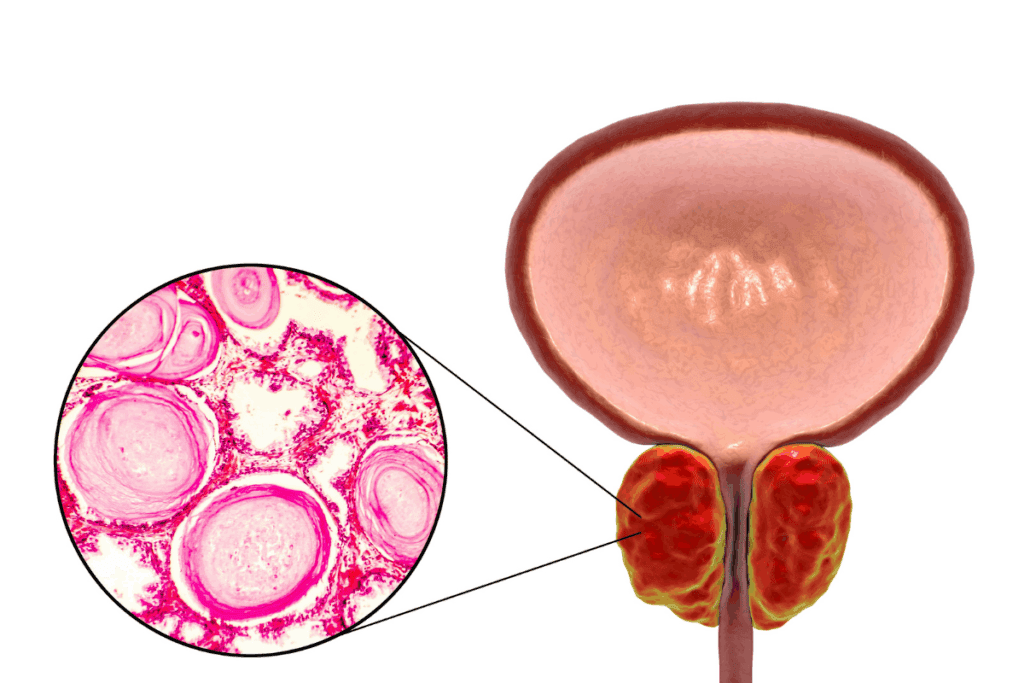
A biopsy means using a needle to take tissue samples from the prostate gland. A urologist does this procedure. There are different ways to do it, like transrectal and transperineal.
People often ask if it hurts. But what patients feel can vary a lot. It can be just a little uncomfortable or more painful, based on how the procedure is done and who you are.
Key Takeaways
- A prostate biopsy is a procedure to remove samples of suspicious tissue.
- Pain levels during the procedure can vary depending on the method used.
- Transrectal and transperineal are two common approaches to prostate biopsy.
- Patient anxiety is common, but we offer full support.
- Liv Hospital is committed to providing world-class healthcare delivery.
What Happens During a Prostate Biopsy
Patients often wonder what happens during a prostate biopsy. This procedure is used to check for abnormal cells in the prostate gland. It’s a way to find out if there’s cancer or other issues.
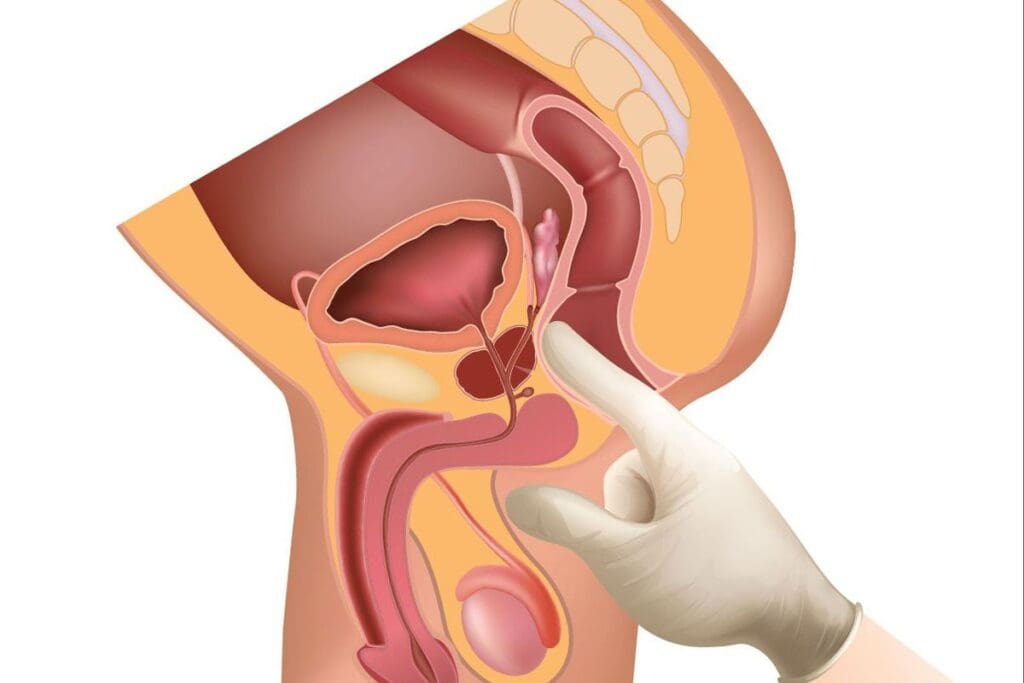
Definition and Purpose of Prostate Biopsies
A prostate biopsy takes small tissue samples from the prostate gland. It’s done to check for cancer or other problems. The Clinic says it helps find out if cancer is present and how aggressive it is.
How a Prostate Biopsy is Performed
The biopsy uses ultrasound to find the right spot. It’s done with local anesthesia to make it less painful. A thin needle takes small tissue samples quickly.
It might feel a bit uncomfortable each time a sample is taken. About 92% of patients say they feel some pain during the biopsy.
Transrectal vs. Transperineal Approaches
The biopsy can be done through the rectum or the perineum. Each method has its own benefits. Our urologists are experts in both, making sure patients are comfortable.
The transrectal method is more common and has less recovery time. The transperineal method might be better for some areas of the prostate.
Pain Levels Associated with Prostate Biopsy
Patients need to know about the pain levels during a prostate biopsy. We’ll look at the different types of pain, how much patients feel, and what affects their pain.
Statistical Data on Patient Discomfort
Pain levels during a prostate biopsy vary a lot. Some patients feel little pain, while others feel more. This is true, more so when samples are taken from the prostate’s apex.
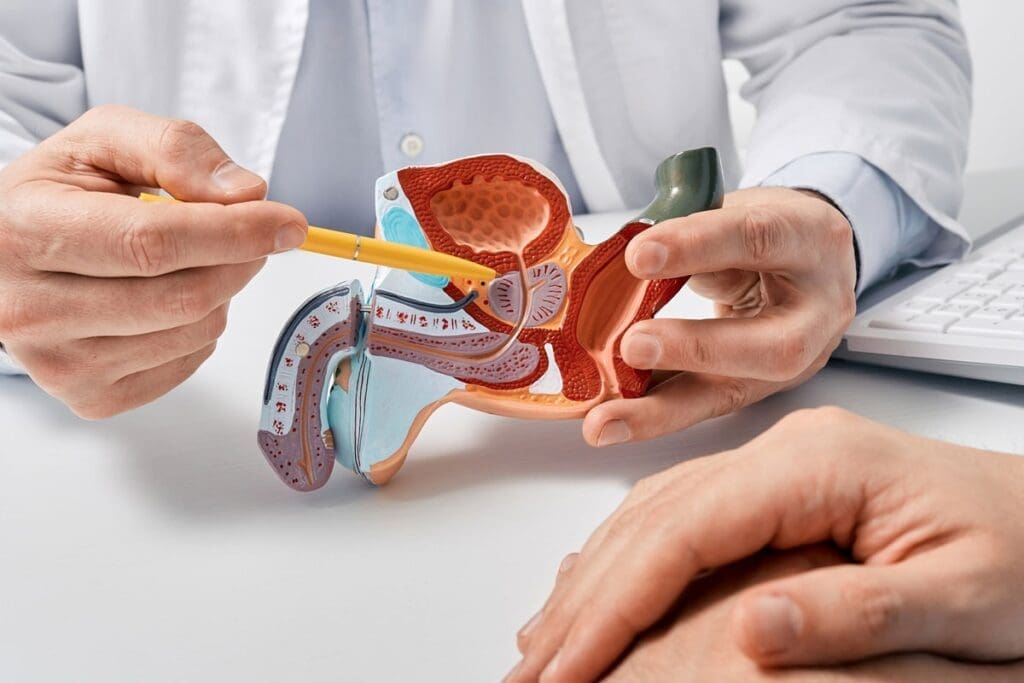
Pain Intensity Scale for Different Prostate Regions
A pain scale from 1 to 10 is used to measure patient discomfort. Studies found that the apex region has a median pain score of 5, which is moderate. Other parts of the prostate usually have lower scores.
It’s key to manage pain well during the biopsy. Local anesthesia and nerve blocks help a lot in reducing pain.
The Truth About Apex Region Sensitivity
The apex region of the prostate is more sensitive, leading to higher pain scores during biopsy. This sensitivity is a big deal for pain management during the procedure. We’ll talk about what this means and how doctors handle it.
Knowing about pain levels, like in the sensitive apex region, helps doctors manage patient discomfort better. This knowledge also helps set clear expectations for patients going through this procedure.
Factors That Influence Pain During Prostate Biopsy
Many things can affect how much pain you feel during a prostate biopsy. Knowing these can help make the experience less uncomfortable.
Anatomical Considerations and Prostate Depth
The shape and size of the prostate gland matter a lot. Where it is and how deep it is can make a big difference. Studies show that how the prostate is shaped can really affect how much pain you feel.
Everyone’s prostate is different, which can change how easy or hard the biopsy is. How close it is to nerves can also make you feel more pain.
Correlation Between Prostate Size and Discomfort
Research shows that bigger prostates can hurt more during biopsies. This might be because there are more nerves in bigger prostates. Dealing with a bigger prostate can also make the procedure harder.
- Bigger prostates might have more nerves, which can make it hurt more.
- How big the prostate is can make the biopsy harder to do.
- Everyone’s prostate is different, which can affect how much pain you feel.
Duration of the Procedure and Number of Samples
How long the biopsy takes and how many samples are taken also matter. Longer biopsies and more samples can hurt more. It’s important to find a balance between getting enough samples and not hurting too much.
- Longer biopsies can hurt more.
- More samples can help diagnose better, but might hurt more, too.
- Finding the right number of samples is key to not hurting too much.
Impact of Pathological Characteristics
What the biopsy finds can also affect how much pain you feel. Some findings might make the procedure harder and hurt more. Knowing this can help doctors plan the biopsy better.
By thinking about these things, doctors can make the biopsy less painful for you.
Pain Management Techniques for Prostate Biopsy
We focus on pain management to make the prostate biopsy smooth. It’s key for patient comfort. We use a mix of methods.
Local Anesthesia Protocols
Local anesthesia is key for prostate biopsy pain control. We use lidocaine gel and injections to numb the area. This makes the procedure less painful.
Effectiveness of Periprostatic Nerve Blocks
Periprostatic nerve blocks are very effective in reducing pain. They target nerves around the prostate. This method is very helpful, even more so when used with other anesthetics.
Combined Anesthetic Approaches for Apex and Base
We use a mix of anesthetics for better comfort. Our approach includes local anesthesia and nerve blocks. This ensures the prostate’s apex and base are well-anesthetized.
Advanced Analgesic Techniques
At Liv Hospital, we use the latest in pain management. This includes extra medications and new methods. Our goal is to make the biopsy as comfortable as possible for our patients.
By using these techniques, we greatly reduce biopsy pain. This makes the procedure easier for our patients to handle.
Addressing Common Concerns About Prostate Biopsy
A prostate biopsy is a key tool for checking prostate health. It can be a bit uncomfortable, but it’s very important. We need to clear up any worries or wrong ideas people might have.
Weighing the Benefits Against Discomfort
Even though a prostate biopsy might hurt a bit, it’s worth it. It helps find and treat prostate cancer early. This can really help patients live better lives.
Patients might worry about the biopsy, but the benefits are big. Finding cancer early means better treatment options. This can lower the chance of serious problems later on.
Misconceptions About the Procedure
There are a few wrong ideas about prostate biopsies that can worry people. One is that it’s very painful. But thanks to new methods and pain relief, most people only feel a little discomfort.
Another wrong idea is that only older men need a biopsy. But whether or not to have one depends on your health and risk factors, not just your age.
Post-Procedure Recovery Timeline
Knowing how to recover is key to taking care of yourself. Usually, you can go back to normal in a few days. But it’s important to listen to your doctor’s advice to avoid any problems.
- Rest for the rest of the day after the procedure
- Avoid hard activities for 24-48 hours
- Watch for signs of trouble, like fever or a lot of bleeding
When to Seek Medical Attention After a Biopsy
Even though problems from a biopsy are rare, it’s good to know when to get help. If you have severe pain, fever, or a lot of bleeding, call your doctor.
Knowing about possible problems and when to get help can make recovery easier. It’s very important to follow your doctor’s advice and get help if you have any bad symptoms.
“It’s key for patients to know the risks and benefits of a prostate biopsy. This helps them make smart choices about their health.”
Conclusion
Understanding pain during a prostate biopsy is key to a better experience. At Liv Hospital, we focus on advanced care and new pain relief methods. This makes our patients more comfortable.
Looking at prostate biopsy and pain management, we see a need for a full approach. We use local anesthesia, nerve blocks, and mix different anesthetics. This shows our dedication to quality care.
Liv Hospital supports patients from start to finish. We aim to provide top-notch care and help every step of the way. Our goal is to make a big difference in the lives of those getting a prostate biopsy.
FAQ
What is a prostate biopsy?
A prostate biopsy is a procedure where a doctor takes tissue samples from the prostate gland. This is done to help diagnose any issues.
How is a prostate biopsy performed?
A doctor uses an ultrasound to guide the needle during a prostate biopsy. They use local anesthesia to make the process less painful. The biopsy can be done through the rectum or perineum.
What are the differences between transrectal and transperineal prostate biopsy approaches?
The transrectal method uses the rectum, while the transperineal method uses the perineum. Each has its own benefits, and the choice depends on the patient’s needs.
How painful is a prostate biopsy?
Pain levels vary among patients. Some feel little discomfort, while others may experience more pain, often in the apex region.
What is the median pain score for a prostate biopsy?
The median pain score for the apex region is about 5 on a 1-10 scale. This indicates moderate pain.
How can pain be managed during a prostate biopsy?
Pain management includes local anesthesia and periprostatic nerve blocks. These methods are effective in reducing discomfort.
What factors influence pain during a prostate biopsy?
Pain is influenced by the prostate’s size and depth, the procedure’s length, and the number of samples taken.
How long does it take to recover from a prostate biopsy?
Recovery times vary. It’s important to know what to expect and when to seek medical help if needed.
What are the benefits of undergoing a prostate biopsy?
While it may be uncomfortable, the benefits are significant. It helps diagnose prostate cancer and other conditions.
What is anal intraepithelial neoplasia, and is it related to prostate biopsy?
Anal intraepithelial neoplasia is abnormal cell growth in the anal canal. It’s not directly related to prostate biopsy, but it’s important to discuss any concerns with a healthcare provider.
How deep is the prostate gland?
The prostate gland’s depth varies among individuals. This is one factor that can influence pain during a biopsy.
References
- National Cancer Institute. (2022). Prostate Cancer Treatment (PDQ®)—Patient Version. Retrieved from https://www.cancer.gov/types/prostate/patient/prostate-treatment-pdq