Last Updated on November 26, 2025 by Bilal Hasdemir

Prostate cancer is a major concern for men, especially after age 50. 1 in 8 men will get prostate cancer in their life. Finding it early is key to treating it well. A prostate biopsy is the definitive test for cancer. This powerful, essential guide walks you through the procedure so you know what to expect. A prostate biopsy is the definitive test for cancer. This powerful, essential guide walks you through the procedure so you know what to expect.
Talking about prostate health can feel scary. But finding cancer early can really help treatment work better. There are tests like prostate MRI and biopsy procedures that help find the disease.
Testing for prostate cancer uses these tests together to find it right. We’ll show you the tests and why they’re important for finding cancer.
Key Takeaways
- Prostate cancer is a big worry for men over 50.
- Early detection is key for good treatment.
- Tests include prostate MRI and biopsy procedures.
- Using tests together helps find cancer accurately.
- Knowing about the tests can help treatment work better.
Understanding Prostate Cancer
To understand prostate cancer, we must first learn about the prostate gland. It’s a small, walnut-sized gland in the male body. It plays a key role in men’s health.
What is the Prostate and Its Function
The prostate gland is below the bladder and surrounds the urethra. The urethra carries urine from the bladder. The prostate’s main job is to make fluids for semen. These fluids nourish and protect sperm during ejaculation.
Prevalence and Risk Factors of Prostate Cancer
Prostate cancer is the second most common cancer in men, says the American Cancer Society. Risk factors include age, family history, and ethnicity. Men over 50 and those with a family history of prostate cancer are at higher risk.
African American men are also at higher risk. They tend to get more aggressive forms of prostate cancer. Knowing these risk factors helps with early detection and management.

Knowing when to get tested for prostate cancer is key for catching it early. The choice to test depends on your age, family history, and other personal risks.
Age-Related Recommendations
The American Urological Association suggests testing for men aged 55 to 69. This age range is a starting point for discussions about testing. It helps men and doctors decide together.
Men aged 55 to 69 should think about the good and bad of early detection. Early screening might lead to better treatment results.
Risk Factors That Warrant Earlier Testing
Men with a family history of prostate cancer or other risks might need to test earlier. This includes having a family member with prostate cancer, being African American, or having certain genetic changes. For these men, the benefits of early detection might be greater than the risks.
Early Detection and Screening Methods
Early detection of prostate cancer is very important. It can greatly improve treatment results. This makes it a key part of managing the disease.
Importance of Early Detection
Early detection of prostate cancer means quicker action. This can lower the chance of the cancer getting worse. Research shows men diagnosed early have a better chance of survival.
Recommended Screening Ages and Frequency
Screening advice changes with age and risk. Usually, men should start screening between 55 and 69. How often to screen, yearly or every two years, depends on PSA levels and other factors.
Risk-Based Screening Approaches
Men at higher risk, like those with a family history or African American men, might start screening sooner. Customizing screening based on risk can make early detection more effective.
The Digital Rectal Examination (DRE)
A digital rectal examination (DRE) is a test to check the prostate gland for problems. It’s a key part of a full prostate check. Doctors use it to find any signs of prostate cancer or other issues.
How the DRE is Performed
For a DRE, a doctor will put a gloved, lubricated finger into the rectum. This is to feel the prostate gland. It might feel a bit uncomfortable, but it’s usually not painful and is quick.
The doctor will check the prostate’s size, shape, and feel. They look for any unusual lumps or nodules. These could mean prostate cancer.
What Doctors Look For During a DRE
Doctors check a few important things during a DRE:
- The size and shape of the prostate gland
- Any irregularities or nodules on the surface of the gland
- The consistency of the gland, as prostate cancer can sometimes cause the gland to feel hard or irregular
By looking at these, doctors can spot problems. These might need more tests, like a PSA blood test or a biopsy.
Prostate-Specific Antigen (PSA) Blood Test
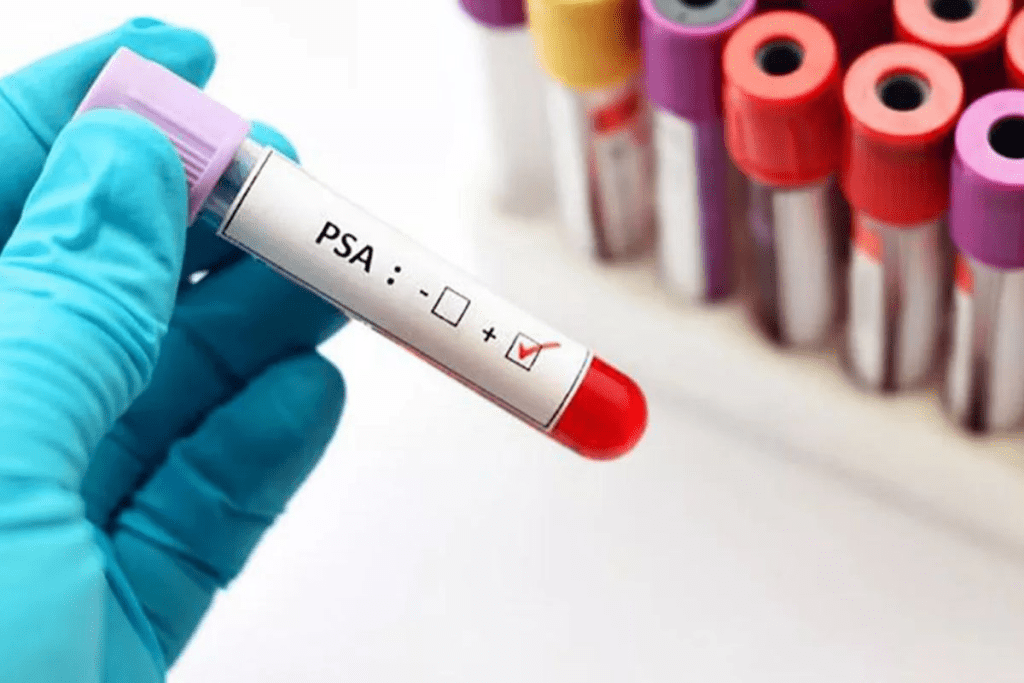
The Prostate-Specific Antigen (PSA) blood test is key in finding prostate cancer. It checks the blood for prostate-specific antigen. This can be high in men with prostate cancer.
Understanding PSA Levels
PSA levels are measured in nanograms per milliliter (ng/mL). A level below 4 ng/mL is usually normal. But, levels above 4 ng/mL might mean you need more tests. It’s important to know that high PSA levels can mean many things, not just cancer.
Factors That Can Affect PSA Results
Many things can change PSA levels, including:
- Age: PSA levels go up as you get older.
- Prostate size: Bigger prostates make more PSA.
- Prostatitis or inflammation: Other issues can raise PSA too.
- Ejaculation: Recent ejaculation can also raise PSA levels.
Limitations of PSA Testing
The PSA test is helpful but has its downsides. It’s not just for prostate cancer, which can lead to false positives and extra biopsies. Also, some cancers might not raise PSA levels, causing false negatives.
Advanced PSA Testing Methods
PSA testing has evolved, leading to better ways to find cancer. These new methods help tell if a high PSA level means cancer or not. This means fewer biopsies and less worry for patients.
Free vs. Total PSA
The free PSA to total PSA ratio is key in spotting cancer risk. A low free PSA percentage means a higher chance of cancer. This helps doctors decide if a biopsy is needed.
| PSA Type | Description | Clinical Significance |
| Free PSA | PSA not bound to proteins | Higher levels indicate lower cancer risk |
| Total PSA | Sum of free and bound PSA | Elevated levels may indicate cancer or other conditions |
PSA Velocity and Density
PSA velocity is how fast PSA levels change over time. PSA density looks at PSA levels against the prostate’s size. Both give clues about cancer risk. A quick rise in PSA velocity or a high density suggests cancer might be present.
Newer Blood and Urine Tests for Prostate Cancer
The way we find prostate cancer is changing with new blood and urine tests. These tests aim to fix the problems of old methods like the PSA test and DRE.
PCA3 Test
The PCA3 test looks at urine to see if a gene is too active in prostate cancer cells. It helps figure out if cancer is likely in men who had a clean biopsy but are not sure. The PCA3 score helps doctors decide what to do next.
ExoDx Prostate Test and Other Biomarkers
The ExoDx Prostate Test checks urine for signs of prostate cancer. It can spot men at risk of serious cancer, cutting down on biopsies. More tests are being made to find cancer better and sooner.
Imaging Techniques for Prostate Cancer Detection
Many imaging methods have improved how we find prostate cancer. These tools help spot cancer early and figure out how far it has spread. This information helps doctors choose the best treatment.
Transrectal Ultrasound (TRUS)
Transrectal Ultrasound (TRUS) is a common method for finding prostate cancer. It uses a probe in the rectum to see the prostate. TRUS is great for guiding prostate biopsies to the right spots.
It’s good for checking prostate size and finding oddities. But, it can’t always tell if something is cancer or not.
MRI of the Prostate
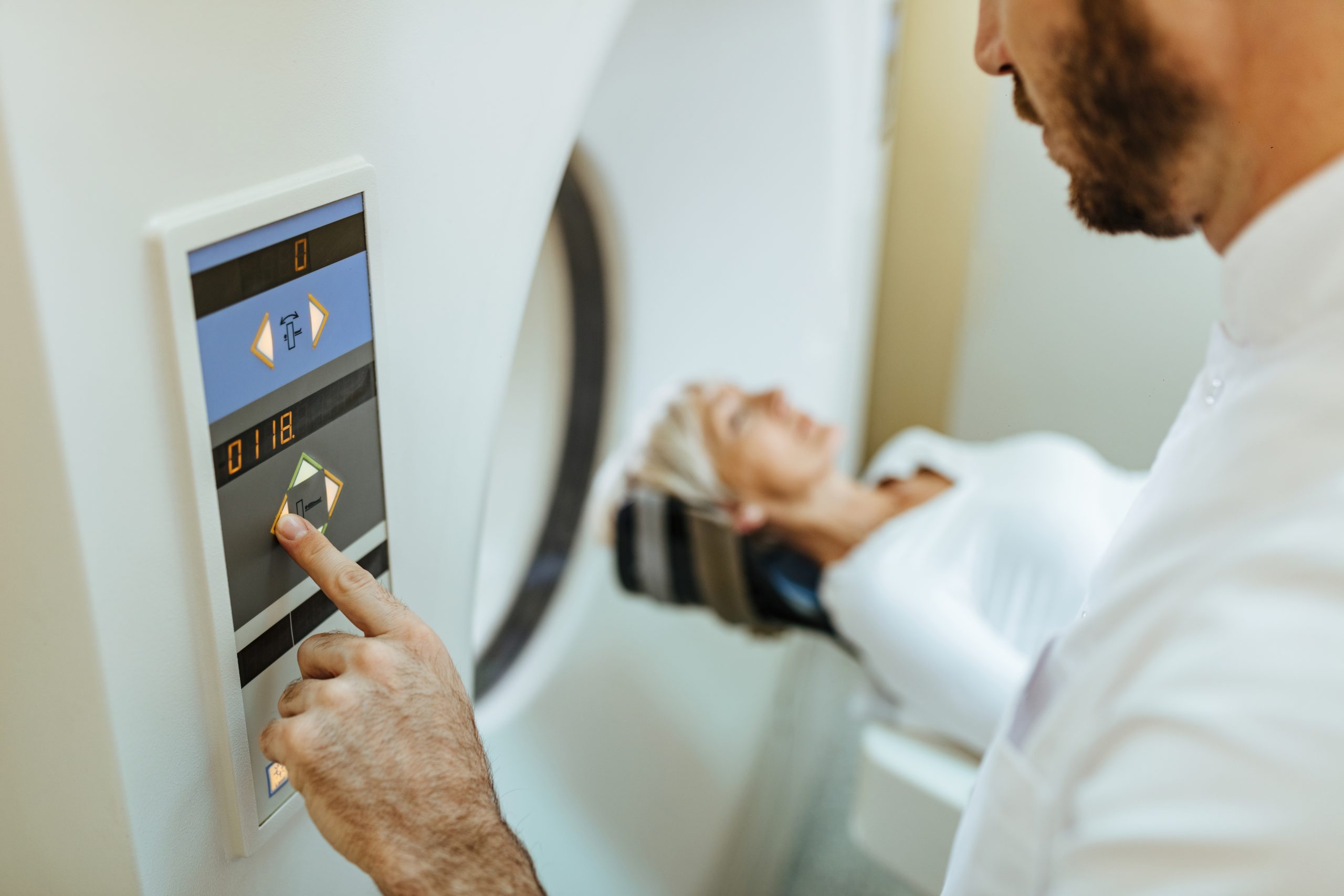
Magnetic Resonance Imaging (MRI) of the prostate is a top-notch tool. It shows the prostate and nearby areas in great detail. This helps find tumors and see how big they are.
MRI is best for finding serious prostate cancer. It helps doctors pick the right spots for targeted biopsies. Using different MRI types makes it even better at finding cancer.
CT Scans and Bone Scans
CT scans and bone scans help figure out how far prostate cancer has spread. CT scans show the body’s inside in slices. They help find cancer in lymph nodes or other organs.
Bone scans look for changes in bones. They’re good at finding cancer that has spread to bones. This is common in prostate cancer.
| Imaging Technique | Primary Use | Key Benefits |
| TRUS | Guiding prostate biopsies, assessing prostate size | Real-time imaging, precise biopsy guidance |
| MRI of the Prostate | Detecting prostate cancer, assessing tumor extent | High-resolution images, improved diagnostic accuracy |
| CT Scans and Bone Scans | Staging prostate cancer, detecting metastasis | Detailed images of body, sensitive to bone changes |
Multiparametric MRI for Prostate Cancer
mpMRI is a cutting-edge imaging method that gives detailed insights into the prostate gland. It has greatly enhanced the ability to find and manage prostate cancer.
How mpMRI Works
Multiparametric MRI uses several MRI sequences to show the prostate’s anatomy and spot cancer. It combines T2-weighted imaging, diffusion-weighted imaging, and dynamic contrast-enhanced imaging. This makes mpMRI more accurate than older imaging techniques.
PI-RADS Scoring System
The Prostate Imaging-Reporting and Data System (PI-RADS) is a scoring system for mpMRI results. It helps doctors guess how likely prostate cancer is. The score ranges from 1 to 5, with higher numbers meaning more cancer suspicion.
Benefits and Limitations of mpMRI
mpMRI has many advantages, like better finding of serious prostate cancer and fewer unnecessary biopsies. Yet, it also has downsides, like different ways of reading images and needing skilled experts. Here’s a table comparing these points:
| Aspect | Benefits | Limitations |
| Detection Accuracy | High sensitivity for clinically significant cancer | Variability in interpretation |
| Biopsy Avoidance | Reduces unnecessary biopsies | May not completely eliminate the need for biopsy |
| Expertise Required | Enhances diagnostic confidence with proper training | Requires specialized radiologists |
Prostate Biopsy: The Definitive Diagnostic Test
For men suspected of having prostate cancer, a prostate biopsy is key. It involves taking tissue samples from the prostate gland for examination.
When a Biopsy Is Recommended
A prostate biopsy is often suggested when tests show possible prostate cancer. These tests include the Prostate-Specific Antigen (PSA) blood test or Digital Rectal Examination (DRE). “Early detection is key in managing prostate cancer,” making biopsies timely very important.
Types of Prostate Biopsies
There are several types of prostate biopsies:
- Transrectal Ultrasound (TRUS)-guided biopsy: The most common, using ultrasound to guide the needle.
- Transperineal biopsy: Takes samples through the perineum, the area between the scrotum and anus.
- MR-guided biopsy: Uses MRI images to target specific prostate areas.
What to Expect During the Procedure
During a prostate biopsy, local anesthesia is given to reduce pain. The procedure involves inserting a needle into the prostate to collect tissue samples. Knowing what to expect can ease anxiety and make the experience less scary for patients, we focus on patient education.
Preparing for a Prostate Biopsy
Getting ready for a prostate biopsy is very important. It involves several steps to make sure the procedure is safe and works well. We help our patients get ready to lower risks and get the best results.
Medication Adjustments
Before the biopsy, some medicines might need to be changed or stopped. Blood thinners like aspirin or warfarin are often paused to avoid bleeding. It’s important for patients to tell their doctor about all their medicines.
Antibiotic Prophylaxis
To prevent infection, antibiotics are given before the biopsy. The type of antibiotic depends on the patient’s health and current rules. We make sure our patients get the right antibiotics.
Bowel Preparation
Some patients might need to prepare their bowels before the biopsy. This could mean using enemas or special pills. It helps keep the risk of infection low by cleaning the rectum.
| Preparation Step | Description | Importance |
| Medication Adjustments | Stopping or adjusting certain medications | Reduces risk of bleeding |
| Antibiotic Prophylaxis | Administering antibiotics before the procedure | Minimizes risk of infection |
| Bowel Preparation | Cleansing the bowel | Reduces risk of infection |
By following these steps, patients can help make their biopsy a success. We are dedicated to giving clear instructions and support every step of the way.
“Proper preparation is key to a successful prostate biopsy. By understanding and following the necessary steps, patients can reduce their risk of complications and ensure a more accurate diagnosis.”
” Medical Expert
Potential Risks and Complications of Prostate Biopsy
Knowing the risks of prostate biopsy is key for making smart choices. This test is important for finding health issues, but it comes with some dangers.
Common Side Effects
Prostate biopsy can cause some discomfort or pain, but it’s usually mild and short-lived. Some might face bleeding or infection, but these are rare.
Infection and Bleeding Risks
There’s a chance of infection after a prostate biopsy. Doctors often give antibiotics to lower this risk. Bleeding can happen during or after the test, and sometimes, it needs medical help.
When to Seek Medical Attention
Knowing when to get help after a biopsy is important. Look out for severe pain, heavy bleeding, or signs of infection (fever, chills). Always follow your doctor’s post-procedure advice.
Understanding these risks helps patients prepare for the biopsy and know what to expect during recovery.
Recovery After a Prostate Biopsy
Understanding what happens after a prostate biopsy can ease worries. We help patients know what to expect during recovery. This includes managing side effects and possible complications.
What to Expect in the First 48 Hours
In the first 48 hours, you might feel some discomfort. This could be mild pain or pressure in the rectal area. Following your doctor’s post-biopsy instructions is key to avoid problems. You might notice:
- Mild bleeding or spotting from the rectum
- Blood in the semen or urine
- Discomfort or pain during bowel movements
These symptoms usually go away by themselves. But, if you see heavy bleeding, severe pain, or trouble urinating, get medical help right away.
Long-term Recovery Considerations
Most men bounce back quickly from a prostate biopsy. But, it’s important to watch out for long-term side effects. Keep an eye on your health and tell your doctor about any odd symptoms. You might face:
- Temporary changes in urinary or bowel habits
- Infection, though rare with antibiotics
Most men can get back to their usual routine in a few days. It’s wise to check in with your doctor as they suggest to ensure a smooth recovery.
Understanding Prostate Biopsy Results
Prostate biopsy results tell us a lot about prostate cancer. They show if we have cancer and how aggressive it is. Knowing this helps us understand our health and what to do next.
Gleason Score and Grade Groups
The Gleason score shows how aggressive prostate cancer is. It’s based on how the cancer cells look under a microscope. The score goes from 2 to 10, with higher numbers meaning more aggressive cancer.
Based on the Gleason score, we get a Grade Group. This group categorizes cancer into five levels. It tells us how likely the cancer is to grow fast. Knowing this helps us choose the best treatment.
The Grade Groups are as follows:
| Grade Group | Gleason Score | Description |
| 1 | ≤6 | Low risk, less aggressive |
| 2 | 3+4=7 | Moderately aggressive |
| 3 | 4+3=7 | More aggressive |
| 4 | 8 | Highly aggressive |
| 5 | 9-10 | Very aggressive |
Timeline for Receiving Results
It usually takes one to two weeks to get prostate biopsy results. But it can take longer if the lab is busy or the test is complex. We’ll let you know as soon as we have your results.
What Different Results Mean
Biopsy results can be positive or negative. A positive result means you have cancer. But the Gleason score and Grade Group tell us more about how serious it is.
If the results are positive, we’ll talk about what it means for you. We’ll also plan a treatment that fits your needs.
Advanced and Alternative Diagnostic Approaches
New ways to find and treat prostate cancer are changing the game. These advanced methods make diagnosis more accurate. They help doctors make better choices for their patients.
MRI-Guided Biopsy
MRI-guided biopsy is a big step forward in finding prostate cancer. It uses MRI imaging to guide the biopsy needle. This makes it easier to get the right tissue samples.
A study found that MRI-guided biopsy finds more serious prostate cancer. It also finds less of the low-risk kind. This is great for patients with hard-to-spot tumors on ultrasound.
MRI-TRUS Fusion Biopsy
MRI-TRUS fusion biopsy combines MRI and ultrasound. It uses MRI images and real-time ultrasound to guide the biopsy. This makes tissue sampling more accurate.
Experts say MRI-TRUS fusion biopsy is a game-changer. It finds more prostate cancer and makes fewer mistakes. It’s perfect for targeting specific areas seen on MRI.
Emerging Technologies in Prostate Cancer Detection
Prostate cancer detection is getting a boost from new tech. We’re seeing better imaging, new biomarkers, and AI tools. These could change how we diagnose and treat prostate cancer.
New tech is set to make diagnosis even better. For example, artificial intelligence might help spot patterns in imaging data. This could help doctors find cancer earlier and more accurately.
Conclusion
It’s important to know about the different tests for prostate cancer. We’ve looked at the Prostate-Specific Antigen (PSA) blood test, Digital Rectal Examination (DRE), and advanced imaging like multiparametric MRI.
Understanding each test’s benefits and limits is key. This knowledge helps people choose the right test for them. They can work with their doctors to find the best option.
By making informed choices, people can take charge of their health. Staying informed and involved in decisions can lower the risk of prostate cancer. It also improves overall health and well-being.
FAQ
What is the best way to test for prostate cancer?
Testing for prostate cancer should include a digital rectal exam (DRE) and a blood test for prostate-specific antigen (PSA). MRI and newer blood and urine tests can also help diagnose it.
At what age should I consider getting tested for prostate cancer?
Men should think about getting tested for prostate cancer at 50. If you have a family history or other risk factors, you might need to start testing earlier, around 40 or 45.
What is a prostate biopsy, and when is it recommended?
A prostate biopsy takes tissue samples from the prostate gland. It’s recommended when a DRE shows abnormalities or PSA levels are high, to confirm cancer.
How is a prostate biopsy performed?
A prostate biopsy uses a transrectal ultrasound (TRUS) to guide a needle through the rectum to collect tissue samples from the prostate.
What are the risks and complications associated with a prostate biopsy?
Risks and complications include bleeding, infection, and temporary urinary issues. Serious complications are rare but can happen.
How do I prepare for a prostate biopsy?
You might need to stop certain medications and take antibiotics to prevent infection. You’ll also need to prepare your bowel to cleanse the rectum.
What can I expect during recovery after a prostate biopsy?
You might feel some discomfort, bleeding, or urinary issues after the biopsy. Most men can get back to normal activities in a few days.
How are prostate biopsy results interpreted?
Results are based on the Gleason score and grade groups. These help figure out how aggressive the cancer is.
What is the role of MRI in prostate cancer diagnosis?
MRI, or multiparametric MRI (mpMRI), is key in finding prostate cancer. It helps assess how aggressive it is and guides biopsies.
Are there alternative diagnostic approaches to prostate biopsy?
Yes, alternatives include MRI-guided biopsy and MRI-TRUS fusion biopsy. These use imaging to improve accuracy.
Can prostate cancer be detected with a blood test?
The PSA blood test can suggest further testing is needed. Newer tests are being developed to improve accuracy.
How often should I get screened for prostate cancer?
How often you should get screened depends on your PSA levels, risk factors, and past results. Those at higher risk might need more frequent tests.
What are the benefits of early detection of prostate cancer?
Early detection can lead to more effective treatment. This can reduce the risk of cancer spreading and improve survival chances.
Can ultrasound detect prostate cancer?
Ultrasound, like TRUS, is used during biopsies to guide the needle. It can spot abnormalities but isn’t used alone for a definitive diagnosis.
What does a Gleason score mean?
The Gleason score shows how aggressive prostate cancer is likely to be. It’s based on the tumor’s microscopic appearance.
How long does it take to receive prostate biopsy results?
It usually takes a few days to a couple of weeks to get biopsy results.
Is a colonoscopy related to prostate cancer detection?
A colonoscopy isn’t directly related to prostate cancer detection. It might be done around the same age as prostate cancer screening, though.
Reference
- Cornford, P., et al. (2024). EAU-EANM-ESTRO-ESUR-ISUP-SIOG Guidelines on Prostate Cancer. European Urology, 86(2), 183-204. https://pubmed.ncbi.nlm.nih.gov/38614820/