Last Updated on November 26, 2025 by Bilal Hasdemir
Recent advancements in medical technology have greatly improved prostate cancer treatment, offering new hope for patients. Early detection is key to a successful prostate cancer cure, as it significantly boosts the chances of effective treatment.Recent advancements in medical technology have greatly improved prostate cancer treatment, offering new hope for patients. Early detection is key to a successful prostate cancer cure, as it significantly boosts the chances of effective treatment.
Our team is committed to personalized care. We tailor treatment plans to meet each patient’s unique needs.
Key Takeaways
- Early detection improves treatment outcomes.
- Personalized care plans are essential for effective treatment.
- Advances in medical technology have improved survival rates.
Understanding Prostate Cancer
Prostate cancer is a big health issue for men worldwide. Knowing about it is key to making good treatment choices.
What is Prostate Cancer?
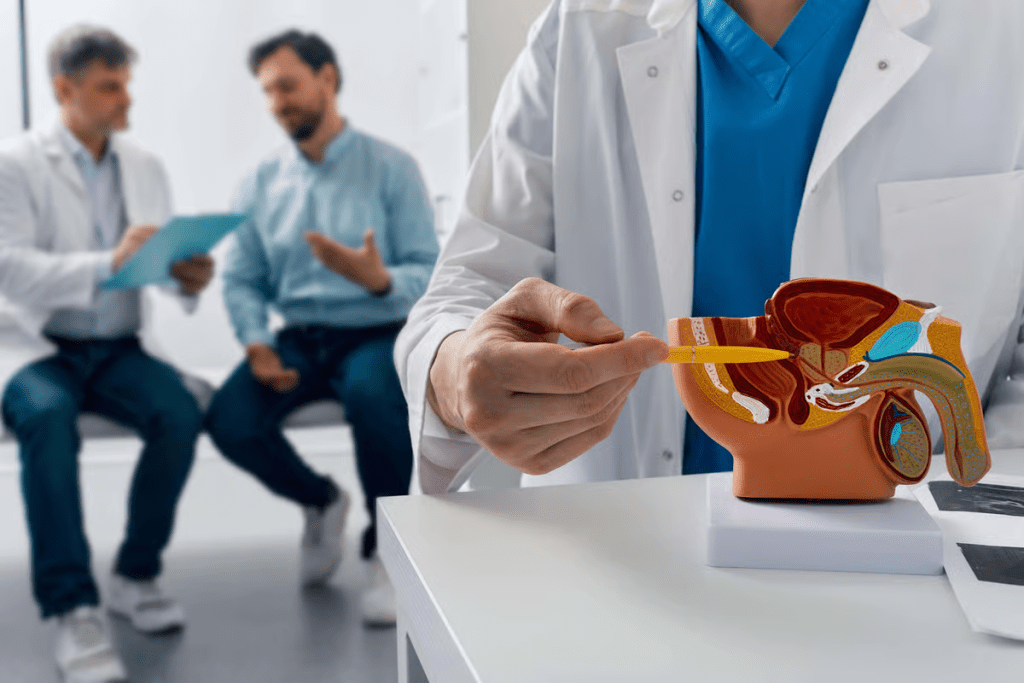
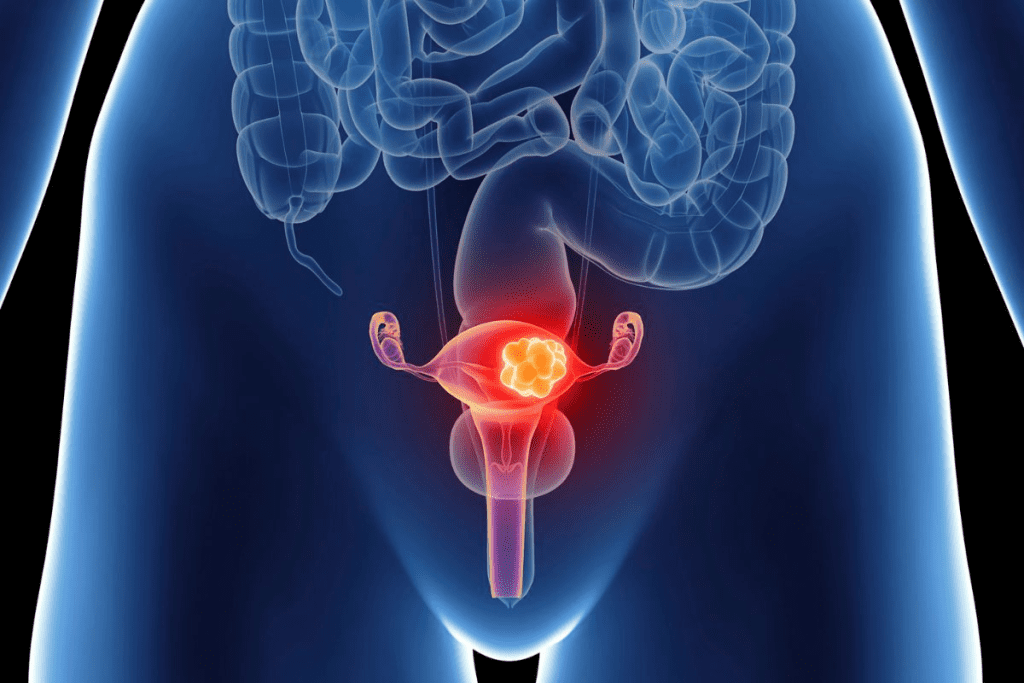
Prostate cancer happens when cells in the prostate gland grow too much. This gland is like a walnut and helps with sperm. Early treatment can greatly improve chances of a cure, mainly for localized cancer.
“Understanding prostate cancer is vital,” says a top oncologist. “Early detection helps us tailor treatments, leading to better results.”
How Common is Prostate Cancer in the United States?
In the U.S., prostate cancer is a common cancer for men. Over 200,000 new cases are found each year. Most cases are caught early, when the cancer is localized, which means treatment has a better chance of working.
- Prostate cancer is a big part of male cancer cases.
- It’s more common in men over 65.
- Screening has helped lower death rates.
Risk Factors and Causes
The exact cause of prostate cancer is not known. But, there are risk factors like age, family history, and lifestyle. Knowing these can help with early detection and prevention.
Some known risks include:
- Age: Risk goes up after 50.
- Family History: Having a family history increases risk.
- Genetic Mutations: Certain genes, like BRCA1 and BRCA2, raise the risk.
By understanding prostate cancer, men can take steps for early detection and treatment. This can improve their health and life quality.
Defining “Cure” in Cancer Treatment
The idea of a “cure” in cancer treatment is complex. It involves many medical and personal factors. When we talk about a cure, we’re discussing a detailed conversation. This conversation includes the disease, treatment options, and the patient’s health.
Medical Definition of Cancer Cure
A cancer cure means the disease is completely gone. The patient no longer shows signs of cancer and isn’t getting treatment. But, cancer can sometimes come back years later.
From a medical view, a cure is linked to the patient’s survival rate. This rate is usually measured over five years without cancer coming back. This leads to the 5-year survival benchmark, which shows the percentage of patients alive five years after diagnosis.
Remission vs. Cure
It’s key to know the difference between remission and cure. Remission means the cancer is controlled, but it might come back. Being in remission is good, but it doesn’t mean the cancer is gone for good.
A cure means the cancer won’t come back. But, figuring out if a cure has been achieved can be hard. It often takes 5 or 10 years without cancer returning.
The 5-Year Survival Benchmark
The 5-year survival rate shows how well cancer treatment works. It’s the percentage of patients alive five years after diagnosis. For prostate cancer, this rate is very important.
Knowing the 5-year survival rate is key for patients and doctors. It helps understand the treatment’s success and guides treatment choices.
It’s important for us to understand what a “cure” means. By explaining the medical definition, the difference between remission and cure, and the importance of survival rates, we can help our patients better. This way, we can face the challenges of cancer treatment together.
Early Stage Prostate Cancer Cure Rates
Prostate cancer can often be cured if caught early. The cure rate for early-stage prostate cancer is very high. This gives hope to many patients. We will look at the statistics and what affects these cure rates.
Stage 1 Prostate Cancer Cure Statistics
Stage 1 prostate cancer grows slowly and stays in the prostate gland. The cure rate for stage 1 prostate cancer is very high. Many patients are completely cured with the right treatment. Studies show that over 90% of patients with localized prostate cancer, including stage 1, survive for 5 years.
Key statistics include:
- Over 90% 5-year survival rate for localized prostate cancer
- High cure rates with appropriate treatment for stage 1
- Active surveillance and surgery are common treatment approaches
Localized Prostate Cancer Treatment Outcomes
Localized prostate cancer means the cancer has not spread beyond the prostate. Treatment outcomes for localized prostate cancer are usually good. There are many treatment options, like surgery, radiation therapy, and active surveillance. The choice of treatment depends on the patient’s health, age, and cancer aggressiveness.
Treatment outcomes are influenced by:
- The stage and grade of the cancer
- The patient’s overall health and age
- The effectiveness of the chosen treatment modality
Factors Affecting Early-Stage Curability
Several factors can affect how curable early-stage prostate cancer is. These include the Gleason score, the patient’s health, and how well the cancer responds to treatment. Early detection and timely treatment are key to achieving a cure.
Important factors include:
- Gleason score and cancer aggressiveness
- Patient’s age and overall health
- Effectiveness of the treatment plan
Treatment Options for Localized Prostate Cancer
It’s important for patients to know about the treatment options for localized prostate cancer. We aim to guide them through the choices they have. This way, they can make informed decisions about their care.
Active Surveillance Approach
Active surveillance is a way to manage prostate cancer. It involves regular check-ups, biopsies, and PSA tests. This method is often suggested for those with low-risk cancer. It aims to avoid unnecessary side effects from treatment.
A study in the Journal of Clinical Oncology shows active surveillance is gaining popularity. More than 40% of men with low-risk cancer choose this option.
Surgical Interventions
Surgery is a common treatment for localized prostate cancer. The most common surgery is a radical prostatectomy. This involves removing the prostate gland and some surrounding tissue.
There are different types of surgery, including:
- Open radical prostatectomy
- Laparoscopic radical prostatectomy
- Robotic-assisted laparoscopic prostatectomy
Each surgery has its benefits and risks. For example, robotic-assisted surgery is more precise and may have fewer side effects.
| Surgical Approach | Benefits | Potential Complications |
| Open Radical Prostatectomy | Effective for removing cancer | Higher risk of infection and blood loss |
| Laparoscopic Radical Prostatectomy | Less invasive, quicker recovery | Steeper learning curve for surgeons |
| Robotic-Assisted Laparoscopic Prostatectomy | High precision, fewer side effects | High cost, limited availability |
Radiation Therapy Options
Radiation therapy is another effective treatment for localized prostate cancer. It uses high-energy rays to kill cancer cells. There are two main types: external beam radiation therapy (EBRT) and brachytherapy.
“Radiation therapy has become a cornerstone in the treatment of prostate cancer, with high cure rates and manageable side effects.” – A Radiation Oncologist
EBRT delivers radiation from outside the body. Brachytherapy involves placing radioactive seeds in the prostate gland. The choice depends on the individual case.
Choosing the right treatment can be tough. Our team is dedicated to providing complete care and support. We help patients make informed decisions about their treatment.
Prostatectomy as a Prostate Cancer Cure
Prostatectomy is a treatment for prostate cancer. It has a high cure rate for many patients.
Radiation Therapy Success in Prostate Cancer Cure
Radiation therapy is a top choice for treating prostate cancer. It has a cure rate as good as surgery. External beam radiation therapy (EBRT) and brachytherapy are the main types used.
EBRT sends high-energy beams from outside the body to kill cancer cells. This treatment lasts for weeks. Brachytherapy, by contrast, places small radioactive seeds in the prostate to target the tumor.
The success rate of radiation therapy depends on the cancer’s stage and grade. Studies show it can be very effective, with a 90% chance of no cancer recurrence after 5 years. Choosing between EBRT and brachytherapy depends on the cancer’s details and the patient’s health.
Talking to your healthcare provider about radiation therapy is key. They can explain the benefits and risks. This helps patients make the best choice for their care.
Hormone Therapy for Prostate Cancer Treatment
Prostate cancer treatment often includes hormone therapy. This therapy, also known as androgen deprivation therapy (ADT), aims to lower male hormones in the body. It stops these hormones from affecting prostate cancer cells.
How Hormone Therapy Works
Hormone therapy reduces androgens, like testosterone, in the body. It blocks their action on prostate cancer cells. Androgens help prostate cancer grow, so lowering their levels can slow the disease.
There are several ways to achieve this, including:
- Surgical removal of the testes (orchiectomy) to stop testosterone production.
- Medications that lower testosterone levels or block its action on prostate cells.
When Hormone Therapy is Recommended
Hormone therapy is often recommended for men with prostate cancer that has spread. It’s also used for cancer that has come back after initial treatment. It can be used with other treatments, like radiation therapy, to make them more effective.
The decision to use hormone therapy depends on several factors. These include the cancer’s stage and grade, the patient’s overall health, and their personal preferences.
Can Hormone Therapy Cure Prostate Cancer?
Hormone therapy can manage prostate cancer and improve quality of life. Whether it can cure prostate cancer depends on several factors. For some men, it can control the disease for a long time, delaying the need for other treatments.
But, prostate cancer that has spread is generally considered incurable with current treatments. Hormone therapy is used to manage symptoms and slow disease progression in such cases.
We are continually learning more about hormone therapy and other treatments for prostate cancer. Advances in medical research are helping to refine treatment strategies. This offers new hope for patients.
Advanced and Metastatic Prostate Cancer Cure Possibilities
It’s important for patients to know about cure options for advanced prostate cancer. This type of cancer has spread beyond the prostate gland. It’s a tough challenge for treatment and finding a cure.
Treatment Approaches for Advanced Cases
For advanced prostate cancer, doctors use different treatments. They consider how far the disease has spread, the patient’s health, and other factors. These treatments include:
- Hormone Therapy: To lower male hormones that help cancer grow.
- Chemotherapy: To kill cancer cells that have spread.
- Targeted Therapy: To target specific cancer cell traits.
- Immunotherapy: To boost the immune system to fight cancer.
Metastatic Prostate Cancer Cure Rates
Metastatic prostate cancer is advanced and hard to cure. But, thanks to new treatments, many patients are living longer. The cure rate depends on how far the cancer has spread and how well it responds to treatment.
Recent studies show better 5-year survival rates for metastatic prostate cancer. This is thanks to better treatments. But, finding a cure is hard. Treatment goals often focus on controlling the disease and improving life quality.
Managing Expectations with Advanced Disease
It’s key to manage expectations with advanced prostate cancer. Patients and families should talk openly with their doctors about treatment goals and outcomes. Supportive care, like pain management and psychological support, is also important.
Even though a cure is hard to find, new research and treatments offer hope. Patients should look into clinical trials and talk to their doctors about the latest options.
The Reality of Prostate Cancer Cure
Prostate cancer cure rates have improved a lot. This is thanks to new medical technology and treatment options. It’s important for patients and doctors to know the current stats and what affects cure rates.
What Current Statistics Tell Us
Recent numbers show a good trend in treating prostate cancer. The American Cancer Society says the five-year survival rate is almost 100% for early stages. This shows how important early detection and treatment are.
Factors Influencing Cure Rates
Many things affect how well prostate cancer can be cured. These include the cancer’s stage, the patient’s health, and the treatment plan. Finding cancer early is key. The Gleason score, which shows how aggressive the cancer is, also matters a lot.
When is a Patient Considered “Cured”?
A patient is cured when no cancer is found after treatment. This is checked after a follow-up period. During this time, the patient’s PSA levels are watched. If these levels stay low or undetectable, it means the treatment worked well.
Immunotherapy and Targeted Therapy Results
We’re looking into new treatments for prostate cancer. Immunotherapy and targeted therapy are two promising methods. They’ve caught a lot of attention recently.
Emerging Immunotherapy Approaches
Immunotherapy uses the body’s immune system to fight cancer. It’s shown a lot of promise for prostate cancer. Checkpoint inhibitors and cancer vaccines are two ways it works.
Studies show immunotherapy can help with advanced prostate cancer. For instance, sipuleucel-T has improved survival rates in men with advanced cancer.
Targeted Therapy Success Rates
Targeted therapy is another hopeful area. It uses drugs that only harm cancer cells, not healthy ones. PARP inhibitors are a good example, working well for certain genetic types of prostate cancer.
| Treatment | Success Rate |
| Immunotherapy (sipuleucel-T) | Improved overall survival by 4.1 months |
| PARP inhibitors | Improved progression-free survival by 5.8 months |
Combination Therapy Outcomes
Using different treatments together can be even better. For example, mixing immunotherapy with targeted therapy is showing great results. A study found that combining sipuleucel-T with enzalutamide improved survival and slowed cancer growth.
As research keeps improving, we’ll see more effective treatments for prostate cancer. Immunotherapy and targeted therapy, alone or together, are very promising for better patient outcomes.
Prostate Cancer Recurrence: Understanding the Risks
Prostate cancer can come back after treatment. It’s important to know the risks.
Up to 30% of men may see a return of the cancer. This shows why regular checks are key.
Can Prostate Cancer Come Back After Treatment?
Yes, the chance of it coming back depends on several things. These include the cancer’s stage when found and how well the treatment worked.
Statistics on Prostate Cancer Recurrence
Research points to a high rate of recurrence. This makes ongoing care very important.
| Risk Factor | Description |
| Stage at Diagnosis | Early-stage diagnosis improves outcomes |
| Treatment Effectiveness | Successful treatment reduces recurrence risk |
Factors Affecting Prostate Cancer Cure Rates
Knowing what affects prostate cancer cure rates is key for both patients and doctors. Several important factors can greatly change treatment success.
Age and health are big players in how well prostate cancer treatment works. Younger patients with fewer health problems usually do better.
Age and Overall Health
People with health issues may face more risks during treatment. This can affect their overall health outcome.
Gleason Score and Cancer Aggressiveness
The Gleason score is very important in understanding cancer aggressiveness. A higher score means the cancer is more aggressive. This can make curing the cancer harder.
Genetic Factors
Genetics also play a role in prostate cancer cure rates. Knowing these genetic factors can help doctors create better treatment plans for each patient.
Life Expectancy After Prostate Cancer Treatment
Knowing how long you might live after prostate cancer treatment is key for patients and their families. Thanks to new medical tech and treatments, men with prostate cancer have a better outlook. We’ll look at what affects life expectancy after treatment and what patients can expect long-term.
Long-term Survival Statistics
Recent studies show that men with localized prostate cancer have a nearly 100% five-year survival rate. This improvement is thanks to better early detection and treatment methods.
Quality of Life Considerations
After treatment, patients might face changes in their quality of life. Issues like urinary incontinence, erectile dysfunction, and fatigue can affect daily life. But, many men find ways to manage these side effects with the right support and care.
Factors Affecting Life Expectancy
Several things can affect how long you might live after prostate cancer treatment. These include the cancer’s stage at diagnosis, your overall health, and how well the treatment works. Knowing these factors helps patients and doctors make better care choices.
New Treatments Advancing Prostate Cancer Cure
The world of prostate cancer treatment is changing fast. This is thanks to new research and technology. We’re seeing new ways to help patients live better lives.
Breakthrough Therapies
New treatments are focusing on specific parts of prostate cancer. Immunotherapy is one example. It uses the body’s immune system to fight cancer. Targeted therapies aim to kill cancer cells without harming healthy ones.
Precision Medicine Approaches
Precision medicine is changing how we treat prostate cancer. It tailors treatments to each patient’s unique cancer. This involves genetic tests to guide treatment choices.
Emerging Technologies
New technologies like High-Intensity Focused Ultrasound (HIFU) are being tested. HIFU uses sound waves to kill cancer cells. It’s a non-invasive method.
These new treatments bring hope to patients and their families. They offer more effective and personalized care options.
Making Treatment Decisions for the Best Outcome
When facing prostate cancer, making informed treatment decisions is key. We aim to empower our patients by providing all the information and support they need.
Deciding on treatment requires teamwork between patients and healthcare providers. This teamwork ensures patients get care that fits their unique needs and situations.
Working with Your Healthcare Team
It’s vital to work closely with your healthcare team. Your team includes urologists, oncologists, radiologists, and more. They guide you through the treatment process.
- Urologists specialize in the diagnosis and surgical treatment of prostate cancer.
- Oncologists provide chemotherapy and other non-surgical treatments.
- Radiologists administer radiation therapy.
Together, these professionals help you understand your options and what to expect.
Balancing Cure Rates with Quality of Life
When choosing a treatment, balance is key. You must consider both the chance of a cure and how it will affect your life. Different treatments have different side effects.
Surgery and radiation therapy are common treatments. But they can have different effects on your life. Knowing these effects is important for making a good choice.
- Surgery can lead to urinary incontinence and erectile dysfunction.
- Radiation therapy may cause fatigue, urinary issues, and bowel problems.
Talking to your healthcare team about these effects helps you make a choice that fits your priorities.
Second Opinions and Specialized Care
Getting a second opinion can give you more insights. Specialized care centers have teams that offer detailed evaluations and advice.
A second opinion can:
- Confirm your initial diagnosis and treatment plan.
- Provide alternative treatment options.
- Offer access to clinical trials or new treatments.
By seeking specialized care and second opinions, you can ensure you’re getting the right treatment for you.
In conclusion, making informed treatment decisions for prostate cancer needs teamwork, understanding treatment options, and balancing cure rates with quality of life. By working with your healthcare team and seeking specialized care, you can get the best outcome.
Conclusion: Is a 100% Prostate Cancer Cure Possible?
Prostate cancer cure rates have greatly improved in recent years. Recent statistics show a big increase in cure rates. This gives new hope to those affected.
We want our patients to know what’s possible. While a 100% cure is the dream, the reality is different. Cure rates depend on many things like cancer stage, age, and health.
It’s important to understand treatment options and make informed choices. Working with healthcare providers and considering what affects cure rates is key. This way, patients can get the best treatment outcome.
So, is prostate cancer curable? Yes, it is, when caught and treated early. Medical research and new treatments keep improving. This means the chance for a 100% cure is getting better.
FAQ
What are the chances of a 100% cure for prostate cancer?
The chance of a 100% cure for prostate cancer varies. It depends on the cancer’s stage, your health, and the treatment. Early cancer is more likely to be cured than advanced cancer.
Is prostate cancer curable if detected early?
Yes, early detection of prostate cancer can lead to a cure. Treatments like surgery, radiation, and active surveillance can manage the disease well.
What is the difference between remission and cure in prostate cancer?
Remission means the cancer is controlled, and symptoms are minimal. A cure means the cancer is completely gone, and there’s no risk of it coming back.
What are the treatment options for localized prostate cancer?
For localized prostate cancer, treatments include active surveillance, surgery, and radiation. This includes external beam radiation and brachytherapy.
Can hormone therapy cure prostate cancer?
Hormone therapy can help manage prostate cancer, but it’s not always curative. It’s often used with other treatments for better results.
What are the cure rates for prostate cancer based on the stage?
Cure rates vary by stage. Early cancer has a higher cure rate. Advanced cancer has lower rates. The 5-year survival rate is a key measure of success.
Can prostate cancer recur after treatment?
Yes, prostate cancer can come back after treatment. It’s important to monitor PSA levels to catch any recurrence early.
What factors affect prostate cancer cure rates?
Cure rates are influenced by age, health, Gleason score, and genetics. Knowing these factors helps in choosing the right treatment.
How does immunotherapy work in treating prostate cancer?
Immunotherapy uses the body’s immune system to fight cancer. New approaches show promise in treating prostate cancer, often with other therapies.
What is the life expectancy after prostate cancer treatment?
Life expectancy after treatment depends on the cancer stage, treatment, and health. Long-term survival and quality of life are key in determining life expectancy.
Are there new treatments advancing prostate cancer cure?
Yes, new treatments like breakthrough therapies and precision medicine are being developed. These aim to improve cure rates and patient outcomes.
How important is it to work with a healthcare team in treating prostate cancer?
Working with a healthcare team is vital in treating prostate cancer. It helps in making informed decisions, balancing cure rates with quality of life, and seeking specialized care when needed.
Is a 100% prostate cancer cure possible?
A 100% cure is possible in some cases, mainly with early detection and effective treatment. Understanding the disease and treatment options is key to the best outcome.
References
Kratzer, T. B. (2025). Prostate cancer statistics, 2025. CA: A Cancer Journal for Clinicians.
https://acsjournals.onlinelibrary.wiley.com/doi/full/10.3322/caac.70028
Wagle, N. S., et al. (2025). Cancer treatment and survivorship statistics, 2025. National Cancer Institute.