Last Updated on November 26, 2025 by Bilal Hasdemir
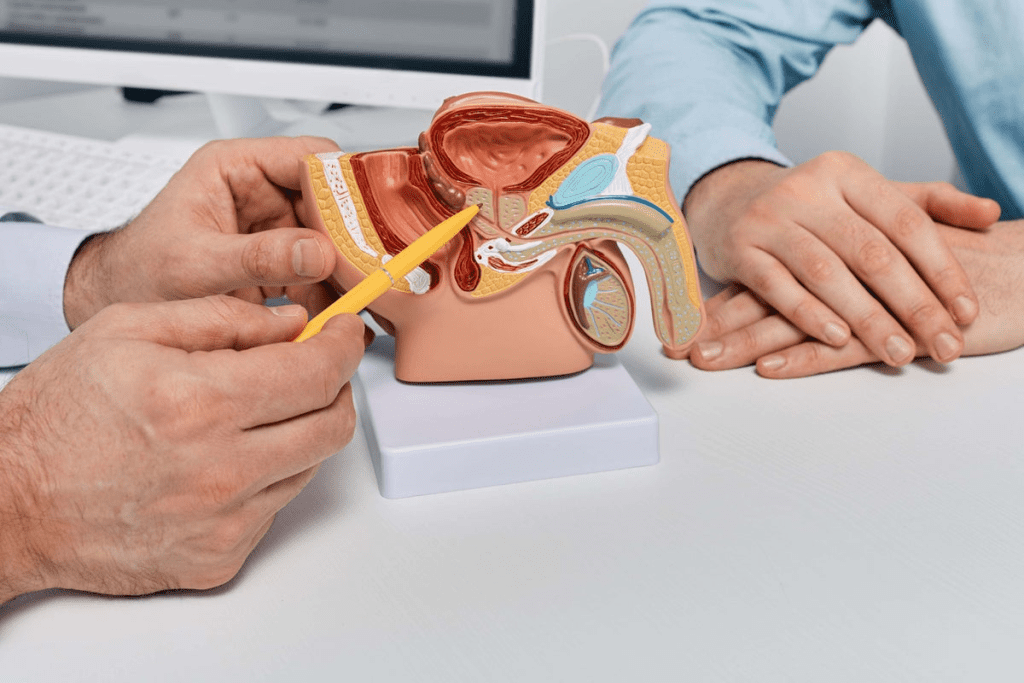
Prostate cancer is a big problem worldwide, affecting millions of men. Many are diagnosed with localized disease. A surprising fact is that 1 in 8 men will get prostate cancer in their lifetime, says the American Cancer Society.
There’s hope for treating prostate cancer without surgery. New medical tech and understanding the disease have led to effective non-surgical treatments. For men with localized prostate cancer, options like active surveillance with PSA monitoring are getting more popular.
Key Takeaways
- Prostate cancer is a common condition among men, with various treatment options.
- Localized prostate cancer can often be managed without immediate surgery.
- PSA monitoring is a critical component of active surveillance.
- Non-surgical treatments offer hope for patients seeking to avoid radical prostatectomy.
- Understanding the disease and its progression is key to choosing the right treatment.
Understanding Prostate Cancer and Treatment Goals
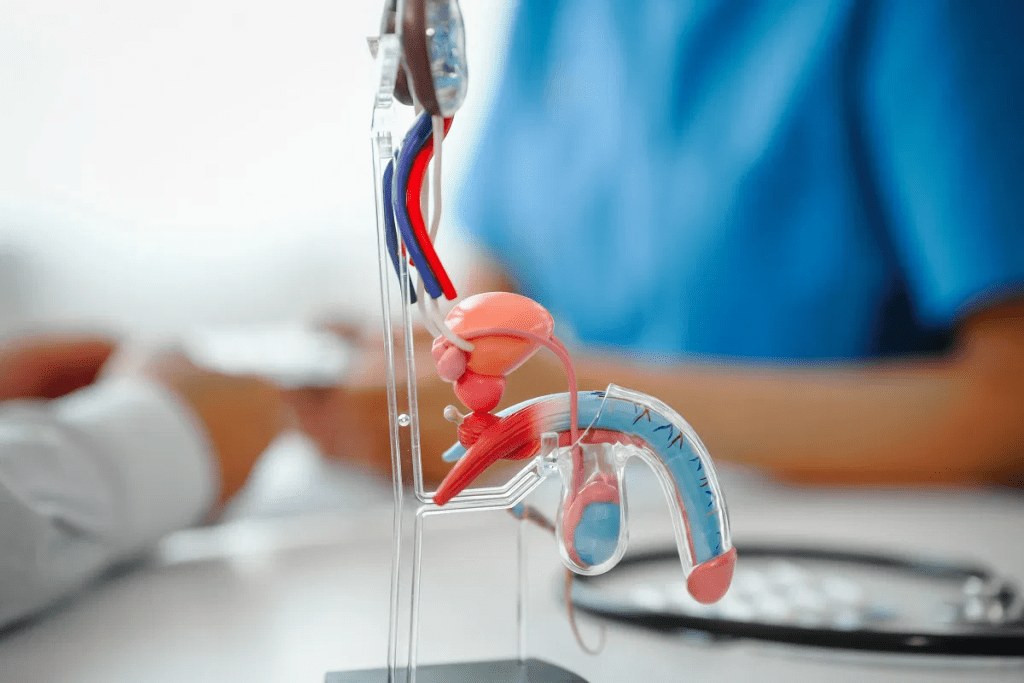
Prostate cancer is a complex disease. It needs a deep understanding of its types and stages. This is to find the best treatment.
The disease’s progression and characteristics are key. They help decide the treatment approach.
Types and Stages of Prostate Cancer
Prostate cancer is divided into types and stages. These depend on how aggressive and spread the cancer is. The most common type is adenocarcinoma.
Low, Intermediate, and High-Risk Classifications
The risk classification of prostate cancer is very important. It helps decide the treatment plan.
| Risk Classification | Characteristics |
| Low Risk | PSA level |
| Intermediate Risk | PSA level 10-20 ng/mL, Gleason score 7, or clinical stage T2b-T2c |
| High Risk | PSA level > 20 ng/mL, Gleason score 8-10, or clinical stage T3-T4 |
Localized vs. Advanced Disease
Prostate cancer can be either localized or advanced. Localized means it’s only in the prostate gland. Advanced means it has spread to other parts of the body.
The Concept of “Cure” vs. “Control” in Prostate Cancer
The terms “cure” and “control” are used in prostate cancer treatment. A “cure” means the cancer is completely gone. “Control” means the disease is managed, and its growth is slowed or stopped.
“The goal of treatment is not just to cure the cancer but to ensure that the patient can live with minimal side effects and maintain a good quality of life.”
Why Consider Non-Surgical Prostate Cancer Treatment Options?
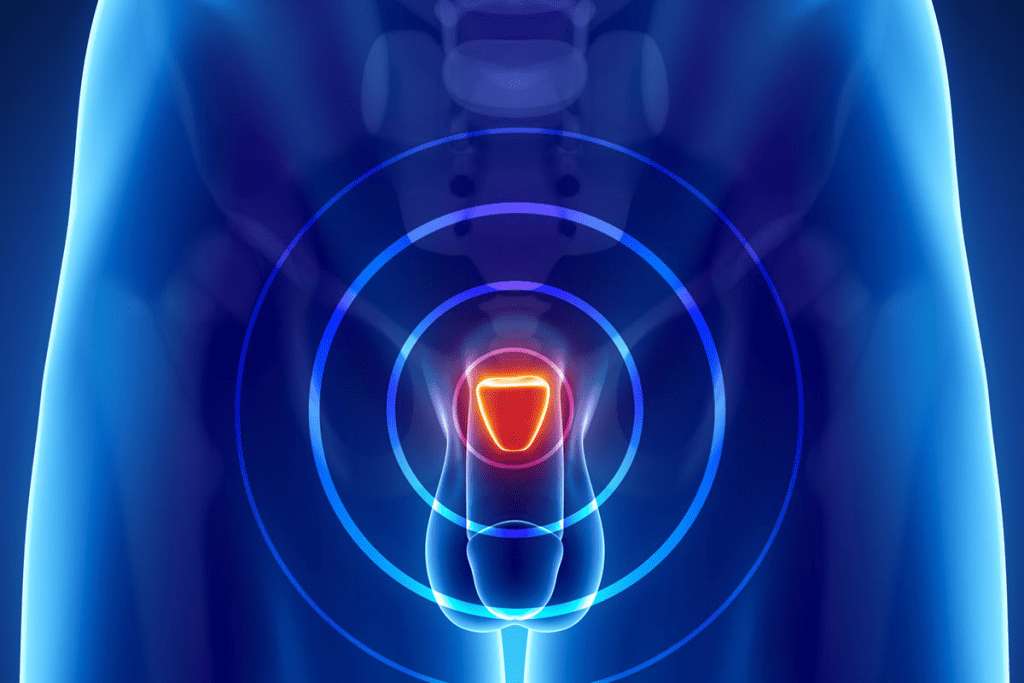
When prostate cancer is diagnosed, patients must decide between surgery or non-surgical treatments. Many worry about the side effects of removing the prostate.
Potential Side Effects of Prostate Removal
Removing the prostate can affect a man’s life quality. Urinary incontinence and sexual problems are major concerns.
Urinary Incontinence Risks
Urinary incontinence is a common issue after prostate removal. Up to 20% of men may face this problem.
Sexual Function Concerns
Sexual problems, like erectile dysfunction, can also occur. Nerve-sparing techniques can help, but it’s a big worry.
Quality of Life Considerations
Patients must think about the benefits and risks of each treatment. As one patient said,
“I didn’t want to trade one problem for another. I wanted to make sure that my treatment wouldn’t leave me with more issues than I started with.”
A study showed non-surgical treatments often have fewer side effects. They also improve quality of life more.
| Treatment | Urinary Incontinence | Sexual Dysfunction |
| Surgery | 20% | 50% |
| Non-Surgical | 5% | 20% |
Active Surveillance and Watchful Waiting
Men with low-risk prostate cancer might choose active surveillance instead of immediate treatment. This method means watching the cancer closely with regular tests and check-ups. It avoids surgery or other treatments right away.
Candidates for Active Surveillance
Active surveillance is best for men with low-risk cancer. This includes a low Gleason score, low PSA levels, and small tumors. Doctors decide on a case-by-case basis, considering health, life expectancy, and personal wishes.
Key criteria for active surveillance include:
- Low Gleason score (6 or less)
- Low PSA levels (typically below 10 ng/mL)
- Clinical stage T1 or T2a
- Less than 50% cancer involvement in any single biopsy core
PSA Monitoring and Follow-up Protocols
PSA tests are key in active surveillance. They are done every 3-6 months. Digital rectal exams (DREs) and prostate biopsies are also part of the monitoring.
Follow-up protocols may vary based on risk and doctor’s advice. Some plans include:
- PSA testing every 3-6 months
- DRE every 6-12 months
- Prostate biopsy every 1-3 years
- Multiparametric MRI in selected cases
When to Transition to Active Treatment
Deciding to move from active surveillance to treatment depends on certain signs. These signs show the cancer might be growing.
Rising PSA Levels
A big jump in PSA levels, like doubling quickly, might mean it’s time to think about treatment.
Changes in Biopsy Results
Higher Gleason scores or more cancer in biopsies also suggest moving to treatment.
Choosing to start treatment is a big step. It’s important to talk about the risks and benefits with a doctor.
Radiation Therapy Approaches for Prostate Cancer
Radiation therapy is a key treatment for prostate cancer. It uses high-energy particles or waves to kill cancer cells. This stops them from growing and spreading.
External Beam Radiation Therapy (EBRT)
External Beam Radiation Therapy (EBRT) uses radiation from outside the body. It aims beams at the prostate gland. This helps protect healthy tissues nearby.
Intensity-Modulated Radiation Therapy (IMRT)
Intensity-Modulated Radiation Therapy (IMRT) is a more advanced EBRT. It changes the radiation beam’s intensity for better targeting. This means more radiation goes to the tumor and less to healthy tissues, reducing side effects.
Key benefits of IMRT include:
- Enhanced precision in targeting the tumor
- Reduced risk of damage to surrounding healthy tissues
- Potential for improved treatment outcomes
Image-Guided Radiation Therapy (IGRT)
Image-Guided Radiation Therapy (IGRT) uses imaging during treatment. It lets doctors see the prostate in real-time. This helps target the tumor more accurately and adjust for any changes.
“IGRT has revolutionized the field of radiation oncology by providing the ability to verify the target’s position before and during treatment, thereofore increasing the accuracy of radiation delivery.”
Brachytherapy (Seed Implants)
Brachytherapy places small radioactive seeds in the prostate. It gives a high dose of radiation to the tumor. This helps protect the surrounding tissues.
Advantages of brachytherapy include:
- Short treatment duration
- Minimally invasive procedure
- Effective for localized prostate cancer
Proton Beam Therapy
Proton Beam Therapy uses protons to kill cancer cells. It delivers a focused dose of radiation to the tumor. This reduces damage to healthy tissues nearby.
Proton therapy is great for prostate cancer because it’s precise and has fewer side effects. But, it’s not as common because of the high cost of facilities.
Prostate Cancer Non-Surgical Treatment with Hormone Therapy
Hormone therapy is a key non-surgical treatment for prostate cancer. It works by lowering androgen levels to slow cancer growth. This method is great for those who can’t or don’t want to have surgery.
Androgen Deprivation Therapy
Androgen deprivation therapy (ADT) is a main part of hormone therapy for prostate cancer. It reduces androgen levels, which slows cancer cell growth. ADT can be done through medicines or by removing the testes.
Hormone-Sensitive Treatment Protocols
Hormone-sensitive treatment plans aim to make hormone therapy work best while keeping quality of life high. These plans are made for each patient based on their cancer and needs.
Managing Side Effects of Hormone Therapy
It’s important to manage hormone therapy side effects to keep quality of life good. Common issues include hot flashes, mood swings, and bone density problems.
Hot Flashes and Mood Changes
Hot flashes and mood swings are common side effects. To deal with them, patients can try lifestyle changes. This includes avoiding hot flash triggers and using stress-reducing activities.
Bone Density and Metabolic Issues
Hormone therapy can cause bone density loss and metabolic changes. This increases the risk of osteoporosis and heart disease. Regular bone density checks and preventive actions like exercise and medicine can help.
Understanding hormone therapy’s role in treating prostate cancer and managing its side effects is key. Patients and doctors can work together to improve treatment results and quality of life.
Focal Therapies for Localized Prostate Cancer
Focal therapies are a big step forward in treating prostate cancer. They target cancer cells with less harm to healthy tissue. This reduces the side effects of older treatments.
High-Intensity Focused Ultrasound (HIFU)
HIFU is a non-invasive method that uses sound waves to kill cancer cells. It precisely targets tumors, protecting nearby tissues.
Procedure Details: A device sends high-frequency sound waves to the tumor. This heat kills the cancer cells. The treatment is done under anesthesia or sedation.
Recovery and Effectiveness: Most patients go home the same day. HIFU has shown good results in treating prostate cancer with few side effects.
Cryosurgery (Cryotherapy)
Cryosurgery freezes cancer cells to death. It’s less invasive than surgery and works well for prostate cancer.
Procedure Details: Thin needles are inserted into the prostate. Liquid nitrogen or argon gas freezes the cancerous tissue.
Recovery and Effectiveness: Some men may have temporary side effects like urinary issues or erectile dysfunction. These usually go away over time. Cryosurgery is effective in treating prostate cancer.
Photodynamic Therapy
Photodynamic therapy uses light and a special drug to kill cancer cells. It’s being studied for prostate cancer treatment.
Procedure Details
A photosensitizer is given to the patient. Then, a laser light is applied. This activates the drug and kills the cancer cells.
Recovery and Effectiveness
Patients might have side effects like urinary problems or discomfort. The therapy’s effectiveness for prostate cancer is being researched. It shows promise as a targeted treatment.
| Therapy | Procedure | Recovery Time | Effectiveness |
| HIFU | Non-invasive ultrasound | Same day | Promising |
| Cryosurgery | Minimally invasive freezing | Several days | Effective |
| Photodynamic Therapy | Light-sensitive medication + laser | Varies | Stil under research |
Advanced Non-Surgical Options for Non-Metastatic Prostate Cancer
New treatments for non-metastatic prostate cancer are being developed. These options give hope to those who don’t want surgery.
Immunotherapy Approaches
Immunotherapy uses the body’s immune system to fight cancer. It’s a key area of research for non-metastatic prostate cancer. This includes:
Checkpoint Inhibitors
Checkpoint inhibitors help the immune system fight cancer cells better. They are being studied for non-metastatic prostate cancer.
Therapeutic Vaccines
Therapeutic vaccines help the immune system find and attack prostate cancer cells. They are being tested as a treatment for non-metastatic prostate cancer.
Radiopharmaceuticals
Radiopharmaceuticals combine radiation therapy with targeted drug delivery. They aim to kill cancer cells while sparing healthy tissue. This method is being explored for non-metastatic prostate cancer.
Targeted Therapy Options
Targeted therapy uses drugs that target cancer cells or their environment. For non-metastatic prostate cancer, these therapies aim to stop cancer growth without surgery.
These new non-surgical treatments are changing how we treat non-metastatic prostate cancer. As research grows, patients will see more effective and tailored treatments.
Effectiveness of Non-Surgical Treatments Compared to Prostatectomy
Choosing between a prostatectomy and non-surgical treatments for prostate cancer is a big decision. Non-surgical options have improved a lot. They offer good alternatives for many patients.
Survival Rates and Outcomes
Research shows that non-surgical treatments can match surgery in survival rates for early prostate cancer. A study in the Journal of Clinical Oncology found that radiation therapy and surgery have similar survival rates.
Recurrence Risks and Management
Non-surgical treatments and surgery have different risks of cancer coming back. After surgery, doctors watch PSA levels for signs of cancer. Non-surgical treatments also have a risk of cancer coming back, but there are treatments available if it does.
Quality of Life Comparisons
Choosing between treatments also depends on how they affect your life. Keeping urinary and sexual function is very important.
Urinary Function Outcomes
Surgery can cause urinary problems, but these often get better with time. Non-surgical treatments usually have fewer urinary issues.
Sexual Function Preservation
Surgery can help keep sexual function, but there are risks. Non-surgical treatments, like radiation therapy, also have sexual side effects, but they are less common than with surgery.
| Treatment | 5-Year Survival Rate | Risk of Urinary Dysfunction | Risk of Sexual Dysfunction |
| Prostatectomy | 95% | High | High |
| External Beam Radiation Therapy (EBRT) | 93% | Moderate | Moderate |
| Brachytherapy | 92% | Low to Moderate | Low to Moderate |
The right choice between surgery and non-surgical treatments depends on many things. These include the cancer’s stage, your health, and what you value most in your life.
Choosing the Right Treatment Approach
Prostate cancer treatment is not a one-size-fits-all solution. It needs a personalized approach that considers each patient’s unique needs. This personalized medicine has changed how we treat prostate cancer, making treatments more effective and targeted.
Personalized Medicine in Prostate Cancer
Personalized medicine means tailoring treatment to fit the individual. It looks at the cancer’s characteristics, the patient’s health, and their preferences. This way, doctors can pick the best treatment, improving chances of success and reducing side effects.
Discussing Options with Your Healthcare Team
Talking openly with your healthcare team is key to making good treatment choices. By discussing your options, you can understand the pros and cons of each treatment. This helps you make a choice that’s right for you.
Considering Age, Health Status, and Cancer Characteristics
When picking a treatment, age, health, and cancer details matter a lot. These factors can affect how well a treatment works and how well you can handle it.
Decision-Making Tools and Resources
Using decision-making tools and resources can help you and your family choose a treatment. These might include online guides, counseling, and support groups.
Getting Second Opinions
Getting a second opinion can give you more confidence in your treatment choice. It’s a common and helpful step in prostate cancer care.
| Consideration | Factors to Consider | Impact on Treatment |
| Age | Overall health, life expectancy | Treatment intensity, possible side effects |
| Cancer Characteristics | Stage, grade, genetic markers | Treatment type, how aggressive it is |
| Health Status | Other health issues, physical state | How well you can handle treatment, possible interactions |
Conclusion: The Future of Non-Surgical Prostate Cancer Management
The way we treat prostate cancer is changing fast. New non-surgical methods are being found. These changes come from learning more about prostate cancer’s biology.
Now, treatments like radiation, hormone therapy, and focal therapies are working better. The goal is to make treatments fit each patient’s needs. This is called personalized medicine.
We’re looking forward to better survival rates and fewer side effects. Patients will likely have a better quality of life. Non-surgical treatments are key to this progress.
FAQ
What are the non-surgical treatment options for prostate cancer?
Non-surgical treatments for prostate cancer include active surveillance and watchful waiting. There’s also radiation therapy like EBRT, brachytherapy, and proton beam therapy. Hormone therapy, including androgen deprivation therapy, is another option. Focal therapies like HIFU, cryosurgery, and photodynamic therapy are also available. Immunotherapy, radiopharmaceuticals, and targeted therapy are being explored too.
What is the difference between active surveillance and watchful waiting?
Active surveillance means closely watching the cancer with regular tests. This includes PSA monitoring and biopsies. Watchful waiting, on the other hand, focuses on managing symptoms. It treats the cancer only if it causes problems.
What are the possible side effects of hormone therapy for prostate cancer?
Hormone therapy can cause hot flashes and mood changes. It may also lead to bone density issues. These symptoms come from the reduction of androgens.
How does radiation therapy work for prostate cancer?
Radiation therapy kills cancer cells with high-energy rays. Techniques like IMRT and IGRT target the tumor precisely. This minimizes damage to healthy tissues.
What is the role of PSA monitoring in active surveillance?
PSA monitoring is key in active surveillance. It helps detect changes in PSA levels. These changes can show if the cancer is progressing, leading to further evaluation or treatment changes.
Can non-surgical treatments cure prostate cancer?
Non-surgical treatments aim to control the cancer. In some cases, they can achieve a cure. The cure rate depends on the cancer’s stage, characteristics, and the treatment’s effectiveness.
How do I choose the right treatment approach for my prostate cancer?
Choosing the right treatment involves considering your age, health, and cancer details. Discussing options with your healthcare team is essential. Using decision-making tools and resources can also help.
What are the benefits of focal therapies for localized prostate cancer?
Focal therapies like HIFU and cryosurgery are minimally invasive. They offer quick recovery times. They also have the chance to preserve urinary and sexual function.
How effective are non-surgical treatments compared to prostatectomy?
The effectiveness of non-surgical treatments versus prostatectomy varies. It depends on survival rates, recurrence risks, and quality of life. Each option has its own benefits and drawbacks.
What is the future of non-surgical prostate cancer management?
The future of non-surgical prostate cancer management is promising. Research and advancements are ongoing. New treatments like immunotherapy and targeted therapy are being explored.
References
Santarelli, V., et al. (2025). Latest advancements and future directions in prostate cancer therapy: Partial prostatectomy and focal treatments as alternatives to radical surgery. Cancers, 17(18), Article 4631.
https://www.ncbi.nlm.nih.gov/pmc/articles/PMC12468631
Chakrabarti, D. (2025). The contemporary management of prostate cancer: Balancing active treatment and quality of life. Cancer Treatment Reviews, 107, 102391.
https://acsjournals.onlinelibrary.wiley.com/doi/full/10.3322/caac.70020
Bigarella, M. P., et al. (2025). Multidisciplinary management of nonmetastatic locally advanced prostate cancer. Journal of Urology, 214(3), 523-532.
https://www.sciencedirect.com/science/article/pii/S2950247025000167