Last Updated on November 26, 2025 by Bilal Hasdemir

Discover how prostate cancer pain manifests and when to seek help for early diagnosis and effective treatment. lets check it out.
Did you know that 1 in 8 men will get prostate cancer at some point? This fact shows how vital it is to know the symptoms and get medical help fast. We’re here to help you understand and support you.
Understanding prostate health is key. Look out for signs like urinary troubles or ongoing pain. Knowing these symptoms can help you take care of your health.
Key Takeaways
- Knowing the risks and symptoms of prostate cancer is key for early detection.
- Common signs include urinary issues and constant pain.
- Getting medical help quickly can greatly improve your chances.
- We’re dedicated to giving you full support and care.
- Being informed is the first step to better health.
Understanding Prostate Cancer: An Overview
We will look into the basics of prostate cancer. This includes what it is, how common it is, and what increases the risk of getting it. Prostate cancer affects millions of men worldwide, making it a common cancer among men.
What is Prostate Cancer?
Prostate cancer happens when abnormal cells in the prostate gland grow too much. The prostate gland is a small gland below the bladder in men. It’s key to the male reproductive system. If cancer develops, it can spread to other parts of the body if not caught and treated early.
Prevalence and Risk Factors
Prostate cancer is a big health problem worldwide. Risk factors include age, with the risk going up after 50. Family history and genetic mutations also play a part. Men with a family history or certain genetic conditions are at higher risk.
Being of African descent can also increase the risk. Lifestyle and diet are being studied for their role in prostate cancer risk.
The Progression of Prostate Cancer
Prostate cancer can grow at different rates in different men. It can grow slowly and stay in one place, or it can grow fast and spread. Knowing how prostate cancer progresses is key to finding the best treatment.
The stage and grade of prostate cancer are important for treatment options. Early-stage prostate cancer might not show symptoms. This is why screening and early detection are so important.
Early Prostate Cancer: Why Symptoms May Be Absent
Prostate cancer often starts without symptoms, making early screening key. This means men might not know they have it until it’s too late. We’ll look at why catching it early is so important and the best screening times for men.
The Silent Nature of Early-Stage Prostate Cancer
Early prostate cancer usually doesn’t show symptoms. This is because it’s mostly in the prostate gland and doesn’t affect other areas. So, men with early cancer might feel fine, not knowing they have it.
Why Early Detection is Crucial Despite Lack of Symptoms
Finding prostate cancer early is critical. It lets doctors treat it better, which can save lives. Even before symptoms show, screening can spot cancer early.
Benefits of Early Detection:
- More effective treatment options
- Improved survival rates
- Reduced risk of cancer progression
Screening Recommendations for Men
Screening for prostate cancer includes the PSA test and DRE. The right time for screening depends on age, risk, and health.
| Age Group | Screening Recommendation |
| Men aged 50-69 | Discuss screening with a healthcare provider, considering individual risk factors. |
| Men at higher risk (e.g., family history, African American) | Consider screening starting at age 45. |
| Men aged 70 and older | Screening decisions should be individualized based on health status and life expectancy. |
Men should talk to their doctor about their risk and screening choices. This helps make the right decision for prostate cancer tests.
Common Urinary Symptoms Associated with Prostate Cancer

It’s important to know the urinary symptoms of prostate cancer for early detection. Prostate cancer can cause many urinary problems. This is because it can press on nearby structures.
Frequent Urination and Urgency
Men often experience frequent urination and urgency. These symptoms can happen when the prostate gland gets bigger. It can then press on the urethra, making it hard to urinate.
Frequent urination can mess up your daily life. Urgency can be very uncomfortable.
Weak Urine Flow and Difficulty Starting
A weak urine flow and trouble starting to urinate are also signs of prostate cancer. These happen because the enlarged prostate can narrow the urethra. This makes it tough for urine to flow.
Blood in Urine: When to Be Concerned
Blood in urine, or hematuria, is a serious symptom that needs quick medical attention. It can be caused by many things, but it’s key to check if it’s from prostate cancer.
| Urinary Symptom | Description | Potential Cause |
| Frequent Urination | Need to urinate more often than usual | Prostate enlargement pressing on the urethra |
| Urgency | Sudden, urgent need to urinate | Prostate cancer affecting bladder control |
| Weak Urine Flow | Reduced flow of urine during urination | Urethral constriction due to prostate enlargement |
| Blood in Urine | Presence of blood in the urine | Potential sign of prostate cancer or other conditions |
Knowing these symptoms can help men catch problems early. If you notice any, see a doctor right away.
Prostate Cancer Pain: Locations and Characteristics
Prostate cancer can cause pain in the pelvis, lower back, and bones. As the cancer grows, the pain can change in intensity and location. This often means the cancer is spreading.
Pelvic and Lower Back Pain
Pain in the pelvis from prostate cancer can feel like a dull ache or sharp pain. This pain comes from the cancer touching nearby tissues or nerves. Lower back pain might happen if the cancer reaches the spine or bones in the pelvis.
Key characteristics of prostate cancer-related pelvic and lower back pain include:
- Persistence and progression over time
- Pain that radiates to the hips or thighs
- Discomfort that worsens with movement or certain positions
Bone Pain from Metastasis
Bone pain is common in men with advanced prostate cancer. This pain is often severe and feels like a deep ache in the bones. The spine, pelvis, and ribs are common places for bone metastasis.
“Bone pain from prostate cancer metastasis can significantly impact a man’s quality of life, necessitating effective pain management strategies.”
Differentiating Prostate Cancer Pain from Other Conditions
It’s important to tell prostate cancer pain from pain from other conditions. Prostate cancer pain often lasts, gets worse, and is linked to urinary or sexual symptoms.
| Pain Characteristics | Prostate Cancer Pain | Other Conditions |
| Location | Pelvis, lower back, bones | Varies (e.g., lower back for herniated disc) |
| Duration and Progression | Persistent, progressive | Variable (e.g., episodic for kidney stones) |
Knowing the nature and location of pain helps doctors diagnose and treat prostate cancer better. Men with persistent or severe pain should see their healthcare team for evaluation and treatment.
Systemic Symptoms of Advancing Prostate Cancer
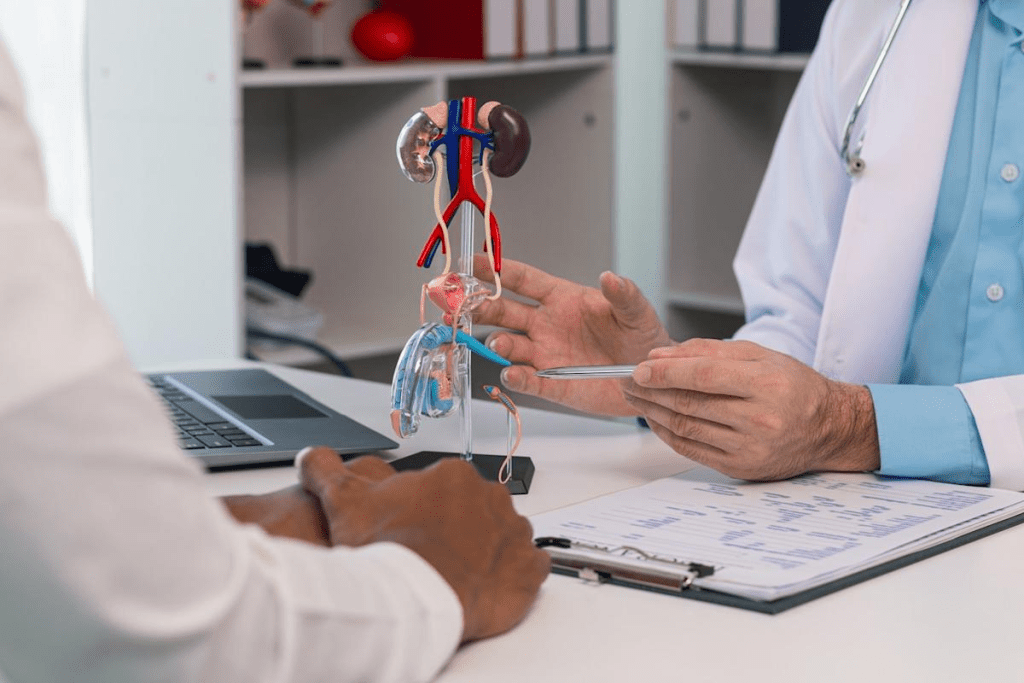
As prostate cancer gets worse, it can cause systemic symptoms. These symptoms affect a person’s body and mind. They can make a person’s health and happiness suffer.
Fatigue and General Weakness
Fatigue is a common symptom of advanced prostate cancer. It’s feeling tired or weak that doesn’t go away with rest. This can make everyday life hard and lower quality of life.
Fatigue in prostate cancer can come from the cancer itself, treatments, or other health issues. It’s important for patients to talk to their doctors about it. This way, they can find the cause and figure out how to feel better.
Weight Loss and Appetite Changes
Weight loss and changes in appetite can also happen as prostate cancer gets worse. These can be due to the cancer’s effects, treatments, or emotional issues like depression.
We know that keeping up with nutrition is key for patients with advanced prostate cancer. Good nutrition helps with health, makes treatments easier, and improves life quality. If you’re losing weight or not feeling hungry, talk to your doctor or a dietitian. They can help you make a plan to eat well.
Feeling Unwell: The Overall Impact on Health
The symptoms of advanced prostate cancer can really affect a person’s health and happiness. Feeling unwell can harm not just the body but also the mind and spirit.
It’s important for patients and their loved ones to know about these symptoms. They should talk openly with their doctors. By understanding and dealing with these symptoms, we can help patients feel better and live better lives.
Sexual Health Changes and Erectile Dysfunction
When a man is diagnosed with prostate cancer, he often worries about his sex life. Prostate cancer and its treatments can really affect a man’s sex life. This includes both the physical and emotional sides.
Impact on Sexual Function
Treatments for prostate cancer, like surgery, radiation, and hormone therapy, can harm nerves and blood vessels. This can lead to erectile dysfunction. Erectile dysfunction makes it hard for a man to get or keep an erection.
The impact can vary from person to person. It depends on the treatment and the cancer’s stage. It’s key for men to talk about these concerns with their doctor before starting treatment.
Distinguishing Cancer-Related Issues from Age-Related Changes
As men get older, they naturally face changes in their sex life. But, it can be hard to tell if these changes are due to age or prostate cancer. Men should know the differences and tell their doctors about any big changes.
| Symptom | Age-Related Change | Cancer or Treatment-Related Change |
| Erectile Dysfunction | Gradual decline over years | Sudden onset or significant worsening post-treatment |
| Libido | Gradual decrease | Significant decrease, especially with hormone therapy |
Managing Sexual Side Effects
There are ways to handle sexual side effects from prostate cancer treatment. Men should talk to their doctor about these options. This way, they can find what works best for them.
- Medications: Phosphodiesterase type 5 inhibitors (PDE5 inhibitors) are often used to help with erectile dysfunction.
- Penile Rehabilitation: Programs that include PDE5 inhibitors, vacuum erection devices, and penile injections can help restore sexual function.
- Counseling: Sexual counseling can help with the emotional and psychological sides of sexual dysfunction.
Dealing with sexual health changes can be tough. But, with the right support and treatment, many men can regain their sexual health. Or, they can find new ways to stay intimate.
Late-Stage Prostate Cancer Symptoms
When prostate cancer reaches its late stage, it can spread to other parts of the body. This leads to diverse and complex symptoms. The cancer may metastasize to bones, lymph nodes, or other organs, causing health issues.
Metastatic Spread: Signs and Symptoms
Metastasis happens when prostate cancer cells break away and travel to other parts of the body. Common sites include bones, lymph nodes, and organs like the liver and lungs. Symptoms vary based on where the cancer spreads.
- Bone Metastasis: Pain in the bones, like in the hips, spine, or ribs, is common. This pain can be persistent and worsen over time.
- Lymph Node Involvement: Swelling in the legs or groin area can occur if cancer spreads to the lymph nodes.
- Liver Metastasis: Though less common, liver involvement can cause symptoms like jaundice or abdominal pain.
Neurological Symptoms from Spinal Involvement
When prostate cancer metastasizes to the spine, it can compress the spinal cord. This leads to neurological symptoms. These can include:
- Pain: Severe back pain that can radiate to the legs.
- Weakness or Numbness: Weakness or numbness in the legs, which can affect mobility.
- Bladder or Bowel Dysfunction: In severe cases, spinal compression can lead to loss of bladder or bowel control.
Systemic Illness in Advanced Disease
In the advanced stages of prostate cancer, systemic symptoms can occur. These symptoms affect the body overall. They can include:
- Fatigue: A persistent feeling of tiredness or lack of energy.
- Weight Loss: Unintentional weight loss is common in advanced prostate cancer.
- Loss of Appetite: Decreased appetite can contribute to weight loss and overall weakness.
Understanding these symptoms is key to managing late-stage prostate cancer effectively. We work closely with patients to address these symptoms and improve their quality of life.
Diagnosing Prostate Cancer: Beyond Symptoms
Understanding prostate cancer diagnosis goes beyond symptoms. It involves tests and procedures. These help find and measure the disease’s extent.
Screening Tests and PSA Levels
Screening starts with a Prostate-Specific Antigen (PSA) test. This test checks PSA levels in the blood. High levels might mean cancer, but also other issues like prostatitis or BPH.
PSA levels are categorized as follows:
- 0-4 ng/mL: Generally considered normal
- 4-10 ng/mL: May indicate prostate issues, including cancer
- Above 10 ng/mL: Higher likelihood of prostate cancer
Diagnostic Procedures and Imaging
If PSA levels suggest a problem, we do more tests. These include a digital rectal exam (DRE), biopsy, or imaging like ultrasound, MRI, or CT scans. A biopsy takes tissue samples for a closer look.
Imaging tests help us understand the extent of the disease and whether it has spread beyond the prostate. This info is key for planning treatment.
Staging and Grading: What They Mean for Symptoms
After diagnosing prostate cancer, we check its stage and grade. Staging shows how far the cancer has spread. Grading looks at cancer cell appearance under a microscope. These details help plan treatment.
The stage and grade of prostate cancer influence the symptoms and treatment options. Early-stage cancer might not cause many symptoms. But advanced cancer could lead to more severe urinary or bone pain.
Treatment Options and Their Impact on Symptoms
Prostate cancer treatment has many options, each affecting symptoms differently. Knowing these options is key to managing symptoms and improving life quality.
Surgery and Recovery Expectations
Surgery is a common prostate cancer treatment, mainly for localized cancer. The main surgery is a radical prostatectomy, removing the prostate and some tissue. It can remove cancer but may cause urinary and sexual problems.
Recovery Expectations: Patients usually stay in the hospital a few days after surgery. Recovery takes weeks to months, with fatigue, discomfort, and urinary and sexual changes.
Radiation Therapy Side Effects
Radiation therapy kills cancer cells with high-energy rays. It can be external or internal. It’s effective but may cause urinary, bowel, and fatigue issues.
Managing Side Effects: Radiation therapy can lead to urinary and bowel problems. These symptoms are usually temporary and can be managed with medication and lifestyle changes.
Hormone Therapy and Its Systemic Effects
Hormone therapy reduces male hormones that fuel cancer growth. It’s effective but can cause hot flashes, weight gain, and libido changes. We’ll discuss these effects and how to reduce them.
Mitigating Systemic Effects: Diet, exercise, and medications can help manage hormone therapy side effects. Lifestyle changes and medication can alleviate symptoms like hot flashes.
Chemotherapy and Managing Its Symptoms
Chemotherapy is for cancer that has spread. It uses drugs to kill cancer cells. It can cause nausea, hair loss, and fatigue. We’ll outline these side effects and how to manage them.
Managing Chemotherapy Side Effects: Anti-nausea meds, scalp cooling devices, and rest help manage side effects. Supportive care is essential during chemotherapy.
Managing Prostate Cancer Pain Effectively
Managing pain well is key for better life quality in prostate cancer patients. We need to explore the many ways to handle pain effectively.
Medication Options for Pain Relief
We use different medicines to tackle prostate cancer pain, including:
- Nonsteroidal Anti-Inflammatory Drugs (NSAIDs): Good for mild to moderate pain.
- Opioids: For more serious pain, but only with doctor’s watchful eye.
- Adjuvant Medications: Like anticonvulsants and antidepressants, for nerve pain.
Finding the right medicine and dose is important. Everyone reacts differently to pain medicines.
Non-Pharmacological Pain Management Strategies
There are also non-medical ways to manage pain:
- Physical Therapy: Gentle exercises can help move better and feel less pain.
- Cognitive Behavioral Therapy (CBT): Helps deal with pain’s emotional side.
- Relaxation Techniques: Like meditation and deep breathing, can lessen stress and pain.
Palliative Treatments for Bone Pain
For those with bone metastases, palliative treatments can offer big relief:
- Radiation Therapy: Targets specific bone pain spots.
- Bisphosphonates: Medicines that cut down bone pain and prevent breaks.
- Radioisotopes: Used in some cases for widespread bone pain.
Working with Pain Specialists
Teamwork with pain specialists is key for a full pain management plan. They offer:
- Custom pain management plans.
- Access to various treatments, including interventional ones.
- Continuous support and plan tweaks as needed.
With healthcare team support, patients can find lasting pain relief. This improves their life quality greatly.
Prostate Cancer Pain Relief Strategies
We know that treating prostate cancer pain needs a mix of methods. These methods help reduce pain and improve life quality for patients.
Managing pain well is key for prostate cancer patients. Along with usual treatments, physical therapy, complementary medicine, and mental support can also help.
Physical Therapy and Exercise Approaches
Physical therapy is important for prostate cancer pain. Gentle exercises and stretches can lessen pain and boost movement.
- Pelvic floor exercises can strengthen muscles and reduce pain.
- Low-impact aerobics, such as walking or swimming, can improve overall well-being.
- Stretching exercises can help maintain flexibility and reduce stiffness.
Complementary and Alternative Medicine Options
Complementary therapies can be used with regular treatments to manage pain.
- Acupuncture has been shown to reduce pain in some patients.
- Massage therapy can help alleviate muscle tension and promote relaxation.
- Meditation and mindfulness practices can help patients cope with pain and stress.
Psychological Approaches to Pain Management
Psychological support is vital for managing pain’s emotional side.
- Cognitive-behavioral therapy (CBT) can help patients change their perception of pain.
- Support groups provide a platform for patients to share their experiences and receive support.
- Relaxation techniques, such as deep breathing, can help reduce stress and anxiety.
By using these strategies, patients can manage pain better and live a better life.
When to Seek Immediate Medical Attention
It’s important to know when to get urgent care for prostate cancer. Prostate cancer can get worse and need quick medical help. Knowing the signs that mean you need to see a doctor fast can save your life.
Red Flag Symptoms That Shouldn’t Be Ignored
Some symptoms in prostate cancer patients need quick action. Severe pain, trouble urinating, or blood in the urine are big warnings. Severe pain that comes out of nowhere might mean the cancer has spread. Not being able to pee is a serious emergency.
Other warning signs include losing a lot of weight, feeling very tired, and swelling in your legs or feet. These could mean the cancer has spread or is getting worse.
| Symptom | Description | Action Required |
| Severe Pain | Sudden, unexplained pain | Seek immediate medical attention |
| Urinary Issues | Difficulty urinating or blood in urine | Contact a healthcare provider urgently |
| Significant Weight Loss | Unexplained loss of weight | Schedule an emergency appointment |
Emergency Situations Related to Prostate Cancer
Prostate cancer can cause serious emergencies, like when it presses on the spine. This can lead to back pain, numbness, or weakness in your legs. You need to see a doctor right away to avoid lasting harm.
Another emergency is when you have a lot of blood in your urine. This can block your urinary tract and needs quick attention from a urologist.
Communicating Effectively with Your Healthcare Team
Talking well with your healthcare team is key in fighting prostate cancer. Tell them about any new or getting worse symptoms right away. Keeping a diary of your symptoms can help you remember and share important details with your doctor.
Don’t be shy to ask questions during your visits. Clear communication builds trust and makes sure you get care that fits your needs.
- Report new or worsening symptoms to your healthcare provider.
- Keep a symptom diary to track changes.
- Ask questions during consultations.
Conclusion: Navigating the Journey with Prostate Cancer
Prostate cancer can be tough to deal with, but knowing what to do helps. We’ve looked at the different parts of prostate cancer. This includes the early stages and how to find and treat it early.
It’s key for men to know about symptoms, diagnosis, and treatment. This knowledge lets them take charge of their fight against prostate cancer. By watching for symptoms and getting help when needed, men can get better treatment and recover well.
We urge men to keep learning, ask questions, and get support. Having the right help from doctors, family, and friends makes a big difference. With the right care, men can face prostate cancer and feel better overall.
FAQ
What are the common symptoms of prostate cancer?
Symptoms include frequent urination and weak urine flow. You might also see blood in your urine. In more serious cases, you could feel pelvic pain, lower back pain, or bone pain.
Why doesn’t early prostate cancer show symptoms?
Early cancer is usually small and doesn’t affect much. It’s not big enough to cause noticeable symptoms yet.
How is prostate cancer diagnosed?
Doctors use tests like the PSA test and digital rectal examination (DRE). They also do biopsies and imaging studies to find cancer.
What are the treatment options for prostate cancer?
Treatments depend on the cancer’s stage and grade. Options include surgery, radiation, hormone therapy, chemotherapy, and active surveillance.
How can prostate cancer pain be managed?
Pain management includes medicines and non-medical methods like physical therapy. Psychological support and palliative treatments like radiation for bone pain are also used.
Can prostate cancer cause erectile dysfunction?
Yes, treatments for prostate cancer can lead to erectile dysfunction. There are medicines, counseling, and other support options available.
What are the signs of advanced prostate cancer?
Advanced cancer shows as bone pain and neurological symptoms if it spreads to the spine. You might also lose a lot of weight and feel very tired.
How does prostate cancer affect overall health?
As cancer grows, it can make you feel very tired and lose your appetite. You might lose weight and feel generally unwell, affecting your overall health.
When should I seek immediate medical attention for prostate cancer symptoms?
Seek help right away for severe symptoms like severe pain, trouble urinating, blood in urine, or neurological problems.
How can I communicate effectively with my healthcare team about prostate cancer?
Be open about your symptoms and concerns. Ask questions and make sure you understand everything your doctor says.
Reference
Perera, M., et al. (2023). 2022 Update on Prostate Cancer Epidemiology and Risk Factors. Cancers, 15(9), 2437. https://pmc.ncbi.nlm.nih.gov/articles/PMC10851915/