Last Updated on November 27, 2025 by Bilal Hasdemir

Recovering from prostate surgery requires careful attention to rest and healing. Every year, many men undergo prostate cancer removal, and understanding the right recovery steps is essential.
Bed rest plays a major role in prostate cancer removal recovery. The duration of rest can significantly impact healing and overall outcomes. Knowing how many days of rest are ideal helps patients recover safely and effectively after surgery.
Key Takeaways
- Bed rest is vital for recovery after prostate surgery.
- The right amount of bed rest varies by person.
- Knowing the recommended rest time is important for a smooth recovery.
- Prostate surgery patients should listen to their doctor about bed rest.
- Enough rest can greatly help the recovery process.
Understanding Different Types of Prostate Surgery
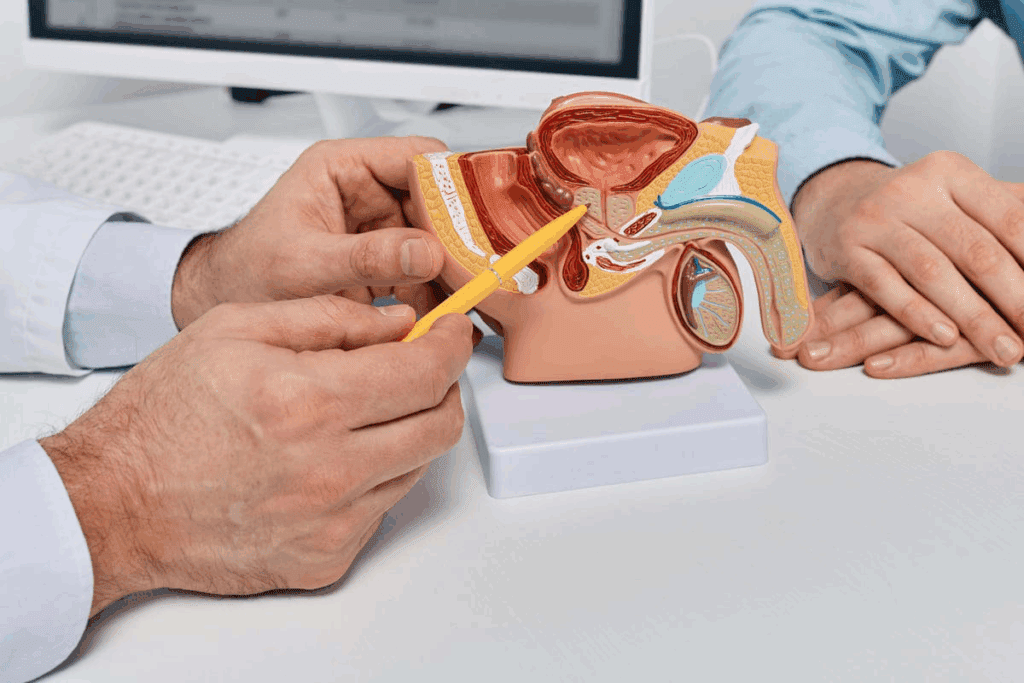
It’s important for patients to know about the different prostate surgeries. These surgeries help with various prostate issues, like cancer. Knowing about them can help with recovery.
Radical Prostatectomy Procedures
A radical prostatectomy removes the prostate gland. It’s often for prostate cancer. There are a few ways to do this surgery.
- Open Radical Prostatectomy: This traditional method involves a single incision in the abdomen or perineum to access the prostate.
- Laparoscopic Radical Prostatectomy: A minimally invasive technique that utilizes several small incisions and a laparoscope to remove the prostate.
- Robot-Assisted Laparoscopic Prostatectomy: An advanced form of laparoscopic surgery that employs robotic instruments to enhance precision and reduce recovery time.
Each method has its own benefits and risks. The choice depends on the patient’s health and cancer stage.
Other Prostate Surgical Procedures
Not all prostate surgeries remove the whole gland. Other procedures include:
- Transurethral Resection of the Prostate (TURP): A surgery used to relieve urinary symptoms caused by an enlarged prostate. It involves removing portions of the prostate that obstruct urine flow.
- Simple Prostatectomy: This procedure involves removing the inner part of the prostate, often performed to alleviate symptoms of benign prostatic hyperplasia (BPH).
These surgeries are for conditions like BPH, not cancer. Knowing about your surgery helps manage recovery expectations.
The World Health Organization (WHO) says cancer is a major cause of death worldwide. Early detection is key to better treatment. For those having prostate surgery, knowing about your surgery and recovery is key to a smooth recovery.
Typical Hospital Stay Duration After Prostate Surgery
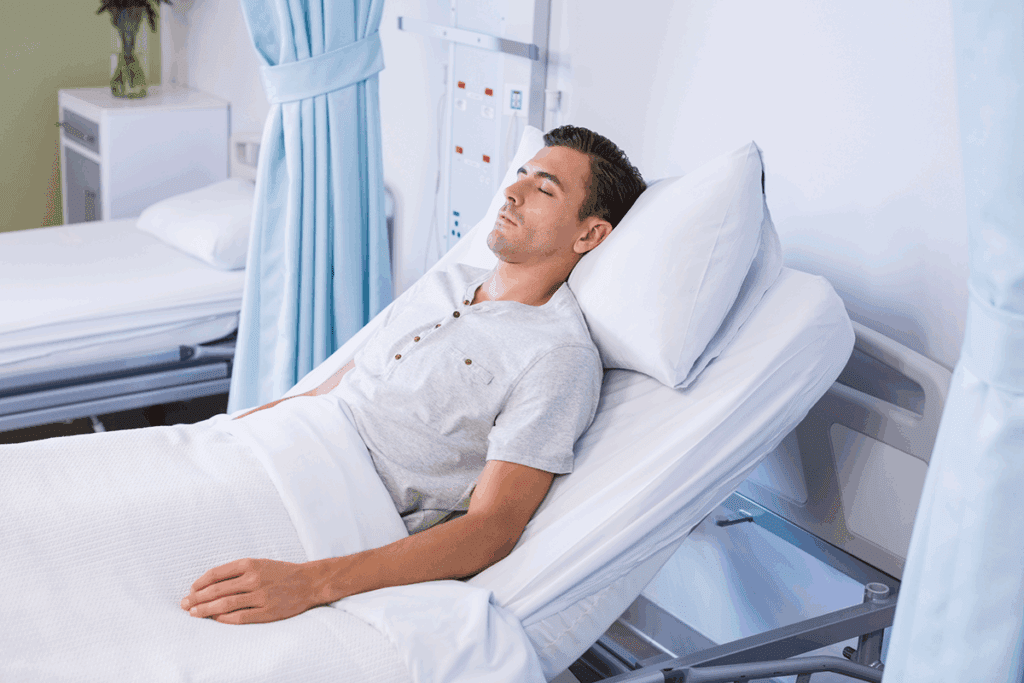
Knowing how long you’ll stay in the hospital after prostate surgery is key. It helps with planning your recovery. The time you stay can change based on the surgery type and your health.
Length of Stay by Procedure Type
Each prostate surgery has its own hospital stay length. For example:
- Radical Prostatectomy: Open surgery might keep you in the hospital for 2-3 days. Laparoscopic or robotic surgery could let you go home in 1-2 days.
- Transurethral Resection of the Prostate (TURP): TURP usually means a shorter stay, from a few hours to overnight.
Factors That May Extend Hospitalization
Several things can make your hospital stay longer. These include:
- Post-operative complications: Issues like bleeding or infection might keep you longer for treatment.
- Pre-existing health conditions: If you have health problems, like heart disease or diabetes, you might need more care.
- Age and overall health: Older or less healthy patients might need more time to get better before going home.
Recovering from prostate surgery needs good planning. Knowing about hospital stay times helps you prepare for what’s next.
Recommended Bed Rest Duration Following Prostate Surgery
Prostate surgery needs a recovery time that includes bed rest. The length of this rest varies based on health and surgery type. Knowing how long to rest in bed is key to a good recovery from prostate cancer surgery.
Immediate Post-Operative Bed Rest Requirements
Right after surgery, patients must rest in bed to start healing. This early rest is vital to avoid complications and help the body recover naturally. It’s important to follow your doctor’s advice on bed rest and activity.
“Rest is a critical part of recovery,” say doctors. “It helps the body heal and lowers the chance of complications.”
Gradual Reduction of Bed Rest
As recovery goes on, the need for bed rest lessens. This change should be based on how the patient feels and their doctor’s guidance. It’s important to mix rest with gentle movement to avoid blood clots and other issues from too much bed rest.
Getting back to normal activities is a big part of recovering from prostate surgery. Patients should start with short walks and then increase the distance and how often they walk.
Understanding the right amount of bed rest and following a recovery plan helps patients heal better. This improves their outcome after prostate surgery.
Setting Up Your Home for Optimal Recovery
A well-prepared home can greatly help your recovery after prostate cancer surgery. Making your living space comfortable and healing-friendly is key to your recovery from prostate cancer.
Creating a Comfortable Recovery Space
To make your recovery smooth and stress-free, create a cozy recovery area. This means:
- Setting up a quiet, well-ventilated spot with few distractions.
- Having easy access to important things like water, meds, and a phone.
- Using a comfy bed with good support, maybe with extra pillows or a recliner.
Essential Recovery Items and Equipment
Having the right items and equipment can really help your prostate cancer removal recovery. Some must-haves include:
- Comfortable clothes, like loose robes and pajamas.
- Medications and supplies your doctor tells you to use.
- A walker or other mobility aids for safe moving.
- Things to keep you entertained, like books, tablets, or puzzles.
By focusing on these, you can make a space that supports your recovery and helps you heal better.
Prostate Cancer Removal Recovery Timeline
The recovery after prostate cancer surgery is key and needs careful planning. Everyone recovers differently, but there are common steps most follow.
Week 1: Critical Recovery Period
The first week is the most important for recovery. Patients should:
- Rest well to help their body heal.
- Avoid hard work, like lifting and bending.
- Eat well to support their healing.
Feeling tired, sore, and swollen is normal in the first week. It’s important to listen to your doctor about managing pain and symptoms.
Weeks 2-4: Progressive Recovery
By weeks 2-4, patients can start doing more. They can:
- Take short walks to boost circulation and strength.
- Do light stretches to keep flexible.
- Slowly get back to daily tasks, being careful.
It’s vital to keep following your doctor’s advice on safe activities. Most people see big improvements during this time.
Key Recovery Milestones:
- Getting back to normal daily life, but with some limits.
- Feeling less pain and more energy.
- Going to doctor visits for post-surgery checks.
Recovering from prostatectomy surgery takes time and following the recommended timeline. Knowing what to expect helps patients through their recovery.
Safe Movement Techniques During Early Recovery
Moving safely early after prostate cancer surgery is key for patients. Using the right techniques can lower risks and help recovery go smoother.
Getting In and Out of Bed Properly
Learning to get in and out of bed correctly is a big part of safe movement early on. Here’s how to do it:
- Use a firm mattress and avoid sagging beds.
- Place a bedside table or chair close to the bed to assist with getting up.
- When getting out of bed, start by rolling onto your side, then use your arms to push yourself up while swinging your legs over the side.
- Take a few deep breaths and stand up slowly, holding onto something stable for support if needed.
It’s essential to avoid straining or making sudden movements when getting in or out of bed, as this can lead to discomfort or injury.
Walking and Standing Guidelines
Walking and standing help keep blood flowing and prevent problems like blood clots. But, there are important rules to follow:
- Start with short walks around the house, gradually increasing the distance as your body allows.
- When standing, ensure you have a stable object to hold onto in case you need support.
- Avoid standing for long periods, as this can cause dizziness or fatigue.
Listening to your body and resting when needed is key during early recovery.
By sticking to these safe movement tips, patients can improve their recovery after prostate cancer surgery. It’s all about finding the right balance between activity and rest to help the body heal.
Catheter Management After Prostate Surgery
After prostate surgery, a catheter is often used. It helps the body heal by draining urine from the bladder. Knowing how to manage it is key to a smooth recovery.
Daily Catheter Care Instructions
Proper care of the catheter is vital. It prevents infections and ensures a comfortable recovery. Here are some daily care tips:
- Keep the catheter and drainage bag below the level of the bladder to prevent backflow.
- Clean the catheter insertion site with soap and water daily.
- Empty the drainage bag frequently to avoid overflow.
- Check for any signs of infection, such as redness, swelling, or unusual odors.
A study in the Journal of Urology found that proper catheter care lowers urinary tract infection risk after prostate surgery.
“Proper catheter management is key to avoiding complications after prostate surgery.”
| Care Activity | Frequency | Notes |
| Cleaning Catheter Site | Daily | Use soap and water |
| Emptying Drainage Bag | Frequent | Avoid overflow |
| Checking for Infection | Daily | Watch for redness, swelling |
Catheter Removal Process and Timeline
The catheter is removed a few weeks after surgery. The exact time depends on the healing progress. It also varies based on surgery type and patient health.
On average, the catheter is removed:
- Within 1-2 weeks for some minimally invasive procedures.
- 2-4 weeks for most standard prostate surgeries.
Always follow your healthcare provider’s specific instructions for catheter removal and follow-up care.
After removal, some discomfort or urinary issues may occur. But these symptoms usually go away in a few days.
Pain Management Strategies During Recovery
Recovering from prostate cancer surgery means managing pain well. This is key for patients to get back to their normal lives smoothly.
Medication Protocols for Post-Surgical Pain
Medicine is a big help in dealing with pain after surgery. Doctors often give patients a mix of drugs to manage pain well.
- Opioids: Strong pain relievers for severe pain.
- NSAIDs: Drugs that cut down inflammation and pain.
- Acetaminophen: Good for mild to moderate pain.
It’s important to stick to the medicine plan and talk to doctors about any issues or side effects.
| Medication Type | Use | Common Side Effects |
| Opioids | Severe pain | Constipation, drowsiness |
| NSAIDs | Inflammation and pain | Stomach upset, bleeding risk |
| Acetaminophen | Mild to moderate pain | Liver damage (with overdose) |
Non-Pharmaceutical Pain Relief Methods
There are also non-drug ways to handle pain after prostate surgery.
Physical Therapy: Gentle exercises can help you move better and feel less pain.
Relaxation Techniques: Deep breathing, meditation, and muscle relaxation can help with stress and pain.
Using these methods together can help patients manage pain better and have a better recovery.
Dietary Guidelines to Support Healing
Proper nutrition is key for men recovering from prostate surgery. It helps with healing and lowers the risk of complications. A well-planned diet can manage side effects, support recovery, and boost health outcomes.
Nutritional Needs During Recovery
During recovery, the body needs a balanced mix of nutrients to heal well. This includes enough protein, healthy fats, and complex carbs. Protein-rich foods like lean meats, fish, eggs, and legumes are vital for tissue repair.
A diet full of fruits, vegetables, and whole grains is also important. They offer essential vitamins, minerals, and fiber. This can help prevent constipation, a common issue after surgery. Staying hydrated is also key; patients should drink plenty of water all day.
| Nutrient | Food Sources | Benefits |
| Protein | Lean meats, fish, eggs, legumes | Tissue repair and regeneration |
| Fiber | Fruits, vegetables, and whole grains | Prevents constipation |
| Healthy Fats | Nuts, seeds, avocados | Supports overall health |
Managing Common Digestive Issues
After prostate surgery, some patients face digestive problems like constipation or diarrhea. To tackle these, eat a diet rich in fiber and drink plenty of water. Avoiding foods that can cause gas, such as beans and cabbage, can also help.
For those with diarrhea, a bland diet like the BRAT diet (bananas, rice, applesauce, toast) can be helpful. Eating smaller, more frequent meals can also ease digestion.
By focusing on a balanced diet and managing digestive health, patients can support their recovery from prostate cancer surgery. This improves their overall quality of life.
Physical Activity Restrictions After Prostate Surgery
Knowing what activities to avoid after prostate surgery is key to a good recovery. It’s important to know which activities to skip and when to start exercising again. This helps your body heal properly.
Activities to Strictly Avoid
Right after surgery, there are some activities you must avoid. These are to keep you safe and help you heal faster. Here are some examples:
- Lifting heavy objects (more than 10-15 pounds)
- Engaging in strenuous exercise or bending
- Driving or operating heavy machinery
- Participating in contact sports
Staying away from these activities lowers the chance of problems like bleeding or injury to the surgical area.
Safe Exercise Progression Timeline
Starting with gentle exercises is important for a good recovery from prostate surgery. The right time to start exercising depends on your health and the surgery details.
Usually, doctors tell patients to start with simple walking a few weeks after surgery. As you get better, you can do more and harder exercises.
- Weeks 1-2: Gentle walking and light stretching
- Weeks 3-4: Gradually increase walking distance and introduce pelvic floor exercises
- Weeks 5-6: Progress to more strenuous activities like swimming or cycling
Always listen to your doctor’s advice. They can give you specific guidance based on your situation and how you’re doing.
Following these guidelines helps you recover smoothly and effectively. It’s all about listening to your body and doing what’s best for your health.
Returning to Normal Daily Activities
Going back to normal life after prostate surgery is a big step. Patients often ask when they can start driving, working, and being sexually active again.
Driving After Prostate Surgery
Driving after surgery needs careful thought. Most doctors say to wait at least one to two weeks, or until you stop taking strong pain meds. You need to be able to react fast and feel comfortable while driving.
Before you start driving again, think about these things:
- Make sure you can sit for a long time without pain.
- Be able to react quickly to driving situations.
- Have stopped taking narcotic pain medications that could affect your driving.
Work Return Guidelines
When you can go back to work depends on your job and surgery type. Usually, it takes two to four weeks after surgery.
| Job Type | Typical Return to Work Timeline |
| Desk Job | 1-2 weeks |
| Manual Labor | 4-6 weeks |
Resuming Sexual Activity
Starting sexual activity again after surgery is a personal matter. Doctors usually say to wait six to eight weeks. But this can change based on how you recover and your doctor’s advice.
It’s very important to listen to your healthcare provider about when to start sexual activity again. This ensures a safe and healthy recovery.
Knowing about the recovery process and following these tips can help you safely get back to your daily activities.
Warning Signs That Require Medical Attention
It’s important to know the warning signs that need quick medical help during recovery from prostate cancer surgery or recovery after prostate removal surgery. Most patients do well, but knowing about possible problems can help get help fast if needed.
Urgent Complications to Watch For
Some symptoms mean you need to see a doctor right away. These include:
- Severe pain not relieved by medication
- Heavy bleeding or clots
- Fever above 101.5°F (38.6°C)
- Inability to urinate or severe difficulty urinating
- Redness, swelling, or drainage from the surgical site
- Leg swelling or pain, which could indicate a blood clot
If you notice any of these signs, get medical help fast. Early treatment can greatly improve your chances of recovery if complications arise.
When to Contact Your Healthcare Provider
Knowing when to call your healthcare provider is key during recovery from prostate cancer surgery. If you’re feeling off or have questions about your recovery, reach out.
Your healthcare provider can help with symptoms, adjust your recovery plan, or answer any questions. It’s always safer to be cautious with your health.
By staying alert and informed, you can make your recovery smoother and tackle any problems quickly.
Follow-Up Care and Long-Term Recovery
After prostate cancer surgery, it’s key to follow up with your healthcare provider. This helps ensure a smooth recovery. You’ll have regular check-ups to keep an eye on your health and address any issues.
Regular follow-up appointments are vital. They help track your progress and catch any problems early. Your healthcare provider will tailor a personalized follow-up schedule for you, based on your surgery and needs.
Post-Surgery Appointment Schedule
The schedule for post-surgery visits includes regular check-ins. These visits help monitor your recovery and watch for complications or cancer coming back. You might see your healthcare provider for:
- Physical exams to check your overall health and look for any complications.
- Talking about any symptoms or concerns, like urinary problems or pain.
- Reviewing your medication and making any needed changes.
PSA Testing After Prostate Cancer Surgery
PSA (Prostate-Specific Antigen) testing is a big part of follow-up care. It checks the PSA level in your blood to spot any cancer left behind or coming back. Your healthcare provider will set a PSA testing schedule for you, based on your risk and surgery details.
Sticking to the PSA testing schedule is important. It helps catch any problems early. Your healthcare provider will talk about the test results with you and decide what to do next.
By sticking to your follow-up care plan, you boost your chances of a successful recovery from prostate cancer surgery.
Emotional and Psychological Aspects of Recovery
Recovering from prostate surgery is more than just physical healing. It also involves emotional and psychological well-being. The time after surgery can be tough, affecting both body and mind.
Managing Recovery Expectations
Managing your emotions is key during recovery. It’s important to know that recovery times and feelings can vary. Feeling anxious or relieved is normal.
Realistic recovery timelines and knowing about possible issues can ease worries. Talking about your feelings with your doctor is also helpful.
Support Resources for Patients and Families
A strong support system is vital during recovery. This includes family, friends, and professional help.
- Support groups, online or in-person, offer a place to share and get support from others facing similar challenges.
- Counseling or therapy can help with emotional or psychological issues.
- Learning resources can help you and your family understand the recovery journey.
Recovering from prostate surgery needs a full approach, including emotional and psychological support. Using these resources can help you get through the recovery better.
Long-Term Quality of Life After Prostate Surgery
Recovering from prostate surgery is more than just the first few days. It also means making lifestyle changes for the long haul. It’s important for patients to know about the long-term effects and how to deal with them.
Managing Possible Long-Term Side Effects
After prostate surgery, some men worry about long-term side effects. These can include trouble with urination and erectile issues. But thanks to new surgical methods, these problems can often be lessened or managed well.
Urinary Incontinence: Some men might leak urine at first. But most get better in a few months. Doing Kegel exercises can really help with this.
The key to managing urinary incontinence is early intervention and consistent practice of pelvic floor exercises.
Lifestyle Changes for Better Recovery
Making lifestyle changes is key to a good recovery after prostate surgery. This includes eating right, staying active, and avoiding bad habits like smoking.
- Dietary Changes: Eating a diet full of fruits, veggies, and whole grains helps recovery.
- Physical Activity: Slowly starting to be more active can boost health and lower risks.
- Avoiding Harmful Habits: Quitting smoking and drinking less can greatly improve health over time.
By making these lifestyle changes and knowing about possible long-term side effects, patients can greatly improve their lives after prostate surgery.
“A proactive approach to recovery can make a big difference in a patient’s long-term health and well-being.”
Conclusion
Understanding the recovery process after prostate surgery is key for patients. The journey to full recovery has many stages. It starts with immediate care and goes to long-term follow-up.
Recovery from prostate cancer surgery takes time. The body heals at its own pace. By following the guidelines in this article, patients can recover better. This helps avoid complications and improves their quality of life.
Important parts of recovery include managing pain and following physical activity rules. Also, attending follow-up appointments is vital. Patients should watch for signs of complications like infection or bleeding.
Being informed and prepared helps ensure a smoother recovery. This improves overall well-being and reduces long-term side effects.
FAQ
How many days of bed rest are typically required after prostate surgery?
The amount of bed rest needed varies. It depends on the surgery type and the patient’s health. Usually, patients rest for a few days to a week.
What are the different types of prostate surgery, and how do they affect recovery?
There are several prostate surgeries, like radical prostatectomy and robotic-assisted prostatectomy. The surgery type can affect how long you stay in the hospital and how long it takes to recover.
How long is the typical hospital stay after prostate surgery?
The hospital stay varies. It depends on the surgery and the patient’s health. On average, patients stay 1-3 days.
What are the guidelines for safe movement during early recovery after prostate surgery?
It’s important to move safely. Get in and out of bed carefully. Avoid heavy lifting and follow walking and standing guidelines to prevent complications.
How do I manage my catheter after prostate surgery?
Your doctor will give you instructions on catheter care. They will tell you when and how to remove it to manage it properly.
What pain management strategies are available during recovery from prostate surgery?
There are ways to manage pain. You can use medication or try non-pharmaceutical methods like relaxation techniques and heat or cold therapy.
What dietary guidelines should I follow to support healing after prostate surgery?
Eat a balanced diet to support healing. Also, manage digestive issues like constipation or diarrhea to help your recovery.
What physical activity restrictions should I follow after prostate surgery?
Avoid heavy lifting and bending. Follow a safe exercise plan to prevent complications and aid in recovery.
When can I resume normal daily activities, such as driving and working, after prostate surgery?
Follow your doctor’s guidelines for returning to driving and work. Also, wait for the okay to resume sexual activity for a smooth recovery.
What warning signs require medical attention during recovery from prostate surgery?
Watch for signs of severe pain, bleeding, or infection. If you notice any, contact your doctor right away.
What follow-up care is required after prostate surgery?
Keep up with post-surgery appointments. Also, get PSA tests to monitor your condition and adjust treatment as needed.
How can I manage the emotional and psychological aspects of recovery from prostate surgery?
Stay informed and seek support from loved ones. Use resources like counseling or support groups to manage your recovery.
What lifestyle adjustments can I make to optimize my recovery and long-term quality of life after prostate surgery?
Make lifestyle changes to manage side effects like incontinence or erectile dysfunction. Dietary changes and exercise can help optimize your recovery.
Reference
- Patel, V. R., & Tewari, A. K. (2020). Robotic-assisted prostatectomy: optimizing perioperative outcomes and recovery. Urologic Clinics of North America, 47(2), 171-181. https://pubmed.ncbi.nlm.nih.gov/32338927/