Last Updated on November 25, 2025 by
Recent studies have found that the prostate can grow back after it’s removed. About 20% of patients see their prostate grow back within 10 years after surgery for benign prostatic hyperplasia (BPH). Regarding the prostate-cancer-return-rate-after-surgery, studies indicate a recurrence rate of approximately 15-30% within 5 to 10 years, depending on various risk factors and treatment types. This highlights the ongoing challenge of prostate cancer return after surgery and the importance of monitoring and personalized patient care.
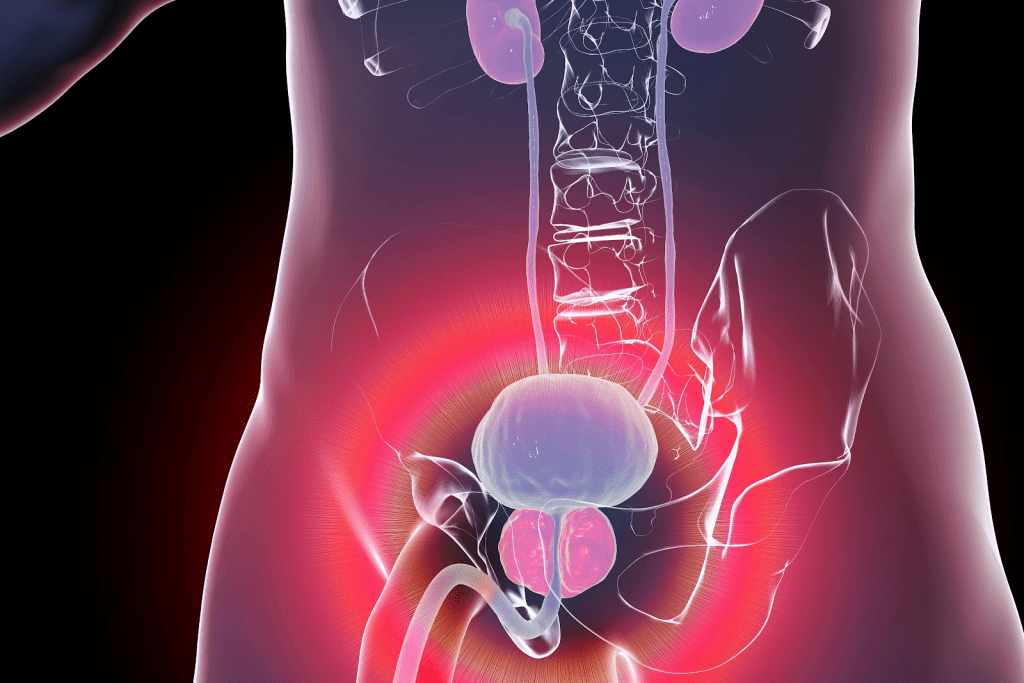
Even without a prostate, a person can live a healthy life. They might face some side effects, though. Surgery to remove the prostate can treat prostate cancer and greatly increase survival chances.
It’s important for patients to understand the risks and benefits of prostate removal. We’ll look into what prostate regrowth means and why making informed choices is key in managing the prostate.
Key Takeaways
- Prostate regrowth can occur in approximately 20% of patients within 10 years after partial prostate removal.
- Prostate removal surgery can cure prostate cancer and improve survival odds.
- Patients may experience side effects after prostate removal, some of which are treatable.
- Understanding the risks and benefits of prostate removal is essential for informed decision-making.
- Prostate management decisions should be based on the latest research and medical findings.
Understanding Prostate Removal Procedures
Prostate removal surgery includes various techniques. Each has its own benefits, and when to use it. The choice depends on the patient’s health, the reason for surgery, and the surgeon’s skill.
Partial Prostate Removal Techniques
Partial prostate removal treats an enlarged prostate, known as BPH. This causes urinary problems. The methods include:
- Transurethral Resection of the Prostate (TURP): A common method where the surgeon removes parts of the prostate blocking urine flow.
- Transurethral Incision of the Prostate (TUIP): This involves making small cuts in the prostate to ease pressure on the urethra.
- Laser Surgery: Uses a laser to remove or shrink the enlarged prostate tissue.
These methods are less invasive than removing the whole prostate. They aim to ease symptoms, not remove the gland entirely.
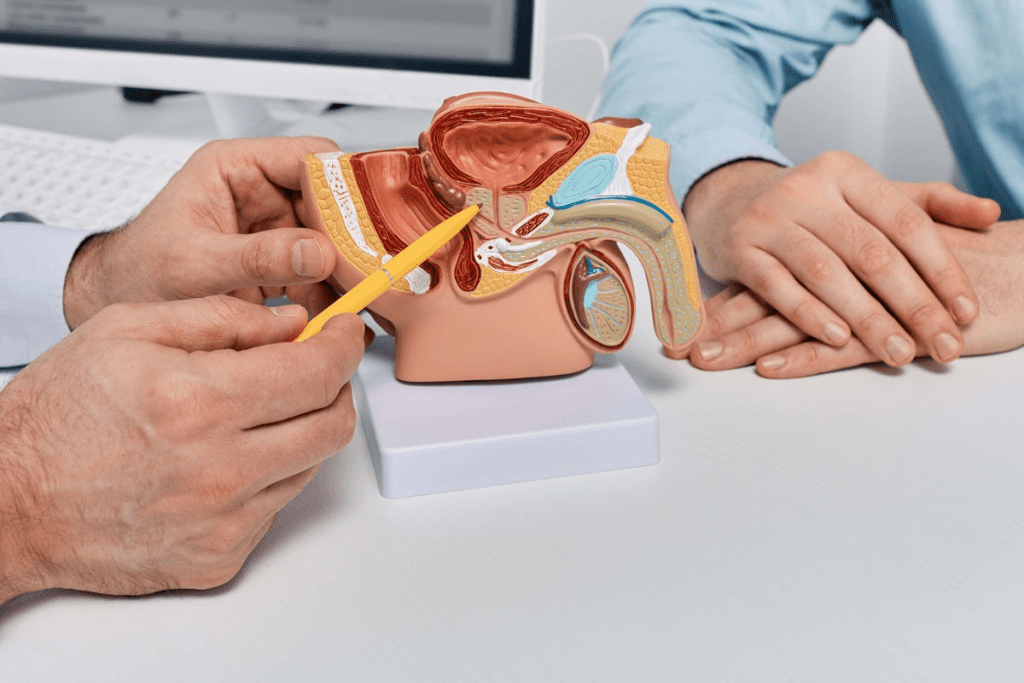
Complete Prostatectomy for Cancer Treatment
Complete prostatectomy removes the whole prostate gland. It’s mainly for prostate cancer. The methods are:
- Open Prostatectomy: A traditional surgery where the prostate is removed through one incision.
- Robotic-Assisted Laparoscopic Prostatectomy (RALP): A minimally invasive surgery using a robotic system for better precision and quicker recovery.
Complete prostatectomy is a more complex procedure than partial removal. It’s chosen based on the cancer’s stage and severity.
Knowing about prostate removal procedures helps patients make better choices. We work with patients to find the best procedure for their needs and condition.
Can the prostate grow back after partial removal?
Many patients worry about prostate regrowth after TURP. This regrowth can bring back symptoms, needing more treatment. We’ll look at how often this happens and what it means for care.
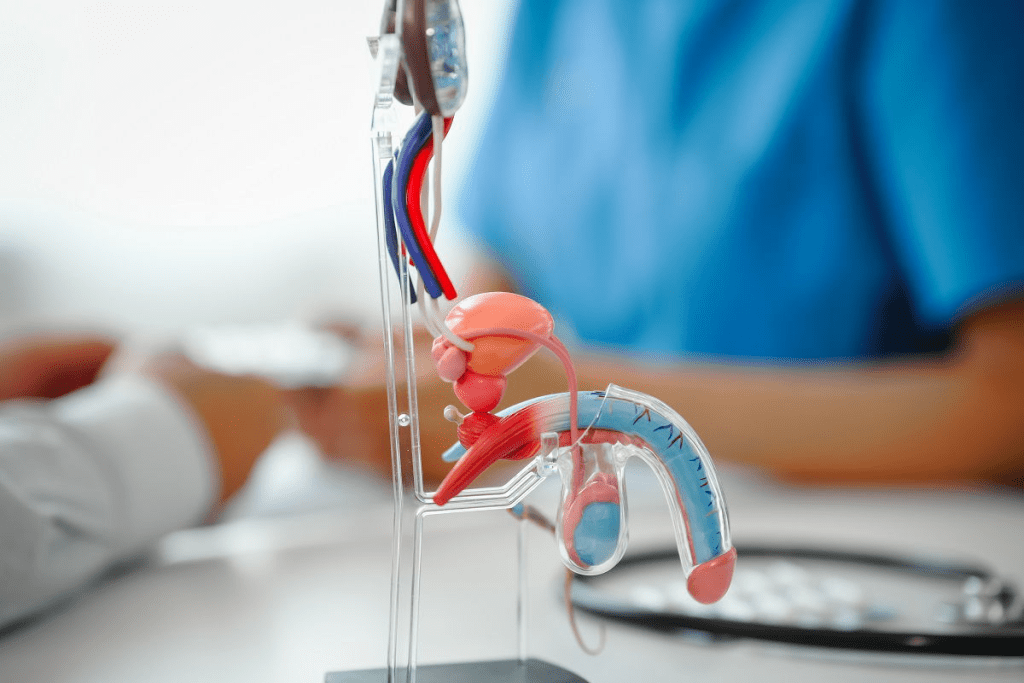
Regrowth rates after TURP
Research shows that prostate regrowth rates vary. About 20% of patients might need more treatment within 10 years. Prostate tissue growth is key to TURP’s long-term success, studies say.
A study in a top medical journal found that several things can affect regrowth rates. These include the patient’s age and health.
Can the prostate regrow after TURP? What research shows
Studies show that many factors can influence prostate regrowth after TURP. These include the patient’s health and any underlying conditions. A study found that “the rate of prostate regrowth can be significant, highlighting the need for ongoing monitoring and follow-up care.” Understanding the prostate-cancer-return-rate-after-surgery, which reflects recurrence post-surgery, is crucial in managing patient expectations and care.
“Long-term follow-up is key for TURP patients, as regrowth can happen years later.”
A leading urologist
In summary, knowing about prostate regrowth after TURP is vital. By understanding what affects regrowth, we can improve patient care and outcomes.
The science behind prostate tissue regeneration
Prostate tissue regeneration is a complex process. It involves many cellular and hormonal factors. We will look into the science behind it, focusing on how cells and hormones help in regrowth.
Cellular mechanisms of regrowth
The prostate gland can regenerate thanks to stem and progenitor cells. These cells are key in making new tissue. They grow, change, and survive in a controlled way to rebuild the gland.
Studies have found that certain pathways, like the Wnt/β-catenin pathway, help in prostate regeneration. These pathways are important for coordinating cell processes needed for growth. Knowing about these can help us understand and manage prostate regrowth.
Role of hormones in prostate tissue development
Hormones, like testosterone, are vital for prostate tissue growth and regeneration. Androgens help prostate cells grow and stay healthy by binding to androgen receptors. Hormones play a big role in how prostate tissue regenerates, as they affect cell growth and survival.
Hormones have a complex role in prostate regeneration. It’s not just androgens but other hormones too. Understanding these hormonal influences can help in managing regrowth, which is important for conditions like BPH or prostate cancer.
Risk factors for prostate regrowth
Knowing the risk factors for prostate regrowth is key to managing patients hopes after prostate removal. Several factors can affect the chance of regrowth. Identifying these can help in creating effective treatment plans.
Age and Obesity Connections
Age and obesity are big risk factors for prostate regrowth. As men get older, the chance of prostate issues, like regrowth, goes up. Obesity also raises the risk of prostate problems because of hormonal imbalances and chronic inflammation.
Studies show obese people might see faster regrowth because of higher hormone levels.
Testosterone Levels and Their Impact
Testosterone is very important for prostate health and regrowth. More testosterone can make prostate tissue grow, leading to regrowth. Knowing how testosterone affects prostate regrowth helps manage patients with a prostate history.
Chronic Inflammation as a Catalyst
Chronic inflammation is another risk factor for prostate regrowth. It can cause tissue damage and make new tissue grow. To lower regrowth risk, managing chronic inflammation through lifestyle changes and medical treatment is key.
Healthcare providers can create targeted plans for managing prostate regrowth by understanding these risk factors. This includes watching patients with higher risk factors closely and using preventive measures to lower regrowth chances.
How often does prostate cancer return after surgery?
It’s important to know how often prostate cancer comes back after surgery. This knowledge helps in taking care of patients. Prostate cancer can come back in different ways, each affecting treatment and outlook.
Local Recurrence Statistics
Local recurrence happens when cancer comes back in the same spot. The rate of this happening depends on the cancer’s stage and grade, and the surgery method. Recurrence rates show how well treatments work.
Biochemical Recurrence: The 35% within 10 Years
Biochemical recurrence is shown by rising Prostate-Specific Antigen (PSA) levels after surgery. About 35% of men see this rise within 10 years after surgery. This highlights the need for regular PSA checks during follow-up care.
Systemic Recurrence and Metastasis
Systemic recurrence means cancer spreads to other parts of the body. This is harder to treat than local recurrence. It often needs treatments like hormone therapy, chemotherapy, or targeted therapy.
Knowing about prostate cancer recurrence is a big worry for patients. Understanding the types of recurrence helps patients and doctors plan better follow-up care.
Modern techniques with lower regrowth rates
Modern prostate surgery has made big strides. Techniques like HoLEP lower the risk of regrowth. We’re seeing more advanced, less invasive procedures. These improve immediate results and lower future complications.
HoLEP and Other Advanced Procedures
Holmium Laser Enucleation of the Prostate (HoLEP) is a top choice for prostate issues. It uses a holmium laser to remove tissue. This method is great for larger prostates and has fewer complications and lower reoperation rates.
Other advanced procedures are also popular. GreenLight Laser Therapy and UroLift are being studied for their benefits. Each has its own advantages and meets different patient needs.
Comparing Reoperation Rates Across Techniques
Reoperation rates are key when comparing prostate surgery techniques. Studies show HoLEP has lower rates than traditional methods like TURP.
- HoLEP: Reoperation rates as low as 2-5% in long-term follow-ups.
- TURP: Historically higher reoperation rates, often cited around 10-15%.
- GreenLight Laser Therapy: Shows promise with reoperation rates comparable to HoLEP.
By looking at these rates, we understand the long-term benefits of each technique. This helps us make better choices for patient care. As technology advances, we’ll see even lower regrowth and reoperation rates. This will greatly improve patients’ quality of life.
Preventive measures and ongoing management
Managing prostate health after removal is key. It involves preventive steps and regular check-ups. Taking action early can greatly improve your life and health.
Lifestyle Modifications to Reduce Regrowth Risk
Changing your lifestyle can lower the chance of prostate issues. Keeping a healthy weight is important. Eating right and exercising can help.
Exercise is also good for your heart. It helps manage weight and boosts overall health.
Follow-up Protocols and PSA Monitoring
Regular check-ups and PSA monitoring are vital. PSA tests catch problems early. This means you can get help fast.
Stick to your doctor’s follow-up plan. This might include PSA tests and other tests based on your risk.
- Regular check-ups with your urologist
- PSA tests at recommended intervals
- Additional diagnostic tests as necessary
Combining lifestyle changes with regular check-ups can lower regrowth risk. It improves your health overall.
Conclusion
It’s important to know the risks and benefits of removing the prostate. We’ve looked into how prostate tissue can grow back after removal. We’ve also talked about new surgical methods that help patients recover better.
Modern techniques like HoLEP have made a big difference. They lead to less regrowth compared to older methods. Knowing how the body regenerates prostate tissue and the role of hormones helps us care for patients better.
Our study shows that making lifestyle changes and following up with care can lower the chance of regrowth. As research gets better, so will the results for patients. Staying up-to-date with new findings in prostate removal helps patients make better choices for their health.
FAQ
Can the prostate gland regrow after being shaved or partially removed?
Yes, the prostate gland can grow back after being partially removed. This includes procedures like TURP. Studies show that growth rates can vary, but it’s something patients should know.
What are the chances of prostate regrowth after TURP?
After TURP, the chance of significant prostate growth is low. But age, obesity, and testosterone levels can affect this risk.
Can prostate cancer recur after surgical removal of the prostate?
Yes, prostate cancer can come back after the prostate is removed. The risk depends on the cancer’s stage, grade, and the surgery method.
How do modern surgical techniques compare in terms of regrowth rates?
Newer surgeries, like HoLEP, have lower regrowth rates than TURP. HoLEP offers better results and less chance of needing another surgery.
What lifestyle modifications can help reduce the risk of prostate regrowth?
Eating well, exercising, and staying at a healthy weight can lower regrowth risk. Also, managing inflammation and keeping an eye on PSA levels helps.
How often should I have follow-up PSA monitoring after prostate surgery?
PSA monitoring after surgery depends on your risk and surgery type. Regular checks are key to catching any regrowth or recurrence.
Can testosterone levels impact prostate regrowth?
Yes, testosterone can affect regrowth risk. Higher levels might lead to growth, but the link between testosterone and prostate tissue is complex.
What is the role of chronic inflammation in prostate regrowth?
Chronic inflammation can lead to prostate issues, including regrowth. By managing inflammation through lifestyle and treatment, you can lower regrowth risk.
Reference
- Lin, C., Cai, C., Mao, Y., Liang, X., & Wang, H. (2018). Enhanced recovery after surgery protocol for prostate cancer patients undergoing laparoscopic radical prostatectomy. Journal of Cancer Research and Therapeutics, 14(Suppl), S115“S121. https://pmc.ncbi.nlm.nih.gov/articles/PMC6384482/