Last Updated on November 26, 2025 by Bilal Hasdemir

A prostate check can detect issues early. Learn about digital exams, PSA tests, and what to expect during the process.
Did you know that 1 in 8 men will get prostate cancer at some point? This shows how important it is to keep your prostate health good, as you get older.
Getting regular prostate checks helps find problems early. With more people looking into prostate health supplements like ProstaBliss and Urinoct, knowing how doctors check your prostate health is key.
This article will explain how to get prostate cancer screening checks and what happens during a prostate check.
Key Takeaways
- Regular prostate checks are vital for men’s health as they age.
- Prostate cancer is a significant health risk for men.
- Understanding the process of prostate checks can reduce anxiety.
- Early detection is key to effective treatment.
- Men should be aware of the different methods used for prostate health checks.
Understanding the Prostate Gland and Its Function
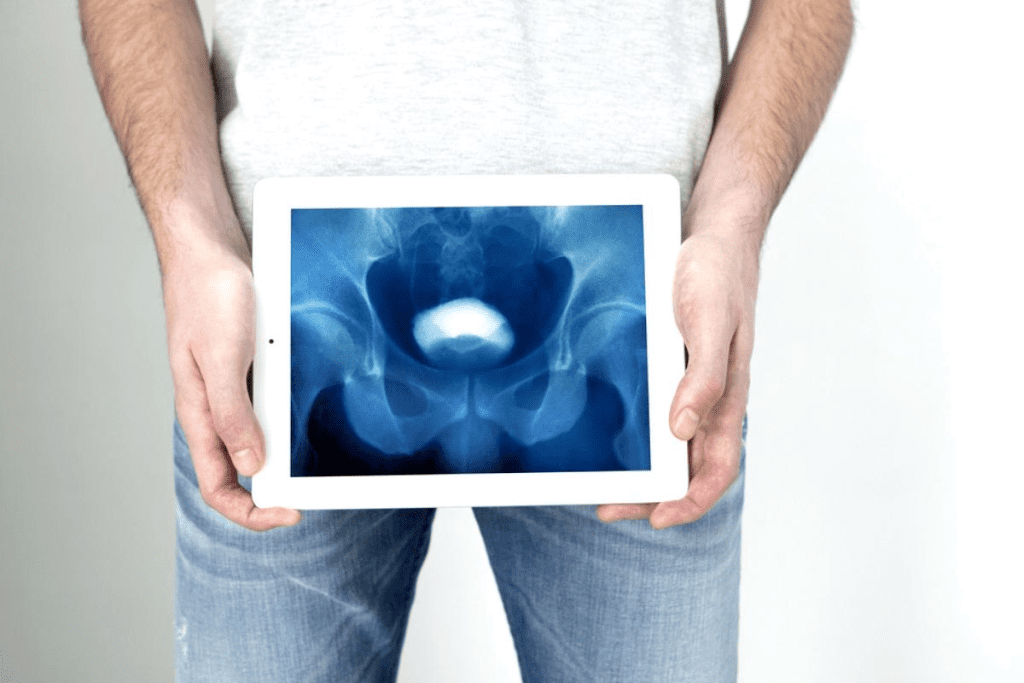
It’s key for men to know about the prostate gland’s role. This gland is a big part of the male body, playing a big role in prostate health.
Anatomy and Location of the Prostate
The prostate gland sits below the bladder and wraps around the urethra. The urethra is the tube that carries urine from the bladder to the penis. In a grown man, the prostate is about the size of a walnut.
Its anatomical position is important. It can affect how men urinate and their reproductive health.
Physiological Role in Male Reproductive Health
The prostate gland is key in male reproductive health. It makes fluids that are part of semen. This fluid helps sperm survive during ejaculation.
This is important for fertility. The prostatic fluid helps sperm stay healthy.
Common Prostate Conditions Requiring Screening
Men can face several prostate conditions, like prostate cancer, BPH, and prostatitis. Getting checked regularly is important. It helps find these issues early.
Prostate cancer is a big concern for men. Finding it early can greatly improve treatment chances.
BPH is another issue that affects many men as they get older. It makes the prostate gland grow, leading to urinary problems. Symptoms include trouble starting to urinate, weak urine flow, and needing to urinate often.
Why Regular Prostate Checks Are Essential
Prostate cancer is a big health problem in the U.S. Regular checks are key for men’s health. Knowing the facts about prostate cancer helps us stay safe.
Prostate Cancer Statistics in the United States
Prostate cancer is the second leading cause of death in men in the U.S. The American Cancer Society says there will be over 288,000 new cases in 2023. Sadly, about 34,000 men will die from it.
Key Statistics:
| Category | Statistic |
| New Cases (2023) | 288,000 |
| Deaths (2023) | 34,000 |
| Lifetime Risk | 1 in 8 men |
Risk Factors for Prostate Conditions
Several things can increase your chance of getting prostate problems, like cancer. These include:
- Age: Risk goes up after 50.
- Family History: Having a close relative with prostate cancer raises your risk.
- Ethnicity: African American men face a higher risk.
- Genetic Mutations: Some genetic changes, like BRCA1 and BRCA2, can up your risk.
Benefits of Early Detection
Finding prostate cancer early can greatly improve treatment success. Early detection means better chances of beating the cancer.
The benefits of early detection include:
- Higher chances of successful treatment.
- Lower risk of cancer spreading.
- Less invasive treatment options.
Regular prostate checks are vital for men’s health, as they get older. Knowing the risks and benefits of early detection helps men make smart health choices.
When to Get a Prostate Check
Deciding when to get a prostate check depends on age and risk factors. It’s important to understand these to make good choices for your prostate health.
Age-Based Recommendations for Screening
Most health groups say men should think about prostate checks at 50. But, if you have a family history of prostate cancer, you might need to start earlier.
- Men with average risk should start talking about prostate screening at age 50.
- Men at higher risk, like those with a family history, might need to start screening as early as age 40 or 45.
Risk-Based Screening Guidelines
Risk-based screening looks at personal factors that might raise your chance of getting prostate cancer. These include family history, ethnicity, and genetic markers.
Key risk factors to consider:
- Family history of prostate cancer, like in first-degree relatives.
- Ethnicity, as some groups are more likely to get prostate cancer.
- Genetic mutations, like BRCA1 and BRCA2.
Frequency of Prostate Examinations
How often you need a prostate check depends on your first screening results and risk factors. If your first screening is normal and you’re at low risk, you might only need a check every 2-4 years. But, if you’re at higher risk, you might need more frequent checks.
- If your initial PSA is low (less than 1 ng/mL), some guidelines suggest retesting every 2-4 years.
- For men with a PSA between 1 and 3 ng/mL, retesting annually is often recommended.
- Men with a higher PSA or other risk factors may need more frequent monitoring as advised by their healthcare provider.
The Digital Rectal Prostate Check Procedure
Prostate health checks often include a digital rectal examination (DRE). This quick and informative procedure is key to checking the prostate gland’s health.
What Happens During a DRE
A healthcare provider inserts a gloved, lubricated finger into the rectum during a DRE. This lets them feel the prostate gland. They check its size, shape, and texture.
The exam is done with the patient standing or lying on their side. It usually takes just a few minutes.
The DRE is a simple yet effective way to find prostate problems. It can spot issues like enlargement, tenderness, or irregularities. These could mean prostate cancer or other problems.
What Doctors Can Detect Through Physical Examination
Doctors can find many prostate issues through a DRE. These include:
- Enlargement or swelling of the prostate
- Tenderness or pain in the prostate area
- Irregularities or nodules on the prostate surface
- Asymmetry or hardening of the prostate gland
Finding these problems early is key for good treatment and management of prostate conditions.
Limitations of the Digital Rectal Exam
Though the DRE is very useful, it has its limits. It might miss problems deep in the prostate or those not near the rectum. The skill and experience of the healthcare provider also play a big role in how well the DRE works.
It’s often used with other tests, like the PSA blood test. This gives a better understanding of prostate health.
PSA Blood Test for Prostate Check
Men need to understand the PSA blood test for their prostate health. The Prostate-Specific Antigen (PSA) test screens for prostate cancer. It also checks on men who have had prostate cancer treatment.
Understanding PSA Levels and What They Mean
The PSA test checks the PSA protein in your blood. PSA is made by the prostate gland. Normal PSA levels are okay, but high levels might mean prostate problems, like cancer.
PSA levels are measured in nanograms per milliliter (ng/mL). Here’s what the levels mean:
- 0 to 4 ng/mL is normal
- 4 to 10 ng/mL might mean a higher risk of prostate cancer
- More than 10 ng/mL shows a big risk of prostate cancer
Many things can affect PSA levels. These include age, prostate size, and some medical procedures.
Free PSA vs. Total PSA Testing
The total PSA test looks at all PSA in your blood. The free PSA test only looks at the unbound PSA.
The free PSA to total PSA ratio helps tell if you have cancer or not. A higher ratio might mean it’s not cancer. A lower ratio could mean cancer.
| PSA Type | Description |
| Total PSA | Measures all PSA in the blood |
| Free PSA | Measures only unbound PSA |
Limitations and Controversies of PSA Testing
The PSA test is useful but not perfect. It can give false positives, causing worry and more tests. Also, some cancers might not raise PSA levels, leading to false negatives.
“The PSA test is not a cancer test; it’s a test for a protein that can be elevated in the presence of prostate cancer, among other conditions.”
” American Urological Association
There’s debate about PSA testing because it might lead to treating slow-growing cancers. These cancers might not cause symptoms or harm. So, it’s important to talk about the pros and cons with your doctor.
Prostate Check Preparation Tips
Knowing what to expect and how to prepare can make a big difference in your prostate check experience. Being ready helps lower anxiety and makes the exam smoother.
Before a Digital Rectal Examination
Before a digital rectal examination (DRE), it’s key to know what it is. Tell your doctor about any health issues, like hemorrhoids or anal fissures, that might impact the exam.
- Make sure you’re okay with the healthcare provider doing the exam.
- Talk about any worries or questions you have about the procedure.
Preparing for PSA Blood Testing
For a Prostate-Specific Antigen (PSA) blood test, it’s important to know what can affect your results. Some medicines and medical procedures can change PSA levels.
| Factor | Effect on PSA Levels |
| Recent Ejaculation | May temporarily increase PSA levels |
| Certain Medications (e.g., finasteride) | Can lower PSA levels |
| Prostate Infection or Inflammation | Can increase PSA levels |
Mental Preparation for Prostate Examinations
Mental prep is as important as physical prep. Knowing what the procedure is and why it’s important can ease your worries.
Take a few moments to breathe deeply and remember the exam is key to your health. Talking about your fears with your doctor can also help.
Being informed and ready can make the prostate check less scary and more useful. Remember, these exams are to keep your prostate healthy and catch any problems early.
Advanced Imaging Methods for Prostate Health Checks
Advanced imaging is changing how we check prostate health. These new tools give doctors more detailed views of the prostate. This helps them make better diagnoses.
MRI Prostate Check Procedure
The MRI prostate check is a non-invasive test. It uses magnetic fields and radio waves to show detailed images of the prostate. This method is great for finding prostate cancer and seeing how serious it is.
Key benefits of MRI for prostate checks include:
- High-resolution images of the prostate and surrounding tissues
- Ability to detect cancerous lesions and assess their aggressiveness
- Guiding biopsies and other treatments with precision
Transrectal Ultrasound (TRUS) Examination
Transrectal Ultrasound (TRUS) is another tool for prostate health checks. It uses an ultrasound probe in the rectum to see the prostate gland.
TRUS is commonly used for:
- Guiding prostate biopsies
- Assessing prostate size and shape
- Evaluating the prostate for abnormalities
New Imaging Technologies in Prostate Screening
New imaging technologies are coming to prostate screening. These include:
| Technology | Description | Potential Benefits |
| Contrast-Enhanced Ultrasound | Uses ultrasound with contrast agents to highlight prostate tissue | Improved detection of prostate cancer |
| Multiparametric MRI | Combines multiple MRI techniques for a full prostate check | Enhanced accuracy in detecting and staging prostate cancer |
| Photoacoustic Imaging | Uses light and sound to create detailed images of prostate tissue | Potential for early detection of prostate abnormalities |
These advanced imaging methods are greatly improving prostate health diagnosis. They offer hope for early detection and effective treatment.
Prostate Biopsy Check Procedure
A prostate biopsy is a key test to find cancer cells in the prostate gland. It takes a sample of prostate tissue for examination.
When a Biopsy Is Recommended
A biopsy is suggested when tests like a digital rectal exam (DRE) or prostate-specific antigen (PSA) test show issues. The choice to do a biopsy depends on these test results, the patient’s medical history, and other risk factors.
Key factors that may lead to a biopsy recommendation include:
- Abnormal DRE results
- Elevated PSA levels
- Family history of prostate cancer
- Previous biopsy results showing precancerous cells
Types of Prostate Biopsies
There are several prostate biopsy types, each with its own method and benefits.
- Transrectal Ultrasound-Guided Biopsy (TRUS): This common type uses ultrasound to guide the needle through the rectum into the prostate.
- Transperineal Biopsy: This method inserts the needle through the perineum, the area between the scrotum and anus.
- MR-Guided Biopsy: This technique uses MRI images to guide the needle, often for those with a high cancer suspicion.
What to Expect During and After a Biopsy
During a biopsy, local anesthesia is given to reduce pain. The procedure usually lasts about 30 minutes to an hour.
After the biopsy, some discomfort may occur, such as:
- Mild pain or discomfort in the rectum or perineum
- Blood in the semen, urine, or stool
- Infection (though rare)
Most men can go back to normal activities within a day or two. The biopsy results are usually ready in a few days to a week. Then, the healthcare provider will discuss the findings and suggest next steps.
Understanding Your Prostate Check Results
Your prostate check results are more than just numbers. They are a guide to your prostate health. It’s important to understand these results to know what to do next for your health.
Interpreting PSA Test Results
The Prostate-Specific Antigen (PSA) test checks the PSA level in your blood. A high PSA level can indicate prostate issues, like cancer or an enlarged prostate. But, a high PSA level doesn’t always mean cancer. It’s key to talk to your doctor about what your PSA level means.
PSA test results are measured in nanograms per milliliter (ng/mL). A level above 4 ng/mL is usually considered high. Your doctor will look at your age, medical history, and other factors to understand your PSA test results.
Understanding Biopsy Reports
If you’ve had a biopsy, your report will tell you about cancer cells. The report will include the Gleason score, which shows how much the cancer cells look like normal cells. A lower Gleason score means less aggressive cancer, while a higher score means more aggressive.
Talking to your healthcare provider is key to understanding your biopsy report. They can explain what your results mean and what to do next based on your diagnosis.
Next Steps Based on Different Results
The next steps after your prostate check results depend on your diagnosis. If you have cancer, your doctor might suggest more tests or talk about treatment options. For non-cancerous conditions, your doctor might recommend monitoring, medication, or other treatments.
It’s important to follow up with your healthcare provider to fully understand your results. Whether it’s ongoing monitoring, lifestyle changes, or medical treatment, taking proactive steps is key to keeping your prostate healthy.
Potential Discomfort and Side Effects of Prostate Checks
Knowing about the possible discomfort and side effects of prostate checks can help men get ready. These exams are usually safe but can sometimes cause issues.
Managing Discomfort During Examinations
To lessen discomfort during a digital rectal examination (DRE), try to relax. Deep breathing can help. It’s also important to talk to your doctor if you’re feeling a lot of pain.
Talking to your doctor before the exam can also help. Knowing what to expect can make you feel less anxious.
Possible Complications from Invasive Procedures
Invasive prostate procedures, like biopsies, can have risks. These include infection, bleeding, or urinary retention. While these risks are low, it’s good to know about them.
| Complication | Symptoms | Action |
| Infection | Fever, chills, pain | Seek medical attention |
| Bleeding | Blood in urine or semen | Contact your doctor |
| Urinary Retention | Inability to urinate | Seek immediate medical help |
When to Seek Medical Attention After a Procedure
After a prostate procedure, watch for any signs of trouble. If you have severe pain, heavy bleeding, or fever, get help right away.
Your doctor will tell you what to expect and when to get help. Following their advice can lower the chance of problems.
The Role of Urologists in Prostate Health Checks
Prostate health checks are key for men’s health. Urologists lead in this area. They focus on the urinary tract and male reproductive system. This makes them experts for prostate health.
Knowing when to see a urologist and what to expect is important. Primary care doctors can start screenings. But, urologists offer specialized care for accurate diagnosis and treatment.
When to See a Urologist vs. Primary Care Physician
Men should see a urologist if they have risk factors for prostate issues. This includes a family history of prostate cancer or abnormal screening test results. A urologist can do detailed evaluations and suggest treatments.
The table below shows the differences between primary care doctors and urologists for prostate health:
| Criteria | Primary Care Physician | Urologist |
| Specialization | General health care | Urinary tract and male reproductive system |
| Prostate Screening | Initial screenings (e.g., PSA test, DRE) | Detailed evaluations and diagnostic procedures |
| Treatment Planning | Referral to specialists if needed | Specialized treatment planning and management |
What to Expect at a Urologist Appointment
At a urologist appointment, patients get a thorough prostate health check. This includes a medical history, physical exam, and possibly tests like a PSA blood test or TRUS.
“A urologist is not just a doctor; they’re a guide through the complexities of male health issues, providing clarity and care that is tailored to each patient’s needs.” –
A men’s health advocate
To prepare for a urologist appointment, men should talk about their medical history. They should also ask about the diagnostic process and treatment options.
Understanding the role of urologists in prostate health checks is important. Knowing when to seek their help can help men stay healthy and address issues early.
New Advancements in Prostate Cancer Detection Checks
Genetic testing, biomarker analysis, and artificial intelligence are changing prostate cancer screening. These new tools make detection more accurate. They also help improve patient care and tailor treatments.
Genetic Testing for Prostate Cancer Risk
Genetic testing is key in finding out who might get prostate cancer. Tests like BRCA1 and BRCA2 show who’s at higher risk. This lets doctors catch cancer early and watch patients closely.
Genetic testing offers many benefits:
- It spots people at high risk
- It helps find cancer early
- It tells families about genetic risks
Biomarker Tests Beyond PSA
New biomarker tests are coming to help find prostate cancer better. These tests look at different signs of cancer. They give a clearer picture of the disease.
| Biomarker Test | Description | Benefits |
| 4Kscore Test | Looks at four biomarkers to guess cancer risk | It cuts down on unnecessary biopsies |
| Prostate Health Index (phi) | Uses three PSA tests to spot cancer better | It helps guess cancer risk more accurately |
Artificial Intelligence in Prostate Cancer Screening
Artificial Intelligence (AI) is making a big difference in finding prostate cancer. AI looks at lots of data, like images and biopsy results. It finds things doctors might miss, making diagnoses better and cutting down on mistakes.
AI is a big step in fighting prostate cancer. It uses genetic testing, biomarkers, and AI to give patients better care. Doctors can now offer more precise and personal treatment plans.
Overcoming Psychological Barriers to Prostate Checks
Many men find prostate checks daunting due to psychological factors. Anxiety and fear come from unknowns, dignity concerns, and health worries. These feelings can make the experience tough.
Addressing Common Fears and Misconceptions
First, we need to tackle the fears and myths about prostate checks. Some men worry about pain or embarrassment. But, most checks, like the digital rectal exam, are quick and not very painful.
Common misconceptions include:
- Thinking prostate checks are only for older men.
- Believing a check is a sure sign of prostate cancer.
- Feeling embarrassed to talk about prostate health with doctors.
Learning the truth can help. Knowing prostate issues can affect any age makes men of all ages more likely to check their health.
Communication Strategies with Healthcare Providers
Talking openly with doctors is key to overcoming fears. Men should share their worries and questions. Writing down things to ask before the visit helps make sure all concerns are covered.
“The key to overcoming fear is not to avoid it, but to face it head-on with knowledge and support.”
An Urologist
Strategies for effective communication include:
- Being open about fears and worries.
- Asking about the procedure and what to expect.
- Talking about results and what comes next.
Support Resources for Men Facing Prostate Examinations
Support can make a big difference. This includes groups, online forums, and materials from doctors.
Support resources can offer:
- Comfort from others who’ve been through it.
- The latest on research and treatments.
- Help on preparing for and dealing with the exam and results.
By facing fears, talking to doctors, and using support, men can get past the mental hurdles to prostate checks.
Conclusion: Taking Control of Your Prostate Health
Knowing how important prostate checks are is key to keeping your prostate healthy. Regular tests and making smart choices help men manage health issues like prostate cancer. This can even prevent them.
Being in charge of your prostate health means knowing about prostate checks. This includes digital exams and PSA blood tests. Understanding these helps men get ready for tests and make better health choices.
It’s also important to overcome any fears about prostate checks. By facing and clearing up myths, men can talk more openly about their health. This is essential for getting the right care.
In the end, being proactive and informed is what it’s all about. Regular tests and knowing about prostate health can greatly improve your well-being. It also lowers the chance of prostate problems.
FAQ
What is a prostate check, and why is it important?
A prostate check is a medical exam to check the prostate gland’s health. It helps find prostate cancer and other issues early, when they’re easier to treat.
How often should I get a prostate check?
How often you need a prostate check depends on your age, risk factors, and past test results. Men usually start talking about screening at 50. But, if you have risk factors, you might need to start earlier.
What happens during a digital rectal examination (DRE) for prostate check?
A DRE involves a healthcare provider putting a gloved, lubricated finger into the rectum. They feel the prostate gland for any lumps or irregularities.
What is a PSA blood test, and how is it used in prostate checks?
The PSA blood test measures PSA levels in the blood. High levels can mean prostate cancer, prostatitis, or BPH, among other issues.
How do I prepare for a prostate check?
To prepare, avoid certain meds before a PSA test. Have a bowel movement before a DRE. Also, be ready to talk about your health history and any worries.
What are the possible side effects of prostate checks?
Side effects might include discomfort during the exam, temporary urinary problems, or, with biopsies, infection or bleeding. Most side effects are short-term and can be managed.
When should I see a urologist for prostate health checks?
See a urologist if you have abnormal screening results, prostate symptoms, or are at high risk for prostate cancer. Urologists specialize in prostate issues.
What are the new advancements in prostate cancer detection?
New advancements include genetic testing for risk, biomarker tests for better diagnosis, and AI in analyzing results for more accurate detection.
How can I overcome psychological barriers to getting a prostate check?
To overcome barriers, understand the importance of prostate checks. Address fears and misconceptions. Improve communication with healthcare providers. Seek support from resources for men facing prostate exams.
What do the results of a prostate check mean?
Results can show if further testing is needed, if there’s cancer or other conditions, or if the prostate is healthy. It’s important to understand the results with a healthcare provider to decide what to do next.
Are there any new imaging technologies used in prostate health checks?
Yes, new imaging includes advanced MRI and TRUS. These provide detailed prostate images, helping in detecting and diagnosing conditions.
What is a prostate biopsy, and when is it recommended?
A prostate biopsy takes tissue samples for examination. It’s recommended when PSA levels or DRE findings suggest prostate cancer.
References
- National Institute of Diabetes and Digestive and Kidney Diseases. (2025). Prostate tests. https://www.niddk.nih.gov/health-information/diagnostic-tests/prostate
- Hillman Cancer Center. (n.d.). Digital Rectal Examination (DRE) for Prostate Cancer. https://hillman.upmc.com/cancer-care/prostate/screenings/digital-rectal-exam