Last Updated on November 27, 2025 by Bilal Hasdemir
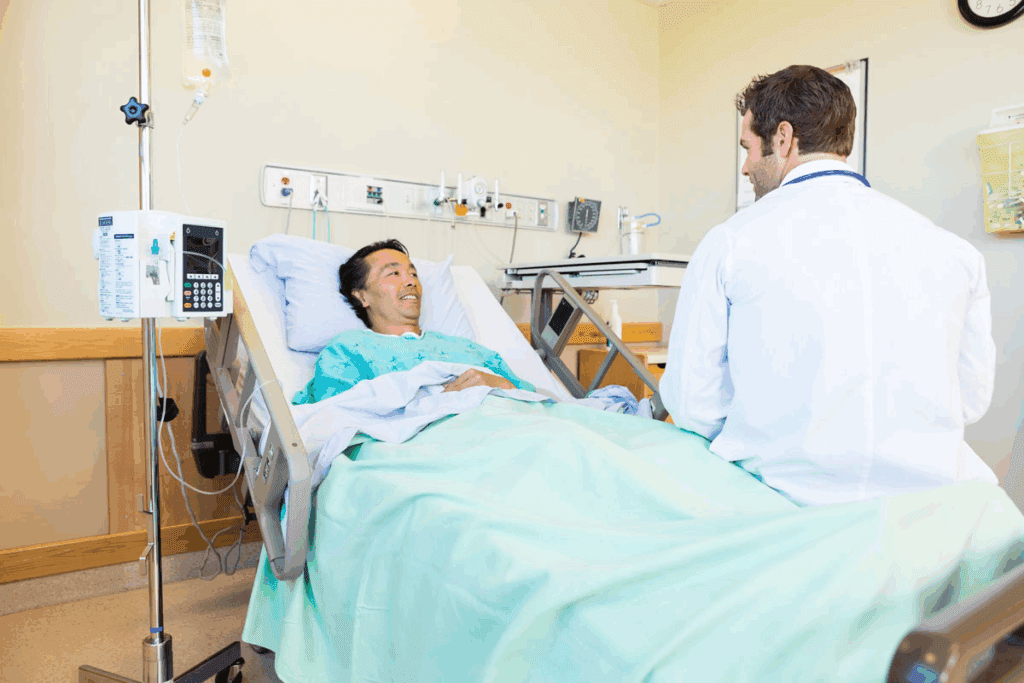
Recovery from prostate surgery plays a crucial role in your overall health journey. It needs careful attention to ensure a quick and easy recovery. A good recovery from prostate surgery helps patients get back to health and avoid complications.Discover ways to heal faster after prostate operation recovery, with step-by-step recovery tips, diet, and physical activity advice.
Getting ready before surgery and taking good care after it are key for a great prostate surgery recovery. This article will guide you through the recovery process. It covers everything from getting ready before surgery to reaching long-term goals, giving you tips for a quicker and healthier prostatectomy recovery.
Key Takeaways
- Understand the importance of pre-surgery preparation for a smooth recovery
- Learn post-operative care tips for optimal healing
- Discover long-term milestones to track progress after prostate surgery
- Explore ways to minimize possible complications during recovery
- Gain insights into achieving a faster and healthier recovery from prostate surgery
Understanding Different Types of Prostate Surgery
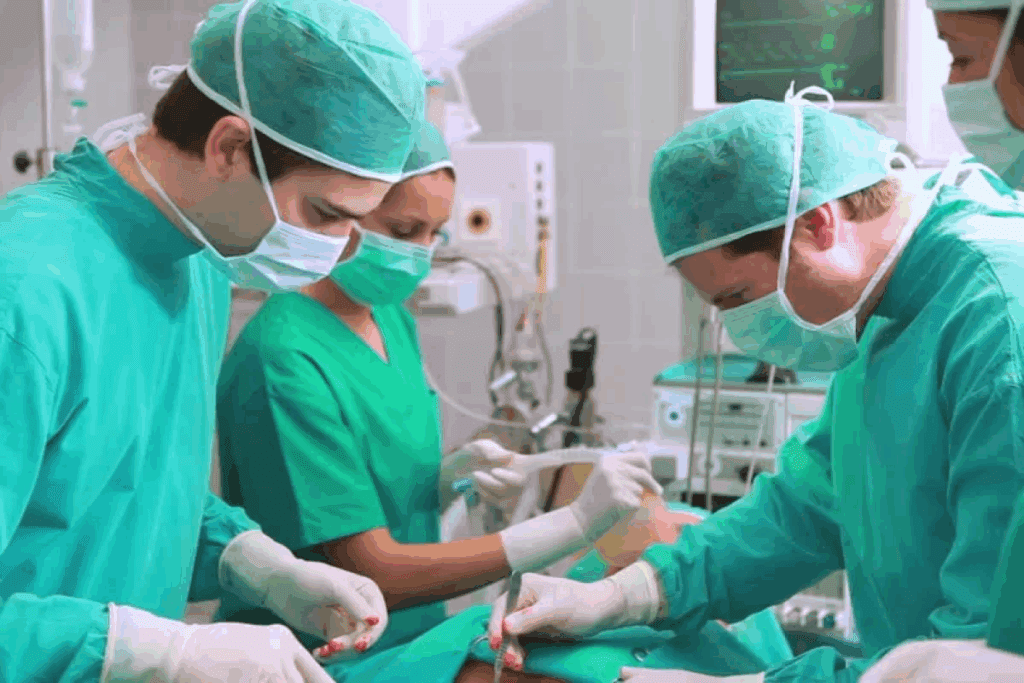
It’s important for patients to know about the different prostate surgeries. Each method has its own benefits and risks. Knowing this helps with planning for recovery.
Open Radical Prostatectomy
Open radical prostatectomy uses a big cut in the belly to take out the prostate. It’s often picked for its good results in removing cancer.
Laparoscopic Prostatectomy
Laparoscopic prostatectomy is a small cut surgery. It uses tiny openings for tools and a camera. This way, there’s less blood loss and a quicker recovery.
Robotic-Assisted Prostatectomy
Robotic-assisted prostatectomy is a high-tech laparoscopic surgery. It uses a robot to help the surgeon. This can lead to better results and a faster recovery.
TURP (Transurethral Resection of the Prostate)
TURP is for urinary problems caused by a big prostate. It removes tissue through the urethra without cuts. This means a shorter hospital stay.
| Surgery Type | Incision Method | Recovery Time |
| Open Radical Prostatectomy | Single large incision | Longer |
| Laparoscopic Prostatectomy | Multiple small incisions | Moderate |
| Robotic-Assisted Prostatectomy | Multiple small incisions | Shorter |
| TURP | No external incisions | Shorter |
Each prostate surgery has its own use, benefits, and risks. Knowing these differences helps patients make better choices for their care.
Preparing Your Body Before Surgery for Faster Recovery

Before prostate surgery, getting your body ready can make a big difference. A good plan includes exercise, eating right, and getting mentally ready. These steps help you recover faster and easier.
Pre-Surgery Exercise Regimen
Starting an exercise routine before surgery can make you stronger. Try pelvic floor exercises, walking, and light cardio. These activities help your muscles and health. Always talk to your doctor to make sure the exercises are right for you.
Nutritional Preparation
Eating well is key for a good recovery. Eat protein-rich foods like lean meats and fish to help your body heal. Also, eat lots of fruits and veggies for vitamins and minerals. Don’t forget to drink plenty of water.
| Nutrient | Food Sources | Benefits |
| Protein | Lean meats, fish, eggs, dairy | Tissue repair and healing |
| Vitamin C | Citrus fruits, berries, leafy greens | Boosts immune system |
| Omega-3 Fatty Acids | Salmon, walnuts, chia seeds | Reduces inflammation |
Mental Preparation and Stress Reduction
Getting your mind ready is just as important as your body. Try meditation, deep breathing, and yoga to lower stress. Having a strong support network of family and friends can also help.
By working on these areas, you can make your recovery smoother and get back to your life sooner.
Immediate Post-Surgery Care in the Hospital
Hospital care after prostate surgery is key for managing pain and preventing issues. It helps patients recover quickly. Knowing what to expect is important for a smooth healing process.
Pain Management Strategies
Pain management is a top priority after prostate surgery. Hospitals use a mix of medicines and methods to reduce pain. Patients often get a patient-controlled analgesia (PCA) pump to manage their pain.
Techniques like epidural anesthesia or regional blocks can also help. It’s vital for patients to tell their healthcare team about their pain. This way, the treatment can be adjusted to better help them.
Catheter Care and Management
A urinary catheter is often used after prostate surgery. It helps drain urine from the bladder. Proper catheter care is key to avoid infections and ensure it works right.
Healthcare staff will teach patients how to care for their catheter. They also watch for any signs of infection.
Early Mobility Techniques
Early mobility is encouraged to prevent blood clots and improve circulation. Simple actions like leg exercises and turning in bed help a lot. Healthcare professionals will help patients do these safely.
Understanding the value of early mobility and doing these exercises can help patients recover faster and better.
The First Week of Prostate Operation Recovery
Recovery from prostate surgery plays a crucial role in your overall health journey.
Setting Up Your Home Recovery Environment
Having a comfy and safe home is key for getting better. Make a recovery spot with water, meds, and a phone nearby. Try not to move around too much by cooking meals ahead and getting help with chores.
Make sure your home has good air flow and a comfy temperature. Clear up tripping spots by tidying up and securing rugs. Having a recliner or comfy bed for resting is a good idea.
Managing Wound Care Effectively
Good wound care is important to avoid infection and help healing. Follow your doctor’s advice on wound care. This might include keeping it dry, changing dressings, and watching for infection signs.
| Wound Care Activity | Frequency | Notes |
| Dressing Change | Daily | Use sterile gloves and follow doctor’s instructions |
| Wound Inspection | Twice Daily | Look for signs of infection, such as redness or swelling |
Balancing Rest and Gentle Movement
It’s important to rest and also move gently in the first week. Resting is good for healing, but moving helps avoid blood clots.
Start with short walks around the house and slowly increase the distance as you get stronger. Stay away from hard work, heavy lifting, and bending.
- Rest when needed
- Gradually increase activity level
- Avoid strenuous activities
By making your recovery area ready, taking care of your wound, and balancing rest with gentle movement, you can improve your recovery after prostate surgery.
Accelerating Urinary Function Recovery
Improving urinary function after prostate surgery is key to a better life. Being able to control urination boosts a patient’s well-being and confidence. This is important during the recovery time.
Effective Pelvic Floor Exercises
Pelvic floor exercises, or Kegel exercises, are vital for urinary control. To do Kegel exercises right, follow these steps:
- Find the right muscles by stopping urine flow midstream.
- Hold these muscles for 5-10 seconds.
- Then, release for the same time.
- Do this 10-15 times, three times a day.
Bladder Training Techniques
Bladder training helps improve urinary function too. It involves slowly increasing the time between bathroom visits. Here’s how to do it:
- Keep a bladder diary to track when you pee.
- Slowly increase the time between bathroom trips.
- Use relaxation techniques to handle urgency.
Products and Devices That Help
There are many products and devices that help with urinary recovery. These include:
| Product/Device | Description | Benefit |
| Pelvic Floor Stimulators | Devices that stimulate pelvic floor muscles. | Strengthens muscles, improving continence. |
| Urinary Incontinence Clamps | Devices that compress the urethra. | Helps manage incontinence. |
| Absorbent Products | Products like pads and diapers. | Manages leakage, enhances comfort. |
Using these techniques and products can greatly speed up urinary recovery. This leads to a better life after surgery.
Optimal Nutrition to Speed Up Healing
Good nutrition is key to quick healing and avoiding problems after prostate surgery. A balanced diet gives your body the nutrients it needs to recover and get strong again.
Protein-Rich Foods for Tissue Repair
Eating protein-rich foods is important for fixing and growing new tissue. Foods like lean meats, fish, eggs, dairy, and legumes are full of protein. Adding these to your meals helps your body heal faster.
- Lean meats: chicken, turkey
- Fish: salmon, tuna
- Eggs and dairy products
- Legumes: beans, lentils
Anti-Inflammatory Foods and Supplements
Eating anti-inflammatory foods can lessen swelling and aid in healing. Berries, citrus fruits, leafy greens, tomatoes, and omega-3 fatty acids are good choices. Turmeric, ginger, and green tea also help.
“A diet rich in fruits, vegetables, and omega-3 fatty acids can significantly reduce inflammation and support the healing process.”
Nutrition and Recovery Study
Hydration Strategies for Recovery
Drinking enough water is vital for recovery. It helps remove toxins, keeps your body working right, and aids in tissue healing. Try to drink at least eight glasses of water a day. More is needed if you’re active or live in a warm place.
By eating right, focusing on nutrition for recovery, and staying hydrated, you can help your body heal faster after prostate surgery.
Physical Activity Guidelines to Enhance Recovery
Starting with gentle movements can really help after prostate surgery. It’s key to mix rest with some activity. This helps your body heal without too much stress.
Safe Exercises in the First Month
In the first month, choose low-intensity exercises carefully. Pelvic floor exercises, like Kegels, are good for the muscles around the prostate. Also, short walks help keep blood flowing and prevent clots.
Progressive Activity Schedule
As you get better, slowly add more activity. Begin with short, easy exercises and then do more. A progressive activity schedule helps you build strength and feel better overall.
Movements and Activities to Avoid
Stay away from heavy lifting, bending, and hard exercises in the early days. These can harm the surgery site. Also, avoid things that might make you fall or hit the surgery area.
Advanced Pain Management Techniques
Advanced pain management is key to lessening discomfort and speeding up healing after prostate surgery. Good pain control makes patients more comfortable and helps them recover faster.
Medication Timing and Effectiveness
When and how much pain medication you take is very important. It’s better to stick to a set schedule than to take it only when you need it. Always talk to your doctor about any worries or side effects to make changes if needed.
Non-Pharmaceutical Approaches
There are also non-medication ways to manage pain. Physical therapy, acupuncture, and relaxation techniques like deep breathing or meditation can help. These methods can lessen pain and boost your overall health.
When to Adjust Your Pain Control Plan
Keep an eye on your pain and change your plan if needed. If your pain doesn’t go away or gets worse, talk to your doctor to see if you need a different treatment. Keeping a pain diary can help you track your pain and find patterns.
Restoring Sexual Function After Prostatectomy
Many patients worry about their sexual health after prostate surgery. The surgery can affect sexual function because of nerves and blood vessels near the prostate. It’s important for patients to know their options to make informed choices about their recovery.
Timeline and Expectations
Recovering sexual function takes time, and it varies for everyone. It can take months to years for things to get better. Early intervention and a patient-centered approach can help a lot. Talking to your doctor about your hopes and worries is key to setting realistic goals.
Medical Interventions and Treatments
There are many ways to treat erectile dysfunction after prostate surgery. Options include pills, vacuum devices, and implants. Phosphodiesterase type 5 inhibitors (PDE5 inhibitors) are often used. The right treatment depends on your health, how much nerve damage there was, and what you prefer.
Exercises and Techniques for Improvement
Pelvic floor exercises, or Kegels, can help by making the muscles around the penis stronger. Penile rehabilitation techniques may also be suggested. It’s important to do these exercises with a doctor’s guidance to do them right and safely.
Improving sexual function after prostate surgery takes time and a team effort. By using medical treatments and exercises, patients can work towards regaining their sexual health.
Mental Health Strategies During Recovery
Good mental health is key during prostate surgery recovery. The recovery can be tough, both in body and mind. So, it’s important to use mental health strategies to heal better.
Managing Anxiety and Depression
After prostate surgery, many feel anxious or depressed. Getting professional help is a big step. Cognitive-behavioral therapy (CBT) and sometimes medication can help.
Also, staying close to loved ones is important. Doing things that make you happy and relaxed can help with anxiety and depression.
Support Groups and Resources
Being part of a support group can feel like finding a community. Many men find it helpful to share and hear others’ stories. Online forums and local groups are great places to start.
| Resource Type | Description | Benefits |
| Online Support Groups | Virtual communities where individuals share their experiences and offer support. | Convenient, accessible from anywhere, diverse perspectives. |
| Local Support Groups | In-person meetings where individuals can share and receive support. | Face-to-face interaction, local resources, immediate support. |
| Counseling Services | Professional counseling to address mental health concerns. | Personalized support, expert guidance, tailored strategies. |
Mindfulness and Stress Reduction Techniques
Mindfulness can reduce stress and improve mental health. Meditation, deep breathing, and yoga are good practices. They help you stay in the moment and manage stress.
Using these mental health strategies can help you face recovery challenges better. This leads to a more complete healing.
Preventing Complications That Delay Healing
A successful recovery from prostate surgery depends on avoiding complications. Issues like infections, blood clots, and constipation can slow down healing.
Infection Prevention Protocols
Stopping infections is key after surgery. Following the doctor’s instructions on wound care is vital. This means keeping the area clean and watching for signs of infection like redness or fever.
- Take prescribed antibiotics as directed
- Monitor the surgical site for signs of infection
- Maintain good hygiene practices
Blood Clot Prevention Strategies
Blood clots are a risk after surgery, often in the legs. Early mobility helps prevent this. Simple moves like ankle rotations can boost blood flow.
- Engage in gentle exercises as advised by your healthcare provider
- Use compression stockings if recommended
- Stay hydrated to maintain blood flow
Managing Constipation Effectively
Constipation is common after prostate surgery, often from pain meds. To manage it, change your diet and drink more water. Foods high in fiber can also help.
- Eat a high-fiber diet
- Drink plenty of water
- Consider a stool softener if recommended by your doctor
By following these steps, patients can lower the risk of complications. This makes their recovery faster and easier.
Optimizing Follow-up Care
Getting the right follow-up care is vital for a quick and smooth recovery after prostate surgery. Regular visits to your healthcare provider help track your progress. They also address any issues or complications that might come up.
Questions to Ask at Each Appointment
Make sure to prepare for your follow-up appointments with a list of questions. Ask about your current recovery, any symptoms, and what’s next. Writing down your questions and concerns helps you remember to discuss them with your healthcare provider.
Tracking Your Recovery Progress
Keeping a recovery journal is a great way to track your progress. Record any changes in symptoms, pain levels, and challenges. This info is very useful during your follow-up appointments.
When to Request Additional Support
If you notice unusual symptoms or if your recovery isn’t going as planned, ask for more help. Your healthcare provider is there to help you navigate any challenges during your recovery.
One patient shared, “Follow-up care was key to my recovery. It gave me peace of mind knowing I had a team supporting me every step of the way.”
Strategic Return to Work and Daily Activities
Going back to work and daily life after prostate surgery needs a careful plan. This helps you get stronger and lowers the chance of problems. It’s all about taking it slow and steady.
Phased Return to Work Plan
A step-by-step plan for returning to work is key. It includes:
- Talking to your doctor about when you can go back
- Starting with part-time or fewer hours
- Slowly adding more hours and tasks
- Focus on important tasks and take breaks often
Adapting Household Activities
Changing how you do household chores is important. It helps you avoid pushing yourself too hard. Here are some tips:
- Stay away from heavy lifting and bending
- Ask family or friends to help out
- Use tools that make reaching or carrying easier
- Start doing simple tasks like cooking and cleaning again
Safe Driving and Travel Guidelines
Driving and traveling safely are big concerns during recovery. Here’s what to keep in mind:
- Get your doctor’s okay before driving again
- Begin with short drives and then go longer
- Avoid long trips or anything that makes you strain
- Make sure to stretch and move around during travel
Alternative and Complementary Approaches to Healing
Alternative and complementary therapies offer a holistic approach to recovery. They support both physical and emotional healing after prostate surgery. These therapies can be used alongside conventional treatments to enhance the overall recovery experience.
Evidence-Based Complementary Therapies
Several complementary therapies have shown promise in supporting prostate surgery recovery. Mindfulness and meditation can help reduce stress and anxiety. Yoga can improve flexibility and balance. These therapies can be tailored to individual needs and abilities.
Acupuncture and Massage Benefits
Acupuncture has been shown to help manage pain and improve urinary function in some prostate surgery patients. Massage therapy can reduce muscle tension and promote relaxation. Both therapies can be valuable additions to a recovery plan.
Supplements with Proven Recovery Benefits
Certain supplements may support recovery after prostate surgery. Omega-3 fatty acids have anti-inflammatory properties. Probiotics can aid in maintaining gut health. It’s essential to consult with a healthcare provider before adding any supplements to your recovery regimen.
By incorporating these alternative and complementary approaches, patients can take a proactive role in their recovery. This can potentially improve their overall outcome.
Long-term Recovery Milestones and Expectations
Knowing the long-term recovery milestones after prostate surgery is key for patients. It helps them see how well they’re healing. Recovery is a slow process that includes physical healing, getting back to normal with urination and sex, and adjusting to lifestyle changes.
It’s important for patients to know what to expect at each stage of recovery. Here are some general milestones that most patients can look forward to.
Three-Month Recovery Benchmarks
By three months after surgery, most patients have made a lot of progress. They can expect:
- Less pain and discomfort
- Being able to move around more easily and do daily tasks
- Improvements in controlling their urine
- Some improvements in sexual function, but it varies
Six-Month Progress Indicators
By six months, patients usually see more improvements. They can expect:
| Recovery Aspect | Expected Progress |
| Urinary Continence | Most patients see big improvements, with many regaining full control |
| Sexual Function | More improvement, with some experiencing a big recovery of erectile function |
| Physical Activity | Patients can usually do most physical activities, including exercise and heavy lifting |
One Year and Beyond: The New Normal
By one year after surgery, most patients have found a new normal. They have adapted to any permanent changes from the surgery. At this point:
- Urinary function is usually fully recovered or as good as it will get
- Sexual function may keep improving, but it varies
- Patients are usually back to their pre-surgery level of physical activity
Conclusion: Keys to Successful Prostate Surgery Recovery
Recovery from prostate surgery plays a crucial role in your overall health journey.
Using tips like managing pain, doing pelvic floor exercises, and eating right can help a lot. It’s also key to listen to your doctor about follow-up care and keep track of how you’re doing.
By using these strategies, you can make your recovery from prostate surgery better. A good recovery plan helps you get stronger, avoid problems, and feel better overall.
FAQ
What is the typical recovery time for prostate surgery?
Recovery times for prostate surgery vary. It depends on the surgery type and individual factors. Most men recover in several weeks to a few months.
How long does it take to recover from a prostatectomy?
Recovery from a prostatectomy takes weeks to months. Most men see big improvements in 6-12 months.
What are the common complications after prostate surgery?
Common issues include urinary incontinence, erectile dysfunction, and infection. These can be managed with care and treatment.
How can I manage pain after prostate surgery?
Manage pain with medication and non-pharmaceutical methods. Try relaxation techniques and acupuncture.
When can I resume normal activities after prostate surgery?
Normal activity resumption varies by individual and surgery type. Most men return to normal in weeks to months.
How can I accelerate urinary function recovery after prostate surgery?
Use pelvic floor exercises, bladder training, and specific products to speed up urinary recovery.
What nutritional strategies can aid in recovery after prostate surgery?
Eat protein-rich foods, anti-inflammatory foods, and stay hydrated. These help with healing and strength gain.
Can I drive after prostate surgery?
Avoid driving until a healthcare provider clears you. Your reaction time and comfort may be affected.
How long does it take to restore sexual function after prostatectomy?
Sexual function restoration takes months to years after prostatectomy. It may involve medical treatments and exercises.
What are the benefits of robotic prostate surgery?
Robotic surgery has less blood loss, pain, and quicker recovery than traditional surgery.
How can I prevent complications after prostate surgery?
Follow post-operative instructions, manage pain well, and attend follow-up appointments to prevent complications.
What are the long-term effects of prostate removal?
Long-term effects include urinary incontinence, erectile dysfunction, and urinary function changes. These can be managed with care and treatment.
Can a person live without a prostate?
Yes, living without a prostate is possible. It may require lifestyle adjustments and managing side effects.
Reference
- Ko, S., et al. (2018). Functional recovery after radical prostatectomy for prostate cancer: Importance of neurovascular bundle preservation and rehabilitative Kegel exercises. International Journal of Urology, [PMC6784702]. https://pmc.ncbi.nlm.nih.gov/articles/PMC6784702/