Last Updated on November 27, 2025 by Bilal Hasdemir
Prostate removal is a big surgery, and patients will feel some pain after it. The pain from prostate surgery worries many who are going through it. Understand prostate surgery pain causes, what causes pain, and what doctors recommend to minimize discomfort.
It’s important to know why there’s pain after prostatectomy. The surgery removes part or all of the prostate gland. This can cause different kinds of pain.
Key Takeaways
- Pain after prostate surgery is a common experience for patients.
- The causes of pain can vary, including the type of surgery and individual patient factors.
- Managing pain effectively is key for a smooth recovery.
- Understanding the reasons behind pain can help patients prepare for the recovery process.
- Various strategies can be used to manage pain after prostate surgery.
Understanding Prostate Surgery: Types and Procedures
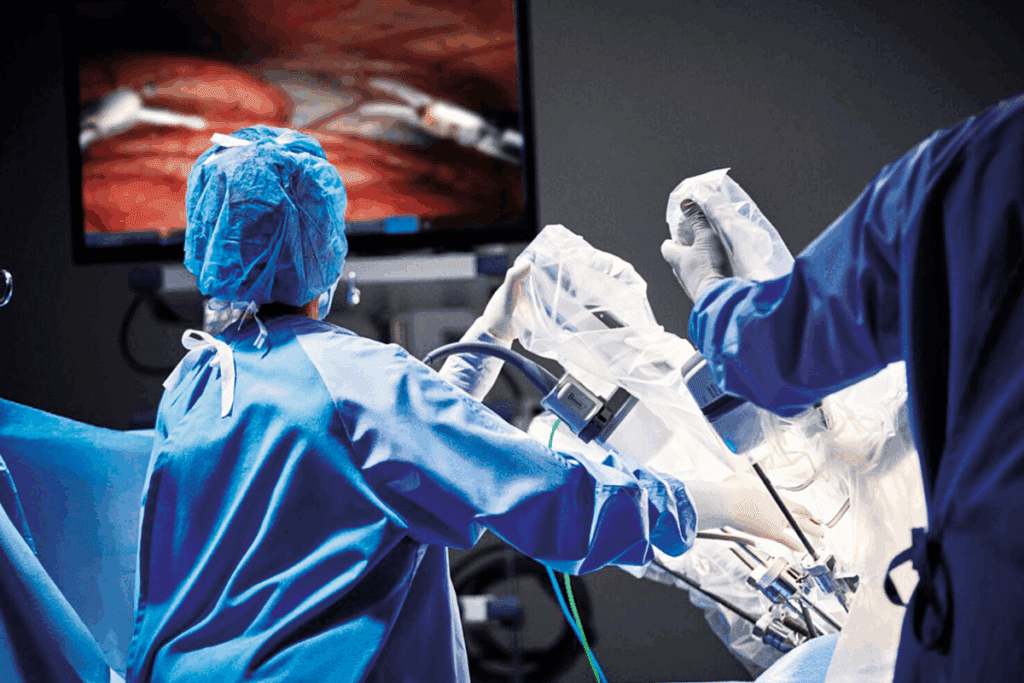
It’s important for patients to know about the different prostate surgery types. This knowledge helps them make better choices about their treatment. Each surgery has its own way of dealing with post-operative pain.
Radical Prostatectomy
Radical prostatectomy removes the whole prostate gland and some nearby tissue. It’s mainly for treating prostate cancer. The surgery can be done in several ways, like open, laparoscopic, or robotic-assisted.
Transurethral Resection of the Prostate (TURP)
TURP removes the inside part of the prostate gland. It’s used for benign prostatic hyperplasia (BPH), when the prostate is too big. TURP is a less invasive surgery.
Robotic-Assisted Laparoscopic Prostatectomy
This surgery uses robotic arms to help the surgeon. It’s a minimally invasive method. It offers better precision and can lead to less blood loss and faster recovery.
Open Prostatectomy
Open prostatectomy uses a bigger incision to reach the prostate. It’s needed for complex cases or when other methods won’t work. This surgery takes longer to recover from than the less invasive ones.
The appropriate surgery depends on the patient’s health status, the stage of the disease, and the skills of the surgical team. Each surgery has its own benefits and risks. It’s vital to talk about these with a healthcare provider.
Key Considerations:
- The type of prostate surgery can impact recovery time and post-operative pain.
- Minimally invasive procedures like TURP and robotic-assisted laparoscopic prostatectomy may offer quicker recovery.
- Radical prostatectomy and open prostatectomy are more invasive and may have longer recovery periods.
The Anatomy Behind the Pain: Why Prostate Surgery is Painful
Understanding the anatomy of prostate surgery helps us see why it can hurt. The prostate gland is surrounded by nerves, muscles, and blood vessels. These are key for our urinary and sexual health.
Proximity to Sensitive Nerves
The prostate gland is close to nerves that control important functions. For example, nerves near the prostate control erections. Damage to these nerves can cause pain and make it hard to get an erection.
Because of this, nerve damage is a big worry during surgery. Surgeons work hard to avoid hurting these nerves. But sometimes, damage can happen, leading to pain after surgery.
Pelvic Floor Muscle Disruption
The pelvic floor muscles are also at risk during prostate surgery. When these muscles get hurt, it can cause pain, mainly when you pee or poop.
- Pelvic floor muscle disruption can cause chronic pain
- Muscle weakness can lead to urinary incontinence
- Physical therapy is often necessary to restore muscle function
Urethral and Bladder Involvement
The urethra and bladder are close to the prostate gland. Surgery in this area can irritate them, causing pain. The urethra can get inflamed or irritated, making it uncomfortable.
After surgery, bladder spasms are common. These spasms can cause pain and make you feel like you need to pee all the time. Medication can help manage these spasms, but they add to the discomfort.
Blood Supply and Inflammation
The prostate gland has a lot of blood vessels. Surgery can cause bleeding and inflammation. This inflammation can make the pelvic area hurt, swell, and feel uncomfortable.
Having enough blood supply is important for healing. But too much bleeding can cause problems and make recovery take longer. It’s key to manage inflammation and help the body heal after surgery.
Common Types of Pain Experienced After Prostate Surgery
It’s important to know about the pain types after prostate surgery for better pain control. Patients face various pains, each linked to different surgery aspects.
Incisional Pain
Incisional pain comes from the cuts made during surgery. The pain level can change based on the surgery method, like open or robotic-assisted laparoscopic prostatectomy.
Bladder Spasms
Bladder spasms happen when the bladder gets irritated during surgery or with a catheter. These spasms can be painful and are common during recovery.
Catheter-Related Discomfort
Discomfort from the catheter is common. The catheter can irritate the urethra and bladder. This discomfort usually goes away when the catheter is removed.
Nerve Pain and Referred Pain
Nerve pain and referred pain can occur from nerve damage or irritation during surgery. Nerve pain feels sharp or dull. Referred pain is felt in a different spot than where it’s coming from.
| Type of Pain | Cause | Characteristics |
| Incisional Pain | Surgical cuts | Varies with surgical technique |
| Bladder Spasms | Bladder irritation or catheter | Uncomfortable, spasmodic |
| Catheter-Related Discomfort | Catheter irritation | Temporary, resolves with catheter removal |
| Nerve Pain and Referred Pain | Nerve damage or irritation | Sharp pains or dull ache, perceived in different locations |
Knowing the different pains is key for healthcare providers to manage pain well. Understanding each pain’s cause and characteristics helps patients through their recovery.
Factors That Influence Pain Intensity in Prostate Surgery
Pain after prostate surgery can vary based on several factors. Knowing these can help both patients and doctors manage pain better.
Surgical Technique Used
The surgical technique used greatly affects pain levels after prostate surgery. Techniques like open, robotic, or laparoscopic surgery cause different amounts of tissue damage. This damage can change how much pain a person feels.
Robot-assisted laparoscopic prostatectomy often causes less damage than traditional open surgery. This can lead to less pain for the patient.
Patient Age and Health Status
Patient age and health status are also key in determining pain levels after surgery. Older patients or those with health issues may feel pain differently. This is because they might have less physical strength or other health problems.
The appropriate surgery depends on the patient’s health status, the stage of the disease, and the skills of the surgical team.
The extent of the surgery also matters. If lymph nodes are removed, for example, pain can be more intense. This is because more extensive surgeries damage more tissue and can harm nerves.
Pre-existing Conditions
Pre-existing conditions like chronic pain or diabetes can also affect pain after surgery. People with these conditions might need special pain management plans. This helps them deal with their pain more effectively.
The Timeline of Pain: What to Expect During Recovery
Knowing what to expect with pain after prostate surgery is key. The pain pattern follows a general timeline. It can be divided into several stages.
Immediate Post-Operative Period (1-3 Days)
Right after surgery, patients feel a lot of pain. This is because of the surgery itself. Doctors use IV pain meds to help manage this.
Most patients start moving around the same day. They usually go home the next day.
Early Recovery (1-2 Weeks)
In the early stages, pain is less but can be uncomfortable. It’s important to take it easy and avoid hard activities.
Mid-Term Recovery (2-6 Weeks)
By the mid-term stage, most feel much better. Some might have occasional pain. But, they can start doing more normal things.
Long-Term Recovery (6 Weeks and Beyond)
After six weeks, most are back to normal. Some might feel pain or discomfort now and then. It’s important to keep following doctor’s advice for a smooth recovery.
Understanding the pain timeline helps manage recovery better. Good pain management is essential for a smooth recovery.
Pain Management Strategies After Prostate Surgery
Managing pain after prostate surgery is a complex task. It involves different strategies to ensure a smooth recovery. Effective pain management helps patients get back to their normal activities quickly.
Medication Options
The appropriate surgery depends on the patient’s health status, the stage of the disease, and the skills of the surgical team.
| Medication Type | Use | Common Side Effects |
| Opioids | Severe pain | Nausea, constipation |
| Non-opioid analgesics | Mild to moderate pain | Gastrointestinal issues |
Physical Therapy Approaches
Physical therapy is vital for pain management after prostate surgery. Pelvic floor physical therapy strengthens muscles around the prostate area. This can reduce pain and improve function.
Alternative Pain Relief Methods
Some patients find relief in alternative methods like acupuncture and mindfulness techniques. These methods can help manage pain and improve well-being.
- Acupuncture: Involves inserting thin needles into specific points on the body to stimulate healing and pain relief.
- Mindfulness techniques: Include practices like meditation and deep breathing to help manage pain and reduce stress.
Psychological Support for Pain Management
Psychological support is essential for effective pain management. Counseling and support groups help patients deal with the emotional aspects of pain and recovery.
“Psychological support is an integral part of cancer care and recovery, including pain management after prostate surgery.”
Why is Prostate Surgery So Painful? The Scientific Explanation
Prostate surgery pain comes from how our body reacts to surgery. Like any surgery, it sets off a complex response. This can cause pain, swelling, and discomfort.
Inflammatory Response
Surgery hurts the tissues, starting an inflammatory response. This is the body’s healing process. But it also brings pain, swelling, and discomfort. This response is key to understanding prostate surgery pain.
Nerve Damage and Regeneration
Nerve damage during surgery adds to the pain. Nerves near the prostate can get hurt. This causes immediate pain and can lead to long-term issues as nerves heal. Healing nerves can be painful and may take months.
Tissue Trauma and Healing Process
The more tissue damage during surgery, the more pain. More extensive surgeries cause more damage, leading to more pain. The healing process is also uncomfortable as the body fixes the damaged tissues.
Individual Pain Perception Factors
Individual pain perception greatly affects how we feel pain after surgery. Our genes, mental state, and health can change how we feel pain. Knowing these factors helps manage pain better.
| Factor | Description | Impact on Pain |
| Inflammatory Response | Body’s natural response to surgical trauma | Increased pain and swelling |
| Nerve Damage | Injury to nerves during surgery | Immediate and potentially long-term pain |
| Tissue Trauma | Extent of tissue damage during surgery | Directly correlates with pain level |
| Individual Pain Perception | Genetic, psychological, and health factors | Influences pain threshold and tolerance |
Knowing why prostate surgery is painful helps in managing pain better. By understanding the causes, doctors can give better care to patients.
Comparing Pain Levels: Open vs. Robotic Prostate Surgery
When thinking about prostate surgery, it’s key to know the pain differences between open and robotic methods. The choice between these methods can greatly affect how a patient feels during recovery.
Incision Size and Related Pain
Open and robotic prostate surgeries differ mainly in incision size. Robotic surgery uses small incisions, about 1-2 cm, while open surgery needs a bigger cut, 10-20 cm. The smaller cuts in robotic surgery usually mean less tissue trauma and possibly less pain.
Recovery Time Differences
Recovery times also vary between open and robotic surgeries. People who have robotic surgery often recover faster than those with open surgery. This is because robotic surgery is less invasive, causing less body trauma.
Patient-Reported Pain Experiences
Studies show robotic prostate surgery patients usually feel less pain than those with open surgery. This is because robotic surgery has smaller cuts and less tissue damage.
Research Findings on Pain Comparison
In summary, both open and robotic prostate surgeries are used to treat prostate issues. But, robotic surgery often leads to less pain and quicker recovery due to its smaller incisions and less invasive nature.
Patient Experiences: Real Stories of Prostate Surgery Pain
The appropriate surgery depends on the patient’s health status, the stage of the disease, and the skills of the surgical team.
Varied Pain Experiences
People who have had prostate surgery feel pain in many ways. Some feel little pain, while others feel a lot.
A study showed that pain levels can vary a lot even if surgeries are the same.
Coping Strategies from Patients
Managing pain after prostate surgery takes many steps. This includes pain relief, changing how you live, and getting support.
- Effective pain management through medication
- Lifestyle changes, such as dietary adjustments and gentle exercise
- Psychological support from family, friends, and support groups
Unexpected Pain Challenges
Some people face surprises in their pain after surgery. This shows how important it is to have care that fits each person.
For example, some might face unforeseen complications or have pain that’s different from others.
Success Stories in Pain Management
Many patients have managed their pain well after prostate surgery. Their stories give hope and useful tips to others going through the same thing.
| Patient Group | Common Pain Management Strategies | Success Rate |
| Minimally Invasive Surgery | Medication, Physical Therapy | 85% |
| Open Prostatectomy | Medication, Lifestyle Adjustments | 75% |
| Robotic-Assisted Surgery | Combination Therapy | 90% |
These stories show that a mix of medical help, lifestyle changes, and support is key to managing pain.
Preparing for Surgery: Steps to Minimize Post-Operative Pain
Getting ready for prostate surgery is key to less pain after and a smooth recovery. By taking steps before surgery, patients can improve their recovery and lower the chance of problems.
Pre-Surgery Physical Conditioning
Doing pre-surgery physical conditioning can boost health and cut down recovery time. Simple exercises like walking or light cardio can make your body stronger and ready for surgery.
- Start with short walks and gradually increase the distance
- Practice deep breathing exercises to improve lung capacity
- Engage in light cardio to enhance cardiovascular health
Discussing Pain Management Plans with Your Surgeon
Talking about pain management plans with your surgeon is vital. It helps you know what to expect and how to handle pain. You’ll learn about pain meds and their possible side effects.
| Pain Management Option | Description | Potential Side Effects |
| Oral Pain Medication | Medication taken orally to manage pain | Nausea, dizziness |
| IV Pain Medication | Medication administered through IV for severe pain | Drowsiness, constipation |
Setting Realistic Expectations
Setting realistic expectations about recovery and pain helps patients cope better. Knowing some pain is normal after surgery can ease anxiety and make recovery better.
Talking to your surgeon and healthcare team about your expectations is important. They can give you a clear idea of what to expect during recovery.
Preparing Your Home Environment
Preparing your home environment is often overlooked but is very important. Making your home comfortable and safe can greatly affect your recovery.
- Arrange for support from family or friends
- Prepare meals in advance to avoid exerting yourself
- Create a comfortable recovery area with necessary amenities
When to Seek Medical Attention for Post-Prostatectomy Pain
It’s important to know the difference between normal and abnormal pain after prostate surgery. Some pain is okay after surgery, but other signs might mean you need to see a doctor right away.
Warning Signs of Complications
Keep an eye on your symptoms after prostate surgery. Severe pain that doesn’t go away with medicine, fever, or chills could mean an infection. Also, trouble urinating or a lot of bleeding are signs you need to see a doctor fast.
One patient had a fever and more pain a week after surgery. It turned out to be an infection that needed antibiotics. This shows how important it is to watch for these signs.
Distinguishing Normal vs. Abnormal Pain
Normal pain after surgery usually gets better over time. But, if the pain doesn’t get better or gets worse, it might be a problem. Sharp, stabbing, or severe pain that doesn’t go away with medicine is a warning sign.
“Pain after prostate surgery should be manageable and gradually improve,”
Communication with Your Healthcare Team
Talking openly with your healthcare team is key. Tell them about any symptoms or changes you notice. This helps them catch any problems early.
- Keep a pain journal to track your pain levels and symptoms.
- Report any unusual symptoms or concerns to your doctor.
- Follow your surgeon’s instructions for post-operative care.
Emergency Situations Requiring Immediate Care
If you have severe bleeding, signs of infection, or can’t urinate, you need to see a doctor right away. These are serious and can be dangerous if not treated quickly.
Immediate action is required if you have heavy bleeding that won’t stop, severe pain, or trouble urinating.
Advancements in Prostate Surgery Techniques to Reduce Pain
Prostate surgery has seen big changes, aiming to cut down on pain and make patients’ experiences better. New methods and tools are being added all the time to help patients heal faster and feel less pain.
Nerve-Sparing Techniques
Nerve-sparing techniques are a big step forward in prostate surgery. They help keep erectile function and might lower pain after surgery. By carefully avoiding nerves around the prostate, surgeons help patients recover faster and face fewer problems.
Minimally Invasive Approaches
Minimally invasive surgeries, like robotic and laparoscopic, are getting more common. They cause less damage to tissues, which means less pain and quicker healing for patients. Robotic systems, for example, allow for very precise work, reducing the chance of nerve damage and pain.
Enhanced Recovery After Surgery (ERAS) Protocols
ERAS protocols are a team effort to make patient care better before, during, and after surgery. They aim to cut down on complications, lessen pain, and speed up recovery. By using proven practices, like moving patients early and keeping them well-nourished, ERAS helps patients heal smoother and with less pain.
Future Directions in Pain Reduction
The future of prostate surgery looks bright for reducing pain and improving results. New tech, like better robotic systems and advanced imaging, could make surgeries less invasive and more precise. Also, research into pain management will keep playing a big part in improving prostate surgery.
Conclusion: Balancing Pain Management with Effective Treatment
Managing pain well is key to the success of prostate surgery. It’s important to balance pain care with treating prostate cancer. This balance helps achieve the best results from surgery.
Knowing why pain happens after prostate surgery helps patients deal with it better. There are many ways to manage pain, like medicines, physical therapy, and other methods. These can help reduce pain.
New surgical methods, like nerve-sparing and minimally invasive techniques, also help. Working closely with doctors is important to create a pain plan that fits each patient.
The main aim is to reduce pain while treating the cancer well. This way, patients can live better after surgery. By finding this balance, patients can heal more comfortably and enjoy better health.
FAQ
What are the main causes of pain after prostate surgery?
The appropriate surgery depends on the patient’s health status, the stage of the disease, and the skills of the surgical team.
How can pain be managed after prostate surgery?
Managing pain after prostate surgery involves several steps. Medications, physical therapy, and alternative methods can help. Psychological support is also key. Working with your healthcare team, you can create a pain management plan that works for you.
Is robotic prostate surgery less painful than open prostate surgery?
Robotic prostate surgery might be less painful due to less tissue damage. But, everyone’s experience is different. The skill of the surgeon also affects the outcome.
What is the typical timeline for pain after prostate surgery?
Right after surgery, pain is usually high. It then starts to lessen over weeks. Most people feel better in 2-6 weeks. Some might have lingering pain or occasional discomfort.
How can I prepare for prostate surgery to minimize post-operative pain?
To reduce pain after surgery, start by getting physically fit before. Talk to your surgeon about pain management. Set realistic recovery goals and make your home recovery-friendly.
When should I seek medical attention for post-prostatectomy pain?
Seek medical help for severe pain, fever, or trouble urinating. These signs could mean complications. Always talk to your healthcare team about any concerns.
Can pre-existing conditions affect pain perception after prostate surgery?
Yes, conditions like chronic pain or diabetes can change how you feel pain after surgery.
What are some alternative pain relief methods that can be used after prostate surgery?
After surgery, you can try acupuncture, mindfulness, and other complementary therapies. These can help along with traditional pain treatments.
How do nerve-sparing techniques impact pain after prostate surgery?
Nerve-sparing techniques can help keep erectile function and might reduce pain. This is because they cause less nerve damage.
What are Enhanced Recovery After Surgery (ERAS) protocols, and how do they impact pain?
ERAS protocols are care plans that aim to reduce complications and pain. By using these protocols, healthcare teams can improve patient outcomes and lessen pain.
Reference
- Haythornthwaite, J. A., et al. (1998). Pain and quality of life following radical retropubic prostatectomy. Journal of Urology. Retrieved from https://www.sciencedirect.com/science/article/pii/S0022534701624005
- Cascella, M., et al. (2019). Neuropathic painful complications due to endopelvic nerve lesions after robotic-assisted laparoscopic prostatectomy. European Journal of Pain. Retrieved from https://pmc.ncbi.nlm.nih.gov/articles/PMC6867760/