Last Updated on November 27, 2025 by Bilal Hasdemir
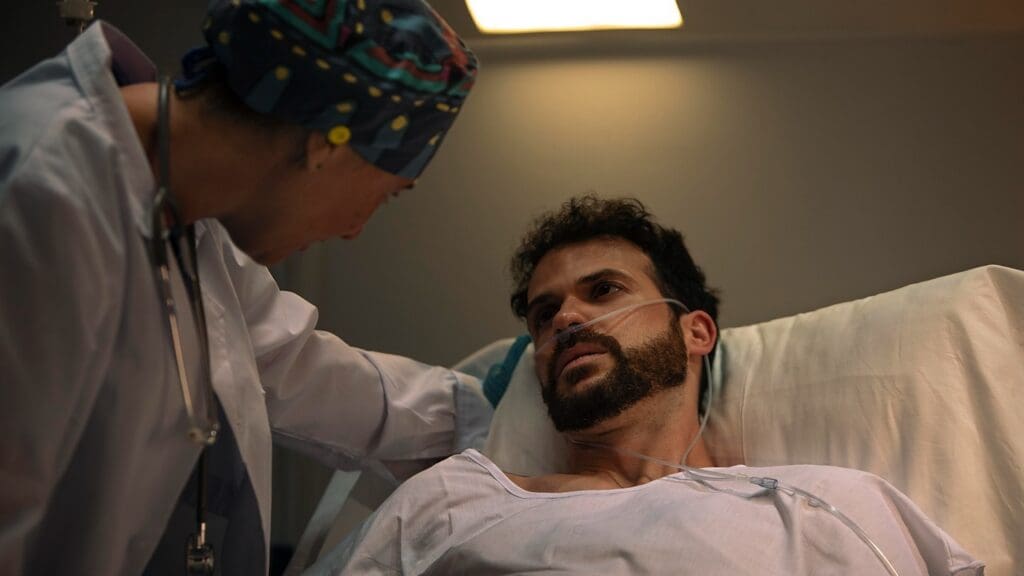
Recovering from prostate surgery is a big worry for those with prostate cancer. At Liv Hospital, we focus on caring for you fully. This includes the surgery and the recovery process. How long it takes to get better varies a lot. It depends on the surgery type and your health.
Minimally invasive techniques, like robotic prostatectomy, help you heal faster. Most people take 2 to 8 weeks to recover after prostate cancer surgery. Our team is here to help you understand what to expect during your recovery.
Key Takeaways
- Recovery time varies based on the surgery type and patient health.
- Minimally invasive surgeries like robotic prostatectomy can lead to quicker recovery.
- Typical recovery spans from 2 to 8 weeks after surgery.
- Liv Hospital provides complete care and support during recovery.
- Knowing about the recovery process helps manage your expectations.
What to Expect Before Your Prostate Surgery
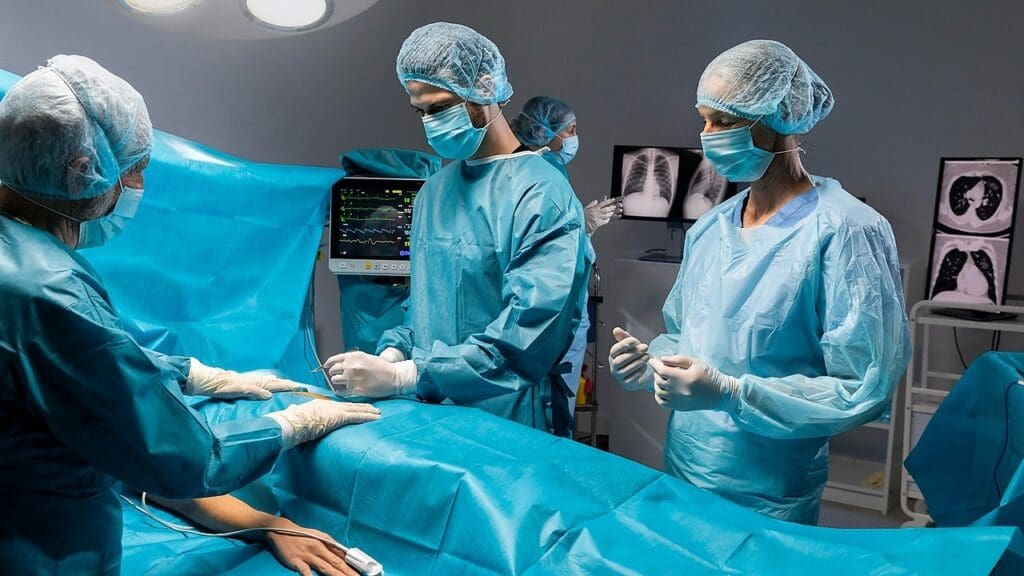
Before your prostate surgery, it’s key to know what you need to do. We’ll help you get ready for your surgery.
Pre-Surgery Preparations and Consultations
You’ll have many talks with your healthcare team before surgery. These talks are important to understand your surgical approach and recovery. You might need to do tests like blood work and imaging to help plan your prostatectomy.
Understanding Your Specific Procedure
Knowing about your surgery is very important. The radical prostatectomy usually lasts 2–3 hours. For more on what happens after prostate removal, check this resource.
Duration of Different Prostate Surgeries
The time it takes for prostate surgery can change based on the method. For example, robotic prostatectomy might be different from traditional surgery. Your surgeon will tell you more about your situation.
Types of Prostate Surgeries and Their Impact on Recovery
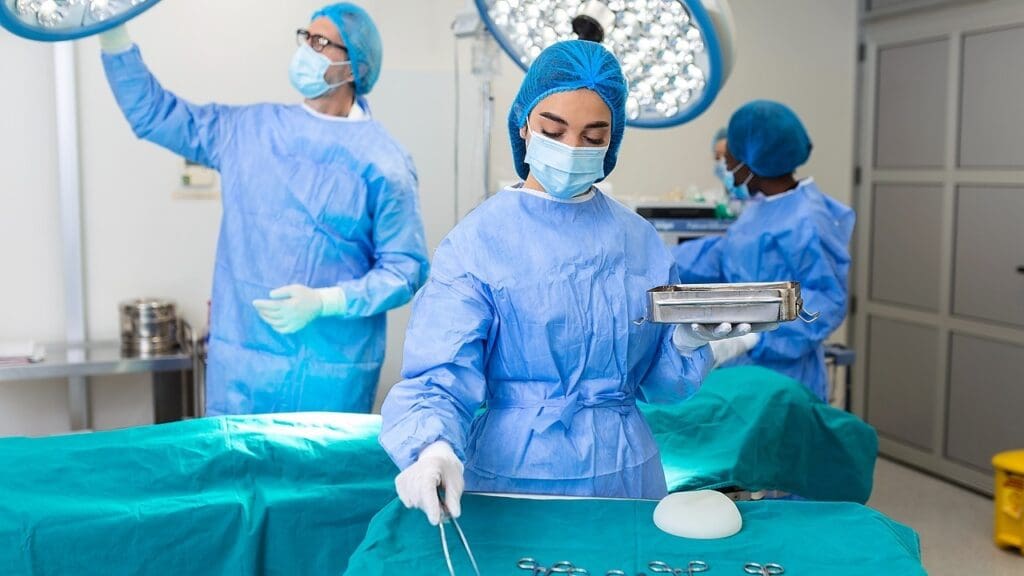
There are many types of prostate surgeries, each with its own recovery time. The right surgery depends on the patient’s health, cancer stage, and the surgeon’s skill.
Radical Prostatectomy: The Standard Approach
Radical prostatectomy removes the prostate gland and some nearby tissue. It’s a traditional surgery that has been used for years. But, it usually means a longer recovery than newer methods.
Minimally Invasive Techniques: Robotic and Laparoscopic Options
Minimally invasive surgeries, like robotic and laparoscopic prostatectomies, heal faster. They use smaller cuts, less blood loss, and less pain after surgery.Robotic prostatectomy is popular for its precision and clear views.
| Surgical Method | Recovery Time | Key Benefits |
|---|---|---|
| Radical Prostatectomy | 6-12 weeks | Effective for advanced cancer |
| Robotic Prostatectomy | 2-6 weeks | Less blood loss, quicker recovery |
| Laparoscopic Prostatectomy | 2-6 weeks | Smaller incisions, less pain |
Other Prostate Procedures: TURP and Partial Treatments
Other surgeries include Transurethral Resection of the Prostate (TURP) and partial treatments. TURP is often for BPH, not cancer. These surgeries have shorter recovery times but depend on the condition and patient needs.
A study found, “The choice of surgical technique significantly impacts the patient’s recovery trajectory and quality of life post-surgery.” (
This shows why talking to a healthcare provider about surgery options is key to finding the best fit.
Key Fact #1: Prostate Surgery Recovery Timeline Overview
Knowing the recovery timeline after prostate surgery is key for patients. It usually takes 2 to 8 weeks. But, it’s important to know the different stages involved.
Immediate Post-Operative Period (0-7 Days)
The first recovery phase is very important and lasts up to 7 days. During this time, patients are watched closely for any problems. Managing pain is a big focus.
Early Recovery Phase (1-4 Weeks)
In the early recovery phase, patients start doing light activities. They also work on managing their pain. This phase sees health slowly getting better and pain levels going down.
Extended Recovery (1-3 Months)
The extended recovery phase can last from 1 to 3 months. During this time, patients keep getting stronger and can do more activities. How long it takes to fully recover depends on many factors and the surgery type.
Typical Milestones During Recovery
Patients can look forward to several milestones during recovery. These include the removal of the catheter, starting to do normal activities again, and getting better with urinary control.
| Recovery Phase | Duration | Key Activities/Milestones |
|---|---|---|
| Immediate Post-Operative | 0-7 Days | Hospital stay, pain management, initial rest |
| Early Recovery | 1-4 Weeks | Light activities, managing discomfort, follow-up appointments |
| Extended Recovery | 1-3 Months | Strenuous activities, full strength regain, continence improvement |
By knowing these phases and milestones, patients can better understand their recovery. They can also set realistic goals for getting back to full health.
Key Fact #2: Recovery Time Varies by Surgical Approach
The time it takes to recover from prostate surgery can change a lot based on the method used. Knowing these differences helps set realistic goals and plan your care after surgery.
Open Surgery Recovery Timeline
Open surgery, or open prostatectomy, usually means a longer recovery. It can take 4 to 8 weeks. This is because it needs a bigger cut, causing more damage and a longer healing time.
Robotic Prostatectomy Recovery Advantages
Robotic prostatectomy, a minimally invasive surgery, has its benefits. It often means a quicker recovery, usually 2 to 6 weeks. This method uses smaller cuts, leading to less blood loss and less pain after surgery.
Factors That Influence Your Personal Timeline
While the surgery type is key, other things can affect your recovery time too. These include your health, age, and how well you follow your doctor’s advice.
Age and Overall Health Considerations
People who are older or have health issues might need more time to get better. It’s important to talk to your doctor about your specific situation to get a better idea of how long it will take to recover.
- Key factors influencing recovery:
- Age
- Overall health
- Surgical approach
- Post-operative care
Key Fact #3: Hospital Stay Duration After Prostate Surgery
Knowing how long you’ll stay in the hospital after prostate surgery is key. It helps you plan your recovery. The time you stay can change based on the surgery type.
One-Day Stay for Robotic Surgery Patients
Patients having robotic prostate surgery usually stay just one day. Robotic surgery is less invasive, leading to less damage and quicker healing. This means you can go home faster.
Extended Stay for Open Procedure Patients
But, if you have open prostate surgery, you might stay longer. You could be in the hospital for 2 to 4 days. Open surgery is more invasive, so it takes longer to recover.
Preparing for Discharge: Essential Checklist
Getting ready to leave the hospital is vital, no matter how long you stay. Here’s a checklist to help:
| Pre-Discharge Preparation | Details |
|---|---|
| Medication Instructions | Understand dosage and timing |
| Follow-Up Appointments | Schedule and confirm dates |
| Post-Surgery Care | Learn about wound care and activity restrictions |
| Emergency Contacts | Have a list of contacts for post-surgery concerns |
For more info on prostate surgery and recovery, check out UCDavis Health’s Prostatectomy FAQs page.
Key Fact #4: Managing Life with a Catheter Post-Surgery
After prostate surgery, living with a catheter needs some getting used to. But, with the right help, patients can handle it well. The catheter is a temporary but key part of healing.
Catheter Duration: Typically 1-2 Weeks
The catheter stays in for 1-2 weeks after surgery. This time can change based on how fast you heal and what your doctor says.
Practical Tips for Catheter Care at Home
To make recovery easier, follow these catheter care tips:
- Keep the catheter and area around it clean
- Make sure the catheter is secure to avoid it getting caught
- Watch for signs of infection or blockage
Common Challenges and Solutions
Some people might feel discomfort or leakage where the catheter is. Wearing clothes that don’t put pressure on it and using protective gear can help.
When to Call Your Doctor About Catheter Issues
If you see signs of infection like fever, chills, or unusual discharge, call your doctor right away. Also, if the catheter gets blocked or falls out, get medical help.
Prostate Surgery Recovery: Managing Pain and Discomfort
Managing pain well is key to a smooth recovery after prostate surgery. We know that pain levels and how to handle them can differ a lot among patients.
Expected Pain Levels and Duration
Most people feel some pain or discomfort after prostate surgery. How much pain and for how long can change based on the surgery type.
Medication Management Strategies
We mix different medicines to control pain well. This might include pills and sometimes epidural anesthesia. Our team will help you figure out the best way to take your medicine.
Non-Pharmaceutical Pain Relief Options
There are also ways to ease pain without medicine. These include relaxing, using heat or cold, and doing gentle exercises.
By using these methods together, we can manage pain well. This helps make the recovery process more comfortable.
Key Fact #5: Returning to Daily Activities After Prostate Surgery
Knowing when and how to start doing daily things again is key after prostate surgery. We’ll help you understand how to balance rest with getting back to normal activities.
Activity Restrictions: What to Avoid and When
Right after surgery, some activities are off-limits to avoid problems. Heavy lifting, bending, and hard exercises are usually not allowed for a few weeks. You should avoid lifting heavy things (over 10 pounds) and bending at the waist for 4-6 weeks.
Gradual Resumption of Normal Activities
Getting back to daily life slowly is important for a good recovery. Start with light activities like short walks. Then, slowly add more time and effort as you get better. Most people can get back to normal, non-hard activities in 4-6 weeks.
When You Can Drive, Work, and Exercise Again
When you can drive and go back to work depends on your surgery and job. Usually, you can drive again in 1-2 weeks if you’re not on pain meds. For work, it varies: desk jobs might be okay in 1-2 weeks, but jobs that are hard on your body might take 4-6 weeks off.
Safe Exercise Options During Recovery
Exercising is important for a healthy recovery. Safe choices include walking, pelvic floor exercises (Kegels), and stretching. Stay away from high-impact activities, contact sports, and heavy lifting until your doctor says it’s okay.
By sticking to these tips and your doctor’s advice, you can safely get back to your daily life after prostate surgery.
Key Fact #6: Urinary Control After Prostate Removal
After prostate surgery, men often struggle with controlling their urine. This is a big part of their recovery. But, with the right steps, they can get better bladder control.
Timeline for Regaining Continence
Getting better with urine control takes time. It can be a few months to a few years. How fast it happens depends on age, health, and the surgery type.
Pelvic Floor Exercises and Their Importance
Kegel exercises are key for bladder control. They strengthen muscles that help with urine control. Doing them regularly can help you recover faster.
Managing Incontinence During Recovery
It’s important to manage incontinence while recovering. This means using absorbent products, staying clean, and doing Kegel exercises.
Products and Techniques for Comfort
There are many ways to manage incontinence. This includes pads, diapers, and catheters if needed.
| Product/Type | Description | Benefits |
|---|---|---|
| Absorbent Pads | Disposable pads for managing light to moderate incontinence | Convenient, discreet, and comfortable |
| Adult Diapers | Full-coverage diapers for heavier incontinence | High absorbency, secure fit |
| Catheterization | Temporary use of a catheter to manage urinary retention | Effective for short-term use, reduces risk of complications |
Knowing how long it takes to get better, doing Kegel exercises, and using the right products can help men deal with urine control issues after prostate surgery.
Key Fact #7: Sexual Function Recovery After Prostatectomy
Recovering sexual function after prostatectomy is complex and varies for each patient. Factors like the surgery method, age, and health can affect recovery time and extent.
Realistic Expectations for Erectile Function
Patients should have realistic hopes about regaining erectile function. Studies show it can take up to two years or more for some to recover. Recovery levels differ, with some getting full function and others facing some dysfunction.
Treatments and Interventions That May Help
Many treatments can help with erectile dysfunction after prostatectomy. Options include oral medications, vacuum erection devices, and penile implants. The right choice depends on the patient’s situation and what they prefer.
Psychological Aspects of Sexual Recovery
The emotional side of prostatectomy on sexual function is significant. Patients might feel anxious, depressed, or stressed about their sexual performance.
“The emotional and psychological aspects of sexual recovery are just as important as the physical aspects,”
emphasizing the need for full support.
Communication with Partners During Recovery
Talking openly with partners is key during recovery. Patients should share their feelings, worries, and hopes with their partners. This helps create a supportive environment, aiding in both psychological and overall well-being.
Nutrition and Lifestyle Factors That Support Healing
Nutrition and lifestyle play big roles in healing after prostate surgery. Eating well, staying hydrated, and living healthily can help recovery. They also cut down on complications and boost overall health.
Dietary Recommendations During Recovery
Eating foods full of nutrients, fiber, and antioxidants helps healing. We suggest:
- Eat more fruits, veggies, and whole grains
- Add lean proteins like poultry, fish, and legumes
- Stay away from processed foods, sugars, and fats
Hydration and Its Impact on Recovery
Drinking enough water is key for recovery. It helps flush out toxins and keeps organs working right. Drink at least 8-10 glasses of water a day, based on your needs and how active you are.
Sleep, Stress Management, and Overall Wellness
Enough sleep and managing stress are also vital for recovery. Try meditation, deep breathing, and gentle exercise to lower stress and improve wellness.
By paying attention to these nutrition and lifestyle tips, patients can greatly aid their healing after prostate surgery.
Follow-Up Care and Long-Term Monitoring
After prostate surgery, it’s important to keep up with follow-up care and long-term monitoring. The journey to recovery doesn’t stop with the surgery. Regular check-ups are key to keeping an eye on your health and solving any problems.
Essential Post-Surgery Appointments
We schedule follow-up appointments to check on your recovery. These appointments are very important for:
- Monitoring your overall health and addressing any post-surgery complications
- Removing sutures or staples, if necessary
- Discussing and managing any side effects or concerns you may have
For more detailed information on what to expect after surgery, you can visit Cancer Research UK for guidance.
PSA Testing After Prostate Cancer Surgery
For patients who had prostate surgery for cancer, PSA (Prostate-Specific Antigen) testing is key. Regular PSA tests help us watch for any signs of cancer coming back.
When to Contact Your Doctor During Recovery
It’s important to know when to seek medical help. Look out for signs like:
- Severe pain or trouble controlling pain
- Signs of infection, such as fever or chills
- Urinary issues, including incontinence or trouble urinating
Signs of Complications to Watch For
If you notice any of these, call your doctor right away:
- Increasing pain or swelling
- Heavy bleeding
- Fever above 38°C (100.4°F)
Conclusion: Navigating Your Prostate Surgery Recovery Journey
Prostate surgery recovery is complex and needs careful planning and patience. Knowing what to expect can make a big difference. It helps you understand the recovery times and what lies ahead.
Recovery is not just about physical health. It also involves emotional well-being and making lifestyle changes. Knowing the different surgeries and their recovery times helps you prepare better.
Getting the right support is key to a smooth recovery. This includes medical care, nutritional advice, pain management, and emotional support. We stress the importance of follow-up care and long-term monitoring for the best results.
By staying informed and supported, you can improve your healing and quality of life. Recovery times may vary, but with the right approach, you can face this challenge with confidence.
FAQ
What is the typical recovery time after prostate surgery?
Recovery time varies based on the surgery type and your health. Minimally invasive surgeries like robotic prostatectomy usually take 2-6 weeks to recover. Open surgery might take 4-8 weeks.
How long does prostate surgery take?
Surgery time depends on the procedure. Robotic prostatectomy takes 2-4 hours. Open surgery can take longer. Your surgeon will give a specific time based on your case.
What preparations are needed before prostate surgery?
Before surgery, you’ll have consultations and understand your procedure. You’ll also follow pre-operative instructions, like diet changes and medication adjustments.
What are the different surgical approaches for prostate removal, and how do they affect recovery?
There are several surgical approaches, including radical prostatectomy and robotic surgeries. Robotic surgeries offer quicker recovery with less pain and shorter hospital stays. Open surgery might have longer recovery times.
How long is the hospital stay after prostate surgery?
Hospital stay times vary. Robotic surgery patients usually stay one day. Open surgery patients might stay 2-3 days. Your healthcare team will guide you based on your situation.
What are the tips for managing life with a catheter post-surgery?
Managing a catheter means keeping the area clean and securing it. You should also watch for infection signs. Your healthcare team will teach you about catheter care during your stay or at discharge.
How is pain managed after prostate surgery?
Pain management includes medication and non-medical methods. You’ll be given pain meds. Ice packs and relaxation techniques can also help.
When can I resume normal activities after prostate surgery?
You can start with light activities a few weeks after surgery. Avoid heavy lifting, bending, and strenuous exercise for 4-6 weeks or as advised by your surgeon.
How long does it take to regain urinary control after prostate removal?
It can take months to a year or more to regain urinary control. Pelvic floor exercises, like Kegel exercises, are important for improving urinary control during recovery.
What are the expectations for erectile function after prostatectomy?
Recovery of erectile function varies. Factors include age, pre-surgery function, and surgery techniques. Treatments and interventions can help regain function.
What dietary recommendations support healing after prostate surgery?
Eat a balanced diet with fruits, vegetables, whole grains, and lean proteins. Stay hydrated. Follow dietary advice from your healthcare team.
Why are follow-up appointments important after prostate surgery?
Follow-up appointments are key for monitoring recovery and checking for complications. They also include PSA testing after prostate cancer surgery. They help in early detection and ensure healing.
When should I contact my doctor during recovery?
Contact your doctor for severe pain, heavy bleeding, fever, or difficulty urinating. Report any concerns or unusual symptoms to your healthcare team.
Recovering from prostate surgery is a big worry for those with prostate cancer. At Liv Hospital, we focus on caring for you fully. This includes the surgery and the recovery process. How long it takes to get better varies a lot. It depends on the surgery type and your health.
Minimally invasive techniques, like robotic prostatectomy, help you heal faster. Most people take 2 to 8 weeks to recover after prostate cancer surgery. Our team is here to help you understand what to expect during your recovery.
Key Takeaways
- Recovery time varies based on the surgery type and patient health.
- Minimally invasive surgeries like robotic prostatectomy can lead to quicker recovery.
- Typical recovery spans from 2 to 8 weeks after surgery.
- Liv Hospital provides complete care and support during recovery.
- Knowing about the recovery process helps manage your expectations.
What to Expect Before Your Prostate Surgery
Before your prostate surgery, it’s key to know what you need to do. We’ll help you get ready for your surgery.
Pre-Surgery Preparations and Consultations
You’ll have many talks with your healthcare team before surgery. These talks are important to understand your surgical approach and recovery. You might need to do tests like blood work and imaging to help plan your prostatectomy.
Understanding Your Specific Procedure
Knowing about your surgery is very important. The radical prostatectomy usually lasts 2–3 hours. For more on what happens after prostate removal, check this resource.
Duration of Different Prostate Surgeries
The time it takes for prostate surgery can change based on the method. For example, robotic prostatectomy might be different from traditional surgery. Your surgeon will tell you more about your situation.
Types of Prostate Surgeries and Their Impact on Recovery
There are many types of prostate surgeries, each with its own recovery time. The right surgery depends on the patient’s health, cancer stage, and the surgeon’s skill.
Radical Prostatectomy: The Standard Approach
Radical prostatectomy removes the prostate gland and some nearby tissue. It’s a traditional surgery that has been used for years. But, it usually means a longer recovery than newer methods.
Minimally Invasive Techniques: Robotic and Laparoscopic Options
Minimally invasive surgeries, like robotic and laparoscopic prostatectomies, heal faster. They use smaller cuts, less blood loss, and less pain after surgery.Robotic prostatectomy is popular for its precision and clear views.
| Surgical Method | Recovery Time | Key Benefits |
|---|---|---|
| Radical Prostatectomy | 6-12 weeks | Effective for advanced cancer |
| Robotic Prostatectomy | 2-6 weeks | Less blood loss, quicker recovery |
| Laparoscopic Prostatectomy | 2-6 weeks | Smaller incisions, less pain |
Other Prostate Procedures: TURP and Partial Treatments
Other surgeries include Transurethral Resection of the Prostate (TURP) and partial treatments. TURP is often for BPH, not cancer. These surgeries have shorter recovery times but depend on the condition and patient needs.
A study found, “The choice of surgical technique significantly impacts the patient’s recovery trajectory and quality of life post-surgery.” (
This shows why talking to a healthcare provider about surgery options is key to finding the best fit.
Key Fact #1: Prostate Surgery Recovery Timeline Overview
Knowing the recovery timeline after prostate surgery is key for patients. It usually takes 2 to 8 weeks. But, it’s important to know the different stages involved.
Immediate Post-Operative Period (0-7 Days)
The first recovery phase is very important and lasts up to 7 days. During this time, patients are watched closely for any problems. Managing pain is a big focus.
Early Recovery Phase (1-4 Weeks)
In the early recovery phase, patients start doing light activities. They also work on managing their pain. This phase sees health slowly getting better and pain levels going down.
Extended Recovery (1-3 Months)
The extended recovery phase can last from 1 to 3 months. During this time, patients keep getting stronger and can do more activities. How long it takes to fully recover depends on many factors and the surgery type.
Typical Milestones During Recovery
Patients can look forward to several milestones during recovery. These include the removal of the catheter, starting to do normal activities again, and getting better with urinary control.
| Recovery Phase | Duration | Key Activities/Milestones |
|---|---|---|
| Immediate Post-Operative | 0-7 Days | Hospital stay, pain management, initial rest |
| Early Recovery | 1-4 Weeks | Light activities, managing discomfort, follow-up appointments |
| Extended Recovery | 1-3 Months | Strenuous activities, full strength regain, continence improvement |
By knowing these phases and milestones, patients can better understand their recovery. They can also set realistic goals for getting back to full health.
Key Fact #2: Recovery Time Varies by Surgical Approach
The time it takes to recover from prostate surgery can change a lot based on the method used. Knowing these differences helps set realistic goals and plan your care after surgery.
Open Surgery Recovery Timeline
Open surgery, or open prostatectomy, usually means a longer recovery. It can take 4 to 8 weeks. This is because it needs a bigger cut, causing more damage and a longer healing time.
Robotic Prostatectomy Recovery Advantages
Robotic prostatectomy, a minimally invasive surgery, has its benefits. It often means a quicker recovery, usually 2 to 6 weeks. This method uses smaller cuts, leading to less blood loss and less pain after surgery.
Factors That Influence Your Personal Timeline
While the surgery type is key, other things can affect your recovery time too. These include your health, age, and how well you follow your doctor’s advice.
Age and Overall Health Considerations
People who are older or have health issues might need more time to get better. It’s important to talk to your doctor about your specific situation to get a better idea of how long it will take to recover.
- Key factors influencing recovery:
- Age
- Overall health
- Surgical approach
- Post-operative care
Key Fact #3: Hospital Stay Duration After Prostate Surgery
Knowing how long you’ll stay in the hospital after prostate surgery is key. It helps you plan your recovery. The time you stay can change based on the surgery type.
One-Day Stay for Robotic Surgery Patients
Patients having robotic prostate surgery usually stay just one day. Robotic surgery is less invasive, leading to less damage and quicker healing. This means you can go home faster.
Extended Stay for Open Procedure Patients
But, if you have open prostate surgery, you might stay longer. You could be in the hospital for 2 to 4 days. Open surgery is more invasive, so it takes longer to recover.
Preparing for Discharge: Essential Checklist
Getting ready to leave the hospital is vital, no matter how long you stay. Here’s a checklist to help:
| Pre-Discharge Preparation | Details |
|---|---|
| Medication Instructions | Understand dosage and timing |
| Follow-Up Appointments | Schedule and confirm dates |
| Post-Surgery Care | Learn about wound care and activity restrictions |
| Emergency Contacts | Have a list of contacts for post-surgery concerns |
For more info on prostate surgery and recovery, check out UCDavis Health’s Prostatectomy FAQs page.
Key Fact #4: Managing Life with a Catheter Post-Surgery
After prostate surgery, living with a catheter needs some getting used to. But, with the right help, patients can handle it well. The catheter is a temporary but key part of healing.
Catheter Duration: Typically 1-2 Weeks
The catheter stays in for 1-2 weeks after surgery. This time can change based on how fast you heal and what your doctor says.
Practical Tips for Catheter Care at Home
To make recovery easier, follow these catheter care tips:
- Keep the catheter and area around it clean
- Make sure the catheter is secure to avoid it getting caught
- Watch for signs of infection or blockage
Common Challenges and Solutions
Some people might feel discomfort or leakage where the catheter is. Wearing clothes that don’t put pressure on it and using protective gear can help.
When to Call Your Doctor About Catheter Issues
If you see signs of infection like fever, chills, or unusual discharge, call your doctor right away. Also, if the catheter gets blocked or falls out, get medical help.
Prostate Surgery Recovery: Managing Pain and Discomfort
Managing pain well is key to a smooth recovery after prostate surgery. We know that pain levels and how to handle them can differ a lot among patients.
Expected Pain Levels and Duration
Most people feel some pain or discomfort after prostate surgery. How much pain and for how long can change based on the surgery type.
Medication Management Strategies
We mix different medicines to control pain well. This might include pills and sometimes epidural anesthesia. Our team will help you figure out the best way to take your medicine.
Non-Pharmaceutical Pain Relief Options
There are also ways to ease pain without medicine. These include relaxing, using heat or cold, and doing gentle exercises.
By using these methods together, we can manage pain well. This helps make the recovery process more comfortable.
Key Fact #5: Returning to Daily Activities After Prostate Surgery
Knowing when and how to start doing daily things again is key after prostate surgery. We’ll help you understand how to balance rest with getting back to normal activities.
Activity Restrictions: What to Avoid and When
Right after surgery, some activities are off-limits to avoid problems. Heavy lifting, bending, and hard exercises are usually not allowed for a few weeks. You should avoid lifting heavy things (over 10 pounds) and bending at the waist for 4-6 weeks.
Gradual Resumption of Normal Activities
Getting back to daily life slowly is important for a good recovery. Start with light activities like short walks. Then, slowly add more time and effort as you get better. Most people can get back to normal, non-hard activities in 4-6 weeks.
When You Can Drive, Work, and Exercise Again
When you can drive and go back to work depends on your surgery and job. Usually, you can drive again in 1-2 weeks if you’re not on pain meds. For work, it varies: desk jobs might be okay in 1-2 weeks, but jobs that are hard on your body might take 4-6 weeks off.
Safe Exercise Options During Recovery
Exercising is important for a healthy recovery. Safe choices include walking, pelvic floor exercises (Kegels), and stretching. Stay away from high-impact activities, contact sports, and heavy lifting until your doctor says it’s okay.
By sticking to these tips and your doctor’s advice, you can safely get back to your daily life after prostate surgery.
Key Fact #6: Urinary Control After Prostate Removal
After prostate surgery, men often struggle with controlling their urine. This is a big part of their recovery. But, with the right steps, they can get better bladder control.
Timeline for Regaining Continence
Getting better with urine control takes time. It can be a few months to a few years. How fast it happens depends on age, health, and the surgery type.
Pelvic Floor Exercises and Their Importance
Kegel exercises are key for bladder control. They strengthen muscles that help with urine control. Doing them regularly can help you recover faster.
Managing Incontinence During Recovery
It’s important to manage incontinence while recovering. This means using absorbent products, staying clean, and doing Kegel exercises.
Products and Techniques for Comfort
There are many ways to manage incontinence. This includes pads, diapers, and catheters if needed.
| Product/Type | Description | Benefits |
|---|---|---|
| Absorbent Pads | Disposable pads for managing light to moderate incontinence | Convenient, discreet, and comfortable |
| Adult Diapers | Full-coverage diapers for heavier incontinence | High absorbency, secure fit |
| Catheterization | Temporary use of a catheter to manage urinary retention | Effective for short-term use, reduces risk of complications |
Knowing how long it takes to get better, doing Kegel exercises, and using the right products can help men deal with urine control issues after prostate surgery.
Key Fact #7: Sexual Function Recovery After Prostatectomy
Recovering sexual function after prostatectomy is complex and varies for each patient. Factors like the surgery method, age, and health can affect recovery time and extent.
Realistic Expectations for Erectile Function
Patients should have realistic hopes about regaining erectile function. Studies show it can take up to two years or more for some to recover. Recovery levels differ, with some getting full function and others facing some dysfunction.
Treatments and Interventions That May Help
Many treatments can help with erectile dysfunction after prostatectomy. Options include oral medications, vacuum erection devices, and penile implants. The right choice depends on the patient’s situation and what they prefer.
Psychological Aspects of Sexual Recovery
The emotional side of prostatectomy on sexual function is significant. Patients might feel anxious, depressed, or stressed about their sexual performance.
“The emotional and psychological aspects of sexual recovery are just as important as the physical aspects,”
emphasizing the need for full support.
Communication with Partners During Recovery
Talking openly with partners is key during recovery. Patients should share their feelings, worries, and hopes with their partners. This helps create a supportive environment, aiding in both psychological and overall well-being.
Nutrition and Lifestyle Factors That Support Healing
Nutrition and lifestyle play big roles in healing after prostate surgery. Eating well, staying hydrated, and living healthily can help recovery. They also cut down on complications and boost overall health.
Dietary Recommendations During Recovery
Eating foods full of nutrients, fiber, and antioxidants helps healing. We suggest:
- Eat more fruits, veggies, and whole grains
- Add lean proteins like poultry, fish, and legumes
- Stay away from processed foods, sugars, and fats
Hydration and Its Impact on Recovery
Drinking enough water is key for recovery. It helps flush out toxins and keeps organs working right. Drink at least 8-10 glasses of water a day, based on your needs and how active you are.
Sleep, Stress Management, and Overall Wellness
Enough sleep and managing stress are also vital for recovery. Try meditation, deep breathing, and gentle exercise to lower stress and improve wellness.
By paying attention to these nutrition and lifestyle tips, patients can greatly aid their healing after prostate surgery.
Follow-Up Care and Long-Term Monitoring
After prostate surgery, it’s important to keep up with follow-up care and long-term monitoring. The journey to recovery doesn’t stop with the surgery. Regular check-ups are key to keeping an eye on your health and solving any problems.
Essential Post-Surgery Appointments
We schedule follow-up appointments to check on your recovery. These appointments are very important for:
- Monitoring your overall health and addressing any post-surgery complications
- Removing sutures or staples, if necessary
- Discussing and managing any side effects or concerns you may have
For more detailed information on what to expect after surgery, you can visit Cancer Research UK for guidance.
PSA Testing After Prostate Cancer Surgery
For patients who had prostate surgery for cancer, PSA (Prostate-Specific Antigen) testing is key. Regular PSA tests help us watch for any signs of cancer coming back.
When to Contact Your Doctor During Recovery
It’s important to know when to seek medical help. Look out for signs like:
- Severe pain or trouble controlling pain
- Signs of infection, such as fever or chills
- Urinary issues, including incontinence or trouble urinating
Signs of Complications to Watch For
If you notice any of these, call your doctor right away:
- Increasing pain or swelling
- Heavy bleeding
- Fever above 38°C (100.4°F)
Conclusion: Navigating Your Prostate Surgery Recovery Journey
Prostate surgery recovery is complex and needs careful planning and patience. Knowing what to expect can make a big difference. It helps you understand the recovery times and what lies ahead.
Recovery is not just about physical health. It also involves emotional well-being and making lifestyle changes. Knowing the different surgeries and their recovery times helps you prepare better.
Getting the right support is key to a smooth recovery. This includes medical care, nutritional advice, pain management, and emotional support. We stress the importance of follow-up care and long-term monitoring for the best results.
By staying informed and supported, you can improve your healing and quality of life. Recovery times may vary, but with the right approach, you can face this challenge with confidence.
FAQ
- Medical News Today : https://www.medicalnewstoday.com/articles/prostate-cancer-surgery-recovery
- UC Davis Health : https://health.ucdavis.edu/urology/specialties/robotic_surgery/prostatectomy_FAQs.html
- Hackensack Meridian Health : https://www.hackensackmeridianhealth.org/en/healthu/2021/05/18/what-to-expect-after-prostate-removal
- Cancer Research UK : https://www.cancerresearchuk.org/about-cancer/prostate-cancer/treatment/surgery/after-surgery
- Mount Sinai : https://www.mountsinai.org/care/urology/services/robotic-surgery/da-vinci/after-surgery
Recovering from prostate surgery is a big worry for those with prostate cancer. At Liv Hospital, we focus on caring for you fully. This includes the surgery and the recovery process. How long it takes to get better varies a lot. It depends on the surgery type and your health.
Minimally invasive techniques, like robotic prostatectomy, help you heal faster. Most people take 2 to 8 weeks to recover after prostate cancer surgery. Our team is here to help you understand what to expect during your recovery.
Key Takeaways
- Recovery time varies based on the surgery type and patient health.
- Minimally invasive surgeries like robotic prostatectomy can lead to quicker recovery.
- Typical recovery spans from 2 to 8 weeks after surgery.
- Liv Hospital provides complete care and support during recovery.
- Knowing about the recovery process helps manage your expectations.
What to Expect Before Your Prostate Surgery
Before your prostate surgery, it’s key to know what you need to do. We’ll help you get ready for your surgery.
Pre-Surgery Preparations and Consultations
You’ll have many talks with your healthcare team before surgery. These talks are important to understand your surgical approach and recovery. You might need to do tests like blood work and imaging to help plan your prostatectomy.
Understanding Your Specific Procedure
Knowing about your surgery is very important. The radical prostatectomy usually lasts 2–3 hours. For more on what happens after prostate removal, check this resource.
Duration of Different Prostate Surgeries
The time it takes for prostate surgery can change based on the method. For example, robotic prostatectomy might be different from traditional surgery. Your surgeon will tell you more about your situation.
Types of Prostate Surgeries and Their Impact on Recovery
There are many types of prostate surgeries, each with its own recovery time. The right surgery depends on the patient’s health, cancer stage, and the surgeon’s skill.
Radical Prostatectomy: The Standard Approach
Radical prostatectomy removes the prostate gland and some nearby tissue. It’s a traditional surgery that has been used for years. But, it usually means a longer recovery than newer methods.
Minimally Invasive Techniques: Robotic and Laparoscopic Options
Minimally invasive surgeries, like robotic and laparoscopic prostatectomies, heal faster. They use smaller cuts, less blood loss, and less pain after surgery.Robotic prostatectomy is popular for its precision and clear views.
| Surgical Method | Recovery Time | Key Benefits |
|---|---|---|
| Radical Prostatectomy | 6-12 weeks | Effective for advanced cancer |
| Robotic Prostatectomy | 2-6 weeks | Less blood loss, quicker recovery |
| Laparoscopic Prostatectomy | 2-6 weeks | Smaller incisions, less pain |
Other Prostate Procedures: TURP and Partial Treatments
Other surgeries include Transurethral Resection of the Prostate (TURP) and partial treatments. TURP is often for BPH, not cancer. These surgeries have shorter recovery times but depend on the condition and patient needs.
A study found, “The choice of surgical technique significantly impacts the patient’s recovery trajectory and quality of life post-surgery.” (
This shows why talking to a healthcare provider about surgery options is key to finding the best fit.
Key Fact #1: Prostate Surgery Recovery Timeline Overview
Knowing the recovery timeline after prostate surgery is key for patients. It usually takes 2 to 8 weeks. But, it’s important to know the different stages involved.
Immediate Post-Operative Period (0-7 Days)
The first recovery phase is very important and lasts up to 7 days. During this time, patients are watched closely for any problems. Managing pain is a big focus.
Early Recovery Phase (1-4 Weeks)
In the early recovery phase, patients start doing light activities. They also work on managing their pain. This phase sees health slowly getting better and pain levels going down.
Extended Recovery (1-3 Months)
The extended recovery phase can last from 1 to 3 months. During this time, patients keep getting stronger and can do more activities. How long it takes to fully recover depends on many factors and the surgery type.
Typical Milestones During Recovery
Patients can look forward to several milestones during recovery. These include the removal of the catheter, starting to do normal activities again, and getting better with urinary control.
| Recovery Phase | Duration | Key Activities/Milestones |
|---|---|---|
| Immediate Post-Operative | 0-7 Days | Hospital stay, pain management, initial rest |
| Early Recovery | 1-4 Weeks | Light activities, managing discomfort, follow-up appointments |
| Extended Recovery | 1-3 Months | Strenuous activities, full strength regain, continence improvement |
By knowing these phases and milestones, patients can better understand their recovery. They can also set realistic goals for getting back to full health.
Key Fact #2: Recovery Time Varies by Surgical Approach
The time it takes to recover from prostate surgery can change a lot based on the method used. Knowing these differences helps set realistic goals and plan your care after surgery.
Open Surgery Recovery Timeline
Open surgery, or open prostatectomy, usually means a longer recovery. It can take 4 to 8 weeks. This is because it needs a bigger cut, causing more damage and a longer healing time.
Robotic Prostatectomy Recovery Advantages
Robotic prostatectomy, a minimally invasive surgery, has its benefits. It often means a quicker recovery, usually 2 to 6 weeks. This method uses smaller cuts, leading to less blood loss and less pain after surgery.
Factors That Influence Your Personal Timeline
While the surgery type is key, other things can affect your recovery time too. These include your health, age, and how well you follow your doctor’s advice.
Age and Overall Health Considerations
People who are older or have health issues might need more time to get better. It’s important to talk to your doctor about your specific situation to get a better idea of how long it will take to recover.
- Key factors influencing recovery:
- Age
- Overall health
- Surgical approach
- Post-operative care
Key Fact #3: Hospital Stay Duration After Prostate Surgery
Knowing how long you’ll stay in the hospital after prostate surgery is key. It helps you plan your recovery. The time you stay can change based on the surgery type.
One-Day Stay for Robotic Surgery Patients
Patients having robotic prostate surgery usually stay just one day. Robotic surgery is less invasive, leading to less damage and quicker healing. This means you can go home faster.
Extended Stay for Open Procedure Patients
But, if you have open prostate surgery, you might stay longer. You could be in the hospital for 2 to 4 days. Open surgery is more invasive, so it takes longer to recover.
Preparing for Discharge: Essential Checklist
Getting ready to leave the hospital is vital, no matter how long you stay. Here’s a checklist to help:
| Pre-Discharge Preparation | Details |
|---|---|
| Medication Instructions | Understand dosage and timing |
| Follow-Up Appointments | Schedule and confirm dates |
| Post-Surgery Care | Learn about wound care and activity restrictions |
| Emergency Contacts | Have a list of contacts for post-surgery concerns |
For more info on prostate surgery and recovery, check out UCDavis Health’s Prostatectomy FAQs page.
Key Fact #4: Managing Life with a Catheter Post-Surgery
After prostate surgery, living with a catheter needs some getting used to. But, with the right help, patients can handle it well. The catheter is a temporary but key part of healing.
Catheter Duration: Typically 1-2 Weeks
The catheter stays in for 1-2 weeks after surgery. This time can change based on how fast you heal and what your doctor says.
Practical Tips for Catheter Care at Home
To make recovery easier, follow these catheter care tips:
- Keep the catheter and area around it clean
- Make sure the catheter is secure to avoid it getting caught
- Watch for signs of infection or blockage
Common Challenges and Solutions
Some people might feel discomfort or leakage where the catheter is. Wearing clothes that don’t put pressure on it and using protective gear can help.
When to Call Your Doctor About Catheter Issues
If you see signs of infection like fever, chills, or unusual discharge, call your doctor right away. Also, if the catheter gets blocked or falls out, get medical help.
Prostate Surgery Recovery: Managing Pain and Discomfort
Managing pain well is key to a smooth recovery after prostate surgery. We know that pain levels and how to handle them can differ a lot among patients.
Expected Pain Levels and Duration
Most people feel some pain or discomfort after prostate surgery. How much pain and for how long can change based on the surgery type.
Medication Management Strategies
We mix different medicines to control pain well. This might include pills and sometimes epidural anesthesia. Our team will help you figure out the best way to take your medicine.
Non-Pharmaceutical Pain Relief Options
There are also ways to ease pain without medicine. These include relaxing, using heat or cold, and doing gentle exercises.
By using these methods together, we can manage pain well. This helps make the recovery process more comfortable.
Key Fact #5: Returning to Daily Activities After Prostate Surgery
Knowing when and how to start doing daily things again is key after prostate surgery. We’ll help you understand how to balance rest with getting back to normal activities.
Activity Restrictions: What to Avoid and When
Right after surgery, some activities are off-limits to avoid problems. Heavy lifting, bending, and hard exercises are usually not allowed for a few weeks. You should avoid lifting heavy things (over 10 pounds) and bending at the waist for 4-6 weeks.
Gradual Resumption of Normal Activities
Getting back to daily life slowly is important for a good recovery. Start with light activities like short walks. Then, slowly add more time and effort as you get better. Most people can get back to normal, non-hard activities in 4-6 weeks.
When You Can Drive, Work, and Exercise Again
When you can drive and go back to work depends on your surgery and job. Usually, you can drive again in 1-2 weeks if you’re not on pain meds. For work, it varies: desk jobs might be okay in 1-2 weeks, but jobs that are hard on your body might take 4-6 weeks off.
Safe Exercise Options During Recovery
Exercising is important for a healthy recovery. Safe choices include walking, pelvic floor exercises (Kegels), and stretching. Stay away from high-impact activities, contact sports, and heavy lifting until your doctor says it’s okay.
By sticking to these tips and your doctor’s advice, you can safely get back to your daily life after prostate surgery.
Key Fact #6: Urinary Control After Prostate Removal
After prostate surgery, men often struggle with controlling their urine. This is a big part of their recovery. But, with the right steps, they can get better bladder control.
Timeline for Regaining Continence
Getting better with urine control takes time. It can be a few months to a few years. How fast it happens depends on age, health, and the surgery type.
Pelvic Floor Exercises and Their Importance
Kegel exercises are key for bladder control. They strengthen muscles that help with urine control. Doing them regularly can help you recover faster.
Managing Incontinence During Recovery
It’s important to manage incontinence while recovering. This means using absorbent products, staying clean, and doing Kegel exercises.
Products and Techniques for Comfort
There are many ways to manage incontinence. This includes pads, diapers, and catheters if needed.
| Product/Type | Description | Benefits |
|---|---|---|
| Absorbent Pads | Disposable pads for managing light to moderate incontinence | Convenient, discreet, and comfortable |
| Adult Diapers | Full-coverage diapers for heavier incontinence | High absorbency, secure fit |
| Catheterization | Temporary use of a catheter to manage urinary retention | Effective for short-term use, reduces risk of complications |
Knowing how long it takes to get better, doing Kegel exercises, and using the right products can help men deal with urine control issues after prostate surgery.
Key Fact #7: Sexual Function Recovery After Prostatectomy
Recovering sexual function after prostatectomy is complex and varies for each patient. Factors like the surgery method, age, and health can affect recovery time and extent.
Realistic Expectations for Erectile Function
Patients should have realistic hopes about regaining erectile function. Studies show it can take up to two years or more for some to recover. Recovery levels differ, with some getting full function and others facing some dysfunction.
Treatments and Interventions That May Help
Many treatments can help with erectile dysfunction after prostatectomy. Options include oral medications, vacuum erection devices, and penile implants. The right choice depends on the patient’s situation and what they prefer.
Psychological Aspects of Sexual Recovery
The emotional side of prostatectomy on sexual function is significant. Patients might feel anxious, depressed, or stressed about their sexual performance.
“The emotional and psychological aspects of sexual recovery are just as important as the physical aspects,”
emphasizing the need for full support.
Communication with Partners During Recovery
Talking openly with partners is key during recovery. Patients should share their feelings, worries, and hopes with their partners. This helps create a supportive environment, aiding in both psychological and overall well-being.
Nutrition and Lifestyle Factors That Support Healing
Nutrition and lifestyle play big roles in healing after prostate surgery. Eating well, staying hydrated, and living healthily can help recovery. They also cut down on complications and boost overall health.
Dietary Recommendations During Recovery
Eating foods full of nutrients, fiber, and antioxidants helps healing. We suggest:
- Eat more fruits, veggies, and whole grains
- Add lean proteins like poultry, fish, and legumes
- Stay away from processed foods, sugars, and fats
Hydration and Its Impact on Recovery
Drinking enough water is key for recovery. It helps flush out toxins and keeps organs working right. Drink at least 8-10 glasses of water a day, based on your needs and how active you are.
Sleep, Stress Management, and Overall Wellness
Enough sleep and managing stress are also vital for recovery. Try meditation, deep breathing, and gentle exercise to lower stress and improve wellness.
By paying attention to these nutrition and lifestyle tips, patients can greatly aid their healing after prostate surgery.
Follow-Up Care and Long-Term Monitoring
After prostate surgery, it’s important to keep up with follow-up care and long-term monitoring. The journey to recovery doesn’t stop with the surgery. Regular check-ups are key to keeping an eye on your health and solving any problems.
Essential Post-Surgery Appointments
We schedule follow-up appointments to check on your recovery. These appointments are very important for:
- Monitoring your overall health and addressing any post-surgery complications
- Removing sutures or staples, if necessary
- Discussing and managing any side effects or concerns you may have
For more detailed information on what to expect after surgery, you can visit Cancer Research UK for guidance.
PSA Testing After Prostate Cancer Surgery
For patients who had prostate surgery for cancer, PSA (Prostate-Specific Antigen) testing is key. Regular PSA tests help us watch for any signs of cancer coming back.
When to Contact Your Doctor During Recovery
It’s important to know when to seek medical help. Look out for signs like:
- Severe pain or trouble controlling pain
- Signs of infection, such as fever or chills
- Urinary issues, including incontinence or trouble urinating
Signs of Complications to Watch For
If you notice any of these, call your doctor right away:
- Increasing pain or swelling
- Heavy bleeding
- Fever above 38°C (100.4°F)
Conclusion: Navigating Your Prostate Surgery Recovery Journey
Prostate surgery recovery is complex and needs careful planning and patience. Knowing what to expect can make a big difference. It helps you understand the recovery times and what lies ahead.
Recovery is not just about physical health. It also involves emotional well-being and making lifestyle changes. Knowing the different surgeries and their recovery times helps you prepare better.
Getting the right support is key to a smooth recovery. This includes medical care, nutritional advice, pain management, and emotional support. We stress the importance of follow-up care and long-term monitoring for the best results.
By staying informed and supported, you can improve your healing and quality of life. Recovery times may vary, but with the right approach, you can face this challenge with confidence.