Last Updated on November 25, 2025 by
The time it takes to recover from a prostatectomy depends on the surgery type and the patient. New surgical methods have made recovery better. Most patients go home in 1-3 days, with robotic-assisted prostatectomy patients often experiencing quicker recovery times compared to traditional surgery. Recovery and return to normal activities typically take about 4 to 6 weeks, depending on individual health and surgery specifics.

At home, it can take 2-6 weeks to fully recover. Robotic-assisted surgery often means a quicker recovery than open surgery. Knowing what to expect is important for a good recovery.
We will look at what affects recovery and what you can expect. This will help you prepare for your journey to full recovery after prostate removal surgery.
Key Takeaways
- Most patients are discharged within 1-3 days after prostate surgery.
- Full recovery at home can take 2-6 weeks.
- Robotic-assisted surgery may result in shorter recovery times.
- Individual factors can influence overall recovery time.
- Understanding the recovery process is key to a successful outcome.
Understanding Prostate Surgery and Recovery Expectations
Recovering from prostate surgery starts with knowing the type of surgery you had. This surgery is often needed for prostate cancer or other issues. Each surgery type has its own recovery time and what to expect.
Types of Prostate Surgical Procedures
There are different ways to do prostate surgery, mainly robotic-assisted and open surgery. Robotic-assisted surgery is less invasive, using a robotic system for precise work. It leads to less blood loss and quicker healing.
Open surgery, on the other hand, needs a bigger cut to reach the prostate. It’s effective but takes longer to recover from than robotic surgery.

General Recovery Timeline Overview
The time it takes to recover from prostate surgery varies. It depends on the surgery type and the patient’s health. People who have robotic-assisted prostate surgery usually heal faster and leave the hospital sooner. They can get back to their daily life in a few weeks.
But, those who had open surgery might need more time. Some may take months to fully get better. Knowing this can help you prepare for your recovery.
Hospital Stay and Initial Recovery Period
Knowing about the hospital stay and initial recovery is key for prostate surgery patients. The time in the hospital varies with the surgery type.
Length of Hospital Stay by Procedure Type
The hospital stay for prostate surgery is usually one night. This applies to both robotic-assisted and open surgery. But, it can change based on the patient’s health and surgery details. We tell our patients to move around soon after surgery to avoid problems and aid healing.
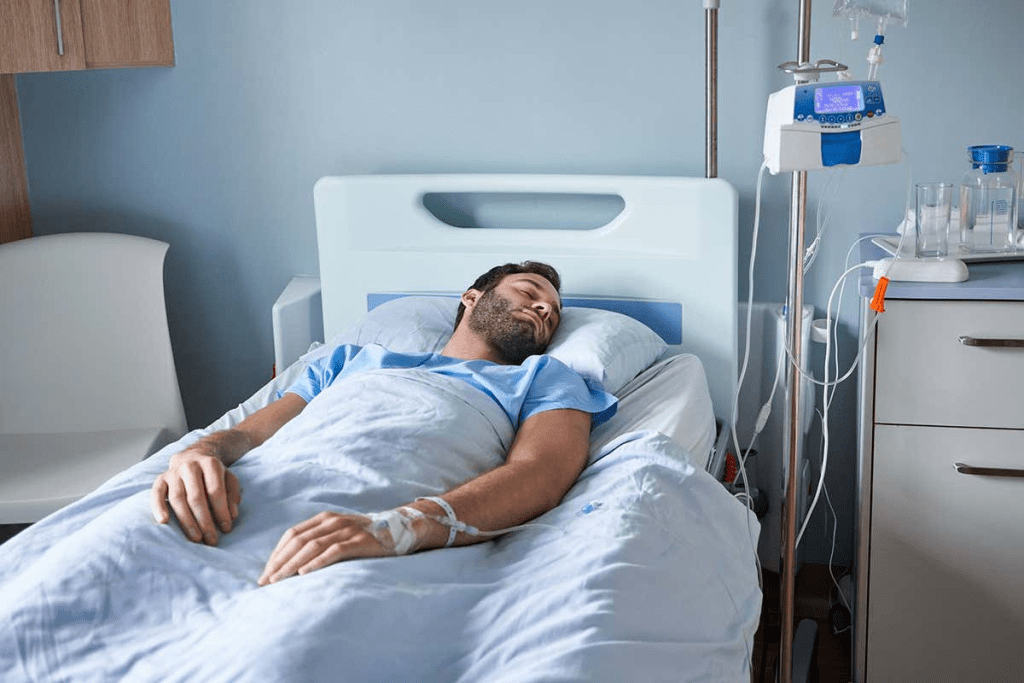
First Days After Discharge: What to Expect
After leaving the hospital, patients start their recovery at home. It’s vital to follow post-operative care instructions closely for a smooth recovery. This means managing pain well, resting enough, and slowly increasing activity.
In the first days after discharge, patients should:
- Rest and avoid hard activities
- Eat healthily to help with healing
- Watch for any signs of complications
By knowing what to expect during the hospital stay and initial recovery, patients can prepare better for the prostate removal and recovery.
Complete Prostatectomy Recovery Timeline
A prostatectomy is a big surgery, and knowing the recovery time is key. The healing process has three main parts: early, transitional, and long-term recovery.
Weeks 1-2: Early Recovery Phase
In the first two weeks, patients might feel tired, sore, and some pain. They need to follow their doctor’s advice closely. It’s important to avoid lifting heavy things, bending, and doing too much.
Key aspects to focus on during this phase include:
- Rest and relaxation
- Pain management
- Monitoring for any signs of complications
Weeks 3-6: Transitional Recovery Phase
By weeks 3-6, patients start to feel better and can slowly return to normal activities. But they must keep following their doctor’s advice. Heavy lifting and strenuous activities should be avoided for at least 6 weeks.
A notable improvement during this phase is the gradual regain of urinary control and the reduction of any post-surgical discomfort.
Months 2-12: Long-term Recovery Considerations
The long-term recovery can last up to a year or more. During this time, patients will see more improvements in their health. Some side effects, like urinary incontinence or erectile dysfunction, may occur but usually get better with time.
“The road to recovery after a prostatectomy requires patience, understanding, and adherence to post-operative care instructions. With time, most men regain their strength and return to their normal activities.”
Knowing the recovery timeline helps patients prepare for the journey. By understanding what to expect, they can manage their recovery better and look forward to a successful outcome.
Factors That Influence Recovery Time
Many things can affect how long it takes to recover from prostate surgery. Knowing these can help both patients and doctors get ready for the healing process.
Surgical Technique: Open vs. Minimally Invasive Approaches
The surgical method used can greatly change recovery time. Minimally invasive methods, like robotic-assisted surgery, usually lead to quicker recovery. This is because they cause less damage and trauma.
Robotic surgery, for example, is more precise and flexible. It allows for better dissection and less blood loss. Studies show patients often leave the hospital sooner and get back to normal faster after robotic surgery.
Patient-Specific Factors: Age, Health Status, and Comorbidities
Factors like age, health, and other medical conditions are key to recovery time. Older people or those with health issues might need more time to heal. This is because they have less physical strength and may face more complications.
- Age: Older patients may experience slower recovery due to decreased physical resilience.
- Health Status: Patients with pre-existing health conditions may face longer recovery times.
- Comorbidities: The Presence of other medical conditions can complicate the recovery process.
Post-Surgical Complications and Their Impact on Recovery
Complications after surgery can make recovery longer. Issues like infection, bleeding, or trouble with urination need extra care. They can also make it harder to get back to normal activities.
It’s vital to focus on post-operative care and follow-up visits. This helps catch and treat complications early. Doing so can lessen their effect on recovery.
Returning to Normal Activities After Prostate Removal
After prostate removal surgery, knowing when to start normal activities is key. The recovery includes getting back to normal urination and sex, slowly getting back to exercise, and deciding when to go back to work.
Urinary Function Recovery: Timeline and Expectations
Getting back to normal urination is a big step in recovery. Most people get full control within a year. At first, some leakage is common, but it gets better with time and exercises like Kegels.
Key factors influencing urinary function recovery include:
- The surgical technique used
- Patient’s overall health and age
- Adherence to post-surgical rehabilitation exercises
Sexual Function Recovery: What Patients Should Know
Recovering sexual function is also important. Some men may face erectile dysfunction, but there are treatments like medication and therapy. It’s vital to talk to a doctor about these options.
It’s essential for patients to discuss their concerns and options with their healthcare provider to determine the best approach for their specific situation.
Physical Activity Restrictions and Gradual Return to Exercise
Patients should start with low-impact activities like walking after surgery. As they get stronger, they can do more intense exercises. Always listen to your body and don’t push too hard.
Guidelines for physical activity post-surgery:
- Avoid heavy lifting for several weeks
- Gradually increase walking distance and intensity
- Resume high-impact activities after clearance from a healthcare provider
Returning to Work: Timing and Considerations
When to go back to work depends on the job, health, and surgery details. Most people can return in a few weeks, but it may take longer for hard jobs.
It’s vital to talk to a doctor about when to go back to work for a smooth transition.
Conclusion: Preparing for a Successful Recovery
Recovering from prostate surgery needs careful planning and knowing the recovery steps. We’ve talked about the different prostate surgeries, the general recovery time, and what affects it. This includes the surgery method and personal health factors.
A good recovery depends on understanding the process and following post-surgery advice. It’s important to know about possible complications and how they affect recovery. This way, people can handle the recovery better and deal with issues like getting back to normal with urination and sex.
To have a successful recovery, following your doctor’s advice is key. This means slowly getting back to physical activities and knowing when to go back to work. By following these steps, patients can improve their recovery and enjoy a better life after surgery. This includes getting back to normal strength and function after prostate surgery.
FAQ
What is the typical recovery time for prostate surgery?
Recovery time for prostate surgery varies. It depends on the surgery type and the patient. Generally, it takes several weeks to a few months.
How does robotic-assisted surgery compare to open surgery in terms of recovery?
Robotic-assisted surgery has less blood loss and smaller cuts. It also means a shorter hospital stay. This leads to a quicker recovery compared to open surgery.
How long do I need to stay in the hospital after prostate surgery?
Hospital stay varies by surgery type. Robotic-assisted surgery usually means a stay of one to two days. Open surgery might need a longer stay.
What can I expect during the first few days after discharge?
After leaving the hospital, you might feel pain, discomfort, and tiredness. Managing pain is key. Always follow your doctor’s post-op care instructions.
How long does it take to fully recover from prostate removal surgery?
Recovery has early, transitional, and long-term phases. It can take several weeks to months. You’ll gradually get back to normal activities.
What factors can influence my recovery time after prostate surgery?
Recovery time can be affected by several factors. These include the surgery type, your age, health, and any complications after surgery.
Will I experience erectile dysfunction after prostate removal surgery?
Some men might face erectile dysfunction after surgery. The chance and how severe it is can vary. There are ways to manage this issue.
How can I regain urinary control after prostate surgery?
Urinary function usually returns in a few weeks to months. Follow your doctor’s advice on pelvic floor exercises and other recovery tips.
When can I resume physical activities and exercise after prostate surgery?
You can start with light physical activities and exercises after surgery. Always follow your doctor’s advice. Avoid hard activities during the early recovery.
How can I get hard after prostatectomy?
Getting an erection after prostatectomy can be tough. But there are treatments and strategies to help. Talk to your doctor about your concerns.
When can I return to work after prostate surgery?
When you can go back to work depends on your surgery, job, and recovery. Always ask your doctor for personalized advice.
Reference
- Cancer Research UK. (2025). After prostate cancer surgery. https://www.cancerresearchuk.org/about-cancer/prostate-cancer/treatment/surgery/after-surgery
- Lin, C., Cai, C., Mao, Y., Liang, X., & Wang, H. (2018). Enhanced recovery after surgery protocol for prostate cancer patients undergoing laparoscopic radical prostatectomy. Journal of Cancer Research and Therapeutics, 14(Suppl), S115“S121. https://pmc.ncbi.nlm.nih.gov/articles/PMC6384482/
- Medical News Today. (2025). What to expect during prostate cancer surgery recovery. https://www.medicalnewstoday.com/articles/prostate-cancer-surgery-recovery
- American Cancer Society. (2023). Surgery for prostate cancer | Prostatectomy. https://www.cancer.org/cancer/types/prostate-cancer/treating/surgery.html
- Australian Prostate Centre. (2021). Preparing for and recovering from prostate cancer surgery. https://www.australianprostatecentre.org.au/patients/prostate-cancer-survivorship-at-apc/preparing-for-recovery-from-prostate-cancer-surgery