Last Updated on December 1, 2025 by Bilal Hasdemir
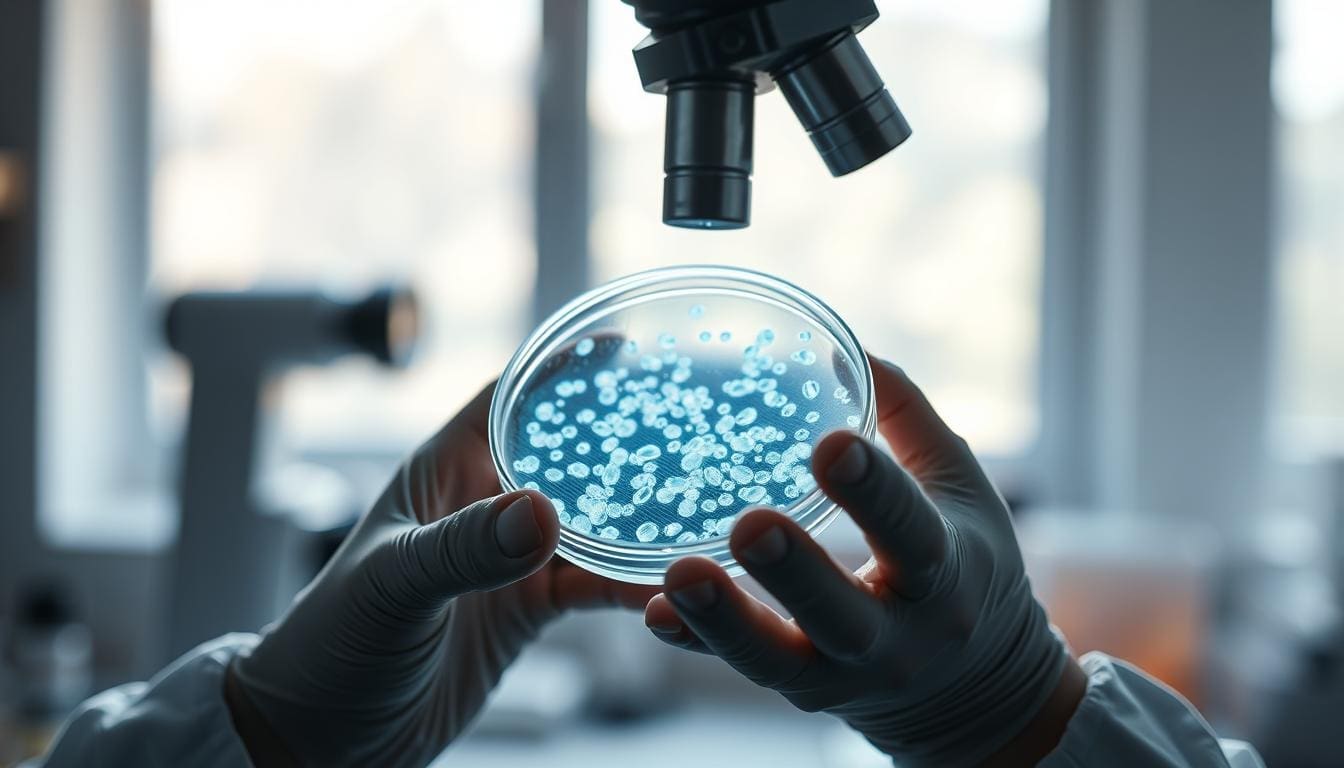
Patients getting a stem cell transplant need protective measures to avoid infections. This is key to their recovery. Isolation is one such measure, ensuring patient safety. The time in isolation depends on the transplant type and the patient’s health.
Knowing how long a patient must stay in isolation is important. It helps both the patient and their caregivers plan better. This makes the recovery process less scary and more doable.
Key Takeaways
- The duration of isolation after a stem cell transplant varies.
- Patient safety is a top priority during this period.
- Isolation protocols are in place to prevent infections.
- The type of transplant influences the isolation duration.
- Understanding isolation procedures can aid in recovery.
The Basics Of Stem Cell Transplantation And Immune Suppression
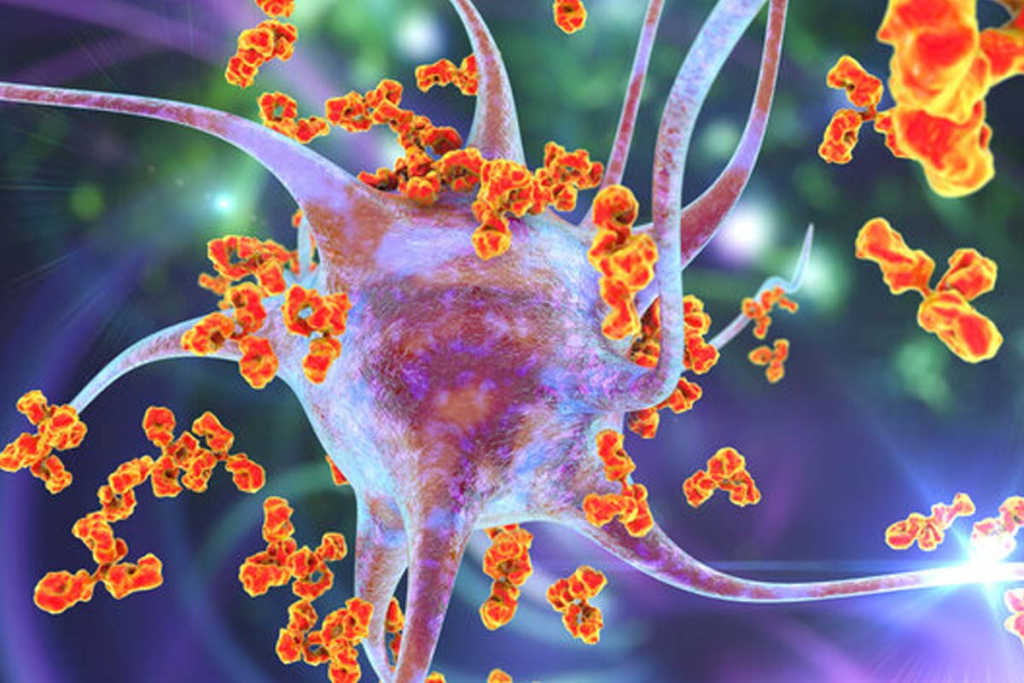
Learning about stem cell transplantation is key for those going through it. It’s a treatment that replaces damaged or sick stem cells with healthy ones. This can save lives for people with certain cancers, blood disorders, or other diseases.
Types Of Stem Cell Transplants
There are two main types of stem cell transplants: autologous and allogeneic. Autologous transplants use the patient’s own stem cells. These are collected, stored, and then given back after treatment. Allogeneic transplants use stem cells from a donor, who can be a relative or not.
The choice between autologous and allogeneic transplants depends on factors such as the patient’s health, donor availability, and tailored treatment plans.
Why Immune System Vulnerability Occurs
The immune system is weakened during stem cell transplantation. This is because of the conditioning regimen, which includes chemotherapy and/or radiation. This regimen kills diseased cells but also weakens the immune system. This makes patients more likely to get infections.
Immune suppression is a big part of the transplant process, more so in allogeneic transplants. There’s a risk of graft-versus-host disease (GVHD). Managing this risk is vital for recovery. It’s done in healthcare settings ready to handle these risks.
Initial Timeline Expectations
The first few weeks after stem cell transplantation are the toughest. Patients see a big drop in white blood cells, making them more prone to infections. Recovery time varies based on the transplant type, patient health, and how well they handle treatment.
Patients usually spend weeks in isolation, either in the hospital or at home. This is to lower the risk of infection. How long depends on neutrophil recovery rate and any complications.
Understanding The Need For Isolation After Transplant
After a stem cell transplant, patients are very vulnerable to infections. This vulnerability stems from a state of profound immunosuppression following the transplant. This makes it hard for their bodies to fight off germs.
Neutropenia and Infection Risk
Neutropenia is a common issue after stem cell transplants. It means the body has too few neutrophils. Neutrophils are key in fighting off infections.
When there are not enough neutrophils, the risk of getting very sick from infections goes up. This is most true right after the transplant, when the neutrophil count is lowest. It’s very important to keep the patient away from germs during this time.
Common Pathogens of Concern
Patients after a transplant can get infections from many sources. These include bacteria, viruses, and fungi. Bacteria like Staphylococcus and Pseudomonas are common culprits. Viruses like CMV can also cause problems.
Fungi, such as Aspergillus and Candida, are another big worry. These can cause serious infections.
Consequences of Infection During Recovery
Infections during recovery can lead to serious issues. These include sepsis, organ failure, and even death. The body’s weakened immune system can’t fight off infections well.
Having a central venous catheter or other devices makes things even worse. So, it’s very important to keep patients isolated and safe from germs. This helps them recover better and avoids serious problems.
Typical Duration of Hospital Isolation
The time spent in hospital isolation after a stem cell transplant changes a lot. This is because of how fast the immune system recovers and the risks of each transplant type.
Autologous Transplant Timeframes
Patients getting autologous transplants have their own stem cells used. They usually stay in the hospital for 2-4 weeks. This time is for managing side effects and preventing infections until the bone marrow heals.
- Monitoring of blood counts and overall health
- Administration of medications to prevent infection
- Nutritional support and management of side effects
Allogeneic Transplant Timeframes
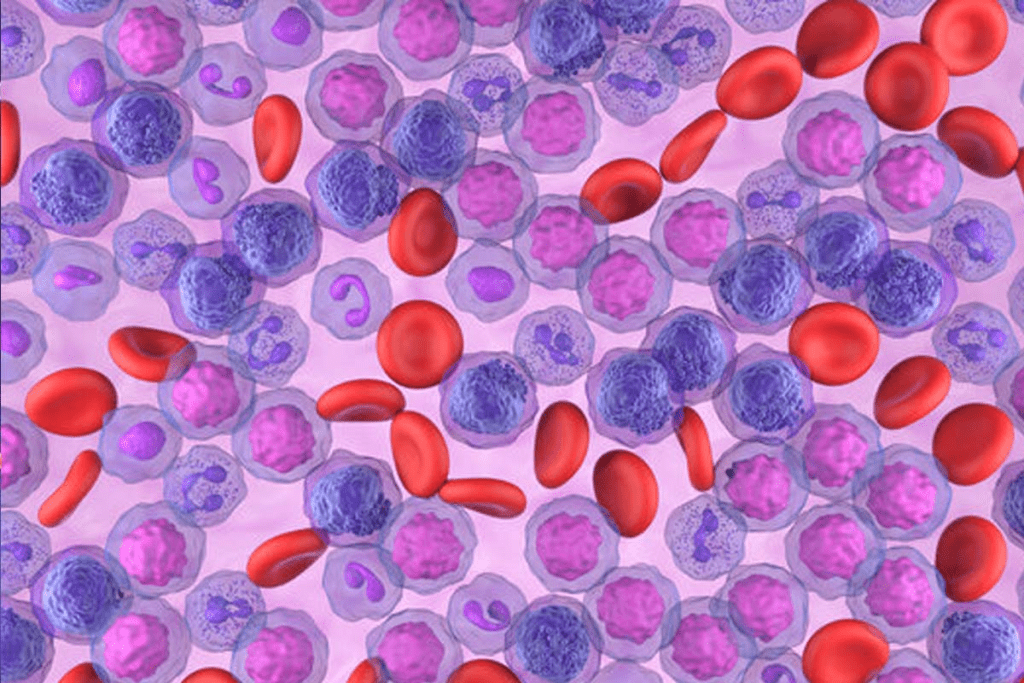
Allogeneic transplants use stem cells from a donor. These transplants need longer hospital stays, usually 3-6 weeks or more. This is because of the risk of graft-versus-host disease (GVHD) and the need for closer watch.
- Initial recovery phase: Focus on engraftment and managing acute side effects
- GVHD prophylaxis: Medications to prevent GVHD are administered
- Supportive care: Includes nutritional support, infection prevention, and management of complications
Haploidentical and Cord Blood Considerations
Haploidentical transplants use a half-match donor, often a family member. The isolation time is similar to allogeneic transplants. Cord blood transplants might need a bit longer because of engraftment time.
Managing isolation rooms is key in all these cases. It involves strict infection control. This includes HEPA filtration, positive pressure rooms, and strict hand hygiene.
Factors That Influence Isolation Length
The time a patient stays in isolation after a stem cell transplant depends on many factors. Each factor is important for the recovery process and the risk of complications.
Conditioning Regimen Intensity
The conditioning regimen intensity is key. A stronger regimen means a longer time in isolation. It prepares the body for the transplant by weakening the immune system. The regimen’s strength varies based on the transplant type and the patient’s health.
Neutrophil Recovery Rate
The neutrophil count recovery rate is also important. Neutrophils fight infections. Faster recovery means less risk of infection and possibly shorter isolation. The recovery rate depends on the transplant type, stem cell source, and the patient’s health.
Presence of Complications
Complications during recovery can extend isolation. Issues like infections, graft-versus-host disease (GVHD), or organ problems need longer isolation. This is to protect against further risks.
Graft-Versus-Host Disease Impact
Graft-versus-host disease (GVHD) is a serious issue after an allogeneic transplant. It happens when donated stem cells attack the body. GVHD can be acute or chronic and needs extra treatment. This can make isolation longer.
Knowing these factors helps manage patient care during isolation. Healthcare teams watch these closely to adjust care plans. This ensures the best results for stem cell transplant patients.
Protective Isolation Environments and Protocols
Protective isolation environments are key in keeping patients safe after a stem cell transplant. They help prevent infections, which is very important. This is because the patient’s immune system is weak during recovery.
HEPA Filtration Requirements
HEPA (High Efficiency Particulate Air) filtration systems are a big part of these environments. They can catch 99.97% of particles as small as 0.3 microns. This includes dust, pollen, and harmful pathogens, lowering the chance of airborne infections.
Positive Pressure Room Design
Positive pressure rooms are also very important. They keep the air pressure inside higher than outside. This stops unfiltered air from getting in. HEPA filters and controlled ventilation systems help keep the air clean and safe for the patient.
Healthcare Staff Protocols
Healthcare staff are essential in keeping these environments safe. They follow strict rules when they enter these rooms. This includes:
- Thorough hand hygiene practices
- Using personal protective equipment (PPE) like masks, gloves, and gowns
- Learning how to use and dispose of PPE correctly
- Watching for signs of infection
Visitor Restrictions and Guidelines
There are also strict rules for visitors. Visitors must:
- Go through health screening before seeing the patient
- Follow hand hygiene and PPE use rules
- Only visit when it’s really necessary
These steps help keep the environment safe for patients recovering from stem cell transplants.
Infection Control Measures in Healthcare Settings
Infection control in healthcare settings is key to keeping patients safe. It involves many steps to stop diseases from spreading. This helps lower the chance of infections in healthcare.
Hand Hygiene Standards
Hand hygiene is very important. Proper hand washing techniques use soap and water or hand sanitizer. Healthcare workers must follow strict hand hygiene rules, before and after seeing patients.
- Wash hands with soap and water for at least 20 seconds.
- Use an alcohol-based hand sanitizer when soap and water are not available.
- Ensure all surfaces of the hands are cleaned, including between fingers and under nails.
Personal Protective Equipment Usage
Personal Protective Equipment (PPE) is essential to stop infectious agents from spreading. PPE includes gloves, masks, gowns, and eye protection. The right PPE depends on the patient’s infection and the procedure.
- Wear gloves when there is a risk of contact with bodily fluids.
- Use masks and respirators to prevent airborne transmission.
- Don gowns and eye protection when there is a risk of splashing or spraying of bodily fluids.
Environmental Cleaning Protocols
Environmental cleaning is key to reducing germs in healthcare settings. Regular disinfection of surfaces, equipment, and rooms is important. There should be daily cleaning and terminal cleaning after patients leave.
- Use EPA-registered disinfectants.
- Follow the manufacturer’s instructions for dilution and contact time.
- Ensure all high-touch surfaces are cleaned regularly.
Preventing Healthcare-Associated Infections
Stopping healthcare-associated infections (HAIs) needs a full plan. This includes watching for infections, teaching healthcare workers, and following infection control rules. Surveillance helps find and manage outbreaks early.
- Implement surveillance systems to monitor HAIs.
- Educate healthcare workers on infection control practices.
- Regularly review and update infection control policies.
By using these infection control steps, healthcare places can lower HAI risks. This makes a safer place for patients and healthcare workers.
Transitioning from Hospital to Home Isolation
Going from the hospital to home isolation needs careful planning. This ensures a smooth recovery. Patients must prepare their homes for safety and healing.
Discharge Criteria and Timing
Before leaving the hospital, patients must meet certain criteria. They need stable vital signs and enough blood cells. They also must not have severe complications.
The time of discharge depends on how well the patient is recovering. It also depends on the type of stem cell transplant they had.
- Stable vital signs and overall health condition
- Adequate blood cell counts, including neutrophils
- Absence of severe infections or complications
- Ability to manage care at home with caregiver support
Home Environment Preparation
Preparing the home is key to avoiding infections and ensuring safety. This includes:
- Cleaning and disinfecting areas the patient will use
- Ensuring good air flow and using HEPA filters if needed
- Removing sources of infection, like mold or standing water
- Having supplies ready, like masks, gloves, and antiseptic wipes
Caregiver Training Requirements
Caregivers are essential for the patient’s recovery at home. They need training in:
- Basic care, like hygiene and managing medications
- Spotting signs of complications or infection
- Correct use of personal protective equipment (PPE)
- Keeping the environment safe and clean
Ongoing Medical Monitoring
After discharge, ongoing medical checks are vital. This includes:
- Regular visits to healthcare providers
- Watching blood cell counts and other health markers
- Changing medications as needed
- Noticing and reporting any complications or infections quickly
By planning well for the transition to home isolation, patients can reduce risks. It’s a detailed process that needs preparation and support from healthcare and caregivers.
Home Isolation Guidelines and Duration
Home isolation is key after a stem cell transplant. It’s important to follow safety guidelines closely. Patients need to take preventive measures to avoid infections and recover well.
Environmental Safety Measures
Keeping your home safe is essential. This means:
- Keeping the living space clean and dust-free
- Avoiding areas with high levels of air pollution
- Using HEPA filters to purify the air
Also, it’s good to:
- Regularly clean and disinfect surfaces
- Avoid close contact with anyone who is sick
Dietary Restrictions and Food Safety
Your diet is very important for recovery. You should:
- Follow a nutrient-rich diet to support immune recovery
- Avoid raw or undercooked foods that may contain harmful bacteria
- Ensure all food is stored and prepared safely
Activity Limitations and Precautions
Rest is important, but some gentle activities can help. You should:
- Avoid strenuous activities and exercises
- Take regular, gentle walks if advised by your healthcare provider
- Practice relaxation techniques to manage stress
Pet, Plant, and Visitor Management
Managing interactions with pets, plants, and visitors is vital:
- Avoid contact with pets that may carry infections
- Limit exposure to plants and gardening
- Restrict visitors, specially those who are sick
By following these home isolation guidelines, patients can lower their risk of infection. This helps them recover better after a stem cell transplant.
Psychological Challenges of Extended Isolation
Patients getting stem cell transplants often stay isolated for a long time. This can deeply affect their minds. How long they stay isolated depends on the transplant type and how fast they recover.
Common Emotional Responses
Being isolated can make people feel anxious, depressed, frustrated, and lonely. Many feel overwhelmed by being stuck and needing others for help.
These feelings can be strong and hurt their mental health. They might even slow down their physical healing. It’s key to understand these feelings to offer the right support.
Effective Coping Strategies
It’s important to find ways to deal with the mind challenges of being isolated. Mindfulness, meditation, and deep breathing can help lower stress and boost mental health.
Also, keeping in touch with family and friends through calls, video chats, and messages can help fight loneliness.
Mental Health Support Resources
Having access to mental health help is critical during this time. Many hospitals offer counseling, support groups, and psychiatric help to tackle the mental effects of isolation.
Patients should use these resources to keep their mental health strong and handle the isolation challenges.
Family Impact Considerations
Isolation affects not just patients but also their families. Family members might feel stressed, anxious, and helpless while caring for their loved ones.
It’s vital for families to get support too. They can find help through counseling or support groups to deal with the emotional strain of caregiving during this tough time.
Support Systems During Isolation Periods
Being isolated after a stem cell transplant can feel overwhelming. But, with the right support, patients can handle it better. A strong support network is key to meeting physical, emotional, and practical needs during this time.
Essential Caregiver Roles
Caregivers are critical in supporting patients during isolation. They handle everything from giving medication to emotional support. Effective caregivers help patients recover by ensuring their needs are met and they follow their treatment plan.
- Assisting with daily activities and personal care
- Managing and administering medications
- Monitoring health status and reporting concerns
- Providing emotional support and companionship
Virtual Connection Technologies
In today’s world, virtual connection technologies are essential for staying in touch. Tools like video conferencing and messaging apps keep patients connected without breaking isolation rules.
- Video conferencing for virtual consultations and support
- Secure messaging apps for communication with healthcare providers
- Remote monitoring systems for tracking health metrics
Support Groups and Community Resources
Support groups, both in-person and online, are great for sharing experiences and advice. Community resources also offer valuable help, making post-transplant care easier to manage.
Financial and Practical Assistance
The cost of stem cell transplants and isolation can be high. Financial assistance programs and practical help can ease this burden. They cover things like medication, transportation, and daily living costs.
- Assistance with medical expenses and insurance claims
- Programs for reducing or managing medication costs
- Services providing meals and other daily necessities
Using these support systems, patients can better manage isolation. This makes their recovery smoother and more successful.
The First 100 Days: Milestones and Gradual Reintegration
The first 100 days after a stem cell transplant are key for getting better. This time is filled with important steps and slowly getting back to normal. Knowing these steps and precautions helps patients get through this tough time.
Immune System Recovery Markers
It’s important to watch how the immune system is getting better in the first 100 days. Key signs include:
- Neutrophil count: When neutrophil counts go up, it means the immune system is getting stronger.
- Immunoglobulin levels: Checking immunoglobulin levels shows how well the body can fight off infections.
- Infection incidence: As the immune system gets better, infections happen less often and are less severe.
Experts say, “The immune system’s recovery is a complex process that needs careful watching and handling.”
“The first 100 days are critical for setting the stage for long-term recovery and reducing the risk of complications.”
Safe Social Activity Progression
Starting to go out again is good for the mind and heart. Patients should begin with:
- Low-risk environments: Stay away from crowded places and areas where infections might spread.
- Family and close friends: Only hang out with people who are healthy and don’t have any sickness.
- Outdoor activities: Try to do things outside instead of indoors.
Public Space Precautions
When going out in public, it’s important to take steps to avoid getting sick:
- Wear protective gear: Wearing masks can help protect against germs.
- Avoid close contact: Keep a safe distance from others to lower the chance of getting sick.
- Practice good hygiene: Washing hands often and using hand sanitizers are very important.
Return to Work/School Considerations
Deciding when to go back to work or school depends on a few things, like:
- Immune system status: If the immune system is not fully recovered, it might take longer.
- Job or school requirements: What you do at work or school can affect when you can go back.
- Healthcare provider advice: Doctors’ opinions are key in making the right choice.
Understanding the first 100 days after a transplant helps patients safely get back to their lives.
Special Considerations for Different Patient Populations
Different patients need special care after a stem cell transplant. Tailoring care to each group helps them recover better and avoid problems.
Pediatric Patient Approaches
Pediatric patients need specialized care because of their age and needs. This includes making isolation rooms fun and safe for them. It also means giving them the right food and emotional support.
For little kids, making the isolation room fun is key. This means toys and games that are safe and clean. Older kids and teens might need to stay in touch with friends online to feel less lonely.
Elderly Patient Considerations
Elderly patients often have health issues that make recovery harder. Their care must consider these health problems. It’s also important to manage their medicines during isolation.
Older patients might need help with daily tasks. Having a caregiver can help with these tasks and offer emotional support.
Patients with Pre-existing Conditions
Patients with pre-existing conditions need careful management during isolation. Their treatment must balance immune suppression and risk of worsening their condition.
It’s important to watch them closely for any problems. This way, any issues can be quickly handled.
Cultural and Religious Accommodations
Cultural and religious beliefs are important for patients in isolation. Healthcare providers should try to meet these needs. This could mean special diets, religious practices, or just being respectful of their culture.
By respecting these beliefs, healthcare providers can make patients happier and more likely to follow isolation rules. This helps them recover better.
Recent Advances in Transplant Isolation Protocols
The field of transplant medicine is seeing big changes in how we isolate patients. These changes aim to cut down on complications and help patients recover faster. New methods are making transplant care better and safer for patients.
Outpatient Transplant Programs
More patients are getting transplants without staying in the hospital for long. This is thanks to better outpatient care infrastructure and patient monitoring technologies. Outpatient care means less chance of getting sick from the hospital and a more comfortable place to heal.
Reduced-Intensity Conditioning Impact
Reduced-intensity conditioning is a big step forward in transplant care. It cuts down on the strong medicines and radiation needed before a transplant. This is good for older patients or those with other health issues.
Telemedicine Monitoring Approaches
Telemedicine is changing how we care for transplant patients. It lets doctors check in on patients from afar. This means patients get the care they need without having to go to the hospital all the time. It’s better for patients and helps catch problems early.
Research on Isolation Duration Optimization
Researchers are working to find the right length of time for isolation after a transplant. They’re looking at if shorter isolation times are safe and work for each patient. The goal is to lessen the effects of long isolation while keeping patients safe.
These new steps in transplant care are making a big difference. By using outpatient programs, reduced-intensity treatments, telemedicine, and finding the best isolation times, doctors can give patients better care. This care is more tailored and effective for each patient.
Conclusion
Isolation after a stem cell transplant is key to recovery. It helps keep patients safe from infections. The length of isolation depends on the transplant type, how intense the treatment was, and how quickly the patient recovers.
It’s important to understand and follow isolation rules and healthcare advice. This helps patients and their families deal with the challenges of isolation. It also makes the recovery process smoother and safer for everyone.
Good isolation practices, along with better transplant methods and constant medical checks, improve care for stem cell transplant patients. As research grows, finding the best ways to keep patients safe during isolation will be a major goal. This will help make care even better for patients.
FAQ
What is the typical duration of hospital isolation after a stem cell transplant?
Hospital stay varies by transplant type. Autologous transplants usually last 2-4 weeks. Allogeneic transplants might need 3-6 weeks or more
Why is isolation necessary after a stem cell transplant?
Isolation protects patients from infections when their immune system is weak. Low white blood cell counts make them very prone to infections.
What are the key factors that influence the length of isolation after a stem cell transplant?
Several factors affect isolation time. These include the conditioning regimen’s intensity, neutrophil recovery rate, complications, and graft-versus-host disease impact.
What infection control measures are implemented in healthcare settings to prevent infections?
Healthcare uses strict hand hygiene, personal protective equipment, and environmental cleaning. They also prevent healthcare-associated infections.
How can patients transition safely from hospital to home isolation?
Safe transition involves meeting discharge criteria and preparing the home. Caregiver training and ongoing medical monitoring are also key.
What guidelines should be followed during home isolation?
Follow environmental safety, dietary, and activity guidelines. Manage pets, plants, and visitors to reduce infection risk.
How can patients cope with the psychological challenges of extended isolation?
Use effective coping strategies and access mental health support. Leverage caregivers, virtual connections, and support groups for help.
What are the milestones in immune system recovery during the first 100 days after a stem cell transplant?
Key milestones include neutrophil count recovery and tapering of immunosuppressive meds. Overall immune function also improves
Are there special considerations for different patient populations undergoing stem cell transplants?
Yes, patients like children, the elderly, and those with pre-existing conditions need tailored care. Cultural and religious needs are also considered.
What recent advances have been made in transplant isolation protocols?
Advances include outpatient programs and reduced-conditioning regimens. Telemedicine and ongoing research aim to shorten isolation times.
How can patients gradually reintegrate into social activities after a stem cell transplant?
Follow safe social activity guidelines. Take precautions in public and consider immune system recovery before returning to work or school.
References
- American Cancer Society. (2023). Bone marrow transplant and stem cell transplant. Retrieved from https://www.cancer.org/treatment/treatments-and-side-effects/stem-cell-and-bone-marrow-transplants.html
- National Cancer Institute. (2023). Stem cell transplants in cancer treatment. Retrieved from https://www.cancer.gov/about-cancer/treatment/types/stem-cell-transplant
- U.S. Centers for Disease Control and Prevention. (2023). Infection control guidelines. Retrieved from https://www.cdc.gov/infectioncontrol/guidelines/index.html