Last Updated on November 25, 2025 by

Transurethral resection of the prostate (TURP) is a surgery for BPH, a common issue in men. It can cause urinary problems. The level of prostate-specific antigen (PSA) in blood is key to prostate health. High PSA levels might mean cancer, BPH, or prostatitis. Does PSA go down after TURP? Learn the PSA change after TURP surgery facts. This guide explains the expected drop in PSA levels post-procedure.
We look at how TURP surgery affects PSA levels. Studies show PSA levels drop after TURP. On average, they go down by 66% to 71% in 60 days after surgery.
Key Takeaways
- PSA levels typically decrease after TURP surgery.
- The average reduction in PSA levels is between 66% to 71%.
- This reduction occurs within 60 days post-TURP surgery.
- Monitoring PSA levels after TURP is key to patient care.
- Knowing how PSA changes after TURP helps manage patients better.
Understanding PSA and TURP: The Basics
To understand how TURP surgery affects PSA levels, knowing the basics of PSA and TURP is key. Both are linked to prostate health. This knowledge is vital for those undergoing prostate surgery.
What is PSA and Why is it Measured?
PSA is a protein made by the prostate gland. High PSA levels can mean prostate issues, like cancer or BPH. Testing PSA helps find problems early and check if treatments work.
The normal PSA range is 0 to 4 ng/mL. PSA is not just for cancer, but for prostate health. So, high PSA levels need more tests.
What is TURP and When is it Performed?
TURP is a surgery for BPH, when the prostate blocks urine flow. It removes parts of the prostate gland. This surgery is for when other BPH treatments don’t work.
TURP helps with BPH symptoms like hard to pee and weak flow. It aims to improve urine flow and reduce symptoms, making life better for patients.
The Relationship Between Prostate Tissue and PSA Levels
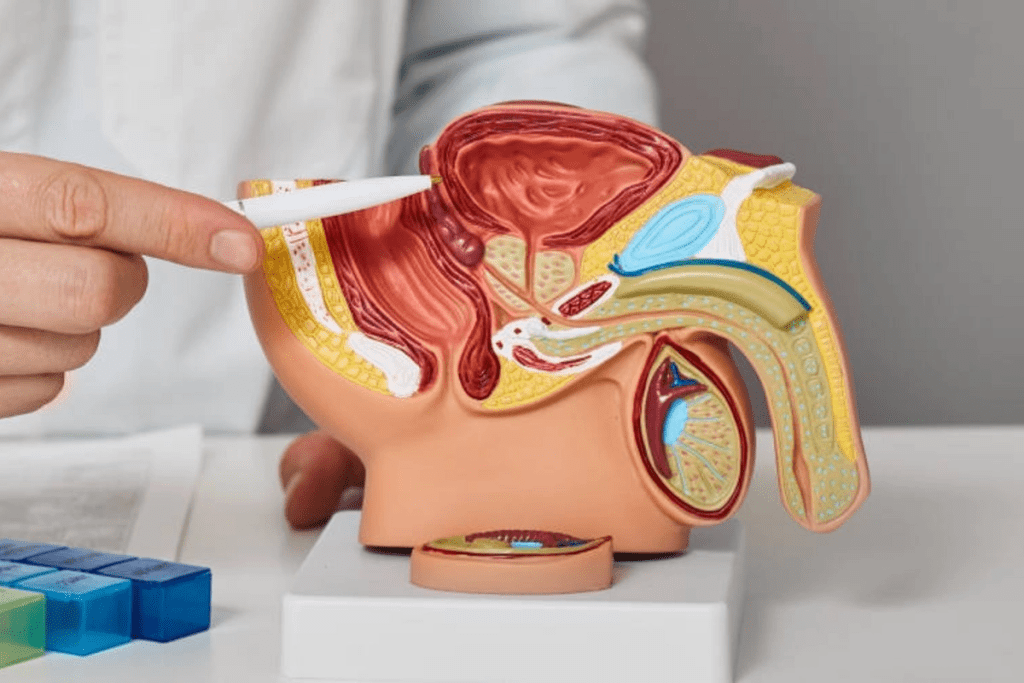
PSA levels change with prostate tissue and conditions. TURP removes tissue, which can lower PSA. But, how much it drops depends on the tissue removed and any prostate issues.
- The amount of prostate tissue removed during TURP can impact the subsequent PSA levels.
- Presence of prostate conditions, such as cancer or prostatitis, can affect PSA levels before and after TURP.
- PSA levels after TURP can provide valuable information about the effectiveness of the surgery and the presence of any remaining prostate issues.
Knowing how prostate tissue and PSA levels relate is key to understanding PSA results after TURP. It helps doctors keep track of patients and make better care plans.
PSA Change After TURP Surgery: Research Findings
Studies have found that TURP surgery can greatly lower PSA levels. This drop is a key part of the surgery’s success. It gives important information to both patients and doctors.
We will look at the research on PSA changes after TURP. We’ll focus on the average PSA drop, typical measurements before and after, and why PSA levels go down.
Average Percentage of PSA Reduction Post-TURP
Research shows that PSA levels drop by 66% to 71% after TURP. This big drop comes from removing prostate tissue. This reduces how much PSA is made.
PSA reduction is a key result of TURP. Knowing how much it drops helps manage patient hopes and care after surgery.
Before and After: Typical PSA Measurements
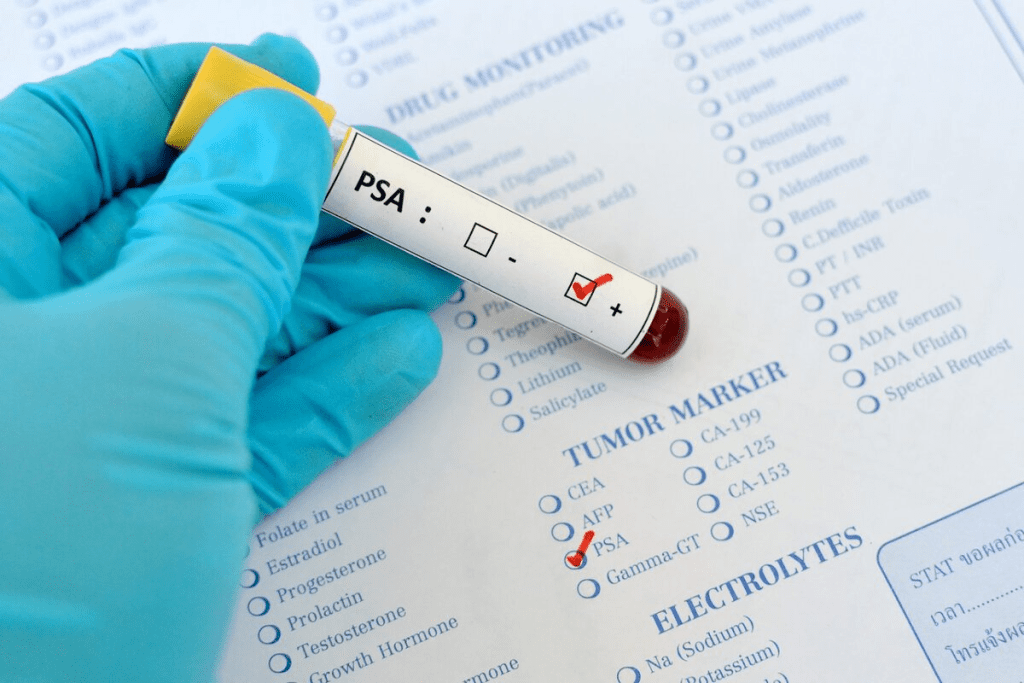
Before TURP, patients usually have high PSA levels because of an enlarged prostate. After TURP, PSA levels go down a lot because less prostate tissue is there.
Studies show that PSA levels before TURP are often over 10 ng/mL. After surgery, they can fall to about 3-4 ng/mL. This shows a big reduction in PSA production.
Why PSA Levels Decrease Following TURP
The main reason PSA levels go down after TURP is because a lot of prostate tissue is removed. PSA is made by the prostate gland. So, when the gland is smaller, less PSA is made.
Also, the lessening of inflammation and the relief from urinary blockage after TURP help lower PSA levels. This is because the prostate is healthier overall.
Timeline of PSA Decrease After TURP
The timeline of PSA decrease after TURP surgery is key in post-operative care. It helps both patients and healthcare providers see if the surgery worked. This knowledge guides follow-up care decisions.
Immediate Post-Operative PSA Changes
Right after TURP, PSA levels can change a lot. This is because some prostate tissue is removed. Studies show PSA levels often drop a lot in the first few weeks.
Key points to consider in the immediate post-operative period include:
- The initial PSA drop is often significant.
- PSA levels may continue to decrease over the following weeks.
- Monitoring PSA levels during this period helps in understanding the baseline post-TURP PSA level.
When PSA Levels Typically Stabilize
PSA levels usually settle down within 60 days after TURP. This period is important because it shows the patient’s new PSA baseline. The amount of tissue removed and any inflammation or infection can affect how fast PSA levels drop and stabilize.
It’s essential to note that individual results may vary. While 60 days is a general guideline, some patients may stabilize earlier or later.
Expected PSA Level One Year After TURP
One year after TURP, PSA levels are expected to be much lower than before surgery. This assumes the surgery was successful and there were no complications. The exact PSA level can vary based on age, tissue removed, and prostate health.
Some key expectations for PSA levels one year post-TURP include:
- A significantly reduced PSA level compared to pre-surgery measurements.
- A stable PSA level, indicating successful removal of problematic prostate tissue.
- Continued monitoring as recommended by healthcare providers to ensure PSA levels remain stable.
Knowing the PSA decrease timeline after TURP and the expected PSA level one year later is vital. It helps manage patient care well. It allows for early detection of any issues and shows the surgery’s success.
Factors Affecting PSA Drop After TURP
Many things can change how much PSA drops after TURP surgery. Knowing these factors helps doctors understand PSA levels after surgery. This knowledge is key for taking good care of patients.
Amount of Tissue Removed During Surgery
The amount of prostate tissue taken out during TURP matters a lot. Research shows that removing more tissue leads to a bigger drop in PSA levels. This is because PSA comes from the prostate, and taking out more tissue means less PSA is made.
“The more tissue removed, the bigger the PSA drop,” a study in the Journal of Urology found. This shows why looking at how much tissue is removed is important when checking PSA levels after surgery.
Presence of Inflammation or Infection
Inflammation or infection in the prostate can also change PSA levels after TURP. Inflammation can make PSA levels go up, and infection can make them rise too. So, it’s important to think about these things when looking at PSA levels after TURP.
- Inflammation can make PSA levels go up and down
- Infection can make PSA levels go up
- Doctors might give antibiotics to treat infection and lower PSA levels
Age and Other Patient-Specific Factors
Age and other things about the patient, like health and medical history, can also affect PSA levels after TURP. Older patients might see a bigger drop in PSA levels because their prostate tissue naturally decreases with age. Also, patients with prostate problems might have different PSA level trends after TURP.
As we’ve seen, many things can change PSA levels after TURP. By knowing these things, doctors can understand PSA results better. This helps them give patients care that’s just right for them.
PSA Monitoring Post Prostate Surgery
It’s important for patients and doctors to know about PSA levels after TURP surgery. This helps in making the right choices for follow-up care. Monitoring PSA levels after surgery is key to keeping patients healthy and catching problems early.
Interpreting Post-TURP PSA Results
Understanding PSA results after TURP is essential. A big drop in PSA levels is usually seen after the surgery.
Key Considerations for Interpreting Post-TURP PSA Results:
- The amount of prostate tissue removed during surgery can impact PSA levels.
- Presence of inflammation or infection can affect PSA measurements.
- Patient-specific factors such as age can influence PSA levels.
A leading urologist says, “PSA levels after TURP should be checked often. This ensures they’re in a healthy range, showing the surgery was successful and there are no complications.”
“Regular PSA monitoring post-TURP is key for catching recurrence or progression early. This allows for quick action.”
” Expert Opinion
To keep track of PSA levels after TURP, patients should stick to a schedule set by their doctor. This might include:
- First PSA test right after surgery.
- Regular PSA tests later on.
- Changing the schedule based on the patient’s needs.
By watching PSA levels closely and understanding what the results mean, patients and doctors can work together. This ensures the best results after TURP surgery.
Conclusion: What to Expect for Your PSA Levels After TURP
Knowing how TURP surgery affects PSA levels is key for patients. Studies show PSA levels usually drop after TURP. This decrease is often seen within 60 days.
The amount of PSA drop can change based on several things. These include how much tissue is removed and if there’s inflammation or infection. Understanding these factors helps patients know what to expect after surgery.
PSA levels after TURP tell us how well the surgery worked. We’ve seen big drops in PSA levels, which is good news. Keeping an eye on PSA levels is important to catch any problems early.
Watching PSA levels closely helps doctors see if the surgery was successful. This knowledge helps patients feel more at ease. It lets them focus on getting better and feeling well again.
FAQ
What is the average reduction in PSA levels after TURP surgery?
Studies show PSA levels drop by 66% to 71% within 60 days after TURP.
How long does it take for PSA levels to stabilize after TURP?
PSA levels usually stabilize after a while after TURP. But, how long it takes can vary.
What is the expected PSA level one year after TURP?
A year after TURP, PSA levels are usually lower than before. This shows the prostate tissue reduction.
What factors affect the drop in PSA levels after TURP?
Several things can affect PSA levels after TURP. These include how much tissue is removed, any inflammation or infection, and the patient’s age.
How should post-TURP PSA results be interpreted?
Post-TURP PSA results should be seen in the light of the patient’s health, medical history, and surgery details. Consider the factors that influence PSA levels.
Why do PSA levels decrease following TURP?
PSA levels drop after TURP because the surgery removes prostate tissue. This reduces PSA production.
What is considered a normal PSA level after TURP?
A normal PSA level after TURP is lower than before. But, what’s normal can vary based on individual factors.
How often should PSA levels be monitored after TURP?
How often to check PSA levels after TURP depends on the patient’s health and surgery specifics.
References
- Chen, J., et al. (2022). A systematic review and meta-analysis of the efficacy and safety of HoLEP and TURP for benign prostatic hyperplasia. Medicine, 98(8), e14660. https://pmc.ncbi.nlm.nih.gov/articles/PMC9085931/