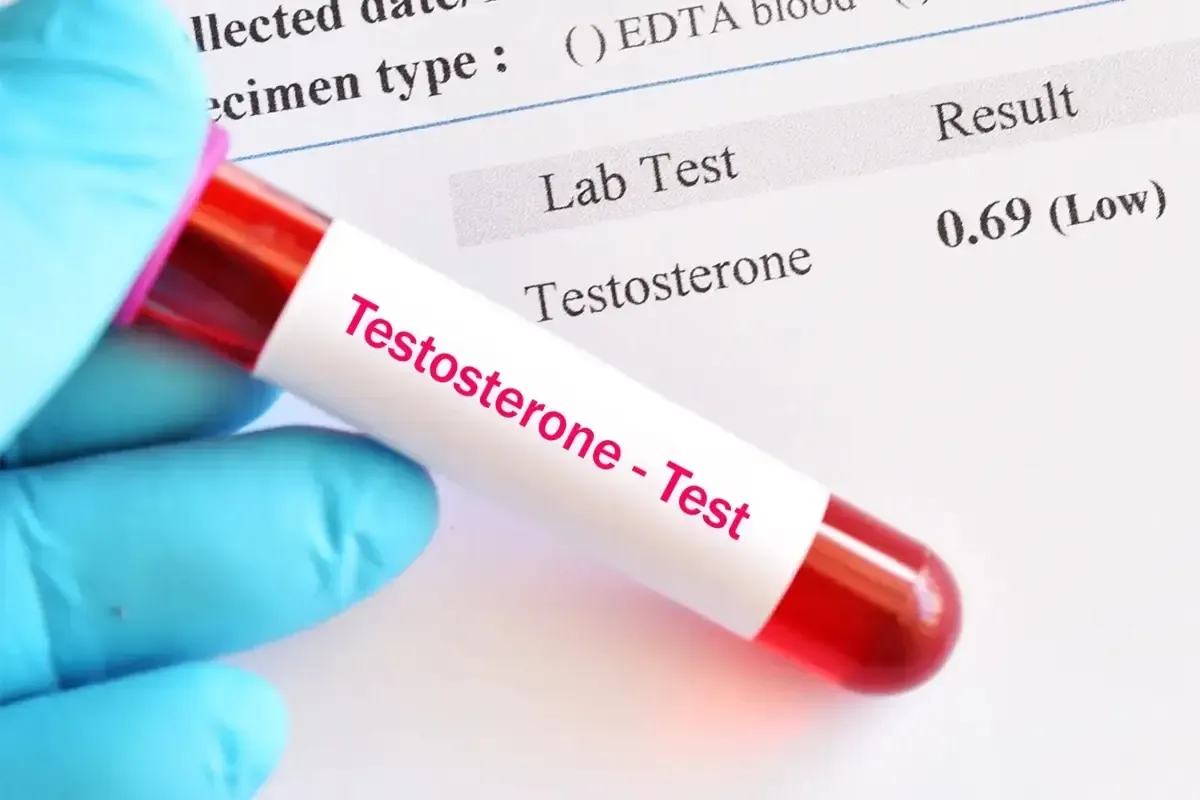
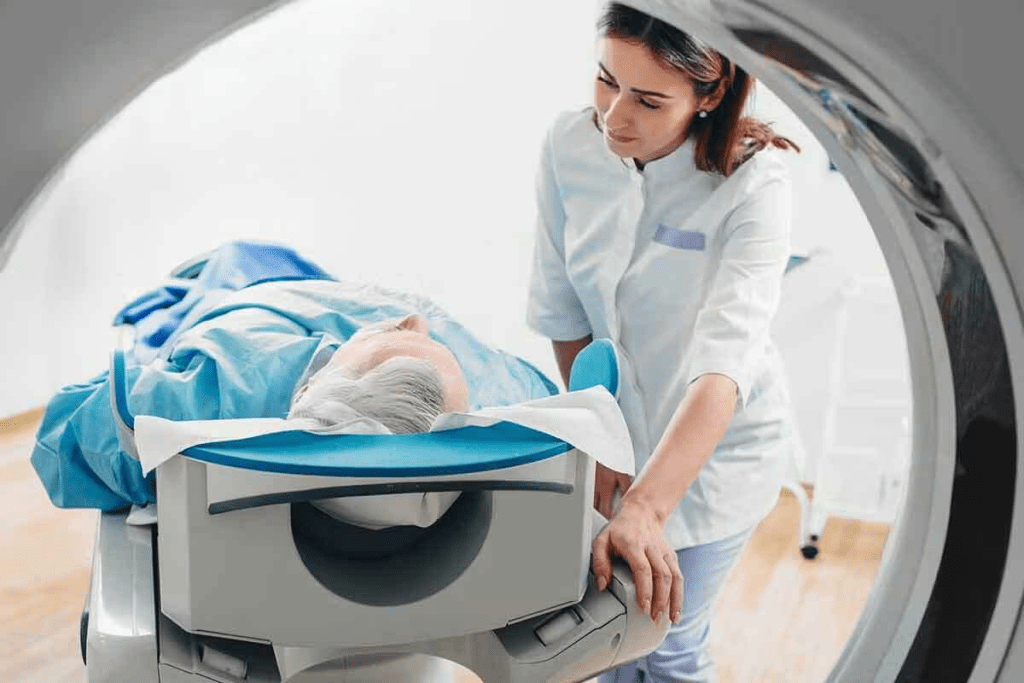
Getting ready for a PSMA PET scan is key to finding prostate cancer and planning treatment. We know it can feel scary to get a test, but being ready can really help.
A PSMA PET scan uses advanced tech to find prostate cancer cells all over the body. It’s more accurate than old methods. Studies show it helps find cancer that’s come back or spread, helping doctors plan better treatments.
At Liv Hospital, we help you get ready for your PSMA PET scan. We focus on you, combining medical know-how with care and understanding. This makes your experience as easy as possible. PSMA pet scan preparation: Step-by-step guide to prepare effectively for your scan.
Key Takeaways
- Understand the importance of preparation for a PSMA PET scan.
- Learn how to prepare effectively for the scan.
- Discover the benefits of PSMA PET scans in prostate cancer detection.
- Find out what to expect during and after the scan.
- Experience the patient-focused care at Liv Hospital.
Understanding PSMA PET Scans for Prostate Cancer
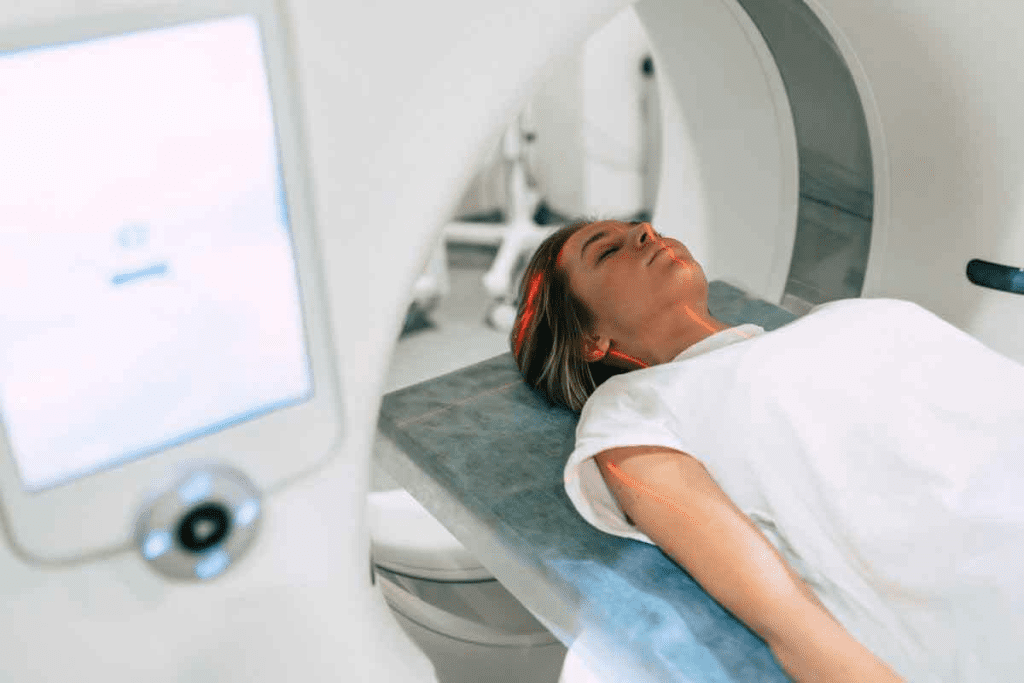
PSMA PET scans are a big step forward in fighting prostate cancer. They are key tools in our fight against this disease. A PSMA PET scan is a cutting-edge tool that changes how we find and treat prostate cancer.
What is a PSMA PET Scan?
A PSMA PET scan is a test that finds prostate cancer cells in the body. It uses a special tracer to spot these cells. This tracer targets a protein found on prostate cancer cells, helping to find cancer even when it’s small.
Key benefits of PSMA PET scans include:
- High sensitivity in detecting prostate cancer cells
- Ability to identify cancer spread to other parts of the body
- Enhanced accuracy in diagnosing recurrent prostate cancer
How PSMA PET Scans Work
The scan starts with a small amount of radioactive tracer being injected into the patient. This tracer sticks to prostate cancer cells. Then, a PET scanner picks up signals from the tracer, making detailed images of the body’s inside.
The scanning process is highly specific and sensitive, allowing for the detection of cancerous cells that other imaging tests might miss.
Types of PET Scans for Prostate Cancer
While PSMA PET scans are a big leap, other PET scans are also used. These include:
| Type of PET Scan | Tracer Used | Application |
| PSMA PET | PSMA-targeting tracer | Detecting prostate cancer cells, even in recurrence or metastasis |
| Fluorodeoxyglucose (FDG) PET | FDG | Checking tumor activity, useful in many cancers |
| Choline PET | Choline | Helps find prostate cancer, mainly in biochemical recurrence |
Knowing about the different PET scans helps doctors pick the best one for each patient. This depends on the patient’s condition and needs.
Benefits of PSMA PET Scans Over Conventional Imaging
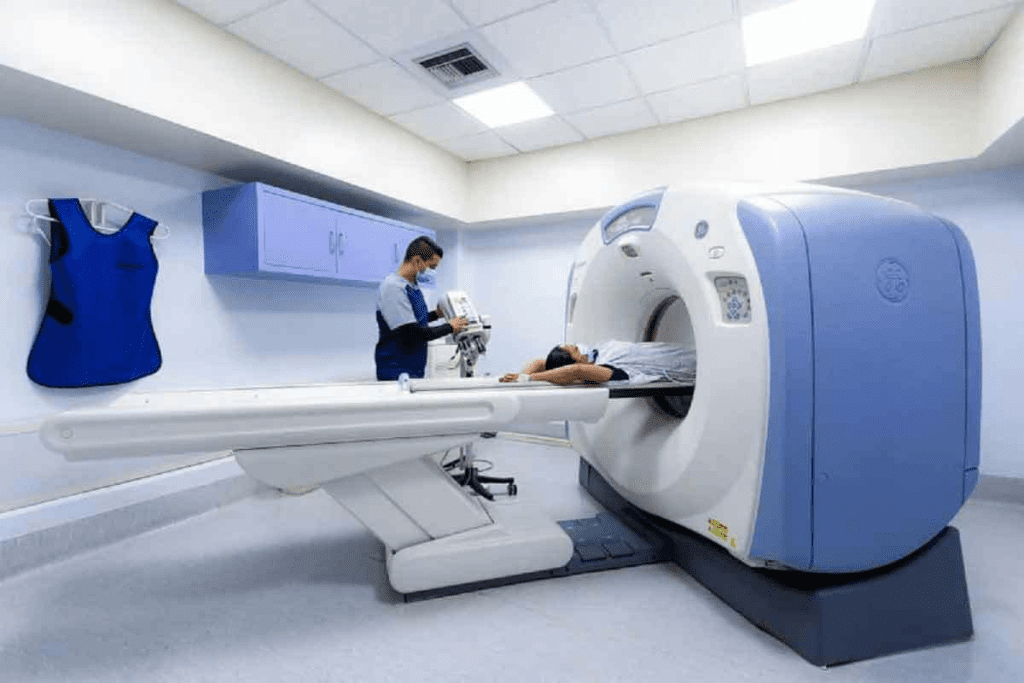
PSMA PET scans give a clearer view of prostate cancer than old methods. They have changed how we find and treat prostate cancer. This new tool offers many advantages over traditional imaging.
Enhanced Sensitivity for Detecting Prostate Cancer Cells
PSMA PET scans are great at finding prostate cancer cells, even when the cancer has spread. This is key for catching cancer early. They can spot cancer cells at low PSA levels, helping those with suspected recurrence.
A study showed PSMA PET scans are very accurate in finding prostate cancer.
Key Benefits:
- High sensitivity for detecting prostate cancer cells
- Early detection of recurrence
- Improved accuracy in diagnosis
Precise Tumor Localization Capabilities
PSMA PET scans can pinpoint tumors accurately. This is vital for planning treatments like surgery or radiation. Knowing exactly where the tumor is helps doctors create better treatment plans.
Improved Detection of Early Metastatic Disease
PSMA PET scans are great at finding early metastatic disease. This is hard for old imaging methods. Finding metastasis early means doctors can start treatment sooner, which can help patients more.
“The use of PSMA PET scans has significantly improved our ability to detect and manage prostate cancer, even in cases of recurrence or metastasis.”
Impact on Treatment Decision-Making
PSMA PET scans greatly influence treatment choices. They give a detailed look at the disease, helping doctors decide the best treatment. This leads to more tailored and effective treatments.
| Benefit | Description | Impact |
| Enhanced Sensitivity | Highly sensitive in detecting prostate cancer cells | Early detection and intervention |
| Precise Localization | Accurate identification of tumor location and extent | Effective treatment planning |
| Early Metastasis Detection | Detection of metastatic disease at an early stage | Timely initiation of appropriate treatment |
When is a PSMA PET Scan Recommended?
Knowing when to use a PSMA PET scan is key to managing prostate cancer well. This scan is a detailed tool that helps in certain situations.
Initial Diagnosis and Staging
For new prostate cancer patients, a PSMA PET scan is very helpful. It shows how far the cancer has spread, which is important for planning treatment.
Clinical guidelines say PSMA PET scans are best for high-risk patients or when other tests are unclear.
Recurrent Prostate Cancer Detection
If prostate cancer comes back, a PSMA PET scan can find where and how much. It’s great when other tests can’t show anything.
Research shows PSMA PET scans can spot cancer at lower PSA levels than usual tests. This means treatment can start sooner.
Treatment Planning and Monitoring
PSMA PET scans are also key for planning and checking treatment. They show where tumors are and how active they are. This helps doctors see if treatments are working.
For patients on special treatments, these scans give important insights into how well they’re doing.
Limitations and Contraindications
Even though PSMA PET scans are very useful, they’re not perfect. Some people, like those with kidney problems or pregnant women, might not be good candidates.
Also, not everyone can get a PSMA PET scan because of cost or availability issues.
| Clinical Scenario | Benefits of the PSMA PET Scan | Guideline Recommendation |
| Initial Diagnosis and Staging | Accurate disease extent assessment | Recommended for high-risk patients |
| Recurrent Prostate Cancer Detection | Early detection of recurrence | Suggested for rising PSA with negative conventional imaging |
| Treatment Planning and Monitoring | Detailed tumor assessment for treatment response | Recommended for guiding targeted therapies |
PSMA PET Scan Preparation: Essential Steps
Getting ready for a PSMA PET scan is important. It helps get clear images for prostate cancer diagnosis and treatment. Each step is key to a successful scan.
Consultation with Your Healthcare Provider
Talk to your doctor before the scan. They’ll go over your medical history, medications, and allergies. They’ll also explain the scan and answer your questions. A well-informed patient is better prepared.
Medication Management Before the Scan
Some medicines can mess with the scan results. Your doctor will tell you which ones to skip. It’s important to listen to these instructions. Managing your medications is a big part of getting ready.
Hydration Requirements and Dietary Guidelines
Drink lots of water before the scan. It helps clear out the tracer used. You might also need to follow a special diet. Staying hydrated and following the diet can make the scan better.
Physical Activity Restrictions
Avoid hard exercise before and after the scan. It helps you feel better and ensures clear images. Following these rules is important for a good scan.
By following these steps, patients can make sure their scan is safe and useful. It helps in diagnosing and treating prostate cancer.
What to Expect on the Day of Your PSMA PET Scan
Getting ready for your PSMA PET scan can make you feel a bit nervous. We’re here to walk you through what happens from start to finish. This will help you feel more at ease as you go through this important step in your prostate cancer care.
Arrival and Check-in Procedures
When it’s time for your PSMA PET scan, arrive early at the imaging center. You’ll need to check in at the front desk, where you’ll show your ID and any paperwork. Then, our team will take you to the waiting area until it’s time for your scan.
Radiotracer Injection Process
The first thing you’ll do is get a radiotracer injection. This is a quick, safe process where a tiny bit of radioactive material is put into a vein in your arm. The radiotracer finds and sticks to prostate cancer cells, making them show up on the scan.
Waiting Period Before Imaging
After the radiotracer injection, you’ll wait a bit before the scan. This lets the radiotracer spread and gather in the cancer cells. You might relax or do some light activities during this time. The wait can vary, but our team will keep you updated and comfortable.
The Scanning Procedure
When it’s time, you’ll go to the scanning room. The scanning procedure involves lying on a table that slides into a PET scanner. The scan is painless and takes about 30 minutes to an hour. Our technologists will guide you and support you every step of the way.
| Procedure | Duration | Description |
| Check-in and Preparation | 15-30 minutes | Arriving, checking in, and getting ready for the scan. |
| Radiotracer Injection | 5 minutes | Injecting the radiotracer into a vein. |
| Waiting Period | 60-90 minutes | Allowing the radiotracer to circulate. |
| Scanning | 30-60 minutes | The actual PET scan procedure. |
How Long Does a PSMA PET Scan Take?
Knowing how long a PSMA PET scan takes is key to planning your day. The scan usually lasts about 2-3 hours. But, it’s important to know about the different parts and what can change the time.
Total Time Commitment
The total time for a PSMA PET scan is 2-3 hours. This includes getting ready, getting the radiotracer, waiting, and the scan itself. It’s good to plan ahead to avoid any schedule problems.
Duration of Each Phase of the Procedure
The PSMA PET scan has several parts, each lasting differently:
- Radiotracer Injection: This takes about 10-15 minutes.
- Waiting Period: After the injection, you wait for the radiotracer to spread. This can take 30 minutes to 1 hour.
- Scanning Procedure: The scan itself takes 30-60 minutes.
Factors That May Affect Scan Duration
Several things can change how long the scan takes:
| Factor | Impact on Duration |
| Specific Procedures Involved | More procedures or images needed can make it longer. |
| Individual Patient Factors | How mobile you are, your health, and extra images can change the time. |
| Radiotracer Distribution Time | How fast the radiotracer spreads can vary. |
Planning Your Day Around the Scan
To plan well, think about the total time and what might change it. Here’s what we suggest:
- Get there early to do any paperwork.
- Bring any documents or items your doctor says you need.
- Having someone with you can be helpful.
By knowing the time and planning, you can reduce stress and make your visit better.
Post-Scan Care and Side Effects of PSMA PET Scan
After a PSMA PET scan, it’s key to follow certain after-care steps. This ensures your safety and comfort. We know that getting a diagnostic test can be worrying. Proper care can help ease any discomfort or issues.
Immediate After-Care Instructions
Right after your PSMA PET scan, follow these steps:
- Drink lots of water to clear the radiotracer from your body.
- Avoid being close to pregnant women and young kids for the day.
- Go back to your usual diet unless your doctor tells you not to.
- Keep drinking fluids all day to stay hydrated.
Common Side Effects and Management
Most people find PSMA PET scans easy to handle. But some might feel a bit off. You might notice:
| Side Effect | Management |
| Fatigue | Rest and avoid hard activities for the rest of the day. |
| Dizziness or Lightheadedness | Take your time getting up, and have someone with you. |
| Reaction at the Injection Site | Use a cold compress if needed, and watch for infection signs. |
Radiation Safety Precautions
Even though PSMA PET scans are safe, we suggest some precautions:
- Stay away from others, like pregnant women and kids, for 24 hours.
- Practice good hygiene, like washing your hands well after using the bathroom.
The radiotracer in PSMA PET scans leaves your body in a few hours.
When to Contact Your Doctor
If you feel any of these symptoms after your scan, call your doctor:
- Severe or ongoing pain
- Big swelling or redness at the injection site
- Any signs of an allergic reaction, like rash or trouble breathing
Your health and safety are our main concern. We’re here to support you every step of the way.
Understanding Your PSMA PET Scan Results
Getting your PSMA PET scan results right is key to making smart care choices. We know it can be tough to understand these results. So, we’re here to help you through it.
Interpretation of Results
When we look at your PSMA PET scan, we check for cancer cells. Our skilled radiologists and nuclear medicine experts will go over the scans with you. They’ll give you a detailed report.
The scan shows how far cancer might have spread. It helps decide the best treatment for you. It’s not just about finding cancer. It’s about how it affects your health overall.
Timeframe for Receiving Results
How long it takes to get your results depends on a few things. This includes how busy the imaging center is and how complex your case is. Usually, you’ll get your results in a few days to a week.
Talk to your doctor about when you can expect your results. They can give you a better idea based on your situation.
Follow-up Discussions with Your Healthcare Team
After you get your results, it’s important to talk to your healthcare team. They’ll explain what the results mean and answer any questions. They’ll also tell you what to do next.
These talks are vital for your care. They make sure you’re informed and involved in your treatment plan.
Additional Testing That May Be Recommended
Your team might suggest more tests based on your scan results. This could be other imaging, biopsies, or blood tests.
Knowing about any extra tests helps you prepare. It can also ease any worries you might have. Your healthcare team is there to support you every step of the way.
Conclusion: Maximizing the Benefits of Your PSMA PET Scan
To get the most out of a PSMA PET scan, you need to prepare well. You should understand what the scan is and what it means. Following these steps helps you get the best results for prostate cancer diagnosis.
A PSMA PET scan is a key tool for managing prostate cancer. Knowing how to get ready, what happens during the scan, and how to understand the results helps you make smart choices about your health.
This scan is great for finding prostate cancer cells, locating tumors, and spotting early signs of cancer spreading. By using these benefits fully, you can get better treatments and outcomes.
We stress the need for a well-informed approach to PSMA PET scans. This ensures patients are ready and supported every step of the way. This way, you can fully benefit from this advanced imaging method.
FAQ
How do I prepare for a PSMA PET scan?
To get ready for a PSMA PET scan, talk to your doctor. They will tell you how to manage your medicines and what to eat and drink. You might also need to avoid certain activities. Your healthcare team will give you all the details.
What are the benefits of a PSMA PET scan over conventional imaging?
PSMA PET scans are more sensitive and precise than old imaging methods. They can spot early cancer and tumors better. This helps doctors make better treatment plans for you.
When is a PSMA PET scan recommended?
A PSMA PET scan is suggested for diagnosing and staging prostate cancer. It’s also used for finding cancer that has come back, planning treatments, and checking on how treatments are working. Your doctor will decide if you need one based on your situation.
How long does a PSMA PET scan take?
A PSMA PET scan usually takes 2-3 hours. This includes getting ready, getting the radiotracer, waiting, and the scan itself. The exact time might vary based on your needs and the scan’s specifics.
What are the common side effects of a PSMA PET scan?
Most side effects from a PSMA PET scan are mild. You might feel a bit of discomfort or have an allergic reaction to the radiotracer. But most people don’t have big problems. If you’re worried, talk to your doctor.
How are PSMA PET scan results interpreted?
A specialist will look at your scan to see where PSMA is. This shows where prostate cancer cells are. Your doctor will then talk to you about what the scan found and what to do next.
What should I do after a PSMA PET scan?
After your scan, follow what your doctor tells you to do. This might include drinking lots of water and avoiding close contact with others. Watch for any side effects and call your doctor if you’re concerned.
Are there any contraindications for a PSMA PET scan?
Some people might not be able to have a PSMA PET scan. This includes those with severe kidney disease or known allergies to the radiotracer. Your doctor will check if it’s safe for you based on your health.
How will I receive my PSMA PET scan results?
You’ll usually get your scan results a few days to a week after. Your doctor will call you to go over what the scan found. They’ll also talk about what it means and what to do next.
References
- Hope, T. A., et al. (2019). Meta-analysis of 68Ga-PSMA-11 PET accuracy for the detection of prostate cancer. Journal of Nuclear Medicine, 60(2), 197“201. https://pmc.ncbi.nlm.nih.gov/articles/PMC6581235/
- Hofman, M. S., et al. (2020). Prostate-specific membrane antigen PET-CT in patients with prostate cancer. New England Journal of Medicine, 382(7), 610“619. https://www.cancer.gov/news-events/cancer-currents-blog/2020/prostate-cancer-psma-pet-ct-metastasis
- Weiner, A. B., et al. (2024). Impact of PSMA PET on prostate cancer management. Current Urology Reports, 25(1), 45“53. https://pmc.ncbi.nlm.nih.gov/articles/PMC11034977/