Last Updated on November 14, 2025 by

Haematology is the study of blood and blood disorders. It’s a key medical field that helps diagnose, treat, and research diseases like anemia, leukemia, and hemophilia. Hematologists and hematopathologists work hard to understand blood disorders. They offer effective treatments, which greatly improve patient care.
Haematology is vital for spotting and managing blood disorders early. It covers a wide range of blood and blood component issues. This makes it a key focus for healthcare professionals.
Key Takeaways
- Haematology is key to diagnosing and treating blood disorders.
- Hematologists focus on blood and blood component diseases.
- Early detection and management boost patient outcomes.
- Haematology deals with many blood-related conditions.
- Effective blood disorder management needs hematologists’ expertise.
Understanding Haematology: Definition and Scope
Haematology is the study of blood and its parts, including disorders. It helps diagnose and treat blood and bone marrow issues. We work directly with patients and guide GPs on their care.
The Science Behind Blood and Its Components
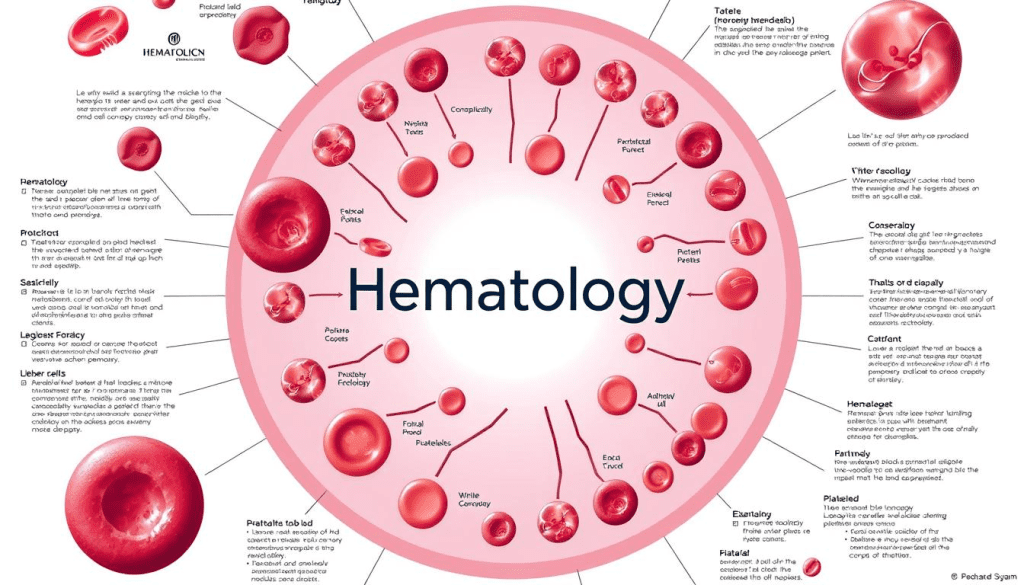
Blood has different cells like red, white, and platelets. Each cell has a key role in our health. Erythrocytes carry oxygen, leukocytes fight infections, and platelets stop bleeding.
Knowing how these cells work is key to treating blood problems. For example, red blood cell issues can cause anemia. White blood cell problems can lead to infections or immune issues.
Historical Evolution of Haematology as a Medical Specialty
Haematology has grown a lot over the centuries. It started with ancient blood knowledge and now uses modern tools and treatments. Discoveries and advancements have made haematology a unique field.
The global haematology market is over $20.3 billion. This shows the big impact of blood diseases worldwide. It highlights the need for ongoing research and progress in haematology.
What Does a Hematologist Do? Exploring Their Essential Role
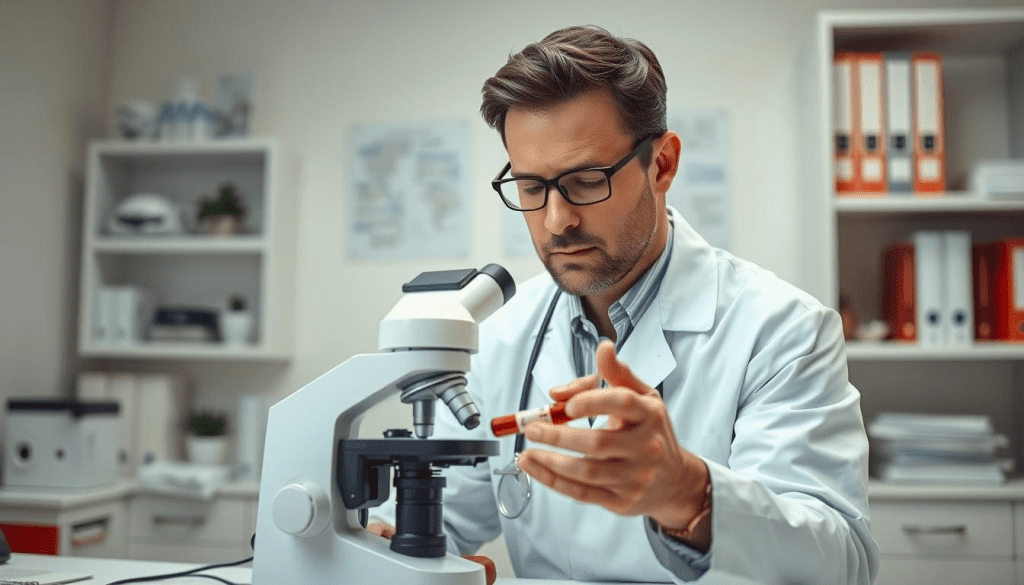
Hematologists are medical experts who focus on blood-related diseases. They diagnose and treat conditions affecting the blood and its parts.
Educational Background and Specialized Training
Hematologists get a lot of training. Their education includes:
- Getting an MD or DO degree from medical school
- Completing residency in internal medicine or pediatrics
- Doing fellowship training in hematology
This training helps them handle complex blood disorders well.
Key Responsibilities in Patient Care
Hematologists do many important things for patients. They:
- Diagnose blood disorders like anemia and leukemia
- Read blood tests to plan treatments
- Make treatment plans for each patient
- Check how patients are doing and change treatments if needed
They play a key role in helping patients get better.
When to See a Hematologist
Knowing when to see a hematologist is important. You should see one if you have:
- Constant fatigue or weakness
- Unexplained bleeding or bruising
- Frequent infections
- Symptoms of anemia or other blood disorders
Seeing a hematologist early can help diagnose and treat blood issues quickly.
Common Blood Disorders Diagnosed and Treated in Haematology
Hematologists are key in finding and treating blood disorders that affect millions. Places like Liv Hospital focus on the latest care and quality treatment.
Anemia and Related Conditions
Anemia is when you don’t have enough red blood cells or hemoglobin. We treat different types, like iron or vitamin deficiencies. Treatment can be supplements or blood transfusions.
“Early treatment of anemia can greatly improve life,” says a top hematologist. We stress the need for quick diagnosis and tailored treatment.
Blood Cancers: Leukemia, Lymphoma, and Myeloma
Blood cancers are a big focus in hematology. We use advanced tools to diagnose and treat leukemia, lymphoma, and myeloma. Leukemia affects the blood and bone marrow, lymphoma the immune system, and myeloma plasma cells.
- Leukemia treatment may involve chemotherapy, targeted therapy, or bone marrow transplantation.
- Lymphoma treatment can include chemotherapy, radiation therapy, and immunotherapy.
- Myeloma treatment often involves a combination of therapies, including targeted therapy and stem cell transplantation.
Bleeding and Clotting Disorders
Bleeding and clotting disorders, like hemophilia and thrombosis, need special care. Hemophilia makes it hard to clot. We offer factor replacement and gene therapy for patients.
Clotting disorders, like deep vein thrombosis (DVT), can be life-threatening if not properly managed. We stress the need for quick diagnosis and treatment to avoid serious issues.
Rare Blood Diseases
Rare blood diseases, including certain anemias and bleeding disorders, are challenging. We work with patients to find and manage these conditions, using new treatments.
In conclusion, hematologists are vital in treating blood disorders. By using the latest medical advancements and personalized care, we help patients worldwide.
Advanced Diagnostic Tools and Techniques in Modern Haematology
Hematology has seen big changes in how we diagnose and treat blood disorders. We now have advanced technology that helps us make more accurate diagnoses and treatments.
Hematology Analyzers: A $4.33 Billion Market
Hematology analyzers are key tools for analyzing blood samples. They are vital in modern haematology, with a global market of $4.33 billion. These analyzers have greatly improved how fast and accurately we diagnose blood disorders.
These tools can do many tests, like complete blood counts and coagulation tests. The results are key to diagnosing diseases such as anemia and leukemia.
Essential Blood Tests and Their Clinical Significance
Some blood tests are very important in haematology. These include:
- Complete Blood Count (CBC): A CBC checks a person’s overall health and can spot anemia and infections.
- Blood Hemogram Test: This test gives detailed information on blood components like red and white cells and platelets.
- Hematocrit Test: It measures red blood cells in the blood, which is important for diagnosing anemia.
These tests are key for diagnosing and managing blood disorders. They help doctors create specific treatment plans.
AI and Technology Advancements in Blood Diagnostics
AI and technology have changed haematology a lot. AI-enhanced diagnostics are making diagnoses more accurate and patient care better.
“The use of AI in haematology is revolutionizing the way we diagnose and treat blood disorders,” says a leading hematologist.
AI can look at big datasets, like blood test results, to find patterns and predict outcomes. This helps in making personalized treatment plans and improving patient care.
Thanks to new diagnostic tools and techniques, we’re seeing a big change in diagnosing and treating blood disorders.
The Economic and Global Impact of Haematology
Hematology is a key part of modern medicine, seeing big growth in the economy and in healthcare. It studies blood and its problems, playing a big role in health care worldwide.
Market Growth: A $20.3 Billion Industry
The global hematology market is worth over $20.3 billion. It’s expected to grow at a 7.52% Compound Annual Growth Rate (CAGR) until 2033. This growth comes from better diagnostic tech, more blood disorders, and a need for effective treatments.
Key drivers of market growth include:
- Increasing prevalence of blood cancers and disorders
- Technological advancements in hematology analyzers and diagnostic tools
- Growing demand for personalized medicine approaches
Preventive Screenings and Early Intervention Benefits
Preventive screenings and early treatment are key in managing blood disorders. Regular blood tests can catch conditions like anemia, leukemia, and clotting disorders early. This can greatly improve patient outcomes.
The benefits of early intervention include:
- Improved survival rates for patients with blood cancers
- Reduced morbidity associated with chronic blood disorders
- Enhanced quality of life for patients through timely and appropriate treatment
Personalized Medicine Approaches in Blood Disorder Management
Personalized medicine is changing hematology by giving treatments that fit each patient’s needs. This is very helpful in managing complex blood disorders.
Advantages of personalized medicine in hematology include:
- Targeted therapies that are more effective and have fewer side effects
- Improved patient compliance due to more appropriate treatment regimens
- Better patient outcomes through precise diagnosis and treatment
We see that preventive screenings and personalized medicine are key in lowering blood disorder-related deaths. As hematology keeps growing, we expect big steps forward in diagnosing and treating blood-related issues.
Conclusion: The Future of Haematology in Modern Medicine
Hematology is key in modern medicine, dealing with blood disorders. Places like Liv Hospital offer top-notch care and support for patients. This shows how important specialized hematology care is.
The field of hematology is changing fast, thanks to new diagnostic tools and treatments. Hematologists use the latest technology to help patients. With the global market expected to hit $20.3 billion, the demand for hematologists will rise.
It’s important to know about hematology and its role in healthcare. Keeping up with new developments helps improve blood disorder management. Hematology, a key part of internal medicine, will keep shaping medical care’s future.
FAQ
What is haematology, and why is it important?
Haematology is the study of blood disorders. It helps manage conditions like anemia and leukemia. Early detection and treatment are key.
What does a hematologist do?
A hematologist diagnoses and treats blood disorders. They interpret blood tests and create treatment plans. They also care for patients.
What are the different types of blood cells, and what are their roles?
Blood cells include red, white, and platelets. Red cells carry oxygen. White cells fight infections. Platelets help blood clot.
When should I see a hematologist?
See a hematologist for symptoms like fatigue, infections, or bleeding. They can diagnose and treat blood disorders.
What are some common blood disorders diagnosed and treated by hematologists?
Hematologists treat anemia, leukemia, and hemophilia. They also manage rare diseases.
What is the role of hematology analyzers in diagnosing blood disorders?
Hematology analyzers analyze blood samples. They are key in diagnosing disorders quickly and accurately.
How is AI being used in blood diagnostics?
AI improves blood diagnostics. It analyzes data to detect disorders early. This helps patients get better care.
What is the economic impact of haematology?
The hematology industry is growing. It’s a big market with a high demand for services. This growth is due to more people needing care and new technology.
What is personalized medicine in blood disorder management?
Personalized medicine tailors treatments to each patient. It uses genetic profiles for better care and outcomes.
What is the significance of preventive screenings in managing blood disorders?
Preventive screenings catch disorders early. This leads to better treatment and outcomes. Regular checks also prevent complications.
What is hematocrit, and why is it important?
Hematocrit measures red blood cells in the blood. It shows overall health and helps diagnose anemia.
What are the benefits of early intervention in managing blood disorders?
Early treatment improves outcomes and quality of life. It prevents damage and increases survival rates.
References
- Wang, S., Huang, Z., Li, J., Wu, Y., Du, J., & Li, T. (2024). Optimization of diagnosis and treatment of hematological diseases via artificial intelligence. Frontiers in Medicine, Section Hematology, 11. Retrieved from https://www.frontiersin.org/journals/medicine/articles/10.3389/fmed.2024.1487234/abstract
- Gedefaw, L., Liu, C.-F., Ip, R. K. L., Tse, H.-F., Yeung, M. H. Y., Yip, S. P., & Huang, C.-L. (2023). Artificial intelligenceassisted diagnostic cytology and genomic testing for hematologic disorders. Cells, 12(13), 1755. Retrieved from https://www.mdpi.com/2073-4409/12/13/1755
- Blood Reviews. (2023). Artificial intelligence in hematological diagnostics: Game changer or gadget? Blood Reviews, 58, 101019. Retrieved from https://www.sciencedirect.com/science/article/pii/S0268960X22000935