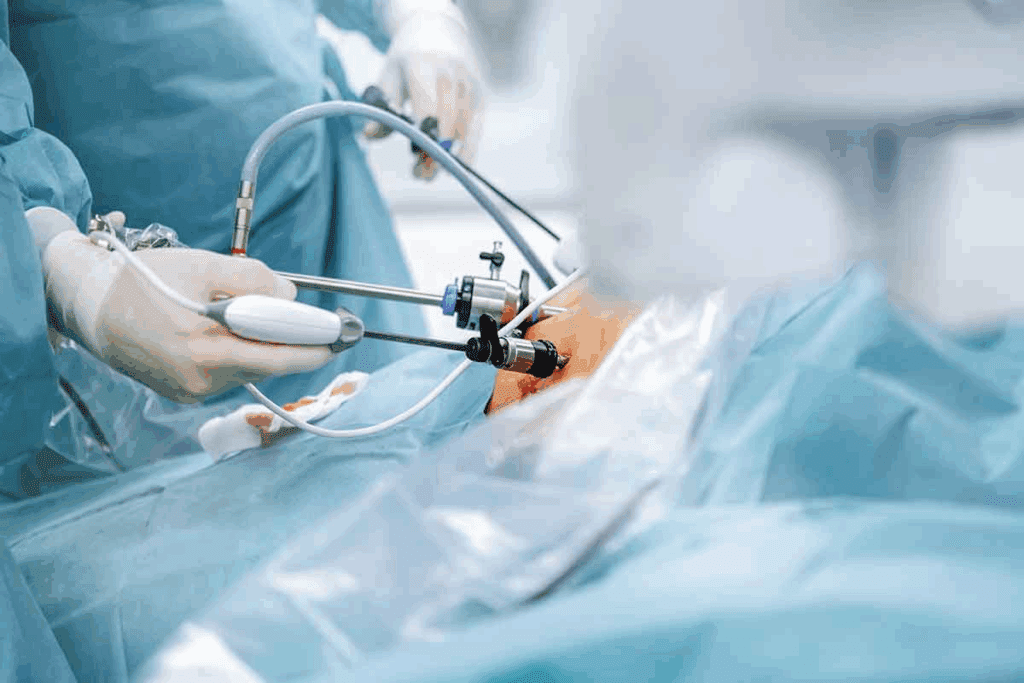
Understanding the qualifications for bariatric surgery has changed a lot. Now, it’s not just about BMI. It’s about a full health check.
At Liv Hospital, we use new ways to check if someone is right for this surgery. Bariatric surgery helps people lose a lot of weight by changing their digestive system.
We know that bariatric surgery criteria now look at more than just numbers. It’s about a full health check to see if someone is a good fit for the surgery.
Key Takeaways
- Modern eligibility criteria for bariatric surgery focus on a full health check.
- Bariatric surgery is a good way to lose weight for people with big health problems.
- Liv Hospital uses a patient-focused approach to see if someone is right for surgery.
- Eligibility criteria have changed to include a more complete health check.
- Bariatric surgery can help people lose a lot of weight and feel healthier.
Understanding Bariatric Surgery and Its Purpose

It’s important to know about bariatric surgery before considering it. This surgery helps people who are very overweight and have health problems because of their weight. It’s a way to lose a lot of weight.
Types of Bariatric Procedures Available
There are many types of bariatric surgery, each with its own benefits. Here are some of the most common:
- Gastric Bypass (Roux-en-Y): This makes a small stomach pouch and connects it to the small intestine.
- Sleeve Gastrectomy: This removes a big part of the stomach, leaving a narrow “sleeve” stomach.
- Gastric Sleeve to Conversion Gastric Bypass: A second surgery for those who had sleeve gastrectomy but need more weight loss.
| Procedure | Description | Benefits |
|---|---|---|
| Gastric Bypass | Creates a small stomach pouch and reroutes the intestine | Significant weight loss, improvement in comorbidities |
| Sleeve Gastrectomy | Removes a large portion of the stomach | Less invasive, fewer complications, significant weight loss |
| Gastric Sleeve to Conversion Gastric Bypass | Second-stage procedure for further weight loss | Additional weight loss for those who have plateaued |
Benefits and Risks of Weight Loss Surgery
Bariatric surgery has many benefits. It can lead to significant weight loss and improve health problems. It also makes life better overall. But, it also has risks like surgery problems, nutritional issues, and needing to change your diet forever.
It’s key to think about these points with your doctor.
Who Should Consider Bariatric Surgery
People with a BMI of 40 or higher might consider bariatric surgery. Or those with a BMI of 35 or higher and health problems. They also need to be ready to make big lifestyle changes after surgery.
Knowing the criteria for bariatric surgery and if you’re a good candidate is important. Your health, past weight loss, and mental readiness are all factors.
Evolution of Bariatric Surgery Qualifications
The rules for who can get bariatric surgery have changed a lot. Our knowledge about obesity and how to treat it has grown. Now, we look at more factors when deciding if someone is right for surgery.
The 1991 National Institutes of Health Guidelines
The 1991 NIH guidelines were key in setting the first rules for bariatric surgery. They said people needed a BMI of 40 or a BMI of 35 with serious health problems. These rules helped start but were a bit narrow.
The 2022 Updated Guidelines and Expanded Access
In 2022, the ASMBS and IFSO updated the rules, making more people eligible for surgery. They said surgery is the best way to treat obesity for all BMI levels. This change means more people can get surgery.
Shift Toward More Holistic Evaluation
We now look at more than just BMI when deciding if someone can get surgery. We also check for health problems, mental health, and overall health. This way, we can find the best candidates and help them get better.
BMI Requirements for Bariatric Surgery Candidates
The body mass index (BMI) is key in deciding if someone is right for bariatric surgery. BMI shows body fat based on height and weight. It’s a first step to see if someone might benefit from weight loss surgery.
A higher BMI means more body fat. For bariatric surgery, there are specific BMI levels. These levels help make sure the surgery is for those who will most likely benefit.
BMI of 35 or Higher Without Comorbidities
People with a BMI of 35 or higher might get bariatric surgery, even without health issues. This is because a BMI this high raises health risks a lot.
At this obesity level, the risks of not having surgery are often greater than the surgery risks. Bariatric surgery can lead to big weight loss and better health.
BMI Between 30-34.9 With Obesity-Related Conditions
For a BMI of 30 to 34.9, having obesity-related health issues is needed for surgery. These issues might include type 2 diabetes, high blood pressure, or sleep apnea.
Having these health problems shows that weight is already affecting health. Surgery could be a good option to help.
How to Calculate and Interpret Your BMI
To find your BMI, use a BMI calculator or this formula: BMI = weight in kilograms / (height in meters). For example, if you weigh 70 kg and are 1.75 meters tall, your BMI is 22.9.
Understanding your BMI means knowing the WHO categories. A BMI of 18.5-24.9 is normal, 25-29.9 is overweight, and 30 or higher is obese.
Knowing your BMI category can show if you might be eligible for bariatric surgery. It can also guide steps to improve your health.
Obesity-Related Health Conditions That May Qualify You
Health issues linked to obesity are key in deciding if you’re right for weight loss surgery. Certain health problems tied to obesity can affect your eligibility for bariatric surgery.
Type 2 Diabetes and Metabolic Syndrome
Type 2 diabetes often comes with obesity. Research shows bariatric surgery can help manage or cure type 2 diabetes in many cases. Metabolic syndrome, with its high blood pressure, high blood sugar, and more, also raises heart disease and diabetes risks. These conditions can make you a better candidate for bariatric surgery.
Cardiovascular Conditions and Hypertension
Heart diseases, like high blood pressure, are common in obese people. Hypertension can cause serious issues like heart attacks and strokes. Bariatric surgery can help by promoting weight loss and improving heart health.
Sleep Apnea and Respiratory Issues
Sleep apnea, where breathing stops or gets shallow during sleep, is more common in obese people. Sleep apnea can cause tiredness and increase heart disease risks. Weight loss surgery can help by reducing sleep apnea severity through weight loss.
Other Qualifying Health Conditions
Other obesity-related health issues that may qualify you for bariatric surgery include osteoarthritis, certain cancers, and non-alcoholic fatty liver disease (NAFLD). These conditions can greatly affect your life quality and health. Bariatric surgery can help manage or improve these conditions by addressing obesity.
It’s vital to talk to a healthcare professional to see if you qualify for bariatric surgery based on your health conditions and needs.
Comprehensive Medical Evaluation Process
A thorough medical evaluation is key to see if you’re a good fit for bariatric surgery. It checks your health, looks for risks, and makes sure you’re ready for surgery and lifestyle changes.
Blood Tests and Laboratory Work
The first step is blood tests and lab work. These tests check your health and find any hidden conditions that might affect surgery or recovery. Tests like:
- Complete Blood Count (CBC)
- Blood Chemistry Tests
- Lipid Profile
- Blood Glucose Tests
These tests give important health info. They help doctors create a treatment plan just for you.
Imaging Studies and Physical Examinations
Next, imaging studies and physical exams are done. Imaging might include:
- Chest X-ray
- Electrocardiogram (ECG)
- Abdominal Ultrasound
A detailed physical exam finds any physical or health issues before surgery.
Specialty Consultations
Based on your health and history, you might need to see specialists. Doctors like cardiologists, pulmonologists, or endocrinologists might be involved. They check if your health conditions are managed and if you’re right for gastric surgery.
| Specialty | Purpose of Consultation |
|---|---|
| Cardiology | To assess heart health and manage cardiovascular risks |
| Pulmonology | To evaluate lung function and address any respiratory issues |
| Endocrinology | To manage diabetes and other endocrine disorders |
These detailed medical checks help ensure you’re ready for bariatric surgery. They reduce risks and improve your chances of a good outcome. Meeting the bariatric surgery requirements is vital for a safe and successful surgery.
Psychological Assessment Requirements
People wanting bariatric surgery must show they’re ready mentally. This check is key to see if they can handle the surgery and lifestyle changes after. It helps decide if they’re a good fit for the surgery.
Mental Health Evaluation Process
A mental health expert will do a deep check on each candidate. They look for any mental issues that might affect the surgery’s success. This is to make sure the patient can handle the surgery and recovery well.
Key parts of the mental health check include:
- Talking to the patient about their mental health history and current state.
- Using special tests to see how they think, feel, and act.
- Checking if they understand the surgery and its effects.
Addressing Eating Disorders and Food Relationships
It’s important to look at how the patient eats and feels about food. The expert will check for eating disorders and how they view food. This helps understand their eating habits and attitudes.
“The psychological evaluation is not just about identifying red flags; it’s about understanding the patient’s overall mental health and readiness for the significant lifestyle changes that come with bariatric surgery.” – Medical Expert, Clinical Psychologist
Demonstrating Commitment to Lifestyle Changes
Patients need to show they’re ready for big lifestyle changes. This includes eating differently and being more active. The check will see if they’re motivated and ready for these changes.
| Criteria | Description |
|---|---|
| Motivation | Understanding the reasons behind the patient’s decision to undergo bariatric surgery. |
| Readiness for Change | Assessing the patient’s preparedness to adopt new dietary and exercise habits. |
| Support System | Evaluating the presence and quality of the patient’s support network. |
Support System Evaluation
A good support system is key for success after surgery. The check will look at the patient’s family, friends, and groups. It makes sure they have the help they need to deal with surgery’s challenges.
By carefully checking these mental factors, doctors can better decide if someone is right for bariatric surgery. This helps ensure the best chance of success for the patient.
Qualifications for Bariatric Surgery: Insurance Requirements
Getting insurance for bariatric surgery can be tricky. But it’s very important for those who might get it. Insurance companies have rules that must be followed before they say yes to weight loss surgery.
Common Insurance Provider Criteria
Insurance companies need to check a few things before they say you can have bariatric surgery. Here are some common things they look for:
- A BMI of 40 or higher, or a BMI of 35 or higher with obesity-related health issues.
- Proof that you’ve tried to lose weight before.
- A letter from your doctor saying you really need the surgery.
- That you’ve gone through a weight loss program with a doctor’s help.
Medical Expert, a bariatric surgeon, says, “Knowing about insurance is key for those thinking about surgery. It makes the process easier.”
“Getting insurance for bariatric surgery is not just about meeting the criteria. It’s about showing you really need it and are ready to change your life after surgery.”
Medical Expert, Bariatric Specialist
Documentation Needed for Approval
To get insurance to say yes, you need to give them some important papers. Here’s what they usually ask for:
| Document Type | Description |
|---|---|
| Medical Records | Details about your health problems related to being overweight. |
| Weight Loss History | Proof of your past weight loss efforts. |
| Letter of Medical Necessity | A letter from your doctor explaining why you need the surgery. |
Navigating Insurance Denials
If your insurance says no, you can appeal. The appeal process usually involves:
- Looking at the denial letter to understand why.
- Getting more papers to support your case.
- Writing a formal appeal to the insurance company.
Self-Pay Options and Financing
If you don’t have insurance or get denied, there are other ways to pay. Many places that do bariatric surgery offer payment plans. This makes it easier for people to get the surgery they need.
We know it can be hard to deal with insurance rules. Our team is here to help. We’ll guide you through your options and the process.
Pre-Surgery Dietary and Lifestyle Requirements
To get bariatric surgery, patients must meet certain diet and lifestyle needs. These steps prepare them for the surgery and the big changes that come with it.
Medically Supervised Weight Loss Programs
One key step is joining a medically supervised weight loss program. This program helps patients lose weight and shows they can stick to a diet plan. It usually lasts 1-2 weeks before surgery, helping to shrink the liver and make surgery easier.
Nutritional Counseling Requirements
Nutritional counseling is also very important. Patients must get detailed advice on what to eat after surgery. They learn about portion sizes, choosing nutrient-rich foods, and avoiding nutritional gaps.
Exercise and Physical Activity Expectations
Exercise and physical activity are key before surgery. Patients need to start a routine that includes cardio and strength training. This boosts health and helps with recovery after surgery.
Smoking Cessation and Substance Use Guidelines
Quitting smoking is a must for bariatric surgery candidates. Smoking raises the risk of problems during and after surgery. Patients must stop smoking for a set time before and after surgery. Rules on substance use are also strict to keep patients safe and ensure good results.
| Pre-Surgery Requirement | Description | Timeline |
|---|---|---|
| Medically Supervised Weight Loss | Participation in a structured weight loss program under medical supervision. | 1-2 weeks pre-operatively |
| Nutritional Counseling | Comprehensive counseling to prepare for post-surgery dietary changes. | Ongoing, starting several months pre-operatively |
| Exercise and Physical Activity | Establishing a regular exercise routine including cardiovascular and strength training exercises. | Ongoing, with increased intensity pre-operatively |
| Smoking Cessation | Complete abstinence from smoking to reduce surgical risks. | At least 2 weeks pre-operatively and post-operatively |
Special Considerations for Different Patient Populations
Choosing the right patients for bariatric surgery is complex. It depends on age and health status. Bariatric surgery programs tailor care for various groups. This includes teens, seniors, and those with past surgeries or health issues.
Adolescent Bariatric Surgery Candidates
Teenagers with severe obesity might get bariatric surgery. Strict criteria are set. This includes a BMI of 40 or higher with health problems, or a BMI of 35 or higher with serious health issues.
- Psychological evaluation is key to check if the teen understands the surgery.
- Family support is vital for the teen’s success after surgery.
Elderly Patients Seeking Weight Loss Surgery
Elderly patients get a detailed check-up before surgery. Age is important, but not the only factor. It’s their health and how well they can recover.
Key considerations include:
- Comorbidities and how they’re managed.
- Heart and lung health.
- Ability to recover and get back to normal.
Patients with Previous Bariatric Procedures
Patients who had bariatric surgery before might need revisional surgery. This is if they have complications or didn’t lose enough weight. A detailed evaluation is needed to decide the best option.
Factors considered include:
- The type of previous bariatric procedure.
- Why they need revisional surgery.
- The risks and benefits.
High-Risk Medical Conditions
Patients with serious health issues need careful evaluation. Bariatric surgery might be risky for them. Conditions like heart disease or severe diabetes require special attention.
Management strategies include:
- Working with specialists to improve the patient’s health before surgery.
- Monitoring closely during and after surgery.
- Creating a personalized care plan after surgery.
What If You Don’t Meet Bariatric Surgery Requirements?
Not meeting bariatric surgery requirements doesn’t mean you’re out of options. Many people who don’t qualify at first can try other weight loss strategies. They can also work on becoming eligible for surgery.
Alternative Weight Management Options
If bariatric surgery isn’t an option, there are other ways to manage weight. These include:
- Medically supervised weight loss programs
- Nutritional counseling for better eating habits
- Exercise plans tailored to your needs
- Behavioral therapy for emotional eating
- Pharmacological interventions for weight loss
These alternatives can be part of a complete weight management plan. We help you find the best options for your needs and health.
Steps to Improve Your Candidacy
If you’re almost ready for surgery but need more time or support, there are steps to take. These include:
- Joining a pre-surgery weight loss program to show your commitment
- Improving management of obesity-related health conditions
- Addressing psychological factors affecting your weight
- Increasing physical fitness through regular exercise
By focusing on these areas, you might become eligible for surgery in the future. Our team will help you through this process and offer support.
Second Opinion Consultations
If you’re told you’re not a candidate for surgery, getting a second opinion is a good idea. Different teams may have different criteria. A second opinion can offer:
- A fresh look at your eligibility for surgery
- Alternative views on your weight loss options
- Access to new or experimental treatments
As one expert notes,
“A second opinion can be invaluable in ensuring that patients have explored all available options for their weight loss journey.”
Medical Expert, Bariatric Surgeon
We suggest getting a second opinion if you’re unsure about your eligibility or the advice you’ve received.
By exploring these alternatives and taking proactive steps, you can keep moving forward on your weight loss journey. Even if you don’t qualify for surgery at first.
Conclusion: Preparing for Your Bariatric Surgery Journey
Bariatric surgery is a big step that changes your life. It needs careful preparation and understanding. You must meet certain requirements, like a medical check-up and a diet change before surgery.
Getting ready for surgery is more than just meeting the rules. It’s about making lasting changes in your life. We help patients get ready for surgery and the lifestyle changes that come with it. This way, they can lose weight and feel better.
If you’re thinking about bariatric surgery, start by talking to a doctor. We’ll help you figure out what’s best for you. We’ll support you from the first meeting to after the surgery, making sure your journey is successful.
FAQ
What are the basic requirements for qualifying for bariatric surgery?
To qualify for bariatric surgery, you need a BMI of 35 or higher. Or, a BMI of 30-34.9 with obesity-related health issues. You must also be in good health overall.
What types of health conditions are considered obesity-related for bariatric surgery qualification?
Health issues like type 2 diabetes and cardiovascular conditions may qualify you. Sleep apnea and metabolic syndrome-related issues also count.
How is BMI calculated and what does it mean for bariatric surgery eligibility?
BMI is your weight in kilograms divided by your height in meters squared. A BMI of 35 or higher, or 30-34.9 with health issues, qualifies you for surgery.
What is the comprehensive medical evaluation process for bariatric surgery?
The process includes blood tests, lab work, imaging, physical exams, and specialty consultations. It checks your health and if you’re ready for surgery.
Are there psychological assessment requirements for bariatric surgery?
Yes, a mental health check is needed. It looks at your readiness for surgery, eating habits, and commitment to lifestyle changes.
What are the insurance requirements for bariatric surgery, and how do I navigate insurance denials?
Insurance needs vary but often include BMI and health criteria. If denied, appeal with more information.
Are there pre-surgery dietary and lifestyle requirements for bariatric surgery?
Yes, you must join weight loss programs and get nutritional advice. Show commitment to exercise and physical activity.
Can adolescent or elderly patients qualify for bariatric surgery?
Yes, teens and seniors can be considered. Their evaluation takes into account their age and health.
What if I don’t meet the bariatric surgery requirements – are there alternative weight management options?
Yes, if you don’t qualify, try diet changes, exercise, or non-surgical treatments.
Can I improve my candidacy for bariatric surgery if I don’t currently qualify?
Yes, work on health issues, lose weight, or join required programs. This might make you a better candidate.
What is the role of a support system in bariatric surgery, and how is it evaluated?
A support system is key for success after surgery. It’s evaluated by looking at your family and friends. They must be ready to help.
Are there self-pay options and financing available for bariatric surgery?
Yes, there are self-pay and financing plans for those without insurance or needing extra help. They make surgery more accessible.
References
Patients with a BMI <35 kg/m2 and patients with a BMI between 35 and 40 kg/m2 without comorbidities are noneligible by current eligibility criteria for bariatric surgery. We used Swedish obese subjects (SOS) to explore long-term outcomes in noneligible versus eligible patients