Last Updated on December 1, 2025 by Bilal Hasdemir
Did you know over 2,000 people in the U.S. get regenerative treatments every year? Many look for new ways instead of surgery. This shows how important it is to know how to qualify for stem cell injections. They might help with many orthopedic and neurological issues.
As this field grows, it’s key for those interested to understand what makes them eligible. They also need to know the costs. This article will explain what it takes to qualify for these treatments. It will also talk about what patients might pay.
Key Takeaways
- Eligibility criteria for stem cell treatments vary based on the condition being treated.
- The cost of stem cell therapy can differ significantly depending on the treatment specifics.
- Understanding the qualification process is key for those interested.
- Regenerative treatments are becoming more popular as surgery alternatives.
- It’s important to consider both costs and benefits.

Understanding Stem Cell Therapy Fundamentals
Stem cells can turn into many different cell types. This makes them key in regenerative medicine. They can fix or replace damaged tissues, helping treat many health issues.
What Are Stem Cells and How Do They Work?
Stem cells are special cells that can become many types of cells in our body. They can change into other cells and make more of themselves. This ability is vital for growing, fixing, and keeping tissues healthy.
Stem cells are first taken from a patient or donor. Then, they are either directly put into the damaged area or grown in a lab. This helps them become the right cell type to fix the tissue.
Types of Stem Cell Therapies Available
There are many stem cell therapies, each with its own uses and benefits. The main types are:
- Autologous Stem Cell Therapy: Uses the patient’s own stem cells, lowering rejection risk.
- Allogenic Stem Cell Therapy: Uses stem cells from a donor, but there’s a chance of rejection.
- Mesenchymal Stem Cell Therapy: Uses mesenchymal stem cells, which fight inflammation and can become different cell types.
FDA Approval Status for Stem Cell Treatments
The FDA checks stem cell therapies to make sure they’re safe and work well. Some have FDA approval, but many are not yet approved. The FDA checks these treatments through clinical trials to see if they’re safe and effective.
Right now, the FDA has okayed some stem cell treatments, like for blood disorders. But, many clinics offer treatments not approved by the FDA. They might claim benefits without enough proof. Always talk to a doctor before trying any stem cell treatment.
Medical Conditions That May Qualify for Stem Cell Therapy
Stem cell therapy is a new treatment for many health problems. It’s getting a lot of attention for its ability to tackle tough health issues.
Orthopedic Conditions
Stem cell therapy is often used for orthopedic issues. It helps with degenerative joint diseases like osteoarthritis, tendon injuries, and ligament sprains. The goal is to fix or replace damaged tissues, which can reduce pain and improve movement.
- Knee injuries and degenerative conditions
- Hip osteoarthritis
- Shoulder rotator cuff injuries
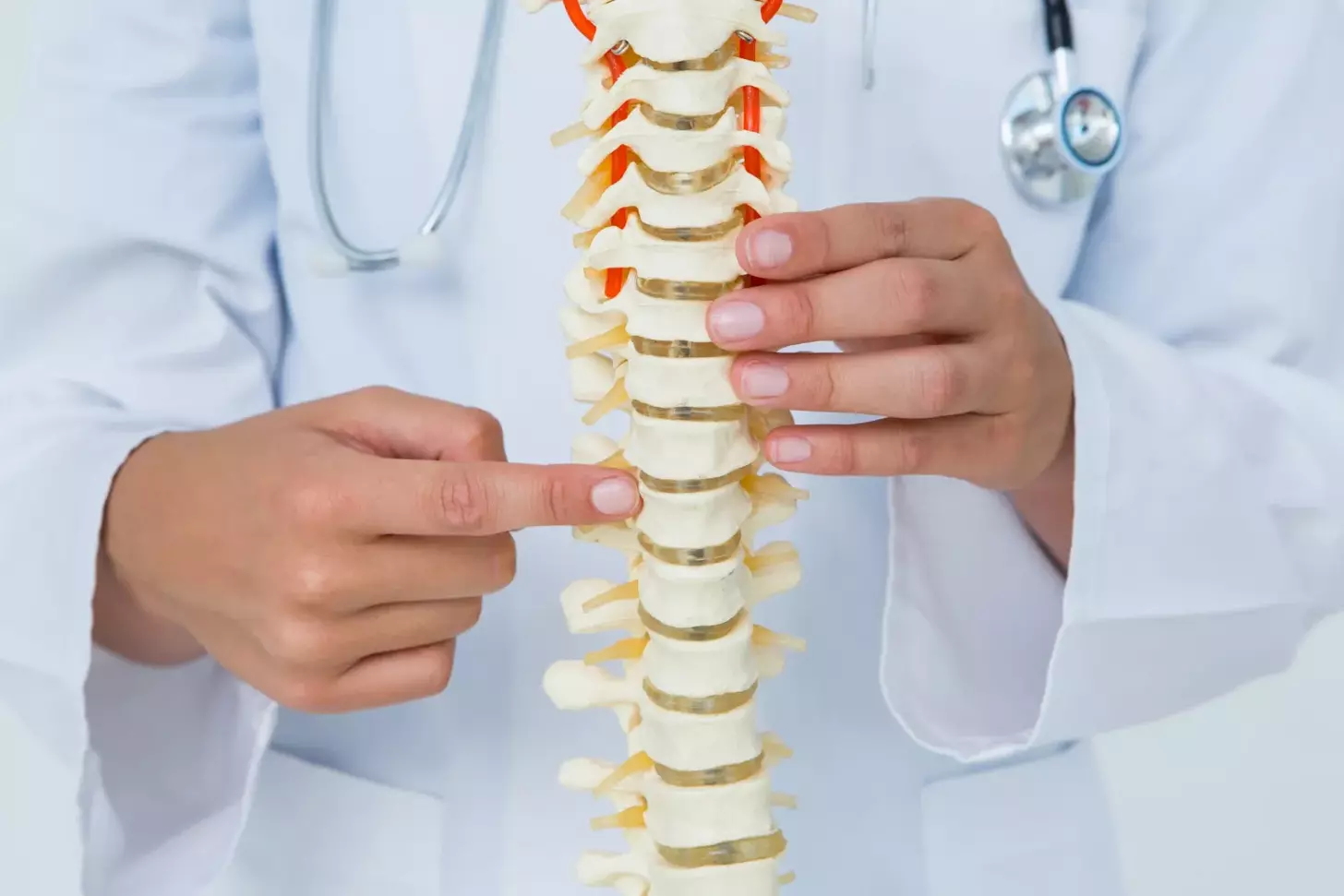
- Spinal disc degeneration
Neurological Disorders
Stem cell therapy is also being studied for neurological disorders. It’s being looked at for treating Parkinson’s disease, multiple sclerosis, and stroke. The hope is to repair or replace damaged brain cells.
- Parkinson’s disease
- Multiple sclerosis
- Stroke recovery
- Spinal cord injuries
Autoimmune Diseases
Autoimmune diseases happen when the body attacks itself. Stem cell therapy is being explored as a treatment for autoimmune diseases like rheumatoid arthritis, type 1 diabetes, and lupus. It aims to calm down the immune system and lessen disease symptoms.
- Rheumatoid arthritis
- Type 1 diabetes
- Lupus
- Crohn’s disease
Cardiovascular Conditions
Heart diseases are a big cause of illness and death. Stem cell therapy is being researched for treating heart failure, coronary artery disease, and peripheral artery disease. The goal is to fix or grow new heart tissue.
| Condition | Description |
| Heart Failure | A condition where the heart is unable to pump enough blood |
| Coronary Artery Disease | Narrowing or blockage of the coronary arteries |
| Peripheral Artery Disease | Narrowing of the peripheral arteries, often affecting the legs |
The Patient Qualification Process
The journey to stem cell therapy starts with a detailed check to see if a patient is eligible. This step is key to making sure the treatment is safe and works well for the patient.
Initial Medical Evaluation Requirements
The first step is a detailed medical check-up. This includes looking at the patient’s medical history, current health, and the condition being treated. A good evaluation helps find out if stem cell therapy is right for the patient.
Diagnostic Tests and Imaging
Diagnostic tests and imaging are very important in this process. They might include:
- MRI scans to check for tissue damage or degeneration
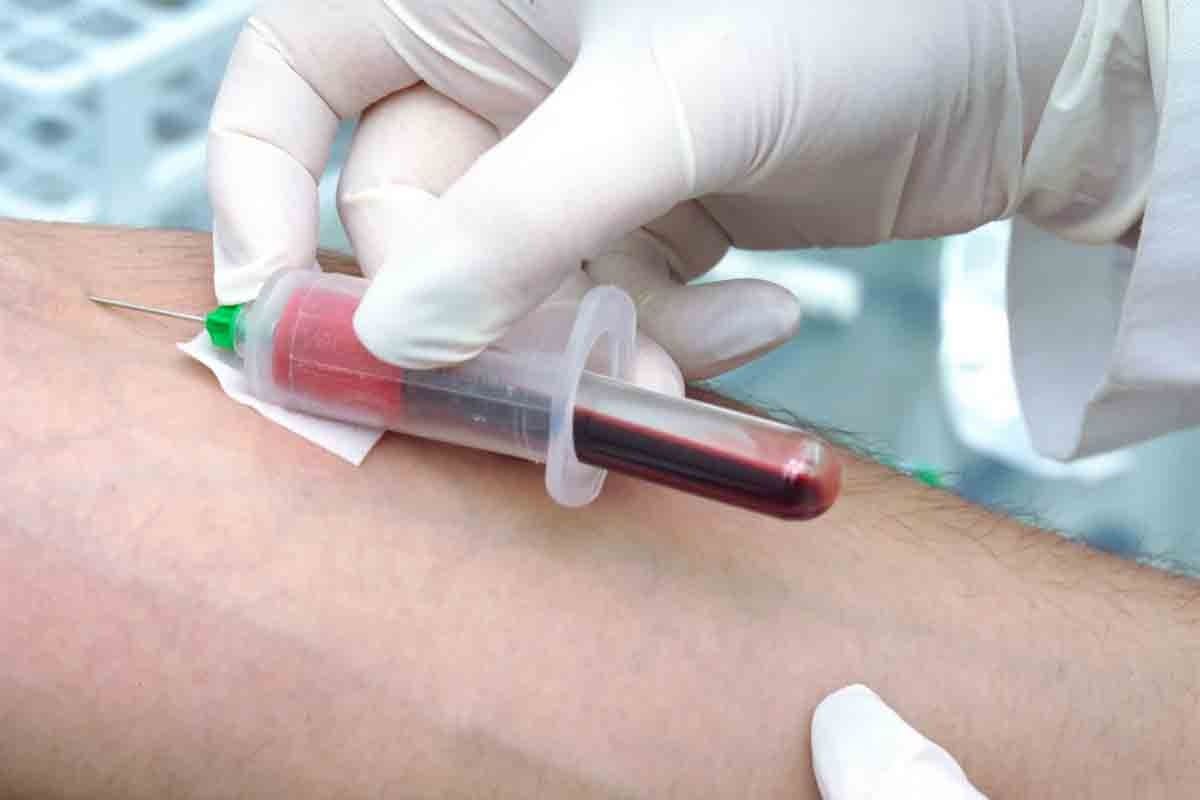
- Blood tests to see how healthy the patient is and if there are any hidden conditions
- X-rays to look at bone and joint health
These tests give important info. They help doctors decide if stem cell therapy is a good choice for the patient.
Health History Considerations
A patient’s health history is very important when deciding if they can have stem cell therapy. Things like diabetes, heart disease, or a history of cancer can affect the decision. It’s very important for patients to tell their doctor about their full medical history.
Age and Overall Health Factors
Age and overall health are also big factors. While stem cell therapy can help many ages, older patients or those with serious health problems might face more risks. A doctor will look at these factors to decide the best treatment.
In summary, the process to qualify for stem cell therapy is complex. It involves a detailed medical check, diagnostic tests, and a look at the patient’s health history and current health. By carefully checking these things, doctors can make sure stem cell therapy is a safe and good option.
Stem Cell Therapy Cost: What to Expect
Understanding the cost of stem cell therapy is key for those considering it. The price can change a lot based on several things. These include the type of treatment, where you get it, and who does it.
Average Price Ranges in the United States
In the U.S., stem cell therapy can cost between $5,000 and $20,000 or more per session. Prices can vary. This depends on how complex the treatment is and the skill of the medical team.
- Minimally invasive treatments: $5,000 – $10,000
- Complex procedures: $10,000 – $20,000
- Multi-session treatments: $20,000 – $50,000 or more
Cost Variations by Treatment Type
The cost of stem cell therapy changes based on the type of treatment. For example:
Orthopedic treatments, like knee injections, might cost between $5,000 and $10,000. On the other hand, neurological treatments can be pricier. They can range from $10,000 to $20,000 or more per session.
Additional Fees and Follow-up Expenses
There are also extra costs to think about with stem cell therapy. These include:
- Initial consultation fees: $200 – $500
- Diagnostic tests and imaging: $500 – $2,000
- Follow-up appointments: $100 – $500 per visit
- Post-treatment care and rehabilitation: $1,000 – $3,000
Price Comparison Between Providers
It’s important to compare prices among different providers. Some clinics might offer deals for multiple sessions. Doing a detailed comparison can help you make a better choice.
Insurance Coverage for Stem Cell Treatments
Understanding insurance for stem cell therapy can be tricky. But knowing the current situation is key for patients.
Policies on Stem Cell Therapy
Insurance for stem cell therapy changes a lot. Some insurers now cover certain treatments, mainly those the FDA has approved.
Key factors influencing coverage include:
- The specific condition being treated
- The type of stem cell therapy used
- The provider’s policy on experimental treatments
Medicare and Medicaid Coverage
Medicare and Medicaid have their own rules for stem cell therapy. Medicare usually covers treatments that are needed and have some evidence backing them.
Medicaid coverage varies by state, with some states covering more stem cell therapies than others.
| Insurance Provider | Coverage for Stem Cell Therapy | Conditions Covered |
| Medicare | Variable, based on medical necessity | Certain orthopedic and cardiovascular conditions |
| Medicaid | Varies by state | Depends on state-specific policies |
| Private Insurers | Some cover FDA-approved treatments | Orthopedic, neurological, and autoimmune diseases |
When Insurance Might Cover Treatment
Insurance is more likely to cover stem cell therapy for conditions with strong evidence.
Patients should:
- Check their insurance policy details
- Consult with their healthcare provider
- Obtain pre-approval when necessary
Navigating Insurance Claims
Handling insurance claims for stem cell procedures needs careful planning and knowing what the insurance wants.
Key steps include:
- Gathering all relevant medical records
- Submitting detailed claims with supporting evidence
- Following up with the insurance provider
Stem Cell Applications for Specific Body Regions
Stem cell therapy is changing how we treat many health issues. This includes problems with the knees, back, and shoulders. As research grows, the benefits of stem cell treatments for these areas are becoming clearer.
Knee and Joint Treatments
Knee injuries and joint problems are common. Stem cells can help fix damaged cartilage and lower inflammation. This helps those with osteoarthritis and other joint issues. Early studies show it can improve joint function and lessen pain.
Back and Spinal Treatments
Back pain, often from spinal issues, is another area where stem cells help. Injecting stem cells into discs can lead to healing and pain relief. While more studies are needed, initial results are encouraging. Stem cell therapy for back pain offers a promising alternative to traditional treatments, potentially reducing the need for surgical interventions.
Shoulder and Rotator Cuff Applications
Shoulder injuries, like rotator cuff problems, are common. Stem cell therapy can aid in healing by repairing tissue and reducing swelling. This is good news for those wanting to avoid surgery or long recovery times.
Other Common Treatment Areas
Stem cell therapy is also being looked at for other areas. This includes hip osteoarthritis, tendonitis, and some neurological issues. As research grows, we’ll see more uses for stem cell treatments.
Stem cell therapy is an exciting field with many possibilities. As we learn more, we’ll understand its full benefits better.
Finding Qualified Stem Cell Therapy Providers
Finding the right stem cell therapy provider is key to success. With more options available, it’s important to carefully choose. Look for providers with the right credentials and experience.
Credentials to Look For in Providers
When searching for a qualified stem cell therapy provider, there are several key credentials to look for:
- Board Certification: Ensure the provider is board-certified in their specialty, such as orthopedic surgery or regenerative medicine.
- Experience with Stem Cell Therapy: Look for providers with extensive experience in administering stem cell treatments.
- Accreditation: Check if the clinic or facility is accredited by a recognized accrediting organization.
These credentials can significantly impact the safety and efficacy of the treatment.
Questions to Ask Before Treatment
Before undergoing stem cell therapy, it’s essential to ask the right questions:
- What type of stem cells will be used, and how are they sourced?
- What is the qualification process for the medical team administering the treatment?
- What are the possible risks and side effects of the treatment?
- What kind of follow-up care is provided, and what are the costs associated with it?
Asking these questions can help patients make informed decisions about their care.
Red Flags and Warning Signs
There are several red flags to watch out for when evaluating stem cell therapy providers:
- Unrealistic Claims: Be wary of providers making exaggerated claims about the benefits of their treatments.
- Lack of Transparency: Providers should be transparent about their treatment protocols, costs, and possible risks.
- Poor Communication: If a provider doesn’t respond to your questions or concerns, it may be a sign of poor patient care.
Being aware of these red flags can help patients avoid potentially harmful or ineffective treatments.
Stem Cell Clinics vs. Academic Medical Centers
Patients may choose between stem cell clinics and academic medical centers for their treatment. While both have their advantages, there are key differences to consider:
| Characteristics | Stem Cell Clinics | Academic Medical Centers |
| Specialization | Often specialize in stem cell therapies | May offer a broader range of treatments, including stem cell therapy |
| Research Involvement | May be involved in clinical trials | Typically involved in research and clinical trials |
| Cost | Can vary widely in cost | Costs may be higher, but often covered by insurance for certain treatments |
Understanding these differences can help patients choose the best option for their needs.
The Stem Cell Treatment Process
The journey to stem cell therapy has many steps, from getting ready to recovering. This detailed process aims to get the best results for patients.
Pre-Treatment Preparation
Before starting stem cell therapy, patients need to get their bodies ready. This means going through medical checks and tests to see how healthy they are and if there are any risks.
- Initial medical evaluation to assess health status
- Diagnostic tests, such as blood work and imaging studies
- Review of medical history to identify any contraindications
Pre-treatment preparation is key to lower risks and make sure the therapy works well.
Stem Cell Harvesting Methods
Harvesting stem cells is a big part of the treatment. There are different ways to get stem cells, based on where they come from and what they are.
Some common ways include:
- Adipose-derived stem cell harvesting, which takes stem cells from fat tissue
- Bone marrow-derived stem cell harvesting, which takes stem cells from bone marrow
The Injection or Infusion Procedure
After getting the stem cells ready, they are put into the area that needs them. This is done with the help of imaging to make sure it’s done right.
“The precision of the injection or infusion procedure is critical for the success of the stem cell therapy.”
This part of the treatment is usually easy for patients, with little discomfort.
Recovery and Follow-up Protocol
After the treatment, patients start to recover. They are watched for any bad reactions and checked to see if the treatment is working.
- Post-procedure monitoring for adverse reactions
- Follow-up appointments to assess treatment efficacy
- Rehabilitation protocols to enhance recovery and outcomes
Follow-up care is vital for the best results from stem cell therapy and to handle any issues that might come up.
Effectiveness and Success Rates
Stem cell therapy’s success depends on the condition and treatment method. Success rates differ for each medical issue. It’s key to look at the research and data.
Research-Backed Results by Condition
Many studies have looked into stem cell therapy’s effectiveness. For example, it shows promise for osteoarthritis. Patients often see better joint function and less pain.
Clinical trials show stem cells can repair damaged tissues and aid in healing.
Realistic Expectations for Recovery
Stem cell therapy is promising, but realistic recovery expectations are important. Recovery time and extent vary by condition and health. Some see big improvements, while others see smaller benefits.
Factors That Influence Treatment Success
Several things can affect stem cell therapy’s success. These include stem cell quality, healthcare provider skill, and patient health. Choosing the right patient and creating a personalized plan are key to success.
- The type and severity of the condition being treated
- The patient’s age and overall health
- The quality and source of the stem cells
- The technique used for stem cell delivery
Timeline for Seeing Results
When you’ll see stem cell therapy’s effects varies. Some notice improvements quickly, while others take months. Regular check-ups with healthcare providers are vital to track progress and adjust treatment.
Potential Risks and Side Effects
Stem cell therapy can have risks and side effects. It’s important to know these before deciding. The therapy has shown promise in treating many conditions.
Common Side Effects After Treatment
People getting stem cell therapy might feel some side effects. These include:
- Temporary pain or discomfort at the injection site
- Swelling or bruising
- Headaches
- Fever or chills
These side effects are usually mild and go away in a few days. It’s key to follow the doctor’s instructions after treatment to avoid bigger problems.
Long-Term Safety Considerations
The long-term safety of stem cell therapy is being studied. Some worries are:
- Stem cells turning into the wrong types of cells
- The chance of tumors forming
- Immune reactions to the new cells
Long-term follow-up is vital to watch for any bad effects. Doctors and researchers are working to make stem cell therapy safer.
Risk Factors That May Disqualify Patients
Some factors might make stem cell therapy too risky for some. These include:
- A history of cancer
- Autoimmune diseases
- Chronic infections
- Severe organ dysfunction
Doctors will decide if stem cell therapy is right for each patient. They look at their medical history, current health, and the condition being treated.
Future Developments in Stem Cell Therapy Access
Stem cell therapy is on the verge of big changes. Research and new rules are key to these advancements. Patients and doctors are excited to see how these changes will help them get these treatments.
Emerging Research and Applications
Stem cell therapy research is moving fast. New uses for stem cells are being found for many health issues. Emerging areas of research include tissue engineering, gene therapy, and immunotherapy. These could open up new ways to use stem cells.
Current studies are looking at stem cells for things like degenerative disc disease and osteoarthritis. As more proof comes in, we’ll see more people using these treatments.
Changes in Regulatory Landscape
The rules for stem cell therapy are complex and always changing. Regulatory bodies like the FDA are updating their rules to keep patients safe and encourage new ideas. Changes in these rules could make it easier to get new stem cell treatments.
Potential for Expanded Insurance Coverage
As more proof of stem cell therapy’s benefits comes in, insurance might cover it more. Insurance providers are more likely to pay for treatments that work and are safe. This could make these treatments more affordable for more people.
| Potential Development | Impact on Access | Timeline |
| Emerging Research | Increased treatment options | Short to Medium Term |
| Regulatory Changes | Streamlined approval processes | Medium Term |
| Expanded Insurance Coverage | Financially viable for more patients | Medium to Long Term |
In conclusion, the future of stem cell therapy looks bright. Ongoing research, new rules, and insurance changes will help make these treatments more available.

Conclusion
Stem cell therapy is becoming a hopeful treatment for many medical issues. It offers new options for patients looking for different solutions. Knowing the basics of stem cell therapy is key to seeing if you qualify for it.
The cost of stem cell therapy can vary a lot. It depends on the type of treatment, who provides it, and where you are. In the U.S., prices can differ a lot. Some insurance plans might cover it under certain conditions.
Research is moving forward, making stem cell therapy even more promising. There are new uses and changes in rules coming. If you’re thinking about stem cell therapy, talk to a qualified doctor. They can help figure out what’s best for you.
Stem cell therapy is a fast-growing area with big chances to help patients. As doctors learn more and improve treatments, the possibilities grow. This field is worth keeping an eye on.
https://stemcells.nih.gov/info/basics/stc-basics
FAQ
What is stem cell therapy?
Stem cell therapy is a way to fix or replace damaged cells and tissues. It’s part of regenerative medicine.
How much does stem cell therapy cost?
The cost of stem cell therapy changes a lot. It depends on the treatment, where you get it, and who does it. Prices can be from $2,000 to $10,000 or more per treatment.
Is stem cell therapy covered by insurance?
Not many insurances cover stem cell therapy.
What are the different types of stem cell therapies available?
There are a few types of stem cell therapies. You can use your own cells (autologous) or donor cells (allogenic). There’s also adipose-derived stem cell therapy.
What medical conditions may qualify for stem cell therapy?
Many conditions might qualify for stem cell therapy. This includes orthopedic issues, neurological disorders, autoimmune diseases, and heart problems.
How do I qualify for stem cell therapy?
First, you’ll need a medical check-up and some tests. Then, your health history and age will be reviewed.
What is the patient qualification process for stem cell therapy?
The process includes checking your medical history and doing tests. Your overall health will also be looked at.
What are the possible risks and side effects of stem cell therapy?
You might feel pain, swelling, or bruising. There’s also a chance of tumors or immune reactions later on.
How effective is stem cell therapy?
How well stem cell therapy works depends on the condition. Some people see big improvements, but others might not feel as much change.
How do I find a qualified stem cell therapy provider?
Look for a provider with the right credentials. They should be board-certified and have a good reputation. Be careful of anyone making too many promises or who isn’t licensed.
What is the stem cell treatment process like?
The process starts with getting ready for treatment. Then, your cells are harvested. Next, the cells are injected or infused. After that, you’ll need to recover and follow up with your provider.
How long does it take to see results from stem cell therapy?
Seeing results can take different amounts of time. It depends on the condition and how your body reacts. Some people might see changes in weeks or months.
Are stem cell injections painful?
The pain level from stem cell injections varies. Most providers use local anesthesia or other methods to help with pain.
Can stem cell therapy be used for knee pain?
Yes, stem cell therapy is often used for knee pain. It aims to repair tissue and reduce inflammation.
How much do stem cell injections for knees cost?
The cost of knee injections varies. Prices can range from $2,000 to $5,000 or more per treatment.
Is stem cell therapy for back pain effective?
Stem cell therapy might help with back pain, like for degenerative disc disease or spine issues.
Can insurance cover stem cell therapy for back pain?
Insurance for back pain stem cell therapy is limited. But, some policies might cover it. Medicare and Medicaid might also cover certain procedures.