Last Updated on December 2, 2025 by Bilal Hasdemir

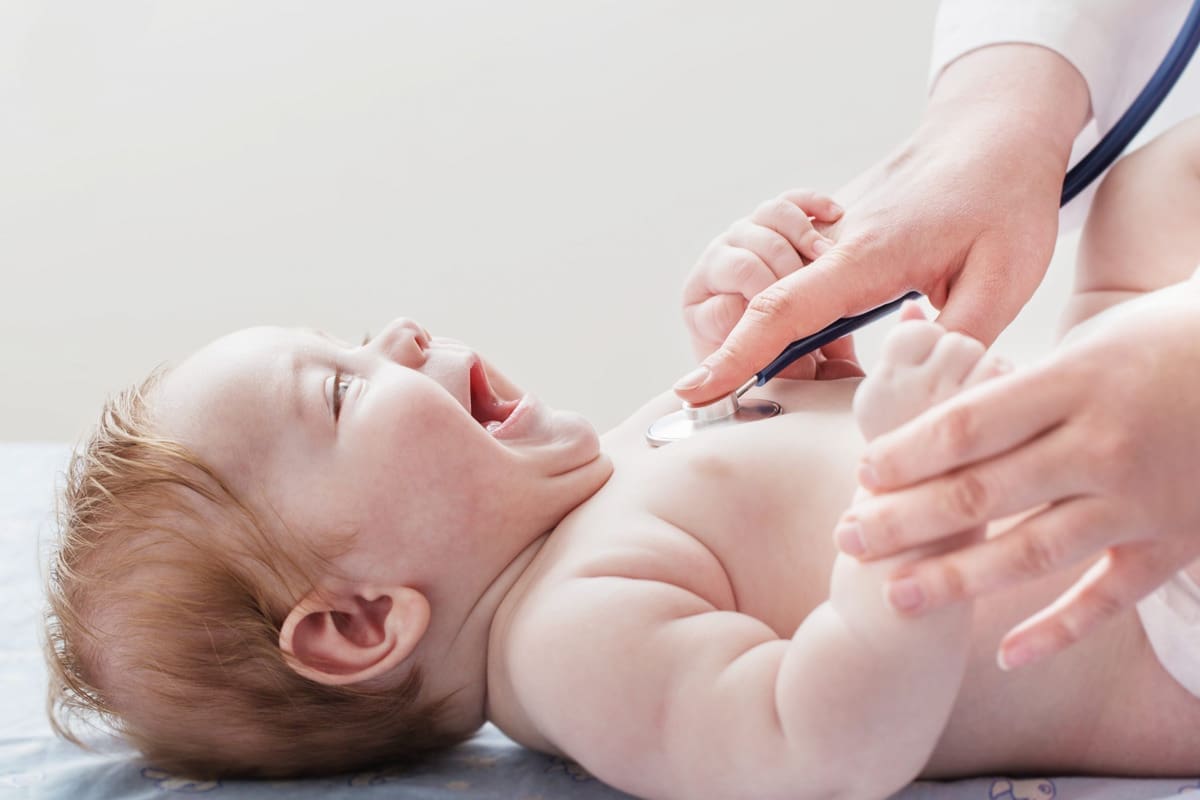
We are all exposed to radiation every day, from natural and artificial sources. But, the effects of this exposure are different for adults and children. This is because children are growing and their bodies are different.radiation effects of on childrenPediatric vs Adult: Radiation Effects on Children Explained
Did you know that kids are more at risk from radiation harm? Their bodies are growing, making them more vulnerable. It’s important to know why radiation is dangerous and how it can harm their health over time.
As we look into radiation effects on children, we’ll see how it affects them differently than adults. We’ll also talk about why it’s key to understand these impacts for better health care.
Key Takeaways
- Children are more susceptible to radiation harm due to their developmental stage.
- Understanding radiation exposure is key to protecting children’s health.
- The effects of toxic radiation can have long-lasting impacts on children’s well-being.
- Radiation exposure can lead to various health issues in children.
- It’s essential to comprehend why radiation is dangerous to mitigate its effects.
Understanding Radiation and Its Sources

We all face radiation exposure from many sources. It’s key to know the types of radiation and their effects on kids.
Natural vs. Man-Made Radiation
Radiation isn’t just from humans. It also occurs naturally. Natural radiation comes from cosmic rays and radon in the soil. Man-made radiation comes from medical procedures, industrial uses, and nuclear activities.
We get about 1.8 mSv of natural background radiation each year. This amount can vary from 1 to 4 mSv. This natural exposure sets a baseline for measuring other radiation sources.
Frequency of Exposure in Children
Children get radiation from many places, like X-rays and CT scans. How often they get exposed depends on their medical needs.
- Medical Procedures: Kids who get many medical images are at higher risk of radiation.
- Environmental Exposure: Kids can also get radiation from radon in homes and polluted areas.
Knowing about these sources helps us protect kids’ health and safety.
Common Diseases Associated with Radiation Exposure

Radiation can harm children’s health, leading to serious conditions. We’ll look at diseases linked to radiation, focusing on the biggest health risks.
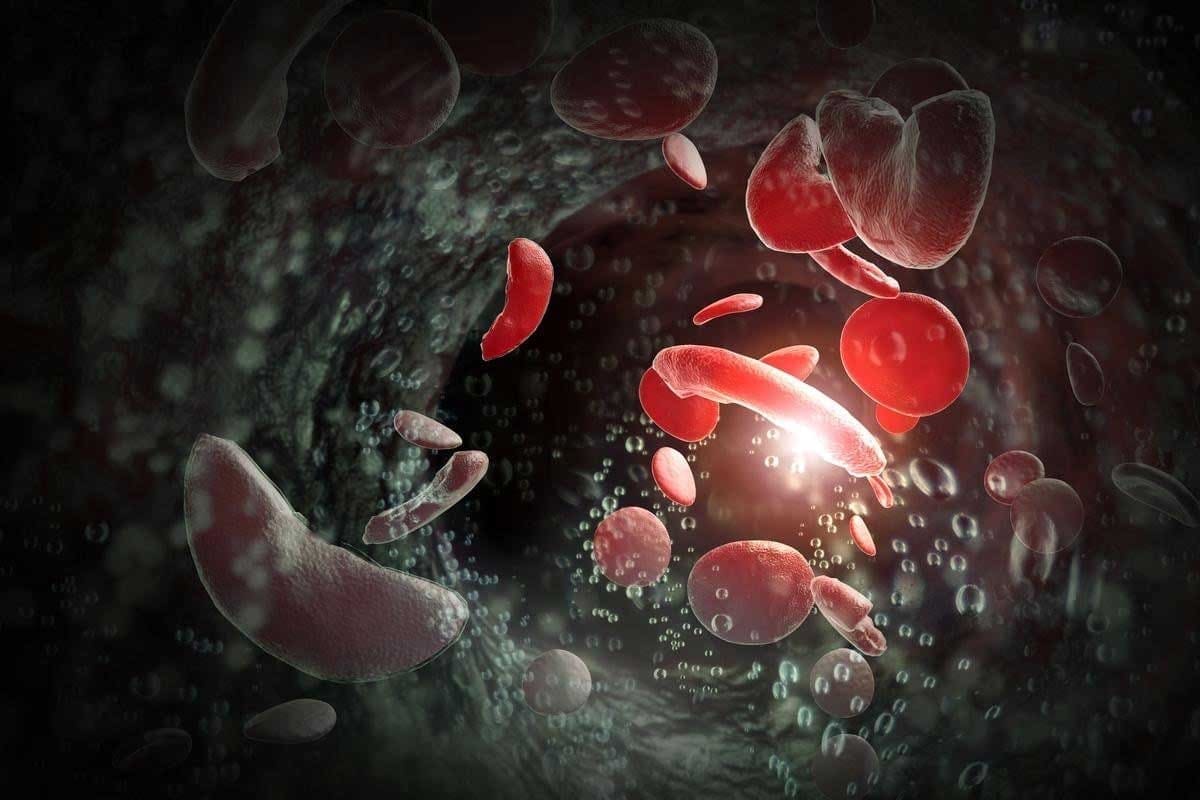
Leukemia
Leukemia was the first cancer linked to radiation in A-bomb survivors, mainly in children. Being exposed to radiation greatly raises the chance of getting leukemia. This is true for acute lymphoblastic leukemia (ALL), the top leukemia in kids.
Thyroid Cancer
Thyroid cancer is a big worry, mainly for kids exposed to radioactive iodine. Radioactive iodine goes to the thyroid gland, raising thyroid cancer risk. We’ve seen more thyroid cancer in kids after nuclear accidents.
Other Possible Health Problems
Radiation can also cause other health issues. These include:
- Higher risk of other cancers
- Genetic changes
- Immune system problems
| Disease | Risk Factor | Population Affected |
| Leukemia | High radiation exposure | Children and adolescents |
| Thyroid Cancer | Exposure to radioactive iodine | Children, mostly under 5 |
| Other Cancers | General radiation exposure | Children and adults |
We’ve talked about diseases linked to radiation, like leukemia and thyroid cancer. We’ve also looked at other health risks. It’s key for parents and caregivers to know these risks to help their kids.
Vulnerability of Children to Radiation
It’s important to understand why kids are more at risk from radiation than grown-ups. Their bodies are growing, and their cells divide quickly. This makes them more likely to get hurt by radiation.
Developmental Sensitivity
Children’s growth stages affect how they react to radiation. At certain times, their organs and tissues are extra sensitive. For example, kids’ thyroid glands soak up radioactive iodine more easily, raising the risk of thyroid cancer.
Key factors contributing to developmental sensitivity include:
- Rapid cell division
- Developing organs and tissues
- Higher absorption rates of radioactive materials
Differences Between Adults and Children
Radiation affects kids differently than adults. Kids have smaller bodies and organs closer to radiation sources. They also live longer, giving them more time to face health problems caused by radiation.
| Characteristics | Children | Adults |
| Cell Division Rate | Higher | Lower |
| Organ Development | Developing | Fully Developed |
| Life Expectancy | Longer | Shorter |
It’s essential to recognize these differences to provide appropriate care and protection to children from radiation exposure.
Symptoms of Radiation Exposure in Children
It’s key to know the signs of radiation exposure in kids early. Their growing bodies can face serious health problems from radiation. This is why spotting symptoms early is so important.
Acute Symptoms
Children can show signs of radiation exposure right after it happens. These signs might include:
- Nausea and vomiting
- Fatigue and weakness
- Diarrhea or abdominal pain
- Headache and dizziness
- Skin burns or lesions
The severity of these symptoms can change based on how much radiation they got. It’s vital to get medical help right away if a child has been exposed to a lot of radiation.
Long-term Symptoms
Some symptoms can show up months or years later. These might include:
- Higher chances of getting certain cancers, like leukemia and thyroid cancer
- Slower growth and development
- Problems with organs, depending on the dose and where it hit
- Mental health issues, like anxiety and stress
Keeping an eye on kids who have been exposed is key. Regular check-ups and tests are a must for them. This helps catch and manage long-term health problems early.
Knowing the signs of radiation exposure helps us support kids and their families. It’s all about managing the health effects of radiation together.
Measuring Radiation Exposure in Children
It’s very important to measure how much radiation children are exposed to. This helps us protect them from harmful radiation effects. We use different methods to keep kids safe.
Dosimeters and Other Tools
Dosimeters are key for tracking radiation exposure. They show how much radiation a person has absorbed. This information helps us understand health risks. We use different dosimeters for different places.
Thermoluminescent dosimeters (TLDs) are very accurate and reliable. They work by heating a crystal to measure radiation. Electronic personal dosimeters (EPDs) give real-time data. This helps us act fast if radiation levels are too high.
Safe Levels of Exposure
Knowing safe radiation levels is key for kids’ protection. The International Commission on Radiological Protection (ICRP) says kids should not get more than 1 mSv a year. We follow these rules to keep kids safe.
The average global background radiation is about 2.4 mSv a year. But this can change a lot depending on where you are. We aim to keep kids’ exposure under the safe limit. We use dosimeters and other tools to watch and manage radiation.
Effects of Radiation on Child Development
Radiation’s impact on kids’ growth is a big worry. It can affect their development, including how they grow and their mental health. High doses can cause big problems, while lower doses might have smaller effects.
Impact on Growth Milestones
Kids exposed to radiation might grow slower or differently. This can affect their height, weight, and skills like learning and moving. The harm depends on how much and for how long they were exposed.
Studies show radiation can harm a growing brain and nervous system. Parents and caregivers need to watch their kids closely for these risks.
Psychological Effects
Radiation can also hurt a child’s mind. The stress and worry from radiation can affect their mental health. It’s key to have support from family, caregivers, and mental health experts.
“The psychological impact of radiation exposure on children cannot be overstated. It is essential to provide a supportive environment to help them cope with the stress and uncertainty associated with radiation exposure.”
We need to think about how radiation affects kids’ mental health and growth long-term. Knowing these effects helps us support kids and reduce radiation harm.
Case Studies of Radiation Exposure
It’s vital to understand how radiation affects kids. Chernobyl and Fukushima are key examples. These nuclear disasters have taught us a lot.
Chernobyl Disaster and Its Aftermath
In 1986, Chernobyl had a huge nuclear accident. It spilled radioactive stuff everywhere. Kids nearby got a lot of radiation, causing health problems.
Right away, they faced serious health issues. Later, they were at higher risk for thyroid cancer and other diseases.
| Health Impact | Immediate Effects | Long-term Effects |
| Thyroid Cancer | Initial exposure to radioactive iodine | Increased incidence of thyroid cancer in children |
| Leukemia | Exposure to radioactive materials | Increased risk of developing leukemia |
| Other Cancers | General radiation exposure | Potential increase in various types of cancer |
Fukushima Nuclear Incident
In 2011, a tsunami hit Fukushima Daiichi, causing a nuclear disaster. Kids in Fukushima faced radiation, leading to evacuations. Now, they’re being watched closely for thyroid problems and other health issues.
Chernobyl and Fukushima teach us about being ready, evacuating, and watching the health of kids exposed to radiation.
Prevention Measures for Parents
As a parent, worrying about your child’s radiation exposure is normal. But, there are steps to lower their risk. Being proactive about radiation safety is key to your child’s health.
Limiting Exposure at Home
Reducing radiation exposure starts at home. Make sure your home doesn’t have radon, a radioactive gas. Test for radon and use radon-resistant materials when building or renovating.
“According to the EPA, radon exposure causes thousands of lung cancer deaths yearly in the U.S.” Regular radon checks and fixes can greatly lower your child’s exposure.
Awareness of Environmental Hazards
Knowing about environmental hazards is vital. This includes risks from nuclear plants, industrial sites, and areas with high background radiation. Stay informed about local conditions and join efforts to reduce radiation risks.
By taking these prevention measures, you can lessen your child’s radiation exposure. It’s about being proactive and making smart choices for a safer home.
Keep up with the latest on radiation safety. This ensures you’re doing the best for your child’s health.
Treatment Options for Radiation-Related Illnesses
New medical technologies have opened up more treatment options for kids with radiation illnesses. This is great news because radiation can cause many health problems. It’s important to look into the treatments available.
Medical Interventions
Medical treatments are key in handling radiation illnesses. These treatments include:
- Medication: To help manage symptoms and stop further harm.
- Bone Marrow Transplantation: For severe cases where radiation hits the bone marrow hard.
- Supportive Care: This includes food support and counseling for the mind.
These treatments aim to lessen radiation’s impact and enhance the life quality of affected kids.
Ongoing Research in Treatment
Research is ongoing to find better treatments for radiation illnesses. We’re seeing big steps forward in areas like:
- Targeted Therapies: These focus on specific cells or pathways harmed by radiation.
- Gene Therapy: It tries to fix or lessen genetic damage from radiation.
- Stem Cell Therapy: It looks into using stem cells to repair damaged tissues.
These new treatments offer hope for better results for kids hit by radiation.
Long-term Health Monitoring for Affected Children
We suggest a proactive health monitoring plan for kids exposed to radiation. This plan includes regular check-ups and screenings that meet each child’s needs.
Importance of Regular Check-ups
Regular check-ups are key for catching health problems early. They help doctors keep a close eye on the child’s health. This way, they can act fast if any issues arise.
Key components of regular check-ups include:
- Thorough medical history and physical examination
- Laboratory tests to monitor blood counts and other health indicators
- Imaging studies as necessary to detect any abnormalities
Screening for At-Risk Populations
Screening at-risk populations is a critical part of health monitoring. Kids exposed to radiation are at risk. Targeted screening can spot those who need early help.
Effective screening strategies include:
- Annual thyroid screenings for children exposed to radioactive iodine
- Regular monitoring for signs of leukemia or other cancers
- Developmental assessments to identify any delays or abnormalities
By taking a proactive and detailed approach to health monitoring, we can better help kids affected by radiation.
Resources for Parents and Caregivers
Dealing with radiation exposure can be tough for parents and caregivers. But, there are many resources to help. They offer support and guidance.
Support and Guidance
Support groups are key for families dealing with radiation exposure. They help with the emotional and psychological impacts. Groups like the Radiation Exposure Support Network provide a place to share and get support.
Educational Resources and Workshops
There are also educational materials and workshops for parents and caregivers. These help understand radiation safety and how to reduce exposure. Health organizations provide these, covering safe handling of devices and reducing environmental exposure.
Using these resources, parents and caregivers can better handle radiation exposure. They can make informed choices to protect their children’s health.
FAQ
What are the effects of radiation on children’s health?
Radiation can harm children’s health in ways it doesn’t for adults. It raises the risk of cancers like leukemia and thyroid cancer. It can also affect their growth and development.
What are the sources of radiation that children are exposed to?
Kids face radiation from natural and man-made sources. This includes cosmic rays, radon, and medical imaging. Nuclear accidents also expose them to radiation.
Why are children more vulnerable to radiation than adults?
Kids’ bodies are more sensitive to radiation because their tissues and organs are developing. Their smaller size means radiation can penetrate and damage their cells more easily. This makes them more at risk for harm from radiation.
What are the symptoms of radiation exposure in children?
Symptoms in kids can range from immediate effects like nausea and fatigue. Long-term effects include a higher risk of cancer and possible developmental delays.
How is radiation exposure measured in children?
Dosimeters and other tools measure radiation in kids. They help figure out how much radiation the body absorbs. This guides safe exposure limits.
What are the safe levels of radiation exposure for children?
Safe radiation levels for kids are as low as possible. Guidelines suggest 1-2 millisieverts (mSv) per year for the general public. Lower limits apply for medical procedures.
How can parents limit their children’s exposure to radiation?
Parents can reduce kids’ radiation exposure by knowing about environmental hazards. They should follow safety rules for medical imaging and lower radon levels at home.
What are the treatment options for radiation-related illnesses in children?
Treatments for kids with radiation-related illnesses include surgery, chemotherapy, and radiation therapy. Research is ongoing for new treatments and therapies.
Why is long-term health monitoring important for children affected by radiation exposure?
Monitoring kids’ health long-term is key. It helps catch health problems early. This improves treatment chances and reduces long-term risks.
What resources are available to support parents and caregivers of children affected by radiation exposure?
Support is available for parents and caregivers. This includes support groups, educational materials, and workshops. They offer guidance, emotional support, and a chance to connect with others.
References
National Institutes of Health. Evidence-Based Medical Insight. Retrieved from https://www.niehs.nih.gov/health/topics/agents/radiation/index.cfm
World Health Organization. Evidence-Based Medical Insight. Retrieved from https://www.who.int/news-room/fact-sheets/detail/ionizing-radiation-health-effects-and-protective-measures
Centers for Disease Control and Prevention. Evidence-Based Medical Insight. Retrieved from https://www.cdc.gov/nceh/radiation/children.html