Last Updated on November 26, 2025 by Bilal Hasdemir
Radiation Hair Loss: Why It Happens and What to Expect
Radiation therapy saves lives for many cancer patients, but hair loss is a common and troubling side effect. Nearly 65% of people receiving radiation experience some hair loss. Does it always happen? Not necessarily. Hair loss usually affects only the area being treated, not the entire scalp.
It’s important to understand how radiation leads to hair loss. We want to explain how radiation affects hair follicles and help patients learn more about this common side effect of cancer treatment.

Key Takeaways
- Radiation therapy can cause hair loss in cancer patients.
- The extent of hair loss depends on the radiation dose and treatment area.
- Hair loss can be a significant concern for patients undergoing radiation therapy.
- By understanding the causes of radiation hair loss, patients can better prepare for and manage their treatment experience.
- We will explore the effects of radiation on hair follicles and possible ways to reduce hair loss.
Understanding Radiation and Its Effects on the Body
Radiation and human tissues interact in complex ways. This can lead to different outcomes. Radiation therapy is used to treat many conditions, including cancer. It’s important for patients and healthcare providers to understand its effects.
What Is Radiation and How Does It Work?
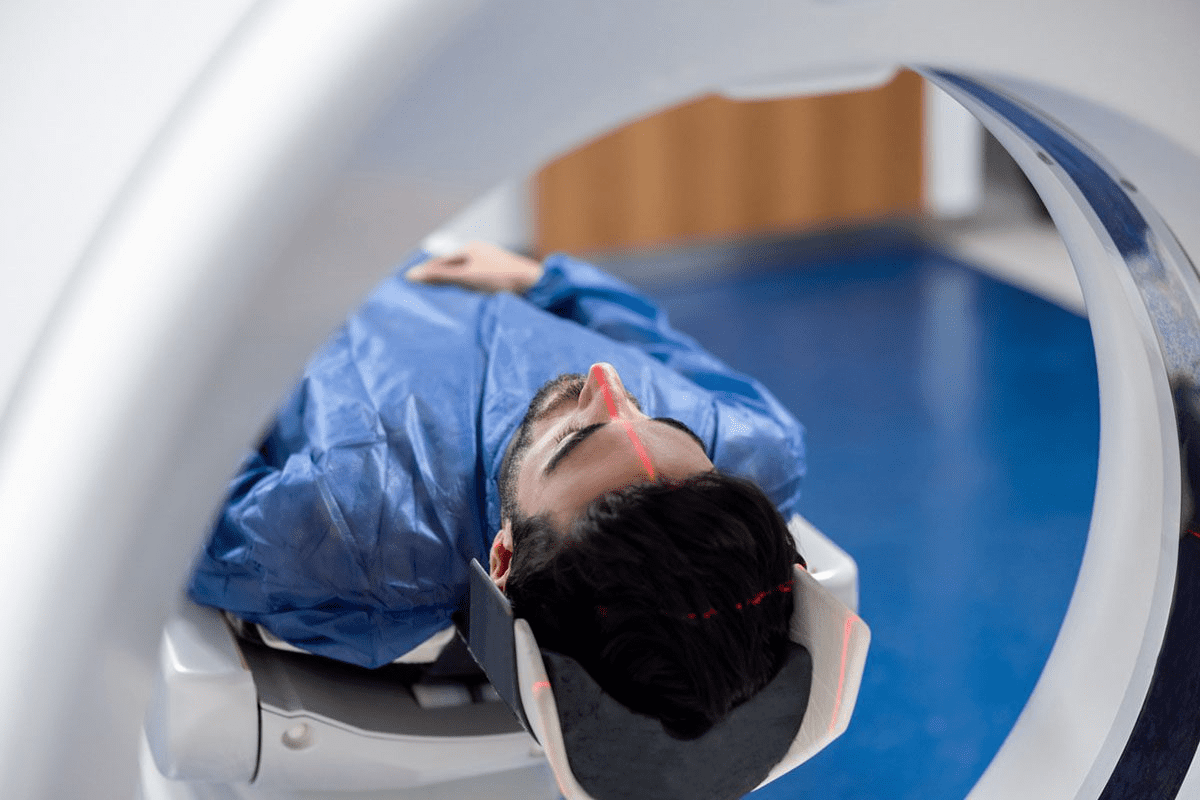
Radiation therapy uses high-energy particles or waves to harm cancer cells. There are two main types: external beam and internal radiation therapy. Ionizing radiation is often used to kill cancer cells or slow their growth.
Different Types of Radiation Exposure
Radiation exposure can happen in several ways:
- External radiation exposure, where the radiation source is outside the body.
- Internal radiation exposure, where the radiation source is inside the body.
- Total body irradiation, where the entire body is exposed to radiation.
Each type affects the body differently and needs different safety steps.
How Radiation Interacts with Human Tissues
Radiation can damage the DNA of cells, causing cell death or mutations. The sensitivity of tissues to radiation varies. Rapidly dividing cells are more sensitive, which is why radiation therapy targets cancer cells effectively.
The effects of radiation on tissues depend on several factors. These include the dose and type of radiation, and the tissues exposed. Understanding these interactions helps minimize side effects and maximize the benefits of radiation therapy.
The Science Behind Radiation Hair Loss
Radiation can harm hair follicles in a complex way. It causes cellular damage and disrupts the hair growth cycle. To grasp this, we must explore how radiation affects the human body, focusing on hair follicles.
How Radiation Affects Hair Follicles
Radiation therapy harms hair follicles by targeting cells that grow quickly. Hair follicles are key for hair growth, containing stem cells vital for new hair. When radiation hits these cells, it can damage DNA, leading to cell death or malfunction.
Cellular Damage and Hair Growth Cycle Disruption
The hair growth cycle has three phases: anagen (growth), catagen (transitional), and telogen (resting). Radiation mainly hits the anagen phase, where cells are actively dividing. This damage can push more follicles into the telogen phase, causing more hair shedding.
This disruption leads to noticeable hair loss, which can upset patients.
Radiation Sensitivity of Rapidly Dividing Cells
Cells that divide quickly, like those in hair follicles, are more sensitive to radiation. This is because radiation causes DNA damage, and dividing cells are more at risk. So, hair follicle cells are often hit hard by radiation therapy, leading to hair loss.
Knowing this sensitivity is key for managing patient expectations and finding ways to prevent hair loss during radiation therapy.
Medical Radiation Treatments That Cause Hair Loss
Medical radiation treatments are key in cancer care but can cause hair loss. They target and destroy cancer cells. But, they also harm healthy cells nearby, leading to hair loss.
Radiation Therapy for Cancer
Radiation therapy is a common cancer treatment. It uses high-energy particles to kill cancer cells. But, it can also harm hair follicles, causing hair loss.
Cranial Radiation and Its Effects
Cranial radiation treats brain cancers. It can cause hair loss on the scalp. The amount of hair loss depends on the treatment’s dose and length.
Total Body Irradiation for Bone Marrow Transplants
Total Body Irradiation (TBI) prepares patients for bone marrow transplants. It exposes the whole body to radiation. This can lead to widespread hair loss.
Radiation Dose and Treatment Schedules
The risk of hair loss from radiation therapy varies. It depends on the dose and treatment schedule. Knowing the treatment plan helps prepare for side effects.
Radiation Dose (Gy) | Likelihood of Hair Loss | Potential for Permanent Hair Loss |
Less than 10 Gy | Low | Unlikely |
10-20 Gy | Moderate | Possible |
More than 20 Gy | High | Likely |
Understanding radiation treatment helps manage side effects like hair loss. Healthcare providers should talk about these effects with patients for full care.
Radiation Hair Loss Patterns and Severity
It’s important to know how radiation affects hair loss. This is true for those getting radiation therapy. We’ll look at how hair loss happens and how bad it can get.
Localized vs. Widespread Hair Loss
Hair loss from radiation can be in one spot or all over. This type of radiation hair loss depends on how much radiation is given and which area is treated. Localized hair loss happens when radiation targets a small area, such as during cancer treatment. In these cases, radiation hair loss usually affects only the spot being treated.
On the other hand, widespread hair loss can occur with total body irradiation, which is often used before bone marrow transplants. This form of radiation hair loss can affect the entire scalp and sometimes body hair. Understanding how radiation hair loss works helps patients know what to expect during treatment and discuss possible care options with their medical team.
The more hair lost depends on where the radiation hits. For example, head radiation might just cause scalp hair loss. But total body irradiation can lead to hair loss all over.
Factors That Determine the Extent of Hair Loss
Several things affect how much hair is lost from radiation:
- The dose of radiation received
- The length of time exposed to radiation
- The part of the body exposed
- How well the body handles radiation
Factor | Impact on Hair Loss |
Radiation Dose | Higher doses increase the risk and severity of hair loss |
Duration of Exposure | Prolonged exposure can lead to more extensive hair loss |
Area Exposed | Larger areas exposed result in more widespread hair loss |
Differences Between Acute and Chronic Radiation Exposure
Acute and chronic radiation exposure affect hair loss in different ways. Acute radiation exposure means receiving a large dose in a short period, which can cause severe radiation hair loss almost immediately. Chronic radiation exposure involves smaller doses over a longer time, leading to radiation hair loss that develops more slowly. Understanding how these two types of exposure influence radiation hair loss helps patients and caregivers better prepare for changes in hair growth during and after treatment.
Knowing these differences helps manage expectations and plan care for those losing hair from radiation.

Timeline: When Does Hair Loss Occur After Radiation?
Knowing when hair loss happens after radiation is key for those getting treatment. The time frame can change a lot. This depends on the radiation dose, type, and the person’s health.
Initial Signs and Symptoms
The first signs of hair loss after radiation are often small. Patients might see a slight thinning or a few loose hairs. These are early signs that radiation is affecting hair follicles. It’s important for patients to watch their hair closely during this time.
Progression of Hair Thinning and Shedding
As radiation keeps affecting hair follicles, hair thinning gets worse. This can be hard for patients. Knowing what to expect can help manage worries and anxiety. Hair loss usually follows a pattern after the first exposure.
Typical Timeframe from Exposure to Noticeable Loss
The time from radiation to noticeable hair loss varies. It depends on the radiation dose, treated area, and how sensitive a person is to radiation. Here are some important points:
- Hair loss can start 1-3 weeks after starting radiation therapy.
- The loss can get faster over the next few weeks, leading to more thinning or shedding.
- In some cases, hair loss might be slower, depending on the radiation dose and treatment plan.
Understanding the typical timeline and what affects hair loss after radiation helps patients prepare. We suggest talking to a healthcare provider for personalized advice and support.
Is Radiation Hair Loss Permanent or Temporary?
It’s important to know if hair loss from radiation is temporary or permanent. This is key for those getting radiation therapy. How much hair is lost and if it will grow back depends on several things.
Determining Factors for Hair Regrowth
Many things affect hair growth after radiation therapy. The dose of radiation, the body area treated, and the patient’s health are important. The radiation dose is a big factor in whether hair loss is temporary or permanent.
Other things like the patient’s health, any medical conditions, and protective measures during therapy also matter. These can help or hinder hair growth.
Radiation Dose and Permanence of Hair Loss
The dose of radiation is key in deciding if hair loss is permanent. Higher doses can damage hair follicles more, leading to permanent hair loss.
Radiation Dose (Gy) | Likelihood of Permanent Hair Loss |
Less than 10 Gy | Low |
10-20 Gy | Moderate |
More than 20 Gy | High |
Damage to Hair Follicle Stem Cells
Radiation can harm the stem cells in hair follicles. These cells are vital for hair to grow back. The damage depends on the radiation dose and how sensitive these cells are.
Damage to these stem cells can cause permanent hair loss if they are destroyed or badly damaged. Knowing how radiation affects these cells helps predict hair regrowth chances.
Understanding what affects hair regrowth and how radiation dose impacts hair follicles helps patients prepare. This knowledge is important for those facing radiation therapy’s effects on their hair.
Diagnostic Radiation and Hair Loss Risk
Medical technology has grown, making diagnostic radiation more common. This raises questions about its impact on hair health. Diagnostic radiation helps diagnose and monitor many medical conditions. Yet, there’s worry about its effect on hair loss.
X-rays and CT Scans
X-rays and CT scans use radiation to see inside the body. CT scans use more radiation than X-rays. This radiation can harm hair follicles, mainly if the scalp is exposed.
Here are some important points about X-rays and CT scans:
- The amount and length of radiation exposure can affect hair loss risk.
- CT scans of the head or neck area are more likely to cause hair loss because of direct scalp exposure.
- Getting X-rays or CT scans many times can raise the risk of hair loss over time.
Nuclear Medicine Procedures
Nuclear medicine uses small amounts of radioactive materials to diagnose and treat diseases. These procedures can expose the body to radiation, which might harm hair follicles. The risk of hair loss from nuclear medicine depends on the type and amount of radioactive material used.
Some nuclear medicine procedures that might risk hair loss include:
- Thyroid scans using radioactive iodine.
- PET scans that use radioactive tracers.
- Certain types of bone scans.
Cumulative Effects of Multiple Diagnostic Procedures
The risk of hair loss from multiple diagnostic radiation procedures is a big concern. Even low doses of radiation can increase hair loss risk over time. Healthcare providers should think carefully about each procedure and try to reduce radiation exposure.
To lower risks, patients should:
- Talk to their healthcare provider about the benefits and risks of diagnostic radiation.
- Make sure each procedure is really needed.
- Follow guidelines to reduce radiation exposure.
By knowing the risks of diagnostic radiation and taking steps to reduce exposure, patients and healthcare providers can work together. This can help lower the chance of hair loss.
Environmental and Occupational Radiation Exposure
Radiation affects more than just medical treatments. It also impacts our workplaces and daily lives. Knowing the risks of radiation is key to keeping us safe and healthy.
Workplace Radiation Safety
Workplaces with radiation, like nuclear plants and medical facilities, need strict safety rules. Ensuring worker safety means monitoring radiation, using protective gear, and training staff well.
Companies must take steps to reduce exposure. This includes using shields, limiting time in radiation zones, and keeping equipment in good shape. Regular health checks for workers are also important to catch health problems early.
Accidental Radiation Exposure
Accidents can happen anywhere, like in nuclear accidents or during radioactive material transport. Quick action is needed to limit exposure and prevent health problems.
Having plans ready and educating the public are key to handling radiation accidents. We must learn from past incidents to make safety better and avoid future accidents.
Long-term Low-dose Radiation Effects
The effects of long-term, low-dose radiation are being studied. While high doses are harmful, the effects of low doses over time are not fully understood. Research is looking into possible risks like cancer and other health issues.
It’s important to understand these risks to set safety standards for workers and the public. We keep up with new research to give the latest information.
Preventing and Minimizing Radiation Hair Loss
Radiation therapy is key in fighting cancer but can lead to hair loss. Luckily, there are ways to prevent or lessen this side effect. We’re dedicated to finding methods that can help keep your hair.
Scalp Cooling Techniques
Scalp cooling is a method that might help reduce hair loss during treatments. It works by cooling the scalp. This reduces blood flow and lessens the impact on hair follicles.
Scalp cooling devices look like caps or helmets. They’re cooled with refrigeration units or cold gel packs. Studies suggest it can help lower hair loss, but results vary.
Radiation Shields and Protective Measures
Radiation shields are another way to protect against hair loss. They block radiation from reaching areas not being treated. This helps keep hair from falling out in those spots.
Radiation oncologists help pick the best shields for each patient. They consider the type of radiation and the treatment area.
Emerging Preventive Treatments
Scientists are exploring new ways to prevent hair loss from radiation. They’re looking at medicines that protect hair follicles from damage.
These treatments are not yet widely available but offer hope for the future.
Pre-treatment Scalp Care Recommendations
Good scalp care before, during, and after treatment can also help. Use gentle hair products, avoid hot styling tools, and be gentle when combing.
It’s best to talk to your healthcare provider for advice on scalp care. They can give you tips that fit your treatment plan.
Hair Regrowth After Radiation Treatment
It’s important to know how hair grows back after radiation. This helps manage expectations and support recovery. Radiation can harm hair follicles, causing hair loss. But, many people see their hair grow back after treatment ends.
Timeline for Hair Recovery
The time it takes for hair to grow back varies. Usually, it starts within 3 to 6 months after treatment stops. But, this can change based on the radiation dose, treatment area, and health.
Remember, hair may not grow back right away after treatment stops. Sometimes, it can take up to a year or more for hair to look like it did before.
Changes in Hair Texture, Color, and Growth Pattern
After radiation, hair might grow back differently. It could be thinner, more brittle, or have a different texture. The color might also change, sometimes growing back a different shade or with more gray.
“The regrown hair may have a different texture or color, which can be a concern for many patients.”
Supporting Healthy Hair Regrowth
To help hair grow back healthy, use gentle hair care. Choose mild shampoos and avoid too much heat styling. Also, try to use fewer chemical treatments. Keeping the scalp safe from the sun and gentle scalp massages can help too.
- Use gentle, sulfate-free shampoos.
- Avoid harsh chemical treatments.
- Minimize heat styling.
- Protect your scalp from the sun.
Nutritional Support for Hair Follicles
Eating right is key for healthy hair growth. A balanced diet with vitamins and minerals like biotin, vitamin D, and iron helps. Foods rich in antioxidants and omega-3 fatty acids also support hair health.
Make sure to eat enough protein, as hair is made of it. A diet full of these nutrients can help your hair recover after radiation.
By understanding how hair grows back and supporting its health, patients can better handle recovery after radiation treatment.
Emotional and Psychological Impact of Radiation Hair Loss
Patients dealing with radiation therapy often face emotional and psychological challenges. Hair loss can make them feel like they’ve lost their identity. It can also hurt their self-image and confidence.
Body Image and Self-esteem Challenges
Hair loss from radiation can really hit a patient’s body image and self-esteem hard. It’s not just about the hair; it’s the emotional and psychological side that’s tough. Patients might feel like they’ve lost control over how they look, leading to insecurity and low self-esteem.
These changes are tough, and it’s key to tackle the emotional and psychological sides of hair loss. Recognizing how it affects body image and self-esteem helps us support patients better during this tough time.
Coping with Appearance Changes During Treatment
Dealing with appearance changes from radiation hair loss needs a variety of approaches. Patients can find help through counseling, support groups, and appearance-related aids like wigs or scalp prosthetics. These tools can help manage the emotional side of appearance changes.
Healthcare providers should offer full support that covers both physical and emotional aspects of radiation hair loss. This way, patients can face this tough time with more ease and confidence.
Support Groups and Counseling Resources
Support groups and counseling are key for patients dealing with radiation hair loss. They offer a safe place to share experiences, get support, and learn from others facing similar challenges.
We suggest patients use these resources as part of their care plan. Connecting with others and getting professional advice can help manage the emotional side of hair loss. It can also improve overall well-being.
Coping Strategies and Appearance Solutions
Radiation hair loss can be very upsetting. That’s why finding ways to cope and improve appearance is key. Changes in appearance from radiation therapy can hurt a person’s self-esteem and well-being.
Wigs, Hairpieces, and Head Coverings
Using wigs, hairpieces, or head coverings is a common way to deal with hair loss. These options can make a person feel more normal and confident. Wigs come in many styles and colors to fit individual tastes. Synthetic wigs are cheaper and easier to care for, while human hair wigs look and feel more natural.
Choosing the right wig is important. Look for comfort, durability, and a good match to your natural hair. Many cancer centers and organizations offer wig services for patients, including those with hair loss from radiation.
Scalp Care During and After Treatment
Scalp care is vital during and after radiation therapy. Use mild shampoos and avoid harsh chemicals or too much heat. Applying soothing creams or ointments as advised by doctors can also help with comfort.
Makeup Techniques for Lost Eyebrows and Eyelashes
Makeup can help if you’ve lost eyebrows or eyelashes due to radiation. Use eyebrow pencils or powders to look like you have eyebrows again. For eyelashes, try false lashes or mascara on the lashes you have left.
Conclusion
Understanding radiation hair loss is key for those getting radiation therapy. We’ve looked at how radiation affects the body, like hair follicles. We’ve also talked about treatments that can lead to hair loss.
The extent and lasting nature of hair loss from radiation vary. It depends on the dose and how long you’re exposed. Some might lose hair temporarily, while others could face permanent damage.
Knowing about radiation hair loss helps patients prepare and deal with it. There are ways to lessen hair loss, like scalp cooling and using radiation shields.
In short, hair loss from radiation is a big worry for those getting therapy. By recognizing the risks and looking into solutions, we can help those dealing with hair loss from radiation.
FAQ
What is radiation therapy and how does it cause hair loss?
Radiation therapy is a treatment for cancer that uses high-energy particles or waves. It aims to destroy or damage cancer cells. This treatment can harm the hair follicles, disrupt the hair growth cycle, and affect cells that grow hair.
Is hair loss from radiation therapy permanent?
Hair loss from radiation therapy can be either temporary or permanent. It depends on the dose of radiation, the treatment schedule, and individual factors. Sometimes, hair may grow back after treatment, but in other cases, the loss may be permanent.
How does the radiation dose affect hair loss?
The dose of radiation greatly influences hair loss. Higher doses can lead to more significant hair loss. Lower doses might cause less severe or no hair loss at all.
Can scalp cooling techniques prevent hair loss during radiation therapy?
Yes, scalp cooling techniques, or cold caps, can reduce hair loss during radiation therapy. They work by lowering blood flow to the scalp, which minimizes radiation reaching the hair follicles.
Are there any emerging preventive treatments for radiation hair loss?
Researchers are looking into new treatments to prevent hair loss from radiation therapy. They are exploring medications and other interventions to minimize or prevent hair loss.
How long does it take for hair to regrow after radiation therapy?
Hair regrowth after radiation therapy varies. It depends on the dose of radiation and the treatment schedule. In some cases, hair may regrow within a few months, while in others it may take longer.
Can diagnostic radiation procedures, such as X-rays and CT scans, cause hair loss?
Diagnostic radiation, like X-rays and CT scans, uses low doses of radiation. It is unlikely to cause significant hair loss. However, multiple diagnostic procedures may slightly increase the risk.
How can I cope with the emotional and psychological impact of radiation hair loss?
Dealing with the emotional and psychological effects of hair loss from radiation therapy can be tough. Support groups, counseling, and appearance solutions like wigs and hairpieces can help.
Are there any nutritional recommendations that can support hair regrowth after radiation therapy?
Eating a balanced diet rich in essential nutrients can support hair regrowth after radiation therapy. Foods containing vitamins and minerals like biotin, vitamin D, and omega-3 fatty acids promote hair health.
Can radiation exposure in the workplace or environment cause hair loss?
Yes, radiation exposure at work or in the environment can cause hair loss. It depends on the level and duration of exposure. Most workplaces have safety measures to minimize exposure and prevent health issues, including hair loss.