Last Updated on November 27, 2025 by Bilal Hasdemir
Breast cancer treatment uses many methods, like surgery, chemotherapy, and radiation therapy. It’s important to know how each helps to find the best order for treatment. Many patients ask radiation or chemo first, and generally, chemotherapy is given before radiation therapy, especially for those at risk of systemic disease, but the sequence can vary based on individual cases.
Chemotherapy can be given before surgery to make tumors smaller. This makes it easier to remove them. Radiation therapy is usually given after surgery to kill any cancer cells left behind.
Choosing whether to have chemotherapy or radiation therapy first can change how well treatment works and how you feel. LivHospital’s team can help you make a choice based on the latest care options.
Key Takeaways
- Breast cancer treatment involves a combination of surgery, chemotherapy, and radiation therapy.
- Chemotherapy can be used before surgery to shrink tumors.
- Radiation therapy is often used after surgery to eliminate remaining cancer cells.
- The order of chemotherapy and radiation therapy can impact treatment outcomes.
- Liv Hospital’s expertise can guide you in making an informed decision.
Understanding Breast Cancer Treatment Modalities
Effective breast cancer treatment often needs a mix of surgery, chemotherapy, and radiation therapy. Each part is key to the treatment plan. Knowing how they work helps figure out the best order for treatment.
The Role of Surgery in Breast Cancer Treatment
Surgery is often the first step in treating breast cancer. It aims to remove the tumor and affected tissue. The main goal is to get rid of cancer cells in the body.
There are different surgeries, like:
- Lumpectomy: Removing the tumor and a small part of surrounding tissue.
- Mastectomy: Removing the whole breast.
The choice of surgery depends on the cancer’s stage and type, and what the patient prefers.
The Purpose of Chemotherapy
Chemotherapy uses drugs to kill cancer cells. It’s often given after surgery to get rid of any cancer cells left in the body. It can also be used before surgery to make tumors smaller.
“Chemotherapy is a systemic treatment that can reach cancer cells that may have spread beyond the original tumor site.”
NCI Dictionary of Cancer Terms
The Function of Radiation Therapy
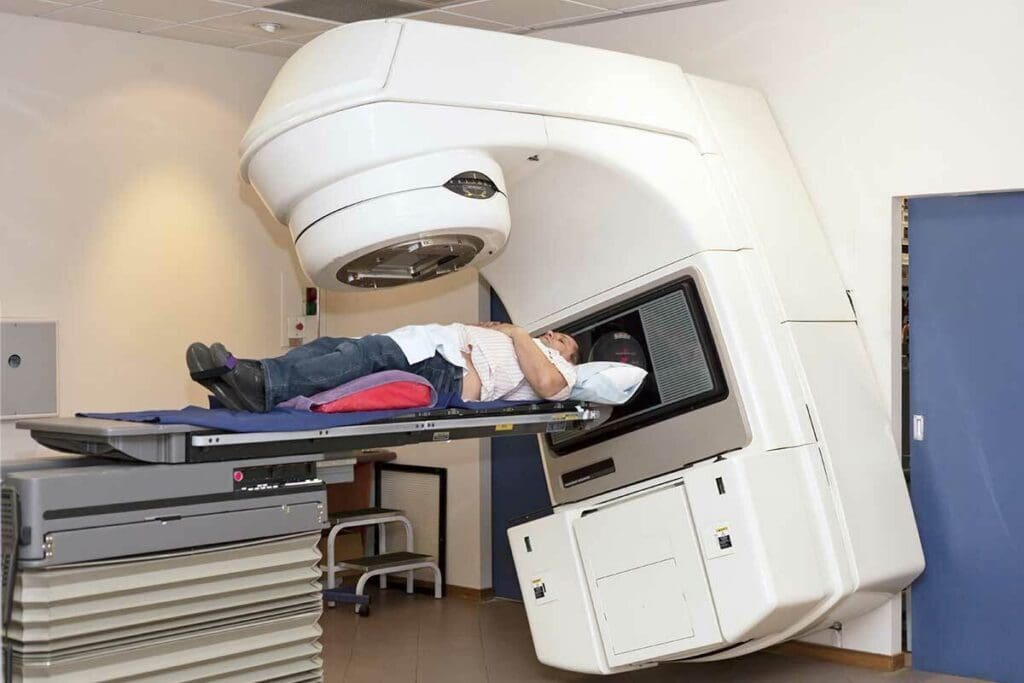
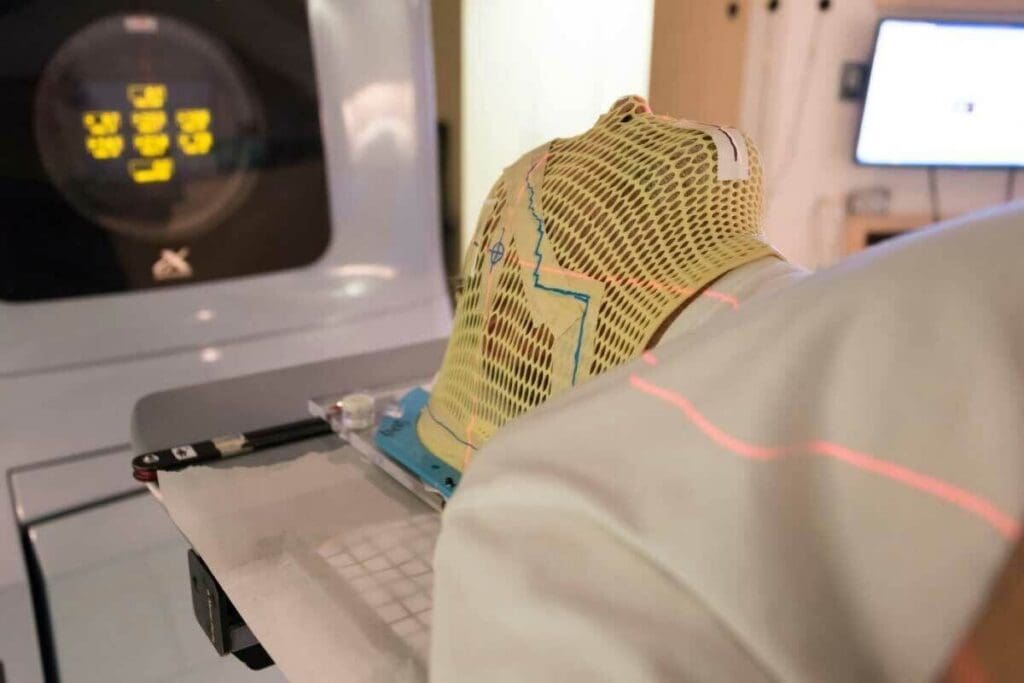
Radiation therapy uses high-energy X-rays to kill cancer cells. It’s often used after surgery to kill any cancer cells left in the breast, chest wall, or axilla. It can also help with symptoms like pain in advanced cancer.
Choosing between radiation therapy, chemotherapy, or both depends on many factors. These include the cancer’s stage, tumor characteristics, and the patient’s health.
The Standard Treatment Sequence for Breast Cancer
Knowing the order of treatments for breast cancer is key for patient care. The sequence can greatly affect how well treatments work and the patient’s quality of life.
Surgery as the First Line of Treatment
Surgery is often the first step in treating breast cancer. It aims to remove the tumor and affected tissue. The surgery type depends on the cancer’s stage and type. For many, surgery is followed by other treatments to kill any remaining cancer cells.
- Lumpectomy or partial mastectomy to remove the tumor and a small margin of surrounding tissue.
- Mastectomy to remove the entire breast, sometimes accompanied by reconstruction.
Adjuvant Therapies: What Comes After Surgery
After surgery, adjuvant therapies like chemotherapy and radiation therapy are used. They aim to lower the risk of cancer coming back. The choice of therapy depends on the cancer’s stage, hormone receptor status, and HER2 status. According to the American Cancer Society, these therapies can greatly improve survival rates for breast cancer patients.
- Chemotherapy to kill cancer cells that may have spread beyond the original tumor.
- Radiation therapy to target any remaining cancer cells in the breast, chest wall, or lymph nodes.
- Hormone therapy for cancers that are hormone receptor-positive.
Why Sequence Matters in Cancer Treatment
The order of treatments is very important. It can affect how well the therapy works. For example, chemotherapy before radiation therapy may be recommended in some cases to address systemic risk first. The order can also impact how well the patient can handle subsequent therapies.
Understanding the standard treatment sequence for breast cancer helps patients and healthcare providers make informed decisions. By following established guidelines and considering individual patient factors, the most effective treatment plan can be developed.
Radiation or Chemo First: What Medical Guidelines Recommend
When treating breast cancer, doctors follow certain guidelines. These guidelines are based on lots of research and trials. They help make sure patients get the best care possible.
National Comprehensive Cancer Network (NCCN) Guidelines
The NCCN guidelines are very respected in the field of cancer. They say the order of treatments can change based on the cancer’s details.
- Chemotherapy first: Often, doctors start with chemotherapy. This is to tackle the cancer throughout the body and possibly improve survival chances.
- Radiation therapy considerations: The timing of radiation therapy is planned carefully. This is to make it as effective as possible while reducing side effects.
American Society of Clinical Oncology (ASCO) Recommendations
ASCO also has guidelines for treating breast cancer. They stress the need for a team approach to planning treatments.
- First, doctors look at the tumor’s characteristics and stage.
- Then, they check the lymph nodes.
- They also think about the patient’s age and health.
Following these guidelines helps doctors decide the best order for treatments.
International Consensus on Treatment Sequencing
More and more experts worldwide agree on the best order for breast cancer treatments. This agreement comes from a deep review of evidence and expert opinions.
Most agree that chemotherapy should come before radiation therapy. This is because it helps fight cancer that has spread, while radiation focuses on the main tumor.
- Chemotherapy is often given first to target any cancer cells that have spread.
- Then, radiation therapy is used to control the main tumor.
By sticking to these guidelines, doctors can give patients care that’s based on solid evidence and tailored to their needs.
The Case for Chemotherapy Before Radiation
Chemotherapy before radiation is a common treatment for breast cancer. It tackles cancer cells that might have spread early on. This approach is often recommended to treat cancer that has spread beyond the breast.
Addressing Systemic Risk First
Starting with chemotherapy targets cancer cells that may have spread to other parts of the body. This is key in managing systemic risk, a big worry in breast cancer.
Recent studies show starting with chemotherapy can lower the risk of cancer spreading far away. For example, a study on the National Center for Biotechnology Information website found early chemotherapy improves patient outcomes.
Preventing Distant Metastases
Distant metastases are a big problem in breast cancer treatment. Chemotherapy before radiation can lower the chance of these metastases by killing cancer cells that have spread.
This approach is very important for patients with aggressive breast cancer types. Chemotherapy first helps stop cancer from spreading to other parts of the body. This improves the patient’s chances of survival.
Impact on Overall Survival Rates
The order of treatments affects survival rates. Studies show patients who get chemotherapy first do better than those who get radiation first.
Chemotherapy can treat cancer cells that radiation might miss. By using these treatments in the right order, doctors can give patients the best chance of survival and recovery.
When Radiation Might Precede Chemotherapy
Chemotherapy often comes before radiation therapy. But, there are times when the order needs to be reversed. This decision depends on the tumor’s type, the patient’s health, and the type of breast cancer.
Special Clinical Scenarios
When tumors are too big or can’t be removed, radiation therapy is used first. A top oncologist says, “Radiation therapy can make tumors operable.” This helps in successful surgeries and can make chemotherapy more effective.
Also, some breast cancer types respond better to radiation. Studies show that tumors with certain genetic markers might do well with radiation first.
Patient-Specific Considerations
Each patient’s situation is unique when deciding on treatment order. For example, those with serious health issues might start with radiation. “Adjusting treatment based on each patient’s risk can reduce side effects and improve results,” Doctor explains.
What the patient wants also matters. Some might prefer to control the tumor locally with radiation first.
Emerging Research on Alternative Sequencing
New studies are looking into different orders of treatment. They suggest that starting with radiation might be as good or even better than starting with chemotherapy.
“Finding the best order for radiation and chemotherapy is a focus of ongoing research. Personalized approaches might lead to better survival and quality of life.”
As research grows, we’ll learn more about the best way to treat breast cancer. This could lead to more tailored and effective treatments.
Neoadjuvant Chemotherapy: Treatment Before Surgery
Neoadjuvant chemotherapy is a new way to treat breast cancer. It starts with chemotherapy to shrink tumors before surgery. This method is getting more attention for its benefits in surgery and patient care.
Benefits of Shrinking Tumors Pre-Surgery
Neoadjuvant chemotherapy has many advantages. It makes tumors smaller before surgery. This can lead to less invasive surgeries and help keep more of the breast tissue.
It also makes surgery more likely to succeed for patients who were thought to be too sick for it. Shrinking tumors before surgery is key for those with big tumors. It helps get clear margins during surgery, which lowers the chance of cancer coming back.
Candidates for Neoadjuvant Approach
Not every breast cancer patient is right for neoadjuvant chemotherapy. The choice depends on the cancer’s stage, type, and the patient’s health. Patients with locally advanced breast cancer or big tumors are often good candidates.
- Patients with inflammatory breast cancer
- Those with tumors that are initially too large to be removed surgically
- Patients whose cancer has spread to the lymph nodes
How This Affects the Radiation Timeline
Neoadjuvant chemotherapy can change when and if radiation therapy is needed. By making tumors smaller, it might mean less surgery. This can affect when and if radiation therapy is used.
Radiation therapy is often used after surgery to kill any cancer cells left behind. Its timing can be adjusted based on how well the patient responds to chemotherapy and the surgery needed.
In summary, neoadjuvant chemotherapy is a valuable option for some breast cancer patients. It can lead to less invasive surgeries and better outcomes. The choice to use it should be part of a detailed treatment plan, considering the patient’s condition and cancer specifics.
Breast Cancer Subtypes and Their Influence on Treatment Sequence
Knowing the subtype of breast cancer is key to finding the best treatment order. Breast cancer is not just one disease but many different types. Each type has its own special traits and treatment ways.
Hormone Receptor-Positive Breast Cancer
Hormone receptor-positive breast cancer has estrogen or progesterone receptors. Treatment often includes hormone therapy. This can be before or after surgery, and sometimes with chemotherapy or radiation.
Key treatment considerations:
- Hormone therapy blocks the body’s hormones from reaching the cancer cells.
- Chemotherapy is suggested for bigger tumors or higher risk patients.
HER2-Positive Breast Cancer
HER2-positive breast cancer has too much HER2 protein. Treatment often includes targeted therapy drugs that target the HER2 protein.
Treatment sequencing:
- Targeted therapy is given with chemotherapy.
- Radiation therapy may follow surgery to kill any left cancer cells.
Triple-Negative Breast Cancer
Triple-negative breast cancer doesn’t have estrogen, progesterone receptors, or too much HER2 protein. Its aggressive nature means treatment usually starts with chemotherapy. Sometimes, radiation therapy is added.
Key considerations:
- Chemotherapy is the main treatment because there are no targeted therapies.
- Clinical trials might offer more treatment options for triple-negative breast cancer patients.
In summary, the type of breast cancer greatly affects treatment choices. It’s vital for doctors to understand these differences. This helps them create treatment plans that fit each patient’s needs.
Can You Do Radiation and Chemo at the Same Time?
Many cancer patients wonder if they can get radiation therapy and chemotherapy at once. This approach, called concurrent therapy, is getting a lot of attention. It might make treatment more effective.
Concurrent Therapy: Risks and Benefits
Concurrent therapy means getting radiation and chemotherapy at the same time. It might work better because the two treatments can help each other. But, it also means more risks because of the stronger effects.
Benefits: This method could help control tumors better and might even increase survival chances. It combines the strengths of both treatments to fight cancer harder.
Risks: The biggest danger is more side effects. Patients might feel very tired, sick to their stomach, or have skin problems. These effects can be worse than with just one treatment.
Types of Cancer That May Warrant Concurrent Treatment
Doctors often suggest concurrent therapy for certain cancers. These are cancers that are big or have a high chance of coming back. For example, some head and neck, cervical, and lung cancers might need this approach.
- Head and neck cancer
- Cervical cancer
- Locally advanced lung cancer
Managing Side Effects of Combined Therapies
It’s very important to manage side effects when getting both radiation and chemotherapy. This helps patients stay strong and get the most from their treatment. Doctors and nurses play a big role in this.
Here are some ways to handle side effects:
- Use medicines to prevent nausea and other problems
- Check skin and other body parts often for signs of trouble
- Help patients stay healthy with good food and care
Factors That Influence Treatment Sequencing Decisions
Breast cancer treatment sequencing is a detailed process. It looks at many factors specific to the patient and tumor. Deciding whether to start with chemotherapy or radiation therapy is a big decision. It requires a thorough evaluation of several key factors.
Tumor Characteristics and Staging
The tumor’s size, grade, and biological markers are important. Tumor staging is key because it shows how far the cancer has spread. This helps decide if chemotherapy or radiation therapy should come first.
For example, big tumors or aggressive ones might need neoadjuvant chemotherapy first. This can shrink the tumor before surgery. The tumor’s hormone receptor and HER2 status also play a big role in treatment planning.
Lymph Node Involvement
Lymph node involvement is another big factor. If cancer has spread to lymph nodes, it means the cancer is more advanced. Lymph node-positive patients often need a more aggressive treatment plan.
Chemotherapy might be given before or after surgery. Radiation therapy could follow to kill any remaining cancer cells.
Patient Age and Overall Health
A patient’s age and health are also very important. Older patients or those with health issues might need a different treatment plan. This is to avoid side effects and complications.
For example, older patients might be more affected by chemotherapy. In some cases, starting with radiation therapy could be better. The patient’s health status, including any existing conditions, is carefully considered. This helps tailor the treatment to their needs.
The Impact of Treatment Sequence on Side Effects
The order of breast cancer treatments affects patient outcomes and side effects. The sequence of chemotherapy and radiation therapy is key in managing side effects.
Short-term Side Effect Considerations
Short-term side effects are a big worry during breast cancer treatment. Fatigue, skin irritation, and nausea are common. They can change based on the treatment order.
For example, giving chemotherapy before radiation can cause different side effects than the other way around.
“The sequencing of treatments can significantly affect the patient’s quality of life during treatment,” notes a study on breast cancer treatment outcomes.
“Understanding the optimal sequence can help mitigate some of the more severe side effects.”
Long-term Tissue Toxicity Concerns
Long-term tissue toxicity is also a big concern. Lymphedema and cardiac damage are possible long-term side effects. The treatment order can affect the risk and severity of these issues.
Quality of Life During Treatment
Keeping quality of life during treatment is very important. The treatment order can affect treatment success and patient well-being. Patient-specific considerations are key in choosing the best treatment sequence.
Healthcare providers can reduce side effects and improve outcomes by planning treatment sequences carefully. This shows how important it is to consider the impact of treatment sequence on side effects.
Research on Treatment Sequencing Outcomes
Figuring out the best order of treatments for breast cancer is key to better patient results. Recent studies have looked into how different treatment orders affect local recurrence rates and overall survival.
Comparative Studies on Treatment Sequences
Many studies have explored the effects of different treatment orders for breast cancer. A notable study in the Journal of Clinical Oncology compared two groups. One group got chemotherapy then radiation, while the other got radiation first. The study found that the order of treatments greatly affects local recurrence rates and overall survival.
Research also shows that the order of treatments can change how well each treatment works. For example, a study in the Journal of Cancer Research found that giving chemotherapy before radiation makes radiation more effective. This is because chemotherapy can shrink the tumor, improving local control.
Local Recurrence Rates Based on Sequence
Local recurrence rates are a key measure of treatment success. Studies have shown that the order of treatments can change these rates. For instance, a meta-analysis in the Cochrane Database of Systematic Reviews found that chemotherapy before radiation lowers the risk of local recurrence more than radiation first.
“The sequence of treatments for breast cancer can have a significant impact on patient outcomes, including local recurrence rates and overall survival.”
-Breast Cancer Researcher
Overall Survival Data
Overall survival is the main goal of cancer treatment. Research has found that the order of treatments can affect survival rates. For example, a study in the New England Journal of Medicine showed that chemotherapy before radiation improves survival in certain breast cancer subtypes.
- The sequence of treatments affects overall survival rates.
- Chemotherapy before radiation therapy can improve outcomes in certain patient groups.
- Local recurrence rates are influenced by the treatment sequence.
In conclusion, research on treatment sequencing outcomes has given us important insights into managing breast cancer. By understanding how different treatment orders impact local recurrence rates and overall survival, healthcare providers can make better decisions for patient care.
Conclusion: Making Informed Decisions About Your Treatment Journey
Dealing with breast cancer treatment can be tough. It often includes surgery, chemotherapy, and radiation. Knowing how these treatments work together is key to getting the best results.
To make smart choices about your treatment, you need to know about your cancer and the options out there. Think about your cancer’s type, how far it has spread, and your overall health. This helps you and your doctors create a plan just for you.
Choosing the right order for treatments can affect how long you live and how well you feel during and after treatment. Knowing about your options and why they’re suggested can help you handle treatment’s ups and downs.
In the end, being informed about your treatment lets you be more involved in your care. This ensures you get the best treatment for your unique situation.
FAQ
Which should come first: chemotherapy or radiation therapy for breast cancer?
Guidelines say to start with chemotherapy. It helps fight cancer throughout the body. This can lead to better survival rates.
Can you do radiation and chemotherapy at the same time?
Yes, you can get both treatments at once. This is called concurrent therapy. But, it might make side effects worse.
What is neoadjuvant chemotherapy?
Neoadjuvant chemotherapy is given before surgery. It aims to shrink tumors. This makes surgery easier.
How do breast cancer subtypes influence treatment sequence?
Different types of breast cancer need different treatments. This includes hormone receptor-positive, HER2-positive, and triple-negative. Each type requires a specific approach.
What factors influence treatment sequencing decisions?
Several things matter, like the tumor’s size and where it is. Also, how many lymph nodes are involved. Age and overall health are important too.
What are the risks and benefits of concurrent radiation and chemotherapy?
Using both treatments together can be risky. It might increase side effects. But, it can also work well in some cases. Managing side effects is key.
How does treatment sequence impact side effects?
The order of treatments affects side effects. You might face fatigue, skin issues, or even heart problems. These can be short-term or long-lasting.
What do medical guidelines recommend for radiation therapy and chemotherapy sequencing?
Groups like the NCCN and ASCO have guidelines. They suggest starting with chemotherapy. This is often followed by radiation therapy.
Can radiation therapy be given before chemotherapy?
Yes, sometimes radiation comes first. This is true for big or hard-to-operate tumors. Radiation can shrink the tumor before surgery or chemotherapy.
How does chemotherapy before radiation therapy impact overall survival rates?
Starting with chemotherapy can boost survival chances. It fights cancer systemically. This helps prevent cancer from spreading to other parts of the body.
Reference
- Varghese, T. P., John, A., & Mathew, J. (2023). The role of radiopharmaceuticals in modern cancer therapy. Precision Radiation Oncology, 8(3), 145-152. https://www.ncbi.nlm.nih.gov/pmc/articles/PMC11935213/