Last Updated on November 27, 2025 by Bilal Hasdemir
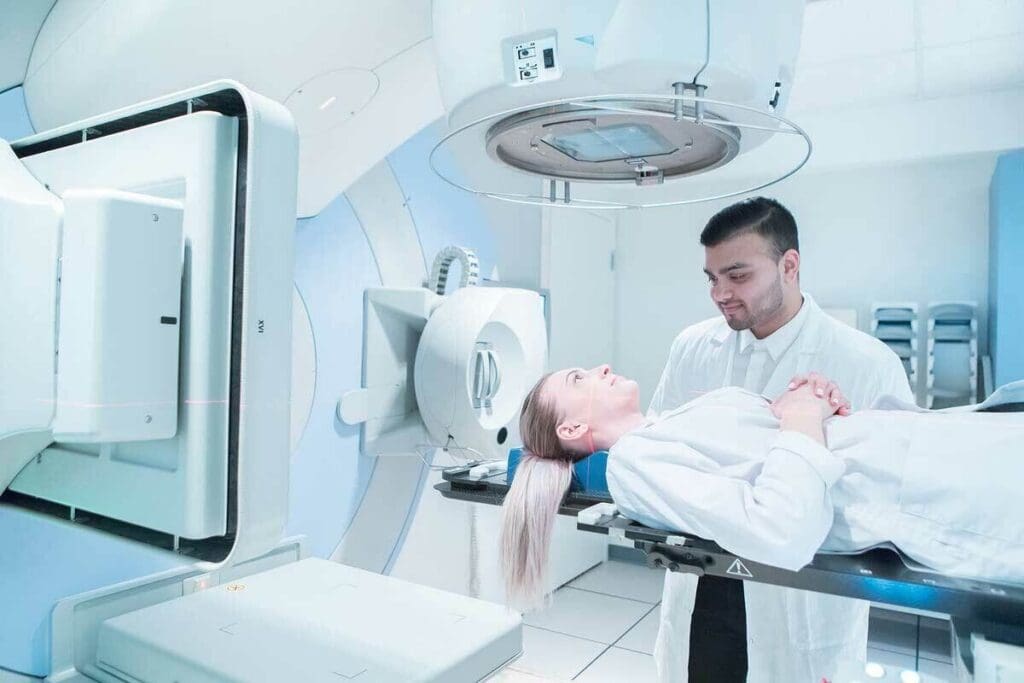
Radiation therapy is changing cancer treatment by targeting cancer cells precisely, with less harm to healthy tissues. Compared to chemotherapy, radiation over chemotherapy offers localized treatment focused on the tumor area, minimizing systemic side effects. Chemotherapy uses drugs that travel throughout the body to kill cancer cells, which is useful when cancer has spread, but often comes with more widespread side effects. Radiation therapy is preferred when precise targeting is needed, or when surgery is not an option, making it a powerful and often complementary treatment to chemotherapy.
Unlike chemotherapy, which affects the whole body, radiation therapy focuses on specific areas. This makes it great for treating tumors that are in one place.
LivHospital leads in using radiation therapy for cancer treatment. They focus on patient care, giving patients the best healthcare options.
Knowing the benefits of radiation therapy helps patients choose the right treatment for their cancer.
Key Takeaways
- Radiation therapy offers precise targeting of cancer cells.
- It minimizes harm to healthy tissues compared to chemotherapy.
- Effective for treating localized tumors.
- LivHospital provides innovative, patient-centered radiation therapy.
- Radiation therapy is a forefront treatment option in modern cancer care.
The Current Landscape of Cancer Treatment

The world of cancer treatment is changing fast. New technologies are being added to fight cancer. Now, doctors use many different ways to treat the disease.
Statistics on Cancer Treatment Approaches
There are many ways to treat cancer. The American Cancer Society says radiation therapy helps with many cancers. This includes breast, prostate, lung, and brain cancer.
Radiation therapy is very good at killing tumors. It also makes tumors smaller before surgery. About 60% of cancer treatments use radiation therapy. Here’s a table showing how often radiation therapy is used:
| Cancer Type | Use of Radiation Therapy |
| Breast Cancer | Frequently used post-surgery |
| Prostate Cancer | Often used as primary treatment |
| Lung Cancer | Used in combination with chemotherapy |
| Brain Cancer | Commonly used to treat tumors |
The Evolving Science of Cancer Therapies
The science of cancer treatments is always getting better. Researchers are working hard to make treatments more effective. New ways of using radiation therapy are making treatments better.
This shows how important it is to keep up with the latest in cancer research.
Understanding Radiation Over Chemotherapy: Basic Principles

Radiation therapy is a targeted way to fight cancer, unlike chemotherapy. This difference is key to understanding why radiation therapy is beneficial.
How Radiation Therapy Targets Cancer
Radiation therapy damages cancer cells’ DNA, stopping them from growing and dividing. It does this by focusing radiation beams on the tumor, protecting nearby healthy tissues.
Key aspects of radiation therapy include:
- High precision in targeting tumor sites
- Minimal impact on surrounding healthy tissues
- Effective for localized tumors
How Chemotherapy Affects the Body
Chemotherapy uses drugs to kill cancer cells all over the body. It’s good for systemic cancer but can harm healthy cells too, causing side effects.
Chemotherapy’s effects on the body include:
- Systemic impact, affecting both cancerous and healthy cells
- Potential for significant side effects
- Useful for treating cancers that have spread
Fundamental Differences in Approach
Radiation therapy and chemotherapy treat cancer differently. Radiation targets specific tumors, while chemotherapy affects the whole body.
| Treatment Aspect | Radiation Therapy | Chemotherapy |
| Targeting | Localized, precise targeting of tumor sites | Systemic, affects entire body |
| Side Effects | Generally fewer side effects due to localized treatment | Potential for significant side effects due to systemic impact |
| Cancer Types | Effective for localized tumors | Useful for systemic cancers or those that have spread |
Studies show that hypofractionated radiation is as effective but shorter. This supports the benefits of radiation therapy in cancer treatment.
Advantage #1: Precision Targeting of Tumor Sites
Radiation therapy is great because it targets cancer cells well. It does this without harming the healthy tissues around them. This is a big plus compared to chemotherapy, which can affect the whole body.
The Technology Behind Targeted Radiation
Radiation therapy uses advanced tech to send precise radiation to tumors. External beam radiation therapy uses a machine to send radiation from outside the body. Brachytherapy places a radioactive source close to the tumor inside the body. Both methods are highly targeted and protect nearby tissues.
Protecting Healthy Tissues During Treatment
The precision of radiation therapy is key in keeping healthy tissues safe. By focusing on the tumor, it reduces damage to nearby cells. This makes the treatment more effective and reduces side effects, improving the patient’s life quality.
Clinical Evidence of Targeting Precision
Many studies show radiation therapy’s precision and success in targeting tumors. These studies prove that radiation can achieve high local control rates. This means tumors are controlled or eliminated effectively. The evidence supports radiation therapy as a precise and effective treatment for many cancers.
Advantage #2: Localized Side Effect Profile
Radiation therapy has fewer side effects compared to chemotherapy. It mainly affects the treated area. This is a big plus for patients getting radiation therapy.
Common Systemic Side Effects of Chemotherapy
Chemotherapy can cause many side effects all over the body. These include:
- Nausea and vomiting
- Hair loss
- Fatigue
- Increased risk of infections
These effects can really lower a patient’s quality of life while they’re being treated.
Contained Nature of Radiation Side Effects
Radiation therapy, on the other hand, mainly affects the treated area. For example:
- Skin reactions at the site of radiation
- Localized fatigue
- Specific organ-related side effects depending on the treatment area
This means patients might have fewer overall side effects than those on chemotherapy.
Quality of Life Comparisons During Treatment
Research shows patients on radiation therapy often feel better during treatment. This is because radiation has fewer overall side effects.
| Aspect | Radiation Therapy | Chemotherapy |
| Side Effect Profile | Localized | Systemic |
| Common Side Effects | Skin reactions, localized fatigue | Nausea, hair loss, fatigue |
| Impact on Quality of Life | Generally less impact | Significant impact |
The table above shows the main differences in side effects between radiation and chemotherapy. It points out radiation’s localized side effects.
In summary, radiation therapy’s localized side effects make it better than chemotherapy. This can lead to a better life for patients during treatment.
Advantage #3: Superior Efficacy for Localized Tumors
Radiation therapy is very effective for treating tumors that are in one place. This is a big help for many cancer patients. It works well because it targets the tumor precisely without harming the healthy tissues around it.
Cancer Types Most Responsive to Radiation
Some cancers respond very well to radiation therapy. These include prostate, breast, and head and neck cancers. These cancers are often in one place and can be treated well with radiation.
| Cancer Type | Response to Radiation | Common Treatment Approach |
| Prostate Cancer | Highly Responsive | External Beam Radiation Therapy (EBRT) |
| Breast Cancer | Responsive | Partial Breast Irradiation (PBI) |
| Head and Neck Cancer | Highly Responsive | Intensity-Modulated Radiation Therapy (IMRT) |
Radiation as a Definitive Treatment
For many patients, radiation therapy is the main treatment for localized tumors. It can cure the cancer or control it for a long time. Modern radiation therapy is very precise. It allows for high doses to be given directly to the tumor, making it very effective.
Multimodal Approaches Incorporating Radiation
Radiation therapy is often used with other treatments like surgery and chemotherapy. This creates a complete treatment plan. This approach can make treatment more effective, even for cancers that are more advanced or at high risk of coming back.
Key benefits of multimodal approaches include:
- Improved local control of the tumor
- Enhanced survival rates
- Reduced risk of recurrence
By combining radiation therapy with other treatments, doctors can tailor the treatment to each patient. This makes treatment more effective and improves quality of life.
Advantage #4: Pre-Surgical Tumor Reduction Benefits
Neoadjuvant radiation therapy is now known for shrinking tumors before surgery. This makes surgery easier. It’s a key part of treating many cancers.
Neoadjuvant Radiation Therapy Explained
Neoadjuvant radiation therapy is given before surgery. Its main goal is to make tumors smaller. This makes them easier to remove.
Benefits of Neoadjuvant Radiation Therapy:
- Reduces tumor size, making it easier to remove surgically
- Can improve surgical outcomes by making tumors more operable
- Helps in evaluating the effectiveness of radiation therapy on the tumor
Improving Surgical Outcomes Through Downsizing
Neoadjuvant radiation therapy makes tumors smaller. This makes surgery easier and safer. It can also help patients recover faster and live longer.
| Tumor Characteristic | Pre-Radiation | Post-Radiation |
| Tumor Size | Large, inoperable | Smaller, operable |
| Surgical Complexity | High risk | Reduced risk |
| Patient Outcome | Poor prognosis | Improved prognosis |
A top oncologist says, “Neoadjuvant radiation therapy has changed cancer treatment. It gives patients a better chance at successful surgery.”
“The use of neoadjuvant radiation therapy has been a game-changer. It helps turn inoperable cases into operable ones, improving survival rates.”
-Oncologist
Case Studies of Successful Pre-Surgical Radiation
Many case studies show neoadjuvant radiation therapy’s success. For example, a study in a top oncology journal told of a patient with a big, inoperable tumor. After radiation therapy, the patient had successful surgery and saw a big improvement in survival.
Neoadjuvant radiation therapy is a big step forward in cancer treatment. It offers patients a more effective and less invasive option. As research grows, its role in shrinking tumors before surgery will likely grow, giving hope to those with complex cancers.
Advantage #5: Hypofractionated Radiation and Treatment Efficiency
Hypofractionated radiation is a game-changer in cancer treatment. It cuts down treatment time without losing effectiveness. This method involves giving higher doses of radiation in fewer sessions, making treatment shorter.
The Science of Hypofractionation
Hypofractionation works by giving larger doses of radiation in fewer sessions. This technique uses new technology to target tumors well and protect healthy tissues.
This method kills tumor cells effectively. It works because it targets tumors more than healthy tissues. Thanks to better imaging and radiation tech, this is now possible.
Patient Benefits of Shortened Treatment Schedules
Hypofractionated radiation is a big win for patients. It means less time in treatment, so patients can get back to their lives sooner.
- Reduced overall treatment time
- Less disruption to daily life and work
- Potential for fewer side effects due to reduced exposure of healthy tissues
- Improved patient compliance due to the shorter regimen
Research Supporting Equal or Superior Outcomes
Many studies show hypofractionated radiation works as well as, or better than, traditional methods. Clinical trials have shown it’s safe and effective for different cancers.
A study in a top oncology journal found hypofractionated radiation equals standard treatment in survival and control rates. It also cuts down treatment time.
More research supports hypofractionated radiation. It’s helping doctors find the best ways to use it and who benefits most.
When Chemotherapy Remains the Preferred Option
Chemotherapy is key in cancer treatment, mainly for advanced or metastatic cancer. It’s often chosen over radiation for cancers that have spread. This is because chemotherapy can reach cancer cells all over the body.
Metastatic Disease Management
For metastatic cancer, chemotherapy helps control the disease’s spread. It’s a treatment that can target cancer cells everywhere in the body. This makes it great for managing cancer that has spread far.
Key benefits of chemotherapy in metastatic disease management include:
- Systemic control of cancer cells
- Potential to shrink tumors and alleviate symptoms
- Ability to target multiple sites of disease
Cancer Types More Responsive to Systemic Treatment
Some cancers respond better to chemotherapy because of their biology. For instance, leukemia, lymphoma, and testicular cancer often do well with systemic treatments.
| Cancer Type | Response to Chemotherapy |
| Leukemia | Highly responsive |
| Lymphoma | Responsive |
| Testicular Cancer | Highly responsive |
Personalized Treatment Decision-Making
Choosing the right treatment involves many factors. These include the cancer type and stage, the patient’s health, and their preferences. For some, chemotherapy is the best choice because it can target cancer cells all over.
The decision to use chemotherapy should be based on a thorough evaluation of the patient’s condition and treatment goals.
Modern Multidisciplinary Approaches to Cancer Care
Today, cancer care is a team effort. It combines different treatments for the best results. A team of experts, like doctors and specialists, work together. They make treatment plans that fit each patient’s needs.
LivHospital’s Integrated Treatment Protocols
LivHospital leads in cancer care with its team approach. They use the newest in radiation, chemotherapy, and more. This ensures patients get the best care from start to finish.
Their plans aim to work well and cause less harm. They use the latest tech and proven methods. For example, they use special radiation methods to hit tumors hard but spare healthy tissue.
Key Components of LivHospital’s Cancer Care:
- Multidisciplinary team of specialists
- Advanced radiation therapy techniques
- Personalized treatment planning
- Comprehensive support services
| Treatment Modality | Key Benefits | Clinical Applications |
| Radiation Therapy | Precise targeting of tumors, minimal side effects | Localized tumors, pre-surgical downsizing |
| Chemotherapy | Systemic treatment, effective against metastatic disease | Metastatic cancer, certain cancer types |
| Multimodal Therapy | Combination of treatments for enhanced efficacy | Various cancer stages and types |
Ethical Considerations in Treatment Selection
Choosing cancer treatment is a big decision. It’s not just about medicine but also ethics. Things like patient rights, quality of life, and treatment risks are important. Doctors must talk openly with patients to make sure they understand their options.
There are also bigger issues like fairness in treatment access. Places like LivHospital help solve these problems. They aim to give top-notch care to everyone who needs it.
Conclusion: Navigating Cancer Treatment Decisions
It’s important for patients to know the differences between radiation therapy and chemotherapy. Radiation therapy is precise and has fewer side effects. This makes it a good choice for many.
When looking at radiation therapy, consider its benefits and downsides. It works well for tumors that are close together. It can also help make surgery more effective.
The decision between radiation therapy and chemotherapy depends on many things. These include the cancer type and stage, and what the patient needs. Knowing the pros and cons of each helps patients and doctors create the best treatment plan.
FAQ
What are the benefits of radiation therapy over chemotherapy?
Radiation therapy has many advantages. It precisely targets tumors, causing fewer side effects. It’s more effective for tumors in one area. It can also reduce tumor size before surgery and treat tumors in fewer sessions.
How does radiation therapy target cancer cells?
Radiation therapy kills cancer cells with high-energy rays. It focuses on areas with tumors.
What is the difference between radiation therapy and chemotherapy?
Radiation therapy targets specific areas. Chemotherapy affects the whole body.
What are the advantages of targeted radiation therapy?
Targeted radiation therapy protects healthy tissues. It reduces side effects. It also improves treatment results by giving precise doses to tumors.
How does radiation therapy compare to chemotherapy in terms of side effects?
Radiation therapy has side effects in the treated area. Chemotherapy can affect the whole body.
What types of cancer are most responsive to radiation therapy?
Radiation therapy works best on localized tumors. It can be a main treatment or used with other therapies.
What is hypofractionated radiation therapy?
Hypofractionated radiation therapy gives higher doses in fewer sessions. This makes treatment shorter and outcomes better.
When is chemotherapy preferred over radiation therapy?
Chemotherapy is often chosen for spreading cancer. It’s also used for cancers that respond well to it. It’s picked when treatment plans suggest it’s best.
How do modern cancer treatment centers, such as LivHospital, approach cancer care?
Centers like LivHospital use a mix of treatments. They combine radiation and chemotherapy for a complete care plan.
What are the key considerations in treatment selection for cancer patients?
Choosing treatment depends on cancer type, stage, and patient health. Ethical factors also play a role in finding the best treatment.
What is neoadjuvant radiation therapy?
Neoadjuvant radiation therapy is given before surgery. It shrinks tumors, making surgery easier.
How does radiation therapy impact quality of life during treatment?
Radiation therapy can make life better during treatment. It reduces symptoms and side effects. It lets patients keep up with daily activities.
Reference
- Yu, A., Ye, S., & Wang, X. (2020). Integrating multidisciplinary treatment modalities for improved oncology outcomes. Journal of Cancer Research and Clinical Oncology, 146(11), 2805–2818. https://pubmed.ncbi.nlm.nih.gov/32495535/