Last Updated on November 27, 2025 by Bilal Hasdemir
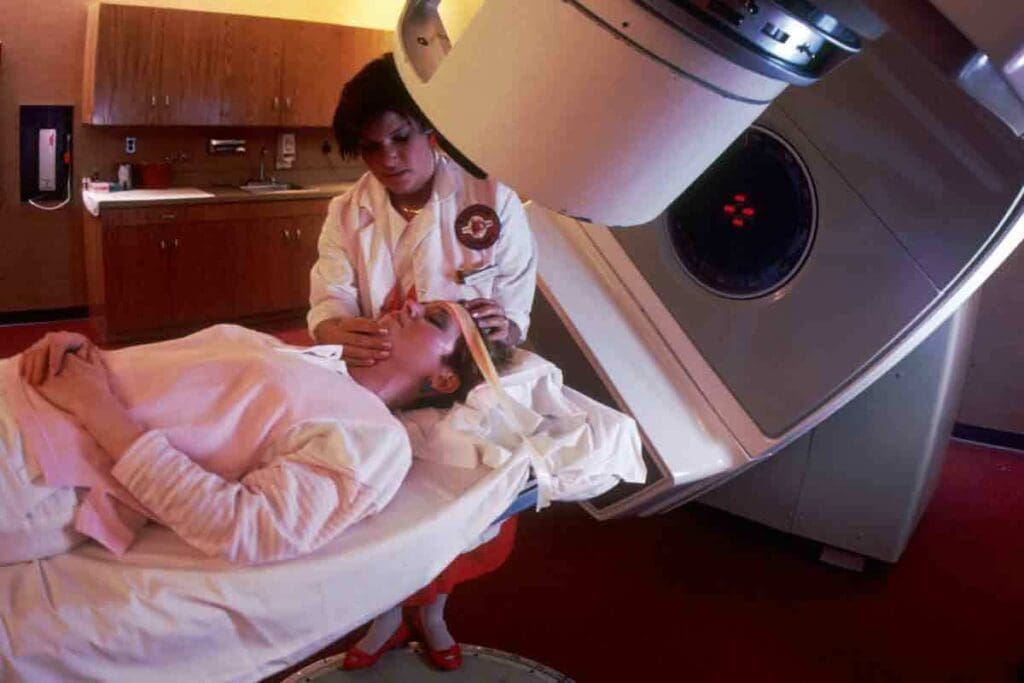
Cancer treatment has seen big changes in recent years. Radiation therapy is a key part of fighting the disease.
The International Agency for Research on Cancer (IARC) says over 50% of cancer patients need beam therapy. At Liv Hospital, we use the latest radiation therapy equipment to deliver precise and effective treatment. This ensures our patients get the best care possible.
We know cancer treatment can be scary. Our team is here to offer caring support and help every step of the way.
Key Takeaways
- Advanced radiation therapy machines improve treatment accuracy and reduce side effects.
- Liv Hospital is at the forefront of cancer treatment, utilizing state-of-the-art technology.
- Over 50% of cancer patients require radiation therapy during their treatment.
- Effective cancer beam treatment is key to better patient outcomes.
- Our team is dedicated to providing personalized care and support.
The Critical Role of Radiation Therapy in Modern Cancer Treatment

Radiation therapy is key in fighting cancer. It uses advanced tech to hit tumors right on. This method has changed how we treat cancer a lot.
How Beam Therapy Has Revolutionized Cancer Care
Beam therapy, a type of external beam radiation, has changed cancer care a lot. External beam radiation therapy is now a big part of cancer treatment. It offers:
- High precision in targeting tumors
- Minimal side effects compared to traditional methods
- Effective treatment for a wide range of cancer types
Advanced radiation oncology machines make beam therapy even better. These machines send radiation beams with great precision. This helps patients get better results.
Key Benefits of External Beam Radiation Approaches
External beam radiation has many benefits, including:
- Non-invasive treatment: No surgery is needed, so patients recover faster.
- Precision targeting: New tech lets doctors aim right at tumors, saving healthy tissue.
- Flexibility in treatment: It works for many types and stages of cancer.
Using cancer-treating machines with the latest tech helps doctors give better care. This improves life quality for cancer patients.
Evolution of Radiation Therapy Equipment: From X-rays to Precision Medicine

The journey of radiation therapy equipment has been amazing. It has changed from simple X-rays to advanced precision medicine. This change came from new technology and a better understanding of cancer.
Over the years, radiation therapy equipment has seen big changes. At first, X-rays were used, but they had limits in precision and control.
Historical Development of Cancer Radiotherapy Machines
The history of cancer radiotherapy machines is one of constant improvement. It started with Wilhelm Conrad Röntgen’s discovery of X-rays in 1895. Then, the 1950s brought cobalt machines, getting us closer to better cancer treatments.
The 1960s were a big leap with the introduction of linear accelerators (LINACs). LINACs allowed for more precise high-energy radiation, helping cancer patients more.
Technological Breakthroughs in Beam Delivery Systems
New technologies in beam delivery systems have made radiation therapy better. Today’s radiotherapy external beam tech targets tumors well while protecting healthy tissues.
Big steps like intensity-modulated radiation therapy (IMRT) and image-guided radiation therapy (IGRT) have changed the game. They let doctors adjust radiation beams in real-time, making treatments more accurate and effective.
As we keep improving radiation therapy equipment, we’re moving towards even more precise cancer treatments. New imaging tech and advanced beam systems will likely lead to even better patient results.
How Modern Radiation Therapy Equipment Works
The tech behind external beam radiation therapy has made big strides. It now offers hope to cancer patients. Modern gear uses advanced tech for precise treatment with fewer side effects.
The Canadian Cancer Society says, “External beam radiation therapy sends beams from outside the body to the tumor.” This method targets the tumor well, protecting healthy tissues nearby.
The Science Behind External Beam Radiation
External beam radiation sends high-energy beams at the tumor. This radiation harms the DNA of cancer cells, stopping them from growing. The aim is to hit the tumor hard while keeping other tissues safe.
Planning and setting up the treatment are key. “The beam is shaped for the tumor, and the dose is set for best results,” a top radiation oncologist says. This is done with advanced imaging and special software.
Differentiating Between Various Radiation Beam Types
There are many radiation beams in beam radiotherapy, each with its own use. The main types are photon, electron, and proton beams.
- Photon beams are the most used and work well for many tumors.
- Electron beams treat surface tumors and can be set to different energies.
- Proton beams are precise, causing less damage to nearby tissues.
Knowing the differences between these beams is key for planning treatment. Choosing the right beam helps doctors tailor treatment for each patient. This increases the chance of a good outcome.
Radiation therapy keeps getting better with new tech and methods. Keeping up with these changes helps doctors give their patients the best care.
Linear Accelerators (LINACs): The Gold Standard in Radiation Therapy Equipment
Linear accelerators are key in cancer care. They deliver precise radiation therapy. Their advanced technology treats many types of cancer.
Core Technology and Operational Principles
Linear accelerators, or LINACs, are complex machines. They speed up electrons to make high-energy X-rays or electrons for cancer treatment. This technology accelerates charged particles along a straight path.
The LINAC has several parts: an electron gun, accelerating structures, a target for X-ray production, and a collimation system. This setup allows for precise radiation delivery. It helps protect healthy tissues around tumors.
Multi-Energy Beam Capabilities for Versatile Treatment
Modern LINACs can make beams of different energies. This makes them versatile in treating various tumors. They can handle tumors at different depths and sizes.
This feature lets doctors tailor treatments for each patient. For deeper tumors, higher-energy beams are used. Lower energy beams are better for surface lesions.
| Feature | Description | Benefit |
| Multi-Energy Beams | Capability to produce beams of varying energies | Allows for treatment of tumors at different depths and sizes |
| Advanced Collimation | Precise shaping of the radiation beam | Minimizes damage to surrounding healthy tissues |
| Image-Guided Therapy | Integration with imaging technologies for real-time guidance | Enhances accuracy and effectiveness of treatment |
By using advanced technology and clinical skills, we get the best results in cancer treatment. LINACs keep improving, opening up new ways to care for patients.
Intensity-Modulated Radiation Therapy (IMRT) Systems
Intensity-Modulated Radiation Therapy (IMRT) systems are a big step forward in treating cancer. They give precise treatment for complex tumors. This way, we can target the tumor better and protect healthy tissues.
Advanced Beam Shaping and Modulation Technology
IMRT uses advanced technology to shape and control beams. It uses multi-leaf collimators to adjust beam shapes to fit the tumor. This lets us control the dose better, giving more to the tumor and less to nearby healthy areas.
IMRT’s advanced tech helps treat tumors with tricky shapes and those near important areas. We use special algorithms to plan the treatment. This ensures the tumor gets the right dose while keeping other tissues safe.
Clinical Applications for Complex Tumor Geometries
IMRT is key in treating many cancers, like head and neck, prostate, and brain tumors. It’s great for tumors with hard shapes or near important areas. Precision is key to avoiding harm to nearby tissues.
IMRT offers many benefits. It helps control tumors better, lowers the chance of complications, and improves patient results. It also makes it possible to treat tumors that were hard to reach before.
Image-Guided Radiation Therapy (IGRT) Machines
IGRT technology has changed how we do radiation therapy. It lets us target tumors with great accuracy. This way, we can give the right amount of radiation to tumors while protecting healthy tissues.
Real-Time Imaging During Treatment Sessions
IGRT machines are great because they show images in real-time during treatment. This lets us adjust the radiation beam as needed. It’s perfect for tumors that move or change position.
These machines use advanced tech like X-ray imaging and ultrasound. They help us see the tumor and the area around it clearly. This ensures the radiation hits the right spot.
Adaptive Planning Capabilities for Moving Targets
IGRT machines also have adaptive planning for tumors that move. This is important for tumors in the lung or abdomen. They can change position during treatment.
By watching the tumor’s movement, we can adjust the treatment plan. This keeps the radiation focused on the tumor. It helps make treatment more effective and reduces side effects.
In summary, IGRT machines are a big step forward in radiation oncology. They offer precise and adaptive treatment options. As we keep improving in radiation therapy, IGRT will be key in giving our patients the best care.
Stereotactic Radiosurgery (SRS) and Stereotactic Body Radiation Therapy (SBRT) Equipment
SRS and SBRT have changed how we treat cancer. They allow for precise treatments with fewer side effects. These technologies are key for treating brain and body tumors.
High-Precision Treatment for Brain and Body Tumors
SRS and SBRT deliver focused radiation to specific areas. This reduces harm to healthy tissues. It’s vital for tumors near important structures or those that can’t be removed.
The accuracy of SRS and SBRT has greatly improved patient outcomes. It offers hope to those with tough-to-treat conditions.
A leading oncologist says, “SRS and SBRT are game-changers in cancer treatment. They give patients more options and better recovery chances.”
“The precision and effectiveness of SRS and SBRT are unparalleled, making them invaluable tools in our fight against cancer.”
Leading SRS/SBRT Technologies and Their Clinical Applications
Several top SRS and SBRT technologies have emerged. Each has unique features and uses. Some of the most notable include:
- Linear accelerator-based systems offer versatility and precision in delivering radiation beams.
- CyberKnife technology, known for its robotic precision and ability to treat tumors throughout the body.
- Gamma Knife radiosurgery, a highly specialized form of SRS that is effective for brain tumors.
These technologies have greatly improved our ability to treat complex tumors. They have enhanced patient outcomes and quality of life. As we keep advancing in radiation oncology, the role of SRS and SBRT equipment will only continue to grow. They offer new possibilities for cancer treatment.
MRI-Guided Radiation Oncology Machines
MRI-guided radiation oncology machines are changing cancer treatment. They use advanced imaging to see soft tissues in real-time. This helps doctors target tumors more accurately and protect healthy tissues.
Real-Time Imaging Capabilities
These machines can show soft tissues as they move during treatment. This lets doctors make changes to the treatment plan quickly. It ensures the tumor is hit right, even if it moves.
Adaptive Planning for Mobile Tumors
For tumors that move, like with breathing, MRI machines are key. They give continuous images during treatment. This lets doctors adjust the plan to cover the tumor better and protect healthy areas.
| Feature | Traditional Radiation Therapy | MRI-Guided Radiation Therapy |
| Imaging During Treatment | Limited to pre-treatment imaging | Real-time imaging during treatment |
| Tumor Tracking | Indirect tracking methods | Direct visualization of soft tissues |
| Adaptive Planning | Limited ability to adapt during treatment | Ability to adjust treatment plan in real-time |
“The integration of MRI technology into radiation oncology has been a game-changer. It allows us to see the tumor and surrounding tissues in real-time, enabling more precise and effective treatment.”
Proton Therapy Systems for Advanced External Radiotherapy
Proton therapy is changing how we fight cancer. It uses protons to target cancer cells, giving a precise radiation treatment.
How Proton Beams Differ from Conventional Radiation
Proton beams have a special feature called the Bragg peak. This lets them focus most of their energy on the tumor. This is different from X-rays, which can harm areas before and after the tumor.
Key differences between proton beams and conventional radiation include:
- Precision: Proton therapy can target tumors with sub-millimeter accuracy.
- Reduced side effects: By minimizing exposure to surrounding tissues, proton therapy reduces the risk of side effects.
- Effective for complex cases: Proton therapy is beneficial for tumors near critical structures or in pediatric patients.
Ideal Clinical Applications and Advantages
Proton therapy works well for some cancers, like brain tumors and prostate cancer. It’s also good for kids. Its precision is key when tumors are close to important areas.
The advantages of proton therapy include:
- High precision in targeting tumors.
- Reduced risk of secondary cancers due to lower radiation exposure to healthy tissues.
- Effective treatment for inoperable or complex tumors.
As we keep improving in radiation oncology, proton therapy is a big step forward. It brings hope and better results for cancer patients all over the world.
PET-Guided External Beam Therapy Systems
The mix of PET imaging with external beam therapy is changing radiation oncology. It combines PET scan data with the precision of external beam therapy. This makes cancer treatment more effective.
Metabolic Imaging for Enhanced Tumor Detection
PET-guided radiation therapy uses metabolic imaging for better tumor detection. It helps see tumor edges and tell healthy tissue apart. PET imaging in planning treatments has shown to boost results by hitting the tumor right.
PET scans show how active a tumor is. This helps doctors focus on the most aggressive parts. They can then plan treatments to hit those areas harder.
Integration with Treatment Planning Workflows
Adding PET imaging to treatment planning is key in PET-guided therapy. This makes it easy to move PET data into planning systems. It helps accurately target tumors with radiation.
Using PET data in planning makes treatments more personal. It considers each tumor’s unique traits. This could lead to better results and fewer side effects.
The use of PET-guided therapy is changing radiation oncology. As this tech grows, we’ll see better cancer treatment results.
Tomotherapy Systems: Helical Beam Radiotherapy Technology
Tomotherapy systems are a big step forward in cancer treatment. They use a helical beam to treat tumors precisely and effectively.
360-Degree Radiation Delivery Mechanism
The heart of tomotherapy is its 360-degree radiation delivery. This lets the beam move around the patient in a circle. It covers the tumor fully, protecting healthy tissues nearby.
Benefits for Large and Complex Treatment Volumes
Tomotherapy is great for big and tricky tumors. Its helical beam tech can treat tumors close to important areas safely. It also lets us treat many tumors at once, making treatments easier for patients.
- Highly conformal dose distribution
- Effective treatment of complex tumors
- Reduced risk of complications
- Improved patient comfort
In summary, tomotherapy systems are a key part of modern cancer treatment. They offer precise and effective care for complex tumors. As we keep improving in radiation oncology, tomotherapy will be key in the future of cancer treatment.
Conclusion: The Future of Cancer Radiation Treatment Machines
Radiation therapy equipment is key in fighting cancer. Machines like linear accelerators and proton therapy systems have changed how we treat cancer. They help us give precise and effective treatments to patients all over the world.
The future of these machines is exciting. New technologies are coming that will make treatments even better. We’ll see more image-guided and MRI-guided radiation therapy, for example.
These advancements will lead to more precise cancer treatments. This means less harm to healthy tissues and better lives for patients. The future of radiation therapy is very promising, and we’re all in for the challenge of making it a reality.
FAQ
What is radiation therapy and how does it work?
Radiation therapy is a cancer treatment. It uses high-energy beams to kill or damage cancer cells. This helps shrink tumors and slow the disease’s growth. Our advanced machines deliver precise treatment with fewer side effects.
What is external beam radiation therapy?
External beam radiation therapy sends beams from a machine outside the body to the tumor. We use high-tech machines to make sure the treatment is precise and effective.
How has beam therapy revolutionized cancer care?
Beam therapy has made treatment more precise and less harmful to healthy tissues. This reduces side effects and improves patient outcomes. Our machines allow for customized treatment plans for complex tumors.
What is the difference between various radiation beam types?
Different beams, like photon, proton, and electron beams, have unique uses. We choose the best beam for each patient to ensure effective treatment with fewer side effects.
What is IMRT and how does it work?
IMRT (Intensity-Modulated Radiation Therapy) changes the beam’s intensity to match the tumor’s shape. Our IMRT systems help treat complex tumors with less damage to nearby tissues.
What is IGRT and how does it improve treatment accuracy?
IGRT (Image-Guided Radiation Therapy) uses live images to guide treatment. This ensures accurate targeting of moving tumors. Our IGRT machines help plan and deliver precise treatments with fewer side effects.
What is proton therapy and how does it differ from conventional radiation?
Proton therapy uses proton beams for precise treatment with less damage to healthy tissues. We use it for specific cases, like tumors near important structures.
How do MRI-guided radiation oncology machines improve treatment outcomes?
MRI-guided machines provide clear images of soft tissues in real-time. This allows for better treatment planning and precise targeting of moving organs. Our systems improve accuracy and reduce side effects.
What is the role of PET-guided external beam therapy systems in cancer treatment?
PET-guided systems combine metabolic imaging with treatment planning. This enhances tumor detection and treatment precision. Our systems help deliver effective treatments with fewer side effects.
What is tomotherapy and how does it benefit patients with large or complex tumors?
Tomotherapy uses a helical beam to treat tumors from multiple angles. This provides precise treatment for large and complex tumors. Our tomotherapy systems help minimize side effects.
What is the future of radiation therapy equipment?
The future of radiation therapy equipment focuses on improving precision and reducing side effects. We invest in research and development to advance radiation therapy innovation.
Reference:
National Center for Biotechnology Information. (2010). Techniques for complete bladder emptying.