Last Updated on December 2, 2025 by Bilal Hasdemir

When a child is diagnosed with cancer, they might get radiation therapy. It’s a key part of pediatric cancer treatment, aiming to kill cancer cells. Talking about this complex topic to a child is hard. You need to be honest but also simple.Radiation Therapy Explanation for ChildrenOncology Referral for Children: Compassionate Care, Bright Outcomes
As a parent or caregiver, you want to support your child during this tough time. Child-friendly explanations can really help. By using examples they can understand, you can explain radiation therapy in a way that makes sense to them.
Key Takeaways
- Radiation therapy is a treatment that helps destroy cancer cells.
- Explaining radiation therapy to a child requires simplicity and honesty.
- Using relatable examples can help children understand their treatment.
- Supporting your child emotionally is key during their cancer treatment.
- Child-friendly communication can improve their coping mechanisms.
What is Radiation Therapy?
Radiation therapy is a treatment that uses high-energy particles or waves to kill cancer cells. It’s a key part of cancer care. We’re here to explain it in simple terms.
A Simple Definition
Radiation therapy can be external, where the radiation comes from outside, or internal, where it’s placed inside the body. Both types aim to target and kill cancer cells or stop them from growing.
Why is it Used?
Radiation therapy treats many types of cancer. It’s often used when cancer is in one area of the body. We use it because it’s effective in:
- Shrinking tumors
- Killing cancer cells
- Relieving symptoms caused by cancer
Understanding radiation therapy helps patients and their families cope with treatment. We’re committed to supporting you with the information you need.
How Does Radiation Therapy Work?

Let’s dive into how radiation therapy works. It’s a treatment that uses high-energy rays to target and shrink tumors. This helps get rid of cancer cells. It’s a big part of cancer treatment, and knowing how it works can make it less scary for kids.
The Science Behind It
Radiation therapy damages the DNA of cancer cells, stopping them from growing. It uses high-energy rays focused on the tumor. The goal is to hit the cancer cells hard while keeping healthy tissues safe. This precision is key to reducing side effects and improving results.
There are two main types of radiation therapy. External beam uses a machine outside the body to aim radiation at the tumor. This machine is controlled by a radiation oncologist who plans the treatment carefully.
Machines used for Treatment
The machines for external beam radiation therapy are advanced. They rotate around the body to hit the tumor from different angles. These machines are made to be precise and efficient, making treatment as comfortable as possible.
Internal radiation therapy puts a small amount of radioactive material inside the body, near the tumor. This method delivers a high dose of radiation right to the cancer cells. The radioactive material is chosen and prepared to be safe and effective.
By simplifying medical information and being open about the treatment, we empower our young patients and their families.
Who Gets Radiation Therapy?
Radiation therapy is used for many medical conditions. It helps people of all ages. We’ll look at the common conditions treated and how age affects treatment choices.
Common Conditions Treated
Radiation therapy is a key treatment for many cancers and tumors. Here are some common ones:
- Cancerous tumors: It helps shrink or destroy these tumors.
- Blood disorders: Like leukemia, it’s used to treat some blood issues.
- Brain tumors: It treats tumors in the brain, whether they’re cancerous or not.
Age Considerations
Age is a big factor in radiation therapy. We think about it to protect the patient’s health and growth.
Children and teens are more vulnerable to radiation because their bodies are growing. So, we plan their treatment carefully to avoid long-term side effects. Older adults have different health concerns that guide their treatment.
Preparing for Radiation Therapy
Radiation therapy can be scary for kids, but with the right prep, they can feel better. It’s not just about explaining the treatment. It’s also about giving emotional support and answering their worries.
What to Expect Before Treatment
Before starting, explain the treatment in a way kids can get. Talk about what they’ll see and feel during sessions. Using patient comfort techniques can help reduce their fears.
Also, talk about possible side effects and reassure them of our support. Being open helps kids feel more at ease and secure.
Talk to a Doctor
Talking openly with doctors is key in getting ready for radiation therapy. We should talk to a doctor about any fears or questions. Doctors can share detailed info and use healthcare communication methods to reassure kids.
By talking to doctors, parents can learn how to emotionally support their kids. This includes pediatric emotional management strategies. It makes the treatment easier for everyone in the family.
The Treatment Process
The treatment process for radiation therapy has several steps. We’ll guide you through it to understand what your child will go through. It’s a journey that needs patience, courage, and the right information.
How Long Does It Take?
The time and frequency of radiation therapy sessions depend on the cancer type and treatment plan. Usually, treatment lasts for weeks, with sessions every day, Monday to Friday. The actual treatment session is very short, just a few minutes.
It’s important to know the treatment schedule to empower patients and their families. We create a personalized treatment plan for your child. This ensures they get the best care possible.
| Treatment Aspect | Details |
| Treatment Duration | Several weeks |
| Session Frequency | Daily, Monday to Friday |
| Session Length | A few minutes |
What Happens During a Session?
During a session, your child will lie on a table. The radiation machine will move around them to target the area. The machine might make sounds, but it doesn’t hurt. Our team is there to make sure your child is comfortable and safe.
Good healthcare communication skills are key during this time. We encourage you to ask questions and share any concerns. This way, you and your child will feel supported throughout the treatment.
“The way we talk to our children about difficult topics can significantly impact their understanding and coping mechanisms. It’s essential to approach these conversations with empathy and clarity.”
Expert in Child Psychology
By simplifying medical information and being open about the treatment, we empower our young patients and their families. Together, we can face the challenges of radiation therapy with confidence and hope.
What Sensations Can Be Expected?
Radiation therapy is painless, but it might cause some feelings and side effects. We aim to prepare you and your child for what to expect during treatment.
Feeling During Treatment
Your child won’t feel pain during radiation therapy. It’s like getting an X-ray and doesn’t hurt. But, they might feel anxious or scared because of the new place. Bringing a comfort item or having a parent nearby can help.
Side Effects Overview
Radiation therapy is painless but can lead to side effects. These might include skin irritation, fatigue, and nausea, depending on the area treated. For instance, if it’s near the stomach, nausea might occur.
Handling side effects can be tough, but with the right support, you and your child can get through it. Our team is dedicated to giving you all the care and support you need during treatment.
Understanding the Purpose
It’s key for patients and their families to understand radiation therapy’s purpose. This treatment can seem scary, even for kids. But knowing its role in healing can help.
Why it’s Important
Radiation therapy is a vital cancer treatment. It kills cancer cells and shrinks tumors. It’s a targeted way to fight the disease.
Radiation therapy targets cancer cells precisely. This means it harms healthy tissue less. In kids, this is very important to keep them healthy and growing.
How it Helps Heal
Radiation therapy uses high-energy particles to kill cancer cells. This stops the disease from growing. We use the latest technology to make it safe and effective.
The process might seem complex, but it’s simple. Our team explains everything to patients and their families. This helps them feel more in control.
In summary, knowing why radiation therapy is used is important. It helps patients understand its role in healing. This is even more critical in pediatric healthcare strategies, where kids’ needs are the top priority.
Explaining Treatment Routines
Explaining treatment routines helps kids feel more at ease with radiation therapy. We know that going through radiation therapy can be scary for kids. Knowing what to expect can really help them feel less anxious.
Scheduling Appointments
Scheduling is a big part of radiation therapy. Going to all scheduled appointments is very important for the treatment to work well. We work with families to find a schedule that works for them, making sure all sessions are on time.
We think about the child’s school schedule and family plans when setting appointments. This helps keep their life as normal as possible. It also helps reduce stress and makes the treatment easier to handle.
Importance of Consistency
Being consistent is key for radiation therapy to be successful. Going to all scheduled sessions as planned is essential. We stress how important it is to stick to the schedule to get the best results.
We give clear instructions and support to families. Our team is here to answer any questions or worries. We want to help families understand the treatment routine and feel confident.
By clearly explaining the treatment routine and its importance, we help kids and their families feel more confident. Our aim is to offer full support during the treatment. We want to make sure our young patients have the best experience possible.
Supporting a Child Through Treatment
Helping a child through radiation therapy is more than just medical care. It’s about creating a caring space that meets their emotional needs. As caregivers, we are key in making our child feel supported and understood on this journey.
Emotional Support
Emotional support is vital for a child’s well-being during radiation therapy. We can offer this by being there, listening to their worries, and reassuring them. It’s important to make a safe and comforting place where our child feels safe to share their feelings.
We should watch for signs of emotional distress, like mood changes or appetite issues. If we see these, we should get professional help. This way, we can help our child deal with the emotional ups and downs of treatment.
Talking Openly About Fears
Open talk is essential for helping our child face their fears and anxieties during treatment. We should encourage them to share their worries and listen carefully to what they say.
By using age-appropriate medical information, we can help our child understand what to expect. This can lessen their fears and worries. It’s also important to let them know it’s okay to feel scared or worried.
By creating a space for open talk and emotional support, we can make our child feel more secure and confident during radiation therapy. This all-encompassing care is vital for their overall health and treatment success.
Making the Experience Less Scary
We know radiation therapy can be scary for kids. That’s why we’re here to help. Our team uses patient comfort techniques to reduce anxiety and make things less scary.
Fun Distractions
One way to help kids feel better is with fun distractions. We play their favorite music or let them watch their favorite movies. This keeps them calm and happy.
- Interactive toys and games
- Virtual reality experiences
- Storytelling and drawing
Using Visual Aids
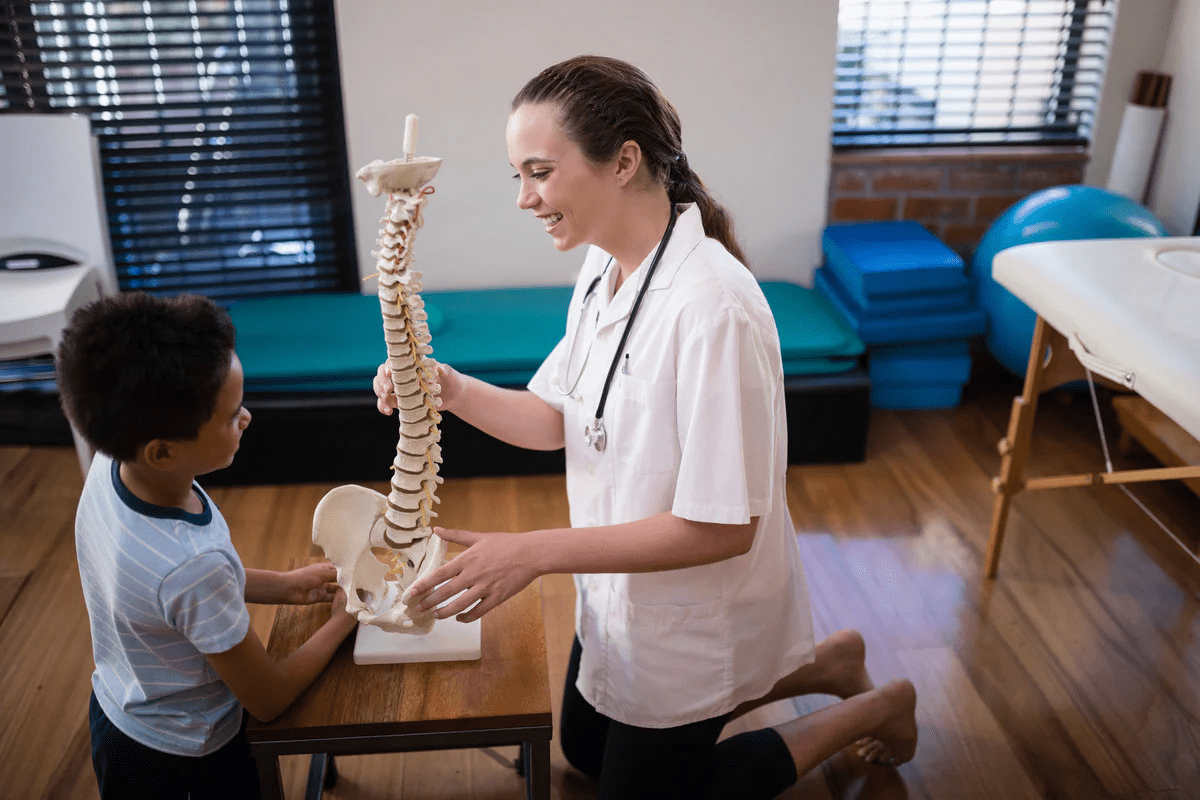
Visual aids help explain radiation therapy to kids. Simple, easy-to-understand pictures help them understand what’s happening. This is part of our child-centered healthcare approach.
Our pediatric care approach is kind and all-encompassing. We address both medical and emotional needs. By using medical anxiety reduction techniques, we aim to make radiation therapy as comfortable as possible.
Ask Your Questions
Understanding radiation therapy is key. We urge you to ask questions and get help from your healthcare team.
Effective Communication with Healthcare Providers
Talking openly with your healthcare team is important. It helps you and your child understand the treatment. Don’t be shy about sharing your concerns or fears.
The Importance of Open Dialogue
Keeping the lines of communication open is essential. It helps you support your child during treatment. It also lets you tackle any problems that come up.
By asking questions and seeking advice, you ensure your child gets the best care. We’re here to support you at every step.
FAQ
What is radiation therapy and how does it work?
Radiation therapy kills cancer cells with high-energy rays. We use machines to send these rays to the tumor. This helps shrink or eliminate it, which is key for many cancers.
How do I explain radiation therapy to a child?
Explain it simply and honestly to a child. Say it’s like a superhero beam that targets bad cells. Use analogies they can understand and answer their questions openly.
What are the differences between external and internal radiation therapy?
External therapy uses a machine outside the body to send rays. Internal therapy places radioactive material inside or near the tumor. We choose the best option for your child.
How can I prepare my child for radiation therapy?
Explain the treatment and listen to their concerns. Offer emotional support and talk to healthcare providers. This reassures your child and answers their questions.
What happens during a radiation therapy session?
The child lies on a table while a machine moves around them. It’s painless but might seem scary. We use fun distractions and visual aids to help.
What sensations can my child expect during radiation therapy?
The treatment is painless but might cause discomfort or anxiety. We help manage these feelings and prepare for side effects. This way, they know what to expect.
Why is radiation therapy important for treating cancer?
It targets and kills cancer cells, helping the body heal. It’s a key part of treatment plans, tailored to each child’s needs.
How can I support my child emotionally during radiation therapy?
Emotional support is key. Have reassuring conversations about their fears. Being present and supportive makes them feel secure.
How can I make radiation therapy less frightening for my child?
Use fun distractions like movies or music during treatment. Visual aids can also explain the process. We aim to make it as comfortable as possible.
Why is open communication with healthcare providers important?
Open communication keeps you and your child informed and supported. Ask questions and discuss concerns with healthcare providers. This makes treatment smoother.
How can I help my child understand the treatment routine?
Explain the treatment schedule and the importance of keeping appointments. Consistency and routine help your child feel secure and cooperative.
References