Last Updated on November 27, 2025 by Bilal Hasdemir
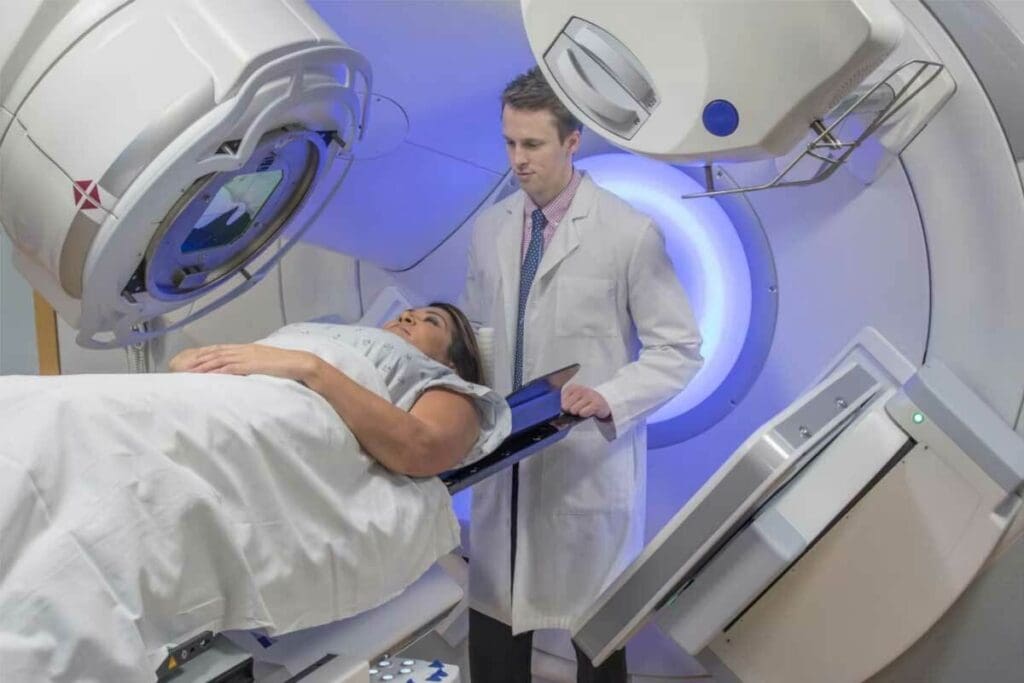
When you get a cancer diagnosis, you might wonder, ‘How long will my radiation treatment last?’ Knowing how long radiation therapy takes is key to planning and feeling at ease.
The duration of radiation therapy changes a lot. It depends on the cancer type and stage, the treatment’s goal, and your health. At Liv Hospital, patients get top-notch, team-based care. This care focuses on being clear, comfortable, and using the latest technology.
Key Takeaways
- Radiation therapy duration varies based on cancer type and stage.
- The treatment goal and patient health also impact therapy length.
- Liv Hospital offers a multidisciplinary approach to radiation therapy.
- Understanding radiation therapy duration is key to patient planning.
- Factors influencing radiation therapy length are many.
Understanding Radiation Therapy Basics
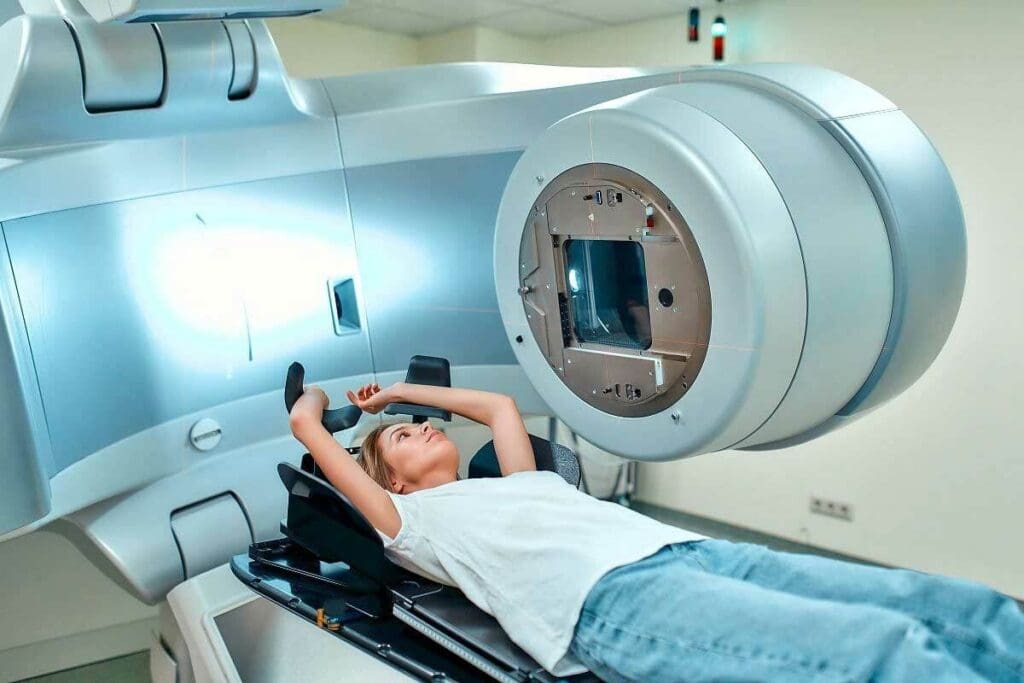
Learning about radiation therapy is key for patients facing cancer. It uses high doses of radiation to kill cancer cells or slow their growth. This treatment can be given from outside the body or placed inside near the tumor.
What Is Radiation Therapy and How Does It Work
Radiation therapy damages cancer cells’ DNA, stopping them from growing. It uses X-rays, gamma rays, or other types of radiation. The goal is to target the tumor without harming healthy tissues.
The success of radiation therapy depends on the cancer type, stage, and the patient’s health. It’s a localized treatment, aimed at the cancer site. This makes it good for tumors causing symptoms or that can’t be removed.
Types of Radiation Therapy Available
There are two main types: external beam radiation therapy (EBRT) and internal radiation therapy (brachytherapy). EBRT uses a machine outside the body to direct radiation. Brachytherapy places radioactive material inside or near the tumor.
- External Beam Radiation Therapy (EBRT): This is the most common type, using a machine to focus radiation on the cancer site from outside the body.
- Brachytherapy: Involves placing radioactive material directly into or near the tumor inside the body.
The Goal of Treatment: Curative vs. Palliative
The main goal of radiation therapy can change based on the patient’s situation. Curative radiation therapy aims to remove the cancer completely, aiming for a cure. Palliative radiation therapy aims to ease symptoms, improve life quality, and reduce pain when a cure is not possible.
Knowing if the treatment goal is curative or palliative helps patients and families understand what to expect. It aids in making informed decisions about care.
Standard Radiation Therapy Length for Different Cancers
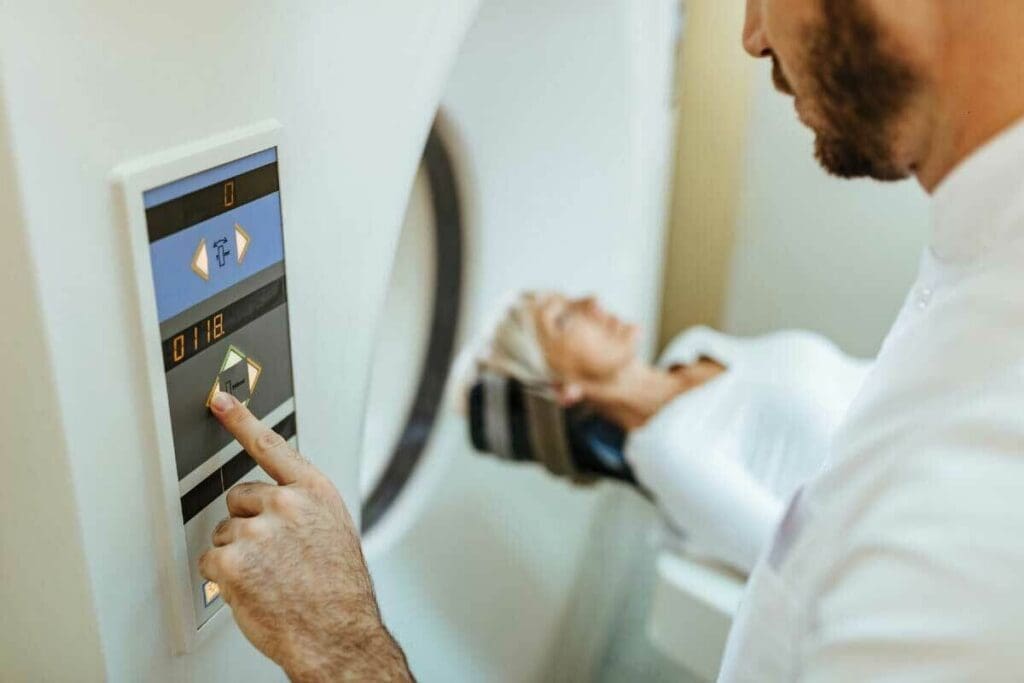
Radiation therapy length changes based on the cancer type. It depends on the cancer’s stage and treatment goals.
Breast Cancer Radiation Duration
Breast cancer radiation therapy lasts several weeks. It usually takes 3 to 6 weeks, with sessions from Monday to Friday. Recent studies suggest shorter therapy can work for early-stage breast cancer.
A study by the National Cancer Institute found shorter therapy can be as good as the standard for early-stage breast cancer. It can be as short as 3 weeks. In some cases, it can even be 1 week with a higher dose.
Prostate Cancer Treatment Timelines
Prostate cancer radiation therapy time varies by cancer stage and grade. It can last from a few weeks to months. For localized prostate cancer, it usually takes 4 to 8 weeks.
| Cancer Stage | Typical Radiation Therapy Duration |
| Localized | 4-8 weeks |
| Locally Advanced | 8 weeks or more |
Head and Neck Cancer Radiation Schedules
Head and neck cancer radiation therapy is complex and can last weeks. It usually takes 6 to 7 weeks, with daily sessions from Monday to Friday.
“Radiation therapy for head and neck cancer requires careful planning to ensure that the tumor is targeted effectively while minimizing damage to surrounding tissues.” – A radiation oncologist
Lung Cancer Radiation Protocols
Lung cancer radiation therapy time changes with the cancer stage and type. Early-stage lung cancer might need only 1-2 weeks with SBRT. More advanced stages might need 5-6 weeks.
SBRT has shown good results for early-stage lung cancer. It has high local control rates and few side effects.
Factors That Determine Radiation Therapy Length
It’s important for patients and doctors to know what affects how long radiation therapy lasts. The time needed for treatment varies a lot. This is because of several key factors.
Cancer Type and Stage Considerations
The type and stage of cancer greatly influence treatment time. Different cancers react differently to radiation. The cancer’s stage also affects how intense and long the treatment will be.
For example, cancers in early stages might need less treatment. But cancers in later stages might need longer treatments.
Treatment Intent and Goals
The goal of the radiation therapy also matters. Treatments aimed at curing cancer usually take longer. These treatments try to get rid of the cancer completely.
On the other hand, treatments meant to ease symptoms are shorter. They focus on making the patient feel better without trying to cure the cancer.
Patient-Specific Health Factors
Each patient’s health can also change how long treatment lasts. Things like overall health, age, and other health conditions matter. Some patients might need their treatment plans adjusted to avoid too many side effects.
Radiation Dose Requirements
The amount of radiation needed to treat the cancer is also important. Doctors carefully figure out the right dose based on the cancer and the patient’s health. Sometimes, a higher dose is spread out over more sessions to protect the patient.
These factors work together in complex ways. Knowing how they affect treatment time is key to planning effective care.
| Factor | Influence on Radiation Therapy Length | Example |
| Cancer Type and Stage | Affects treatment intensity and duration | Early-stage cancer may require less intensive treatment |
| Treatment Intent | Curative treatments are typically longer | Palliative care may be shorter and focused on symptom relief |
| Patient Health Factors | Influences tolerance to radiation therapy | Older patients or those with other health issues may require adjusted treatment schedules |
| Radiation Dose | Higher doses may be delivered over a longer period | Careful calculation is needed to balance effectiveness and side effects |
The Typical External Beam Radiation Schedule
The typical external beam radiation schedule aims to balance treatment effectiveness and patient recovery. It is given once a day, from Monday to Friday. This goes on for five to eight weeks.
The Standard Five to Eight Week Protocol
The standard protocol for external beam radiation therapy spans five to eight weeks. This time allows for a total dose of radiation that treats the tumor well. It also helps in minimizing damage to healthy tissues.
During this time, treatments are given once daily, from Monday to Friday. The weekend break is key. It lets healthy cells recover from the radiation.
Why Treatments Are Given Monday Through Friday
Treatments are scheduled on weekdays for consistent and precise delivery of radiation. This schedule also makes treatment logistics easier. It fits well with the typical operational schedule of cancer treatment centers.
The Importance of Weekend Recovery Periods
The weekend break is a critical part of the treatment schedule. It lets healthy cells to repair and recover. This reduces the risk of side effects. It’s vital for keeping the patient’s quality of life during treatment.
Fractionation: Why Radiation Is Divided Into Multiple Sessions
Fractionation divides the total dose of radiation into multiple smaller doses or fractions. This method improves the treatment’s effectiveness. It allows healthy tissues to recover between fractions, reducing long-term side effects.
| Benefits of Fractionation | Description |
| Reduced Side Effects | Allows healthy cells to recover between treatments |
| Increased Tumor Control | Delivers a higher total dose to the tumor |
| Improved Patient Outcomes | Enhances the overall effectiveness of the treatment |
What to Expect During Each Radiation Session
Knowing what happens in a radiation therapy session can ease worries and prepare patients. Radiation therapy uses high-energy particles or waves to kill cancer cells. It’s a common treatment for cancer.
Total Appointment Time vs. Actual Treatment Time
The whole radiation therapy session usually takes 30 to 45 minutes. But, the actual radiation time is just 1 to 5 minutes. The rest of the time is for getting ready, positioning, and checking to make sure everything is right.
Breakdown of Time:
| Activity | Time |
| Preparation and Positioning | 15-30 minutes |
| Verification and Imaging | 5-10 minutes |
| Actual Radiation Delivery | 1-5 minutes |
| Total Appointment Time | 30-45 minutes |
The Step-by-Step Process of a Typical Session
A typical radiation therapy session has several steps:
- Registration and Preparation: Patients arrive and check in. They might need to change into a gown.
- Positioning: The radiation therapist puts the patient on the table using special devices if needed.
- Imaging and Verification: X-rays or CT scans are used to check the patient’s position and the target area.
- Radiation Delivery: The actual radiation is given based on the treatment plan.
- Completion: After the treatment, patients can go home or get back to their day.
Why Sessions Are Shorter Than You Might Expect
The radiation delivery is short because it’s planned and delivered with advanced technology. The treatment is split into many sessions. This lets healthy tissues recover between treatments, making the treatment more effective.
Understanding the radiation therapy process and timeline helps patients prepare. It’s important to stick to the treatment schedule and attend all sessions for the best results.
Accelerated and Hypofractionated Treatment Options
For some cancer patients, new treatments are faster and just as effective. These include accelerated and hypofractionated radiation therapy. They give higher doses in fewer sessions, making treatment easier and quicker.
Shorter, Higher-Dose Treatment Approaches
Accelerated radiation therapy shortens treatment time by using higher doses. Hypofractionation gives bigger doses in fewer sessions. Both aim to keep treatment effective while making it easier for patients.
Key characteristics of accelerated and hypofractionated radiation therapy include:
- Fewer treatment sessions
- Higher dose per fraction
- Shorter overall treatment duration
When Accelerated Schedules Are Appropriate
These treatments are best for patients with fast-growing tumors or those far from treatment centers. The choice depends on the cancer type, stage, and patient health.
The benefits of these approaches are multifaceted:
- Improved patient convenience
- Reduced treatment burden
- Potential for similar or improved outcomes compared to conventional fractionation
Benefits and Potential Side Effects
These treatments have many advantages but also risks. The higher doses can cause more side effects. New radiation techniques, like IMRT, help protect healthy tissues.
Patients should talk to their radiation oncologist about the benefits and risks. This helps them make the best choice for their treatment.
Stereotactic Radiation: Completing Treatment in Days
Stereotactic radiation therapy is a precise and powerful treatment for cancer. It focuses high-dose radiation on specific areas. This makes it a good choice for certain cancers.
Differences from Conventional Radiation
Stereotactic radiation therapy is different from traditional radiation. It doesn’t need many sessions like old methods. Instead, it uses advanced tech for quick, precise treatments.
Key differences include:
- Higher dose per fraction
- Fewer treatment sessions
- Precise targeting using advanced imaging
One to Five-Day Treatment Courses
Treatment with stereotactic radiation is much shorter. It usually takes one to five days. This is great for people with busy lives or who travel far for treatment.
Cancers Suitable for Stereotactic Approaches
This therapy works well for many cancers. It’s best for tumors in the brain, lung, liver, and spine. Doctors choose it based on the cancer type, stage, and the patient’s health.
| Cancer Type | Typical Treatment Duration | Benefits |
| Brain Tumors | 1-5 fractions | High precision, minimal damage to surrounding brain tissue |
| Lung Cancer | 3-5 fractions | Effective for inoperable or early-stage tumors |
| Liver Cancer | 1-3 fractions | Non-invasive, preserves liver function |
| Spine Tumors | 1-5 fractions | Relieves pain, stabilizes the spine |
Stereotactic radiation therapy is a big step forward in cancer treatment. It’s precise, powerful, and quick. This makes it a great option for patients and doctors alike.
Palliative Radiation Therapy Length
The main goal of palliative radiation therapy is to make life better for patients. It helps by easing pain and other symptoms.
This therapy is for those with advanced cancer or serious illnesses. It’s not meant to cure cancer. Instead, it aims to comfort and improve life quality.
Shorter Courses for Symptom Management
Palliative radiation therapy is shorter than treatments meant to cure. This is good for patients needing quick relief and with little time left.
Its length varies from one to several fractions. This flexibility helps doctors tailor treatment to each patient’s needs.
Single-Fraction Radiation Options
For some, palliative radiation is given in just one fraction. This is often for symptoms like bone pain or bleeding.
“Single-fraction radiation therapy is an effective and convenient option for patients with limited life expectancy, providing rapid symptom relief with minimal treatment burden.” – A Radiation Oncologist
Balancing Effectiveness with Patient Comfort
Doctors must weigh treatment’s benefits against patient comfort when planning palliative radiation. They consider the patient’s health, symptom severity, and what they prefer.
| Treatment Goal | Typical Treatment Length | Benefits |
| Symptom Management | 1-5 fractions | Rapid relief, improved quality of life |
| Pain Relief | 1-3 fractions | Effective pain management reduced medication needs |
| Bleeding Control | 1-2 fractions | Quick control of bleeding, improved patient comfort |
Knowing how palliative radiation therapy works helps patients and families make better choices. It’s about managing symptoms and improving life quality.
When to Expect Results from Radiation Therapy
Radiation therapy starts working right away. But it takes days to weeks to see the results. This is because the treatment affects cancer cells immediately, but the body’s response takes time.
Immediate Cellular Changes vs. Visible Effects
Radiation therapy damages cancer cells’ DNA, stopping them from growing. This happens right away. But the body’s response and symptom relief take longer.
Immediate effects are changes at the cellular level, not visible. Visible effects, like tumor size reduction or symptom relief, come later.
Timeline for Symptom Relief
The time it takes to feel better varies. It depends on the cancer type, stage, and overall health. Some may see improvements in a few weeks, while others may take longer.
- For some cancers, symptom relief can be noticed within 2-4 weeks.
- In other cases, it may take 6-8 weeks or even longer to experience significant relief.
Monitoring Treatment Effectiveness
The healthcare team closely watches how the treatment works. They do regular check-ups, imaging tests, and check for side effects or symptom relief.
| Monitoring Method | Frequency | Purpose |
| Imaging Tests (e.g., CT scans, MRI) | Every 2-3 months | Assess tumor response and treatment effectiveness |
| Regular Check-ups | Weekly or biweekly | Monitor side effects, symptom relief, and overall health |
| Blood Tests | As needed | Evaluate blood counts and other health indicators |
Post-Treatment Follow-Up Schedule
After radiation therapy, follow-up visits are key. They help check if the treatment is working and manage late side effects.
A typical follow-up schedule includes:
- Initial follow-up: 1-3 months post-treatment
- Regular check-ups: Every 3-6 months for the first 2-3 years
- Annual follow-ups: After 3 years, unless the healthcare provider says differently
Understanding when to expect results from radiation therapy helps patients navigate their treatment. It helps them make informed decisions about their care.
The Importance of Completing Your Full Radiation Therapy Length
Getting the most out of radiation therapy means finishing the whole treatment. It’s key to get the best results in fighting cancer.
Why Missing Sessions Can Compromise Treatment
Skipping radiation therapy sessions can really hurt your treatment’s success. If you miss or delay sessions, cancer cells might grow back. This could make it harder to beat the cancer.
Radiation therapy is designed to hit the tumor just right. It aims to damage the cancer while keeping side effects low.
Managing Side Effects to Stay on Schedule
It’s important to manage side effects to keep up with your treatment. You might feel tired, have skin issues, or feel sick. Talking to your healthcare team can help lessen these problems.
Managing side effects well lets you keep up with your treatment plan. This ensures the therapy works as it should.
Working with Your Care Team When Challenges Arise
If you face problems during treatment, talk to your care team right away. They can help find ways to overcome these issues. This could be about side effects, getting to sessions, or other problems.
Keeping in touch with your care team is key. They can offer the support you need to keep on track with your treatment.
- Regularly report any side effects or concerns to your healthcare provider.
- Follow the recommended strategies for managing side effects.
- Attend all scheduled radiation therapy sessions unless directed not to.
Understanding the importance of finishing radiation therapy is vital. Working with your care team can help you get the best results from your treatment.
Conclusion: Making Informed Decisions About Your Radiation Treatment Journey
Understanding radiation therapy is key for patients to make smart choices about their care. We’ve looked at the basics and types of treatment, including how long they last. This helps patients know what to expect and how to plan their treatment.
Knowing how long treatments last for different cancers is important. It helps patients understand their options, like external beam radiation and stereotactic treatments. This knowledge lets them talk better with their doctors, making choices that fit their needs.
Being well-informed about radiation therapy boosts patient confidence. It helps them understand what happens during treatment and the possible side effects. By making informed choices, patients can improve their treatment experience and outcomes.
FAQ
How long is radiation treatment?
The time for radiation treatment varies. It depends on the cancer type, stage, and treatment goals. It can last from a single session to several weeks or months.
What determines the length of radiation therapy?
Several factors determine radiation therapy length. These include the cancer type and stage, treatment intent, patient health, and radiation dose needs.
How long does a radiation treatment session take?
A session usually lasts 15 to 30 minutes. But the actual treatment time is much shorter, around 1-5 minutes.
Why are radiation treatments given on weekdays?
Treatments are given on weekdays for recovery on weekends. This helps reduce side effects and improve treatment results.
What is the difference between conventional and stereotactic radiation therapy?
Stereotactic radiation therapy gives high doses in fewer sessions, usually 1-5 days. Conventional therapy is given over weeks.
How long does it take for radiation to take effect?
The time for radiation effects varies. It depends on the cancer type and treatment goals. Some see relief in weeks, others take longer.
Can I miss a radiation treatment session?
Missing a session can harm treatment success. It’s key to manage side effects and stay on schedule with your care team.
How is radiation therapy effectiveness monitored?
Effectiveness is checked through regular visits, imaging, and symptom assessments. This ensures the treatment is working as planned.
What is hypofractionated radiation therapy?
Hypofractionated therapy gives higher doses in fewer sessions. It’s beneficial for some cancers.
How long does palliative radiation therapy last?
Palliative therapy can last from a single session to several days. It depends on the patient’s needs and goals.
What is the typical follow-up schedule after radiation therapy?
Follow-up varies by cancer type and treatment outcome. Patients have regular check-ups to monitor progress.
How long does radiotherapy last?
Radiotherapy duration varies by treatment plan. It can range from a few days to weeks or months.
References
- Karaca, S. (2025). Time Matters: A Review of Current Radiotherapy Practices. PMC. https://pmc.ncbi.nlm.nih.gov/articles/PMC12099146/
- Mazul, A. L., et al. (2020). Duration of radiation therapy is associated with worse outcomes in head and neck cancer. Head & Neck (via PMC). https://pmc.ncbi.nlm.nih.gov/articles/PMC8981246/