
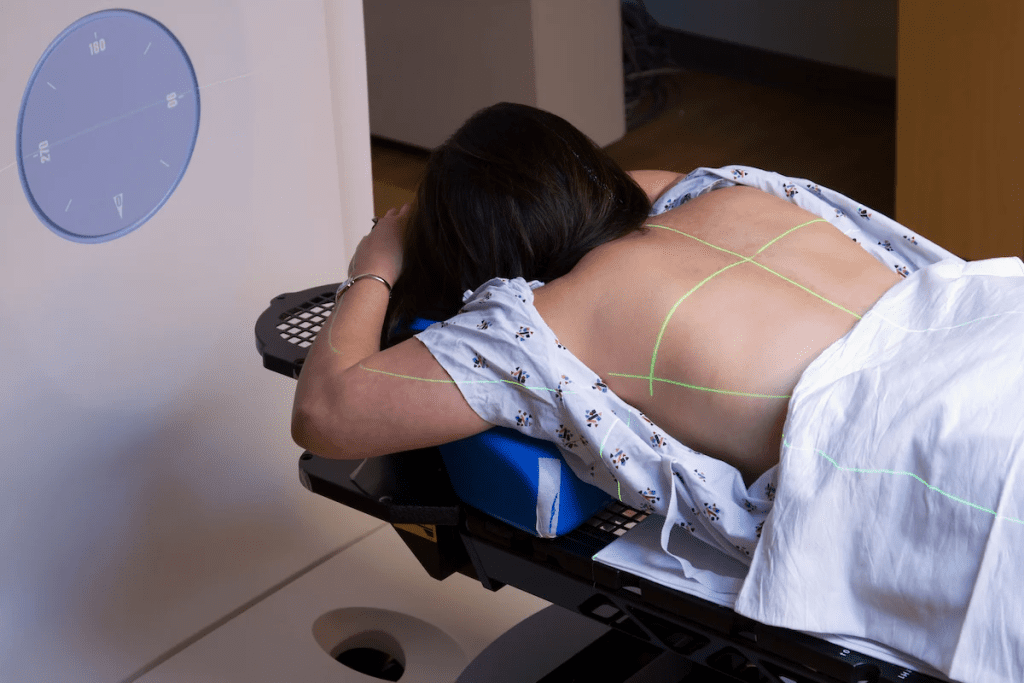
Did you know that nearly 50% of cancer patients get radiation therapy as part of their treatment? This shows how big a roleradiation therapy plays in cancer care. Doctors often compareradiation therapy and chemotherapy to decide the best treatment. Both aim to kill cancer cells but in different ways.
Doctors choose radiation therapy over chemotherapy based on how well each works and their side effects. This article will look into the differences between these treatments. We’ll also see what affects treatment choices.
Key Takeaways
- Cancer treatment options include radiation therapy and chemotherapy.
- The choice between radiation therapy and chemotherapy depends on the type and stage of cancer.
- Radiation therapy is often used for localized tumors.
- Chemotherapy is typically used for cancers that have spread.
- Understanding the differences between these treatments can help patients make informed decisions.
The Fundamentals of Cancer Treatment Decision-Making
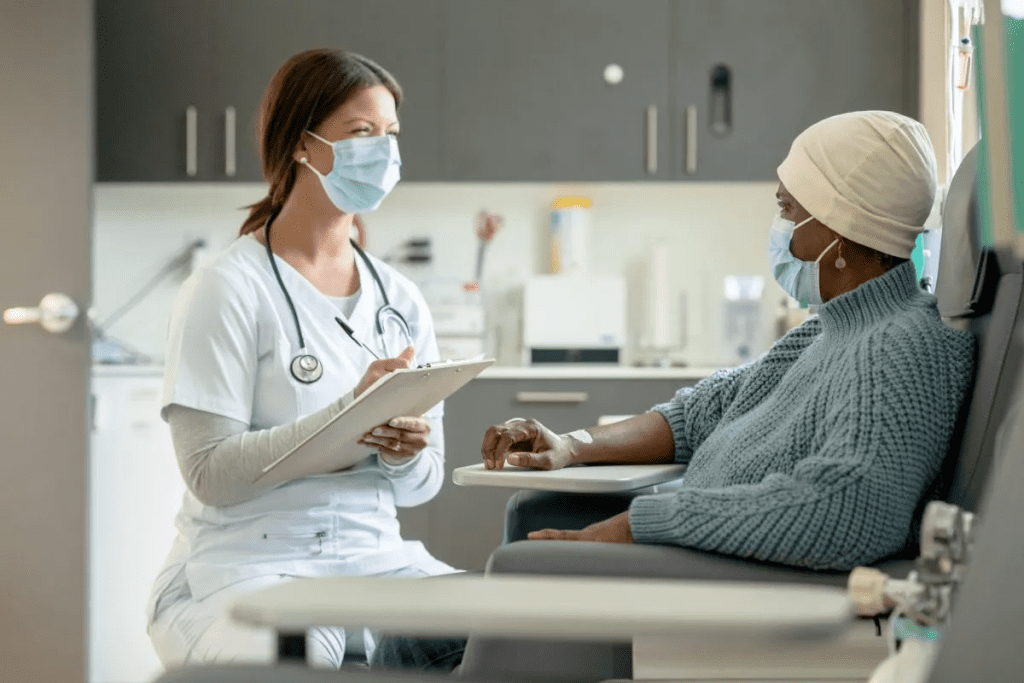
Choosing the right cancer treatment depends on several important factors. These include the type and stage of cancer. Understanding these factors and the available treatments is key.
Modern Cancer Treatment Modalities
Cancer treatment has changed a lot. Now, we have many options like surgery, chemotherapy, and radiation therapy. Each has its own use and benefits.
Radiation therapy is especially effective for localized tumors situated in a defined area. It kills cancer cells without harming healthy tissue. Chemotherapy, on the other hand, treats cancer that has spread all over the body.
“The multidisciplinary approach to cancer treatment has revolutionized patient care, allowing for more personalized and effective treatment plans.”
The Multidisciplinary Approach to Treatment Planning
A team of doctors, including oncologists and surgeons, work together. They create a treatment plan that fits the patient’s needs.
This team looks at many things. They consider the cancer’s stage, the patient’s health, and the treatment’s side effects. For example, in follicular lymphoma, early stages might get radiation therapy. But advanced stages might need chemotherapy and immunotherapy together.
| Treatment Modality | Indications | Benefits |
| Radiation Therapy | Localized tumors | Precise destruction of cancer cells |
| Chemotherapy | Systemic disease | Targets cancer cells throughout the body |
| Immunotherapy | Advanced or metastatic disease | Enhances the body’s immune response against cancer |
Using modern treatments and a team approach has made cancer care better. Knowing how to choose treatments helps both patients and doctors. This way, we can give the best care possible.
What Is Radiation Therapy?
Radiation therapy is a key part of cancer treatment. It uses high-energy particles or waves to kill cancer cells. This method targets and destroys tumors.
External Beam Radiation Therapy
External Beam Radiation Therapy (EBRT) is the most common type. It sends radiation from outside the body to kill cancer cells. EBRT includes types like 3D conformal and intensity-modulated radiation therapy (IMRT), each with its own benefits.
Internal Radiation Therapy (Brachytherapy)
Brachytherapy places radioactive material inside or near the tumor. This method delivers high doses of radiation to specific areas. It helps protect healthy tissues nearby.
How Radiation Damages Cancer Cell DNA
Radiation therapy damages cancer cells’ DNA. This stops them from growing and dividing. The DNA damage leads to cell death or stops cell reproduction.
The success of radiation therapy depends on several factors. These include the cancer type and stage, the patient’s health, and the radiation technique used. Advances in this field have improved treatment outcomes, giving patients new hope.
Understanding Chemotherapy as a Systemic Treatment
Chemotherapy is a key treatment for cancer. It targets cancer cells all over the body. Unlike treatments that focus on one area, chemotherapy reaches cells that have spread. This makes it a vital part of cancer treatment.
Major Classes of Chemotherapy Drugs
Chemotherapy drugs are grouped into main classes. These are based on how they work and their chemical makeup. The main classes are:
- Alkylating agents, which damage DNA in cancer cells to stop them from growing.
- Antimetabolites, which block DNA and RNA production, slowing cancer cell growth.
- Anthracyclines, which disrupt DNA strands, stopping cell division.
- Plant alkaloids and terpenoids, which stop cell division, preventing cancer cell growth.
Each drug class works differently. They are often used together to fight cancer more effectively.
Systemic Distribution and Cancer Cell Targeting
Chemotherapy drugs spread through the body via the bloodstream. This helps them reach cancer cells in different parts. The goal is to kill these cells and stop cancer from spreading.
How well chemotherapy works depends on several things. These include the cancer type, its stage, and the patient’s health. Targeted therapy is a newer approach. It aims to kill cancer cells while protecting normal cells, improving treatment results and reducing side effects.
Administration Methods and Protocols
Chemotherapy can be given in different ways, like orally, through veins, or directly into arteries. The method chosen depends on the cancer type, the drugs used, and the patient’s health.
Chemotherapy protocols aim to make treatment effective while reducing side effects. These plans outline the dosage, how often, and for how long. They also cover any extra care needed. Combination chemotherapy, using several drugs together, is often used. It has been shown to improve results in many cancers.
“The development of effective chemotherapy protocols requires a deep understanding of the complex interactions between cancer cells and the drugs used to treat them.”
Oncologist
Understanding chemotherapy helps doctors create personalized treatment plans. This approach improves outcomes in the fight against cancer for each patient.
Comparing Radiation and Chemotherapy: Core Differences
Cancer treatment comes in two main types: radiation therapy and chemotherapy. Radiation targets tumors, while chemotherapy treats the whole body. Knowing the differences is key for patients and doctors when choosing a treatment.
Localized vs. Whole-Body Treatment Approaches
Radiation therapy focuses on treating tumors in one area. It sends high doses of radiation right to the tumor, protecting healthy tissues nearby. Chemotherapy, on the other hand, uses drugs to fight cancer cells all over the body. It’s great for cancers that have spread or might spread.
Treatment Delivery and Patient Experience
How treatments are given affects the patient’s experience. Radiation therapy is often given from outside the body or inside through brachytherapy. Chemotherapy is usually given through an IV, but some forms are taken by mouth. Radiation therapy is usually painless, while chemotherapy can cause more widespread side effects.
Duration and Frequency of Treatment Sessions
The length and frequency of treatments vary. Radiation therapy is given in many sessions over weeks. Chemotherapy cycles can last from weeks to months, depending on the plan.
Recovery Periods and Follow-up Care
Recovery and follow-up care differ too. Radiation therapy patients might face side effects that can be managed. Chemotherapy patients need more detailed follow-up care because of its systemic effects.
In summary, choosing between radiation and chemotherapy depends on many factors. These include the cancer type, stage, and the patient’s health. Understanding these differences helps patients and doctors make better choices.
Effectiveness Analysis: When Each Treatment Excels
Radiation therapy and chemotherapy work differently for different cancers. It’s key to know when each is best. This helps doctors choose the right treatment for each patient.
Tumor Types Highly Responsive to Radiation
Some tumors respond very well to radiation. For example, early-stage prostate cancer can often be cured with it. A study in the Journal of Clinical Oncology found that radiation works great for prostate cancer.
“Radiation therapy is a highly effective treatment for localized prostate cancer.”
Other cancers like head and neck, brain tumors, and early-stage breast cancer also do well with radiation.
Cancers Where Chemotherapy Shows Superior Results
Chemotherapy is key for many cancers, like leukemia, lymphoma, and testicular cancer. It’s very effective in these cases. For testicular cancer, chemotherapy can greatly improve survival rates, even in advanced stages.
Chemotherapy’s effectiveness in treating these cancers is well-documented. A study in the New England Journal of Medicine showed that chemotherapy can lead to complete remission in many leukemia patients.
Comparative Success Rates and Outcome Measures
When comparing radiation and chemotherapy, it’s important to look at the cancer type, stage, and patient factors. Important outcomes include overall survival, disease-free survival, and quality of life.
A study in the Journal of Clinical Oncology found that for some early-stage cancers, radiation and surgery have similar survival rates. But chemotherapy is better for systemic diseases.
- Radiation therapy is often preferred for localized tumors.
- Chemotherapy is generally used for systemic cancers or those that have metastasized.
- Outcome measures include overall survival, disease-free survival, and quality of life.
By considering these factors, doctors can create treatment plans that best suit each patient. This increases the chances of a successful outcome.
Side Effect Considerations in Treatment Selection
Choosing between radiation therapy and chemotherapy is a big decision. Both treatments have changed cancer care a lot. But, they have different side effects and risks that need careful thought.
Radiation Therapy Side Effects
Radiation therapy mainly affects the treated area. Common side effects include fatigue, skin irritation, and hair loss in that area. The side effects’ severity depends on the radiation dose and where it’s applied.
Chemotherapy Side Effects
Chemotherapy affects the whole body, leading to many side effects. Common ones are nausea, vomiting, hair loss, and increased risk of infection. These side effects vary based on the chemotherapy drugs, dose, and the person’s health.
Long-term Health Implications of Each Treatment
Both treatments have long-term health effects. Radiation therapy can cause secondary cancers and damage to nearby tissues and organs. Chemotherapy might lead to cardiac issues, neuropathy, and a higher risk of new cancers.
| Treatment | Common Side Effects | Long-term Implications |
| Radiation Therapy | Fatigue, skin irritation, hair loss in treated area | Secondary cancers, damage to surrounding tissues |
| Chemotherapy | Nausea, vomiting, hair loss, increased infection risk | Cardiac issues, neuropathy, secondary malignancies |
It’s key for patients and doctors to know about these side effects and long-term effects. The choice between radiation therapy and chemotherapy depends on many things. These include the cancer type and stage, the patient’s health, and their personal wishes.
Clinical Factors Driving Radiation Treatment Selection
Choosing radiation treatment involves many important factors. Doctors look at several things to decide if radiation is right for a patient. This includes the patient’s health and the type of cancer.
Cancer Staging and Its Impact on Treatment Choice
Cancer staging is key in picking radiation therapy. It shows how far the cancer has spread. Early cancers might be treated with radiation because they are closer to the surface.
- Localized tumors can be targeted with radiation, keeping healthy tissues safe.
- Advanced-stage cancers might need more treatments, like radiation, to manage symptoms and slow growth.
Anatomical Considerations and Tumor Accessibility
Where the tumor is in the body matters a lot. Tumors that are easy to reach with radiation are more likely to get it.
Anatomical considerations include how close the tumor is to important areas. New radiation methods, like IMRT, help avoid damage by focusing on the tumor only.
Patient Health Status and Treatment Tolerance
The patient’s health and how well they can handle radiation are also important. Some patients might not be able to get certain treatments because of their health or past treatments.
| Patient Factor | Impact on Radiation Therapy |
| Previous radiation exposure | May limit the dose or frequency of radiation therapy |
| Comorbid conditions | Can affect the patient’s tolerance to radiation and influence treatment planning |
| Age and overall health | Considered when assessing the patient’s ability to recover from radiation therapy |
Healthcare providers use these factors to decide on radiation therapy. They make plans that fit each patient’s needs.
Specific Scenarios Where Radiation Is Preferred Over Chemotherapy
Radiation therapy is often the best choice for many patients. The choice between radiation and chemotherapy depends on the cancer type, stage, and the patient’s health. It also depends on the side effects of each treatment.
Early-Stage Solid Tumors
For early-stage solid tumors, radiation is usually the top choice. It targets cancer cells well while protecting healthy tissue. For example, it’s often used for early breast, prostate, and lung cancers.
- Breast cancer: Radiation is used after lumpectomy to kill any remaining cancer cells.
- Prostate cancer: External beam radiation therapy (EBRT) or brachytherapy target prostate cancer cells.
- Lung cancer: Stereotactic body radiation therapy (SBRT) treats early-stage lung cancer with great precision.
Organ Preservation Strategies
Radiation therapy is key in organ preservation. It shrinks tumors to keep organs working well. This approach improves life quality and lowers long-term complication risks.
Examples include:
- Laryngeal cancer: Radiation helps keep the voice box, preserving speech and swallowing.
- Anal cancer: Chemoradiation aims to keep the anal sphincter, avoiding colostomy.
Curative Intent in Localized Disease
In localized disease, radiation aims to cure the cancer. The goal is to remove the cancer completely for long-term control. Radiation can be used alone or with surgery or chemotherapy.
For example, it’s used to treat localized prostate cancer with the goal of curing it. The treatment plan is customized for each patient, considering the cancer’s stage and grade.
Palliative Radiation for Symptom Management
Palliative radiation helps manage symptoms in advanced cancer. It reduces pain, bleeding, and other symptoms caused by tumors.
- Pain relief: Radiation can lessen pain from bone metastases or tumors.
- Bleeding control: Palliative radiation can stop bleeding from tumors in the lung, bladder, or other organs.
The Oncologist’s Decision Framework
Oncologists use a detailed framework to decide between radiation therapy and chemotherapy. This framework is key to making sure patients get the right care for their needs.
The decision-making process in oncology is complex. It involves several important parts that help tailor cancer care to each patient.
Evidence-Based Clinical Guidelines
Evidence-based clinical guidelines are a big part of the oncologist’s framework. These guidelines are made from the latest research and trials. They help doctors make treatment choices based on solid evidence.
By sticking to these guidelines, doctors can make sure their advice is up-to-date and follows the best care standards.
Multidisciplinary Tumor Board Consultations
The multidisciplinary tumor board consultation is another key part. It’s when a team of specialists from different fields gets together to talk about a patient’s case. They work together to agree on the best treatment plan.
This team includes experts in radiation oncology, medical oncology, surgery, and more. They offer a full view of the patient’s situation and the best treatment options.
Shared Decision-Making with Patients
Shared decision-making is also important. It’s when the oncologist and patient work together to make treatment choices. This way, the treatment fits the patient’s needs and values.
By involving patients in the decision-making, doctors can make sure the treatment is right for them. This approach is key to providing top-notch, patient-focused care.
By using evidence-based guidelines, multidisciplinary consultations, and shared decision-making, oncologists can offer the best care. This approach is vital for dealing with the challenges of cancer treatment and getting the best results for patients.
Conclusion: Personalizing Cancer Treatment for Optimal Outcomes
Personalized cancer treatment is key to the best results. The choice between radiation therapy and chemotherapy depends on many things. These include the cancer type and stage, the patient’s health, and what the treatment aims to achieve.
Radiation therapy and chemotherapy are both effective. But they work in different ways and for different situations. Knowing their strengths and weaknesses helps make better choices for treatment.
A team of doctors, including oncologists and radiologists, work together. They make sure each patient gets a treatment plan that fits their needs. New research and treatments are always coming, making care even better.
Healthcare providers use the latest in radiation and chemotherapy to create personalized plans. This approach improves outcomes and makes life better for patients.
FAQ
What is the main difference between radiation therapy and chemotherapy?
Radiation therapy targets cancer cells in a specific area. Chemotherapy affects the whole body.
Why do doctors choose radiation therapy over chemotherapy for certain cancers?
Doctors might choose radiation for tumors or early-stage cancers. It’s more effective in treating specific areas without harming the whole body.
What are the side effects of radiation therapy compared to chemotherapy?
Radiation therapy causes side effects like skin irritation or fatigue. Chemotherapy can lead to hair loss, nausea, and infections.
Can radiation therapy cure cancer?
Yes, it can cure some cancers, mainly in early stages or with other treatments.
How does radiation therapy damage cancer cell DNA?
Radiation therapy uses high-energy rays to damage cancer cell DNA. This leads to cell death.
What are the different types of radiation therapy?
There are two main types: external beam radiation therapy and brachytherapy (internal radiation therapy).
Is chemotherapy effective in treating all types of cancer?
No, chemotherapy works for some cancers but not all. Its success depends on the cancer type, stage, and patient’s health.
How do oncologists decide between radiation therapy and chemotherapy?
Oncologists look at the cancer type, stage, patient health, and tumor characteristics. They choose the best treatment approach based on these factors.
Can radiation therapy and chemotherapy be used together?
Yes, they can be used together for some cancers. This is often when a stronger treatment is needed.
What is the role of a multidisciplinary team in cancer treatment decision-making?
A team of oncologists, radiologists, and others creates a personalized treatment plan. They consider each patient’s unique needs and circumstances.
How do clinical guidelines influence treatment decisions?
Clinical guidelines offer evidence-based recommendations. They help oncologists choose the most effective treatments.
What is the importance of shared decision-making in cancer treatment?
Shared decision-making involves patients and healthcare providers working together. They create a treatment plan that fits the patient’s values and needs.



 Departments
 Related Videos
 Our Doctors
 News
News