Last Updated on December 2, 2025 by Bilal Hasdemir

Radiation therapy is a common treatment for many cancers. It can weaken the body’s radiation weaken your immune system. This makes cancer patients more likely to get infections.
It’s important for patients and doctors to know how long the immune system is weakened. This depends on the radiation dose and the patient’s health.
Key Takeaways
- Radiation therapy can weaken the immune system.
- The extent of immunosuppression varies depending on several factors.
- Understanding immunosuppression is key for making treatment choices.
- Patients undergoing radiation therapy are more susceptible to infections.
- Post-treatment care is vital for those with weakened immune systems.
Understanding Radiation and Its Effects on the Body
Radiation therapy is a key part of cancer treatment. It’s important to know how it affects the body. Let’s dive into the basics of this treatment.
What Is Radiation Therapy?
Radiation therapy uses high doses of radiation to kill cancer cells. This treatment focuses on the area with cancer, trying to protect healthy tissues. But, it can sometimes harm nearby cells, causing side effects.
Types of Radiation Used in Treatment
There are several types of radiation therapy. These include external beam, internal radiation (brachytherapy), and systemic radiation therapy. Each type is chosen based on the cancer’s nature and location, and the patient’s health.
How Radiation Works on Cancer Cells
Radiation damages the DNA of cancer cells, stopping them from dividing and leading to cell death. This can effectively shrink tumors and control cancer growth. But, it can also harm the immune system, affecting white blood cells.
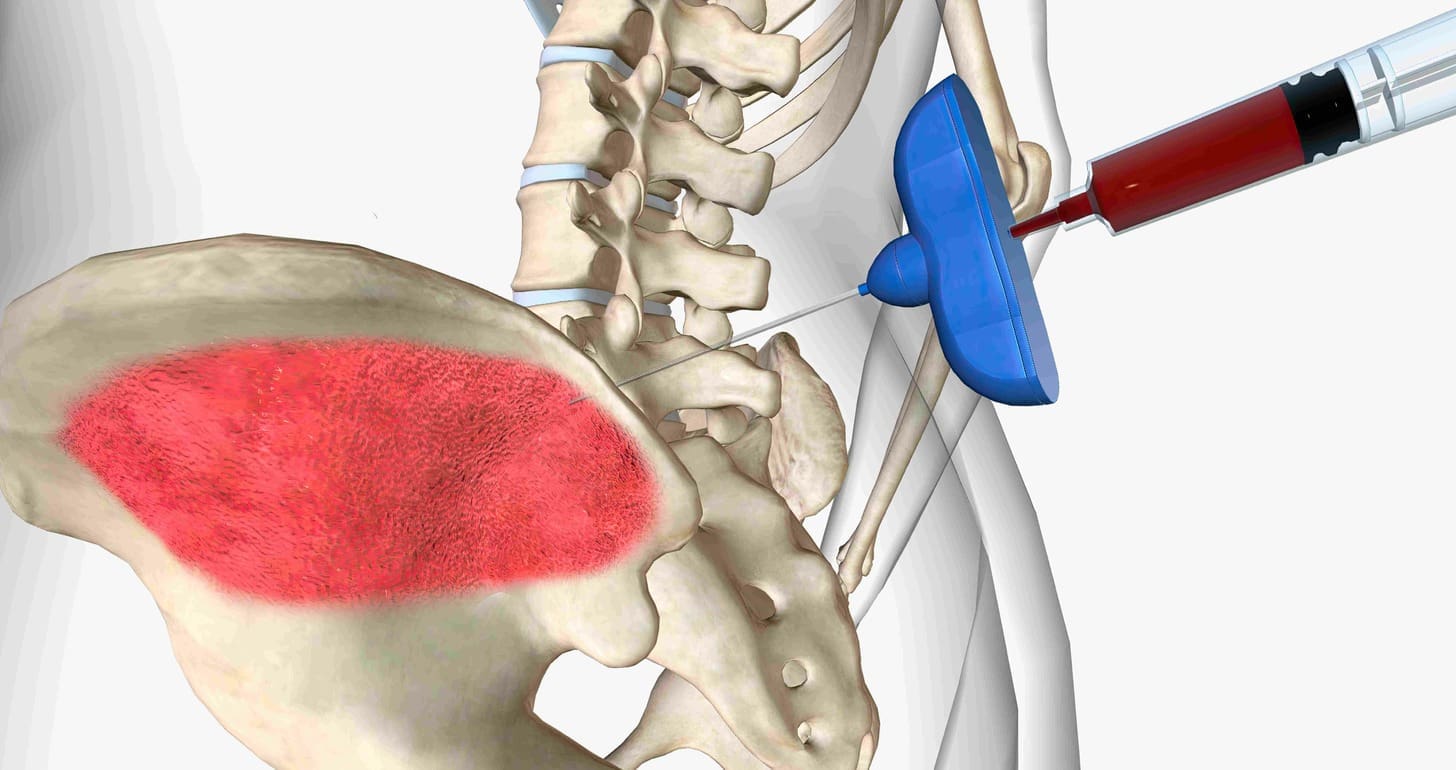
When radiation hits bone marrow, it can lower the body’s ability to make white blood cells. White blood cells are key in fighting infections. Understanding how radiation affects the immune system helps in caring for patients during and after treatment.
The Immune System: An Overview
Our immune system is a complex network of cells, tissues, and organs. It works together to defend against infections. It protects our body against bacteria, viruses, and other foreign substances.
The immune system has various cells, tissues, and organs working together. White blood cells, like neutrophils and lymphocytes, are key in fighting infections. Neutrophils destroy foreign particles, while lymphocytes are important in specific immune responses.
Components of the Immune System
The immune system has two main types: the innate and adaptive immune systems. The innate immune system provides immediate defense. The adaptive immune system takes time but offers a targeted response.
- The innate immune system includes physical barriers like the skin. It also has cells like neutrophils and macrophages that eliminate pathogens.
- The adaptive immune system involves lymphocytes, including B cells and T cells. These cells recognize and remember specific pathogens for a more effective response.
How the Immune System Protects Against Illness
The immune system protects us through a multi-layered defense. When a pathogen enters, the innate immune system acts quickly. It activates cells and releases chemical signals. If the pathogen stays, the adaptive immune system kicks in for a targeted response.
Understanding the immune system is key to knowing how radiation therapy affects it. Radiation can damage immune cells and tissues. This can weaken our body’s defense against infections.
Does Radiation Weaken Your Immune System?
It’s important to know how radiation affects the immune system. Radiation therapy is used to fight cancer. But, it can also harm the immune system.
Direct Effects of Radiation on Immune Cells
Radiation can damage immune cells, like those in bone marrow. Bone marrow makes blood cells, including white blood cells. These cells help fight infections. Damage to bone marrow can lower their production, weakening the immune system.
The impact on the immune system varies. It depends on the radiation dose and where it’s applied. For example, treatments in the pelvis or chest can harm bone marrow more, affecting the immune system.
Factors Influencing Immune System Changes
Several things affect how radiation therapy impacts the immune system. These include the radiation dose, treatment area, and the patient’s health before treatment.
| Factor | Description | Impact on Immune System |
| Radiation Dose | The amount of radiation used in treatment | Higher doses can lead to greater immune suppression |
| Treatment Area | The part of the body being treated with radiation | Areas with more bone marrow (e.g., pelvis, spine) may have a greater impact |
| Individual Health | The patient’s overall health and immune function before treatment | Patients with pre-existing immune issues may be more affected |
Healthcare providers can adjust radiation therapy to reduce its impact on the immune system. This helps treat cancer effectively while protecting the immune system.
Duration of Immunocompromised State After Radiation
Understanding how radiation affects the immune system helps in caring for patients during and after treatment.
Immediate Effects Post-Treatment
Right after radiation, patients often see a big drop in their immune strength. This is because radiation can harm the bone marrow, where immune cells are made. The immediate effects can include a decrease in white blood cells, making patients more susceptible to infections.
The level of immune weakness can differ from person to person. Things like the radiation dose, how long it lasts, and where it’s applied, and the patient’s health all matter. These factors help decide how the immune system will react right away.
Long-Term Effects and Recovery
The long-term effects of radiation on the immune system can vary a lot. Some patients might get their immune function back quickly, while others might take longer. The recovery process is influenced by factors such as the patient’s age, overall health, and whether they received concurrent treatments like chemotherapy.
Patients who get radiation therapy might need several months to a few years to get their immune system back. The table below shows how long it might take based on different treatments.
| Treatment Type | Immediate Effect | Long-Term Effect |
| Localized Radiation | Mild immune suppression | Recovery within 6-12 months |
| Total Body Radiation | Severe immune suppression | Recovery within 1-2 years |
| Radiation with Chemotherapy | Severe immune suppression | Recovery within 1-3 years |
Knowing these factors and their effects on the immune system helps. It helps both patients and healthcare providers find ways to reduce the risks of being immunocompromised.
Factors Affecting Immune Recovery After Radiation
It’s important to know what affects the immune system after radiation. This is key for those getting cancer treatment. Several elements play a big role in how well the immune system recovers.
Type of Cancer and Treatment Plan
The type of cancer and the treatment plan matter a lot. The dosage and how long you get radiation therapy for can affect recovery. For example, radiation therapy that targets areas with lots of immune cells, like the spleen or lymph nodes, can really impact the immune system.
When you’re getting radiation and chemo or chemo or radiation, it’s important to know how they work together. Chemotherapy can weaken the immune system by attacking fast-growing cells, including immune cells. Using radiation and chemotherapy together can weaken the immune system even more, making it harder to fight off infections and recover.
Patient’s Age and Overall Health
A person’s age and health are very important for immune recovery. Older people or those with health problems may find it harder to recover after radiation therapy. Having health issues, like diabetes or heart disease, can make recovery harder. It’s important for doctors to think about these things when planning treatment.
- Age-related decline in immune function
- Presence of comorbid health conditions
- Nutritional status and overall well-being
Concurrent Treatments and Medications
Using other treatments and medicines can also affect recovery. For example, corticosteroids, used to manage radiation side effects, can weaken the immune system. It’s important to understand how these treatments affect the chemotherapy immune system and overall immune function to care for patients well.
- Review of current medications and their impact on the immune system
- Adjustment of treatment plans to reduce immune suppression
- Monitoring of immune function during and after treatment
By looking at these factors and customizing treatment plans, doctors can help lessen the immune-suppressing effects of radiation therapy. This helps patients recover better.
Symptoms of a Weakened Immune System
Radiation therapy often weakens the immune system. This makes the body more likely to get sick. We’ll talk about the symptoms to watch for and when to see a doctor.
Common Signs to Look For
People with weak immune systems show several symptoms. Some common ones are:
- Frequent infections: Infections that keep coming back or take longer to heal.
- Fatigue: Feeling very tired that doesn’t get better with rest.
- Fever: A high body temperature, often a sign of infection.
- Sore throat: A long-lasting sore throat or trouble swallowing.
- Swollen lymph nodes: Big lymph nodes in the neck, armpits, or groin.
These symptoms can really affect your daily life. Spotting them early is key to avoiding bigger problems.
When to Seek Medical Attention
If you notice any of these, you should see a doctor right away:
- Severe infections: Infections that are very bad, keep coming back, or last a long time.
- High fever: A fever over 101.5°F (38.6°C) that doesn’t go away after a few hours.
- Unusual bleeding: Bleeding that’s a lot, lasts a long time, or happens without reason.
- Shortness of breath: Trouble breathing or feeling like you can’t catch your breath even when sitting or lying down.
Seeing a doctor early can really help. If you’re worried about your symptoms, talk to your healthcare provider.
Knowing these signs and acting fast can help you stay healthy after radiation therapy.
Steps to Rebuild Your Immune System Post-Radiation
Radiation therapy can weaken your immune system. But, you can rebuild it with the right strategies. This includes dietary changes, enough rest, and sometimes, supplements.
Nutrition and Diet Considerations
Eating a balanced diet is key. Include fruits, vegetables, whole grains, and lean proteins. Foods like berries and leafy greens help fight oxidative stress from radiation.
Drinking plenty of water is also important. Stay away from processed foods and sugary items to help your immune system recover.
| Food Group | Examples | Benefits |
| Fruits | Berries, Citrus Fruits | High in Vitamins and Antioxidants |
| Vegetables | Leafy Greens, Cruciferous Vegetables | Rich in Antioxidants and Fiber |
| Proteins | Lean Meats, Fish, Eggs | Essential for Repair and Recovery |
Importance of Rest and Sleep
Getting enough rest and sleep is vital for immune recovery. Sleep helps your body repair cells, build bone and muscle, and strengthen your immune system.
Keep a regular sleep schedule and create a cozy sleep environment. Avoid caffeine and electronic devices before bed to improve sleep quality.
“Sleep is a critical component of overall health, and it’s essential for patients recovering from radiation therapy. Getting enough rest can greatly help your immune system recover.”
Recommended Supplements and Vitamins
While a balanced diet is important, some supplements can also help. Vitamins C and D, zinc, and probiotics are known for boosting the immune system.
But, always talk to your healthcare provider before taking any supplements. They can ensure they are safe and right for you.
By focusing on nutrition, rest, and supplements, you can actively work on rebuilding your immune system after radiation therapy. Always get advice from healthcare professionals to make these strategies fit your needs.
Emotional and Psychological Impact of Immunocompromise
Being immunocompromised after radiation therapy can be tough, both physically and emotionally. It makes you feel vulnerable and anxious because your body can’t fight off infections well.
Coping Strategies After Radiation
Dealing with the emotional side of being immunocompromised needs a mix of strategies. Having a strong support network is key, including family, friends, and support groups. Activities like meditation or yoga can help reduce stress.
It’s also important to stay in touch with healthcare providers. They can help manage your emotional health and offer support when you need it.
Seeking Support from Professionals
For some, the emotional challenges of being immunocompromised may need professional help. Mental health experts can teach you ways to handle anxiety and depression during this time.
Looking for help is a sign of strength. There are many resources out there, like counseling and online support groups. Remember, you’re not alone in this journey.
By understanding the emotional and psychological effects of being immunocompromised, you can find ways to cope. Using available strategies and support can help you manage your health better after radiation therapy.
Conclusion: Navigating Your Health After Radiation
After radiation therapy, taking care of your health is key. Managing the long-term effects on your immune system can be tough. But, with the right steps, you can handle this journey well.
Regular Check-Ups and Monitoring
It’s important to have regular check-ups to watch your immune system’s recovery. Knowing your treatment plan and follow-up care is essential for a smooth recovery.
Proactive Health Measures
Being proactive in your health means knowing the long-term side effects of radiation. Understanding how it affects your immune system and cancer treatment helps you make better choices.
As you go forward, stay informed and involved in your health care. This way, you can manage the effects of radiation better and improve your overall health.
FAQ
How does radiation therapy affect the immune system?
Radiation therapy can weaken the immune system. It damages the bone marrow, where white blood cells are made. This makes patients more likely to get infections.
Does radiation therapy cause long-term immunosuppression?
The length of time the immune system is weakened varies. It depends on the dose and area of radiation, the type of cancer, and the patient’s health. Some may have long-term effects, while others recover faster.
What are the common symptoms of a weakened immune system after radiation?
Signs include frequent infections, fatigue, fever, and slow healing of wounds. If you experience these symptoms, seek medical help.
How can I rebuild my immune system after radiation therapy?
To rebuild your immune system, eat a balanced diet with fruits, vegetables, and whole grains. Also, get enough rest and sleep. Your healthcare team may recommend supplements and vitamins.
Can chemotherapy and radiation therapy be used together, and how does this impact the immune system?
Yes, chemotherapy and radiation therapy can be used together. This combination can increase the risk of weakening the immune system. Both treatments affect the bone marrow and immune cells.
How long does it take to recover from immunosuppression after radiation therapy?
Recovery time varies. It depends on the extent of radiation, your overall health, and any other treatments. Generally, the immune system starts to recover a few months after treatment ends.
Are there any specific nutrients or supplements that can help boost the immune system after radiation?
Eating foods rich in antioxidants, vitamins C and D, and zinc can help. Some supplements may also be beneficial. Always talk to your healthcare team before adding new supplements.
Can radiation therapy affect the immune system’s ability to fight cancer?
Radiation therapy can weaken the immune system’s ability to fight cancer. But it also directly kills cancer cells. The overall effect on cancer control depends on many factors, including the type of cancer and the treatment plan.
What are the emotional and psychological impacts of being immunocompromised?
Being immunocompromised can lead to feelings of isolation, anxiety, and depression. Counseling and support groups can help manage these feelings.
How can I stay informed and proactive in my health journey after radiation therapy?
Regular check-ups with healthcare providers are key. Stay informed about your condition and treatment options. Adopting a healthy lifestyle can also help you stay proactive in your health journey.
References
National Center for Biotechnology Information. Evidence-Based Medical Insight. Retrieved from https://pubmed.ncbi.nlm.nih.gov/22192687/
National Center for Biotechnology Information. Evidence-Based Medical Insight. Retrieved from https://pubmed.ncbi.nlm.nih.gov/22192687/
National Center for Biotechnology Information. Evidence-Based Medical Insight. Retrieved from https://pubmed.ncbi.nlm.nih.gov/22192687/
JAMA Network. Evidence-Based Medical Insight. Retrieved from https://jamanetwork.com/journals/jamaoncology/fullarticle/2787952
Nature. Evidence-Based Medical Insight. Retrieved from https://www.nature.com/articles/ncomms15618
The Lancet. Evidence-Based Medical Insight. Retrieved from https://www.thelancet.com/journals/lanonc/article/PIIS1470-2045(13)70115-2/fulltext